

Arbiton vinyl panels: a modern mineral floor for the whole home
Choosing a floor is a decision that affects daily life at home for many years. Arbiton vinyl panels with an HD Mineral Core combine aesthetics…

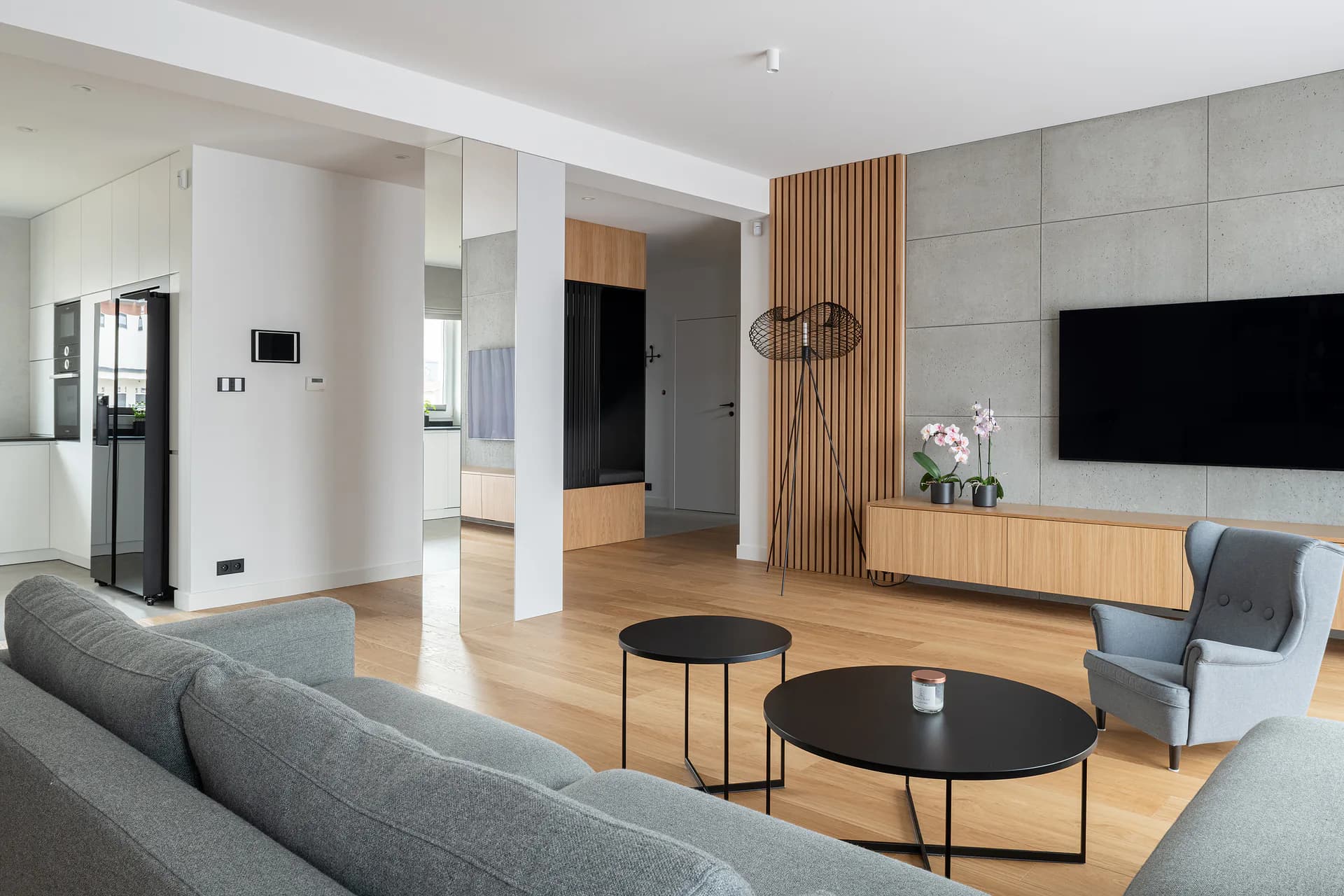
A floorboard is the better choice if your priorities are real wood, durability for years to come, the option of renovation and a natural character in the interior. Floor panels are the better option when what counts is a lower budget, quick installation, moisture resistance – particularly with vinyl panels – and practical everyday use in high-traffic rooms.
In short: floorboards are the ideal choice for living rooms, bedrooms and showpiece interiors, when the natural beauty of wood and the option to renovate matter to you. Panels are a good solution for quick refurbishments, rental flats, kitchens, bathrooms and places where ease of installation and resistance to mechanical damage are important.
Boards and panels differ above all in material, construction and the way they age. Wooden floors are made from a natural material that has its own texture, colour and grain, and that responds to changes in temperature and moisture. Panels are a layered or composite product that imitates wood or another material, but they typically offer a more predictable appearance, a wide choice of decors and easy installation.
This difference in construction affects everything: durability, moisture resistance, the potential for renovation, acoustics, walking comfort, safety in use and how the surface will look after a few years, or a decade and more.
Wooden floorboards are made either as solid wood boards or as engineered boards. Solid wood boards are 14-22 mm thick and are produced from a single piece of timber through the full thickness of the material. Floorboards can be made from hardwood or softwood species, but for hard-wearing floors the harder species are usually chosen.
Oak, ash, beech and acacia are considered hardwoods. Oak is one of the most durable flooring materials, which is why oak floorboards are the most popular in Poland. Oak and ash floorboards are also chosen very often, because they combine good looks with resistance to denting. American walnut and bamboo are popular as well, although in botanical terms bamboo is not a wood – in flooring ranges it is often treated as a high-hardness material. Softwoods such as pine and spruce are cheaper and damage more easily. Hardwood is more durable and more resistant to dents than softwood.
Engineered boards are 11-15 mm thick, and 11-15 mm is the most popular thickness for engineered floors. A floor like this has a natural wear layer on top and stabilising layers underneath. Engineered boards are more stable and suitable for underfloor heating, and on top of that they are easier to maintain than many traditional solid wood boards.
The type of finish matters a great deal. Lacquer protects the wood against moisture and dirt by forming a hard coating. Lacquered boards are practical wherever surface resistance and easy cleaning count. Oil penetrates deep into the wood, bringing out its natural texture. Oiled boards look more natural, but they need regular care. Refresh an oiled surface every few years to preserve the wood's resistance, colour and beauty.
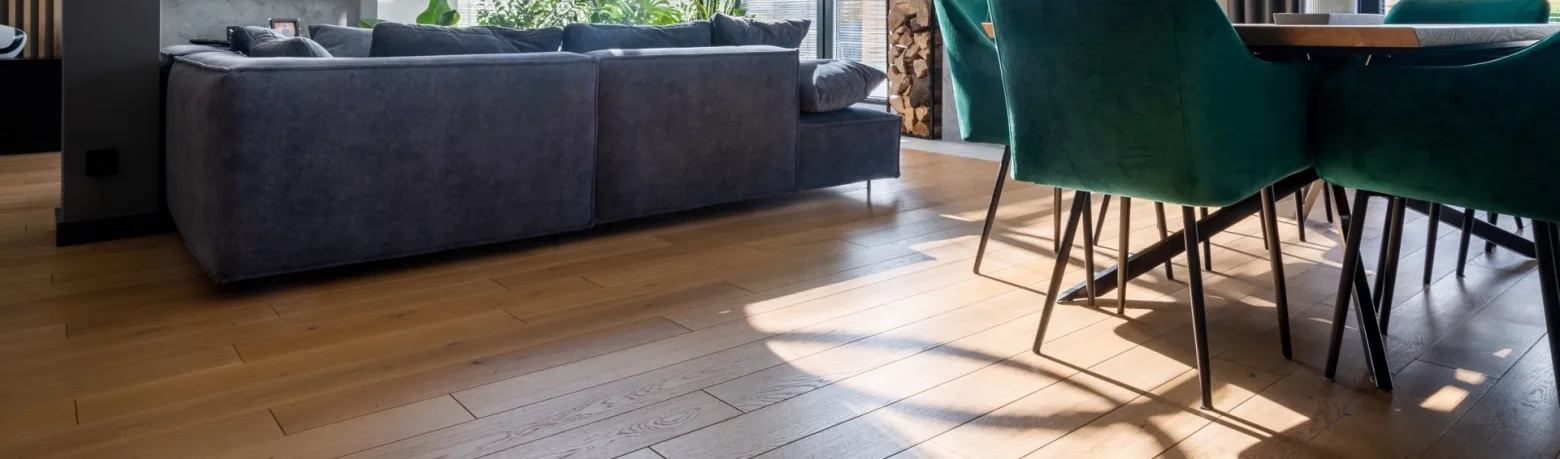
Floor panels divide mainly into laminate panels and vinyl panels. Laminate panels have a core of HDF or MDF board, a decorative layer and a protective wear-resistant layer. Laminate panels with a high abrasion class resist micro-scratches, which is why they work well in flats, hallways and rooms with moderate or heavy foot traffic.
Vinyl panels are composite products, often made in LVT or SPC technology, with a PVC layer and a core that increases stability. Vinyl panels are waterproof and suitable for kitchens and bathrooms. Vinyl panels are completely resistant to water and mould, which is why they are used where wooden floors would call for particular caution.
With panels, it is worth looking at usage classes and the AC3-AC6 abrasion classes. Class AC3 may be enough for less intensively used rooms, AC4 is popular in family homes, while AC5 and AC6 are chosen for heavily used interiors and sometimes for public buildings too. Panels come in a wide range of colours, from light oak shades to dark walnut, concrete, stone or herringbone-style designs. This means they offer plenty of choice for modern interiors, classic arrangements and minimalist projects.
The differences between boards and panels are not only aesthetic. How well a floor performs depends on its moisture resistance and the intensity of foot traffic, but also on the stability of the subfloor, the installation method, ongoing care and how well the material is matched to the room.
Once you know what boards and panels are made of, it is easier to judge how they behave in everyday use. Natural wood moves in one way, HDF board in another, and waterproof SPC vinyl in yet another. These differences translate into durability, appearance, comfort, suitability for underfloor heating and costs over the long term.
Solid wood boards can be renovated many times over. Floorboards can be refreshed several times, and wooden floors can be renewed again and again through sanding, local repairs and refinishing of the surface. Thanks to this, wooden floors can last for decades with the right care. In practice, wooden boards can survive several decades, and well-maintained wooden floors of solid oak or ash are used even for generations.
Solid wood boards are 14-22 mm thick, which leaves a generous reserve of material for renovation. Engineered boards are 11-15 mm thick, but their scope for renovation depends on the thickness of the wear layer. Engineered floors are more stable, which is why they perform well where temperature changes, heating and a lower risk of movement in the material matter.
The durability of laminate panels depends on product quality, usage class and the intensity of use. Used correctly, they can keep their properties for many years. They cannot be sanded, so deep damage means replacing a single element or the whole floor. Vinyl panels are valued for their high resistance to everyday use, and their durability depends largely on the product class and the intensity of use.
Wood has a unique grain and colour. This is one of the main differences between a board and a panel: every board has its own pattern, shades and texture, and real wood ages naturally. Wood responds to changes in its surroundings by changing volume. This “movement” of the wood calls for moisture control, but at the same time it gives the effect of a living, noble material.
Wood breathes, helping to regulate the moisture level in a room. Wood regulates the moisture in a room, which is why wooden floors influence the microclimate of an interior. Warm natural wood works best in living rooms and bedrooms, where comfort, the pleasure of walking barefoot and a calm aesthetic count. Wide boards make an interior feel more spacious, which is why they are a popular choice for large living rooms and modern arrangements.
With laminate panels, the repetition of the decor can be noticeable, especially in cheaper products. Vinyl panels can reproduce the texture of wood, stone or concrete very convincingly, yet they do not change the way natural wood does and they do not offer the same depth of material. For some users this is an advantage, because the floor looks much the same for years; for others it is a limitation, because the natural character of the interior is missing.
With underfloor heating, stable materials with low thermal resistance perform best. Solid wood boards are used less often over underfloor heating, because they react more strongly to changes in temperature and moisture than engineered floors – they can shrink, expand, crack or open up gaps if the conditions are not kept very precisely under control.
Engineered boards are more stable and suitable for underfloor heating. Their construction limits the movement of the wood, which is why engineered floors are more often recommended for modern heating systems. With this kind of installation, however, you need to pay attention to the manufacturer's recommendations, the thickness, the type of adhesive, the thermal resistance and the lacquer or oil finish.
Panels are also often suitable for underfloor heating, but the choice depends on the specific product. SPC vinyl panels usually conduct heat very well and are practical in the kitchen, hallway and bathroom. Laminate panels can be used over underfloor heating as well, if the manufacturer approves such use. In every case, check the subfloor, the expansion gaps, the maximum surface temperature and the installation system.
The most important thing, then, is matching the floor to the conditions. Looks alone are not enough if the room has high moisture levels, intensive use or underfloor heating.
A good flooring choice starts with the conditions of use, not with the colour alone. The same oiled oak can be perfect for a bedroom yet demanding in a kitchen. The same vinyl panel can be practical in a bathroom and hallway, yet less prestigious in a showpiece living room. That is why it is worth making the decision against a few practical criteria.
Use this process when you are comparing wooden floorboards, engineered floors and floor panels for a specific house or flat.
Define the total budget. Count not only the price of the material but also fitting services, skirting boards, underlay, adhesive, subfloor preparation, ongoing care and future renovation.
Analyse the room. Pay attention to moisture, foot traffic, children, pets, sun exposure and underfloor heating. Kitchens and bathrooms usually cope better with vinyl panels than with natural wood.
Choose the style and aesthetic. Classic interiors suit parquet, oak boards, herringbone and warmer shades. For modern interiors, wide boards, light oak, matt finishes or minimalist SPC panels are the frequent choice.
Assess the installation. Panels usually offer quick click installation. Boards may require gluing, professional fitting, tongue-and-groove joints or thorough subfloor preparation. Before installation, the boards should be checked for material defects.
Plan for durability and renovation. If you want a floor that will last for decades, boards are the better investment. If a lower cost and easy replacement matter more to you, panels may be the more practical option.
Prepare the material for installation. Boards should rest in the room for around 48 hours before fitting, so they can acclimatise to the temperature and moisture.
Take care of the expansion gaps. Expansion gaps should be kept along the walls to prevent the boards from warping and to avoid problems with the floor's movement.
Comparison table of the key criteria
| Criterion | Solid wood boards | Engineered boards | Laminate panels | Vinyl panels |
| Material | Real wood through the full thickness | Natural wood in the wear layer, stabilising layers underneath | HDF/MDF, decor and a protective layer | LVT/SPC composite, PVC and a wear layer |
| Thickness | Solid wood boards are 14-22 mm thick | Engineered boards are 11-15 mm thick | Depending on the product, often around 7-12 mm | Depending on the product, often around 4-8 mm or more for SPC |
| Durability | Very high; solid wood boards can be renovated many times | High; stable and open to limited renovation | Medium to high; depends on the AC3-AC6 class | High resistance in use, especially to moisture |
| Renovation | Sanding, oiling, lacquering, local repairs | Possible, depending on the wear layer | No sanding; replacement of the element | No sanding; replacement of the element |
| Moisture resistance | Limited; requires moisture control | Better stability, but still needs protection | Moderate; the edges can swell | Very high; waterproof and mould-resistant |
| Underfloor heating | Solid wood boards are not suited to underfloor heating as a standard solution | Engineered boards are more stable and suitable for underfloor heating | Possible, if the manufacturer approves | Very often suitable and practical |
| Aesthetics | The most natural; unique grain and colour | Natural look, less movement in the material | Wood imitation, wide choice of designs | Realistic decors, good functionality |
| Installation | Requires experience; adhesive, tongue and groove or other systems | Easier than solid wood; adhesive or click | Easy fitting, quick installation | Easy fitting, click or glue-down |
| Care | Requires proper care | Easier maintenance than with many solid wood boards | Simple, but without large amounts of water | Very simple, moisture-resistant |
| Best use | Living room, bedroom, showpiece interiors | Homes with underfloor heating, premium flats | Budget-friendly and practical rooms | Kitchen, bathroom, hallway, high-traffic areas |
The table shows that there is no single best floor for everyone. Boards win on naturalness, longevity and the option of renovation. Panels win on price, speed of work, water resistance in the vinyl version and predictability in use. The most sensible choice depends on the room, the budget, the expected look and whether the floor is meant to serve for a few years, over a decade or several decades.
Most flooring problems come not from the material itself but from a poor match with the conditions. Wood in a room that is too damp, a laminate panel in an area that often gets flooded, or missing expansion gaps along the walls can quickly reduce a floor's comfort, looks and lifespan.
Wood responds to changes in its surroundings by changing volume, which is why stable conditions have to be maintained. Keep the air humidity between 45-60%. This limits the risk of gaps, warping, creaking and excessive movement in the boards.
Vacuum regularly and wash the floor with a damp mop, but avoid excess water. Avoid dragging heavy objects across the floor, as this can cause scratches and mechanical damage. With oiled boards, refresh the surface every few years; with lacquered ones, keep an eye on the condition of the coating. In the kitchen and bathroom, vinyl panels are the safer solution, because they are waterproof and mould-resistant.
Panels are cheaper at the outset, but often cannot be renovated. If the surface is worn out after a dozen or so years, replacement is usually necessary. Boards require a larger initial investment, but wooden floors can last several decades and can be renovated many times.
Engineered boards are a good compromise. They are stable, suitable for underfloor heating and look like natural wood, while often being cheaper and more practical than solid parquet. If the budget is limited, it is worth comparing the total cost: purchase, installation, care, and future renovation or replacement. Sometimes the product that costs more to buy turns out cheaper over a 20-30 year horizon.
The most common installation mistakes are careless subfloor preparation, skipping acclimatisation, leaving out the expansion gaps and choosing a material incompatible with underfloor heating. Subfloors must be level, dry and stable. Boards should rest in the room for around 48 hours before fitting, and before installation the boards should be checked for material defects.
With solid wood boards, it is best to use a professional service, especially where gluing, tongue-and-groove joints, herringbone or larger formats are involved. With panels, click installation is simpler, but it still requires a level subfloor and the right underlay. In rooms with heavy foot traffic or in public buildings, choose higher usage classes, better abrasion resistance and products that resist micro-scratches.
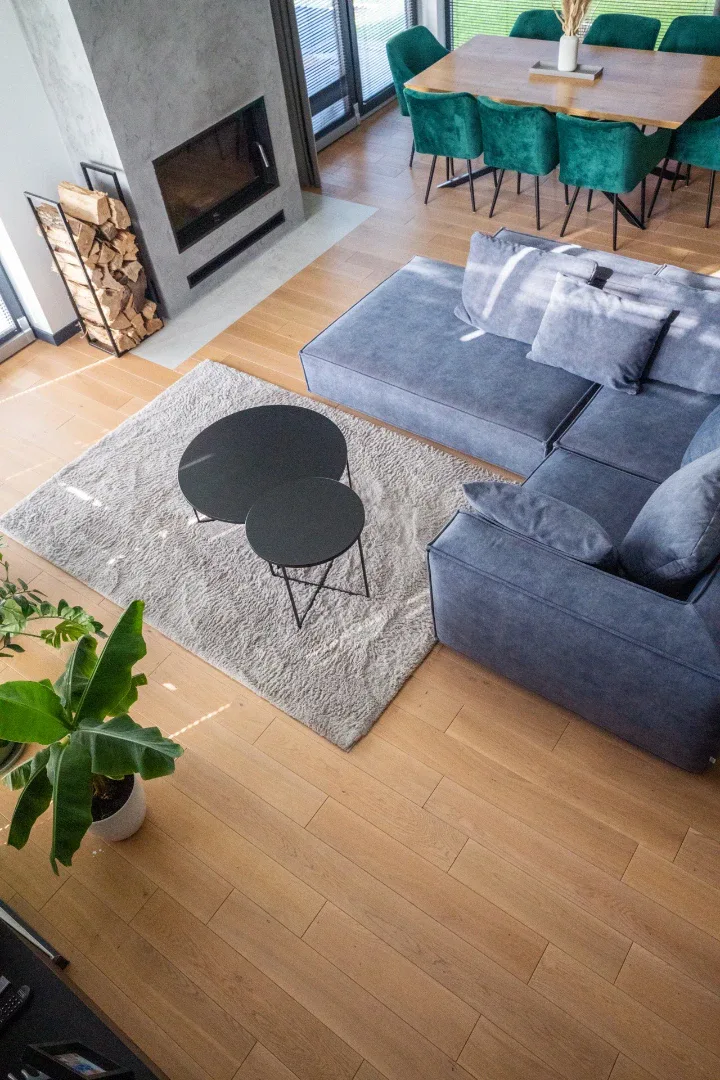
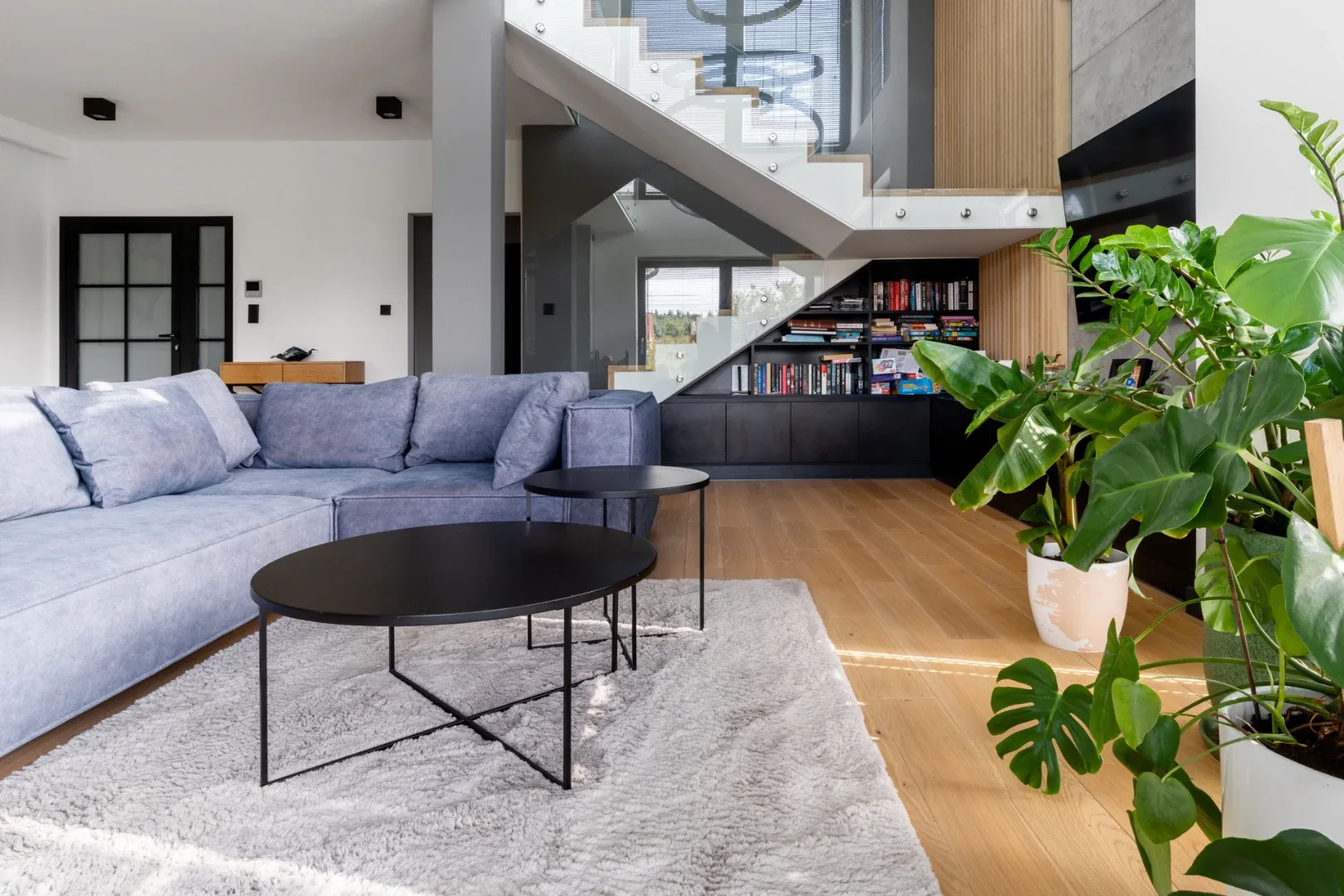
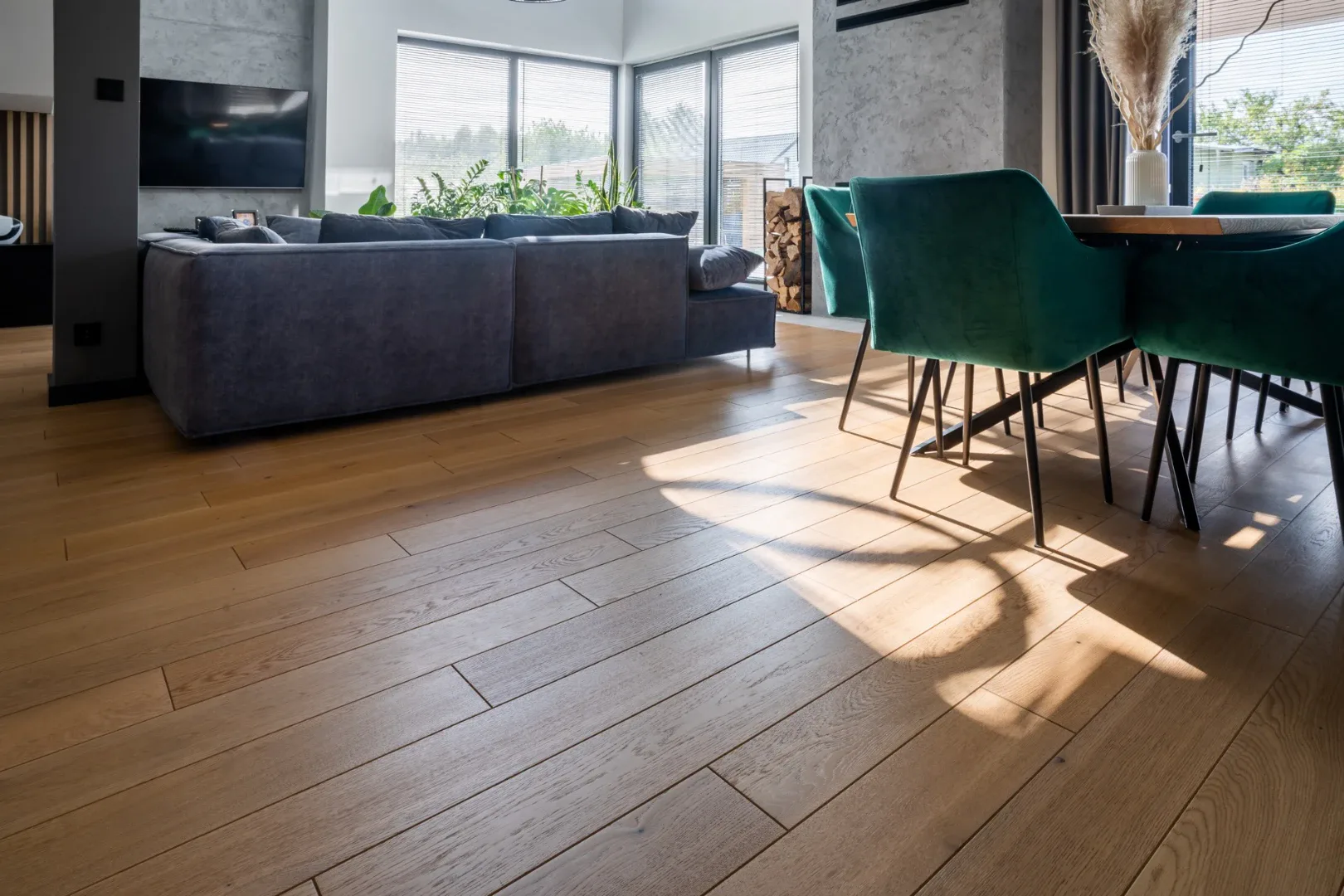
Boards are best for people who want a natural material, an elegant look and the option of renovating the floor for years to come. Panels are best for people looking for practicality, quick installation, a lower cost and, in the case of vinyl panels, high moisture resistance. The choice depends on the room, the budget, the heating, the style of the interior and personal preference.
If you are choosing a floor for your home, work through these steps in order:
Measure the room and work out the area with an allowance for offcuts.
Set the budget for the material, fitting, skirting boards, underlay and care.
Check the moisture level, the type of subfloor and whether underfloor heating is present.
Order samples of boards and panels to see the colour, texture and shades in natural light.
Consult an adviser or fitter about your choice, especially with solid wood boards, engineered floors and underfloor heating.
It is also worth thinking through flooring accessories, finishing trims, acoustic underlays, underfloor heating systems and the interior design trends for 2026. The added strength of a well-chosen floor is not just its appearance, but also comfort, safety and a real impact on the value of the property.
Engineered boards are more stable and suitable for underfloor heating, which is why they are the most frequently chosen wooden solution for such systems. Solid wood boards are not suited to underfloor heating as a standard choice, because natural wood reacts strongly to changes in temperature and moisture.
Sanding is usually cheaper than replacing an entire wooden floor, but the cost depends on the area, the condition of the surface and the type of finish. Laminate and vinyl panels are not sanded, so with heavy wear you usually replace individual elements or the whole floor.
In a home with pets, laminate panels with a high abrasion class work well, because they resist micro-scratches. Vinyl panels are also a good solution – resistant to moisture and easy to clean. If you choose wood, go for hard species such as oak, ash, beech or acacia, and durable lacquer or oil finishes.
Panels are usually quick to fit and can often be laid within one day or a few days, depending on the area. Boards take more time, especially with gluing, a herringbone pattern, subfloor preparation and professional fitting. Boards should rest in the room for around 48 hours before installation.
Good-quality vinyl panels from reputable manufacturers are designed for residential interiors and meet the relevant usage standards. It is worth choosing products with emissions declarations, a neutral smell and clear information about their composition. Vinyl panels are completely resistant to water and mould, which improves safety in the kitchen and bathroom.
Solid wood boards are 14-22 mm thick, which leaves a generous reserve of material for renovation. Engineered boards are 11-15 mm thick, and 11-15 mm is the most popular thickness for engineered floors.
Oak, ash, beech and acacia are considered hardwoods. Oak is one of the most durable flooring materials, which is why oak floorboards are the most popular in Poland. Ash boards are also valued for their durability, springiness and expressive grain.
Refresh an oiled surface every few years, though the frequency depends on how intensively the floor is used. In a living room it may be less often, in a hallway or kitchen more often. Oil penetrates deep into the wood, bringing out its natural texture, but it does require systematic care.
Yes, if you care about a pronounced wood texture and a more natural feel. Brushing accentuates the grain, and fine scratches tend to be less visible than on a perfectly smooth surface. It is a good choice for rustic, Scandinavian and modern interiors.
In 2026, wide boards, natural oak shades, matt finishes, herringbone and engineered floors for underfloor heating are popular. Wide boards make an interior feel more spacious, which is why they appear more and more often in living rooms, bedrooms and open-plan living areas.
We will advise and prepare an individual quote matched to your interior.
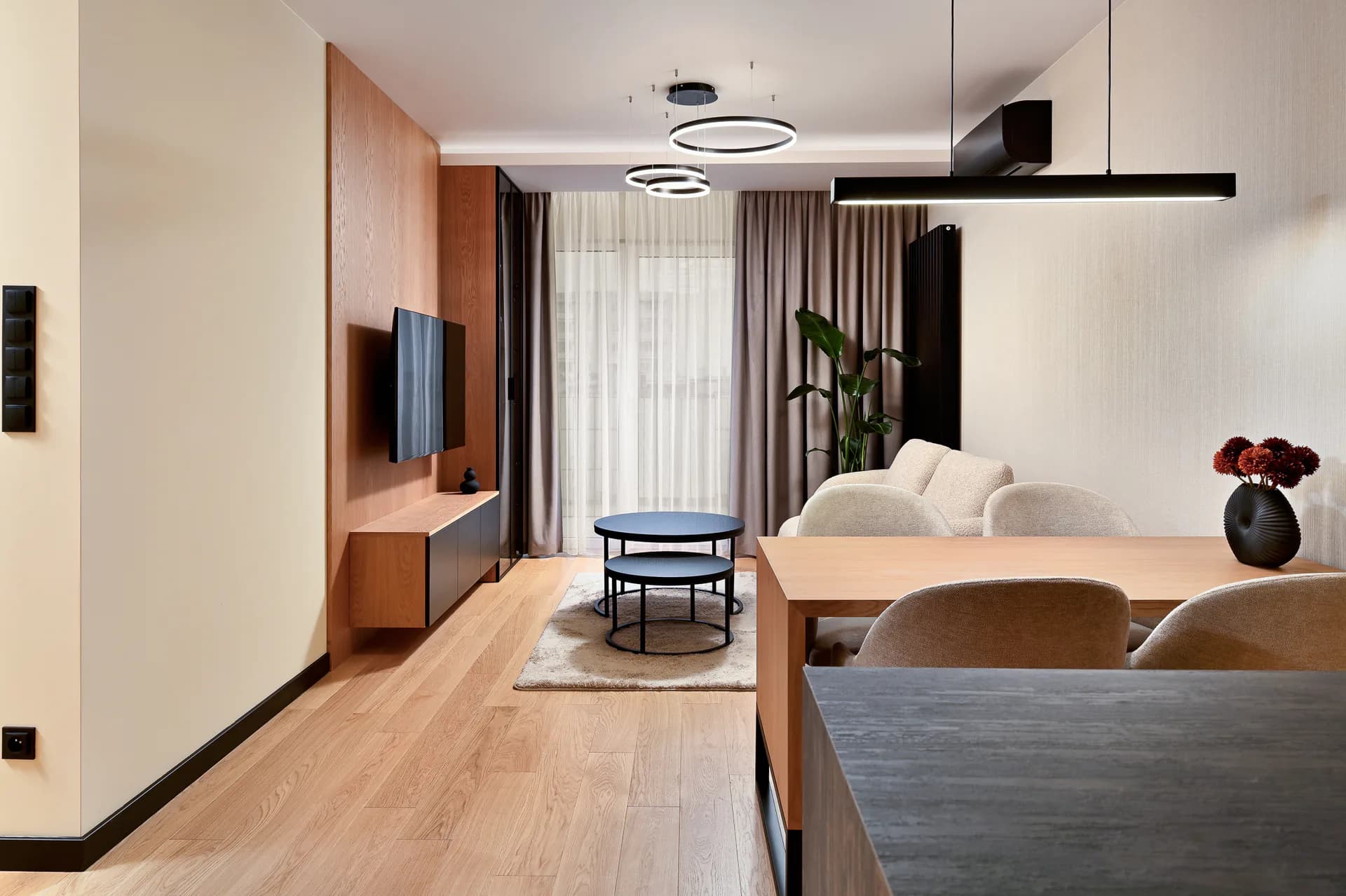
Choosing a floor is a decision that affects daily life at home for many years. Arbiton vinyl panels with an HD Mineral Core combine aesthetics…
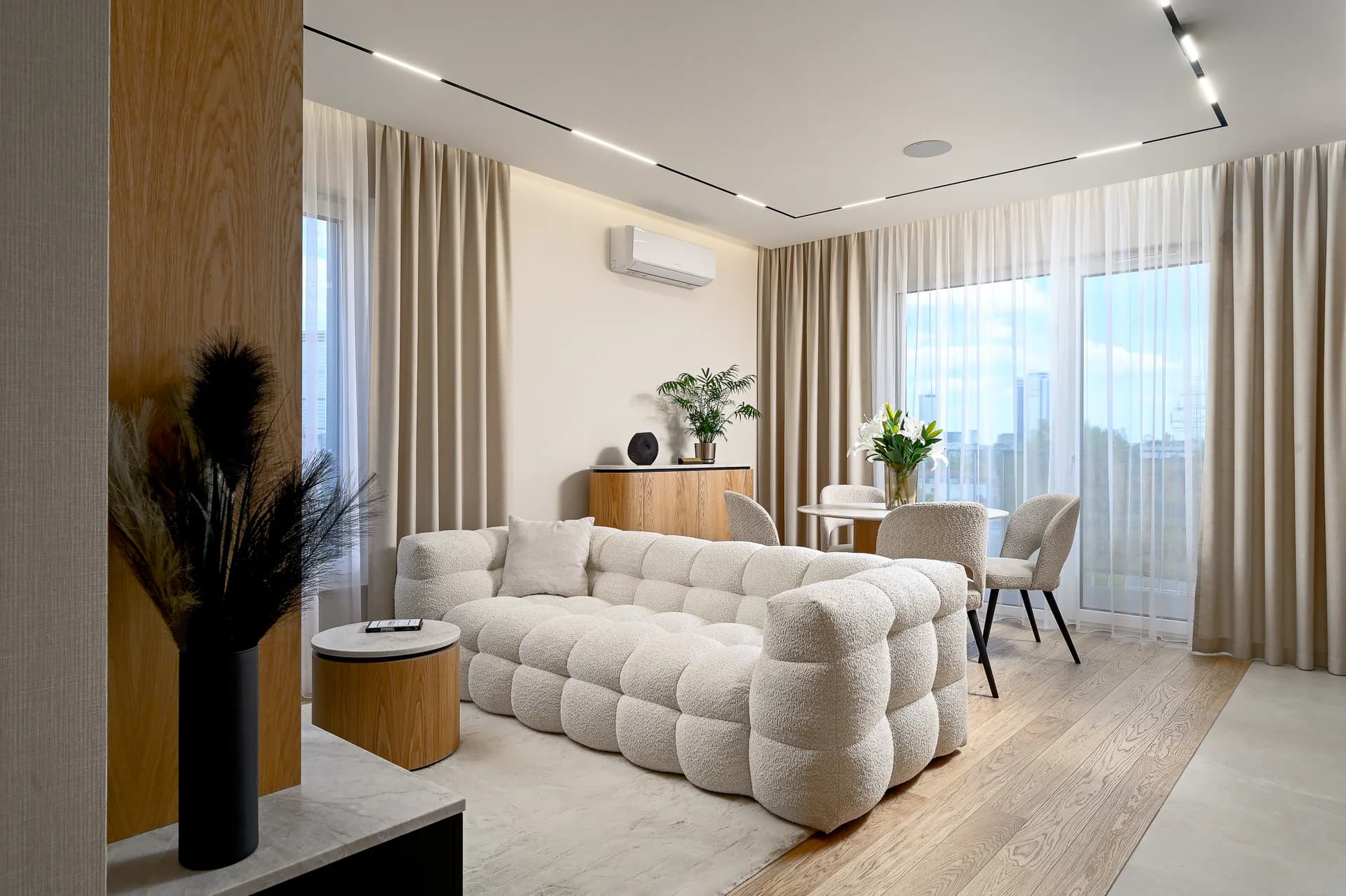
Oak floorboards are a synonym of durability and natural beauty in interior design. Boards made of this noble wood resist damage and…
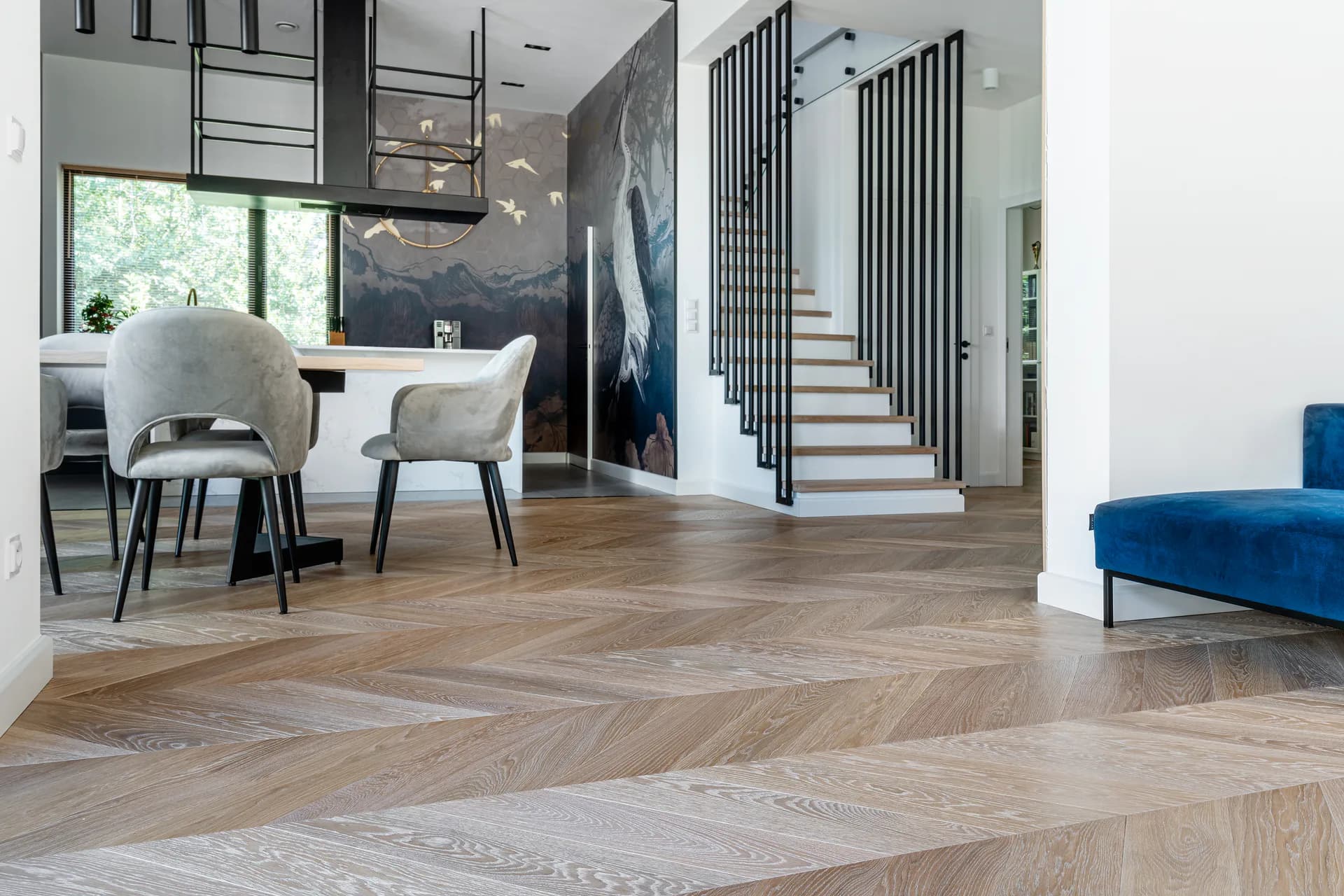
Grey floor panels are laminate or vinyl flooring in shades of grey that works well in modern, minimalist, Scandinavian and loft interiors…