

Herringbone panels: a guide to choosing, laying and using them
Herringbone panels are one of the most interesting ways to create an elegant floor without investing in traditional parquet…

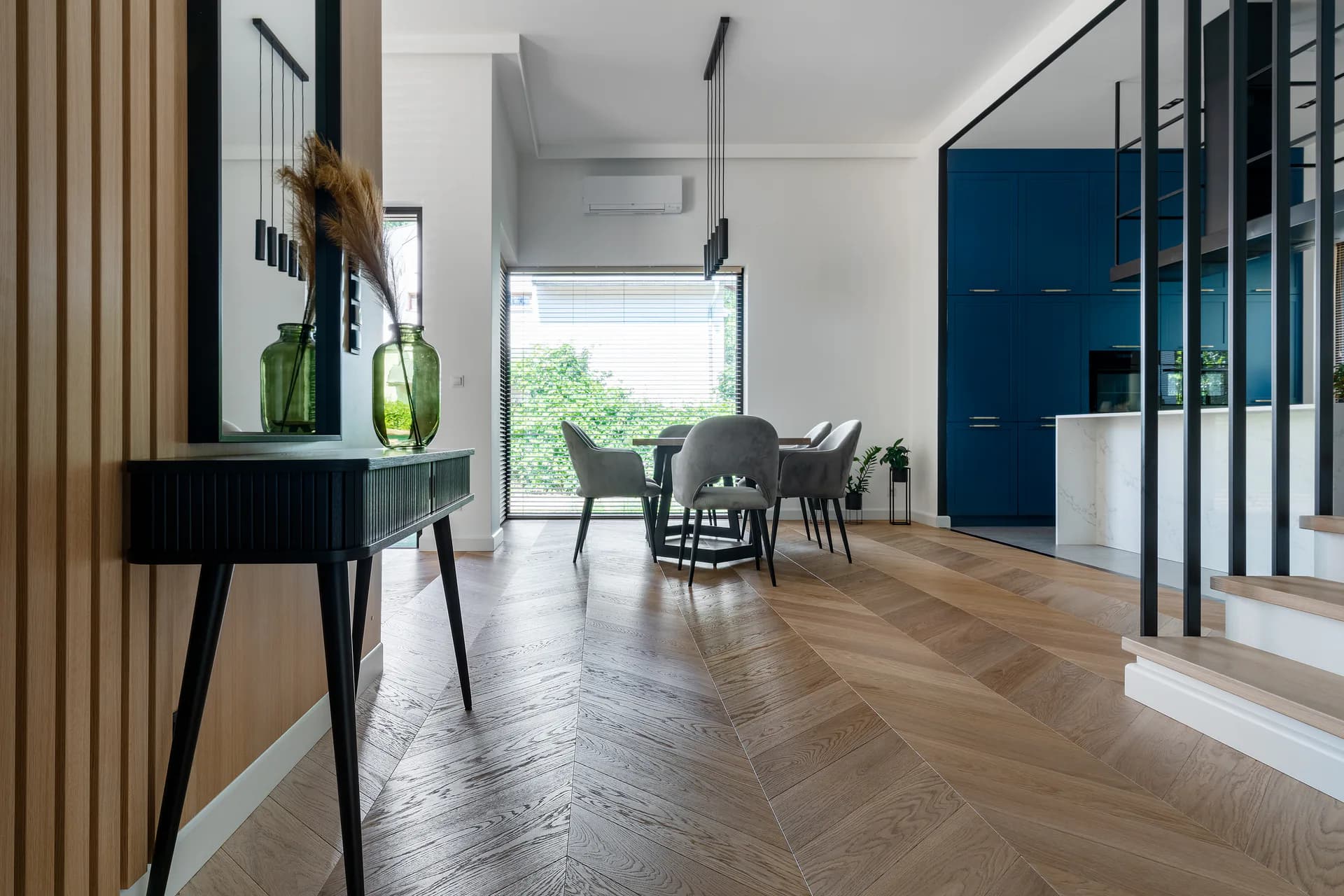
Floors form the foundation of every interior finish, combining functionality with aesthetics. They are multi-layered constructions consisting of a load-bearing subfloor, an underlay that distributes loads, and the top surface, which must withstand dynamic loads such as everyday use without cracking or crumbling.
This guide covers all the key types of flooring available on the Polish market - from natural wood, through laminate panels, to modern vinyl solutions. It is aimed both at homeowners planning a renovation and at professionals looking for detailed information on the properties of individual materials. Industrial floors and specialist sports surfaces fall outside its scope.
The answer to the main question: Floors are finishing surfaces made of materials such as wood, laminate, vinyl or ceramics, selected according to the room's purpose, the budget and aesthetic expectations.
By reading this article, you will learn about:
The Polish market offers floors made of wood and wood-based materials, synthetic materials, mineral materials and carpeting. When choosing a floor, pay particular attention to the room's purpose, the intensity of use and compatibility with underfloor heating.
Choosing the right material determines not only the look of the interior but also comfort in use and running costs for decades to come.
Wooden floors divide into high-quality solid wood boards and layered constructions. Floorboards made from species such as oak or ash are exceptionally hard and resistant to scratching.
Wooden floors require finishing - matt or semi-matt lacquer provides protection, while oxidative oil brings out the natural structure of the wood. Wooden boards can be sanded and renewed many times, ensuring durability for many years.
As a premium material, wood adds elegance and warmth to an interior, remaining the choice of clients who value naturalness and prestige.
Laminate panels are produced in layers from an HDF or MDF core, decorative paper and a protective melamine resin coating. Panel thickness is usually 8-14 mm, with thicker products offering better stability.
Abrasion classes AC3, AC4 and AC5 indicate resistance to different intensities of use. AC3 panels are suitable for bedrooms, AC4 for living rooms and hallways, while AC5 is intended for commercial spaces. The click installation system allows you to fit them yourself without using glue.
The range includes a wide choice of designs imitating wood, stone or concrete, at the lowest price of any hard flooring type. Laminate panels are a practical alternative to natural wood, offering a similar visual effect at a much lower cost.
Vinyl panels represent modern SPC (Stone Plastic Composite) technology, combining a synthetic layer with a decorative print and a mineral core. Vinyl flooring is fully waterproof, which removes the moisture-related limitations typical of wood.
These panels offer flexibility, acoustic insulation and comfort underfoot. The minimal construction height (often below 5 mm) allows installation without raising the floor level. Vinyl panels are among the materials chosen ever more frequently alongside wood, ceramics and natural stone.
The evolution of flooring materials has produced solutions that combine durability, functionality and an aesthetic imitating natural materials while retaining the practical advantages of synthetics.
Knowing the properties of each material allows you to make an informed choice of floor suited to the specific character of every room. The key factors are intensity of use, exposure to moisture and aesthetic requirements.
In living rooms, bedrooms and hallways, aesthetic and comfort requirements dominate. Oak or ash boards finished with semi-matt lacquer lend an interior elegance and a warm character. Classic herringbone is a pattern laid in the most prestigious rooms.
Class 32–33 laminate panels provide sufficient durability for typical domestic use. MDF acoustic slats and matching wall accessories can complete the arrangement, creating a cohesive interior aesthetic. When planning underfloor heating, pay attention to the material's thermal resistance – the lower its value, the better the heat transfer.
Kitchens, bathrooms and laundry rooms require materials resistant to moisture and water. Waterproof vinyl panels with a mineral core, e.g. SPC, are a modern solution combining the look of wood with complete resistance to water. Ceramic and porcelain tiles remain a classic choice thanks to their durability and ease of cleaning.
Ceramic and porcelain tiles are a classic choice thanks to their high durability and ease of cleaning. They conduct heat very well thanks to the dense structure of the material. The low water absorption of the tiles (group BIa, ≤ 3%) limits water uptake and increases their durability in wet zones.
Offices, shops and clinics see intensive use that demands floors with the highest abrasion class, AC5. Materials must withstand the dynamic loads generated by the constant flow of customers and staff.
Slip resistance is a safety requirement - products are available with certificates confirming the appropriate properties. Vinyl floors designed for commercial use offer a combination of durability and easy maintenance.
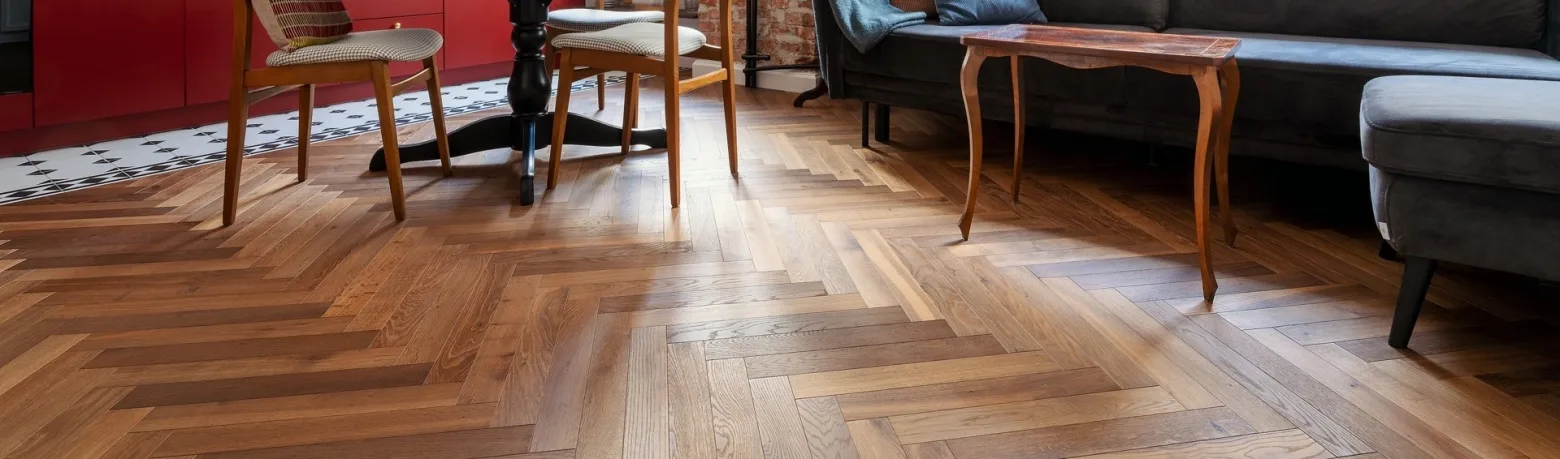
A flooring project needs to take into account both the properties of the material and the technical conditions of the room. Correct installation determines durability and functionality for years to come.
Click system - laminate and vinyl panels are fitted without glue, by snapping the locking profiles together. The method allows installation and later removal.
Gluing - wooden boards and parquet require a flexible adhesive. The subfloor must be dry, level and stable - a cement or gypsum screed with the correct moisture content.
Nailing - solid boards are fitted on joists with a resilient underlay. A ventilation gap ensures air circulation beneath the construction.
Underlays provide acoustic and thermal insulation and help level the surface. When choosing one, consider its parameters: thickness, density and vapour barrier properties. Skirting and finishing strips conceal the perimeter expansion gap needed to accommodate movement of the material.
| Criterion | Solid wood | Engineered boards | Laminate panels | Vinyl panels |
| Price per m² | 200-500 zł | 150-350 zł | 40-120 zł | 80-200 zł |
| Lifespan | 50+ years | 25-40 years | 10-20 years | 15-25 years |
| Moisture resistance | Low | Low | Medium | High |
| Installation difficulty | High | Medium | Low | Low |
| Underfloor heating | Limited | Possible | Possible | Recommended |
| Renovation | Multiple times | 2-3 times | None | None |
The optimal choice depends on your budget, the room's purpose and your expectations of durability. Wood offers prestige and the possibility of renovation, laminate panels offer the lowest price, and vinyl combines resilience with good looks.
Living with floors brings challenges; being aware of them allows you to prevent damage effectively and repair it when it occurs.
Wooden floors in rooms with elevated moisture levels can swell and deform. The solution is to ensure proper ventilation.
Scratches result from moving furniture, the presence of sand and everyday use. Using pads under furniture legs, protective mats in entrance zones and vacuuming regularly minimises the risk. Renovation products - matt lacquer or oxidative oil - allow wooden surfaces to be refreshed.
Each material requires dedicated products - cleaners for wood, laminate and vinyl differ in composition. Regular care of wooden floors maintains their natural appearance. Ceramic tiles require periodic impregnation of the grout to preserve their appearance.
Your choice of flooring shapes the character of the interior and comfort in use for decades. Wood offers naturalness and elegance, laminate panels provide practicality at an affordable price, and vinyl solutions combine water resistance with good looks.
Material requirements calculator: Room area + 10% (rectangular rooms) or + 15% (complex shapes, herringbone) = amount of material to order.
Key quality certificates: When choosing a floor, it is worth looking out for the following markings and certificates:
Wooden floors are currently very popular; thanks to their natural look and durability, they bring warmth and elegance into the home. Herringbone patterns are also in demand, especially classic herringbone, which gives interiors a timeless character.
The price of a floor depends on the material and the quality of workmanship. Wooden floors, especially oak floorboards, are more expensive but offer exceptional durability and beauty. It is worth comparing offers and looking at parameters such as wood hardness and the type of finish to choose the best option for your home.
Materials with low thermal resistance and good dimensional stability are best suited to underfloor heating. Vinyl panels (especially SPC) and engineered boards designed to work with underfloor heating perform very well.
Wooden floors, such as oak boards, can also be used, provided the construction and thickness are chosen correctly and the recommended operating temperatures are observed. Herringbone can also be laid over underfloor heating, as long as the manufacturer permits such use and the installation follows the guidelines.
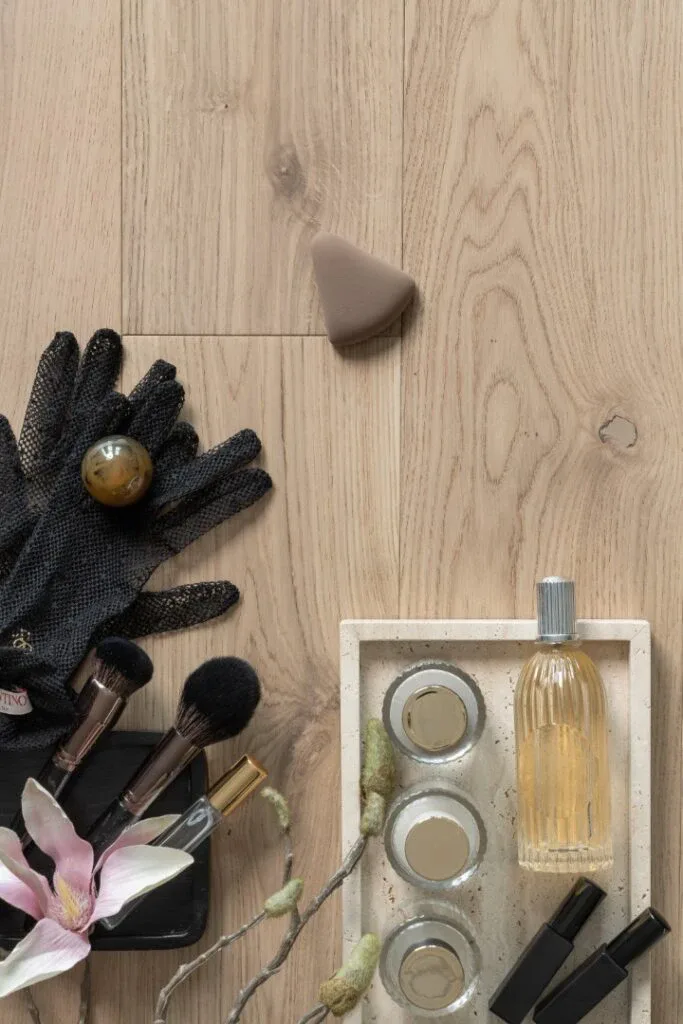
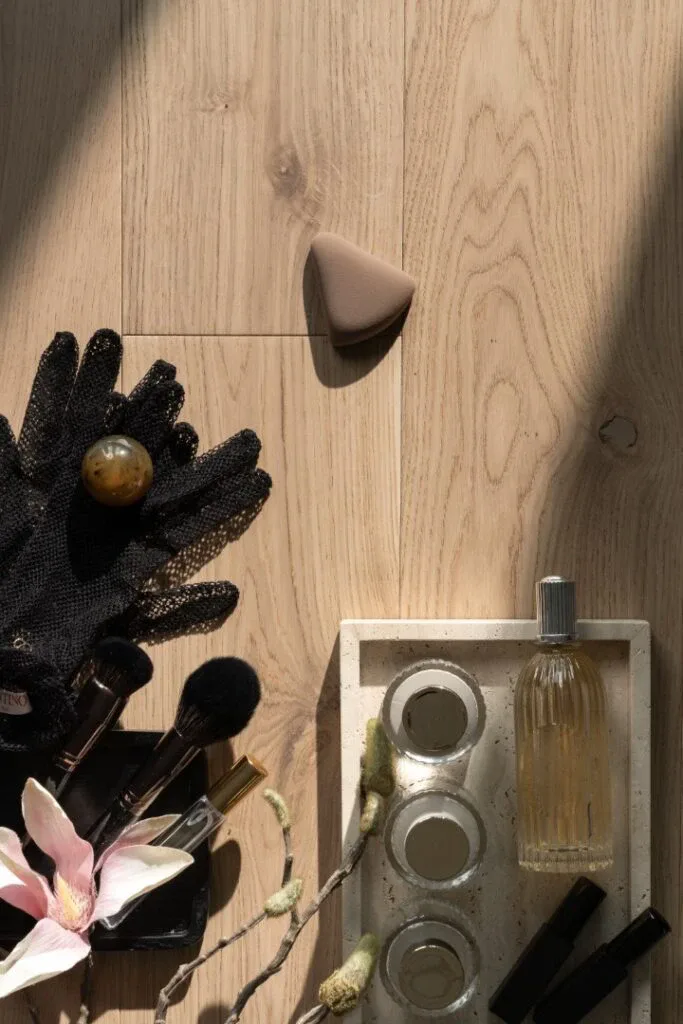
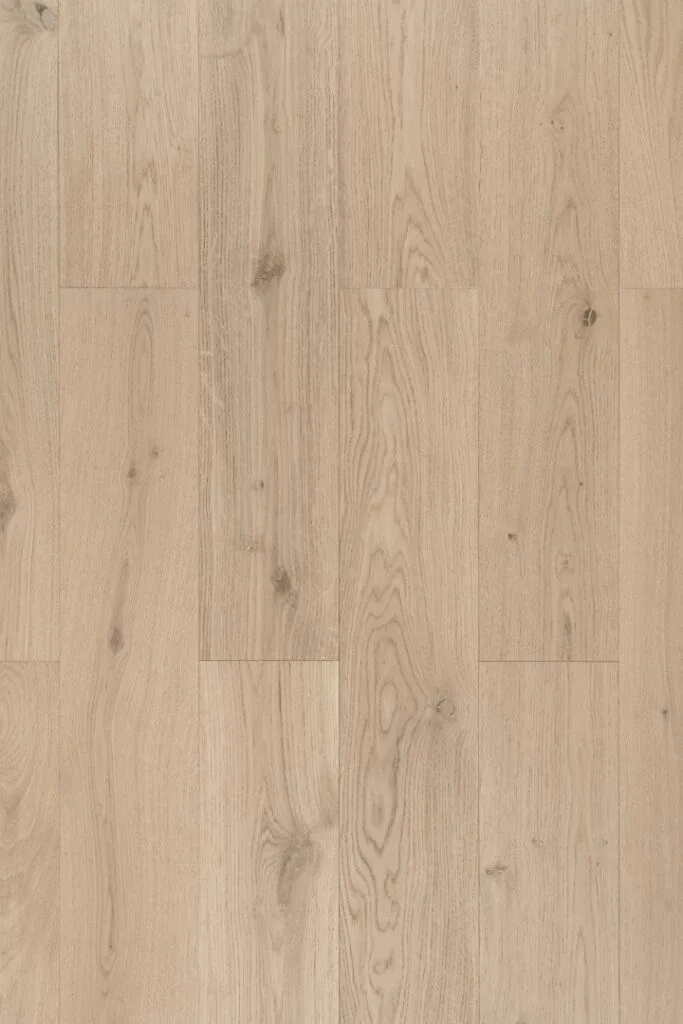
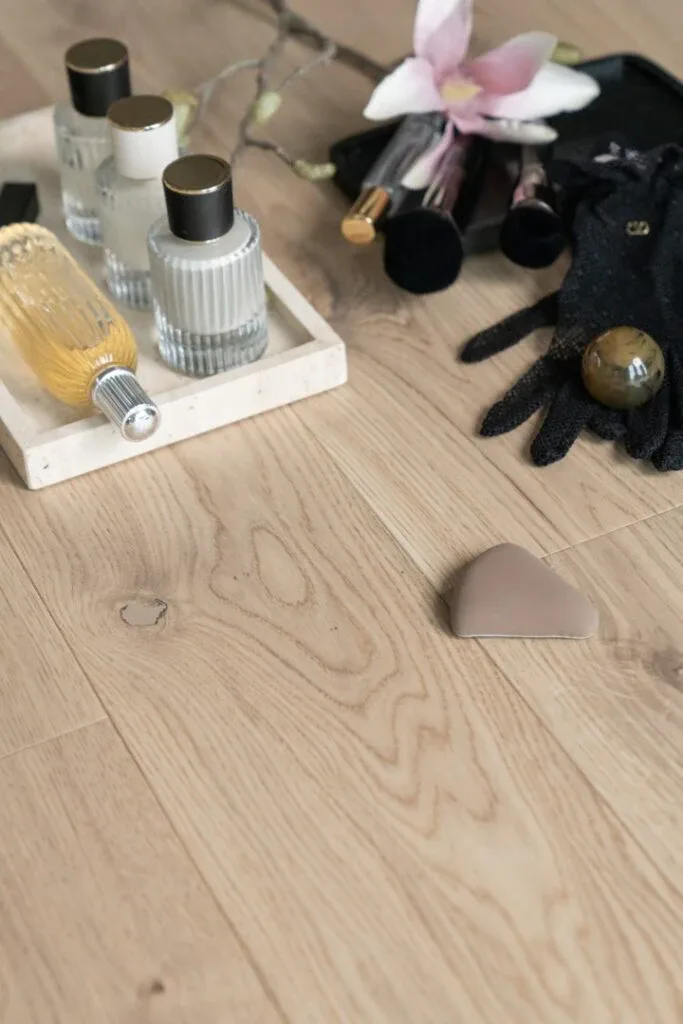
We will advise and prepare an individual quote matched to your interior.
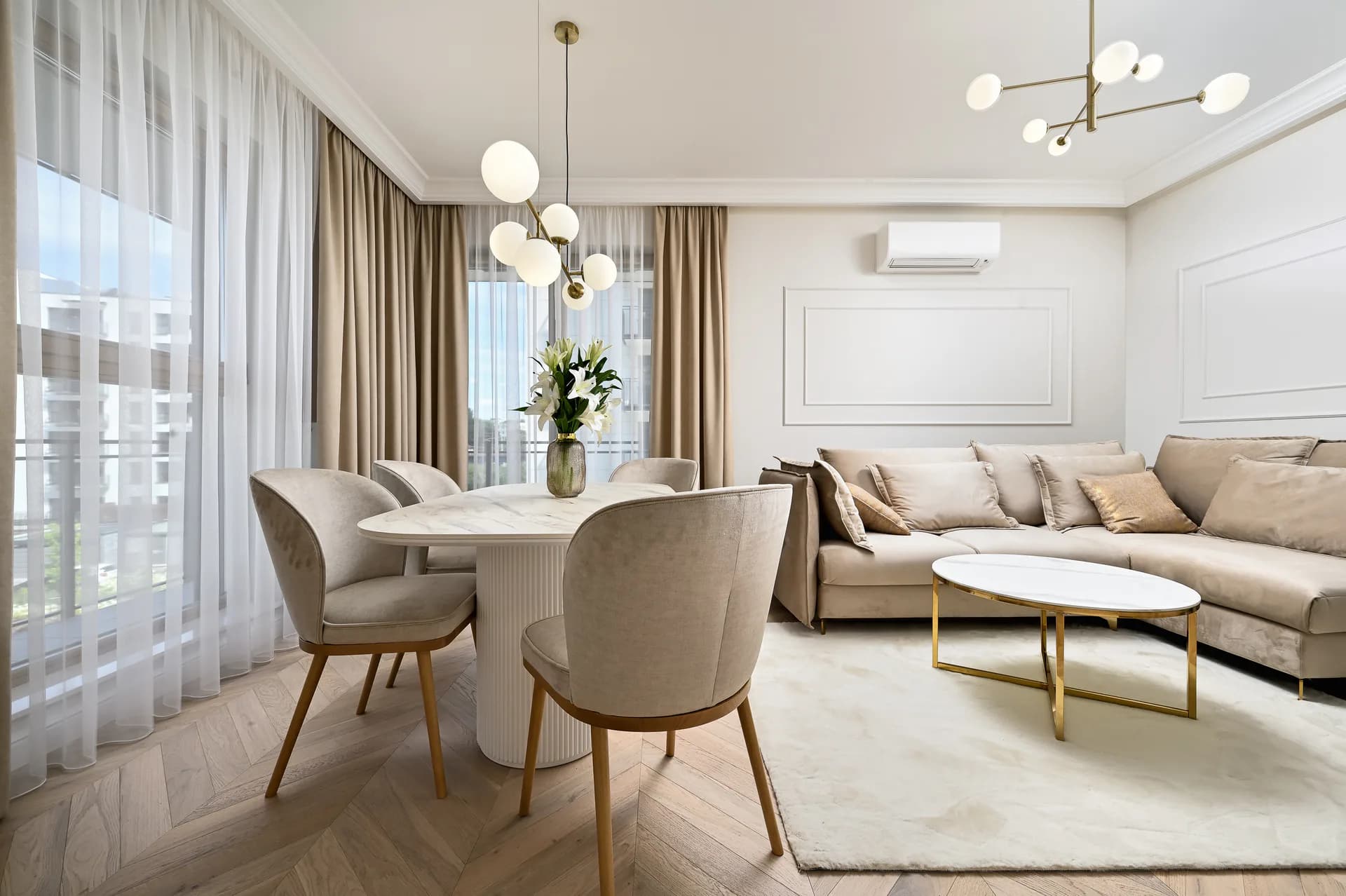
Herringbone panels are one of the most interesting ways to create an elegant floor without investing in traditional parquet…
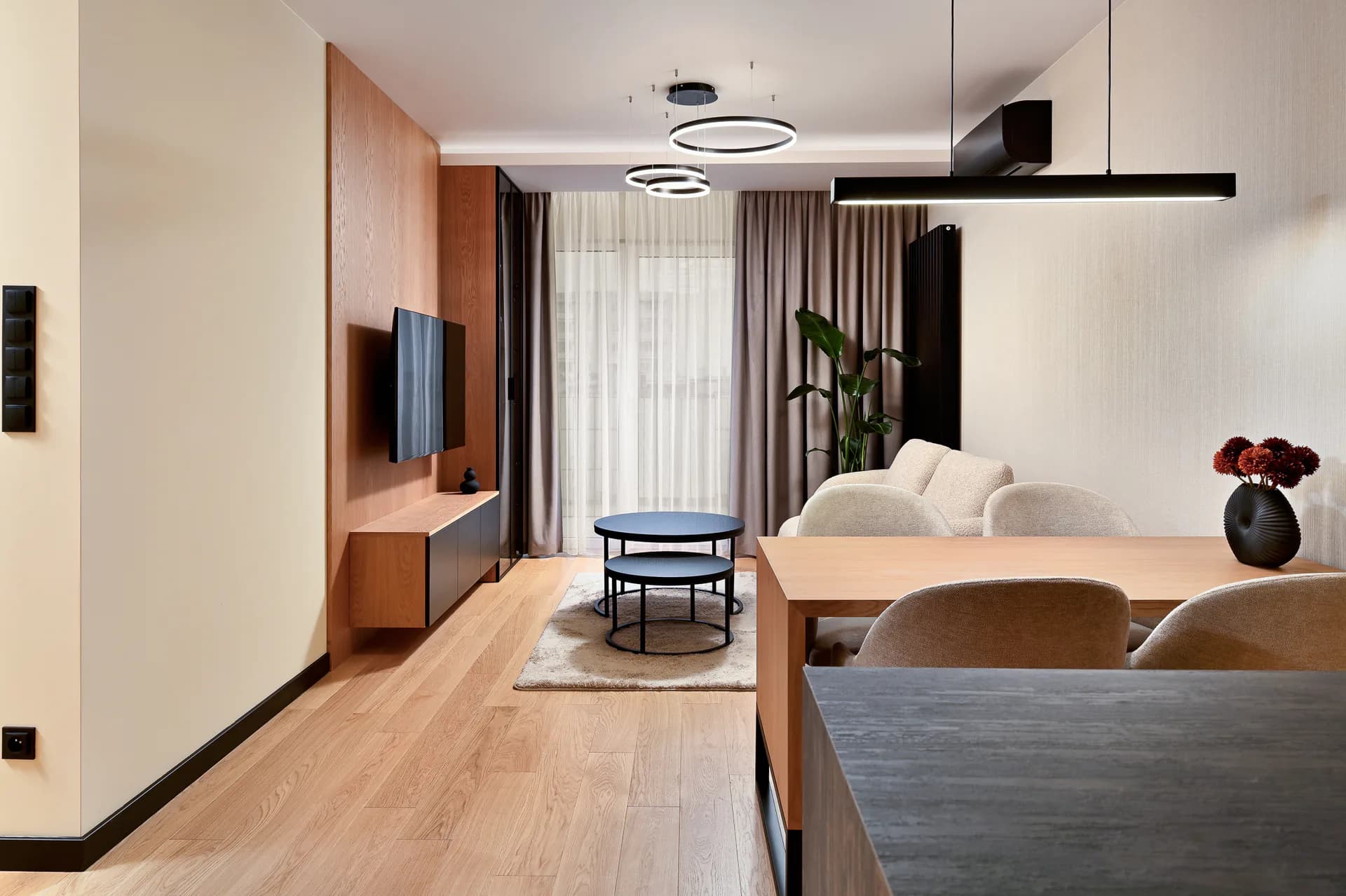
Kaczkan floors stand out through the combination of natural Polish oak, a modern two-layer construction and wide personalisation options…
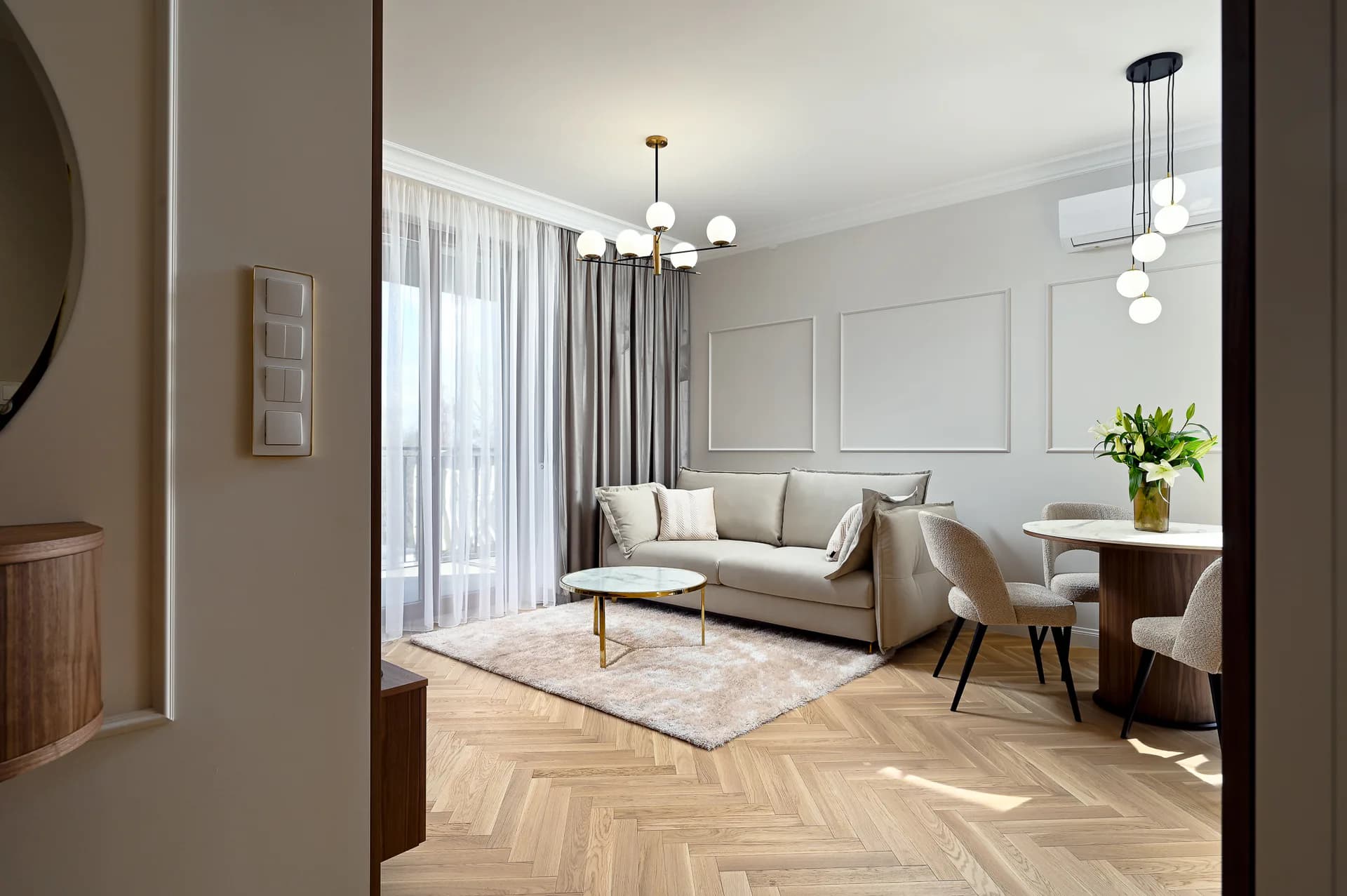
The best living-room floor is one that matches your everyday life — it not only looks beautiful on installation day but keeps its qualities for years…