

Light floors: how an interior designer uses panels and wood in modern arrangements
A light floor is one of the most effective ways to change an interior's character without a full renovation. As a designer, I see how a well-chosen light surface…

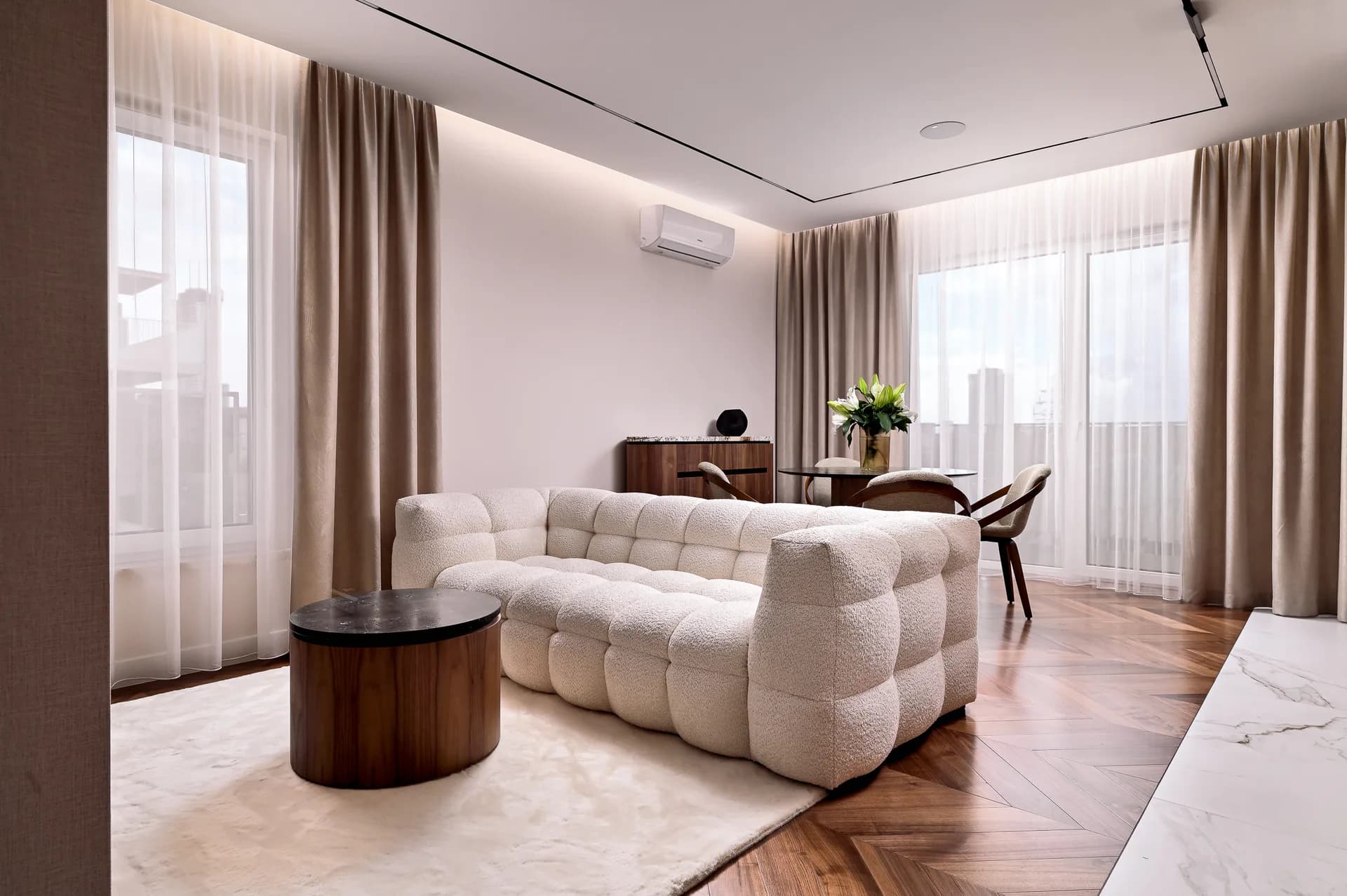
A dark floor of natural wood or panels is one of the strongest interior design trends of recent years. Dark shades of oak, walnut and wenge dominate both exclusive apartments and average-sized flats – wherever elegance, visual depth and character matter.
A dark wooden floor and dark floor panels add elegance and a luxurious character to an interior, especially in the living room and bedroom.
Pairing a dark floor with light walls, the right lighting and lighter furniture keeps the space from feeling overwhelming.
In 2026, dark shades of oak and walnut dominate – in wooden boards as well as laminate and vinyl panels.
Careful matching of wall colours, skirting and furniture makes a dark floor work even in flats of 40–60 m².
Dark flooring made of wood and panels has grown in popularity
in arrangements inspired by New York, japandi and loft styles. It builds a sense of cosiness and hotel-like luxury – similar to the feel we know from the 5-star hotels opened in Poland since 2022.
Both a brushed oak board in a dark colour and dark floor panels in walnut tones create an effect of depth that light wood cannot match. Modern finishing systems achieve a dark colour without any sense of artificiality. AC4/AC5 wear layers on panels and the multi-layer construction of boards guarantee durability for years to come.
Dark flooring made of wood and panels has grown in popularity
in arrangements inspired by New York, japandi and loft styles. It builds a sense of cosiness and hotel-like luxury – similar to the feel we know from the 5-star hotels opened in Poland since 2022.
Both a brushed oak board in a dark colour and dark floor panels in walnut tones create an effect of depth that light wood cannot match. Modern finishing systems achieve a dark colour without any sense of artificiality. AC4/AC5 wear layers on panels and the multi-layer construction of boards guarantee durability for years to come.
A dark floor offers a range of advantages that make it an excellent choice for discerning investors:
Visual depth – accentuates the grain of oak, walnut and stained ash, especially under side LED lighting in the evening
A cosy interior – combined with fabrics such as velour, bouclé or wool, it creates a soft, calming space
Versatility – works with metal, glass, architectural concrete and natural stone
Timelessness – shades such as "espresso" oak or "smoked oak" do not go out of fashion as quickly as whitewashed decors
An impression of quality – a dark floor evokes fine hardwood even in laminate panels
In 2026, the decors investors choose most often are dark oak and European walnut – in wood and panels alike. Boards with delicate distressing, grey-brown tones and a lightly aged, brushed texture are in fashion.
Natural wood in a dark shade appeals to those who value authenticity and the possibility of renovation:
| Species | Characteristics | Best used in |
| Thermo-treated oak | Stable, can be sanded multiple times | Living room, dining room, bedroom |
| European walnut | Varied colouring, elegant grain pattern | Study, formal living room |
| Stained ash | Pronounced grain, subdued decorative effect | Bedroom, guest room |
Natural wood is an excellent investment for those planning to live with a given interior for more than 10–15 years.
Modern laminate and vinyl panels faithfully reproduce dark wood while standing up to everyday use:
Laminate – a synchronised texture you can feel under your fingers, usage class 23/32 or 23/33
LVT/SPC vinyl panels – resistant to moisture, ideal for the kitchen and entrance halls
A wide range of formats – narrow and wide boards to suit rooms of any size
Dark panels are a popular choice for interiors with underfloor heating thanks to their dimensional stability.
A dark floor suits many styles: modern, glamour, loft, modern classic, japandi and mid-century modern. The shade (warm or cool brown) is best matched to the colour of the walls, the window joinery and the kitchen units.
In small rooms, a dark floor is balanced with light walls and simply shaped furniture. Dark panels laid in French herringbone give an interior the character of a townhouse from the turn of the 19th and 20th centuries.
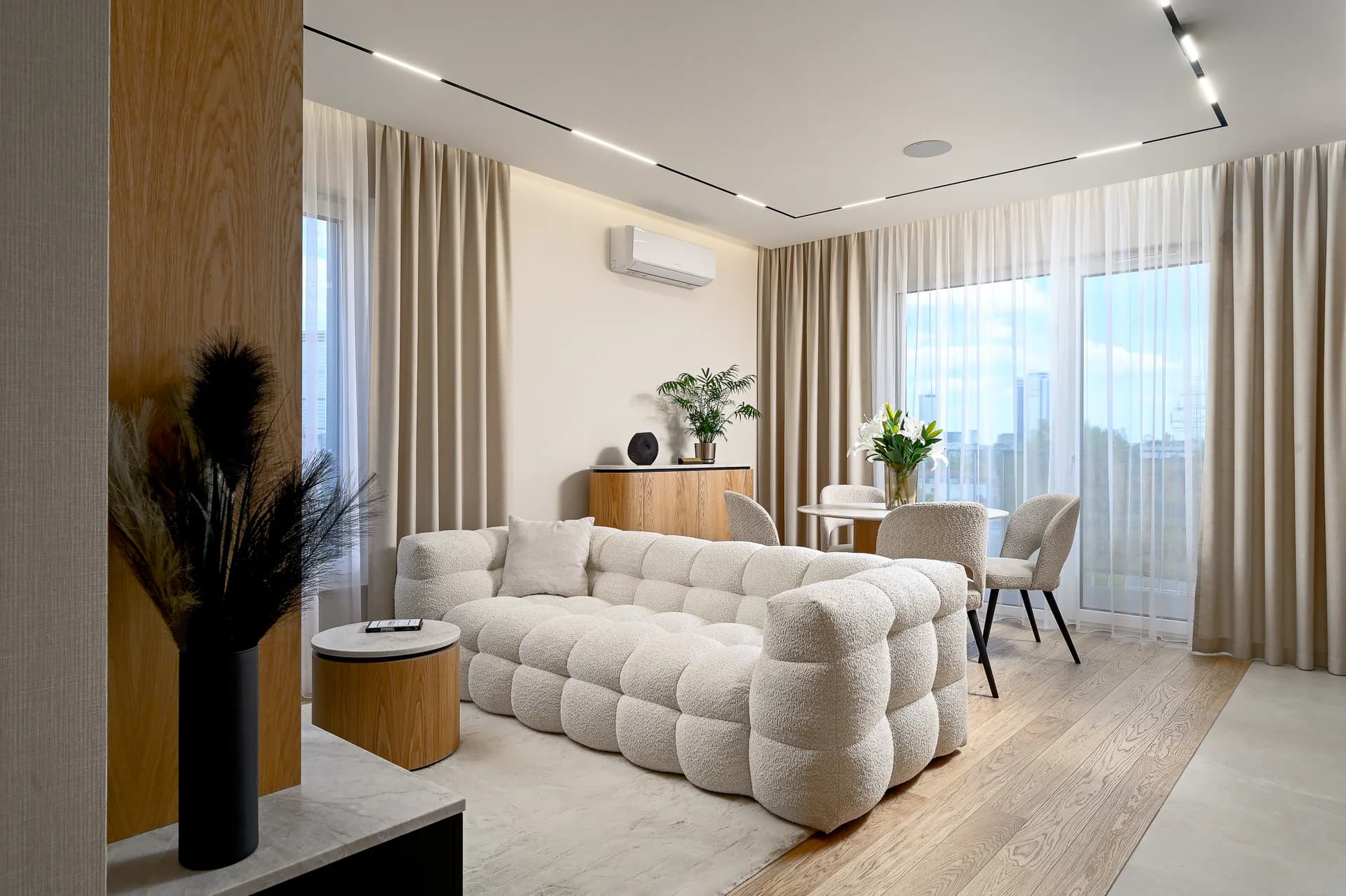
In a modern living room, a dark floor pairs with a simple sofa in light shades of grey, a black steel coffee table and a veneered wooden TV unit. A classic living room calls for wide oak boards, profiled skirting and fabrics in muted colours.
A light wool rug against a dark floor softens the contrasts and defines the seating area. LED lighting in recesses brings out the structure of the wood in the evening, creating a striking visual effect.
In lofts, a dark floor works alongside raw materials: brick, concrete and metal. Panels in a "smoked" oak decor set against red brick and black industrial lamps create a cohesive arrangement.
In spacious interiors with large windows, a dark floor does not overwhelm. Vinyl panels are a practical choice for loft kitchen areas. It is best to avoid an excess of massive furniture in very dark colours.
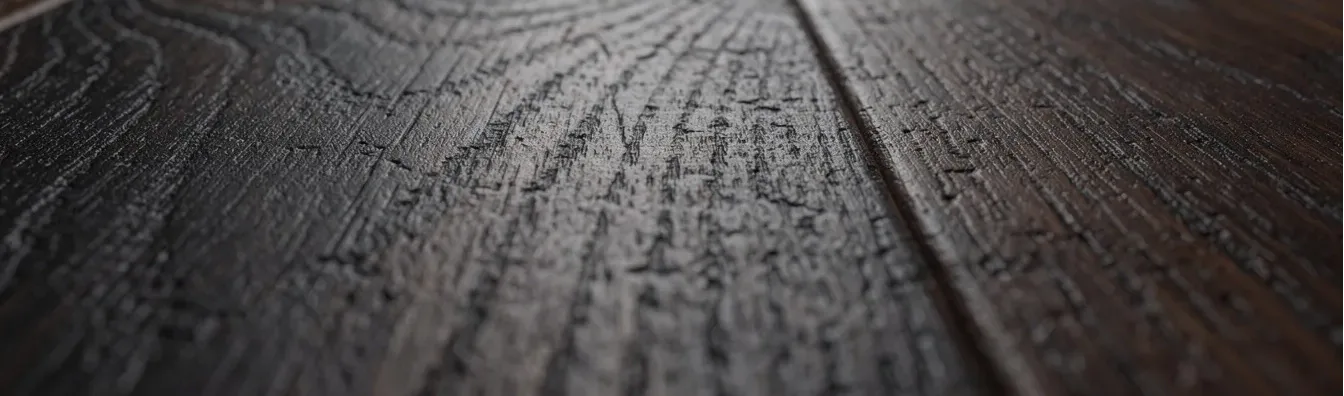
A dark floor calls for a considered composition. The rule is simple: the darker the floor, the lighter the furniture and most of the walls should be. Too many dark elements can visually narrow an interior and lower the ceiling.
Contrast – light furniture (white, cream, light oak tones) creates a feeling of lightness in the living room and dining room
Tone on tone – furniture in a slightly lighter shade of brown than the floor gives a harmonious effect in the bedroom
Colour accents – navy, bottle green and burgundy look striking against a dark floor
Avoid using an identical decor for the floor, furniture and doors – a difference of a few tones prevents monotony.
The choice of wall colour has a huge influence on how a dark floor is perceived:
Warm beiges, taupe, ecru – visually enlarge the space
Off-whites – better than snow-white paints, which create too sharp a contrast with graphite panels
Light greys – a modern, elegant backdrop
Skirting boards can blend into the floor or provide a contrast – white skirting against dark oak adds elegance. Taller skirting of 8–10 cm works well with high ceilings.
A dark floor can be used in any room, as long as its function, size and access to daylight are taken into account.
The living room and dining room are where dark floor panels and dark wooden floors are used most often. In open-plan day zones, it is worth using the same type of flooring throughout to avoid dividing the space. A dark floor pairs well with a light table and upholstered chairs in shades of beige and grey.
In a TV room, a dark floor reduces light reflections on the screen.
In the bedroom, a dark floor helps create a moody, relaxing interior. A bed with an upholstered headboard in light beige, delicate curtains and soft textiles warm up the space. In guest rooms, a dark floor makes it easy to change the character of the interior by swapping only the accessories.
In areas with elevated moisture levels, it is better to use dark vinyl or laminate panels with a high abrasion class:
Hallway – a matt surface makes fine scratches less visible
Kitchen – a vinyl floor with light cabinetry creates an elegant pairing
Bathroom – waterproof panels in a dark oak decor complement white ceramics and black fittings
In these rooms, suitable artificial lighting is essential.
Proper installation and care determine how a dark floor will look after years of use. Matt and semi-matt finishes hide dust better than glossy surfaces.
The laying direction matters both aesthetically and optically:
Laying in the direction of the incoming light – the floor looks natural and the joins are less visible
Along the longer wall – visually lengthens a narrow room
Herringbone – the dark floor becomes a strong decorative accent
Dust shows more on dark surfaces, but the right routine makes upkeep easy:
Vacuum several times a week in high-traffic zones
Use products designed for the specific finish (oil or lacquer)
A well-wrung mop – avoid excess moisture
Felt pads under furniture, and rugs in the most vulnerable corners
Yes, provided you use light walls, visually light furniture and good lighting. In flats of 40–60 m², it is worth limiting the dark floor to the living room and bedroom, avoiding it in narrow corridors. Do not use too many dark vertical surfaces at once.
It depends on the surface texture and the sheen. Scratches are more visible on smooth, glossy floors. Brushed boards and panels with a pronounced wood texture hide minor damage better. Using felt pads significantly reduces the risk of scratching.
A combination of general and zoned lighting works best. Warm light harmonises with warm-toned browns and adds cosiness. Directional light falling at an angle brings out the structure of the wood – it looks striking on dark boards in the evening.
Yes – laminate panels, vinyl panels and engineered boards all work well with underfloor heating. With wooden floors, choose products designed for this system and follow the manufacturer's recommendations on maximum temperature. Whether the colour is black or ebony matters less than the technical parameters.
Yes – there is usually no need to replace the floor. Use light accessories, swap the curtains for lighter ones, repaint the walls in warmer shades and add points of light. With wooden floors, sanding and re-staining in a new shade is possible. With furniture in light tones and a few rugs added, the eye is naturally drawn away.
We will advise and prepare an individual quote matched to your interior.
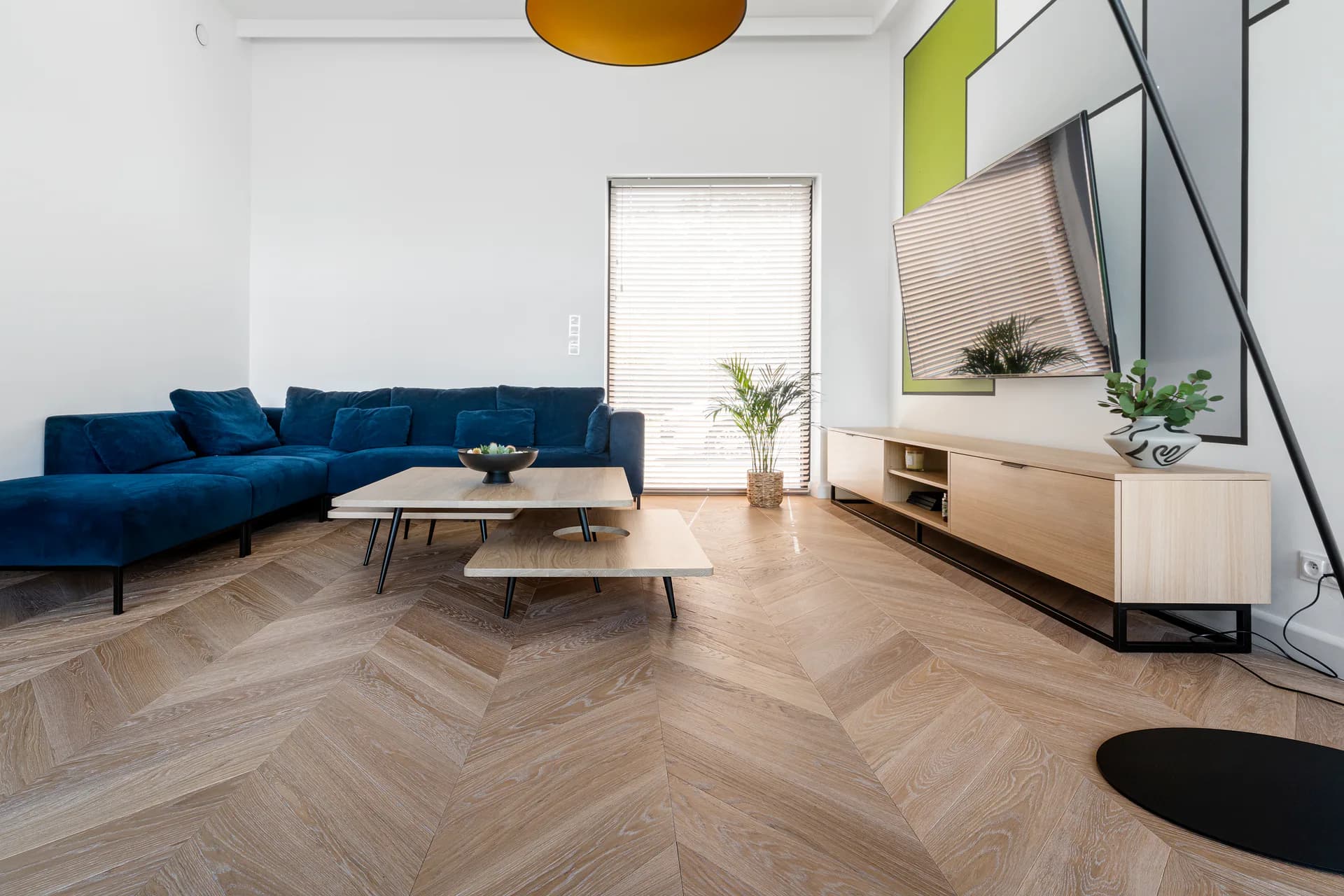
A light floor is one of the most effective ways to change an interior's character without a full renovation. As a designer, I see how a well-chosen light surface…
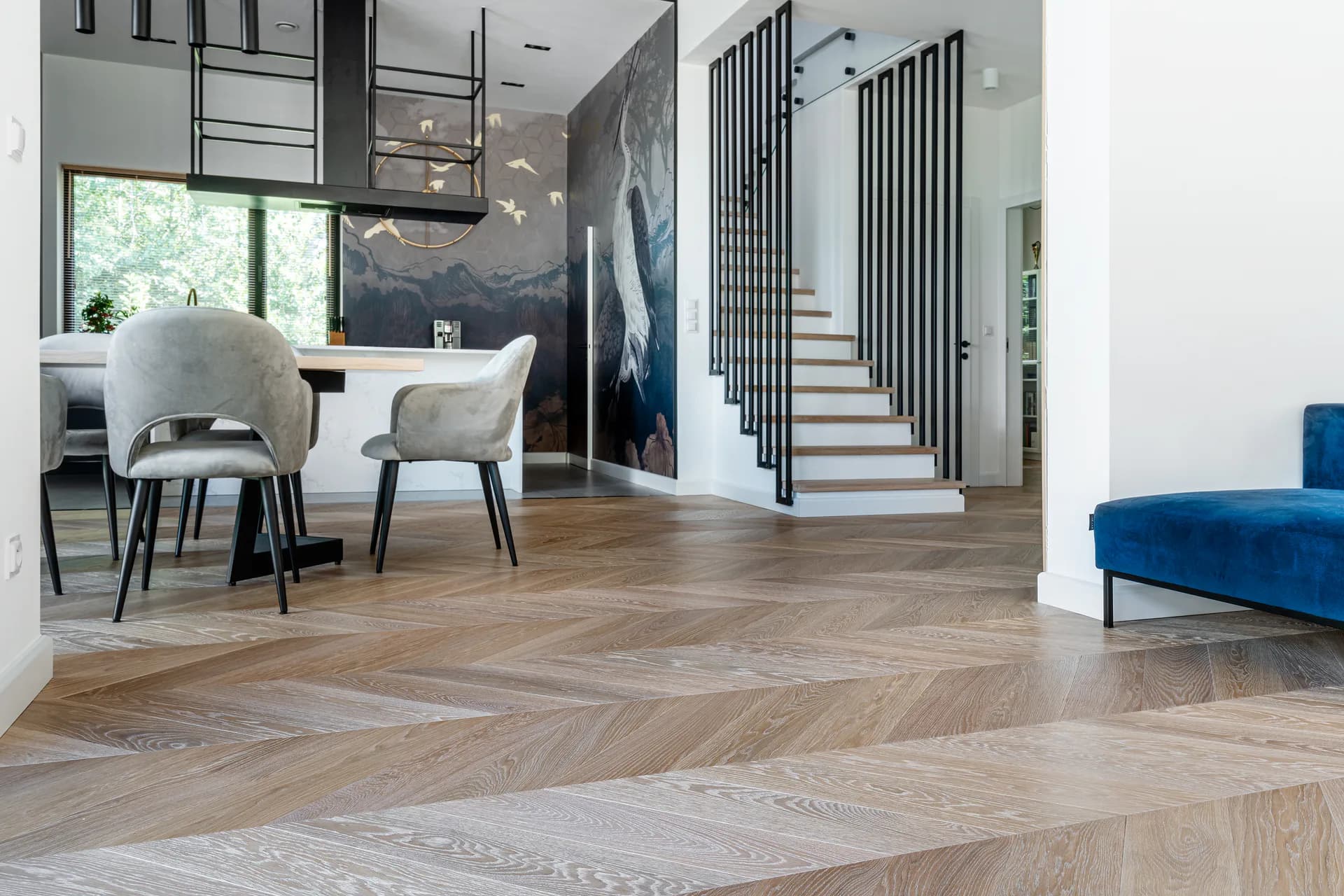
Grey floor panels are laminate or vinyl flooring in shades of grey that works well in modern, minimalist, Scandinavian and loft interiors…
Oak floorboards are a synonym of durability and natural beauty in interior design. Boards made of this noble wood resist damage and…