

Dark floors: how to use dark wood and panels in a modern interior
A dark floor of natural wood or panels is one of the strongest interior trends of recent years. Dark shades of oak, walnut and wenge dominate both…

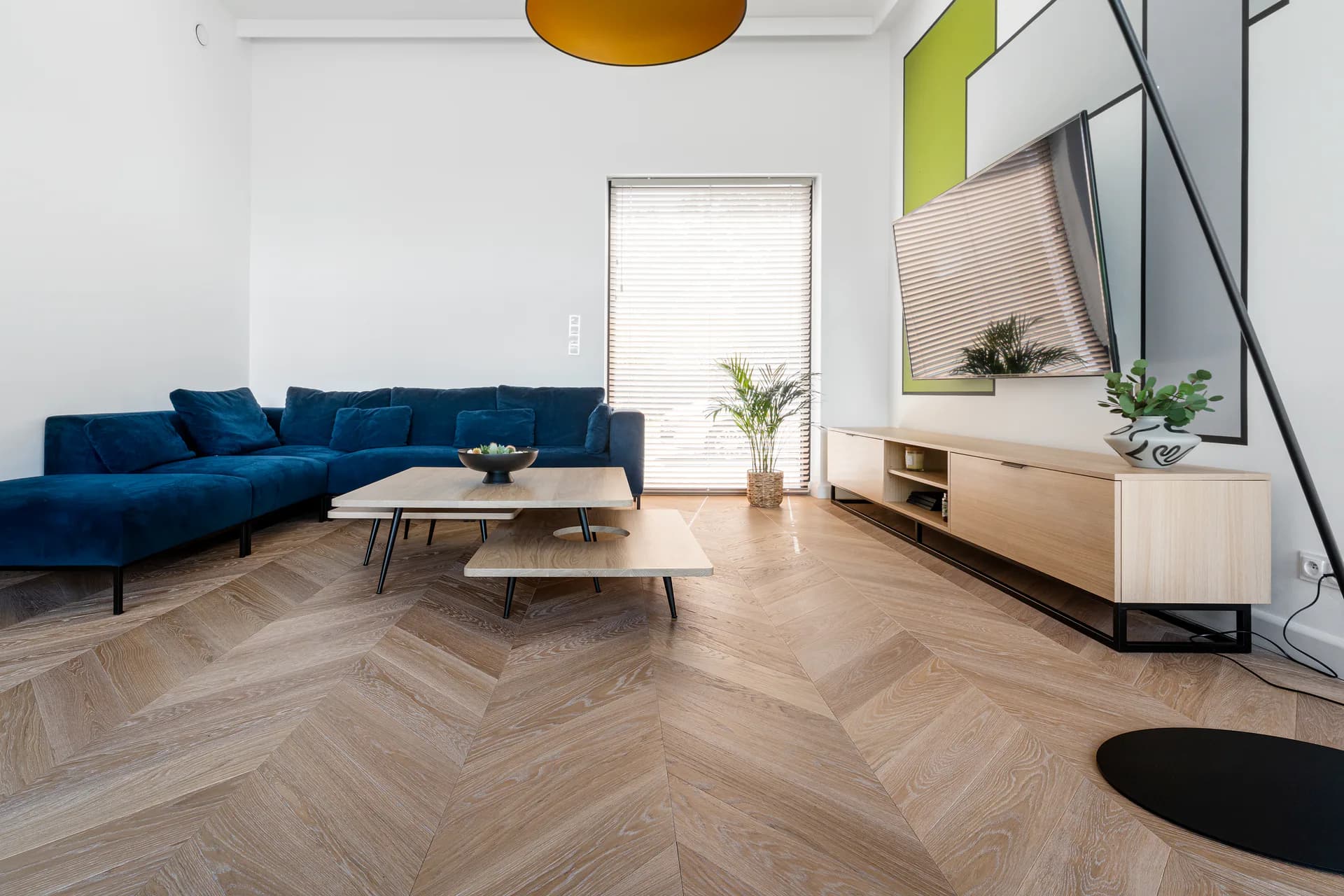
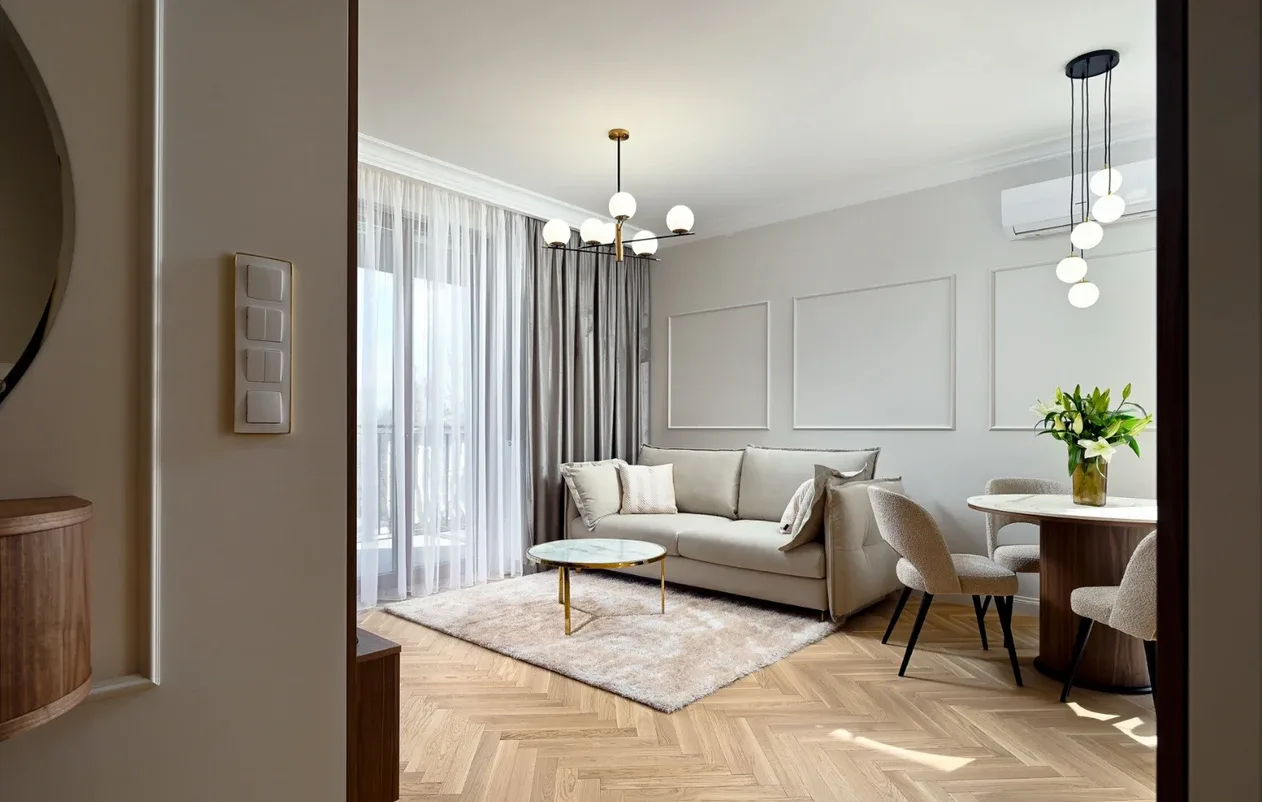
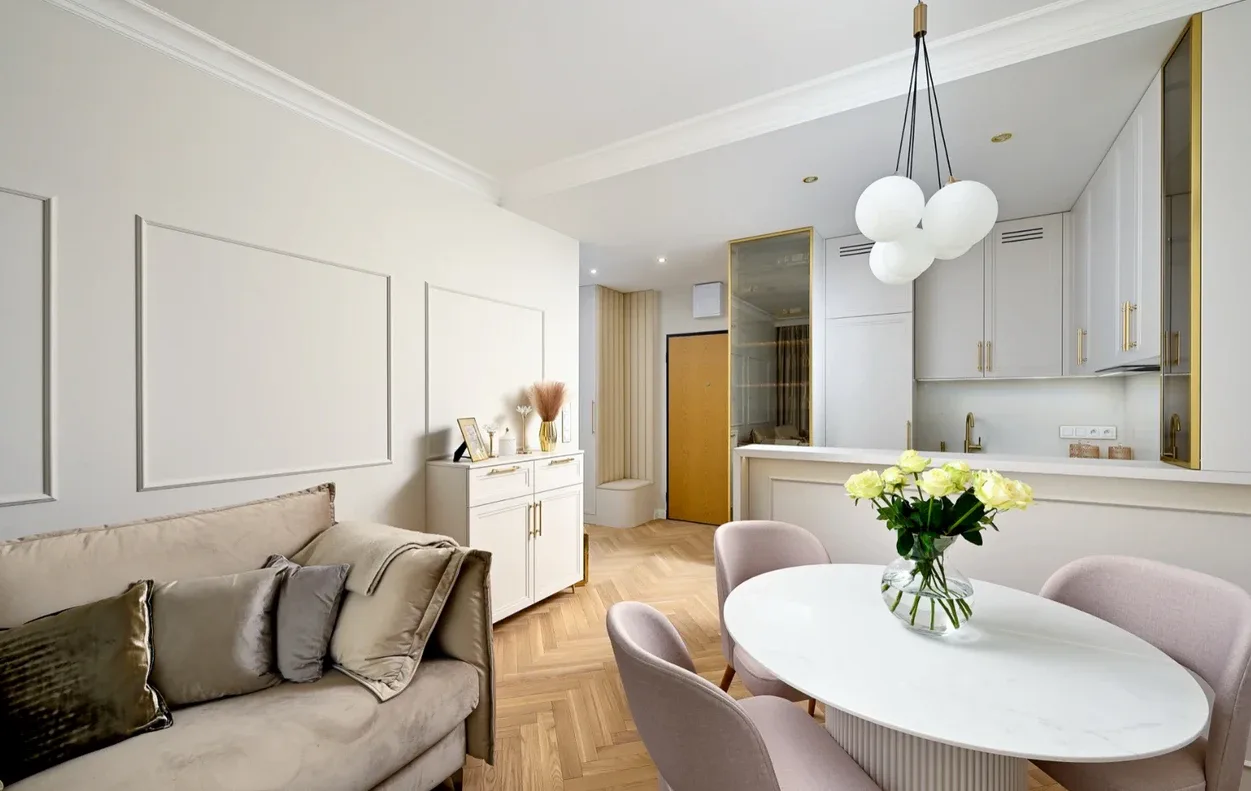
A light floor is one of the most effective ways to transform the character of an interior without a major renovation. As a designer, I regularly see how a well-chosen light surface underfoot can completely change a room's proportions, brighten even the most shaded spaces and create a neutral backdrop for bold experiments in arrangement.
The floor is the foundation of any interior's composition. It is not merely a functional surface – it is an element that determines the proportions, the atmosphere and the way we perceive a space. Light shades act as an optical amplifier here: they reflect light, scatter it evenly and make a room appear larger than it really is.
Whitewashed oaks, sandy beiges and delicate greys share one trait – they reflect both daylight and artificial light effectively. As a result, natural and lamp light spreads more evenly, reducing harsh shadows. In practice, this means a visually higher ceiling and walls that appear wider.
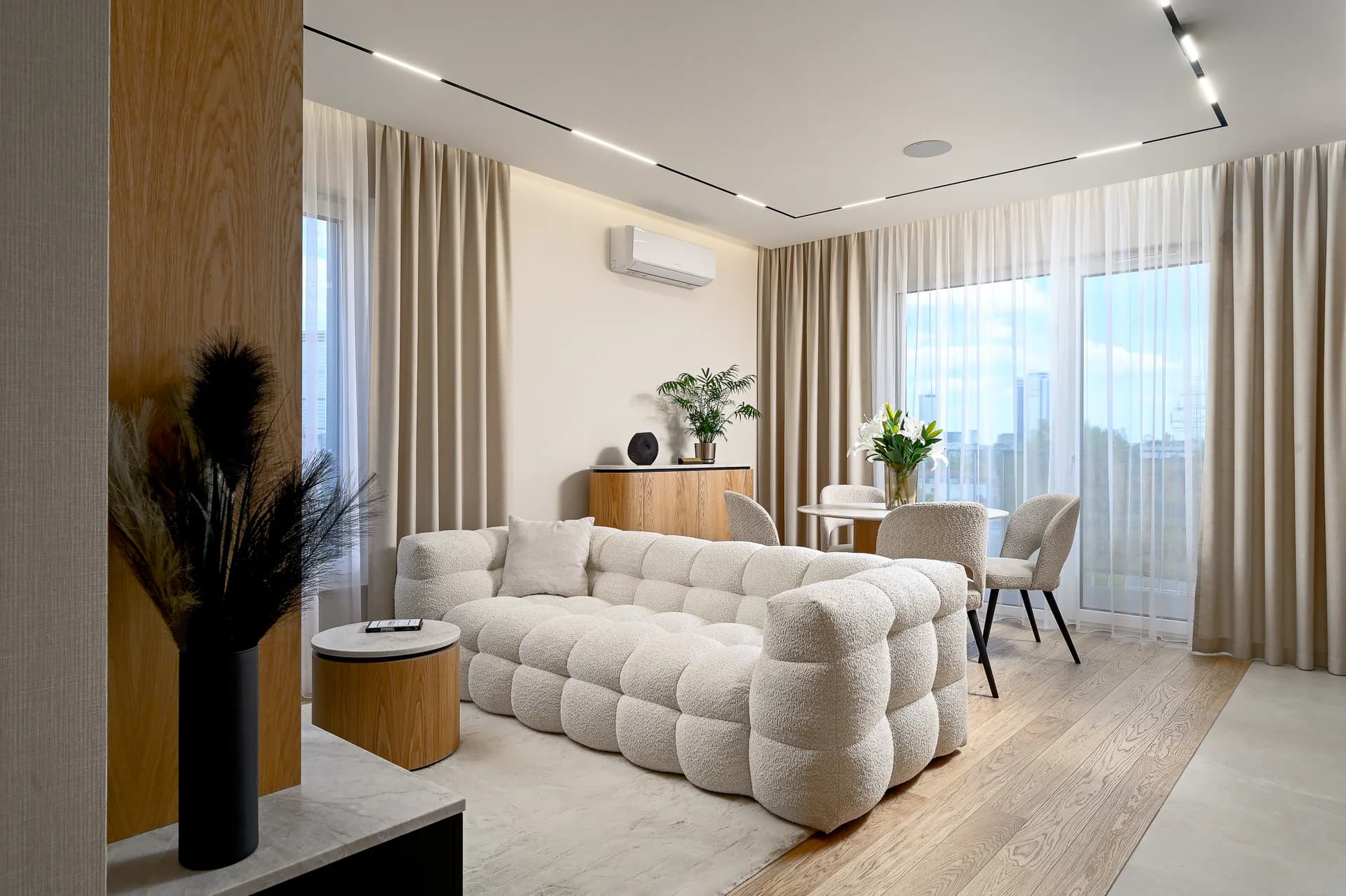
In a small studio flat, a light floor can make the space feel considerably more open – especially when the boards are laid parallel to the longest wall. In a spacious living room, on the other hand, a light finish builds a neutral base for contrasts. Dark furniture, textured walls and colourful accessories stand out more strongly against a light background, yet never overwhelm the room.
Importantly, a light floor calms the composition visually. It reduces decorative clutter and allows bolder experiments with wall colours. Navy blue, bottle green, brick red or raw concrete on the walls – all of these gain definition when the foundation is a calm, light surface underfoot.
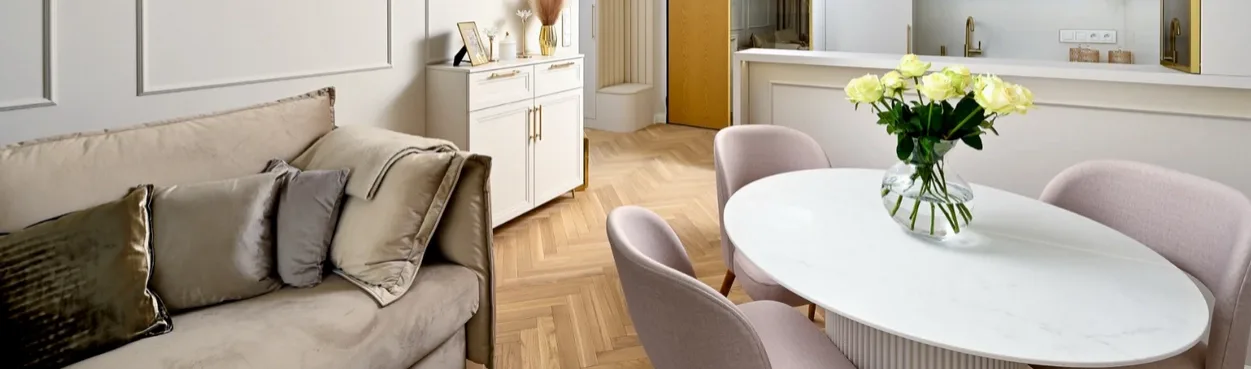
Light floors offer a wide choice – from budget-friendly laminate panels, through practical vinyl solutions, to prestigious natural wood floorboards.
Light laminate panels are the solution I reach for most often in projects with varied budgets. They offer imitations of whitewashed oak, light ash and even pale concrete and stone. Their advantages are undeniable: scratch resistance, easy care, quick installation with click systems and a wide choice of decors. Light laminate panels cannot be renovated, however – if the core is damaged, whole elements have to be replaced.
Light vinyl floors (LVT, SPC) in wood and concrete shades have recently gained enormous popularity. They offer complete waterproofness, dimensional stability and good acoustic properties. The wood grain on high-quality vinyl can be remarkably realistic, often enhanced with a synchronised surface texture. It is an excellent choice for kitchens, bathrooms and entrance areas.
Light wooden floors – engineered floorboards and parquet – are the option for those who value natural grain, warmth underfoot and the possibility of repeated renovation. Light oak oiled to a raw-wood shade, whitewashed oak or ash in a light lacquer – these finishes lend an interior timeless elegance. Engineered wood remains more stable through changes in moisture and temperature, which makes it compatible with underfloor heating.
Most light laminate panels, vinyl panels and engineered floorboards will perform well over underfloor heating, but it is always worth checking the manufacturer's declaration on the maximum surface temperature.
Let's get down to specifics – here are proven combinations of wall colours, furniture and textiles with a light floor.
A light floor in oak shades is the perfect partner for Scandinavian-style arrangements. White walls, clean-lined furniture and natural fabrics – cotton and linen – create a cohesive, calm composition. The light wood of the floor becomes the foundation of the harmony. Accessories such as woven baskets, ceramics in shades of grey and potted plants complete the picture without any risk of overwhelming it.
In modern arrangements, a light floor acts as a neutral canvas for dramatic contrasts. Graphite or dark green walls, simple furniture forms, metal accents and glass – all of it gains definition thanks to the light base. The effect is elegant, graphic and contemporary.
A warm, light brown or honey-toned floor with pronounced grain in oak shades creates the base for classic arrangements. Furniture in warm wood, panelled fronts, beige and cream fabrics and discreet gold accents – this combination works well in spacious living rooms and formal interiors.
In lofts, a light, "distressed" floor imitating wood or concrete, set against raw brick and black metal elements, softens the austerity of the space. Light vinyl panels with a concrete or light oak look strike a balance between industrial character and cosiness.
Skirting boards and doors matter too. White skirting boards with a light floor heighten the impression of lightness and cleanliness. Skirting matched to the floor colour works well when you want a consistent horizontal line – especially in open-plan spaces combining several functions.
A light floor is a tool for correcting the proportions of your interior – and it is worth using that potential deliberately.
Laying the boards along the longer wall visually elongates a room. A crosswise layout can make it appear wider – a simple trick that requires no extra outlay.
In a narrow hallway, a light floor works particularly effectively. It brightens the space, reflects the light from ceiling lamps and creates the impression of a more spacious corridor. The effect is visible the moment you step into the flat.
Board format matters. Wide boards in a light colour suit larger rooms – they add luxury and calm. In small interiors, slightly narrower panels that do not dominate the space work better.
A consistent floor shade throughout the flat prevents the space from feeling "chopped up". Visual flow between rooms makes the floor area seem larger and gives the interior a professional character.
The same floor shade looks different in north-facing and south-facing light – a fundamental principle many people forget. Light from the south has a warm tone, while north- and west-facing interiors receive cooler, more bluish light.
Cool light floors – greys, cool whites, light greige – work well in interiors with plenty of natural light. In minimalist spaces and lofts they underline the modern character. In poorly lit rooms, however, they can seem sterile and unwelcoming.
Warm light shades – honey, sandy beige, warm oak – are the ideal choice for bedrooms, children's rooms and living rooms where cosiness is the priority. They add warmth even when natural light is limited.
Always view floor samples in the target interior at different times of day. Morning light, midday light and artificial evening light change how the colour reads – sometimes dramatically.
| Combination | Effect | Where it works best |
| Light floor + white walls | Maximum brightness, spaciousness | Small flats, dark interiors |
| Light floor + pastel walls | Gentle harmony, cosiness | Bedrooms, children's rooms |
| Light floor + a dark accent wall | Dramatic contrast, depth | Living rooms, studies, formal areas |
Pronounced grain on a light floor draws the eye – it is worth balancing it with calmer walls and simple furniture to avoid visual chaos.
The two main approaches to arranging a space with a light floor are harmonious "tone on tone" schemes and bold contrast.
Tone-on-tone arrangements – a light floor, light walls, furniture in a similar wood shade – create a light, softly diffused space. It is the ideal solution for work and relaxation, where visual calm is the goal. Without well-considered textural accents, however, it can look monotonous.
Contrast-based schemes use a light floor as a backdrop for dark furniture, black tables or graphite sofas. The effect is modern and graphic – it works superbly in studies and modern-style living rooms.
In a bedroom or child's room I would avoid overly sharp contrasts – these spaces call for a calmer palette. In formal areas, contrast gives an interior character and depth.
In many projects I choose light panels as a compromise between aesthetics and functionality. It is a solution that combines an accessible price with a broad spectrum of arrangement possibilities.
On subtly grained light panels, dust and small crumbs are less visible than on very dark or perfectly smooth surfaces. That is a practical advantage in everyday use.
Rooms where light panels are especially recommended: the living room, bedroom, study, child's room and circulation routes with moderate foot traffic. Usage class AC4 or AC5 provides the durability needed for intensive domestic use.
In rooms exposed to moisture and dirt, I reach for light vinyl panels. They are an excellent choice when you want visual consistency with the rest of the home combined with everyday practicality.
A light vinyl floor in a kitchen that opens onto the living room maintains continuity of finish while resisting water, stains and impacts. Easy cleaning is a further asset in cooking areas.
Vinyl also offers:
In the hallway, a light vinyl floor with a subtle wood pattern effectively masks small amounts of dirt brought in from outside. A decor imitating natural grain is more "forgiving" of everyday dirt than smooth, uniform surfaces.
In premium projects, light wooden floorboards or parquet are often the choice. Natural wood brings a value to an interior that no imitation can replace.
A solid wood floorboard can be sanded and renovated many times – it can serve for generations. An engineered floorboard remains more stable through changes in temperature and moisture, which makes it the safer choice with underfloor heating.
Popular light wood finishes:
Natural wood changes colour slightly over time – it develops a patina. Light oak can take on a golden hue under the influence of light. It is worth factoring this in when choosing wall and furniture colours, opting for shades with a margin of tolerance for that change.
The acoustic and tactile virtues of wood are hard to overstate: natural warmth, a pleasant texture and the comfort of walking barefoot. In a home, these are a significant part of everyday comfort.
These three rooms benefit most from a light wooden floor.
A living room with light oak floorboards is a classic of elegance. Large expanses of floor, soft rugs, upholstered furniture and natural fabrics form a harmonious whole. Light wood brightens the space and lends it a timeless character.
A bedroom with a light, matt floor encourages relaxation. A wooden or upholstered bed, blackout curtains and a muted colour palette all add up to an exceptionally calm atmosphere. A matt wood finish reduces glare and helps the room feel restful.
A child's room with a light wooden floor offers versatility for years to come. The neutral background allows endless experiments with colourful toys, posters and textiles. As the child grows up, restyling the room does not require replacing the floor – simply change the decorations.
Let's dispel a myth: a light floor is not always more demanding than a dark floor. Much depends on the texture and finish. Matt surfaces with a fine grain structure mask dirt and scratches better than very smooth or mirror-gloss finishes.
On light surfaces, dark spot marks (mud, wet footprints) are more visible, while fine scratches are less noticeable than on a dark floor. That is a meaningful difference in everyday use.
In heavily used zones, use rugs and runners – they protect the floor and introduce an extra layer of texture into the arrangement.
Prevention matters more than repair. A few simple measures significantly prolong the good looks of a light floor:
| Measure | Where to use it |
| Felt pads under furniture legs | Chairs, tables, armchairs |
| Mats in the entrance area | Hallway, balcony entrance |
| Soft-coated castors | Swivel chairs, office chairs |
| Protective mats | Under pet bowls, by the sofa |
With wood, periodically refreshing the protective layer (lacquer or oil) keeps the floor looking light and fresh for years to come. A well-maintained floorboard can serve for decades without losing its beauty.
Choosing the right cleaning products is essential so as not to dull or discolour a light surface. Avoid all-purpose detergents – use products dedicated to the specific type of finish.
Even the most beautiful floor can look worse if it is poorly matched to the interior. Here are the mistakes I see most often:
Mixing many different wood shades – a different floor in every room creates visual chaos and "tears up" the space. Consistency matters more than variety.
Overly slippery, high-gloss light panels in circulation areas – the "gleaming sheet" effect highlights every crumb and smear. In hallways and corridors, matt or satin finishes work better.
A light floor that is too cool for a dark flat – an almost bluish white in a poorly lit interior gives an impression of sterility and unpleasant coldness.
Mismatching board format to floor area – boards that are too wide dominate a very small interior. In compact spaces, panels in smaller formats work better.
Viewing samples and planning the whole arrangement before you buy is the foundation of success.
Set floor samples against samples of wall colours, furniture fronts and fabrics. Create mini mood boards – physical or digital – that let you judge how well the whole scheme hangs together.
Before the final decision, lay a floor sample on the subfloor in the target interior. Watch it in the morning, at midday and in the evening – the differences can be surprising.
Think long term: a light floor should suit not only current trends but also the household's lifestyle and any changes to the arrangement you have planned.
Yes – a light floor reflects more light and softens shadows, so the interior appears larger. The effect is particularly noticeable in combination with light walls and a limited number of contrasting elements. Narrow corridors, small living rooms in blocks of flats and compact bedrooms gain the most.
Light laminate and vinyl panels perform well in homes with children and pets. Fine scratches and dust are less visible than on dark surfaces. Choose a decor with a subtle wood pattern and an appropriate usage class (AC4 as a minimum). Use protective mats under water bowls and in pet sleeping areas.
As a designer, I often recommend one type of light floor in most rooms – it creates a sense of cohesion and visually enlarges the flat. In areas with higher moisture levels (the kitchen, bathrooms) you can use visually similar light vinyl panels, keeping a comparable shade and pattern so as not to "tear up" the space.
Dark stains show up more on very smooth, cool-white surfaces. Subtly grained beiges and light oak shades, on the other hand, are more "forgiving" of everyday dirt. Choosing the right texture and shade of light floor reduces how often cleaning feels like an aesthetic necessity.
Light floorboards flatter both rugs in similar sandy shades (for a cohesive effect) and bold, darker accents – navy, graphite, deep green – that create clearly defined functional zones. Avoid rugs in exactly the same colour as the floor, as they can "disappear" into it and visually flatten the arrangement.
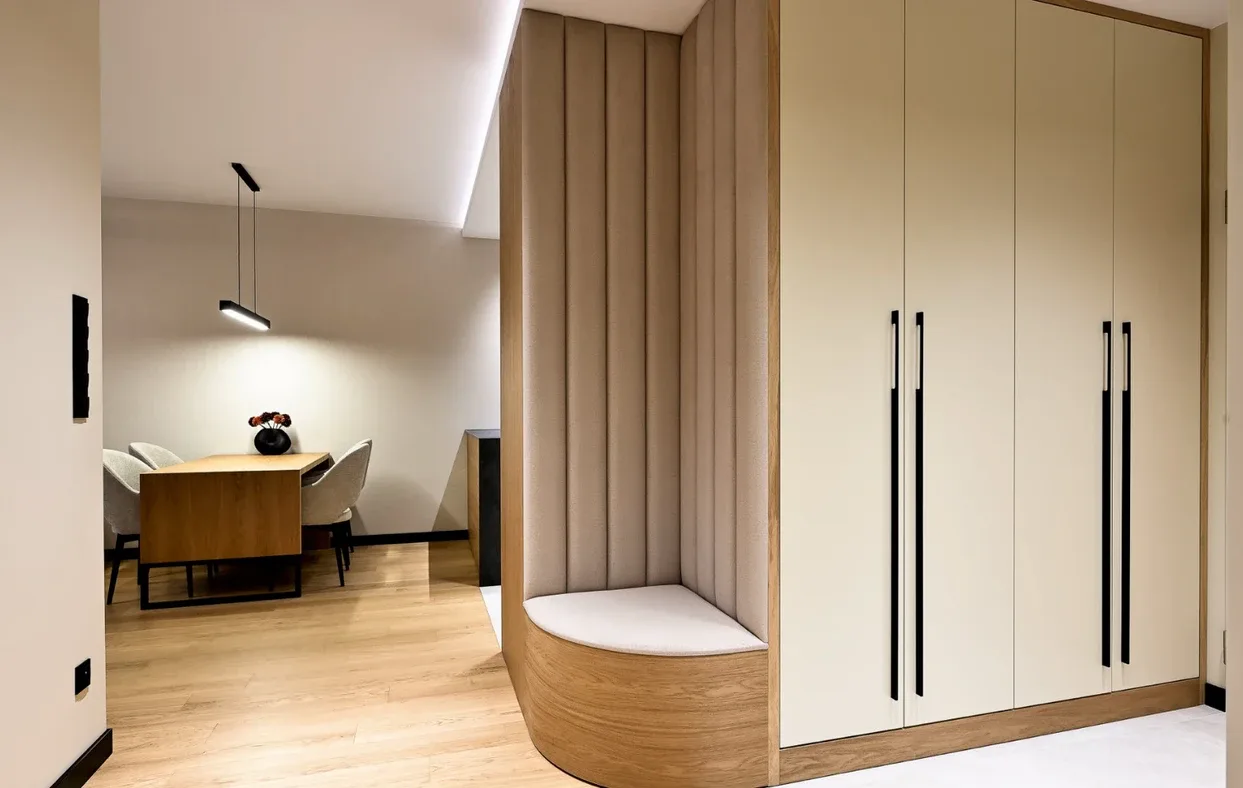
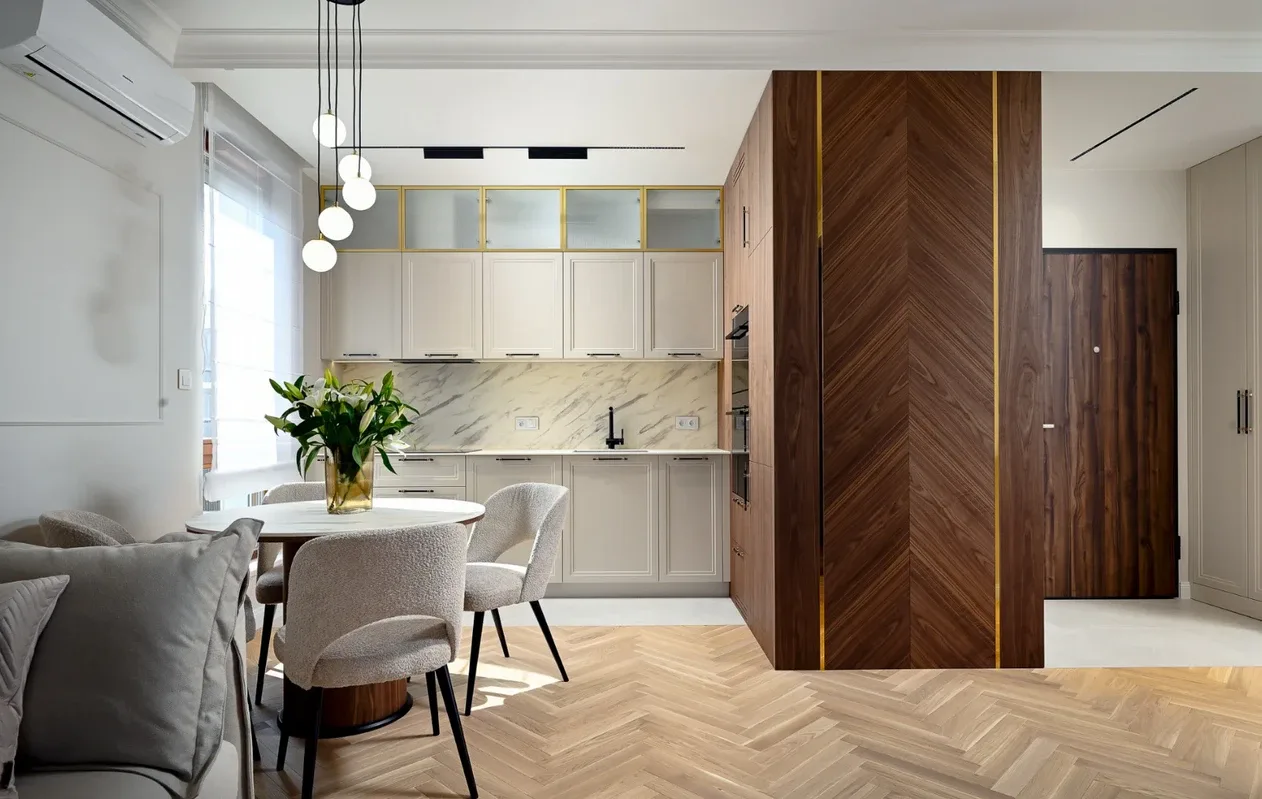
We will advise and prepare an individual quote matched to your interior.
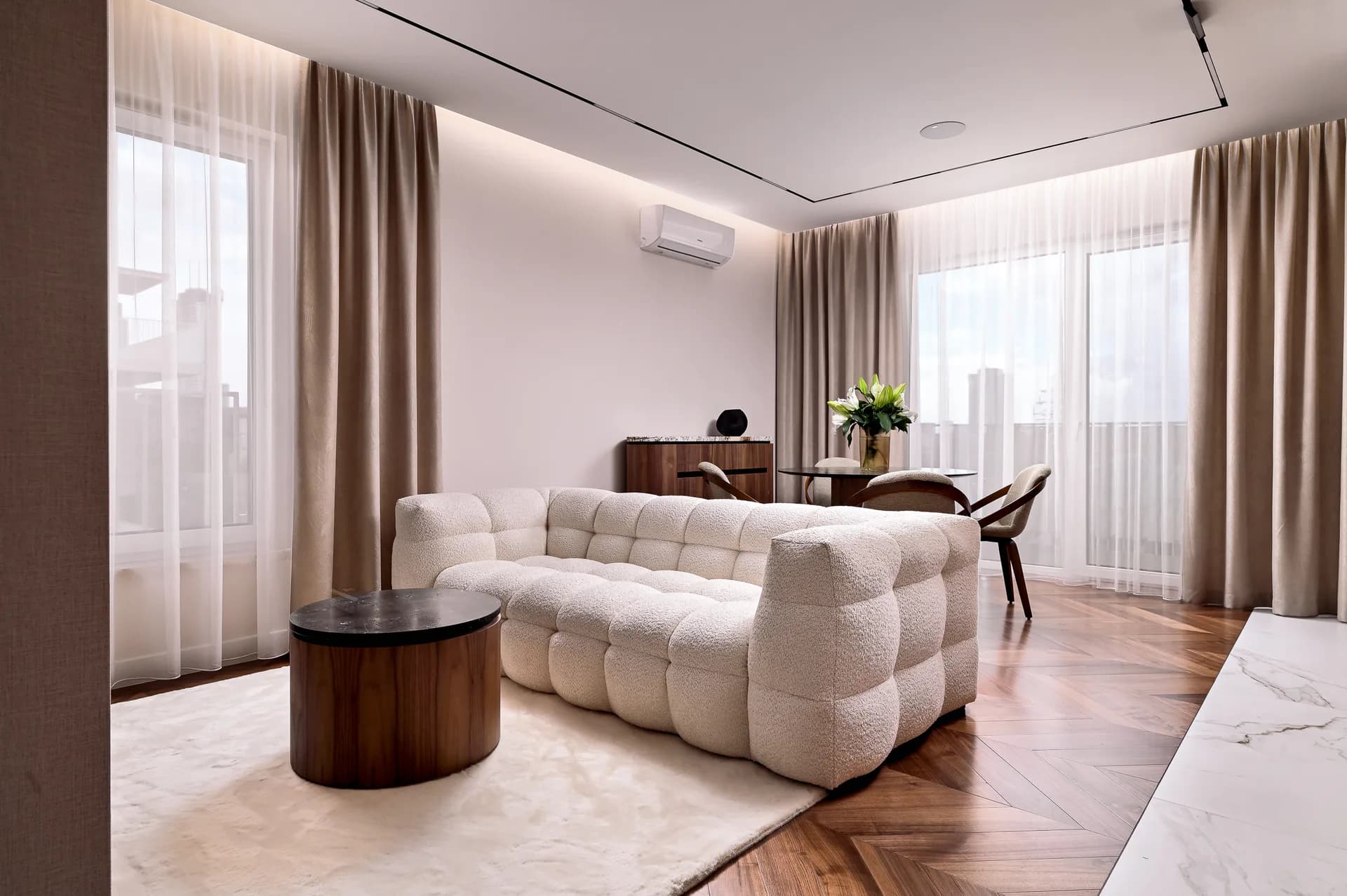
A dark floor of natural wood or panels is one of the strongest interior trends of recent years. Dark shades of oak, walnut and wenge dominate both…
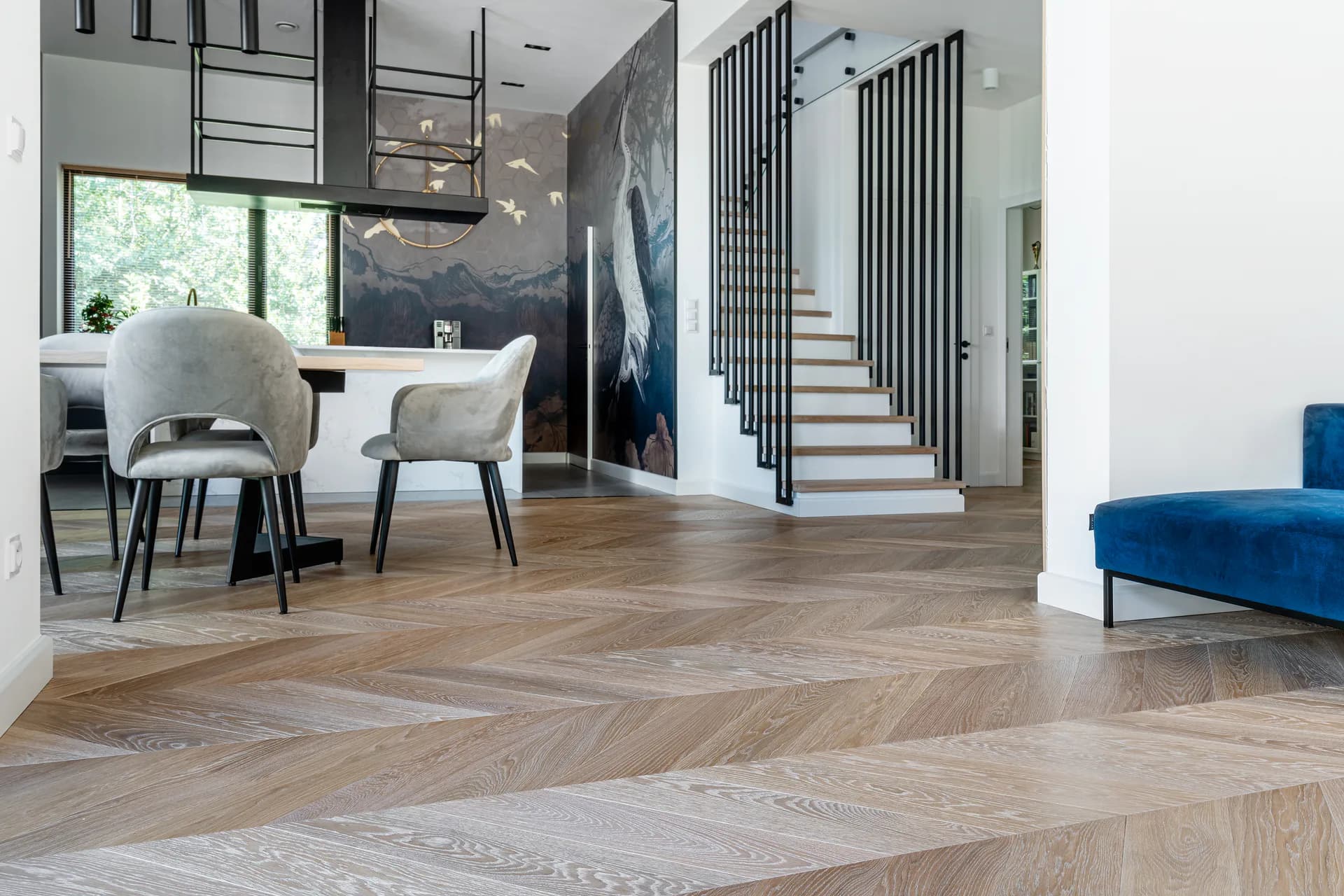
Grey floor panels are laminate or vinyl flooring in shades of grey that works well in modern, minimalist, Scandinavian and loft interiors…
Oak floorboards are a synonym of durability and natural beauty in interior design. Boards made of this noble wood resist damage and…