

Solid floorboards: a technical compendium of selection and installation
A solid floorboard is a floor made from a single piece of natural wood, valued for durability, repeated renovation potential and a timeless look…

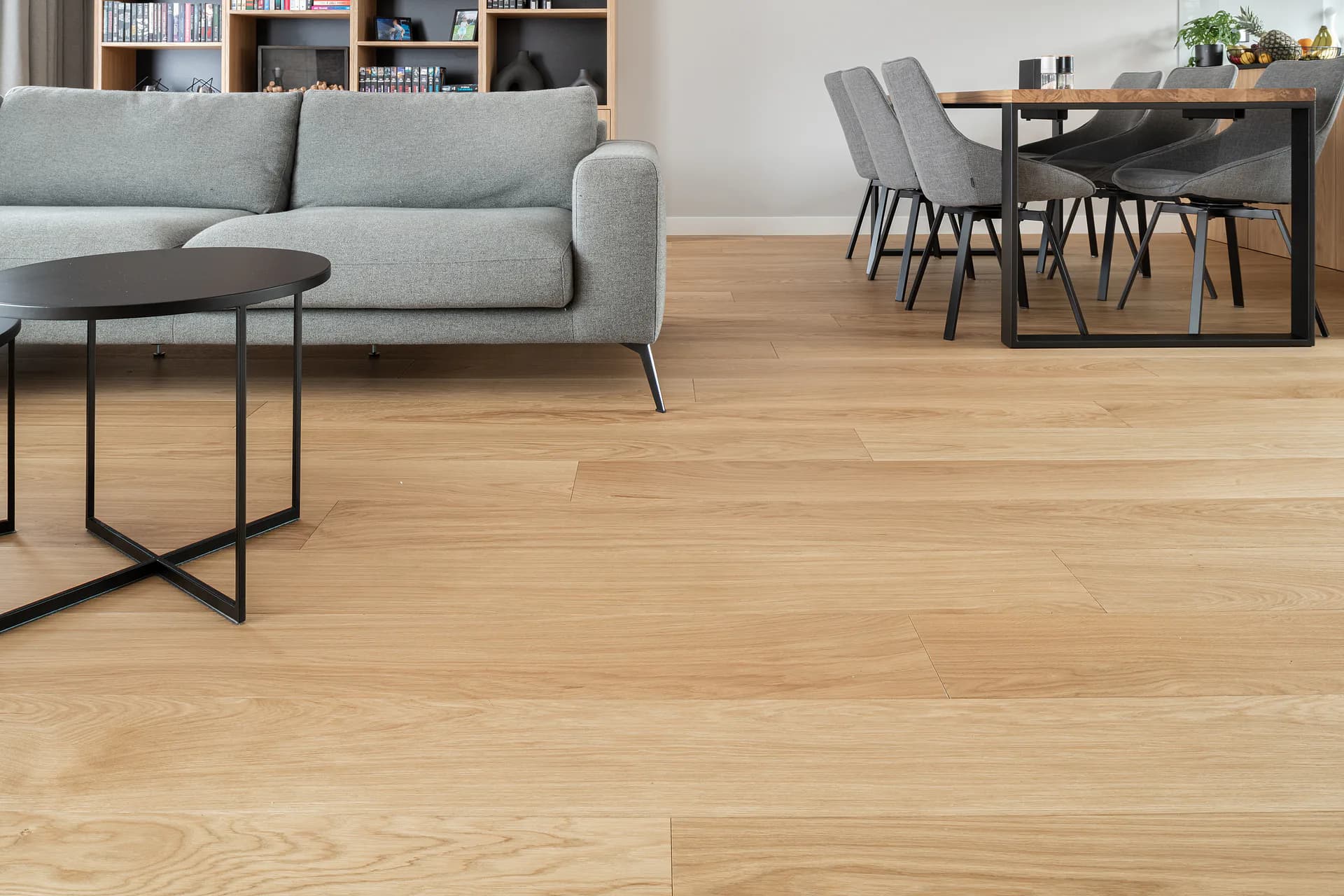
The choice between a solid and an engineered floorboard is a key decision for anyone planning a wooden floor in their home. A solid wood floorboard, made from a single piece of timber, is a floor made entirely of solid material, which translates into a natural look and the possibility of repeated sanding, but it requires stable climatic conditions and is more prone to distortion. Because wood is a hygroscopic material, it reacts to moisture and needs the right humidity in the room to remain durable. An engineered board, in turn, consists of several layers of wood arranged in alternating directions, which makes it less susceptible to changes in temperature and moisture, and also better suited to installation over underfloor heating.
This article will give you specialist knowledge about the construction, properties, installation and care of both types of board, so that you can make an informed decision about which floor to choose for your home. You will learn the advantages and limitations of solid and engineered boards, and how to avoid the typical problems associated with using them.
A solid wood floorboard is a product made in the traditional way from a single piece of timber, which guarantees a unique arrangement of grain and knots, a natural pattern, a one-of-a-kind character and the full thickness of natural material. Thanks to this, solid wood floors can be sanded many times, which allows long-term renovation and keeps the floor looking its best for decades. However, solid wood is more prone to distortion caused by changes in moisture and temperature, which requires a stable microclimate in the room.
An engineered board consists of several layers of wood, where the top layer is a fine hardwood and the base is made of softwood or plywood. This construction increases the product's dimensional stability, making it less prone to warping, gapping and other distortions. With engineered boards, the scope for renovation is usually smaller than with solid boards, because it is limited by the thickness of the top layer. An engineered board is therefore less susceptible to changes in temperature and moisture, which makes it a more universal choice, especially in modern homes with underfloor heating.
In this part of the article, we take a closer look at the construction and technical properties of two popular types of wooden floor: the solid wood floorboard and engineered boards. Understanding the structural and functional differences between these solutions makes it possible to choose the right floor with confidence, matched to the specifics of the room and the expectations of its users. We will discuss how the individual layers and wood species affect durability, dimensional stability and appearance, paying particular attention to the characteristic features of solid boards and the case of engineered boards, which, thanks to their construction, cope better with fluctuations in moisture and temperature.
A solid board — that is, solid boards made entirely from a single piece of timber — has the full thickness of the wood, usually from 15 to 22 mm, which makes repeated sanding possible. It is characterised by a natural arrangement of grain and knots, and its durability depends on the wood species; oak and ash are used most often, and both materials withstand mechanical damage well. However, solid wood is less resistant to changes in temperature and moisture, which can cause distortions such as warping or gapping. The choice of wood species affects long-lasting performance, beautiful looks and the aesthetics of the interior.
Every solid wood floorboard stands out with a one-of-a-kind arrangement of grain and knots, the result of being made from a single piece of timber. Each board therefore has its own individual character, which underlines the natural look of the wood. Solid oak boards, as one of the most popular wood species, are held in particularly high regard for their durability and looks, much like the Pure Forest floor by Kaczkan in natural oak. Choosing the right wood species makes it possible to create a floor with an exceptional design that combines tradition with timeless elegance. The single piece of timber used to produce a board can never be replicated, which makes every floor unique.
An engineered board consists of 2–3 layers of wood arranged in alternating directions, which provides greater stability and resistance to distortion. The top layer – the so-called wear layer – is usually 3–6 mm thick and made of a fine hardwood, while the layers beneath are softwood or hardwood plywood. As a result, the construction of an engineered board is less susceptible to changes in moisture and temperature, and it also works better with underfloor heating.
Installing solid boards requires stable humidity conditions (40–60%) and full-surface gluing to a subfloor of adequate strength and residual moisture (below 2% for cement screed). This method of fixing improves the stability of the floor and eliminates the hollow sound typical of floating installation. It is essential to maintain a perimeter expansion gap, to acclimatise the material before installation, and to bear in mind that only correct installation allows for the natural movement of the wood and limits the stresses associated with changes in moisture. The standard joint is a tongue-and-groove profile, in which a precisely machined groove is responsible for a tight fit between the elements.
Engineered boards are more flexible and can be installed either glued down or floating, which makes them easier to fit. They are less prone to warping and gapping, which makes them more resistant to changes in temperature and moisture. In addition, bevelled edges improve the appearance and help mask slight differences in height. That is why they are the preferred choice for homes with underfloor heating.
A wooden floor made of solid boards requires regular vacuuming with a soft brush and cleaning with special soaps containing care oils, which helps protect the surface layer from the sand that causes scratches. Excess moisture should be avoided, because the key to preserving the beauty of a solid floorboard is protecting it from sand and avoiding excess moisture. It is also worth using felt pads under furniture and protective mats under office chairs. For minor scratches, lacquer-regenerating pastes can be used. Solid boards can be sanded many times, which allows them to be renovated over many years, and with proper care they can last a very long time. As for the finish, lacquering provides higher resistance to abrasion, while oiling more strongly accentuates the natural look of the wood, as can clearly be seen in the example of the Kaczkan Baltic Seaside lacquered engineered board.
Engineered boards are less demanding to care for and less prone to damage caused by changes in moisture. Their thin wear layer, however, limits the number of possible sandings and renovations, usually to 1–3 times, so the scope for restoration is smaller than with solid wood floors.
If you value a natural look, a traditional finish and the possibility of renewing the floor many times, and the room enjoys stable climatic conditions, a solid wood floorboard will be an excellent choice. Such a natural floor is also chosen because it lends warmth to interiors, and solid oak boards, including modern whitewashed oak boards in a light shade, are a particularly good solution for prestigious interiors. Bear in mind, however, that it is more prone to distortion and requires careful upkeep.
If, on the other hand, you are looking for a wooden floor that is less susceptible to changes in temperature and moisture, and easier to install and care for — especially in homes with underfloor heating — the better solution will be an engineered board, which consists of several layers of wood and is less prone to distortion. It is the more practical choice when greater stability and ease of use are the priority.
The solid and the engineered floorboard are two different products that offer distinct properties and applications. A solid board is a natural, durable floor with a one-of-a-kind character, and at the same time an excellent choice for those seeking a material with timeless appeal, but it requires stable conditions and regular care. Its finish can also be brushed, which further accentuates the natural grain pattern of the wood. An engineered board consists of several layers of wood, providing greater stability and resistance to temperature changes, which makes it more universal and practical in modern interiors.
The choice between them should take into account the specifics of the room, the climatic conditions, your aesthetic expectations and the planned use of the floor. Consulting professionals and analysing the available products, together with selecting the right wood species, will help you decide which board will be best for your home, combining durability, comfort and the beauty of a wooden floor.
A solid wood floorboard is a floor made from a single piece of timber, which gives it a natural look and the possibility of repeated sanding. This makes it durable and lends interiors a timeless character.
Solid boards stand out for the natural movement of the wood and the possibility of renewing the surface many times. Engineered boards, in turn, offer greater floor stability thanks to their multi-layer construction, which limits distortion.
Oak stands out for its high durability and its resistance to mechanical damage and abrasion. Its natural structure and looks make it a popular choice for prestigious interiors.
The key to maintaining the durability of a solid floorboard is the right air humidity in the room, regular cleaning and the use of appropriate care products, such as oiling or lacquering.
A solid floorboard can be used over underfloor heating, but it requires correct installation and control of moisture and temperature to prevent damage resulting from the natural movement of the wood.
Tongue and groove is a method of joining floorboards that ensures a tight and stable floor. Thanks to it, the boards are well fitted and less prone to shifting during use.
Lacquering creates a durable protective layer that increases resistance to abrasion and mechanical damage. Oiling accentuates the natural structure of the wood and makes it easier to repair minor damage.
Bevelling is a subtle chamfering of the board edges that improves the appearance of the floor and masks slight unevenness after installation, contributing to a durable and attractive finish.
The durability of the floor depends on the species of the material, proper care, maintaining the right moisture level and correct installation on a stable subfloor. Wood, as a hygroscopic material, requires moisture control.
The choice depends on the conditions of use and aesthetic expectations. A solid wood floorboard offers a natural floor with an exceptional character and the possibility of repeated sanding, while an engineered board provides greater stability and resistance to changes in moisture and temperature.
We will advise and prepare an individual quote matched to your interior.
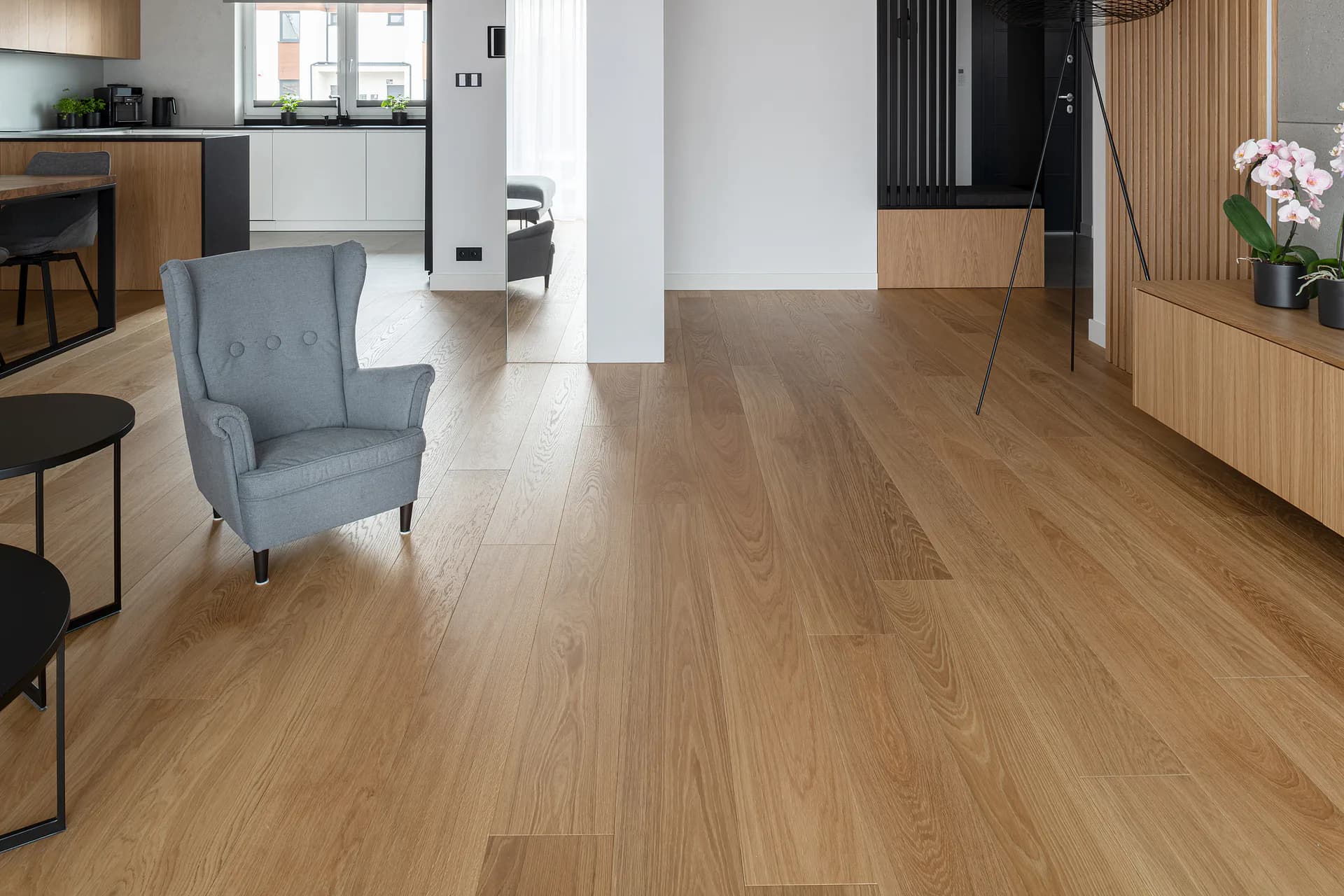
A solid floorboard is a floor made from a single piece of natural wood, valued for durability, repeated renovation potential and a timeless look…
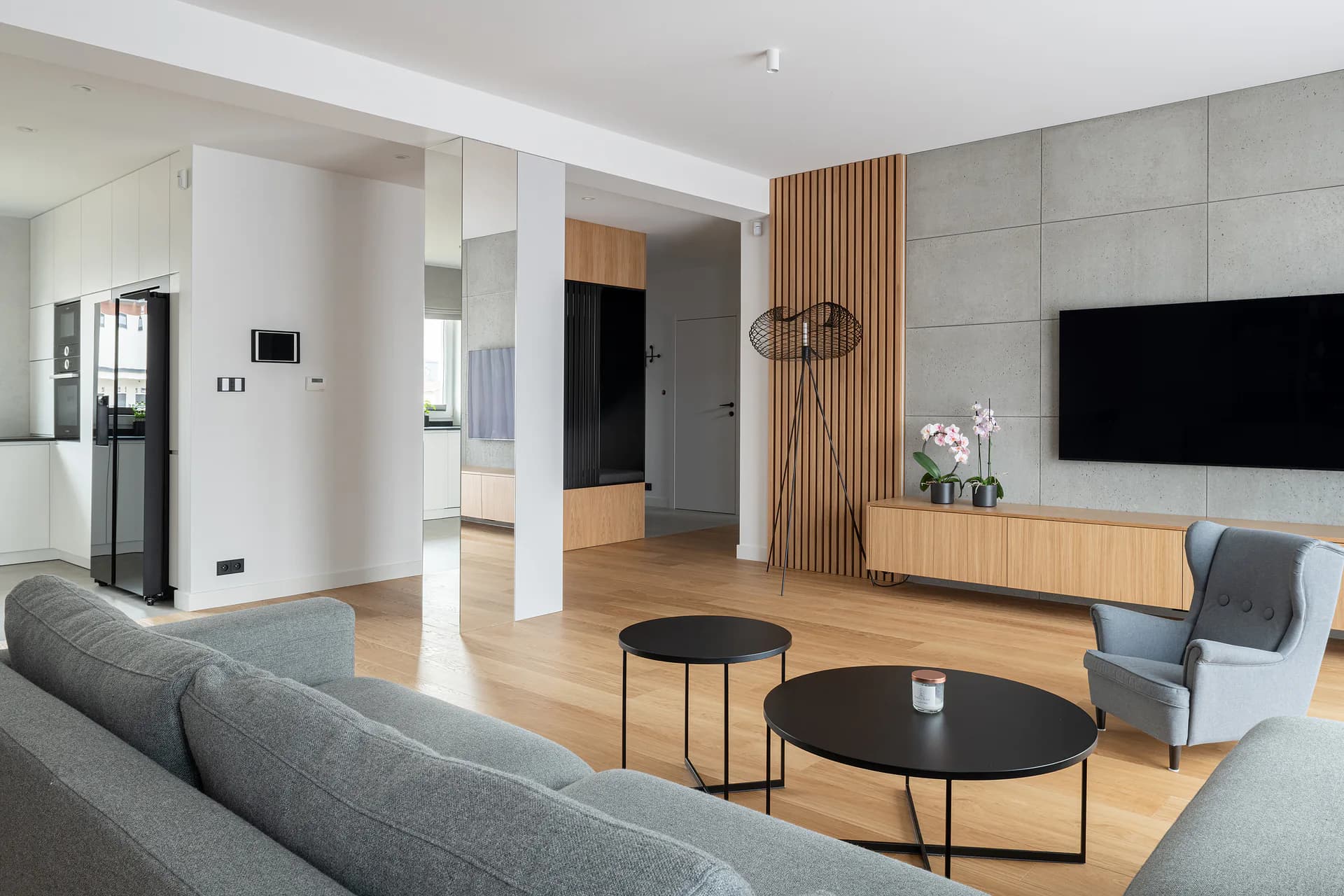
Floorboards are the better choice when real wood, long-term durability, the option of renovation and a natural interior character are your priorities. Panels win when…
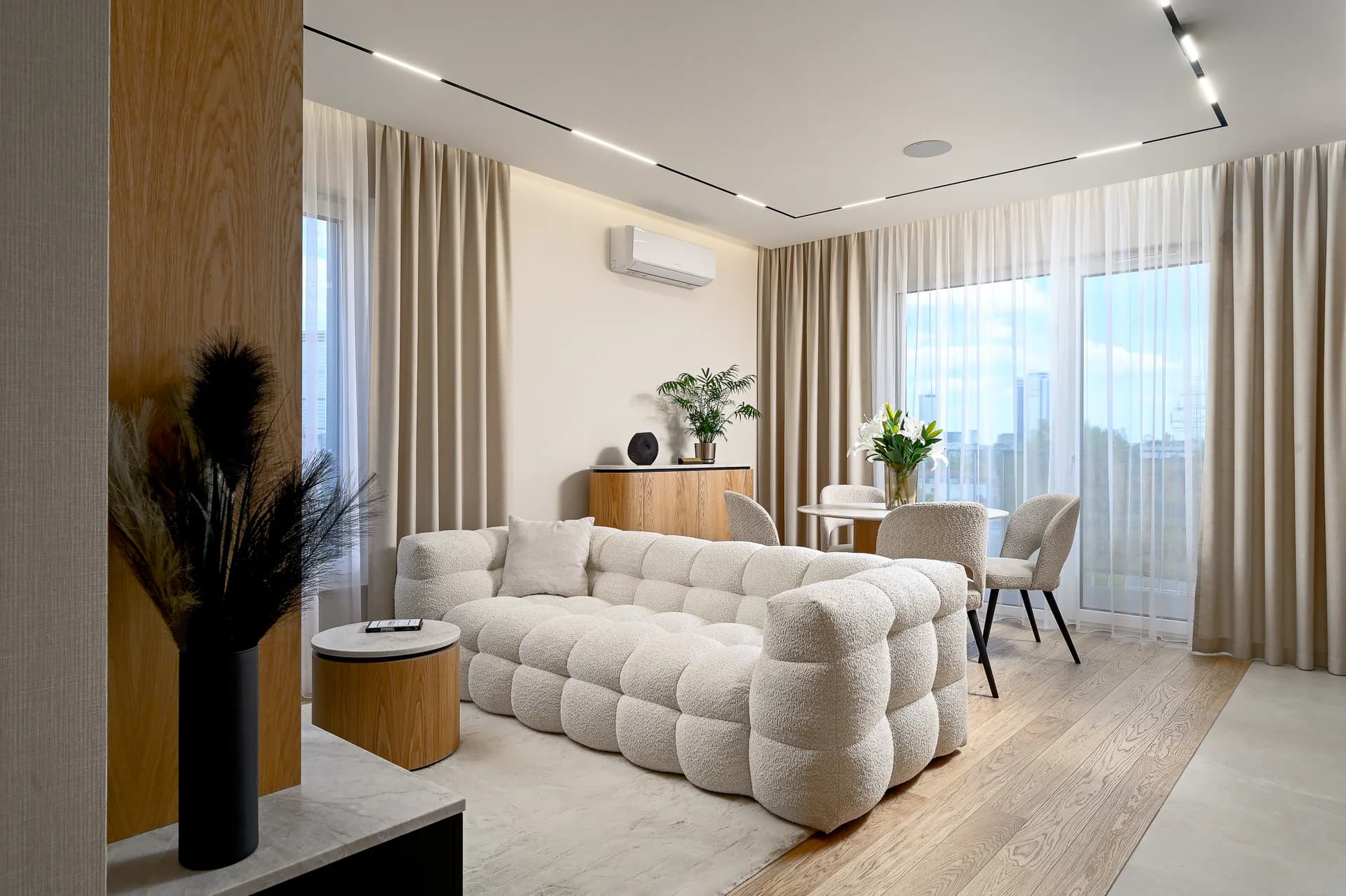
Oak floorboards are a synonym of durability and natural beauty in interior design. Boards made of this noble wood resist damage and…