

Oak floorboards: a modern, durable wooden floor for any interior style
Oak floorboards are a synonym of durability and natural beauty in interior design. Boards made of this noble wood resist damage and…

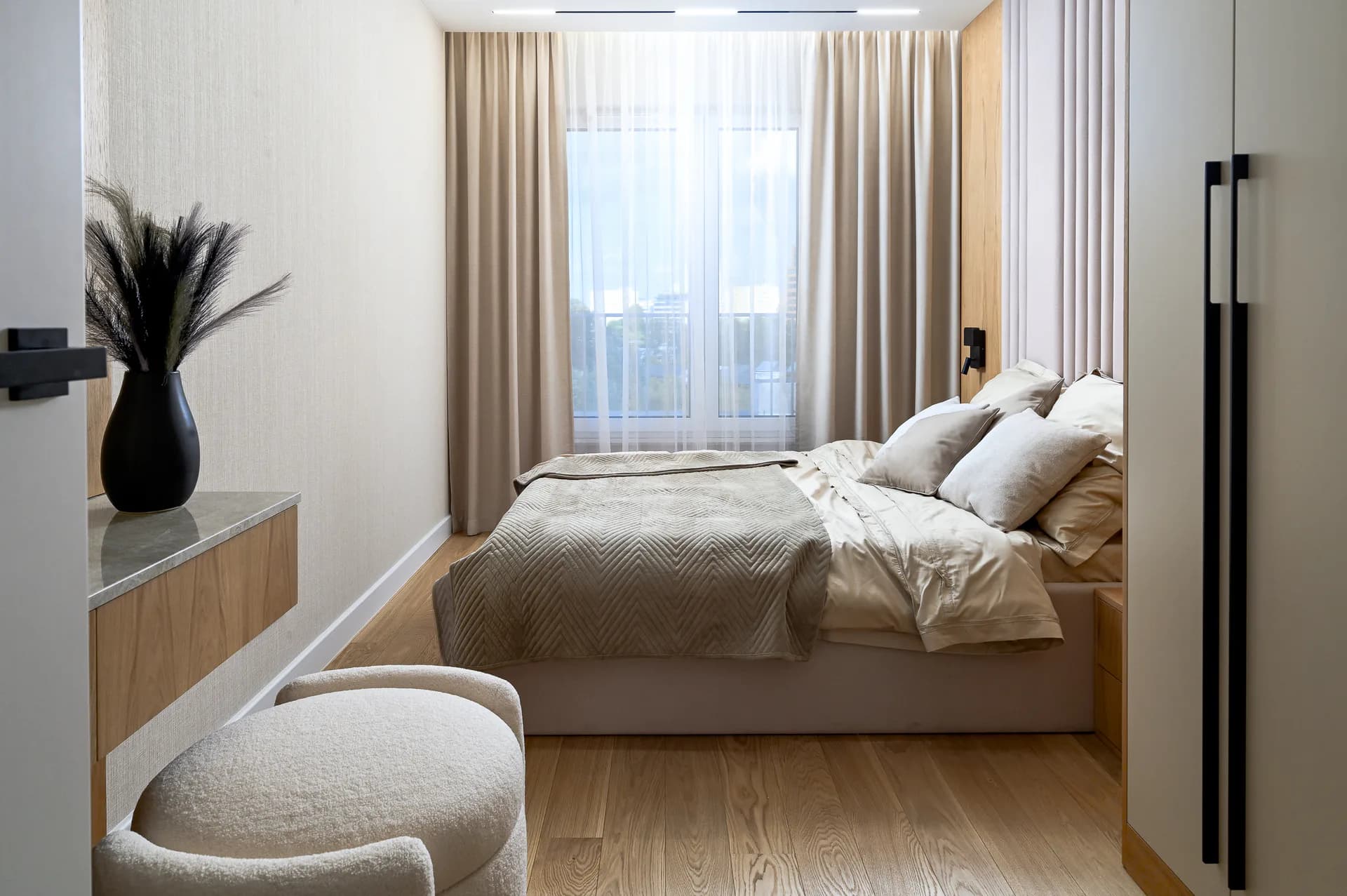
Floorboards are an essential element of any stylish, functional interior. Wooden floors have enjoyed unwavering popularity for years thanks to their natural look, exceptional comfort in use and timeless elegance. By choosing durable solutions such as the three-layer board, we gain the confidence that the floor will serve for many years, keeping both its beauty and its practical qualities.
The three-layer board combines the beauty of wood with an advanced construction that limits the stresses caused by changes in moisture, thanks to the cross-laid arrangement of its layers.
If you dream of wooden floors but worry about gaps between boards, warping or problems with underfloor heating, those concerns are entirely justified. Traditional boards made of solid wood react strongly to changes in moisture and temperature, which leads to visible movement of the wood – expanding in summer and shrinking in winter.
The three-layer board was designed to do away with these frustrations. Its innovative construction of three cross-laid layers of wood delivers high dimensional stability while keeping the natural look and character of real wood. It is the ideal solution for houses with underfloor heating, flats with central heating and rooms with a changeable microclimate.
Here are the features that set three-layer floorboards apart from other solutions:
Instead of worrying about the wood moving with every change of season, you gain a durable, elegant floor finish for years to come.
Achieving stability requires no compromise on naturalness. Each layer performs a precisely defined role:
The top layer is solid fine hardwood – most often oak or ash – between 3 and 6 mm thick. This layer determines the look and character of the floor. At 3-4 mm one renovation is possible, while a 5-6 mm layer allows several rounds of sanding. The wood may be finished with lacquer, oil or hardwax oil, which shapes how the surface feels to the touch and how it performs in use.
The middle layer, accounting for around half the board's total thickness, is made of spruce or other softwood species. Its fibres run perpendicular to the top layer, counteracting warping caused by changes in moisture. It is this core that gives the whole construction its exceptional stability and ensures the floor does not react sharply to changing conditions in the room.
The bottom layer, around 1.5-2 mm thick, evens out the stresses across the whole construction. Its fibres, laid crosswise to the top layer, complete the stabilising mechanism. This thin but important layer protects against warping from below and ensures the load is spread evenly over the subfloor.
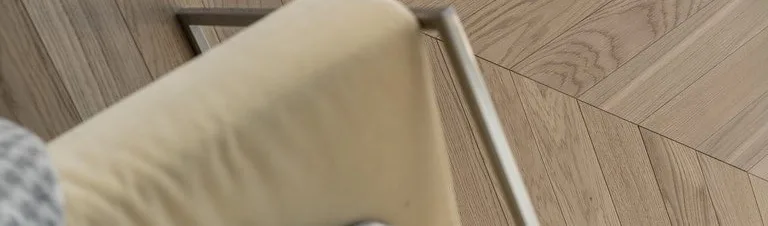
Most alternatives focus on looks or price. The three-layer board offers a balance between aesthetics and functionality:
The technical parameters bear out these advantages: a thermal resistance of around 0.11-0.12 m²K/W at a thickness of 14-15 mm means the floor performs well with underfloor heating without excessive heat loss.
The technical data speak for themselves:
The products meet the standards for formaldehyde emissions (class E1), abrasion resistance and dimensional stability. The adhesive bonding the layers is rated class D3 or higher, guaranteeing resistance to changes in temperature and humidity.
The three-layer board is the ideal solution for:
If you are looking for the middle ground between the authenticity of natural wood and structural stability, this floor was created with your needs in mind.
Choose the variant that suits the character of your interior and your aesthetic preferences:
A single-strip board presents the full width of one lamella of wood on its surface. The visual effect is one of broad, elegant bands of wood that showcase the natural grain pattern. Widths from 100 to 200 mm and beyond lend a room a sense of space and a modern character. Oak or ash in the single-strip version looks exceptionally striking in a living room and in showpiece interiors.
A construction with three narrower lamellas in the top layer recalls traditional mosaic parquet. This variant combines a classic look with a modern construction, while also making optimal use of the raw material. Its durable, elegant finish works well in classic interior schemes.
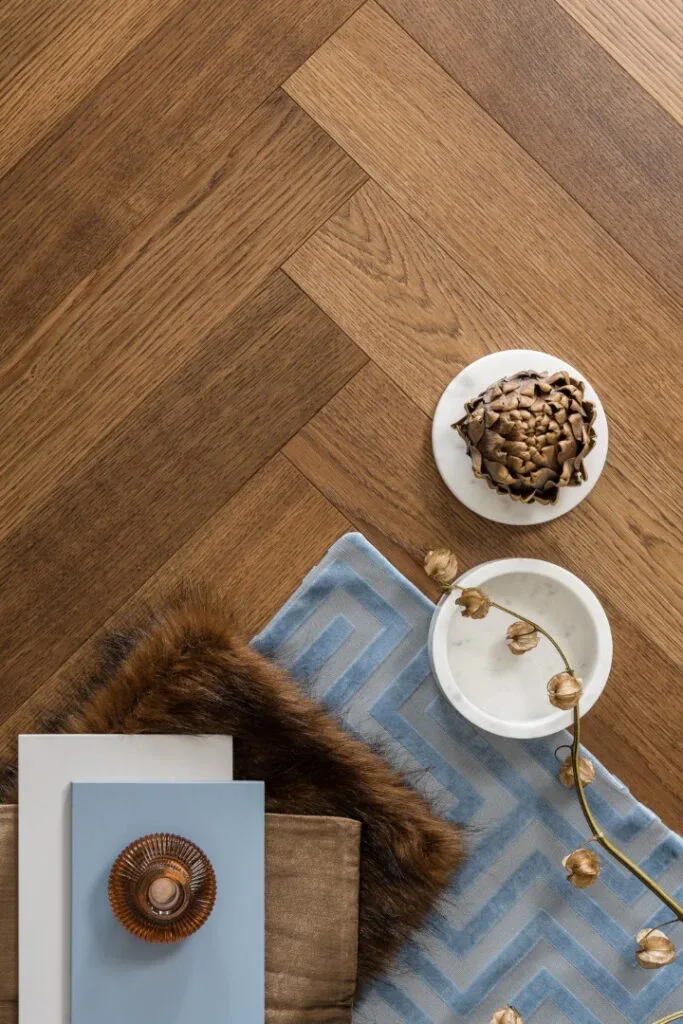
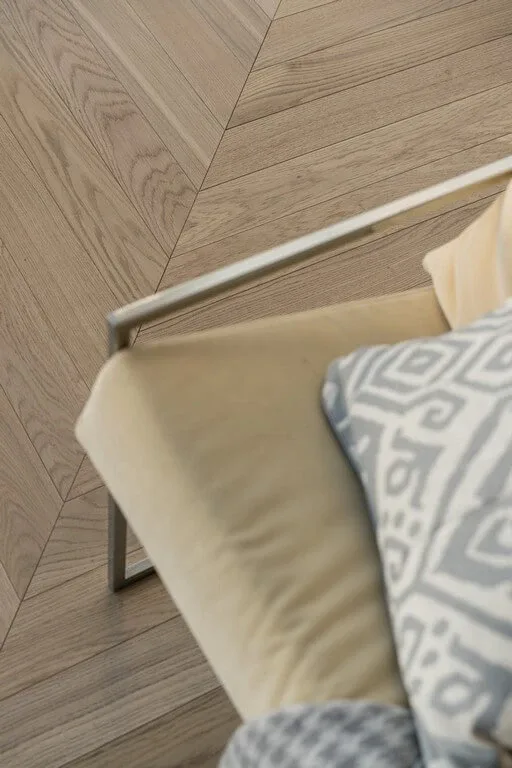
The collection of special patterns includes classic herringbone, blocks and geometric layouts. XXL formats of increased width and length are also available for rooms with a large floor area. Brushing, texturing and a variety of surface finishes allow the character of the floor to be matched to individual preferences.
We will advise and prepare an individual quote matched to your interior.
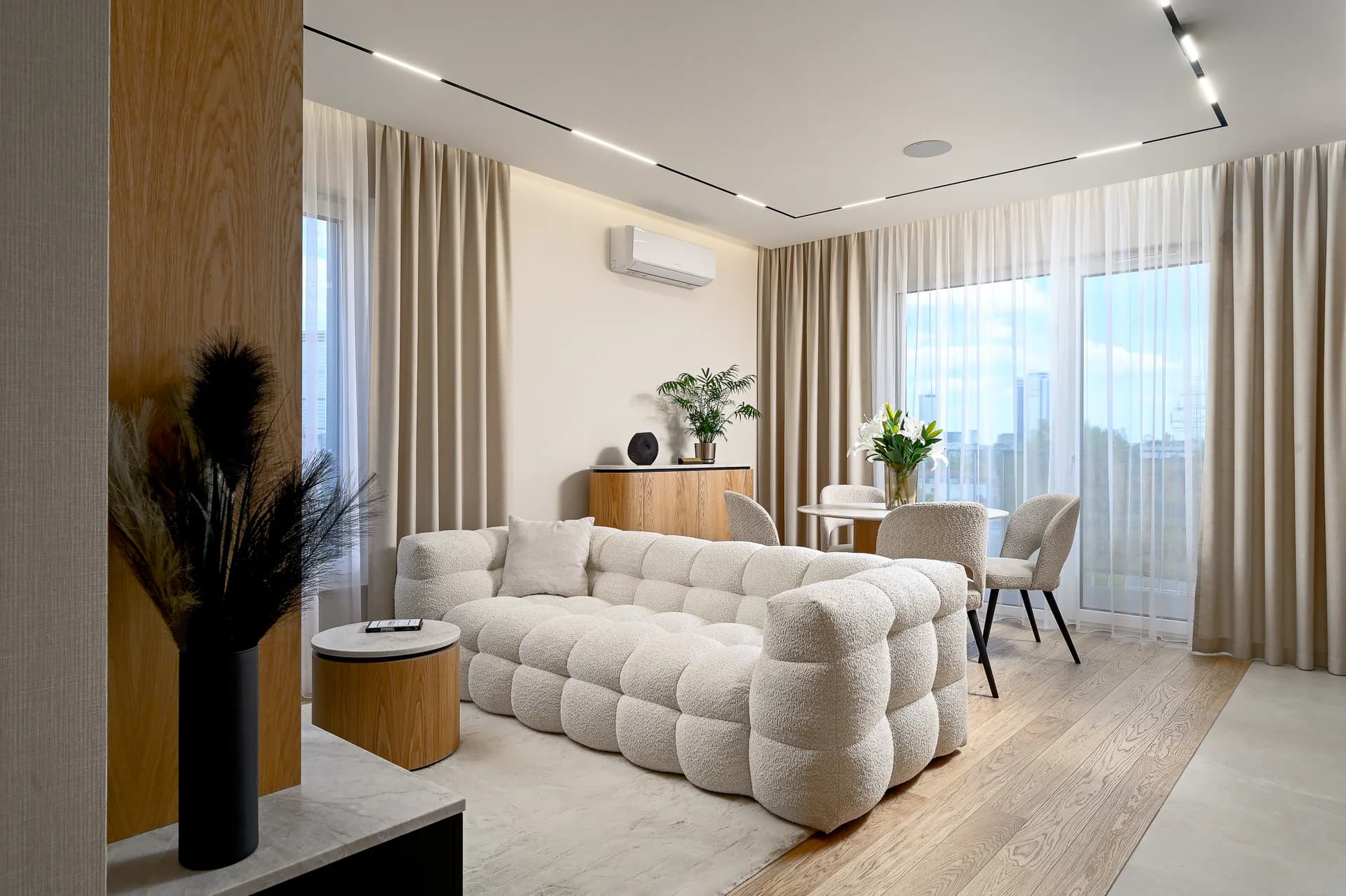
Oak floorboards are a synonym of durability and natural beauty in interior design. Boards made of this noble wood resist damage and…
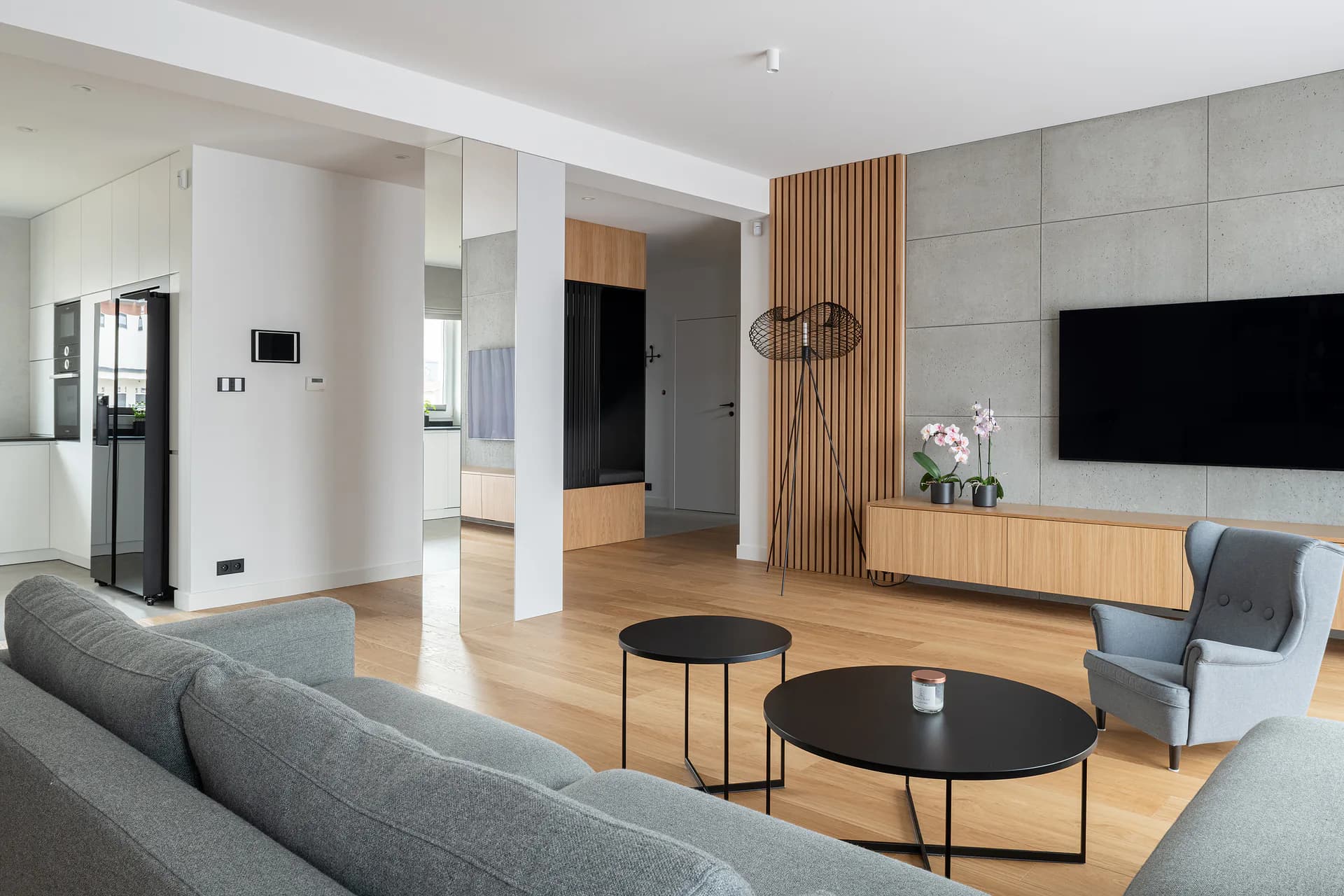
Floorboards are the better choice when real wood, long-term durability, the option of renovation and a natural interior character are your priorities. Panels win when…
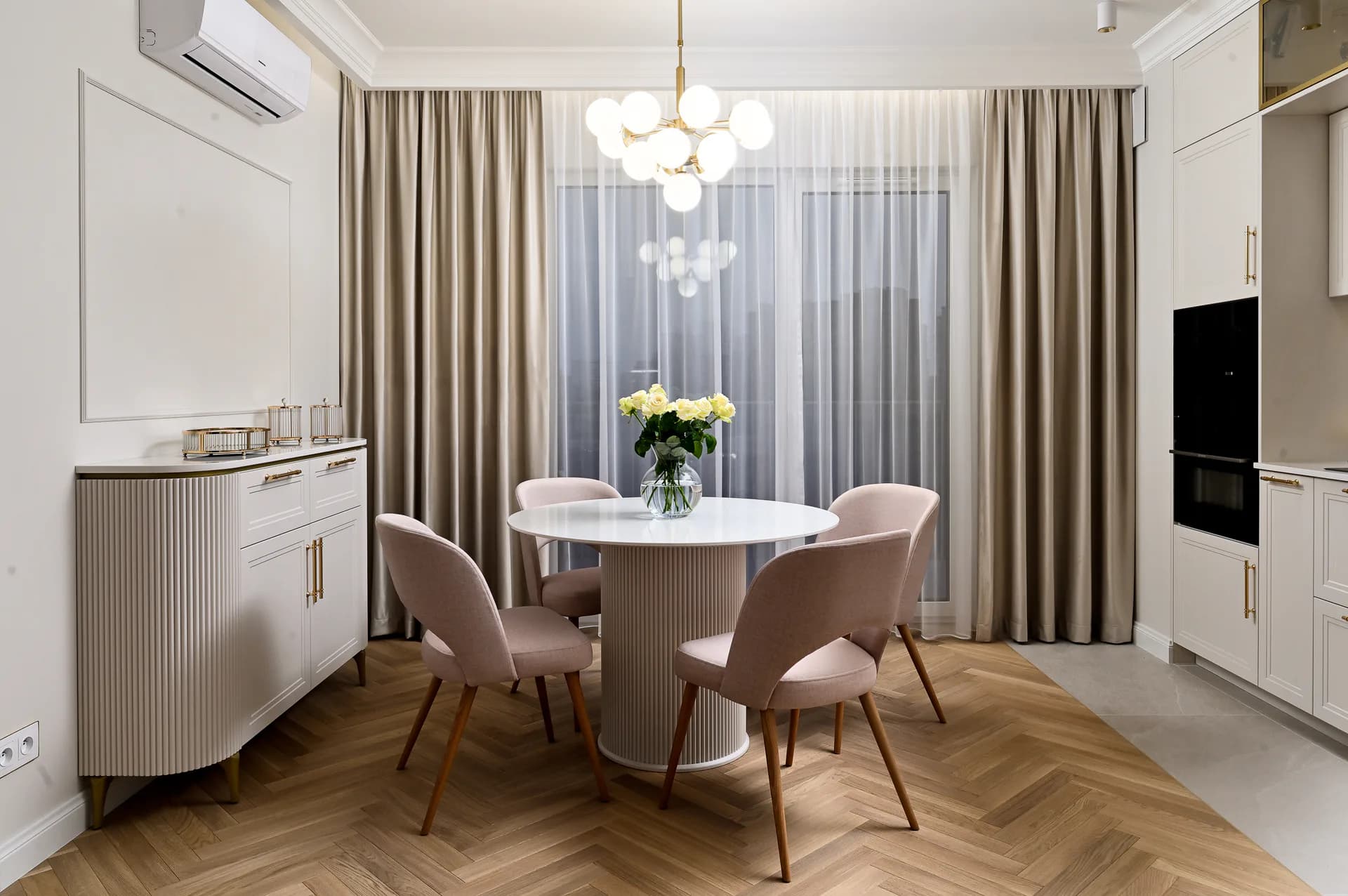
A wooden floor in the kitchen is an excellent choice, provided the right wood species and surface finish are used. Contrary to popular opinion, natural…