

Oak floorboards: a modern, durable wooden floor for any interior style
Oak floorboards are a synonym of durability and natural beauty in interior design. Boards made of this noble wood resist damage and…

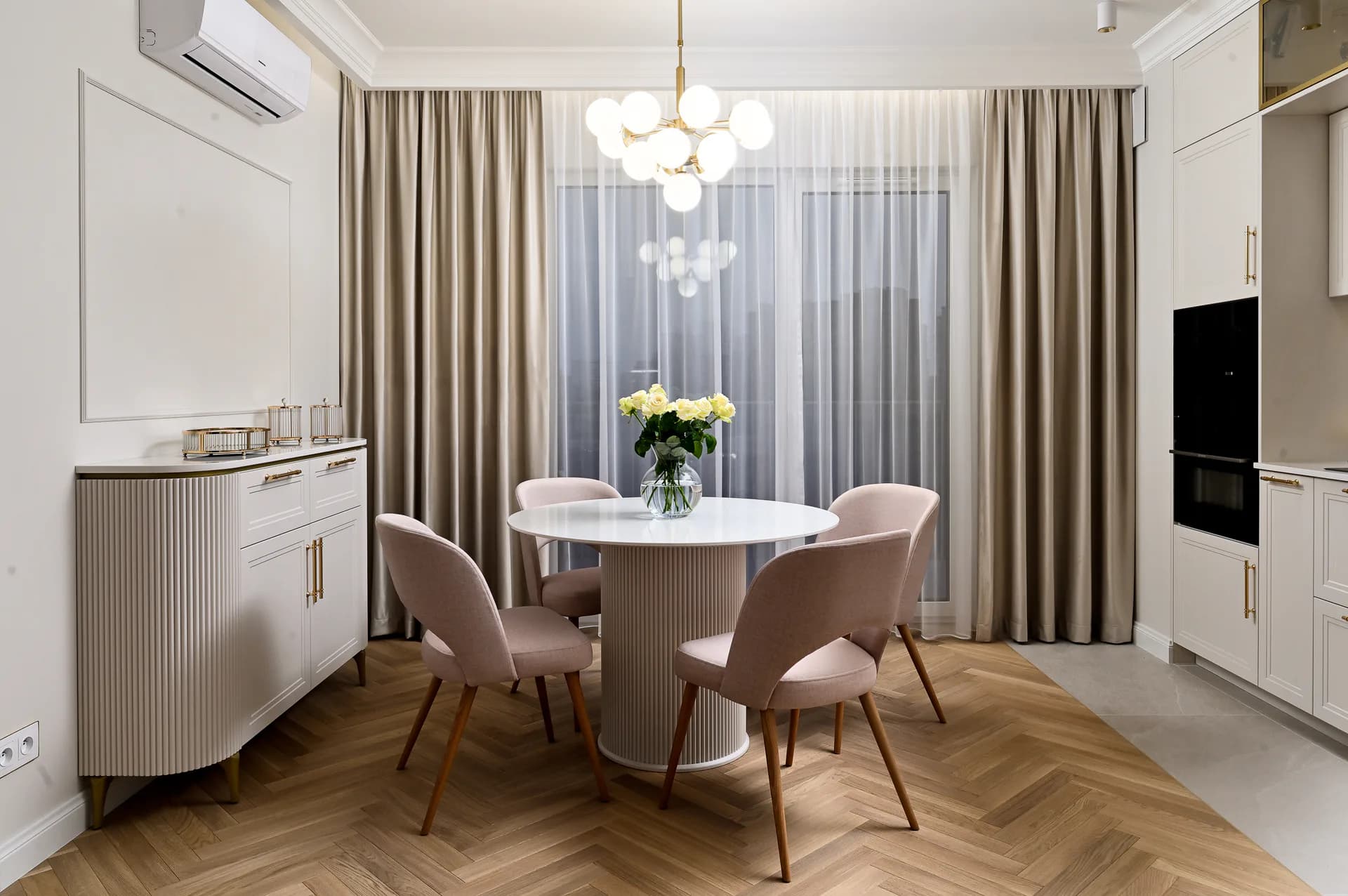
A wooden floor in the kitchen is an excellent choice, provided you select the right wood species and an appropriate surface finish. Contrary to popular belief, natural wood performs well in this demanding room, combining aesthetic appeal with practicality as long as it is cared for regularly.
This article covers the full range of topics involved in choosing a wooden floor for the kitchen – from floorboard construction, through finishing systems, to the practical aspects of everyday use. Solutions that imitate wood, such as vinyl panels or laminate floor panels, fall outside its scope. The material is aimed at owners of houses and flats planning a kitchen renovation who value the natural look and warmth of real wood.
A wooden floor in the kitchen requires more care than ceramic tiles, but it offers unique benefits: thermal comfort, antistatic properties that reduce dust settling, the possibility of repeated renovation, and visual continuity with the living room in open-plan spaces.
In this article you will learn:
The kitchen is the heart of the home, but it is also a room with particularly demanding conditions. Frequent temperature changes, air humidity fluctuating between 40-70%, spilt liquids and intensive use present flooring materials with challenges unlike those in any other living space.
Choosing the right kitchen floor means taking into account resistance to moisture, tolerance of temperature changes, resistance to abrasion and ease of cleaning. Wood is a hygroscopic material and responds to changes in moisture levels with volume changes of a few per cent, which can lead to board deformation if the wrong material is chosen.
Solid wood means floorboards made from a single piece of hardwood, usually 15-22 mm thick. This construction allows the floor to be sanded multiple times (3-5 treatments over its entire lifetime). In the kitchen, however, solid wood requires particularly careful moisture stabilisation of the subfloor.
Engineered wood consists of a top layer of a premium species (2-6 mm) on a plywood or HDF core. This structure provides better dimensional stability in the variable moisture conditions typical of kitchens, reducing the risk of boards swelling and shrinking.
The construction of the floor directly influences the choice of finishing system – solid boards work better with oiling, which penetrates to a depth of 2-5 mm and preserves the material's breathability.
Lacquering creates a hard protective layer with a thickness of 0,1-0,5 mm. Polyurethane lacquer effectively protects against moisture penetration, but any damage means renovating the entire surface. A smooth lacquered surface is easy to keep clean with regular wiping.
Oiling is a floor finish that penetrates the structure of the wood, allowing damaged spots to be repaired locally. Natural oils preserve the natural look and texture of the wood while providing water repellency – wiping up moisture promptly usually prevents permanent staining. Maintenance requires re-oiling every 6-12 months.
Understanding the properties of both systems allows you to make an informed choice of material for the specific conditions in your kitchen.
The practical side of fitting a wooden floor in the kitchen begins with precise selection of the wood species. Hardness measured on the Janka scale and natural oil content determine how suitable a given material is for this demanding room.
Oak achieves a hardness of 1290-1360 on the Janka scale, making it resistant to dents from furniture and dropped objects. This species works beautifully in modern interiors and classic arrangements alike, offering a wide choice of shades from light to smoked. Oiled oak withstands 10-15 years of intensive use in an open-plan kitchen when cared for regularly.
Ash offers a hardness similar to oak and a distinctive grain pattern. Its light colour brightens the space, and with proper impregnation it remains durable for decades. Ash works wonderfully in any arrangement where a natural, Scandinavian character is desired.
Both species are a practical solution for kitchen floors, combining aesthetic appeal with functionality.
Pine and other softwoods score a mere 380-510 on the Janka scale. Dents from a chair on castors reach 1-2 mm after just a year of use. Mechanical damage occurs even with normal everyday use, and low resistance to moisture makes matters worse.
Beech, despite its respectable hardness, is highly hygroscopic, which leads to distortion under the moisture fluctuations typical of kitchens. Frequent changes in board volume cause edges to lift and gaps to open up.
Choosing harder species eliminates most problems in daily use, giving the floor durability that matches intensive use throughout the room.
Wood works with underfloor heating systems provided certain technical requirements are met. The surface temperature of the floor should not exceed the values recommended by the manufacturer (usually around 27–29°C), and the moisture level of the subfloor must remain stable. An anti-moisture underlay with a 0,2 mm foil is required to protect against thermal stresses.
For comfort, a wooden floor with underfloor heating outperforms ceramic tiles – the thermal conductivity of wood (0,1-0,2 W/mK) provides pleasant warmth underfoot without overheating the surface. Natural wood also dampens noise by 10-15 dB more than stone or hexagonal tiles.
Successful installation requires precise planning that takes account of the specific heat source.
Choosing the right wooden floor for the kitchen requires a systematic analysis of the conditions in the room and matching the technical solutions to them.
| Species | Hardness (Janka) | Moisture resistance | Ease of care |
| Oak | 1290-1360 | Good when oiled | High |
| Ash | 1290-1320 | Good with proper impregnation | High |
Oak remains the most popular choice thanks to its optimal balance of durability and price and its universal aesthetic appeal, suiting a modern kitchen as well as classic arrangements. Ash is a good alternative for those who prefer lighter shades of wood.
Knowing the properties of different materials allows you to anticipate and prevent the typical problems of everyday use.
Spilt liquids should be wiped up within 5-10 minutes – prolonged exposure to moisture causes board edges to lift by 1-2 mm. A kitchen floor finished with naturally water-repellent oil withstands brief contact with water without harm. In a space that opens onto the living room, it is worth considering local protection of the washing-up zone with a protective mat.
Proper cleaning products designed for wood (pH-neutral, ammonia-free) remove dirt without damaging the protective coating. Grease stains need to be removed within 1-2 hours using special solvents. An oiled floor is easy to clean because any spots where the coating has been damaged can be regenerated locally.
Using protective mats under household appliances (fridge, dishwasher) prevents dents from heavy equipment. Felt pads under the legs of furniture and chairs reduce the risk of scratches in everyday use.
Applying these principles consistently significantly extends the time between full-surface renovations.
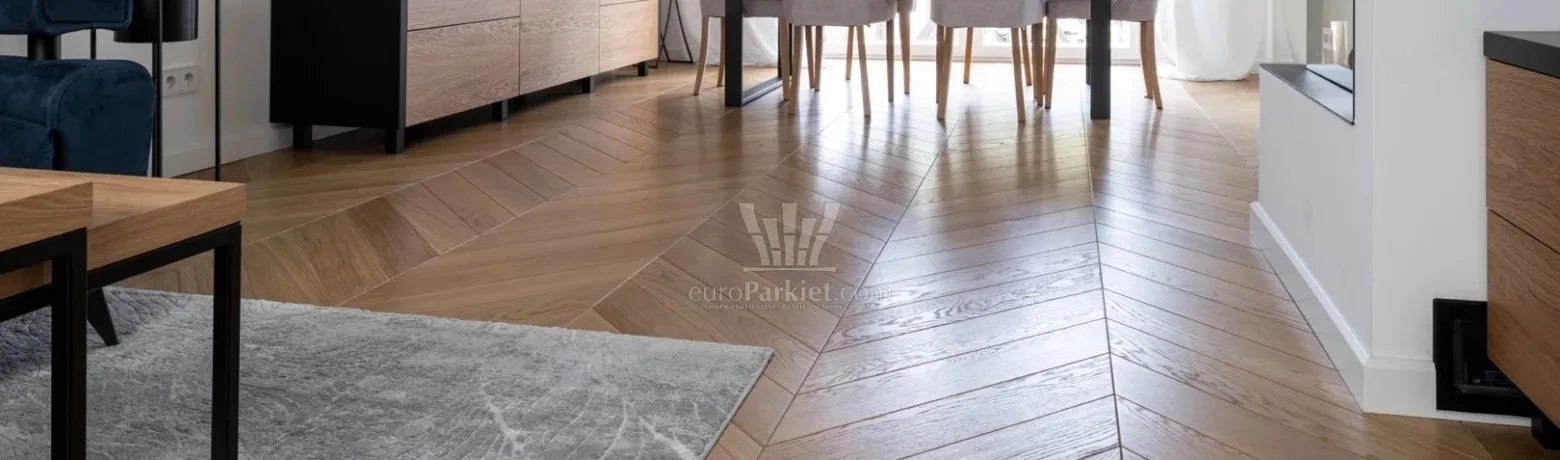
A wooden floor in the kitchen can be a durable and attractive solution if it is well designed and properly installed. The key factors are choosing the right wood species, the correct surface finish and maintaining stable moisture conditions in the room.
Used with care, wood can serve for many years, retaining its natural appearance and comfort.
Next steps to take:
Related topics worth exploring include combining a wooden floor with tiles in the washing-up zone, styling an interior with wood as the key element of the design, and the trend for thermally modified wood with enhanced dimensional stability.
Recommended care products: pH-neutral wood soaps, refresher oils from the same manufacturer as the original finish, and specialist grease stain removers free of ammonia and chlorine.
Renovation and refinishing: Sanding removes 0,5-1 mm of the top layer, allowing 3-5 treatments over the floor's lifetime. An oiled floor can be renewed spot by spot without treating the entire surface.
Combining with other materials: An attractive arrangement can be created by pairing wood with tiles in the zone directly by the sink or cooker. Hexagonal tiles create a striking transition between the materials. Whether to use a threshold strip or a flush, threshold-free join depends on the interior style and aesthetic preferences.
Yes, a wooden floor can be a practical choice for the kitchen, provided the wood species is selected appropriately and the finish ensures high resistance to moisture and mechanical damage.
A wooden floor offers a natural look, warmth underfoot and durability, as well as the possibility of repeated renovation. It is also antistatic, which makes it easier to keep clean.
It is important that the kitchen floor is made of hard wood species and protected with an appropriate finishing system that ensures resistance to moisture and dirt.
A kitchen floor needs regular cleaning with suitable products and immediate wiping up of spilt liquids to prevent damage and keep it looking its best.
Wooden floors made from durable species and protected with a high-quality finish are resistant to abrasion, scratches and moisture, which makes them suitable for intensive use.
Yes, a wooden floor can be used with underfloor heating systems, provided the surface temperature does not exceed the recommended values, which ensures comfort in use and a long-lasting floor.
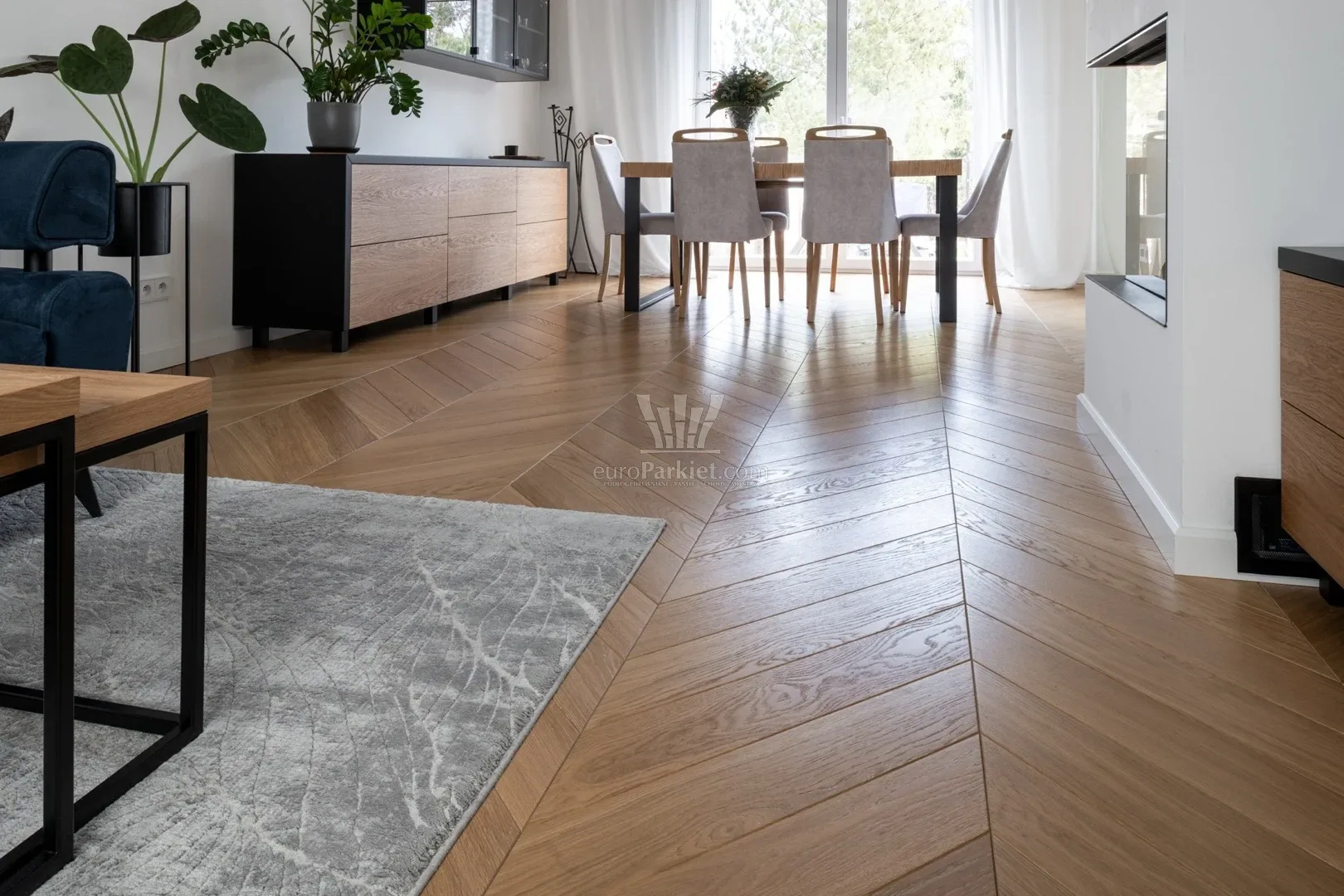
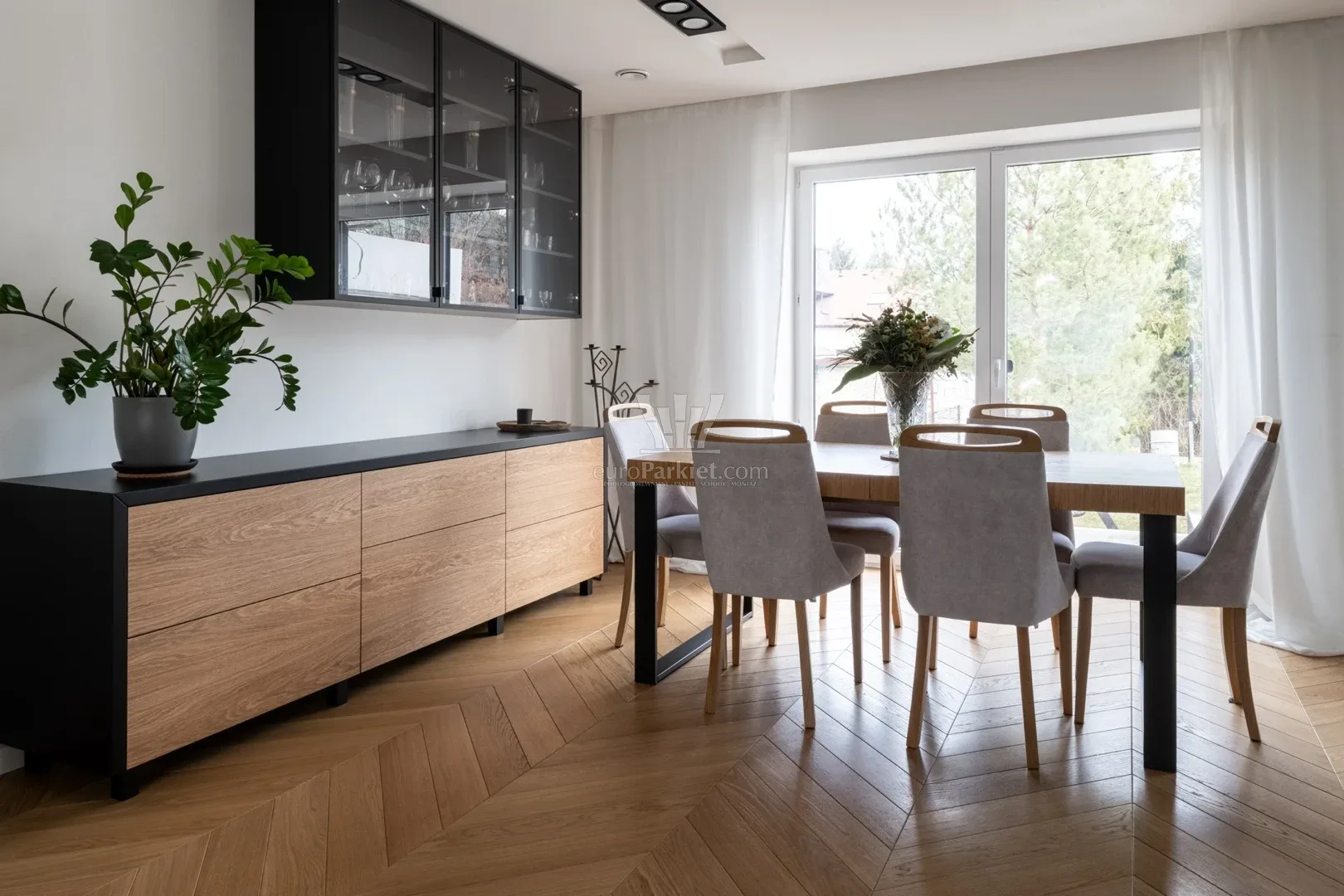
We will advise and prepare an individual quote matched to your interior.
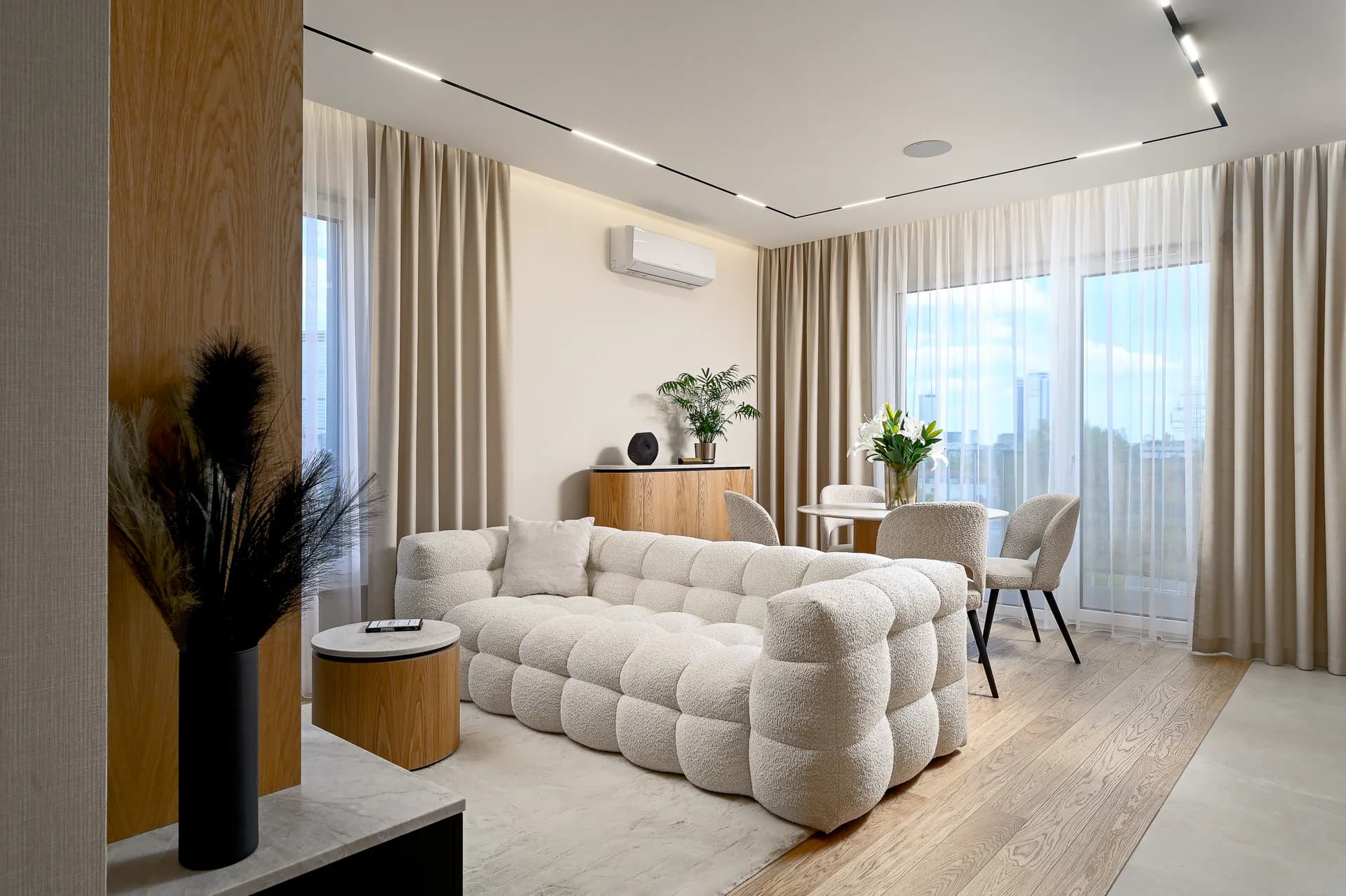
Oak floorboards are a synonym of durability and natural beauty in interior design. Boards made of this noble wood resist damage and…
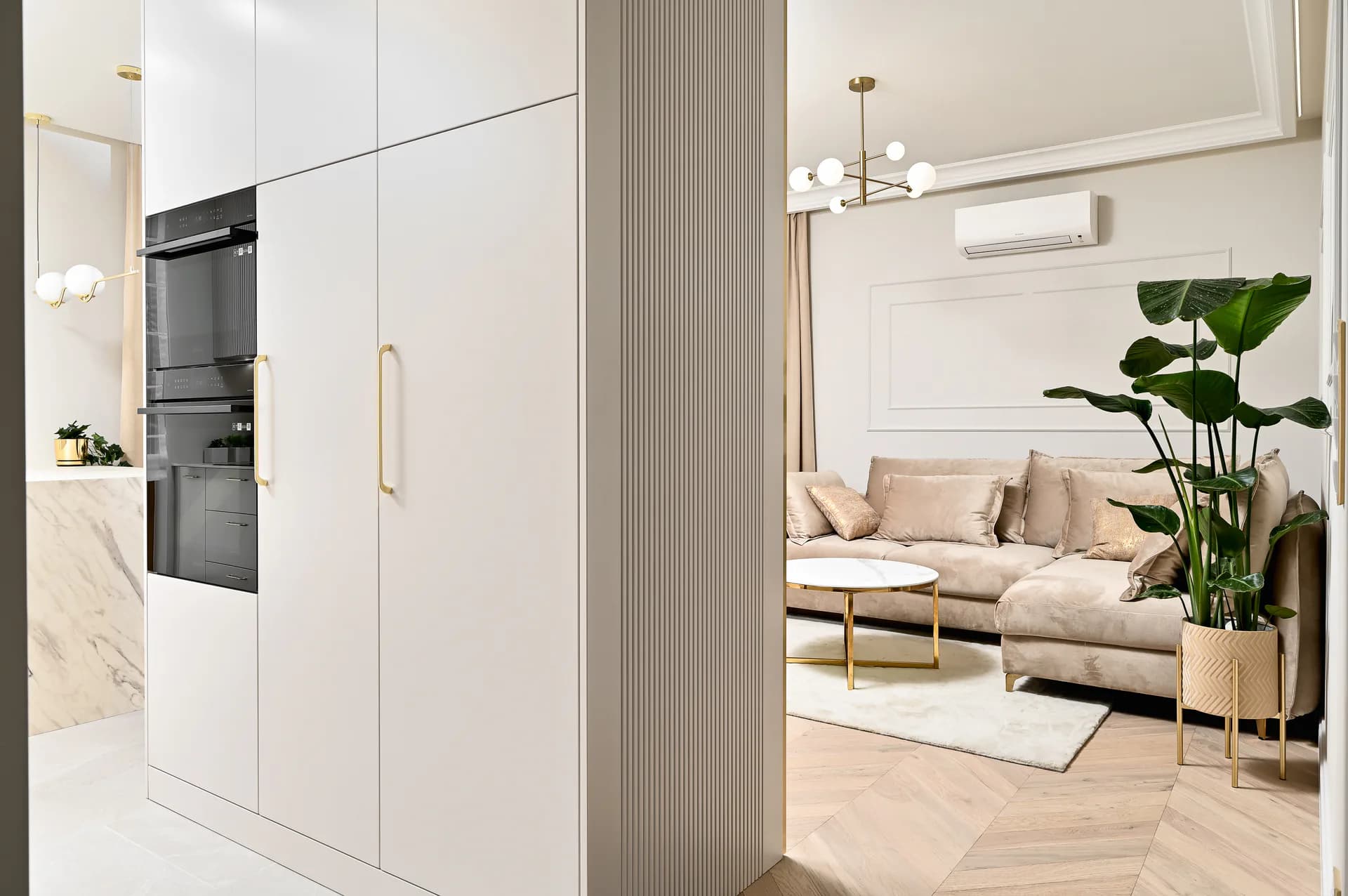
Kitchen floor panels are a modern solution that effectively replaces traditional ceramic tiles, offering a wide choice of wood-imitating designs…
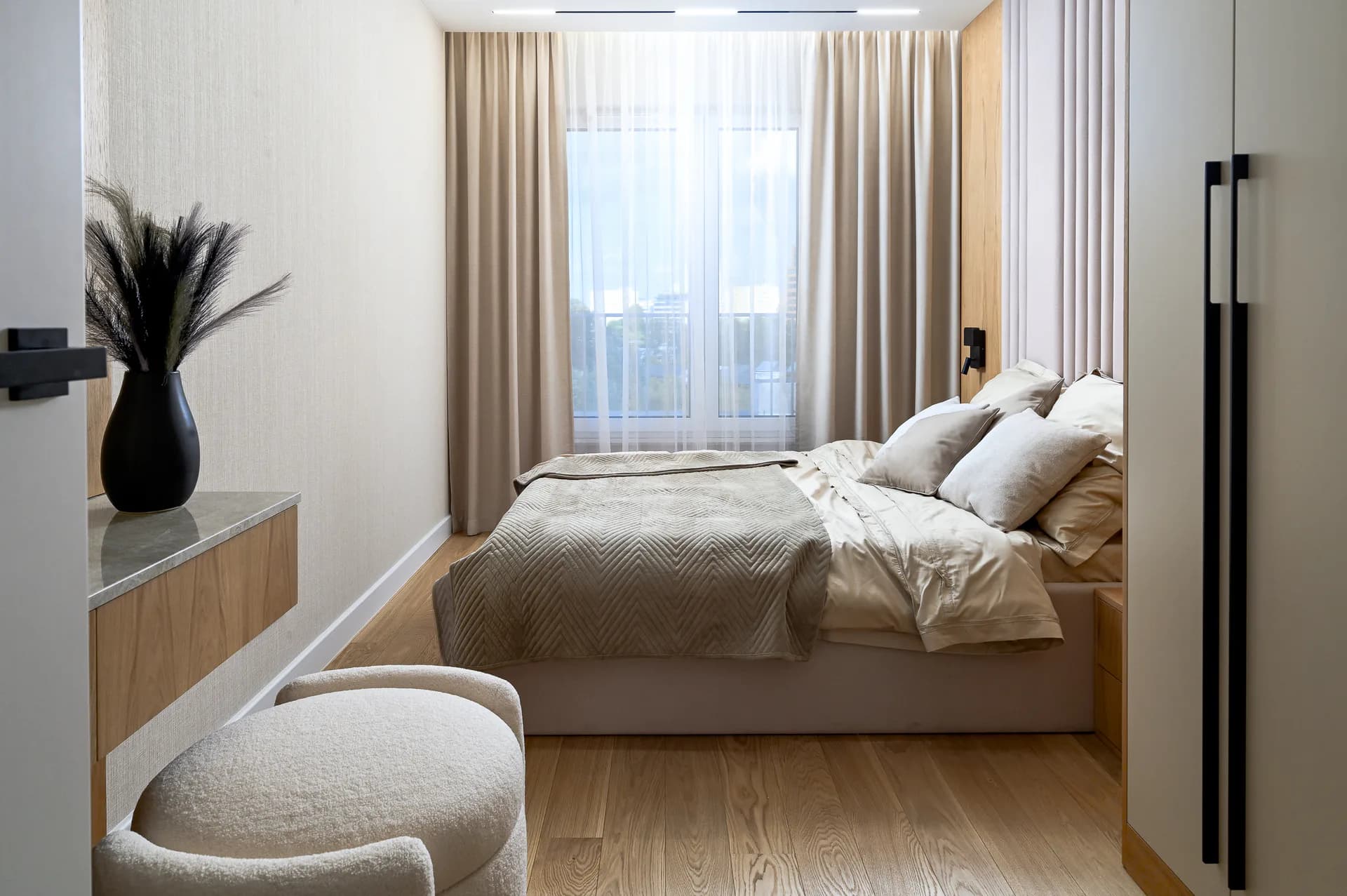
Floorboards are an inseparable element of every stylish, functional interior. Wooden floors have enjoyed unwavering popularity for years thanks to their natural…