

Waterproof kitchen floor panels: a practical user guide
Waterproof kitchen floor panels are a practical solution for anyone expecting durability, easy cleaning and resistance to everyday use…

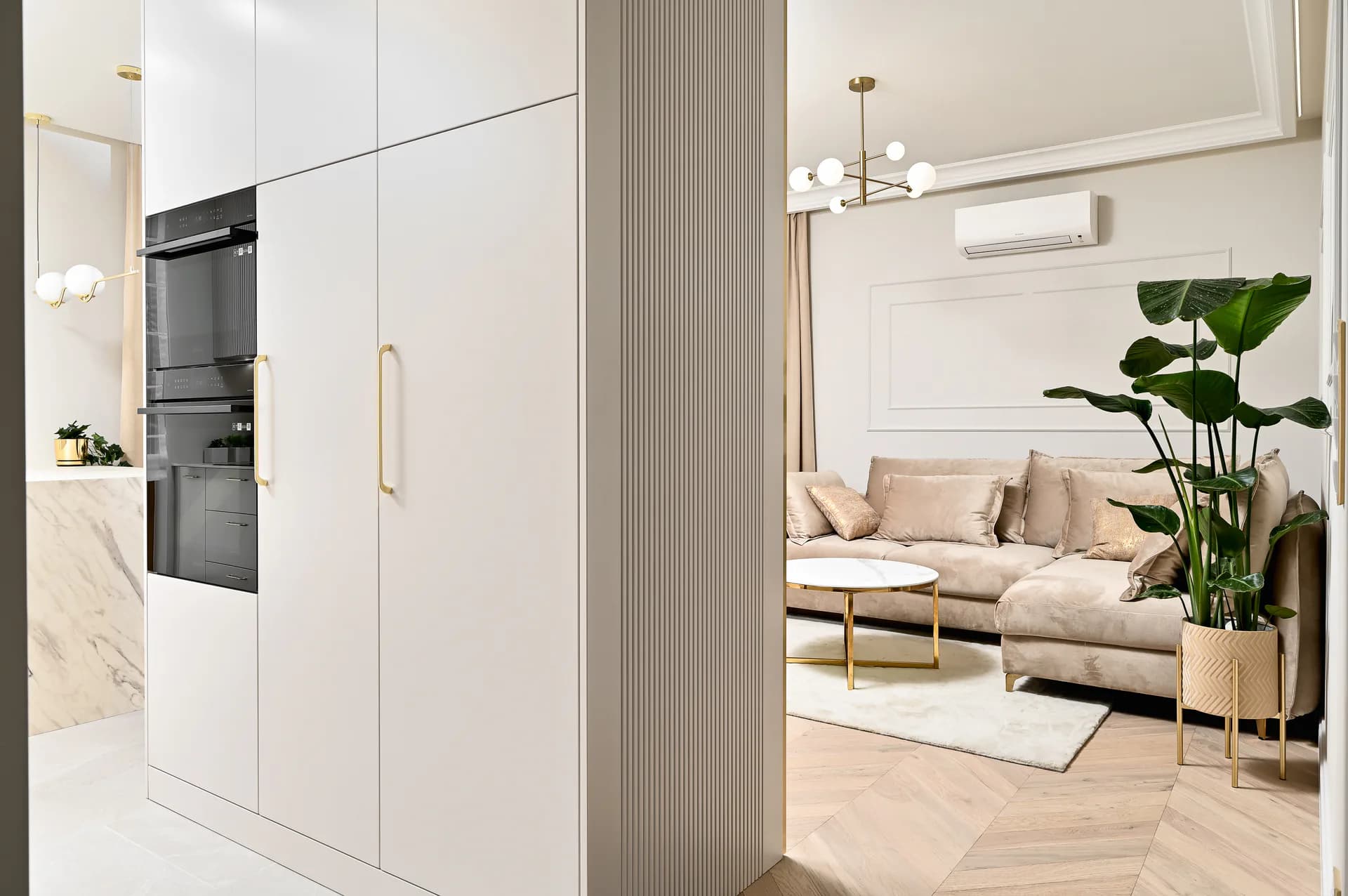
Kitchen floor panels are a modern solution that successfully replaces traditional ceramic tiles and offers a wide choice of designs imitating natural wood, stone or concrete. Unlike porcelain or terracotta tiles, kitchen panels provide a warmer surface underfoot, are easy to install and make it possible to run a single, uniform floor throughout the home.
This article covers all the key aspects of choosing panels for a kitchen – from the types of material (laminate floor panels, vinyl panels, SPC), through the technical properties (usage classes, moisture resistance, protective coatings), to practical installation advice and solutions to common problems. The guide is written for flat owners planning a kitchen renovation who want to make an informed decision based on hard technical parameters.
Quick answer: Laminate and vinyl panels are suitable for kitchens provided the right parameters are met – laminate must carry a water-resistance rating (a minimum of 24 hours' resistance to standing water) and have sealed locking joints, while vinyl and SPC panels are completely waterproof and perform best in areas exposed to heavy use and contact with water.
The main benefits of choosing floor panels for the kitchen:
When choosing a kitchen floor, it is worth understanding the fundamental differences between the available types of panel. Each type has a distinct construction, water resistance and set of operating requirements, which translates directly into durability and practicality in a domestic setting.
Laminate floor panels consist of a core made of HDF (High Density Fibreboard), a decorative layer with a digital print and a top protective layer of melamine resin. The edges may be square or finished with a distinctive V-groove, which emphasises the natural look of the individual boards.
The advantages of laminate panels include, above all, a wide choice of decors and textures at a comparatively lower material cost. With an AC4 or AC5 abrasion class they offer very good durability, and many models are compatible with underfloor heating.
The limitation of traditional laminates is their tendency to swell if the core gets damp. In a kitchen it is essential to use panels marked “water-resistant” or “Aqua-Resistant”, which have impregnated locking joints and a high-density HDF core. Such models withstand contact with standing water for 24-72 hours without damage. Air humidity in the room should not exceed 65%.
LVT (Luxury Vinyl Tile) panels have a completely different structure – they consist of vinyl layers, a PVC or vinyl-composite core and a wear layer resistant to abrasion. Vinyl panels are usually 2-8 mm thick, with a top layer of 0.2 to 0.7 mm.
With vinyl panels the floor becomes practically waterproof throughout – vinyl does not absorb water, which eliminates the risk of swelling. A further advantage is the material's greater flexibility, which provides resistance to impacts from heavy objects along with better acoustic and thermal insulation. A vinyl floor is warmer to the touch than laminate or porcelain tiles.
The downsides can be a higher cost compared with basic laminates and the need for a perfectly level subfloor. Some light-coloured models need protecting against yellowing under intense artificial light.
Modern SPC (Stone Polymer Composite) panels represent a hybrid technology combining the advantages of vinyl with exceptional stability. The core is made of a mineral composite – a blend of limestone, PVC granulate and stabilising additives – which results in very little warping and high rigidity.
Their increased resistance to impacts and mechanical damage makes SPC panels an ideal choice for heavily used kitchens. The mineral core does not swell when exposed to moisture, and the material stays stable even as temperatures change. A wear layer 0.3-0.55 mm thick provides high resistance to abrasion and scratching.
In terms of price, SPC panels sit between vinyl and laminate, while offering the highest strength parameters of any type of floor panel.
Understanding the technical parameters makes it possible to choose floor panels that will keep their function and looks for many years. A kitchen calls for materials with enhanced resistance to water, abrasion and mechanical damage.
Moisture resistance means the material's ability to withstand humidity in the air and accidental splashes without permanent damage. Waterproofness is a far higher standard – the panel does not absorb water and can stand being flooded for a specified time without harm.
Sealing technologies include impregnated locking joints (systems such as HydroSeal), waxes and hydrophobic coatings on the edges, and cores with minimal absorbency. In water-resistant laminates, the key is the combination of a sealed locking joint with a high-density HDF core.
Resistance times to standing water vary from product to product – water-resistant laminate panels typically declare 24 to 72 hours, and premium models even up to 100 hours. Vinyl and SPC panels are completely waterproof and withstand contact with water for many hours without any damage whatsoever.
The classification system for laminate panels is based on AC ratings (AC1-AC6) and usage classes under the European standard EN 13329. Classes 21-23 are intended for domestic rooms, while classes 31-33 are for commercial spaces.
A kitchen should be fitted with panels of at least class AC4 and usage class 23. For intensive use (a large family, children, pets, frequently moved furniture), abrasion class AC5 or usage class 31-32 is recommended.
The Taber test measures the wear layer's resistance to abrasion over a set number of cycles. AC4 panels must withstand several thousand cycles (4000-6000), while AC5 requires resistance to 6000-8000 cycles. For vinyl panels the key indicator is the thickness of the wear layer – a minimum of 0.3 mm for a kitchen, ideally 0.55 mm or more.
The types of protective coating include a melamine layer (in laminates), vinyl resins, anti-slip layers (compliant with EN 13893) and antistatic coatings. The standard defines the DS friction coefficient, while for vinyl the R9-R10 classification is used.
Protection against scratching comes from an adequately thick wear layer and abrasive additives – ceramic particles or aluminium oxide embedded in the top layer. Modern panels also carry coatings that protect against stains, discolouration and yellowing caused by UV radiation.
Well-chosen coatings mean that scratches affect floor panels to a far lesser degree, and dirt can be removed without resorting to aggressive chemicals.
The decision on a particular type of panel should follow from an analysis of the conditions in the kitchen and the expected pattern of use. A systematic approach helps you avoid costly mistakes and ensures lasting satisfaction.
The process of choosing kitchen panels involves the following steps:
| Criterion | Standard laminate | Water-resistant laminate | LVT vinyl | SPC |
| Waterproofness | Up to a few hours (splashes) | 24-72 h, sealed locking joints | Fully waterproof | Fully waterproof |
| Impact resistance | Average | Better at high density | Very good (flexibility) | Highest |
| Thermal comfort | Cooler | Similar | Warmer to the touch | Good, mineral core slightly cooler |
| Lifespan | 10-15 years | 15-20 years | 20-30 years | 20-30 years |
Even the best floor panels can cause problems if they are poorly chosen or badly installed. Knowing the typical pitfalls lets you prevent them or react quickly.
The causes of swelling are most often a traditional HDF core that absorbs water, poorly sealed locking joints, a lack of expansion gaps at the walls and excessive air humidity (above 65%).
Prevention means choosing panels with a high-density HDF core and impregnated locking joints, opting for HydroSeal or similar technologies, installing with an adequate expansion gap (8-10 mm from the walls), maintaining proper ventilation and wiping up spilt liquids straight away. You need not worry about swelling at all if you choose completely waterproof vinyl or SPC panels.
The main causes of scratching are chairs and tables being dragged, grains of sand on shoe soles, impacts from heavy objects (pots and pans) and stiletto heels.
The solution is to choose abrasion class AC5 or a vinyl wear layer of at least 0.55 mm, place mats at the kitchen entrances, fit felt pads under furniture legs and remove grit regularly with gentle products. Products with coatings containing ceramic or aluminium additives are far more resistant to the scratches that typically affect floor panels.
The key requirements are a manufacturer's declaration of compatibility, low thermal resistance of the material and underlay, and ramping the heating up gradually before and after installation.
Keep an eye on the surface temperature of the panels: it should not exceed 27°C. The underlay must be thin and thermally conductive – sometimes a vapour-barrier film is needed. Any unevenness in the subfloor can lead to localised overheating and warping, which is why preparing the surface is crucial. Panels can be laid over heating without any trouble as long as all the technical conditions are met.
Floor panels are a modern solution for the kitchen, offering a wide choice of designs, easy installation and durability over many years. The key to success is matching the type of panel to the conditions in the room – water-resistant laminates will do well in dry kitchens, while vinyl and SPC panels are the ideal choice in areas exposed to heavy contact with water.
It is also worth reading up on formaldehyde emission standards (EN 717) and ecological certificates if a healthy environment matters to you in the living room, bedroom and other rooms where you plan to lay the same floor. Choose well, and your kitchen panels will serve for years to come, keeping their looks and functionality even under intensive daily use.
We will advise and prepare an individual quote matched to your interior.
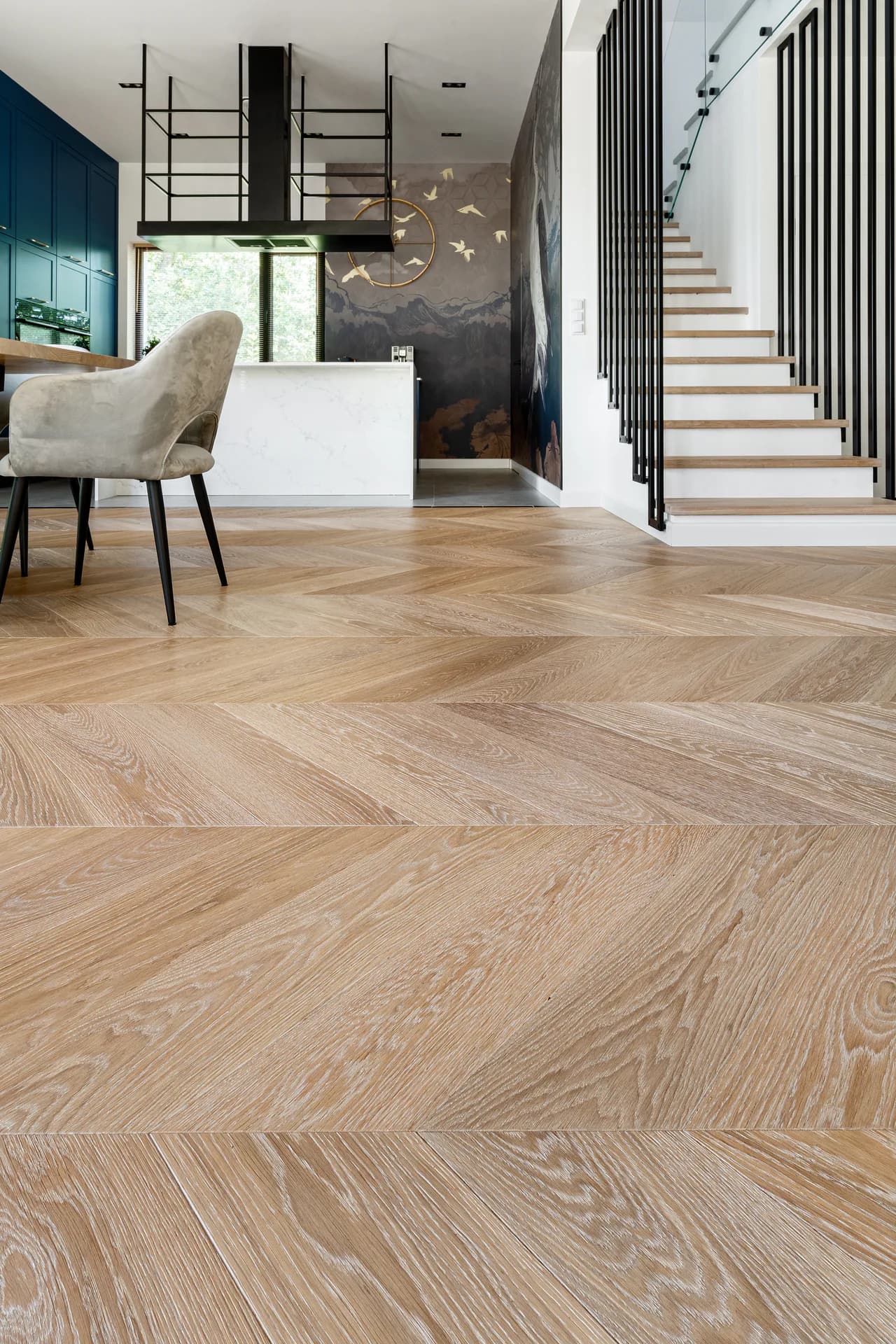
Waterproof kitchen floor panels are a practical solution for anyone expecting durability, easy cleaning and resistance to everyday use…
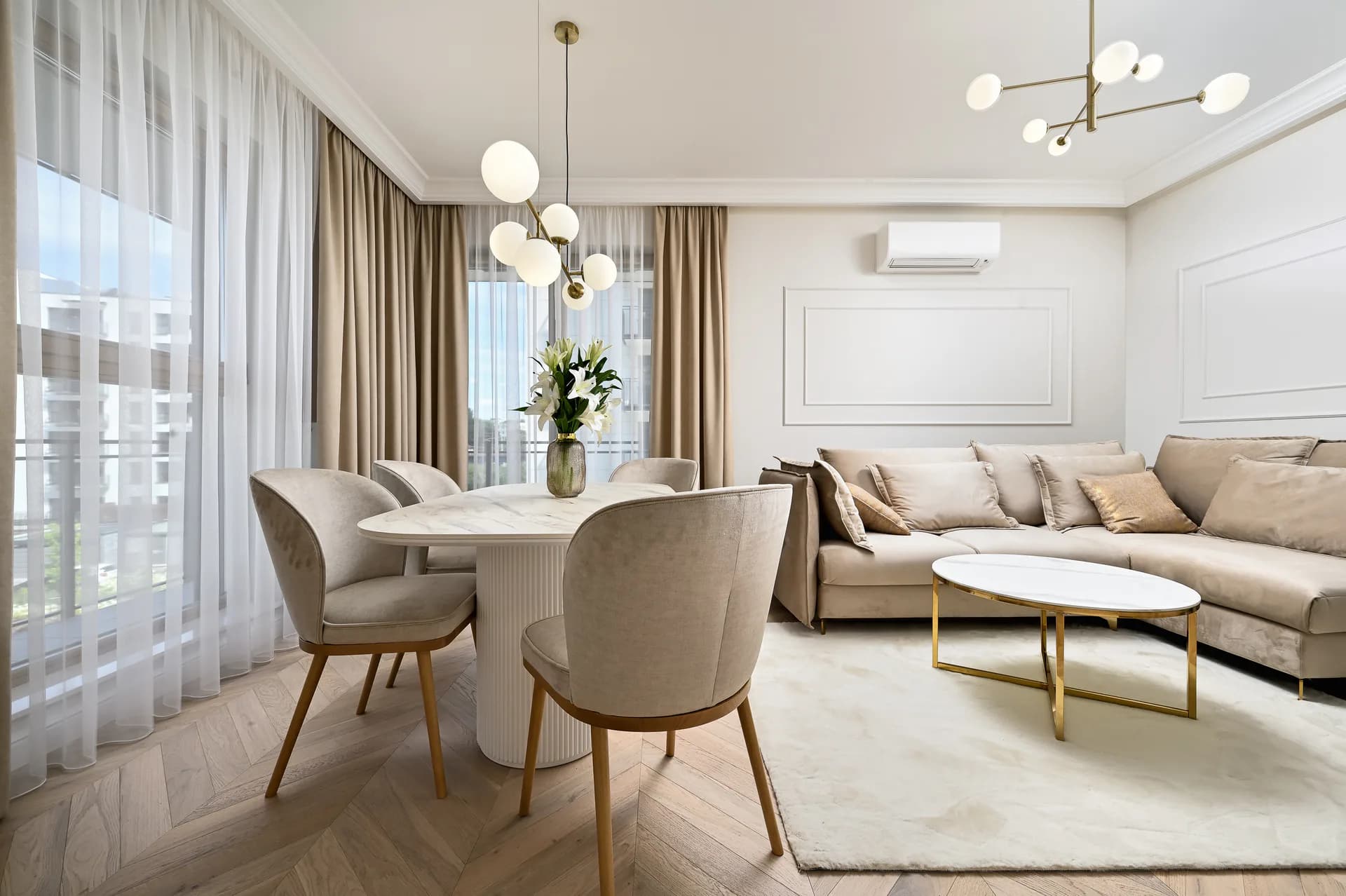
Herringbone panels are one of the most interesting ways to create an elegant floor without investing in traditional parquet…
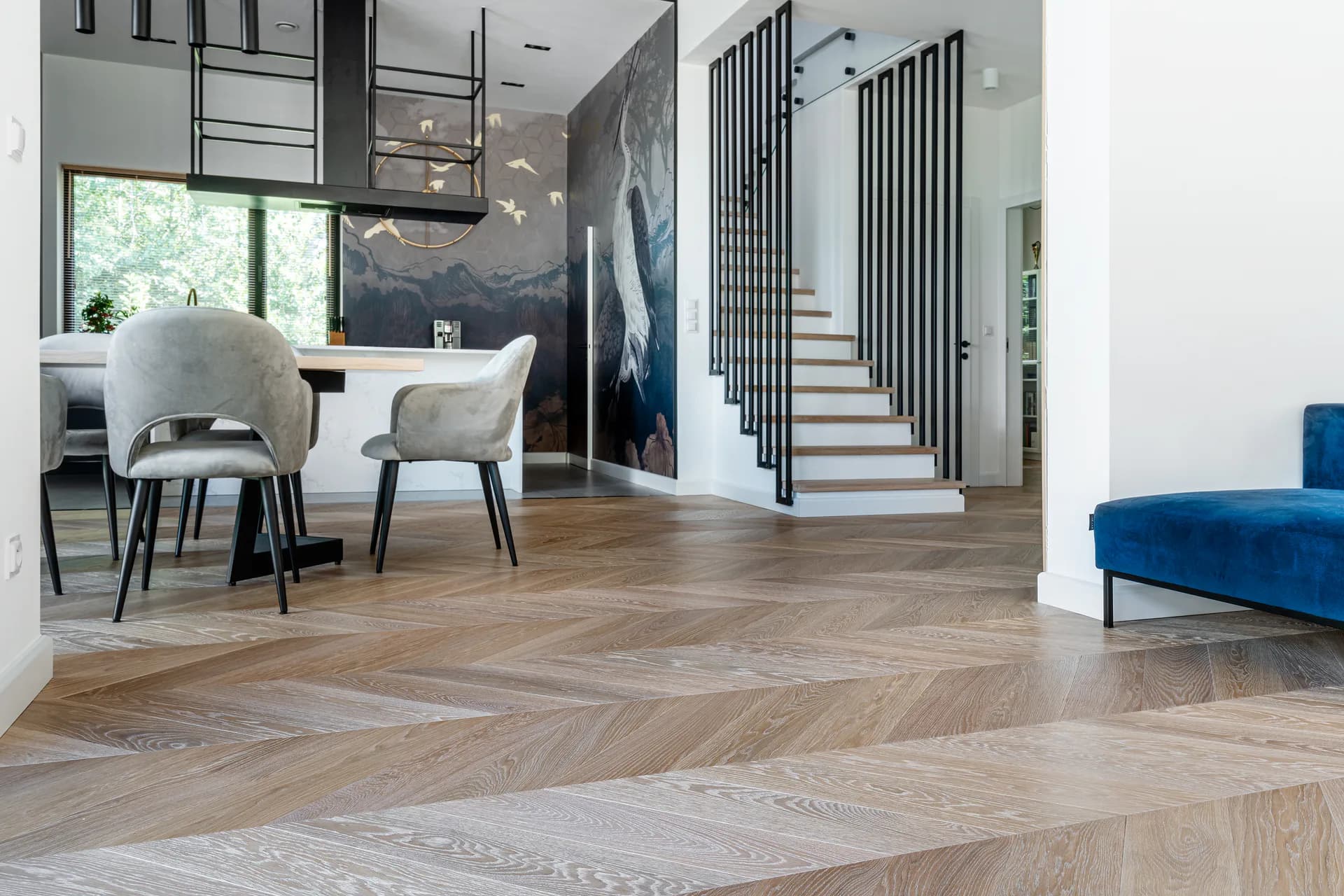
Grey floor panels are laminate or vinyl flooring in shades of grey that works well in modern, minimalist, Scandinavian and loft interiors…