

Hardwax oil: natural protection for wooden floors
Hardwax oil is a natural or semi-natural product combining plant oils and waxes that penetrates deep into the wood, protecting it against moisture and dirt while…

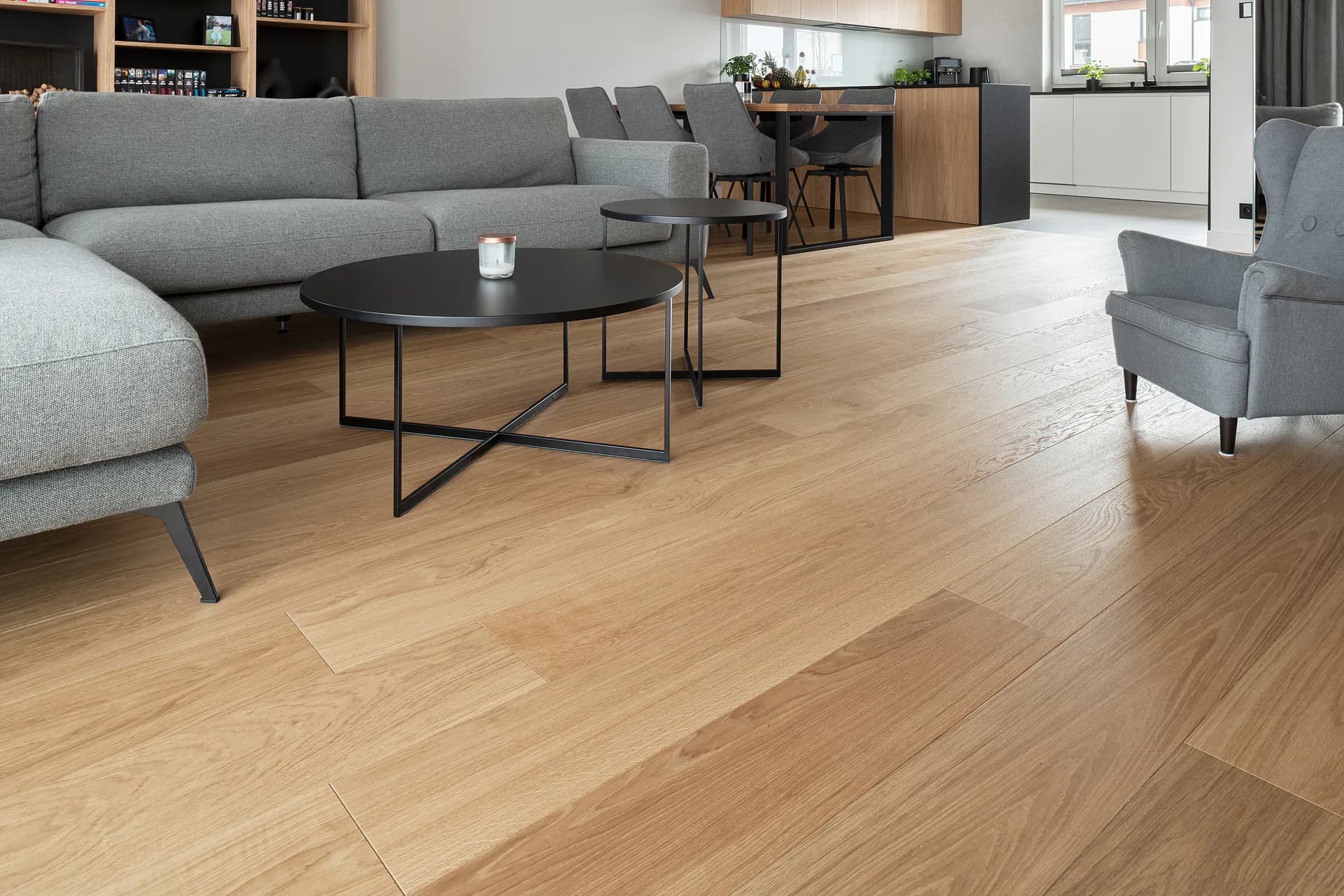
To care for a wooden floor properly, you need to vacuum it regularly, wash it with a small amount of water and use products matched to the finish: lacquer, oil or hardwax oil. Vacuuming is the most important step in wooden floor care, because sand and dust act like a fine abrasive and can scratch the surface.
In short: a wooden floor should be vacuumed at least twice a week, and in little-used rooms the absolute minimum is vacuuming at least once a fortnight. A wooden floor should be washed once a week or less often, always with a well-wrung mop and without leaving wet patches.
a longer life for the wood and a lower risk of costly renovation;
an attractive appearance and the natural character of the wooden floor for a long time;
better protection against moisture, stains and mechanical damage;
easier day-to-day cleaning of wooden floors;
greater value in your home's finish and a floor in good condition for many years.
Caring for a wooden floor comes down to keeping sand from building up, limiting excess water, protecting the top layer and renewing the protective layer once it starts to wear. Looking after a wooden floor takes regularity and the right methods, because wood responds to moisture, temperature and everyday use.
Wood is a hygroscopic material: it absorbs and releases moisture. The optimal air humidity for a wooden floor should be 45-60%, and a practically safe indoor range is also around 40-65% at a temperature of 18-23°C. Excess water can lead to swelling and distortion of the wood, which is why avoiding excess water and sand is of decisive importance for a wooden floor, especially in the kitchen, the hallway and damp rooms.
Lacquered floors have a protective coating on the surface of the wood. Lacquer forms a hard coating that protects the wood against dirt, abrasion and surface moisture, which is why such floors are usually easier to look after day to day than oiled floors.
Lacquered floors do not need regular maintenance for a long time. A lacquered floor can be washed every 1-2 weeks, using a well-wrung microfibre mop and a pH-neutral floor cleaner or a product designed for lacquer. Take care, however, not to damage the surface with strong detergents, ammonia or products that leave marks or an excessive sheen at odds with the manufacturer's recommendations.
Oiled floors differ from lacquered ones in that wood oil penetrates the structure and protects it from within, instead of forming a thick surface film. As a result, an oiled floor looks more natural, shows off the wood's texture more strongly and is pleasant to the touch, but it demands more attention.
Oiled floors need more frequent care than lacquered ones, and oiled floors pick up dirt more easily than lacquered ones. An oiled floor should be refreshed every 3-12 months, depending on the level of wear, the foot traffic and the type of room. Hardwax oil gives floors a velvety sheen and brings out the natural colour of the wood, but it too requires the regular use of care products to keep the thin protective layer in good condition.
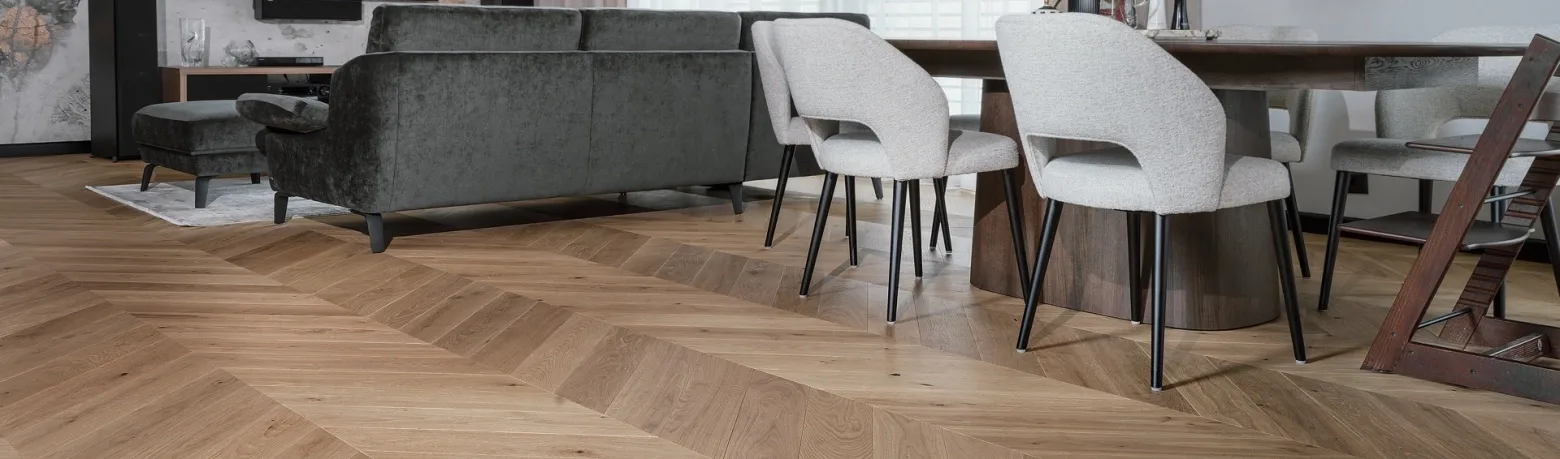
Everyday cleaning of wooden floors
Everyday cleaning depends on whether your floors are lacquered or oiled, but the basic rule is the same: remove sand and dust first, and only wash afterwards. Regular vacuuming prevents scratches from forming on the floor, and proper washing removes dirt without excess water.
Vacuuming and sweeping
Use a soft-bristle attachment for vacuuming, so as not to scratch the surface. In the hallway, kitchen and living room it is worth vacuuming daily or every other day, because that is where sand, dust and other dirt appear most often.
Vacuum a wooden floor at least twice a week if the room is in normal use. In a guest room or a rarely used study, vacuum the wooden floor at least once a fortnight, but treat that as the lower limit, not the ideal rhythm. Instead of a hard brush, choose a natural-fibre hand brush or a soft cloth for picking up dust in individual spots.
Wet cleaning
Wash a wooden floor with only a little moisture: the mop or damp cloth should be wrung out very thoroughly. Do not leave wet puddles on a wooden floor, because standing moisture can get into the joints and cause swelling, discolouration and permanent marks.
A wooden floor should be washed once a week if it is used intensively, while an oiled floor should be washed according to the level of soiling, using a minimal amount of water and products intended for this type of finish. It is safest to guide the mop along the grain, use a soft cloth on localised stains, and then wipe the spot with a dry cloth until it is completely dry.
Choosing cleaning products
Use a pH-neutral soap for washing wooden floors. Use a pH-neutral soap for washing wooden floors even when the floor looks resilient, because aggressive products can damage the protective coating or dry out the wood.
For lacquered floors, choose specialist lacquer products, ideally water-based and free of strong solvents. For washing oiled floors, use pH-neutral soap, wood soaps and care products that support the oil or wax. In everyday care, the combination matters most: vacuuming, a minimal amount of water, a neutral pH and a product matched to the finish – this protects the floor and guards it against premature wear.
Maintenance begins when ordinary cleaning is no longer enough: the surface goes dull, loses its sheen, absorbs water faster than before or shows visible traffic paths. Wooden floors owe their long life to the possibility of systematic renewal, but the way you work depends on whether you are renewing lacquer, oil or hardwax oil.
Caring for an oiled floor requires regular maintenance, because oil does not form a thick, sealed coating the way lacquer does. The floor needs periodic maintenance oiling depending on the intensity of use, and an oiled floor should be refreshed every 3-12 months.
Thoroughly vacuum the entire surface with a soft-bristle attachment, so that dust and sand are not rubbed into the wood as you work.
Wash the floor with a product for oiled floors, ideally a pH-neutral soap, and remove any dirt with a soft cloth.
Wait until it is completely dry, because oiling a wet surface can trap moisture inside the wood.
Apply the oil or hardwax oil in a thin protective layer, following the direction of the grain, using a pad, a roller or a soft cloth.
Remove any excess product with a dry cloth and leave the floor to cure as instructed by the manufacturer.
The differences between lacquer and oil show above all in the frequency of maintenance, the susceptibility to staining and the way repairs are made. Do not mix random products between them: a lacquer product may not perform on oil, and an oil-based product can leave marks on lacquer.
| Criterion | Lacquered floors | Oiled / hardwax-oiled floors |
| Washing frequency | A lacquered floor can be washed every 1-2 weeks if it is not heavily soiled. | An oiled floor is washed at most once a week, always without excess water. |
| Type of products | Lacquer products, water-based cleaners, pH-neutral soap. | Wood soap, oil- and wax-based products, and preparations for the care of oiled floors. |
| Maintenance | Lacquered floors do not need regular maintenance for a long time, but deep damage may require sanding. | Oiled floors need care every 3-12 months and more frequent attention than lacquered ones. |
| Resistance | Lacquer protects the floor against stains, surface water and abrasion. | Oil preserves the natural look of the wood, but oiled floors pick up dirt more easily than lacquered ones. |
If easier cleaning matters most to you, lacquer will be the less demanding option. If the natural look, the option of localised repairs and an accentuated wood texture are more important, oil or hardwax oil will serve you very well, provided you follow the rules of care.
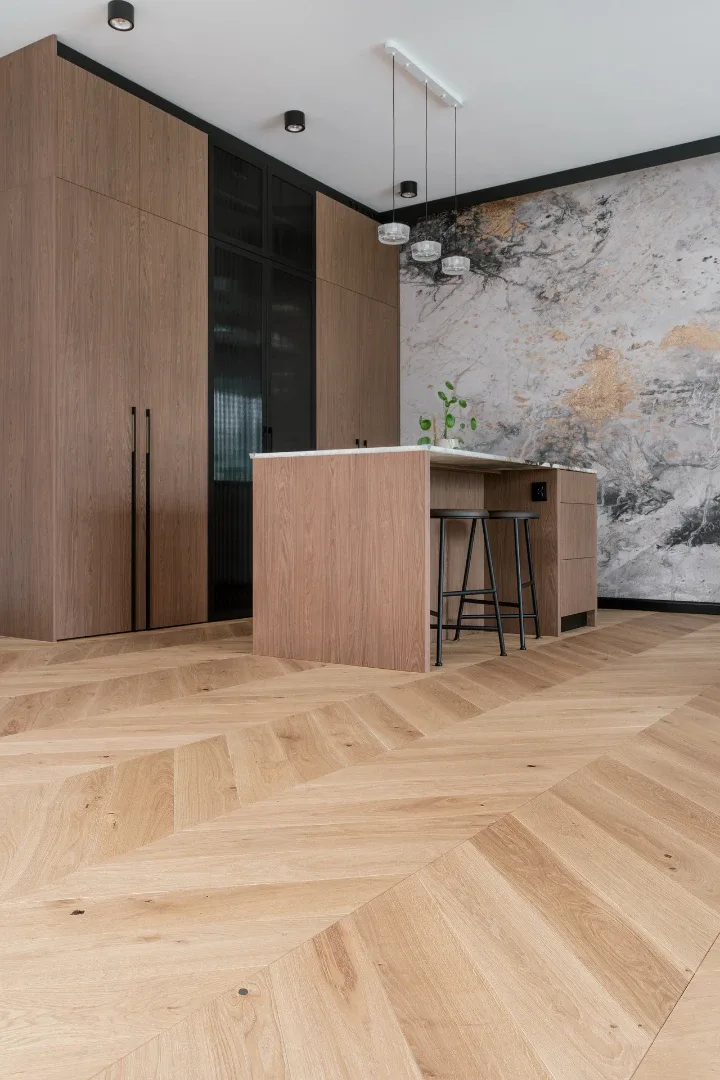
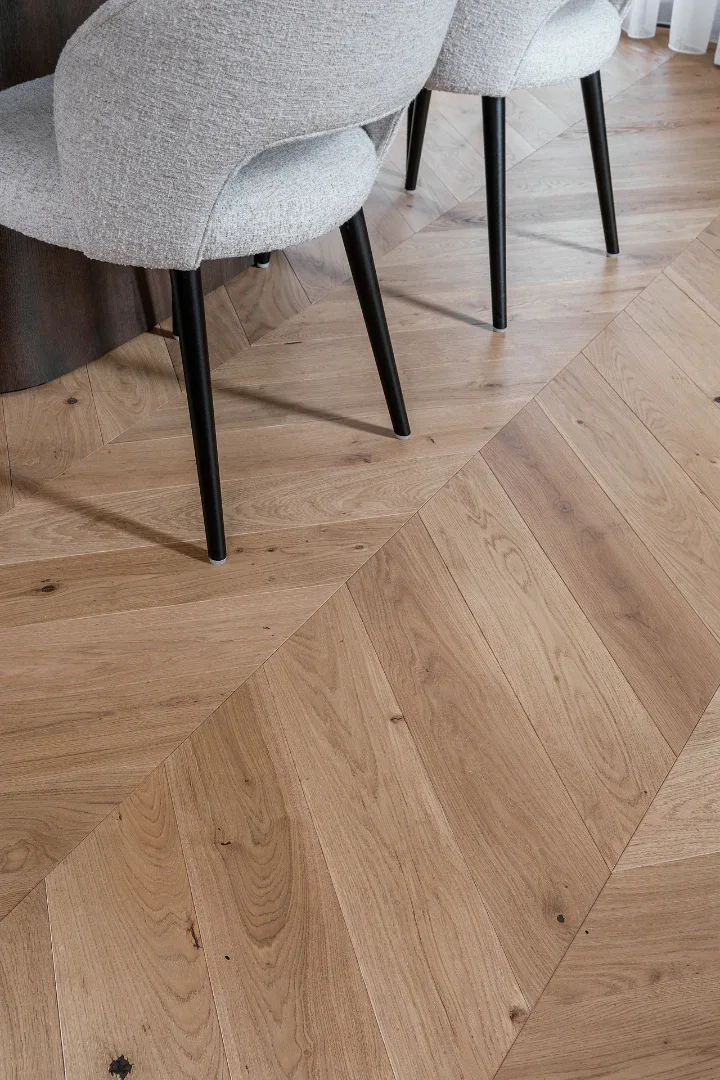
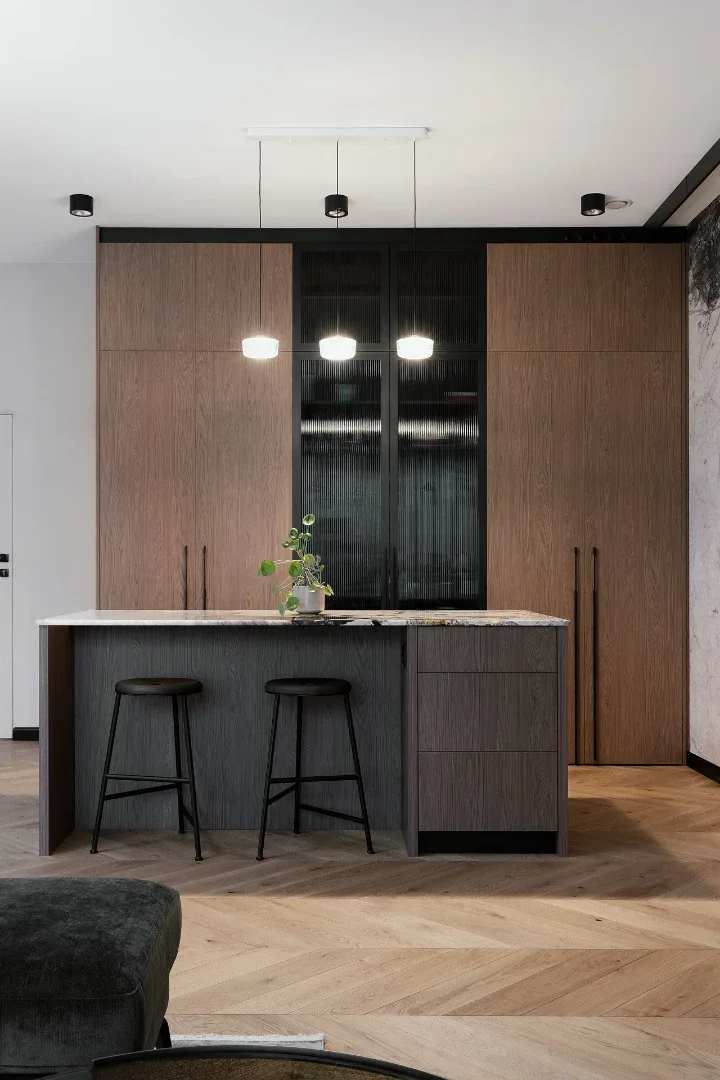
The most common problems with a wooden floor are stains, scratches, marks from furniture and localised dulling. A quick response makes a big difference: removing stains immediately is important for preserving the wood, and scratches can be masked without major renovation work if they are not deep.
Remove water stains straight away with a dry cloth, then gently wipe the spot with a damp cloth and a pH-neutral soap. Do not use a lot of water, because excess water can lead to swelling and distortion of the wood.
Coffee, wine or grease stains on lacquer are usually removed with a product designed for lacquered coatings, after first testing it in an inconspicuous spot. With oiled floors, it is worth using products recommended by the manufacturer of the floor or the finishing system. After cleaning, the layer of oil or wax often needs to be renewed locally so that the floor regains its extra protection.
Fine scratches can be masked with wax crayons, wood paste, a touch-up marker or a local application of oil. Scratches in the floor can be removed with 360-400 grit sandpaper, but work carefully: use fine-grit sandpaper only locally and along the direction of the grain.
On an oiled floor, lightly sanding the scratch, cleaning off the dust and re-oiling is often enough. On lacquer, shallow scratches can be reduced with a touch-up product, whereas deep scratches require sanding the floor, especially when the entire top layer is damaged or the scratch cuts through the protective coating.
Hard furniture feet, heels and chairs being dragged around can leave marks and damage the surface. Fit felt pads to furniture feet to avoid scratches; the hard feet of chairs, tables and armchairs that work in one spot every day matter most of all.
In areas of heavy traffic, use doormats and rugs so that sand does not get onto the parquet. Remove light marks from rubber or heels with a soft cloth and a product suited to the finish, and judge dents with caution – if the wood is badly deformed, home methods may not be enough and a professional's assessment will be needed.
A wooden floor is easiest to keep in good condition when its care is simple and regular: vacuuming, careful washing, a neutral pH, prompt stain removal and maintenance matched to the lacquer, oil or hardwax oil. Regular maintenance preserves the floor's beautiful appearance, its sheen and its lifespan without frequent sanding.
Keep the air humidity in your home at 45-60% and avoid prolonged contact between the wood and water.
Vacuum the wooden floor at least twice a week, and heavily used areas even daily.
Wash the wooden floor once a week or less often, using a well-wrung microfibre mop and a pH-neutral soap.
Protect hard furniture feet with felt, and place sand-trapping doormats at the entrances.
If you have an oiled floor, it may need refreshing every 3-12 months, depending on the level of wear.
Consider a full renovation when deep scratches, extensive discolouration, permanent moisture marks, deformed boards or damage across the entire surface appear. In extreme cases, when the wood is swollen, delaminated or attacked by mould, replacing a section or the whole floor may be the more economical option.
For the everyday care of wooden floors, it is worth having: a vacuum cleaner with a soft-bristle attachment, a natural-fibre hand brush, a flat microfibre mop, a cotton cloth, a dry cloth for drying off, polishing pads and a small spray bottle for spot cleaning. For maintenance, soft cloths, a thin roller, a small brush, a tray and a product matched to the type of finish will also come in handy.
The safest tool for washing it is a flat microfibre mop, because it is easy to wring out and does not carry excess water. A string mop can hold too much moisture, so use it with caution. Brushes should have soft bristles, and for spot work a soft cloth is better than a rough sponge.
Store cleaning and care products at room temperature, tightly closed and away from sources of heat. Oil-based preparations can be flammable, so do not throw oil-soaked cloths straight into the rubbish – first lay them out to dry in a safe place. Always pay attention to the recommendations of the floor and product manufacturers, because the right product cleans, protects the floor and does not damage the protective layer.
We will advise and prepare an individual quote matched to your interior.
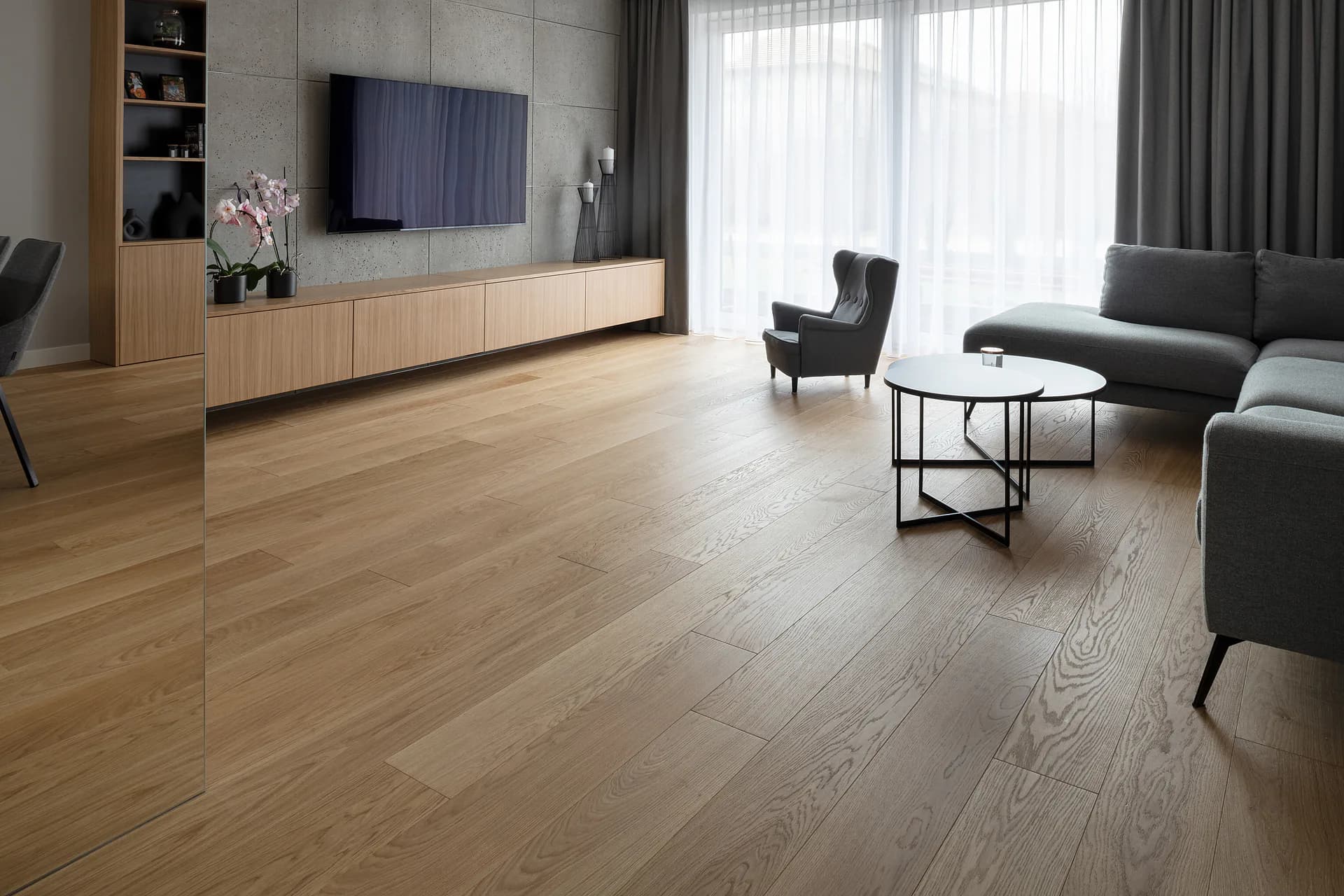
Hardwax oil is a natural or semi-natural product combining plant oils and waxes that penetrates deep into the wood, protecting it against moisture and dirt while…

A wooden floor in the kitchen is an excellent choice, provided the right wood species and surface finish are used. Contrary to popular opinion, natural…

Oak floorboards are a synonym of durability and natural beauty in interior design. Boards made of this noble wood resist damage and…