

White skirting boards: solving the aesthetic problems of interior finishing
White skirting boards solve three typical finishing problems: they mask expansion gaps, protect walls from dirt and mechanical damage, and…

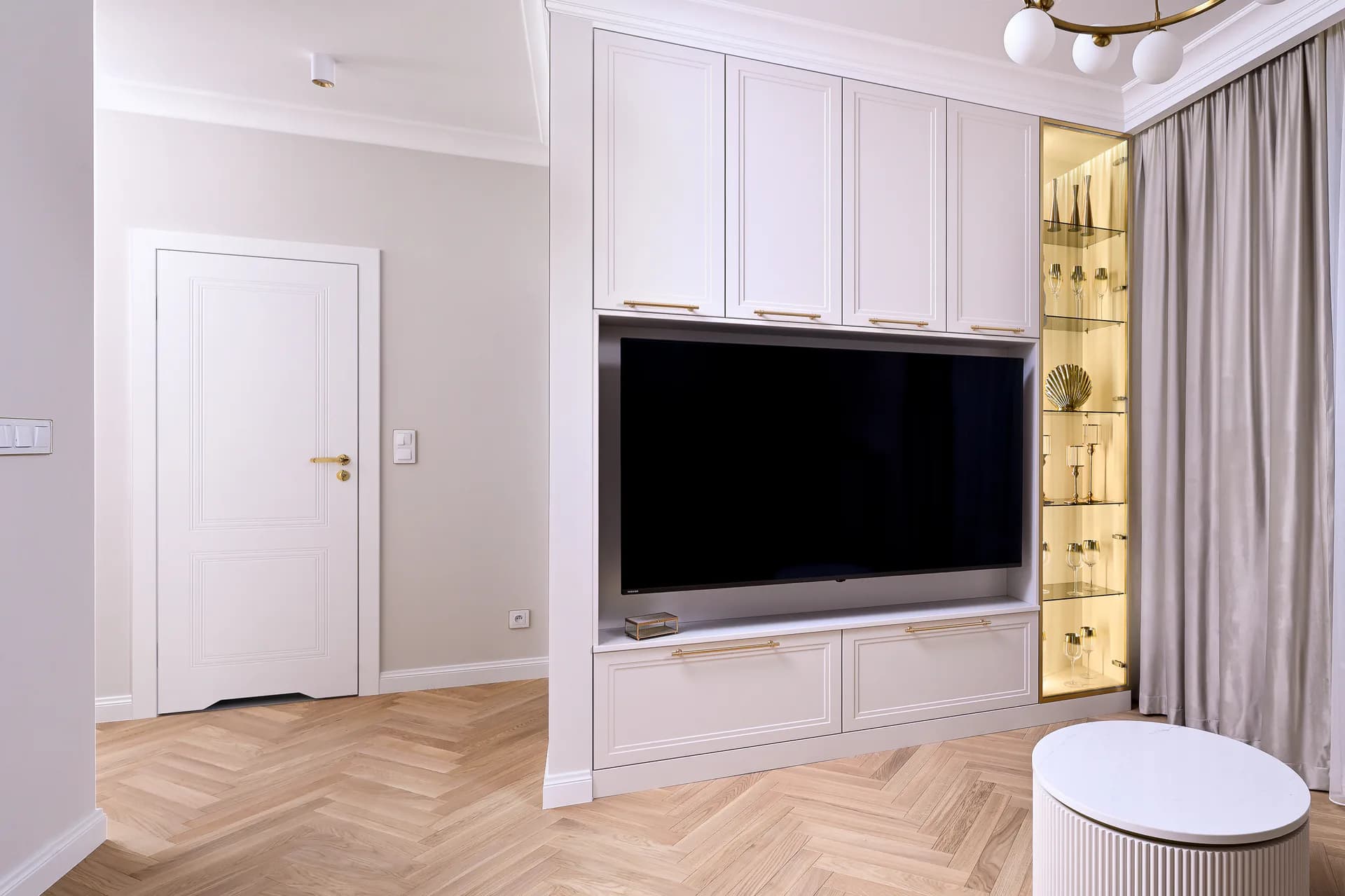
White skirting boards are one of the most versatile elements of interior finishing. They suit modern arrangements and classic spaces alike, and they also help to visually tidy the junction between wall and floor. If you are wondering whether white skirting boards are worth choosing, the short answer is: yes – especially when you care about a timeless look, easy matching with a variety of floor colours and an elegant interior finish. In this article we explain which types of skirting are available, how the individual materials differ and where white skirting boards work best.
White skirting boards are finishing elements that mask the expansion gaps between floor and wall and protect the lower parts of walls from mechanical damage and dirt. They are an ideal solution, combining a decorative function with practical protection of the interior.
This guide covers everything you need to know about choosing, using and fitting skirting boards - from the types of materials to specific rooms and solving common problems. The article leaves aside advanced electrical installations within skirting and specialist industrial applications.
We have written this information for flat owners planning a renovation, investors finishing properties and anyone looking for practical interior design guidance. White skirting boards remain the most popular choice because of their versatility - they suit every style, from minimalist to classic.
The short answer: White skirting boards are floor-line plinths in white, worth choosing when you care about visually enlarging the space, a universal finish that suits different floor and wall colours, and a safe aesthetic solution for years to come.
From this article you will learn:
Skirting boards are profiles fitted where the floor meets the wall, serving both a protective and an aesthetic function. We offer skirting made from a variety of materials, which masks imperfections, protects walls from scratches caused by vacuuming or moving furniture, and conceals wires and cables.
The colour white plays an important role in interior design - it visually enlarges the space, creating a smooth transition between floor and wall. With light floors it builds a coherent, airy composition, while with dark panels or ceramic tiles it generates an elegant contrast that emphasises the character of the room.
MDF skirting boards are products made from fibreboard coated with white lacquer or foil. They are characterised by a refined appearance, with matt, satin or gloss finish options. They work beautifully in classic and modern interiors, but they need protecting from moisture - they are not suitable for bathrooms without additional impregnation.
White plastic (PVC) skirting boards stand out for their flexibility and moisture resistance. Available in a range of sizes and shapes, they are easy to clean and fit. This is a functional solution, ideal for kitchens, bathrooms and other rooms exposed to contact with water.
Polyurethane skirting boards combine light weight with water resistance. They resist moisture and mechanical damage while retaining an elegant appearance. They perform well in both dry and damp rooms, offering a wide choice of designs and heights.
The material directly affects the functionality of white skirting - PVC and polyurethane provide water resistance, while MDF offers a more refined aesthetic at the cost of limitations in damp rooms.
In terms of aesthetics, white skirting performs a decorative role, emphasising the line of the wall and bringing order to the space in any interior. In a modern style, smooth, minimalist profiles create a discreet finish, while skirting with milled detailing complements classic arrangements beautifully.
In terms of protection, skirting forms a barrier against moisture and dirt getting under the floor, protects walls from scratches and mechanical damage, and masks the expansion gaps essential for laminate panels and other floating floors.
The versatility of white skirting boards means you will find them in practically every room - from living rooms to office spaces and lofts.
Knowing the functions of white skirting allows you to match it consciously to the specific rooms in your home, taking into account both technical requirements and aesthetic expectations.
White skirting in the living room visually enlarges the space, brightening the edge between floor and wall. This effect is particularly welcome in small flats, where it creates an impression of greater openness and lightness.
Depending on the colour of the walls and floor, white skirting builds different visual effects. With light floors it creates a coherent, harmonious whole. With oak-coloured floors or darker carpets, on the other hand, it generates an elegant contrast.
For living rooms with a standard height of 250-270 cm, skirting 6-10 cm high is optimal. In rooms with higher ceilings (above 300 cm), it is worth considering 13-20 cm profiles to keep the proportions of the interior right.
Damp rooms call for skirting with increased resistance to water and splashes. Standard MDF skirting boards without proper impregnation can be damaged by moisture.
Moisture-resistant white skirting made of PVC or polyurethane is a safe solution for kitchens and bathrooms. It withstands contact with water, is easy to wipe clean and requires no special maintenance.
When choosing skirting for these rooms, practicality becomes the priority - the aesthetics of the white colour are preserved alongside resistance to demanding conditions.
In bedrooms, white skirting boards create an atmosphere of calm and relaxation. The neutral white colour does not dominate the interior, allowing attention to rest on other elements of the arrangement.
In children's rooms, the safety of the materials is essential. Polyurethane skirting and high-quality PVC products contain no harmful substances and are a safe solution for the youngest members of the family.
Applications at a glance: The living room requires skirting of a height suited to the room's proportions, the kitchen and bathroom - waterproof materials, and bedrooms and children's rooms - safe and aesthetically neutral solutions.
Knowing the requirements of the individual rooms, we can move on to the practical process of choosing and fitting white skirting.
Understanding the applications in different rooms lets us move on to the specific process of selecting and installing finishing trims.
Follow this process before every skirting purchase - it will help you avoid mistakes and match the products to your needs.
| Criterion | MDF | PVC | Polyurethane |
| Price | Medium | Low | Higher |
| Durability | High (in dry rooms) | High | Very high |
| Ease of fitting | Medium (cut edges need painting) | Easy | Easy |
| Moisture resistance | Low | High | Very high |
| Aesthetics | The most elegant | Functional | Elegant |
How to read this: If you want a refined look in dry rooms - choose MDF. For bathrooms and kitchens, polyurethane or PVC skirting will serve you best. On a limited budget, PVC offers a compromise between price and functionality.
Choosing the right material minimises the risk of problems in everyday use, which we cover in the next section.
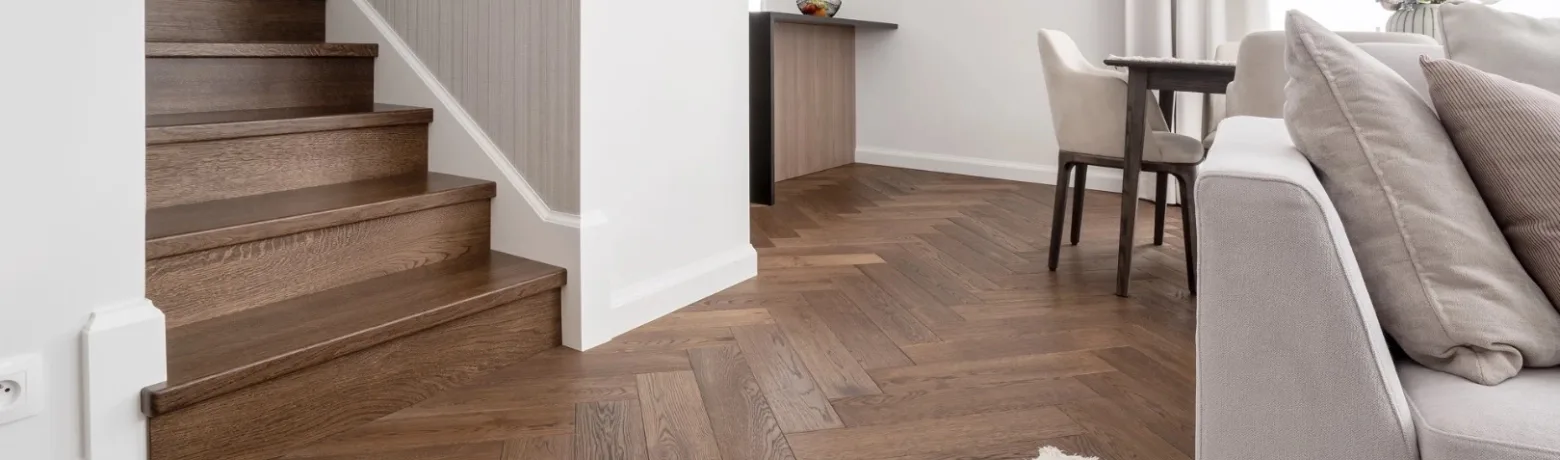
Even the best-chosen white skirting can cause difficulties over time. Below we present the most frequent challenges and proven solutions.
Yellowing results mainly from exposure to sunlight and the use of unsuitable cleaning products. To prevent it, choose skirting with a UV-resistant coating and avoid aggressive detergents.
MDF skirting that has already yellowed can be refreshed by light sanding and repainting. PVC and polyurethane skirting are harder to repair - in cases of severe yellowing, replacement may be necessary.
On uneven surfaces, flexible PVC skirting works best, as it can be shaped to the curves of the wall without the risk of cracking. Polyurethane skirting also offers a degree of flexibility.
When fitting on uneven walls, apply more adhesive in the places where the skirting stands away from the wall. Fixing clips may not provide adequate contact - consider gluing, or combining both methods.
Protecting skirting from damage comes down to taking care when vacuuming and moving furniture. Thicker skirting is more resistant to knocks.
Minor scratches on MDF skirting can be masked with a white wax crayon or repair lacquer. Deeper mechanical damage requires replacing individual sections.
Being aware of the potential problems allows you to make informed purchasing decisions and enjoy attractive skirting for years.
White skirting boards are a universal finish combining aesthetics with functionality - they mask expansion gaps, protect walls and visually enlarge the space. The choice of the right material depends on the type of room and your individual priorities.
If you would like to deepen your knowledge of interior finishing, it is worth exploring how to join different types of flooring, how to choose quadrant beading as an alternative to traditional skirting, and techniques for concealing cables in skirting profiles.
The best white skirting boards are those matched to the specific character of your interior which meet your expectations in terms of aesthetics and functionality. It is worth choosing models made from durable materials that will resist mechanical damage and moisture. Well-chosen skirting boards will provide an elegant finish and suit any interior, whatever the style of the arrangement.
Skirting boards made of MDF offer refined aesthetics and a classic look, ideal for dry, elegant interiors. PVC skirting, on the other hand, is more resistant to moisture and damage, so it works particularly well in rooms exposed to damp, such as the kitchen or bathroom. The choice between MDF and PVC therefore depends on the purpose of the room and your individual needs.
The cost of fitting 1 linear metre of skirting board depends on the type of material, the complexity of the installation and the region. On average, the price of fitting ranges from 10 to 30 zł per linear metre. It is also worth factoring in the cost of the skirting itself and any fitting accessories to arrive at the full cost of the finish.
White skirting boards are very practical, because they not only perform a decorative function but also protect walls from dirt and mechanical damage. Thanks to their universal colour, they are easy to match with different interior styles and floor colours. In addition, skirting made from modern materials is moisture-resistant and easy to keep clean, which makes it an ideal choice for any interior.
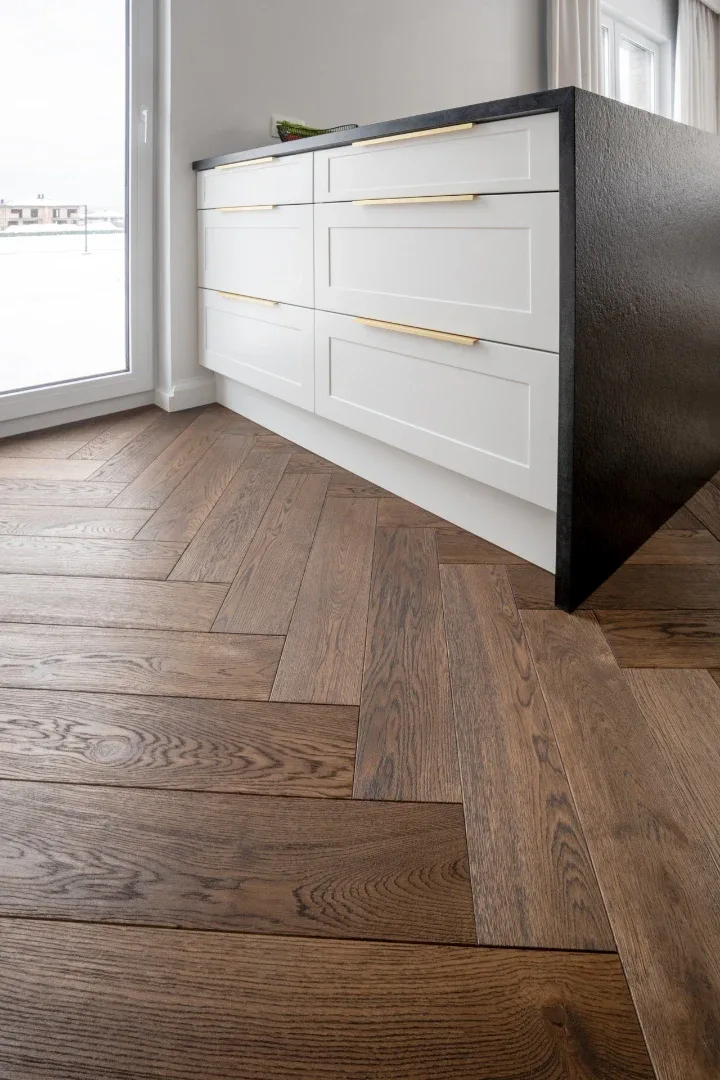
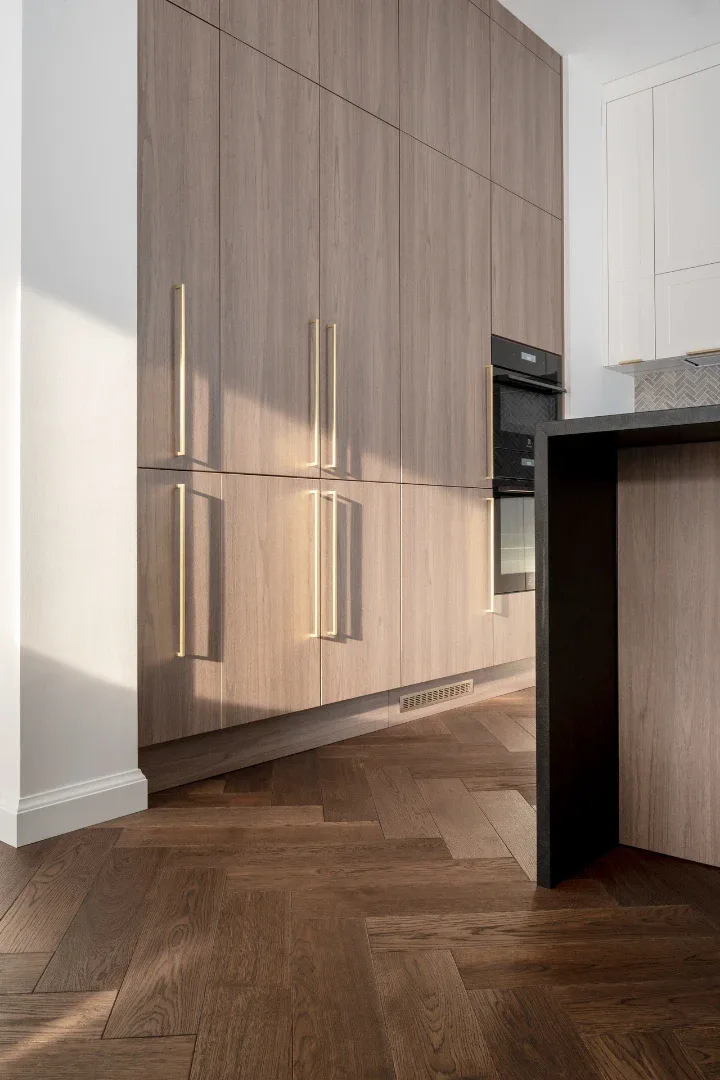
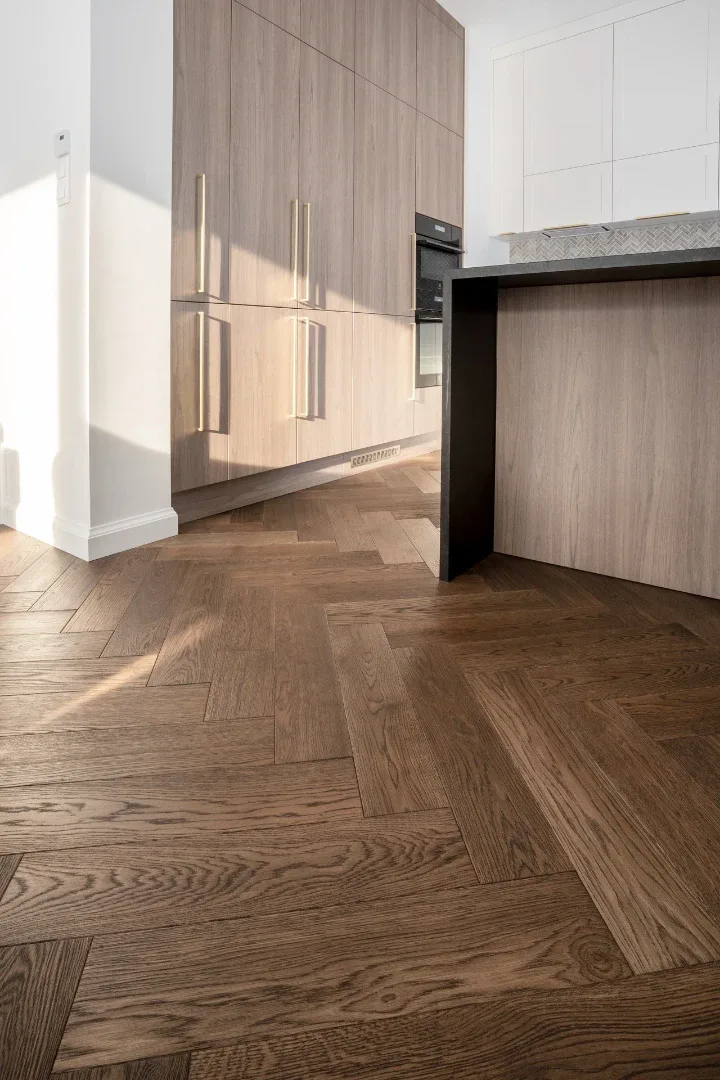
We will advise and prepare an individual quote matched to your interior.

White skirting boards solve three typical finishing problems: they mask expansion gaps, protect walls from dirt and mechanical damage, and…
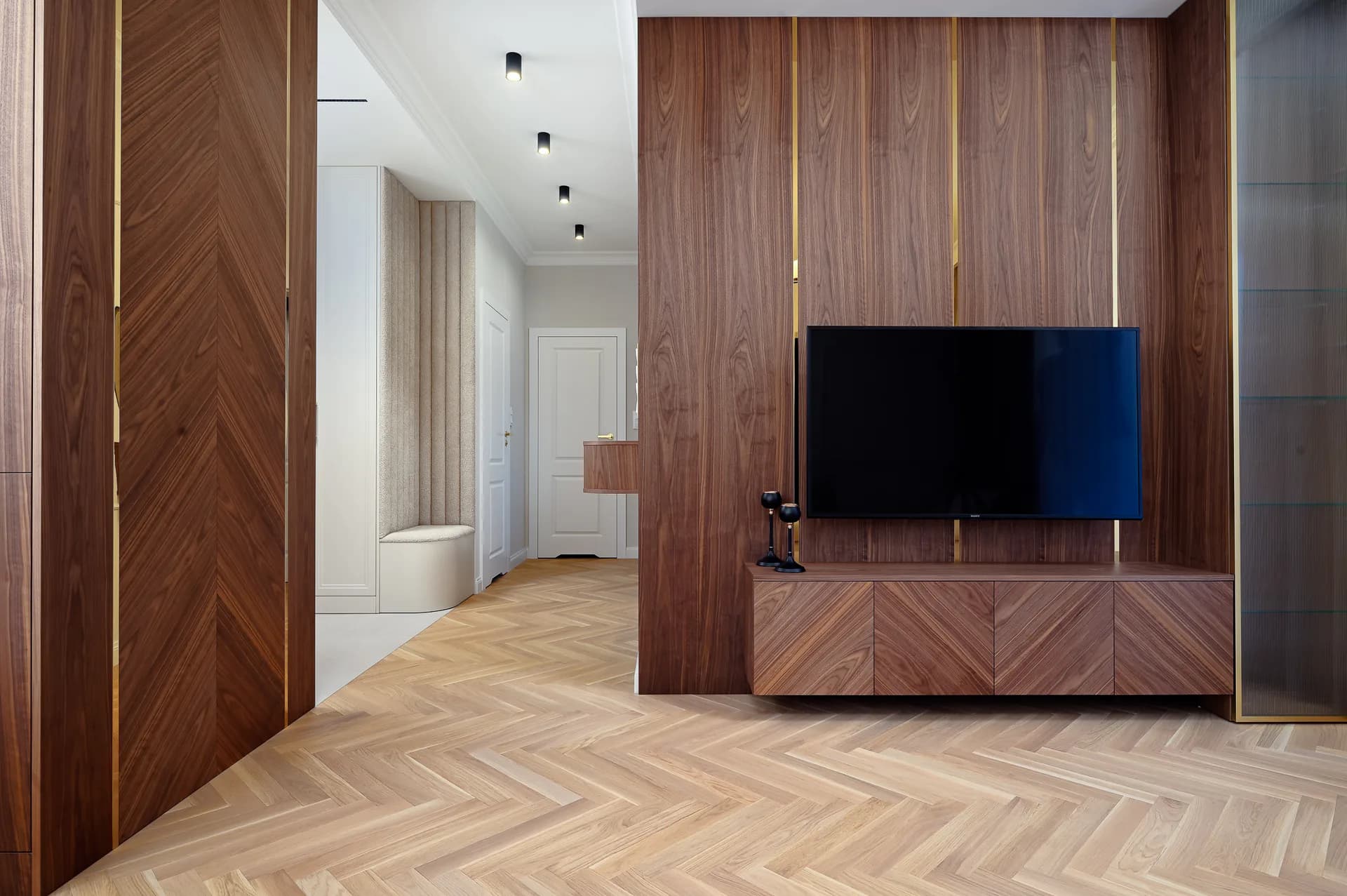
Wooden parquet and engineered boards can be used successfully with underfloor heating, provided the material, construction and installation method are chosen correctly…
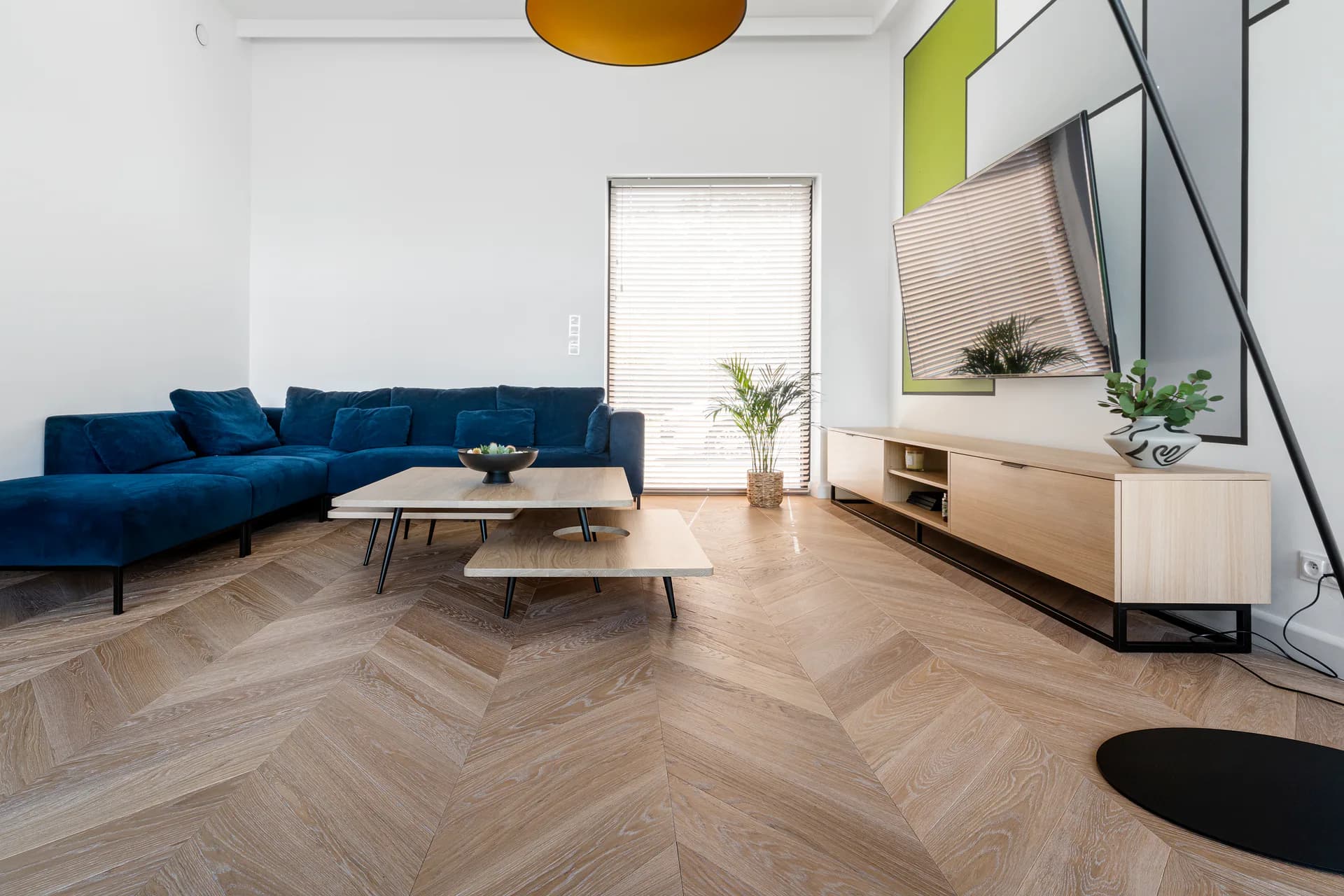
A light floor is one of the most effective ways to change an interior's character without a full renovation. As a designer, I see how a well-chosen light surface…