

Parquet over underfloor heating: a selection and installation guide
Wooden parquet and engineered boards can be used successfully with underfloor heating, provided the material, construction and installation method are chosen correctly…

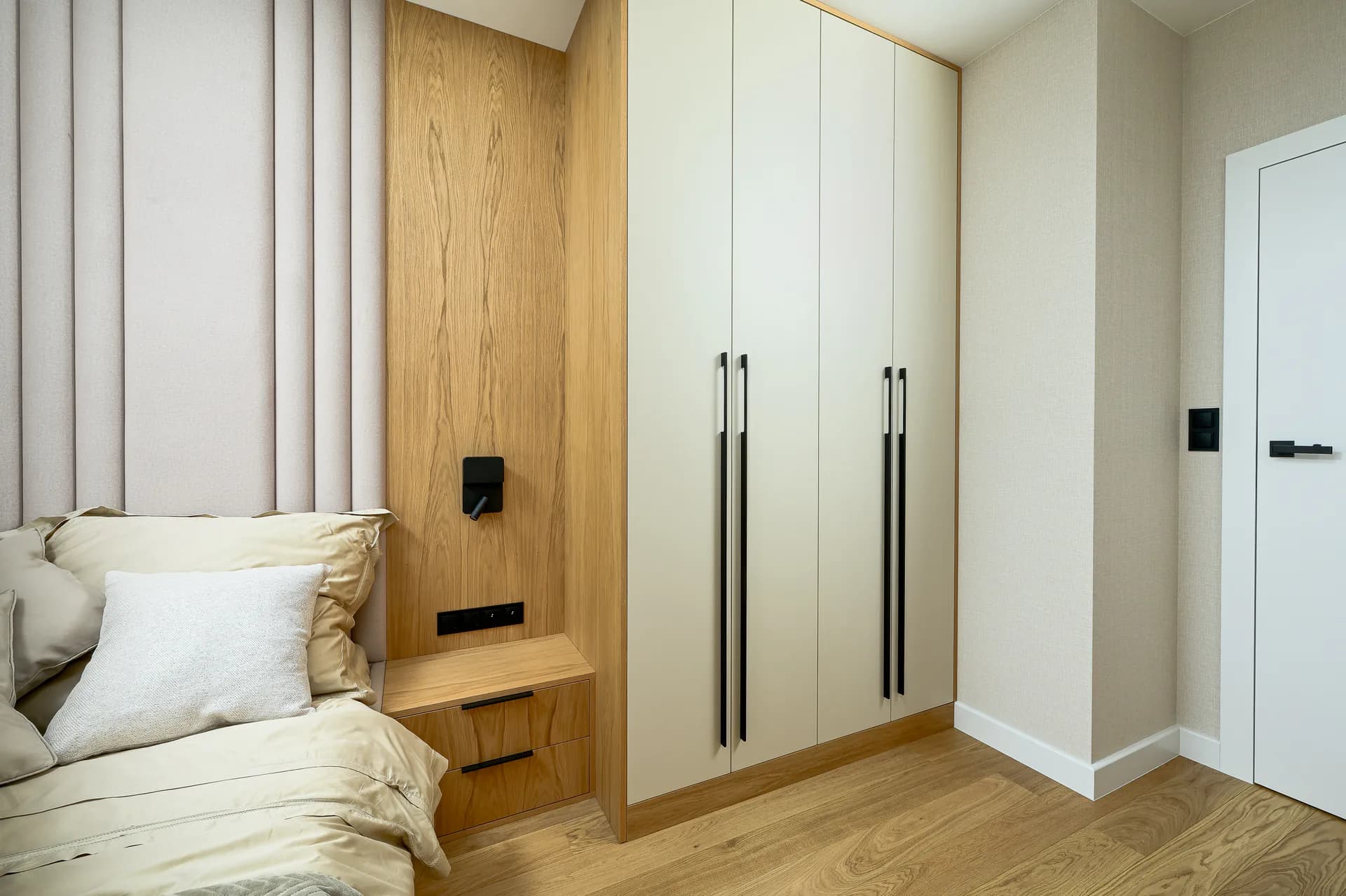
Panels for underfloor heating are specialist floor coverings designed to work with heating systems installed beneath the floor surface. The best panels for underfloor heating are vinyl panels (thermal resistance 0,03-0,05 m²K/W) and laminate panels 8-9mm thick with an AC3/AC4 abrasion class, which conduct heat effectively while remaining durable in everyday use.
This guide covers the types of panels compatible with underfloor heating, the technical parameters that determine efficiency, installation principles and practical tips for day-to-day use. It is intended for owners of houses and flats planning to install or replace a floor working with water-based or electric underfloor heating. The right choice of panels directly affects heating efficiency – the difference between well-chosen and poorly chosen panels can mean energy bills 20-30% higher.
Suitable floor panels for underfloor heating should have a thermal resistance below 0,10 m²K/W for the panel itself, and the total resistance of the build-up (panels + underlay) should not exceed 0,15 m²K/W.
After reading this article you will know:
Underfloor heating is a low-temperature system in which heat is transferred to the room across the entire floor surface through radiation and convection. Unlike traditional convection heating with radiators, where warm air rises, underfloor heating provides thermal comfort at an air temperature 2-3°C lower. The floor surface temperature is typically 24-29°C in accordance with the PN-EN 1264 standard.
Not all floor panels are suitable for underfloor heating. The key parameter is low thermal resistance (thermal resistance R measured in m²K/W), which determines how efficiently the material conducts heat from the heat source into the room. The lower the R value, the better the panels release pleasant warmth and the higher the heating efficiency throughout the home.
Water-based underfloor heating uses polyethylene or PEX pipes with a diameter of 12-20 mm embedded in a cement screed (5-7 cm thick) or an anhydrite screed. Water at 35-50°C circulates through the pipes at a flow rate of 0,5-2 l/min, delivering a heat output of 50-100 W/m². This system works superbly with a heat pump or condensing boiler, offering energy savings of around 20-30% compared with radiators. In water-based installations, adequate heat conduction must be ensured through every layer of the floor.
Electric underfloor heating includes heating mats, heating films and heating cables with an output of 150-220 W/m². Electric underfloor heating is simpler to install and is ideal for refurbishments, but running costs are 2-3 times higher than for a water-based heating installation over large areas.
The type of heating influences the choice of panels – with electric systems, where temperatures can be locally higher, the panels’ resistance to high temperatures is particularly important.
Suitable panels for underfloor heating must meet three basic criteria. First, low thermal resistance – a maximum of 0,10 m²K/W for the panel itself, ideally below 0,08 m²K/W. Second, dimensional stability and resistance to temperature changes in the 20-40°C range. Third, durable materials that keep their properties and appearance for many years despite the constant effect of a warm floor.
Several types of floor covering compatible with underfloor heating are available on the market. Each type has its own characteristics in terms of heat conduction, durability and suitability for different rooms.
Vinyl panels (LVT/SPC) are an excellent solution for most underfloor heating scenarios. They have the lowest thermal resistance of all panel types – from 0,03 to 0,05 m²K/W, which translates into exceptional heating efficiency. Vinyl panels are typically 2-8 mm thick.
Their key advantage is moisture resistance (up to 80% relative humidity) and dimensional stability – expansion below 0,1% at 40°C. This makes vinyl panels a great fit for bathrooms and kitchens, where ceramic tiles were until now the only sound choice.
Vinyl panels offer plenty of benefits: they are scratch-resistant (usage class 31-34), easy to keep clean and available in a wide range of designs imitating wood or stone.
Laminate panels are an economical solution that, chosen correctly, performs well with underfloor heating. Reputable manufacturers’ laminate ranges include models with varied technical parameters and designs. Thermal resistance is 0,06-0,12 m²K/W depending on thickness – the optimal thickness for use with heating is 8-9 mm.
With laminate panels, the abrasion class matters – a minimum of AC3, with AC4 recommended for heavily trafficked rooms. These panels work better with water-based underfloor heating than with electric, because water systems provide a more even distribution of heat and lower surface temperatures.
Greater panel thickness (10-12 mm) offers higher mechanical durability but reduces heat-conduction efficiency by 10-15%. So when choosing panels for underfloor heating, the best floor comes down to striking a balance between strength and thermal efficiency.
Engineered boards (engineered parquet) are the premium option for those who value the natural look of wood. Their two- or three-layer construction provides better stability than solid wood, but thermal resistance is higher – from 0,08 to 0,15 m²K/W at a thickness of 10-15 mm.
Species with a low shrinkage coefficient perform best: oak, maple and teak, including elegant teak boards for residential interiors. These woods are more resistant to changes in moisture and temperature, which minimises the risk of warping and gaps forming.
Engineered boards require room humidity to be kept below 60% and have more demanding installation requirements. They are not recommended for bathrooms due to their sensitivity to moisture.

Choosing panels in practice means verifying specific technical parameters. Below we set out an assessment procedure that will help you confirm the panels can safely be paired with the heating system.
When choosing panels for underfloor heating, four key parameters should be checked systematically.
Checking thermal resistance – the R value for the panels alone should not exceed 0,10 m²K/W. For the whole build-up (panels + underlay), the maximum permissible value is 0,15 m²K/W. Remember that lower thermal resistance means better heat conduction and higher efficiency.
Verifying the abrasion class – a minimum of AC3 for residential rooms, AC4 for intensive use in hallways and kitchens. Abrasion class AC5 is worth considering for commercial premises.
Assessing the usage class – class 31-32 for standard domestic use, 33 for very heavily trafficked rooms. A higher class means greater durability in everyday use.
Checking the thickness – 8-9 mm for laminate panels is the optimal compromise between strength and efficient operation of the heating system. For vinyl panels, the recommended thickness is up to 8 mm.
| Criterion | Vinyl panels | Laminate panels | Engineered boards |
| Thermal resistance | 0,03-0,05 m²K/W | 0,06-0,12 m²K/W | 0,08-0,15 m²K/W |
| Thickness | 2-8 mm | 8-9 mm | 10-15 mm |
| Cost | Medium | Low | High |
| Durability | High | Medium | Very high |
| Moisture resistance | Very high | Low | Low |
| Thermal comfort | Excellent | Good | Good |
Vinyl panels are the best solution in terms of thermal efficiency and versatility – they work in every room, including bathrooms. Laminate panels are a sound economical choice for dry rooms.
In underfloor heating systems it is extremely important that the floor surface temperature does not exceed 27–29°C. Going beyond this range can adversely affect even the durable materials the floor panels are made of, and can also upset the room’s microclimate.
Keeping the floor temperature within the recommended range is crucial for preserving the structure of the floor panels and their long-term performance. Excessive temperature can cause deformation, cracking or a loss of visual appeal, which affects the comfort of the interior.
Floor temperature has a direct bearing on air quality and humidity in the room. Keeping the temperature within the optimal range helps prevent the air from drying out excessively and reduces the risk of mould and other undesirable effects. Interiors become friendlier and healthier for the occupants as a result.
When planning and running underfloor heating systems, always follow the recommendations of both the panel manufacturer and the heating system manufacturer. Manufacturers offer a wide choice of products suited to different operating conditions, and using them in line with the instructions guarantees the floor’s safety and high performance.
When selecting floor panels for underfloor heating, look for materials with the right structure – ones resistant to high temperatures and moisture. Panels like these deliver not only good looks but also durability and a fully functional floor for many years.
Controlling the floor surface temperature is one of the most important factors affecting the lifespan and comfort of a floor in underfloor heating systems. By choosing the right floor panels and following the manufacturer’s recommendations, you can enjoy beautiful, hard-wearing floors that create cosy, healthy interiors.
Rigid-core vinyl panels, also known as SPC (Stone Plastic Composite) or LVT (Luxury Vinyl Tile), are modern floor panels for underfloor heating distinguished by exceptionally low thermal resistance. As a result, they offer excellent thermal conductivity, which translates into faster and more efficient transfer of heat energy across the entire surface of the room.
In underfloor heating systems, SPC/LVT vinyl panels deliver high heating performance, which lowers a home’s running costs and raises the comfort of its interiors. Thanks to their low thermal resistance, heat spreads evenly and the floor surface quickly reaches its optimal temperature, providing a pleasant feeling of warmth underfoot.
Rigid-core vinyl panels are also highly resistant mechanically, which makes them an excellent fit for all kinds of interiors, including those with heavy foot traffic. Their special structure combines material durability with flexibility, making the panels resistant to deformation and damage.
When laying SPC/LVT vinyl panels over underfloor heating, proper substrate preparation is essential. The substrate should be even, dry and stable, which ensures the durability of the whole floor and optimal operation of the heating system. You should also follow the manufacturer’s recommendations on installation and on choosing an underlay that will not restrict the panels’ thermal conductivity.
Rigid-core vinyl panels are an excellent choice for anyone looking for hard-wearing, attractive and efficient floor panels for underfloor heating. Their low thermal resistance and rapid transfer of heat across the entire room surface guarantee comfort and savings in the day-to-day running of the home.
Even the best panels will not deliver the expected efficiency if mistakes are made during installation or use. Below we present the most common challenges and proven solutions that ensure comfortable use for many years.
The problem lies in using a standard underlay with high thermal resistance, which blocks the flow of heat into the room. The solution is to use an underlay dedicated to underfloor heating, no more than 3 mm thick and with a thermal resistance below 0,05 m²K/W. The total resistance of the build-up (panels + underlay) should not exceed 0,15 m²K/W. Modern underlays with an integrated PE film reduce the total R to 0,07-0,12 m²K/W while also providing moisture protection and acoustic insulation.
Switching the heating on abruptly at full power can cause the panels to warp and gaps to form. The correct procedure is to raise the temperature gradually by 5°C per day, starting from room temperature. Before installing the panels, the heating should be switched off for 2 days, keeping the room temperature at 18°C with humidity below 60%. After installation, wait 48 hours before switching the system on for the first time.
If the floor does not heat evenly or energy bills are higher than expected, check that the panels sit tightly against the substrate – air gaps act as an insulator. Verify that the expansion gaps are correct (8-10 mm around the perimeter), allowing the panels to expand without stress. For glued installations, make sure the adhesive covers the entire surface evenly. Uneven heating with an R above 0,15 m²K/W can reduce system efficiency by 20-30%.
Choosing panels for underfloor heating means weighing up three main factors: thermal resistance, the type of heating system and the room’s purpose. Vinyl panels are the most versatile solution – low thermal resistance, moisture resistance and dimensional stability make them an excellent choice. Laminate panels are an economical alternative for dry rooms paired with water-based heating.
The right choice of materials translates into lasting satisfaction.
Vinyl panels and laminate panels with low thermal resistance are best suited to underfloor heating. It is important that the floor panels are specifically designed to work with a heating system, which ensures their durability and efficient operation. When choosing, pay attention to the usage class and resistance to temperature changes.
Under panels for underfloor heating, a special underlay with low thermal resistance is used, one that does not restrict the conduction of heat from the heating installation to the panel surface. The underlay should be no more than 3 mm thick and often comes with a vapour-barrier film that protects against moisture and improves comfort in use.
Yes, laminate panels can be used over underfloor heating, but they perform best with water-based systems, where the temperature is more stable. It is important to choose panels with the right usage class and low thermal resistance, which will withstand temperature changes and keep their looks for a long time.
The choice between laminate and vinyl panels depends on the type of heating and personal preference. Vinyl panels generally have lower thermal resistance, are more moisture-resistant and conduct heat better, which makes them an excellent choice for all kinds of underfloor heating, including electric. Laminate panels are often cheaper and work very well with water-based underfloor heating, but they can be less tolerant of rapid temperature changes.
The optimal panel thickness for underfloor heating is around 8–9 mm for laminate panels and 2–8 mm for vinyl panels. Thickness affects both durability and heat conduction – panels that are too thick can limit the efficiency of the heating installation. It is important to match the panel thickness to the type of heating and the conditions in the room.
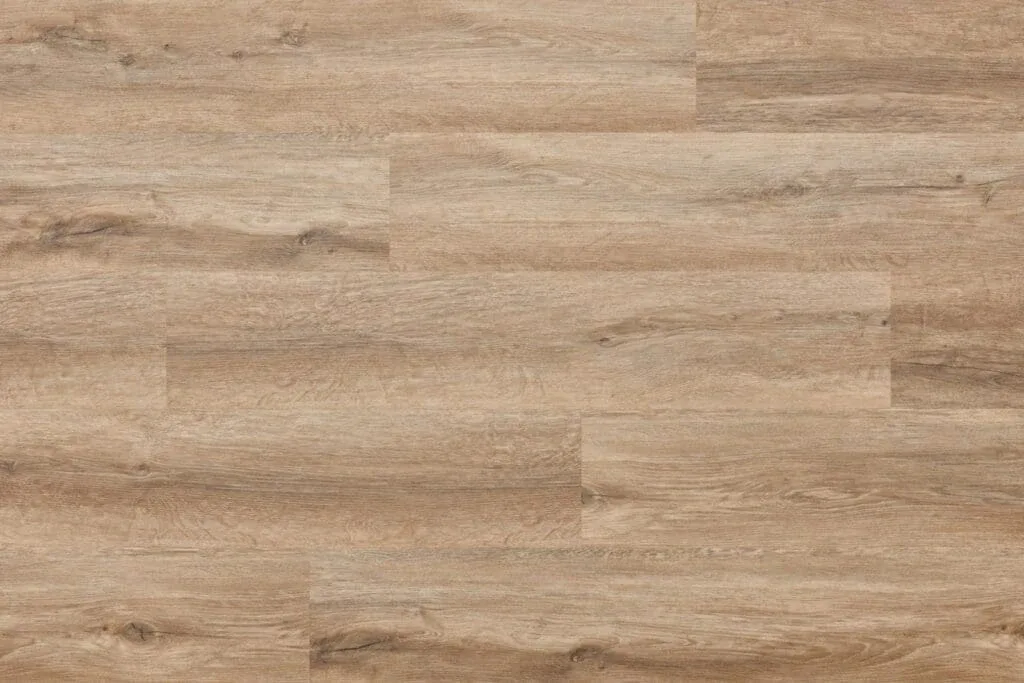
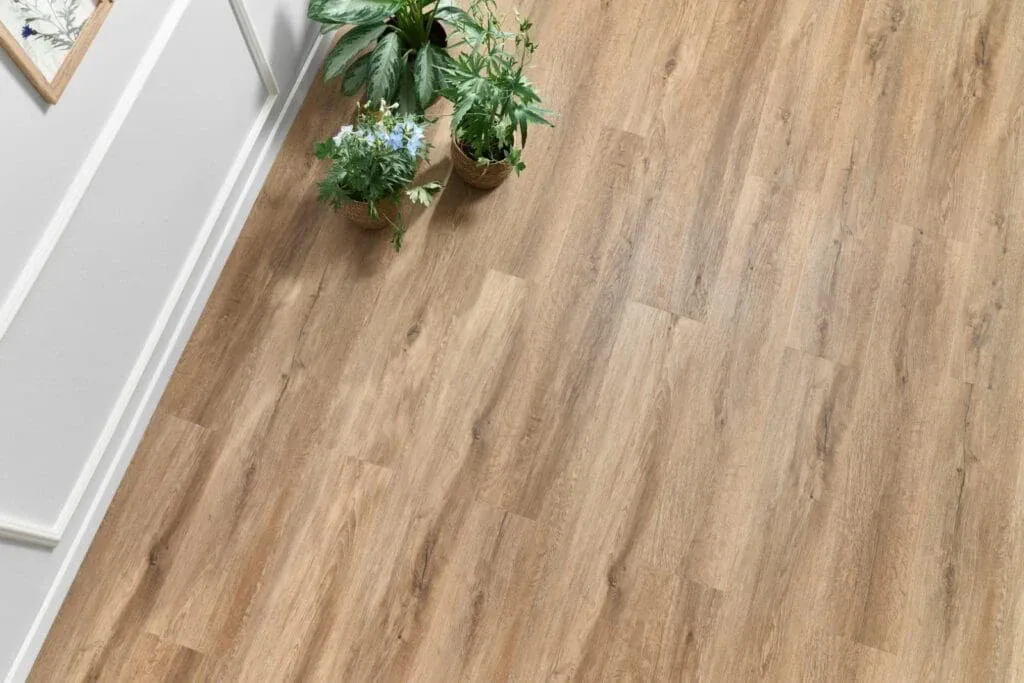
We will advise and prepare an individual quote matched to your interior.

Wooden parquet and engineered boards can be used successfully with underfloor heating, provided the material, construction and installation method are chosen correctly…
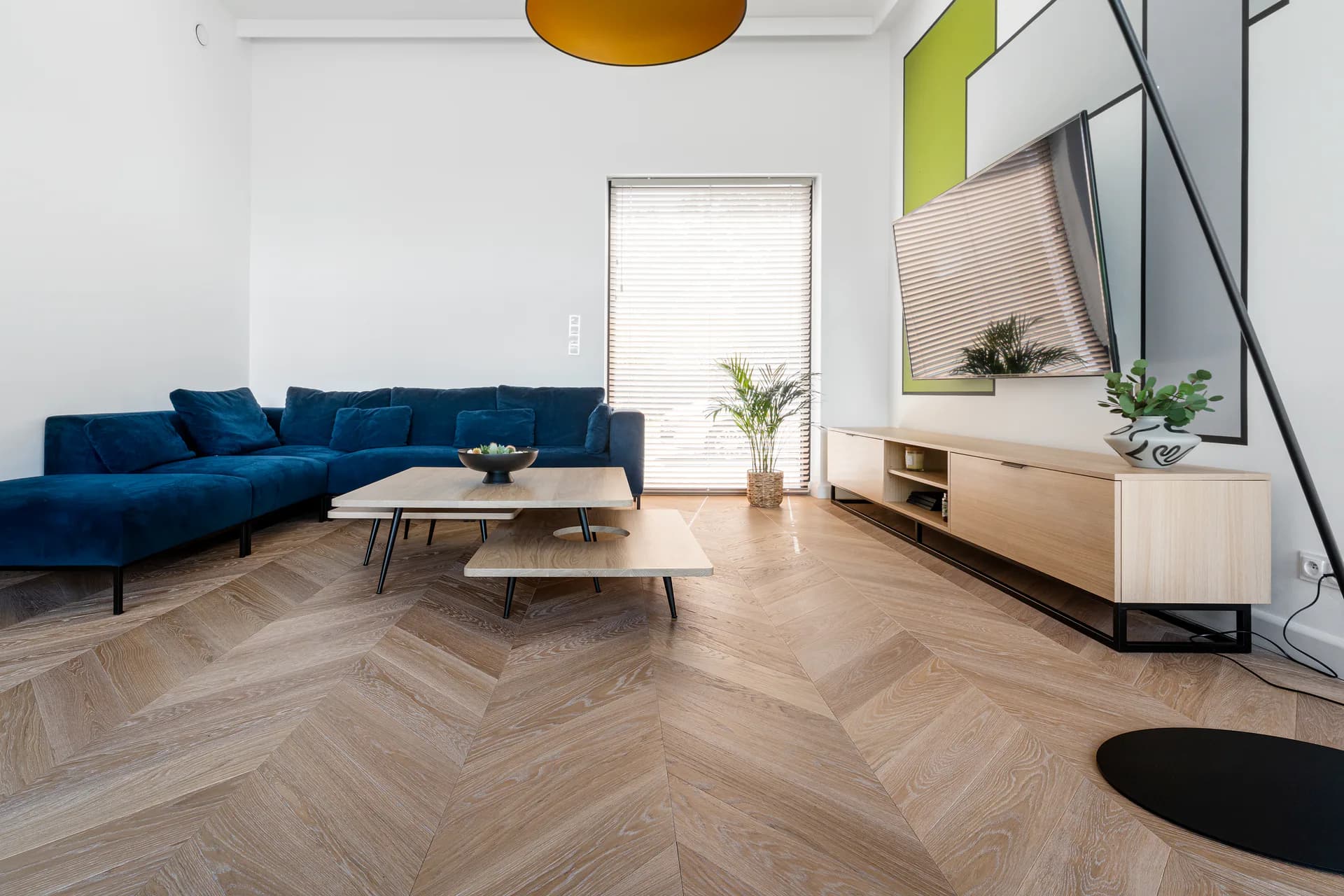
A light floor is one of the most effective ways to change an interior's character without a full renovation. As a designer, I see how a well-chosen light surface…
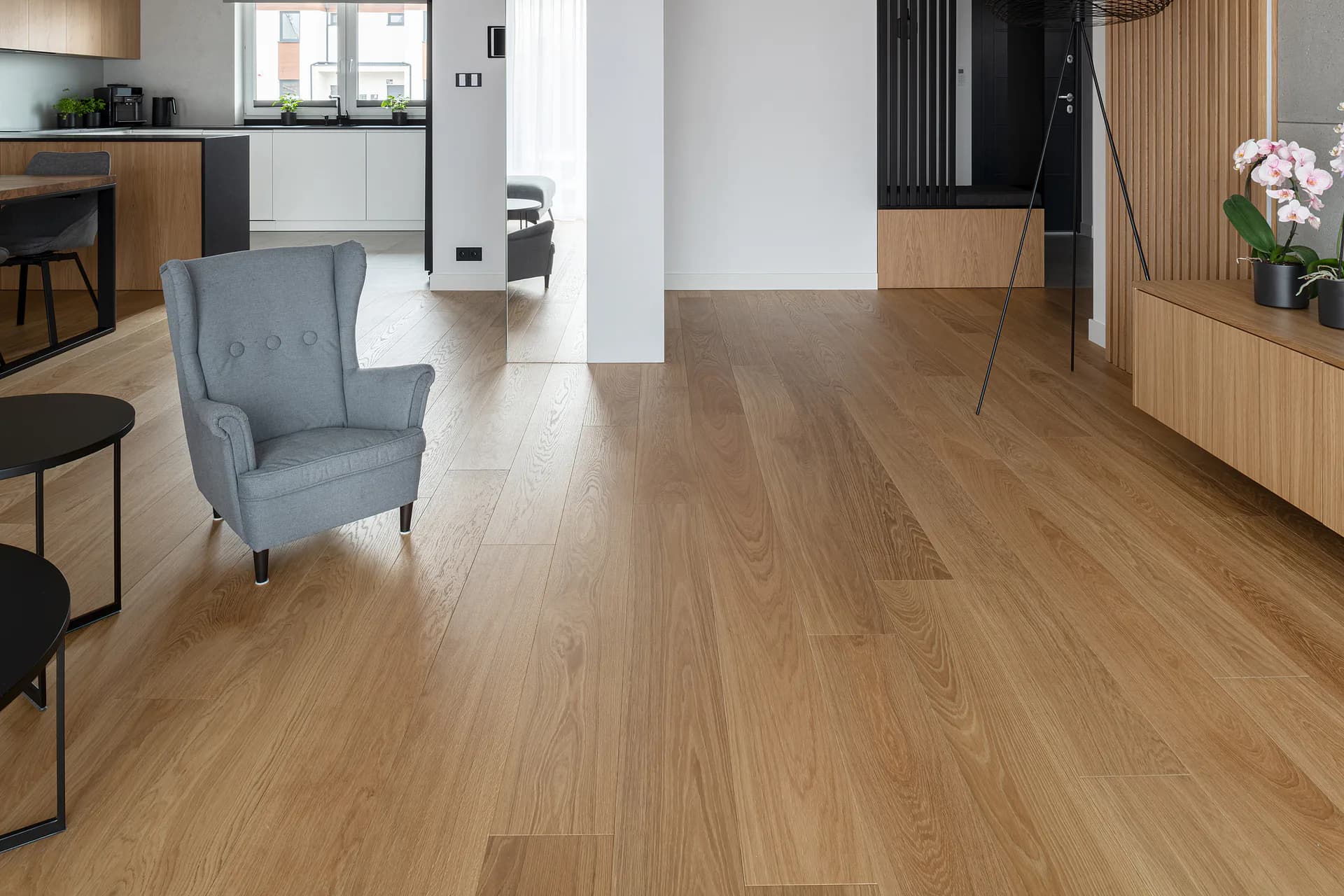
A solid floorboard is a floor made from a single piece of natural wood, valued for durability, repeated renovation potential and a timeless look…