

Herringbone panels: a guide to choosing, laying and using them
Herringbone panels are one of the most interesting ways to create an elegant floor without investing in traditional parquet…

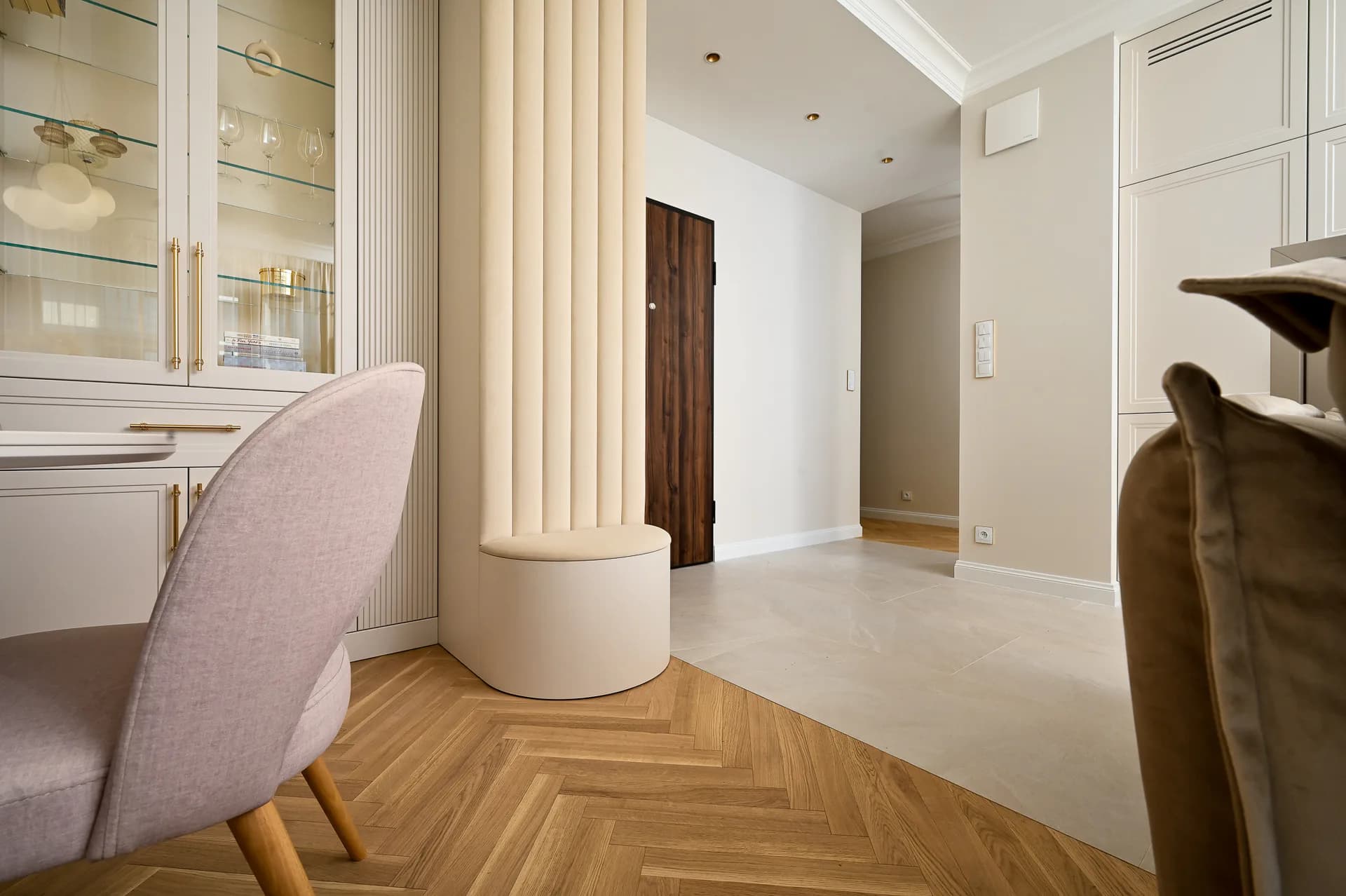
Oak parquet is a floor made of solid oak wood, most often found in the form of parquet blocks up to 70 mm wide and 450 mm long. This type of wooden parquet is one of the most durable flooring solutions, combining the natural beauty of oak with exceptional longevity.
The article covers the detailed characteristics of oak parquet, its classification by quality, fitting methods and a cost analysis. The material is aimed at people planning an investment in wooden floors – both private investors and interior designers looking for reliable information about the properties and prices of this solution.
Oak parquet is a durable flooring solution, offering a lifespan of more than 50 years with proper care.
From this material you will learn:
Oak is among the most frequently chosen wood species for floor production in Europe. The popularity of oak wood stems from its mechanical properties, dimensional stability and characteristic grain pattern, which gives interiors a natural character.
The basic technical parameters of solid parquet include the density of the wood, its hardness on the Brinell scale and its abrasion resistance class. These features determine the durability of the floor and its suitability for rooms with different levels of traffic.
The most common dimensions of parquet blocks are a thickness of 21-22 mm, a width of up to 70 mm and a length of up to 450 mm. These proportions provide an optimal balance between stability and aesthetics, making it possible to create a variety of laying patterns.
The tongue-and-groove system is the basic structural element of parquet. Each block has a protruding element (the tongue) on one edge and a groove on the opposite edge. This solution ensures precise joining of the boards and increases the stability of the whole floor, eliminating gaps between the elements.
The differences between parquet and floorboards concern the dimensions above all. Floorboards reach widths of as much as 200 mm and lengths of over 2000 mm, whereas wooden parquet comes in smaller formats. Smaller parquet elements mean greater flexibility when creating patterns such as herringbone or basketweave.
The hardness of oak places it among the leading European wood species used for flooring. Its high resistance to mechanical damage means oak parquet is used in intensively used rooms – living rooms, hallways and office spaces.
Oak's naturally higher resistance to moisture surpasses many other species, although the optimal ambient moisture level should stay within the 40-60% range. Dimensional stability means minimal changes in volume as temperature and moisture levels fluctuate, which translates into a floor that does not warp or crack over a long period of use.
The possibility of repeated renovation by sanding is a significant advantage of solid parquet. The 21-22 mm wear thickness allows the surface to be renewed several times, extending the life of the floor by further decades. As a result, an investment in a wooden floor repays itself through years of trouble-free use.
The classification of oak parquet is based on the quality of the wood, the grain pattern and the presence of natural features such as knots or colour variations. The manufacturer sorts products according to strictly defined standards, which makes it easier for customers to choose products matching their aesthetic expectations and budget.
The Rustik grade is characterised by the presence of natural knots, an irregular grain pattern and varied colouring of the wood. These features give the floor an expressive, organic character that suits rustic arrangements and modern loft-style interiors alike.
The natural variety of the wood in this grade does not mean lower durability – the mechanical properties remain identical to those of the higher grades.
It is worth mentioning that the rustic style is gaining popularity in projects combining glamour elements with raw accents. The contrast between elegant furnishings and the natural texture of the floor creates an interesting design.
The Natur grade represents a medium level of selection, with a limited number of knots (up to 3 mm in small clusters) and a more uniform grain pattern. This choice strikes a balance between the natural character of the wood and the aesthetic consistency of the surface.
The versatility of the Natur grade means it finds its place in a wide range of interior styles – from classic to minimalist. Its price sits between the Rustik and Premium grades, offering a compromise for those who value natural beauty while keeping to a moderate budget.
Whatever the style of the arrangement, Natur parquet works with most colour schemes and finishing materials. This flexibility makes it a safe choice for anyone unsure of the final concept for their interior.
The highest grade of oak parquet is distinguished by a straight, regular grain pattern and the absence of visible knots. The high quality of selection translates into a uniform surface with an elegant, refined aesthetic.
This investment is justified in exclusive interiors where a flawless floor finish is what counts.
Premium parquet pairs perfectly with classic arrangements and with styles such as glamour or art deco. The uniform surface provides a backdrop for striking furnishings without competing with them visually.
Professional fitting of oak parquet requires proper preparation of the subfloor and the use of the right techniques. The choice of surface finish affects the durability, the aesthetics and the way the floor is cared for over the years to come.
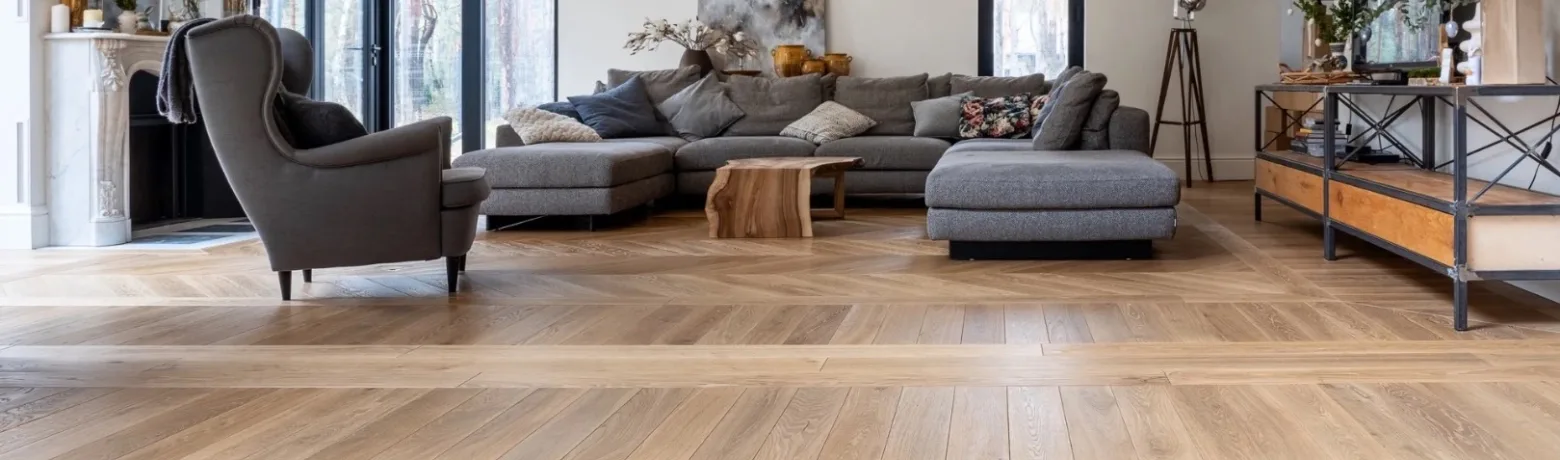
Gluing is the most popular method of fitting oak parquet. Parquet adhesive is applied to the prepared subfloor, and the individual blocks are then laid in the chosen pattern.
The advantages of glue-down fitting include a highly stable bond, the elimination of noise when walking and suitability for use over underfloor heating. The permanent bond with the subfloor prevents the elements from shifting and extends the life of the whole construction.
It is worth investing in professional fitting. It guarantees correct preparation of the subfloor and precise laying of the blocks. Mistakes at this stage can lead to problems throughout the entire life of the floor.
The finish of the parquet surface determines its appearance, its resistance to damage and its maintenance requirements. The available solutions differ in the number of protective layers and the visual effect.
| Type of finish | Number of layers | Durability | Application |
| Lacquers | 8 layers | High resistance | High-traffic rooms |
| Oils and hard-wax oils | 4 layers | Natural protection | Residential interiors |
| Unfinished parquet | No finish | Requires treatment | Bespoke finishes |
Lacquers create a hard, gloss or matt coating that provides maximum protection against abrasion. Oils penetrate the structure of the wood, emphasising the natural beauty of the grain while protecting it. Unfinished parquet in manufacturers' ranges allows the customer to choose the finish individually after fitting.
The decision to buy oak parquet involves several aspects that deserve attention. Being aware of the potential difficulties helps you avoid costly mistakes and disappointments.
Analysing the price-to-quality ratio of the different parquet grades means considering the purpose of the room. In hallways and entrance areas, the Rustik or Natur grades work well, as the natural features of the wood mask any damage. Formal living rooms may justify investing in the Premium grade.
The level of traffic in a room does not affect the durability of the individual grades – the mechanical properties of oak wood remain identical. The differences are purely aesthetic, which means the choice of grade is above all a matter of taste and budget.
Subfloor requirements include adequate flatness (maximum deviations of 2-3 mm over 2 m) and moisture content (≤ 2.0 CM% for cement screeds; for anhydrite screed (without heating) ≤ 0.5 CM%). Failure to meet these conditions leads to problems with the durability of the bond and the stability of the floor.
The additional cost of levelling the subfloor can raise the total price of fitting considerably. It is worth including this item in the budget at the planning stage to avoid unpleasant surprises during the project.
Standard parallel laying is the simplest and most economical solution. Special patterns such as herringbone require more precise cutting and matching of the elements, which lengthens the work and increases material consumption.
The impact of complex patterns on labour costs is significant. Over larger areas the difference translates into substantial amounts in the final bill.
Oak parquet combines exceptional durability with the natural beauty of wood, offering a flooring solution for decades. Its aesthetic versatility means it suits a wide range of interior styles – from rustic to modern.
Practical steps when planning a purchase:
For those considering alternatives, ash floors offer similar properties with a lighter colour palette, and ash wood is characterised by an expressive grain pattern. Floorboards are an option for those who prefer larger formats. When planning underfloor heating, it is worth consulting your fitter about the compatibility of the chosen system with glued-down parquet.
Oak parquet is characterised by exceptional durability and aesthetics, making it an investment for many years. Oak is a very hard wood that copes well with intensive use, and its natural grain gives interiors a distinctive character of their own.
Wooden parquet provides warmth, a natural look and comfort in use. Its surface can be renovated many times, which considerably extends the life of the floor. In addition, wood has good insulating properties and is friendly to allergy sufferers.
Yes, properly selected and fitted oak parquet is suitable for use over underfloor heating. It is important, however, to maintain stable moisture and temperature conditions, which will prevent deformation.
Ash wood is a popular alternative to oak. It is characterised by a light colour and an expressive grain, as well as good durability, although it is slightly less hard than oak.
Yes, parquet can be laid in many ways, and one of the most popular is the herringbone pattern, which gives the floor an elegant, dynamic look.
Lacquers are used most often, creating a durable, abrasion-resistant coating. Various types of finish are available – from matt to gloss – which affect the visual effect and the way the floor is cared for.
Solid blocks have a standard thickness of around 21-22 mm and a width of up to 70 mm, with lengths of up to 450 mm. These dimensions allow a variety of patterns to be created and ensure the stability of the floor.
With proper care and maintenance, oak parquet can retain its properties and appearance for several decades, making it a cost-effective long-term investment.
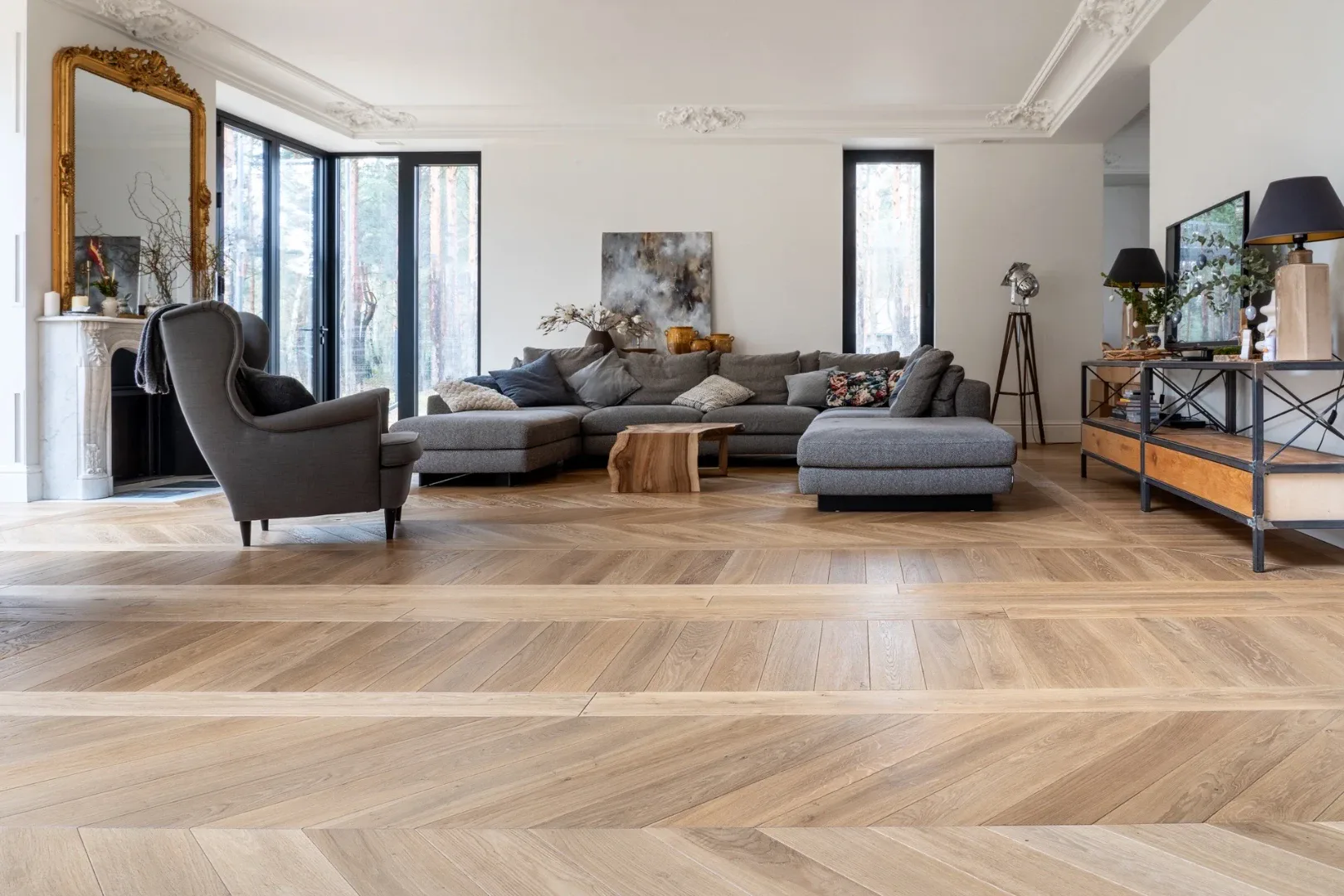
We will advise and prepare an individual quote matched to your interior.
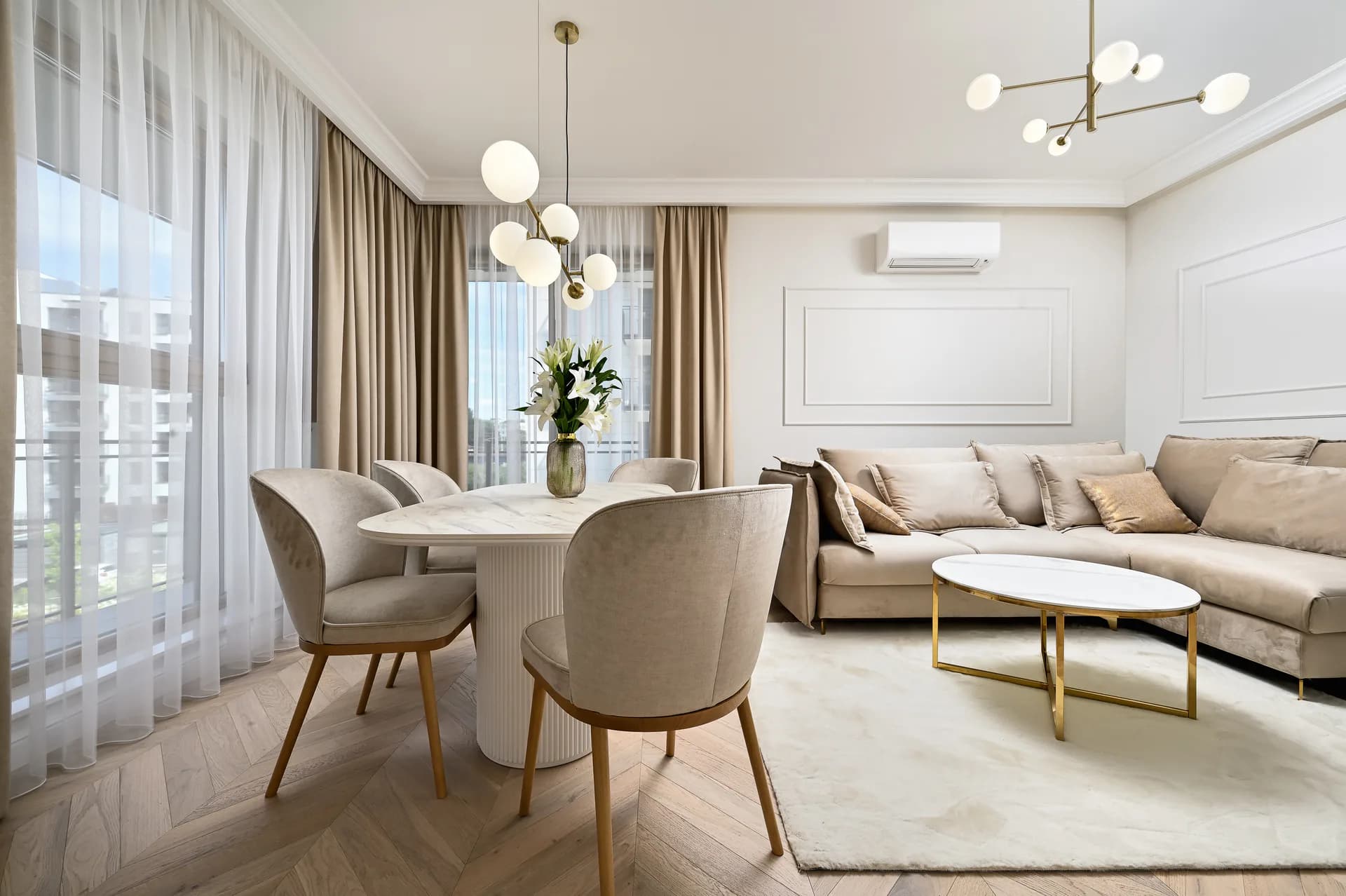
Herringbone panels are one of the most interesting ways to create an elegant floor without investing in traditional parquet…
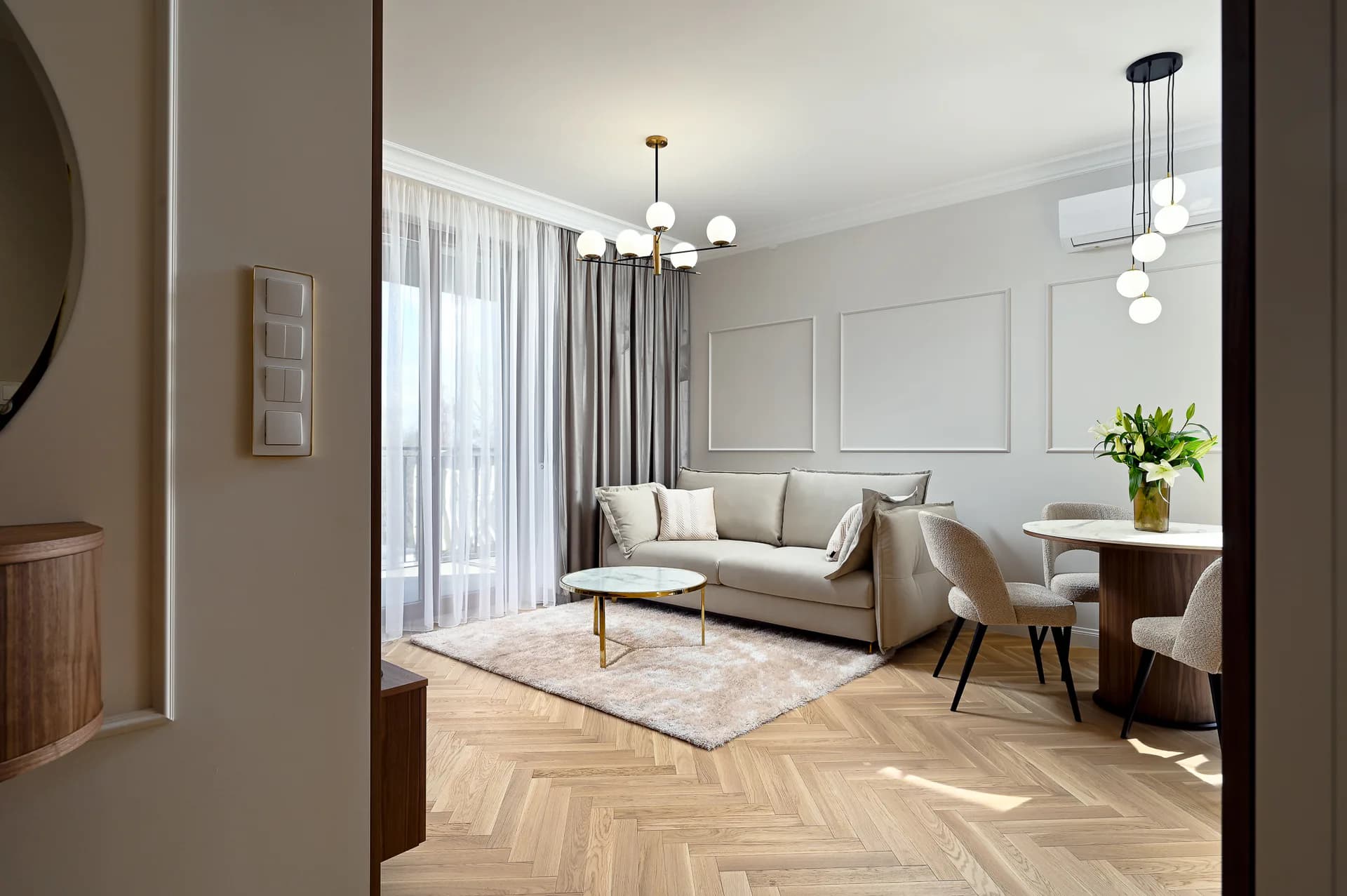
The best living-room floor is one that matches your everyday life — it not only looks beautiful on installation day but keeps its qualities for years…
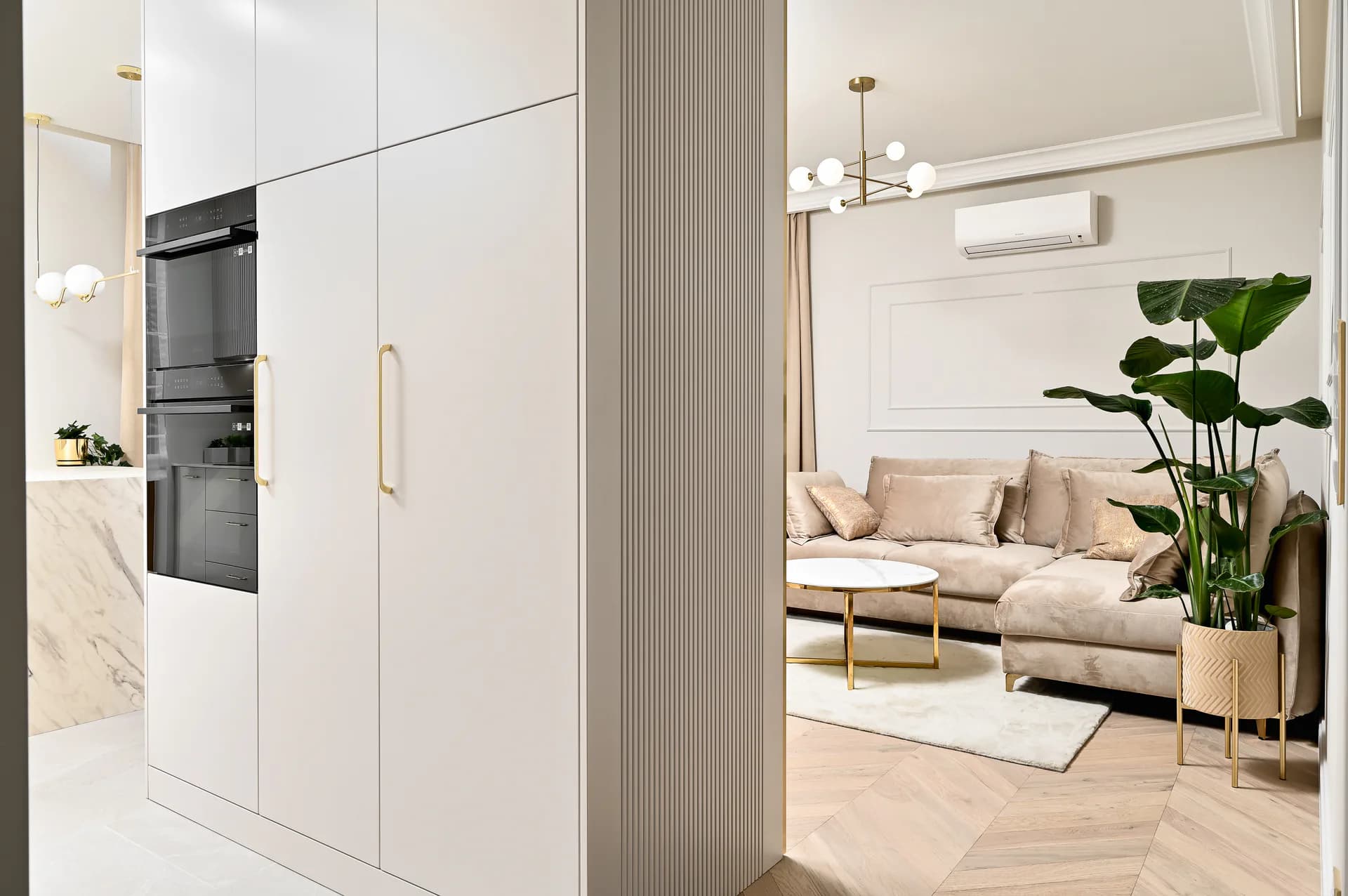
Kitchen floor panels are a modern solution that effectively replaces traditional ceramic tiles, offering a wide choice of wood-imitating designs…