

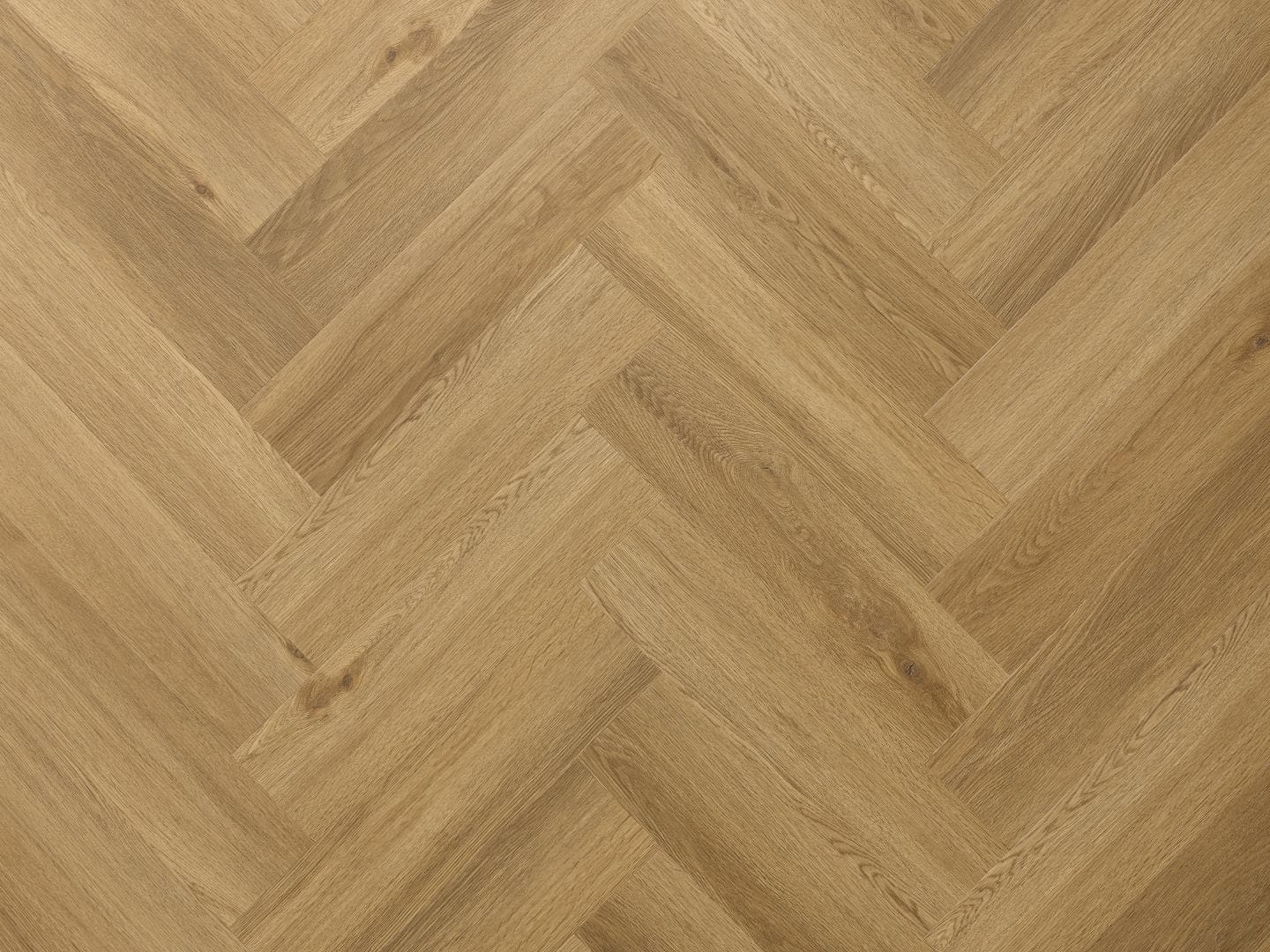
Collection: Arbiton Amaron Herringbone, JODEŁKA KLASYCZNA
Oak Burbon
ArbitonVinyl and laminate flooring
Herringbone floors are strips joined at right angles in a regular zigzag – here mainly solid and engineered oak parquet, plus vinyl and laminate versions of the same pattern, from brands including KACZKAN, Lareco and Pacific Vinyl Floors. This look doesn’t get lost in a narrow hallway or a large living room. When choosing, pay attention to the strip size: a shorter, narrower strip gives a denser, more traditional pattern, while a longer one feels calmer.
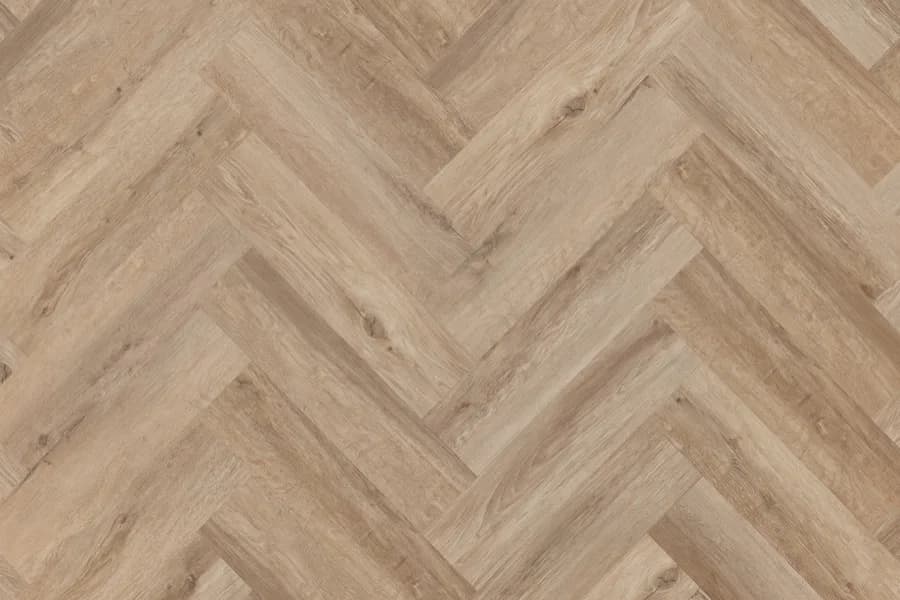
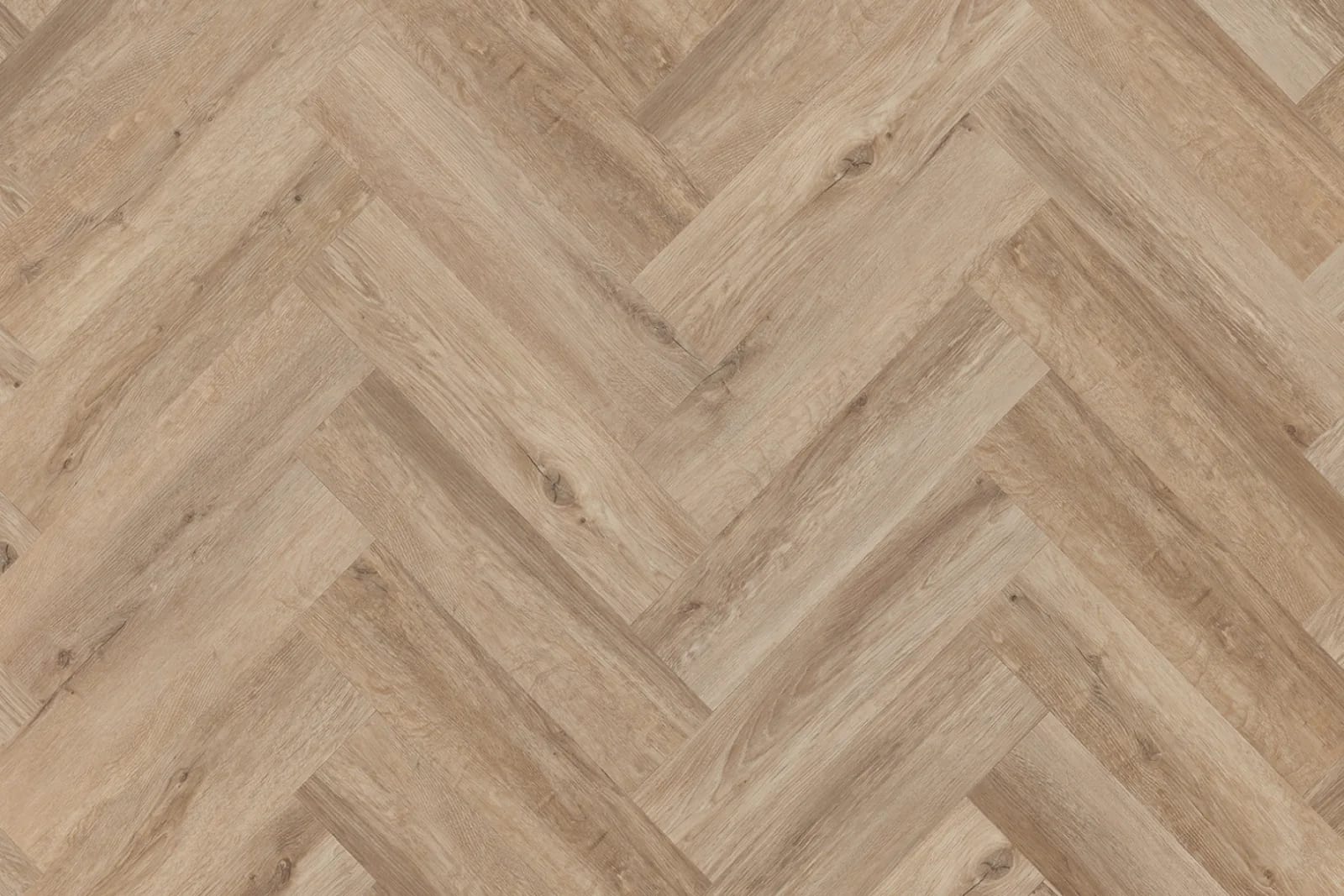
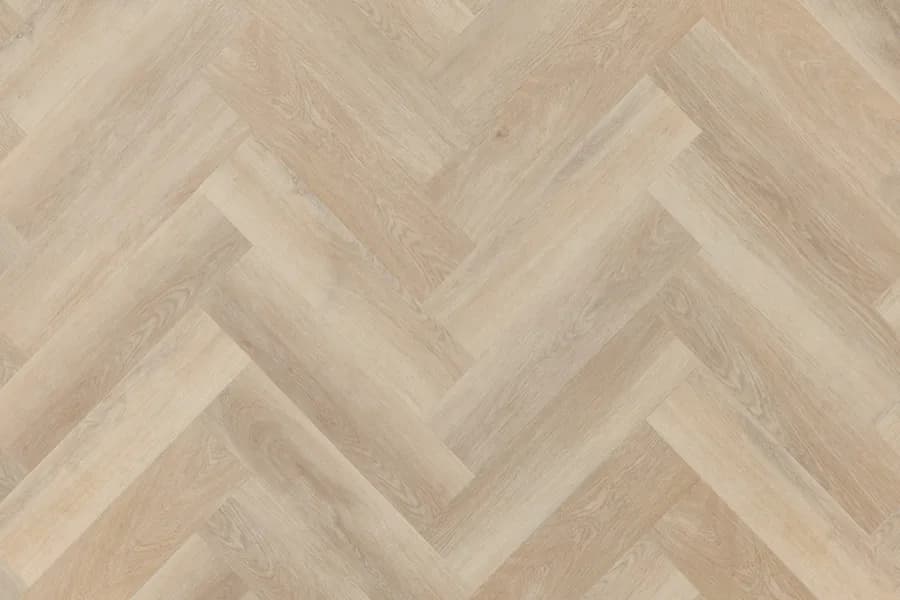
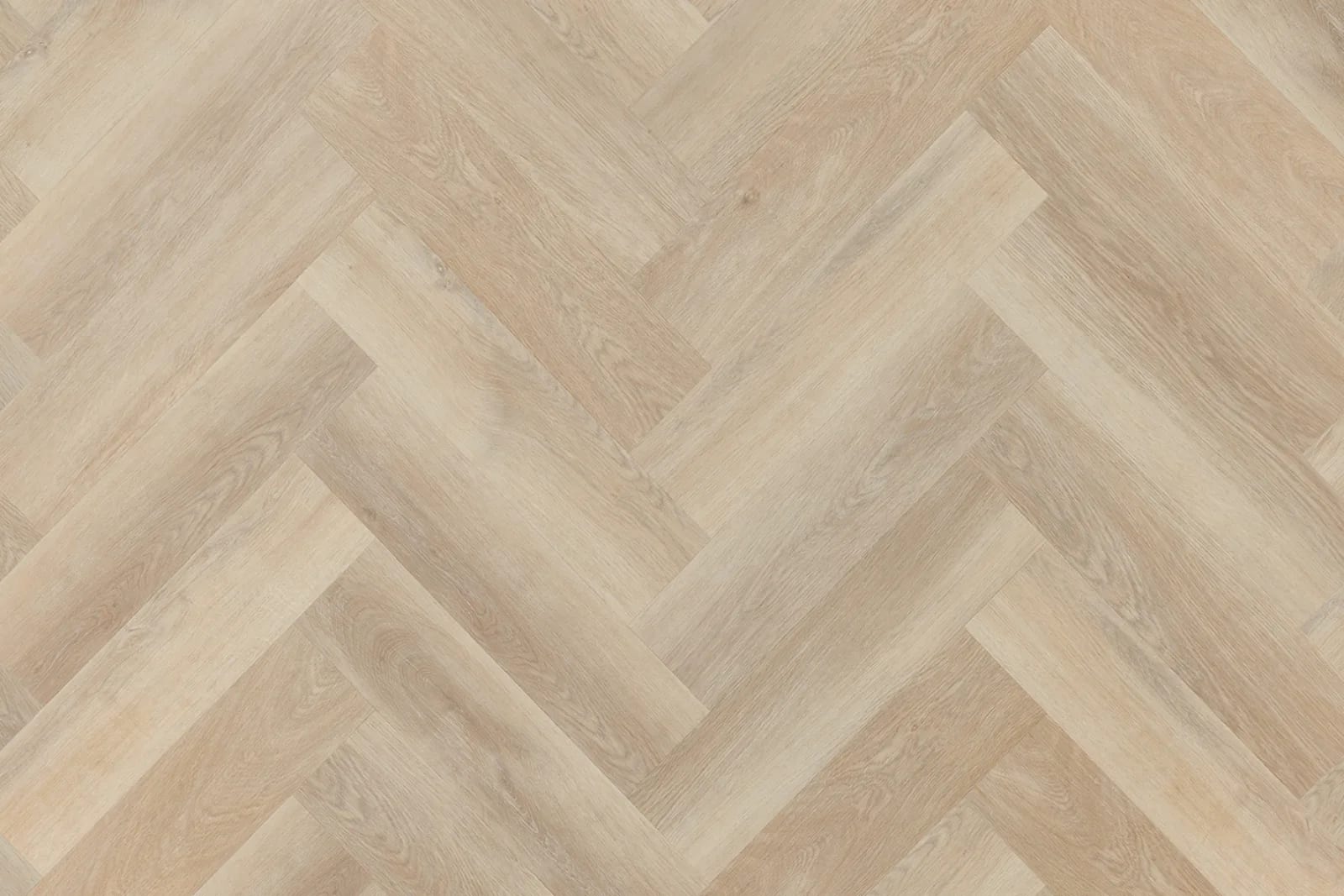
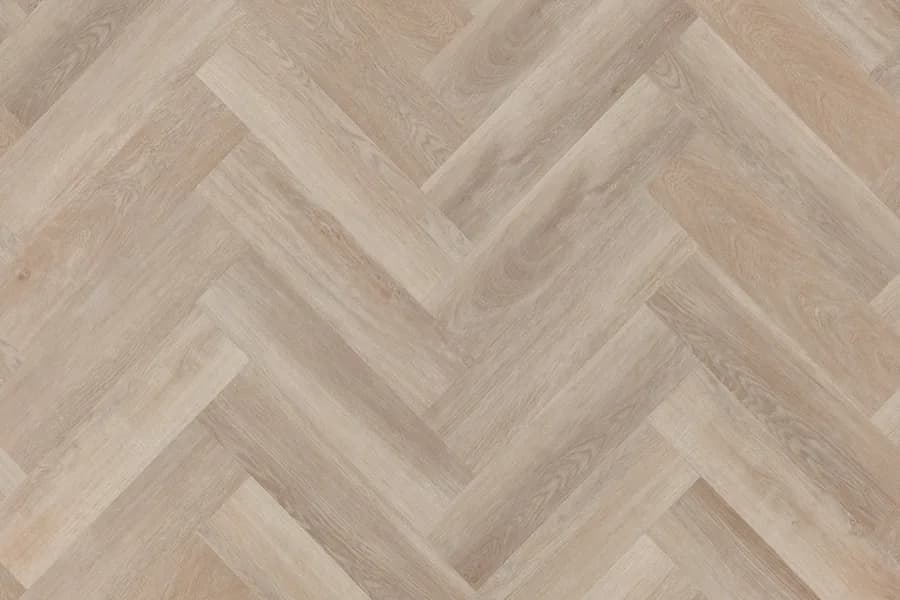
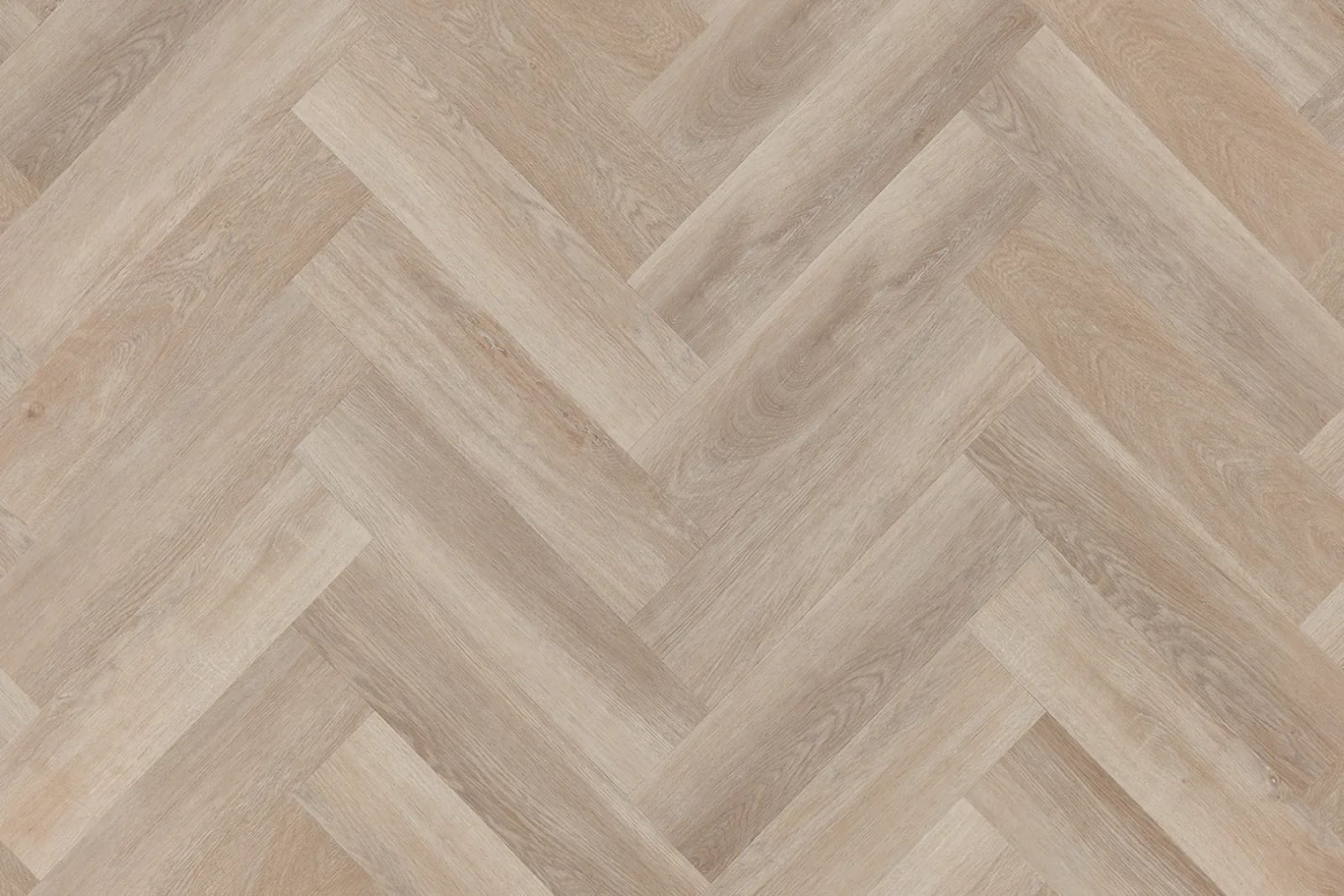
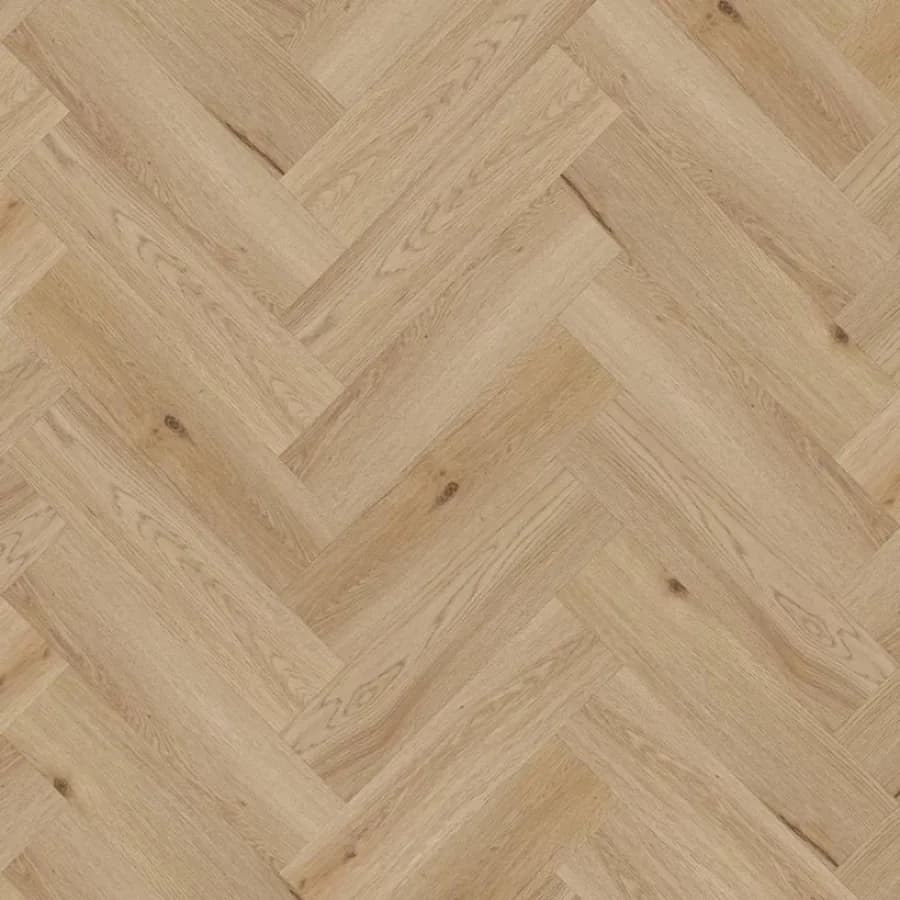
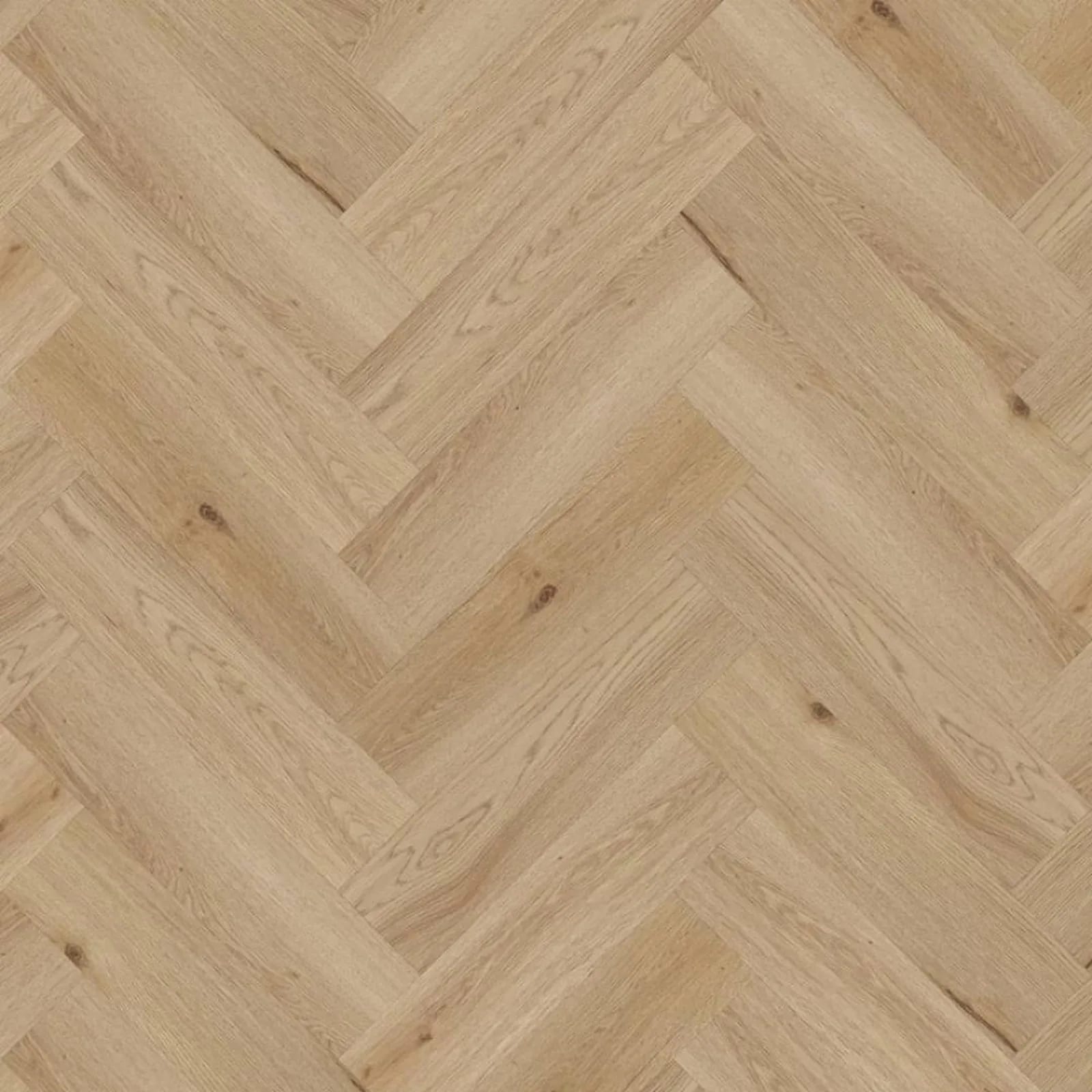
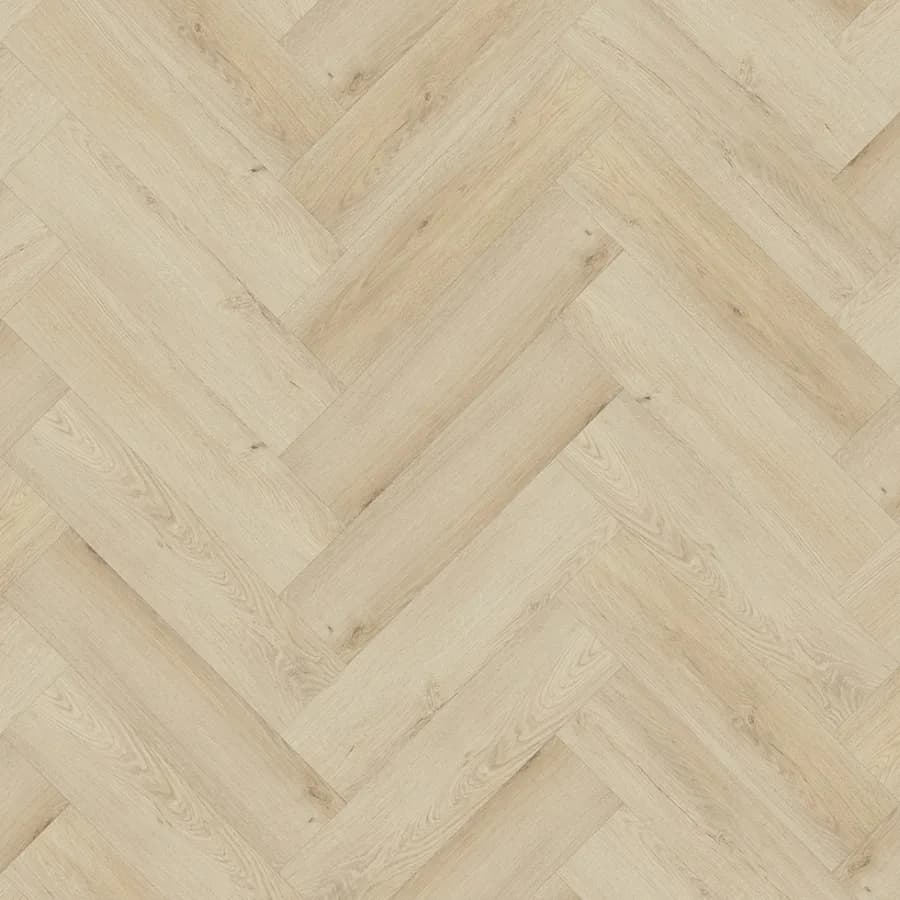
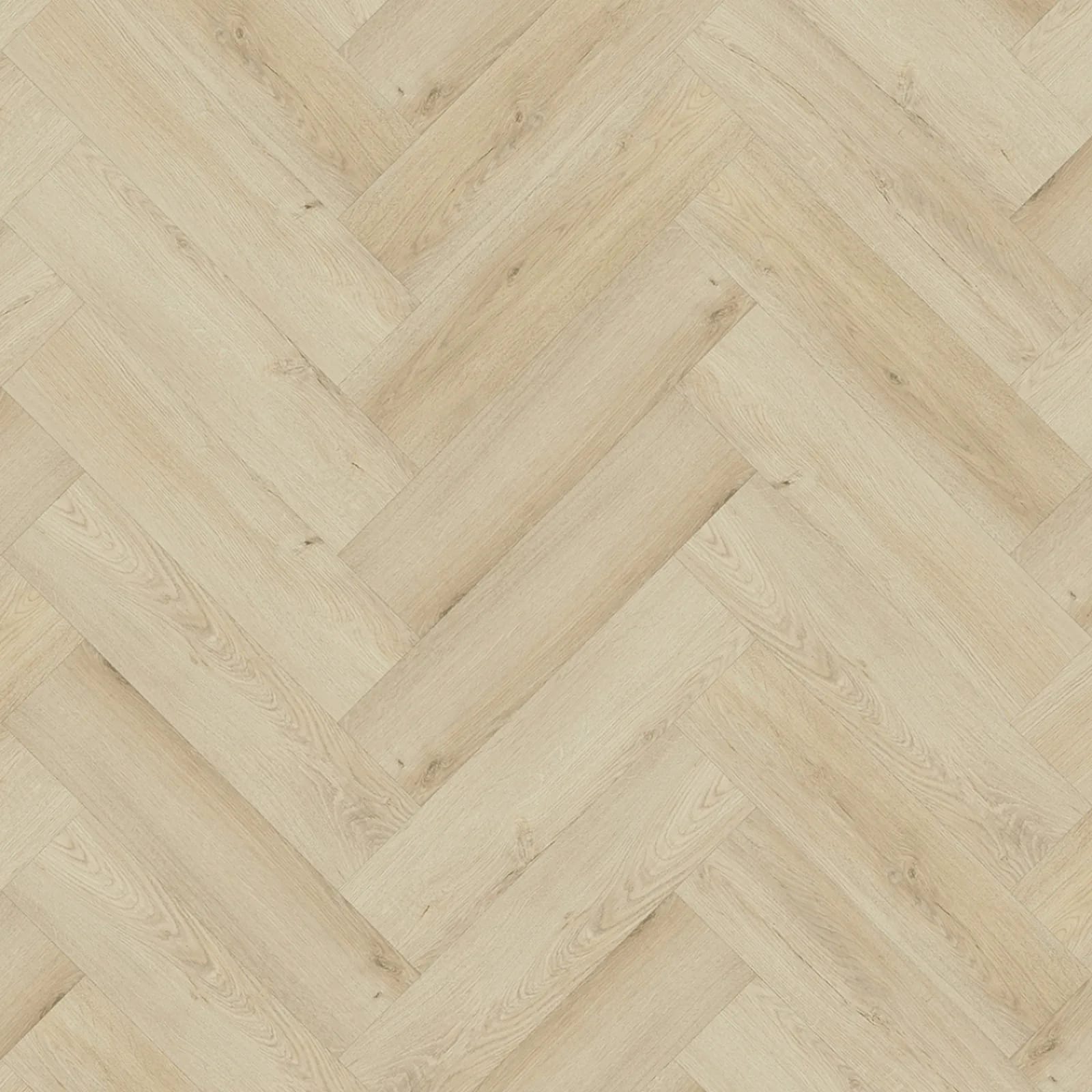
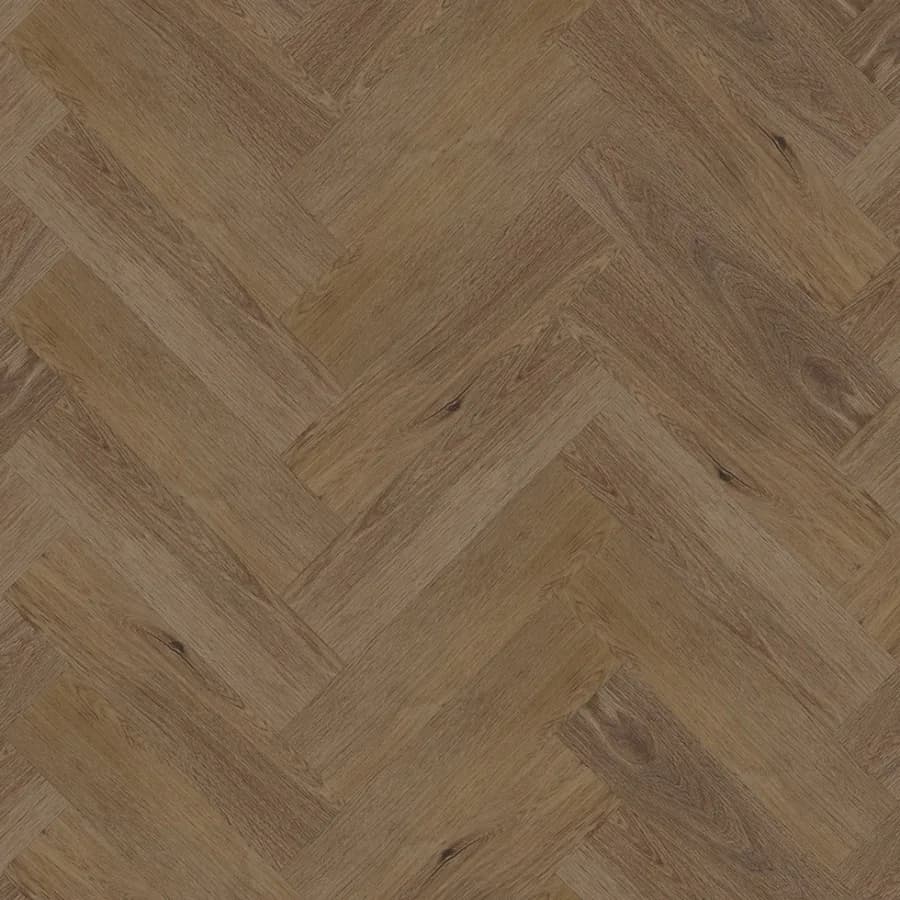
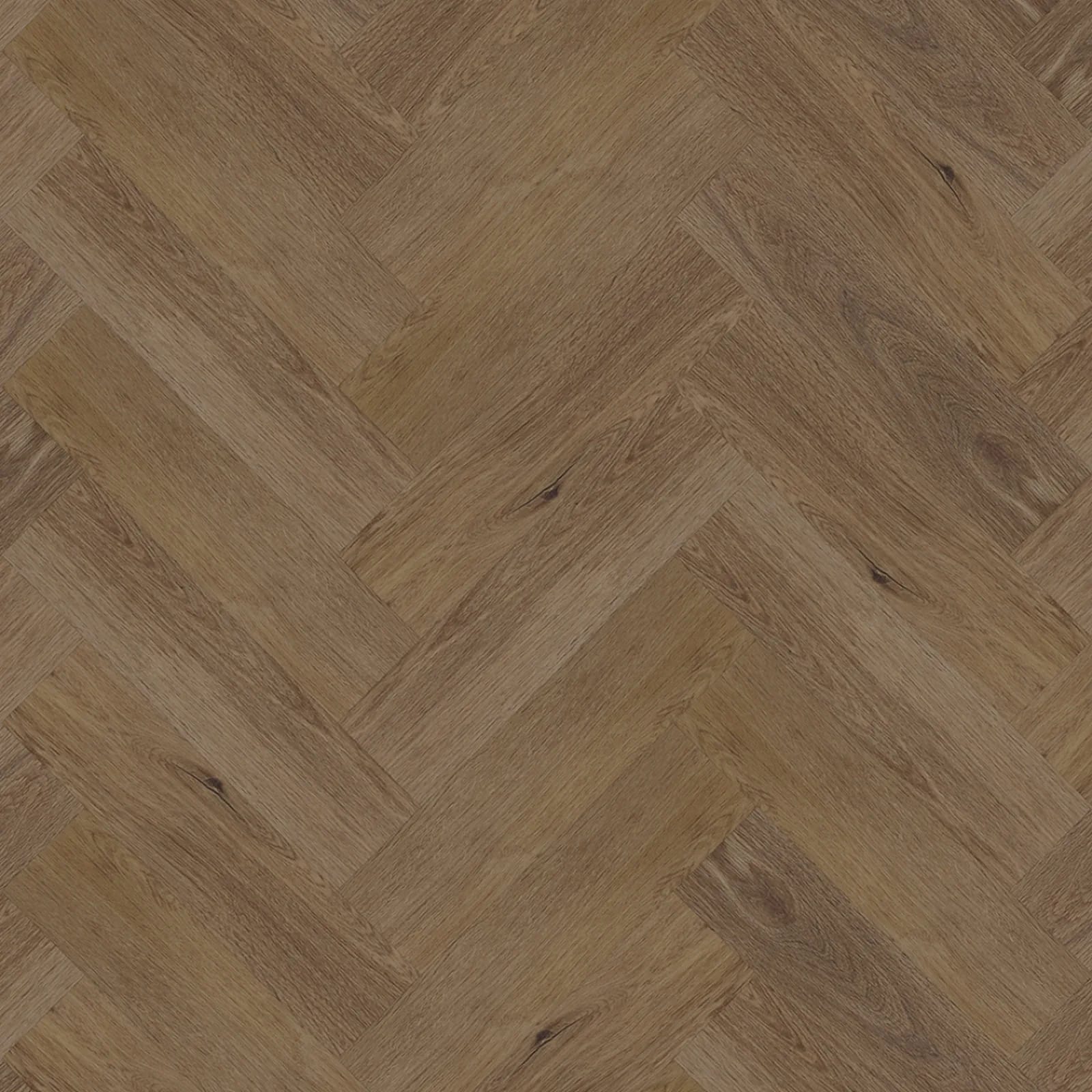
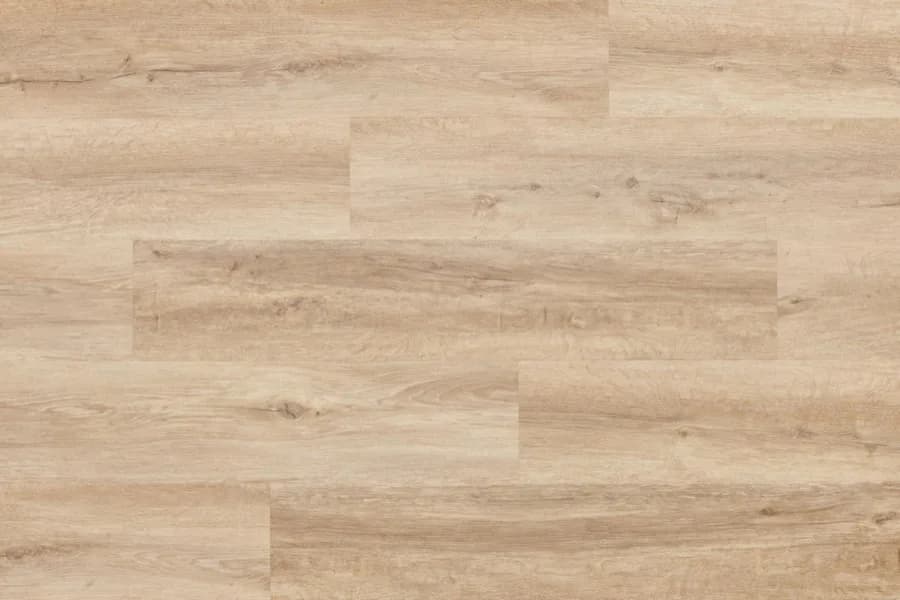
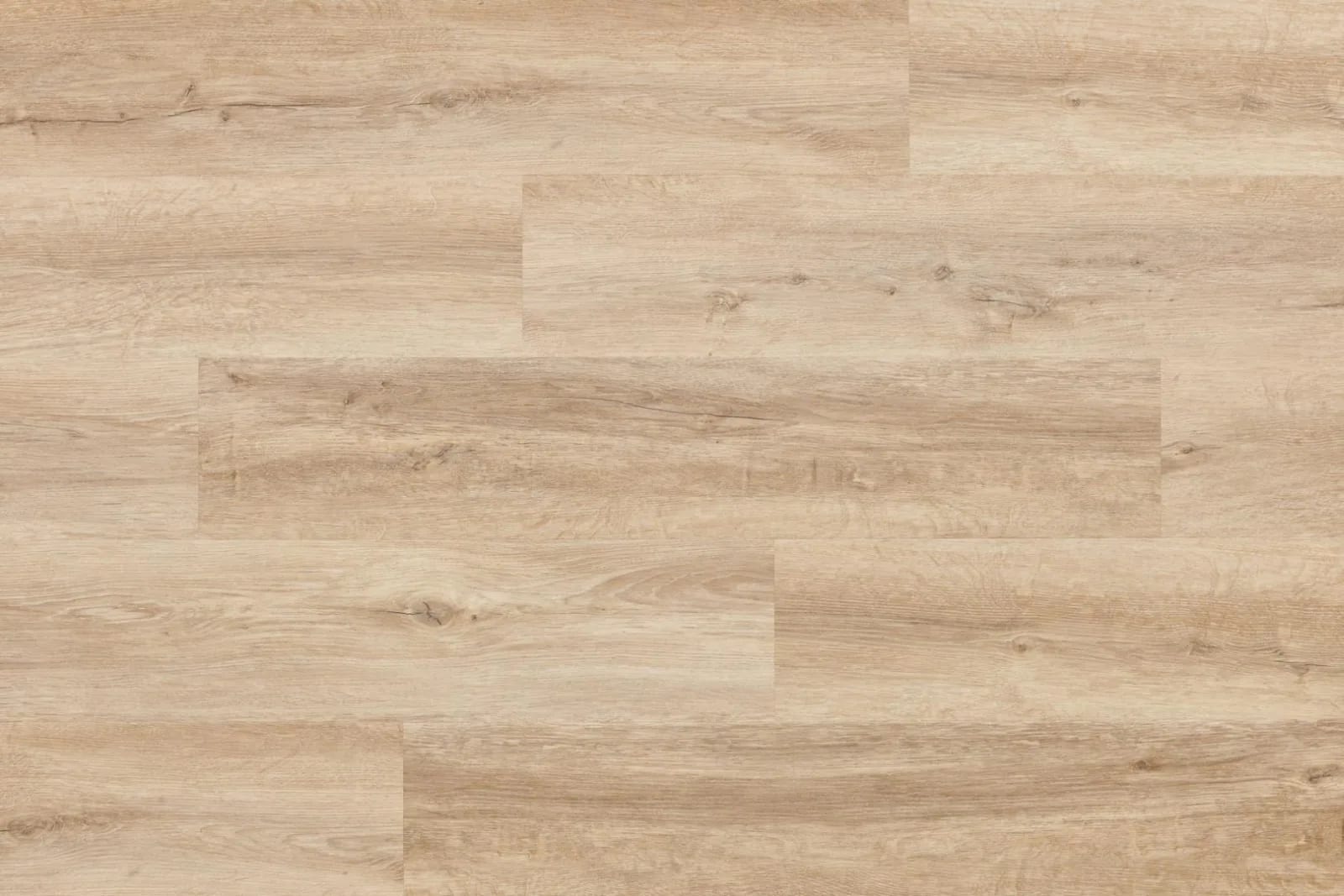
Parquet in a classic herringbone pattern is usually chosen when a clear, regular floor pattern matters. This layout is based on a 90° angle, which means the pattern stays easy to read both on smaller sections of flooring and across a larger area. Wood floors make up most of the range, and more than a quarter of the range is vinyl and laminate in the same layout. The range includes, among others, KACZKAN Amber Breeze & Cashmere, Boen Oak Soft Brown Live Matt, Lareco Oak Amber Natur and Pacific Vinyl Floors Amber Oak, so you can compare several constructions with a similar visual effect. Alongside wood, there are also vinyl and laminate versions, so the same layout can be paired with different installation methods and surface finishes.
Classic herringbone shapes the surface a bit differently from a long board, because it doesn’t lead the room so strongly in one direction. The regular rhythm of shorter pieces spreads the pattern across the floor quite evenly and shows more quickly whether the installation lines have been set out properly. In an open-plan living area, that makes it easier to keep one repeatable layout, without the feeling of the room being pulled strongly in one direction.
With this pattern, it’s quicker to spot the quality of the subfloor preparation and the installation itself. Uneven screed — that is, the base layer under the floor — traces of old adhesive or a badly set-out line usually show up more clearly than with a classic board. In practice, that leads to uneven joints, hollow sounds or a shifted pattern at transitions. With underfloor heating, the final result still depends on the parameters of the specific model and the condition of the subfloor, not on the herringbone pattern itself.
In classic herringbone, it’s not just the material that matters, but also the size of each block. Shorter and narrower pieces make the pattern denser and increase the number of joins, while longer formats give the surface a calmer division. From an installation point of view, consistency of size also matters, because even small differences build up faster across successive rows than with a parallel layout.
The joint construction matters too. In many systems made for classic herringbone, you need to keep track of left and right pieces, or check that the locking profiles match, as specified by the manufacturer. In other words, the tongue and groove or the locking system have to close alternately when turned by 90°. That affects unpacking the material, the order of the work and checking the pieces for compatibility before installation. Wood floors stay more stable at 18–24°C and 40–60% relative humidity, and with cleaning that isn’t too wet.