



Wood floors in this category are mainly oak engineered boards, with solid boards making up a smaller part of the range; the models come from KACZKAN, MAD and Lareco, among others. Oiled versions slightly outnumber lacquered ones, and almost the whole range is suitable for underfloor heating. Engineered boards cope better with heat from the floor and changes in humidity, while solid boards give you extra wood for future sanding. When comparing models, place an oiled and a lacquered sample in the same shade side by side.

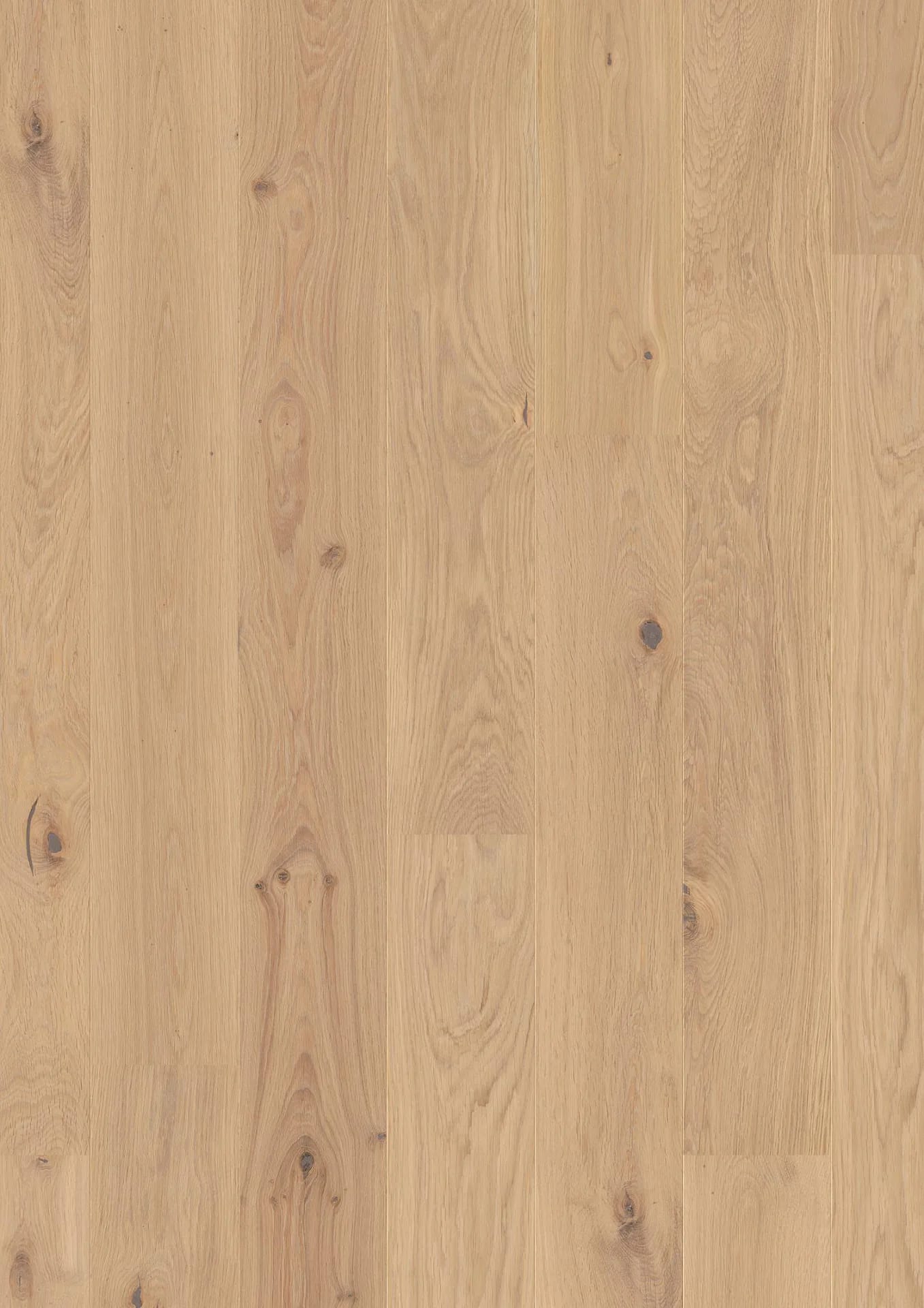

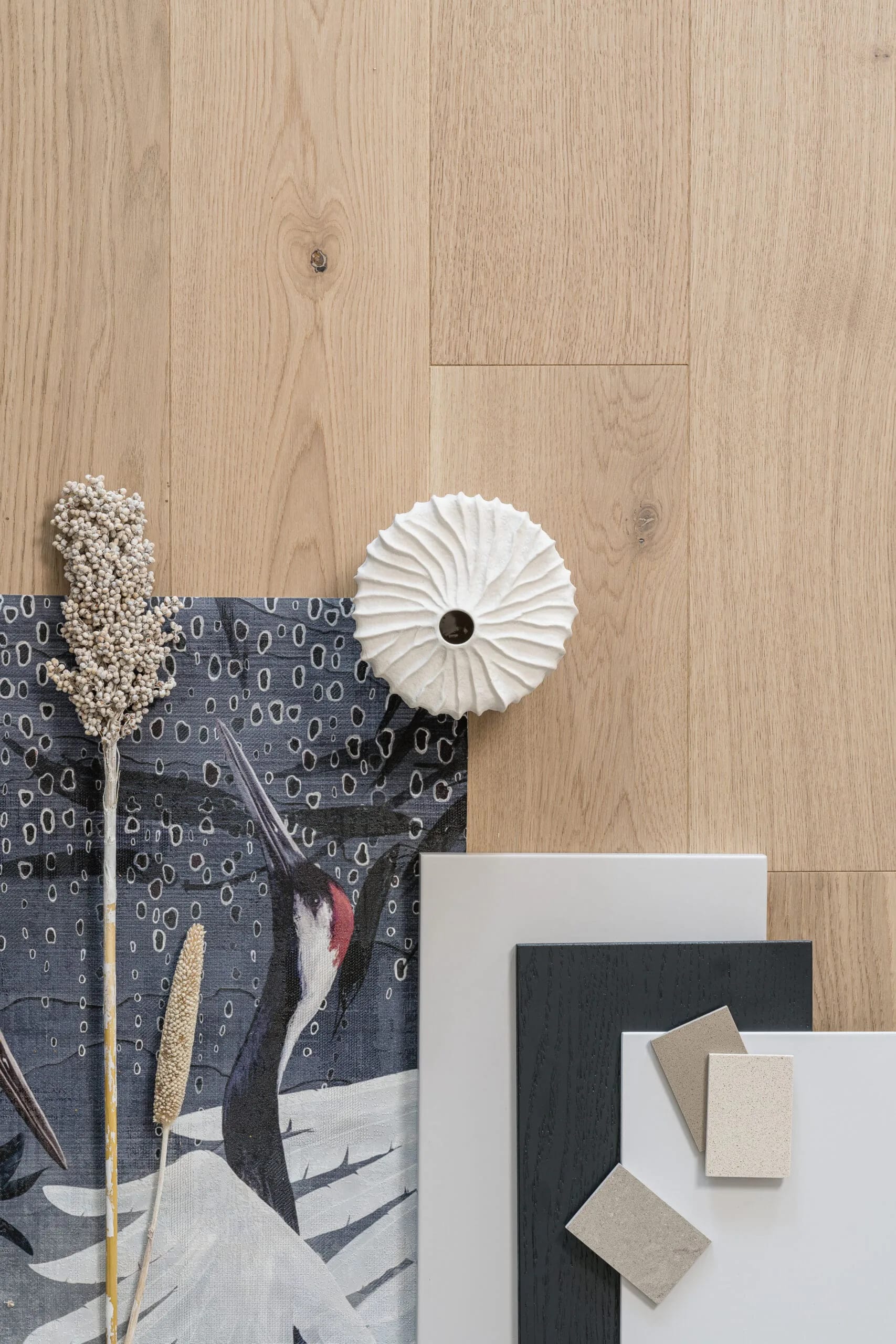
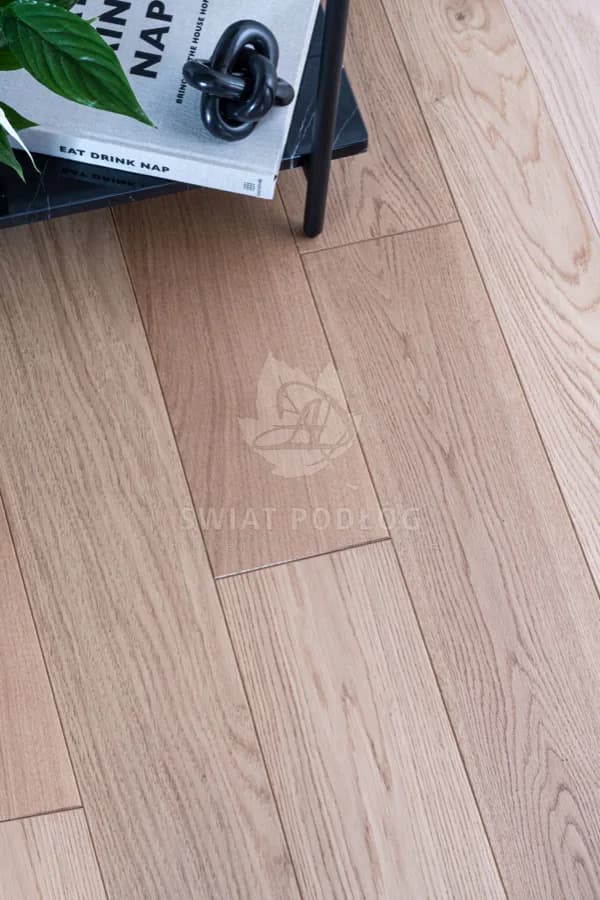
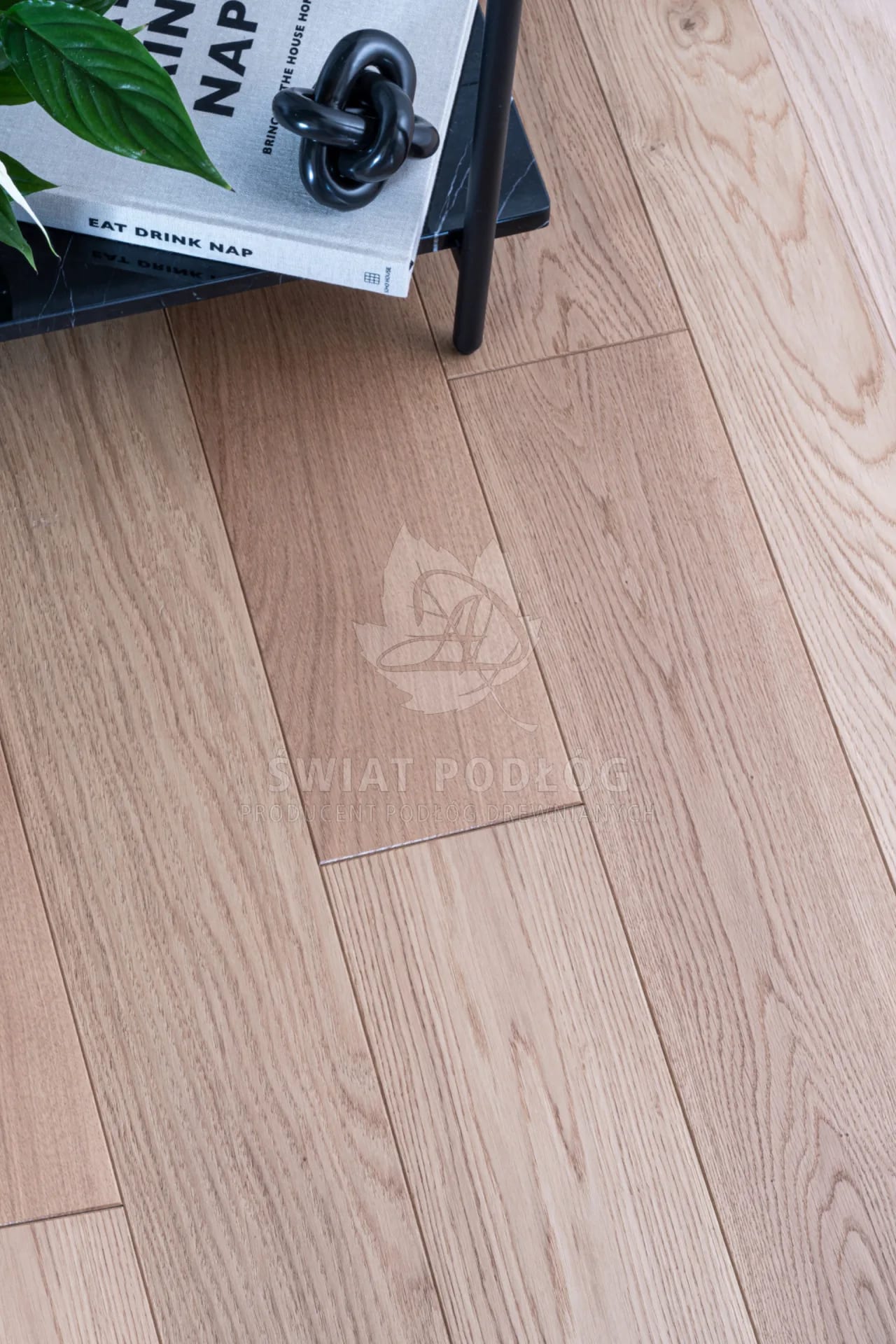


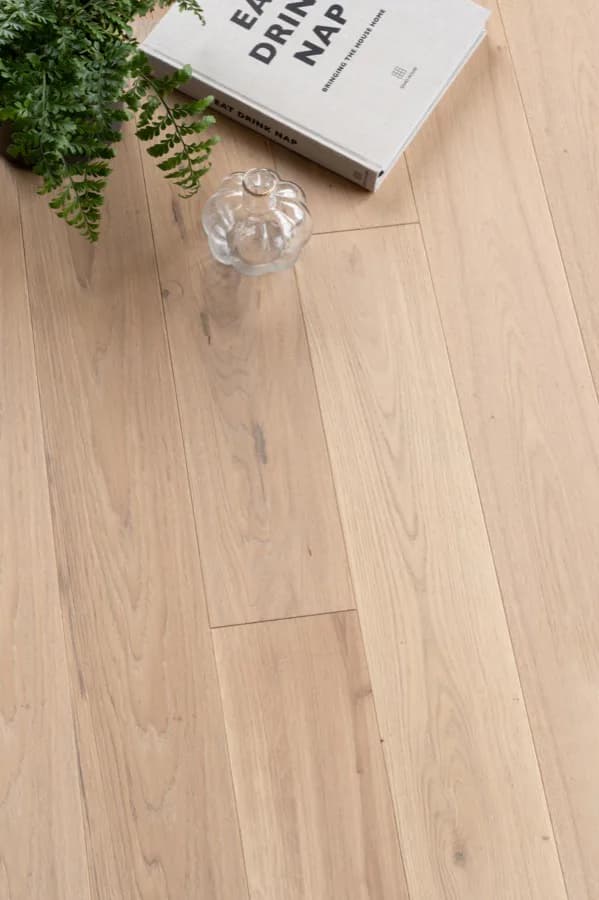
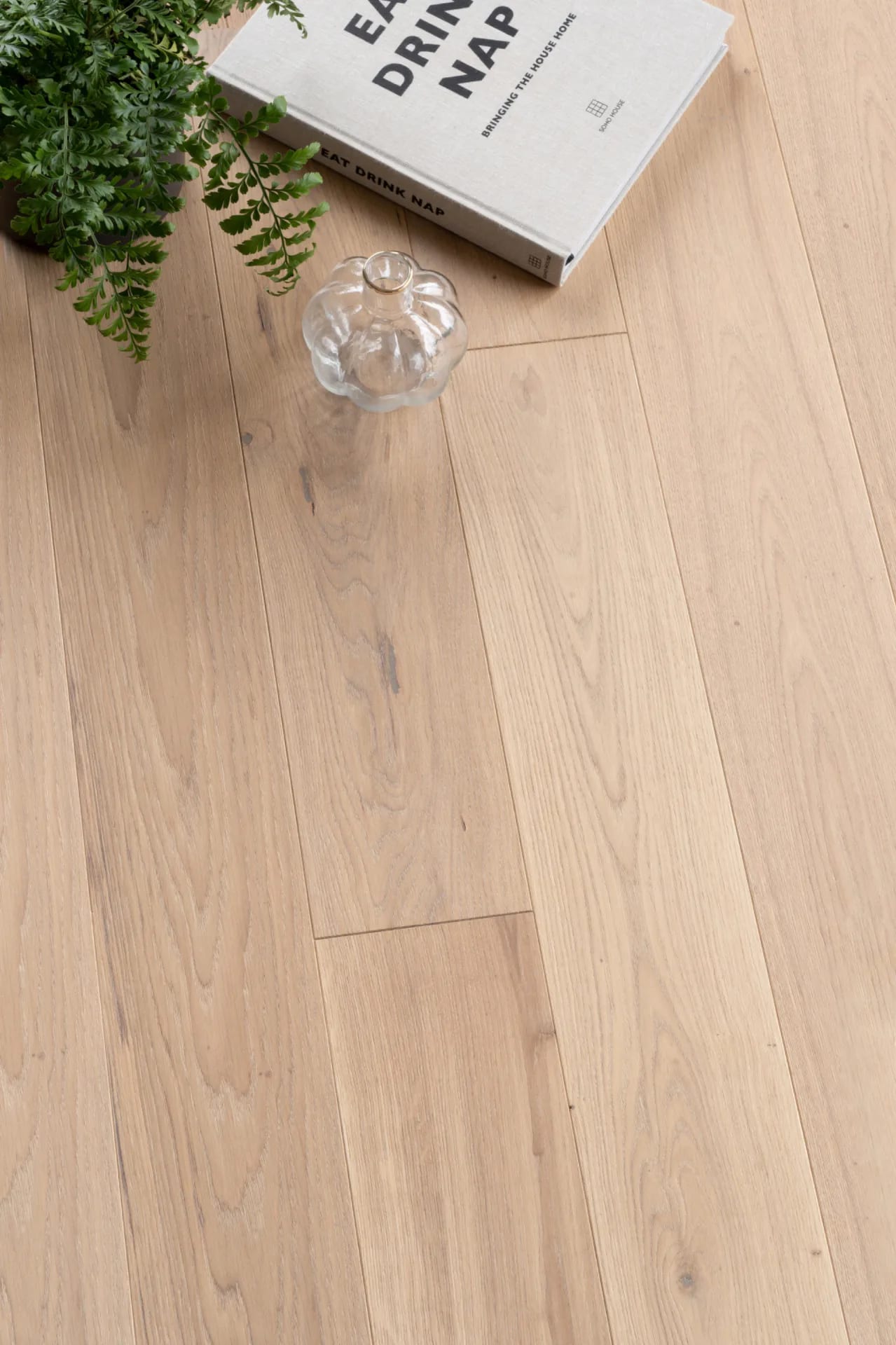
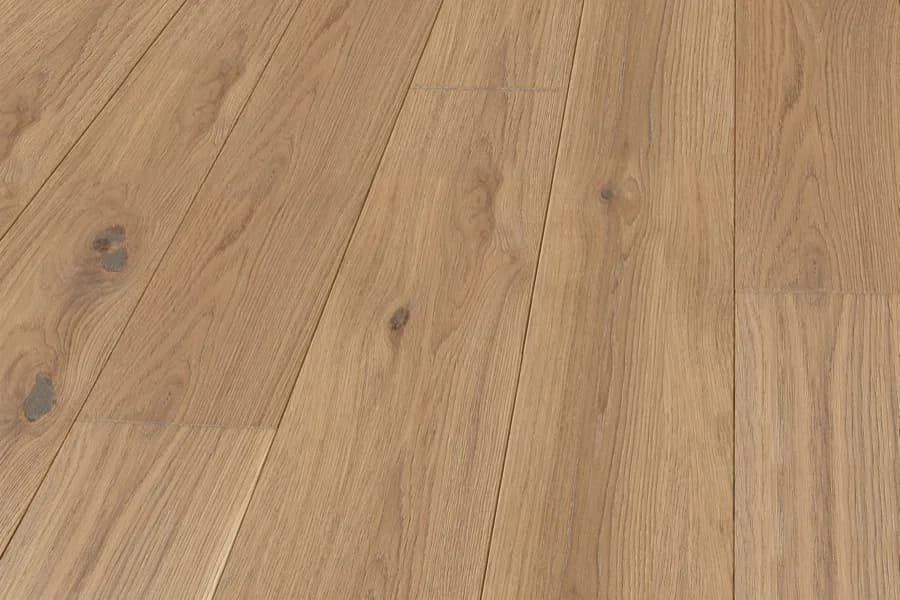
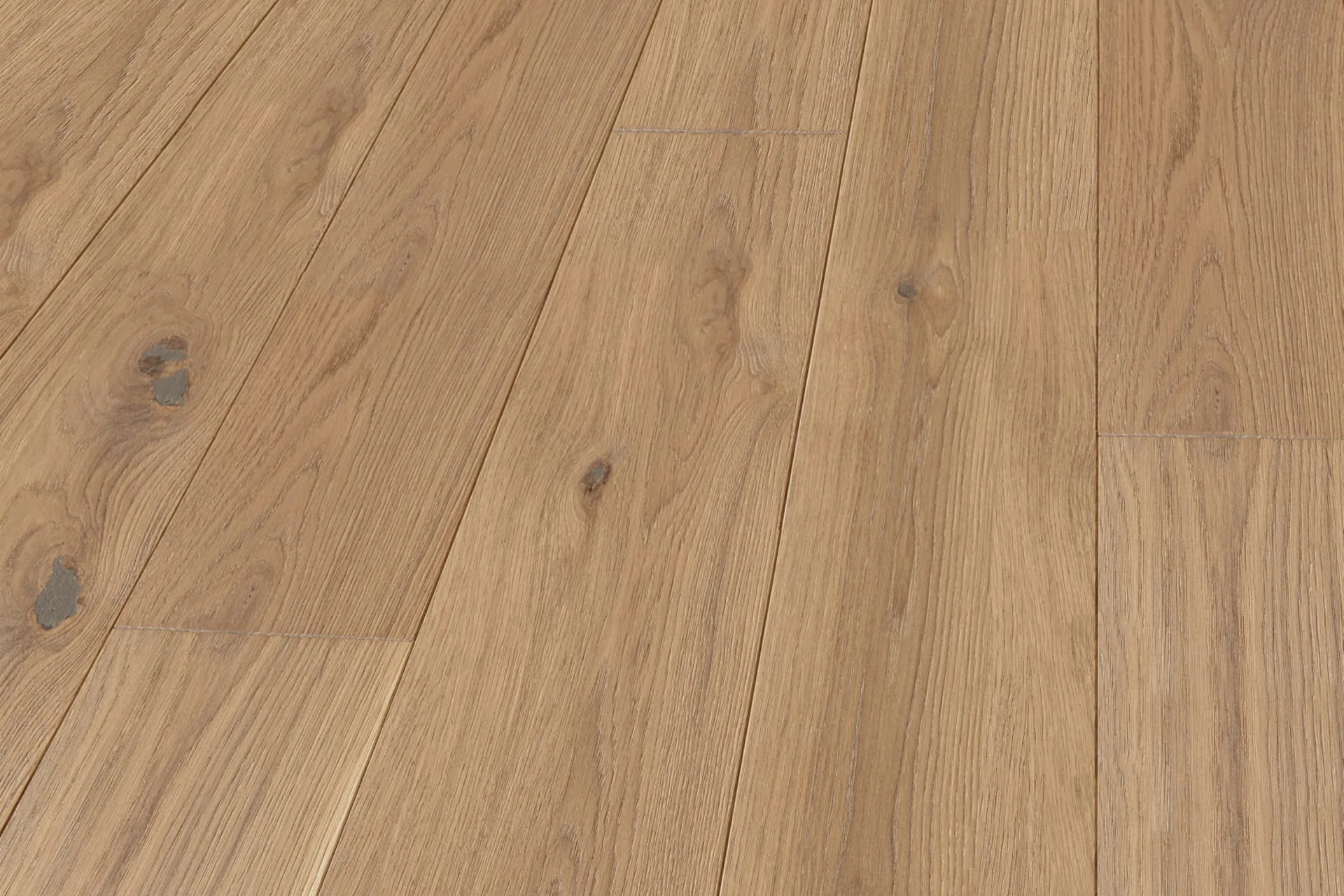

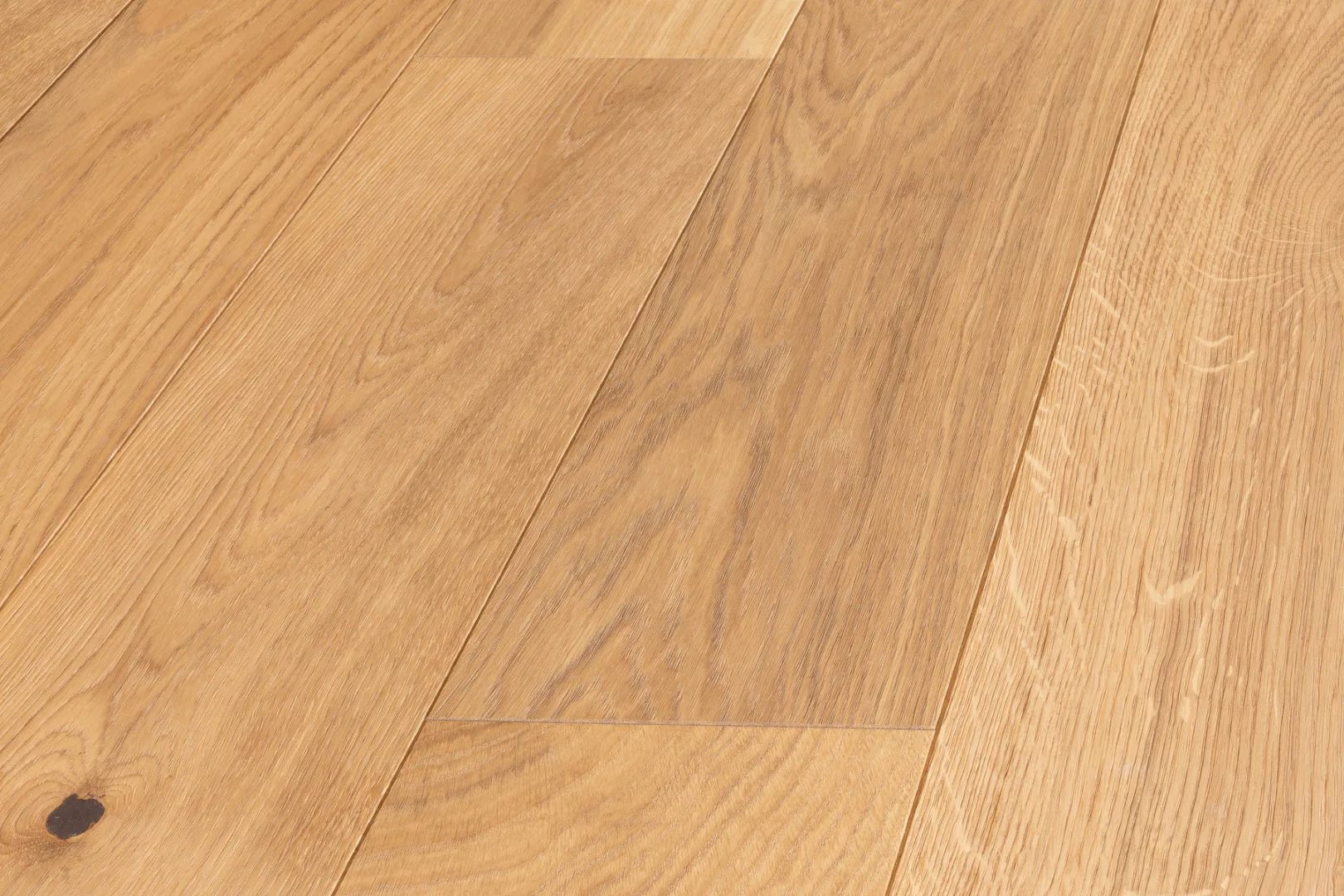



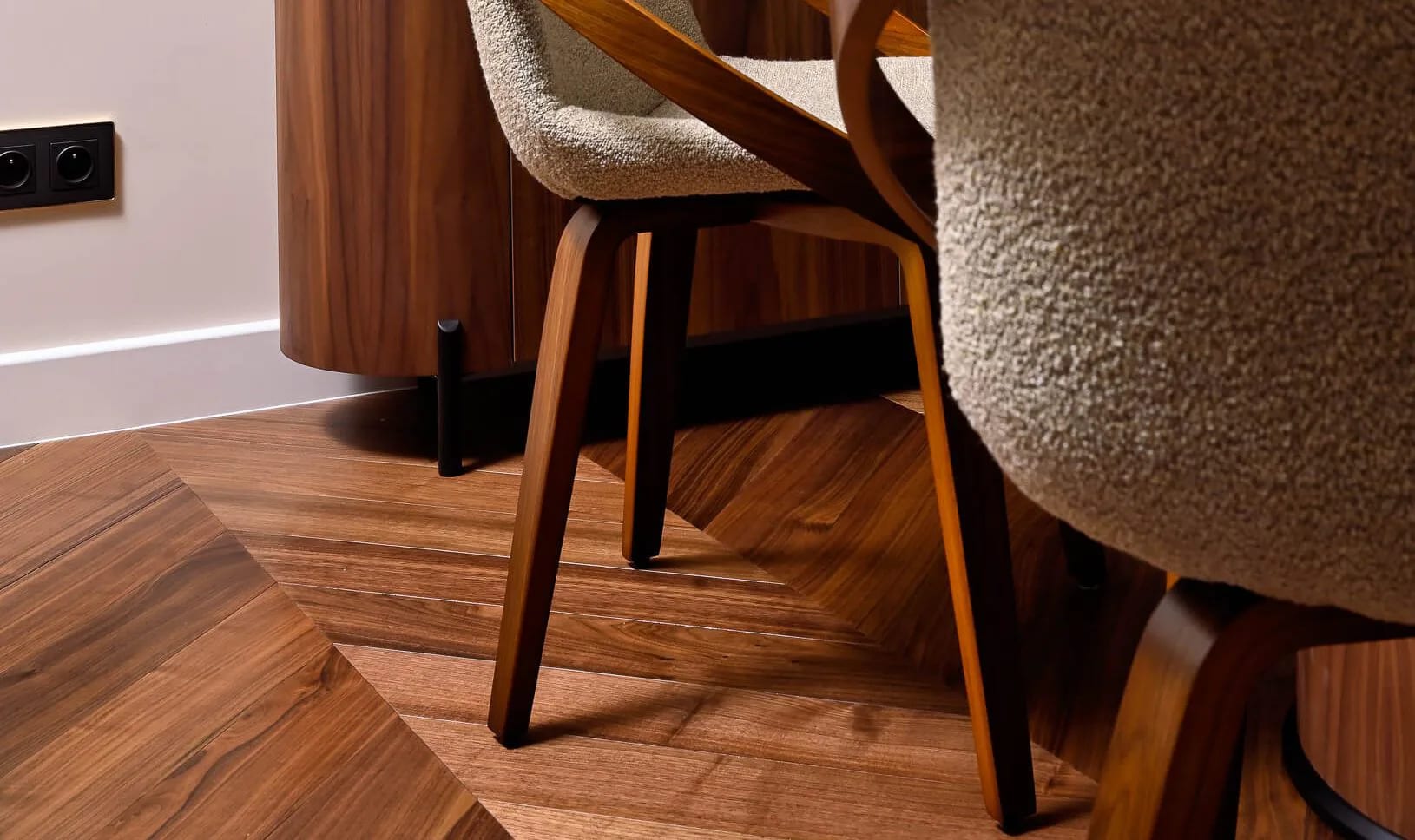
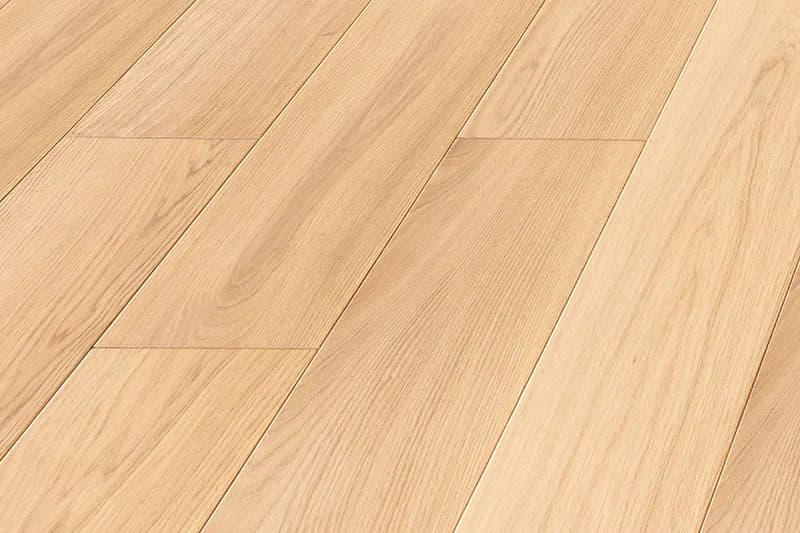

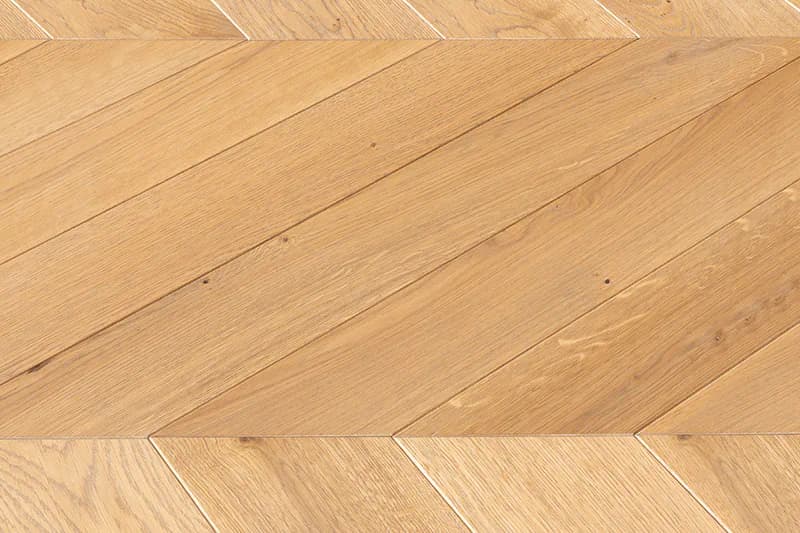

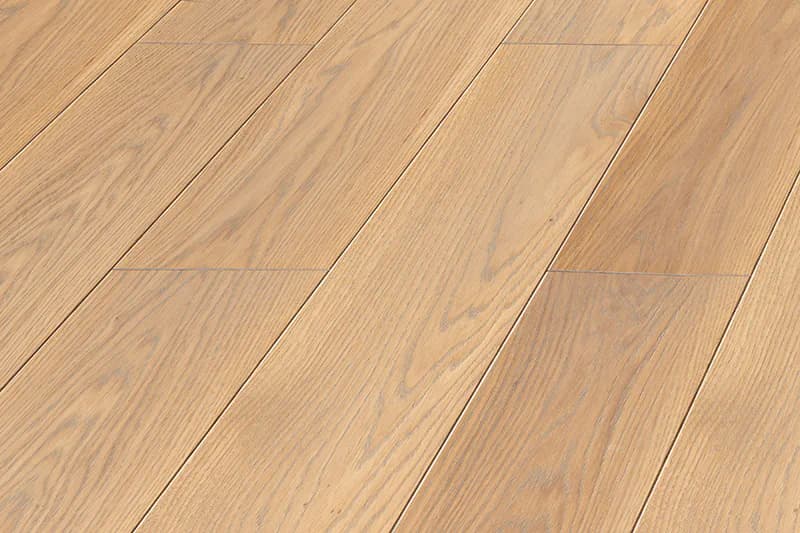


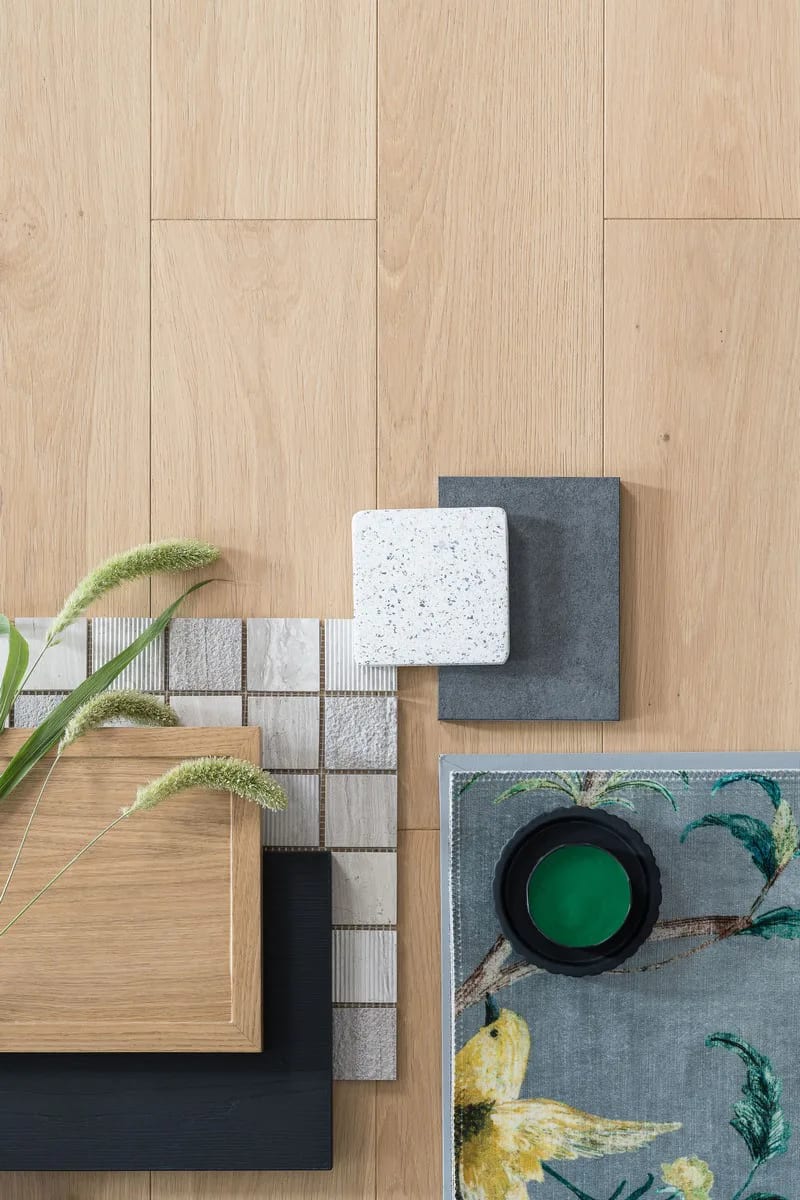
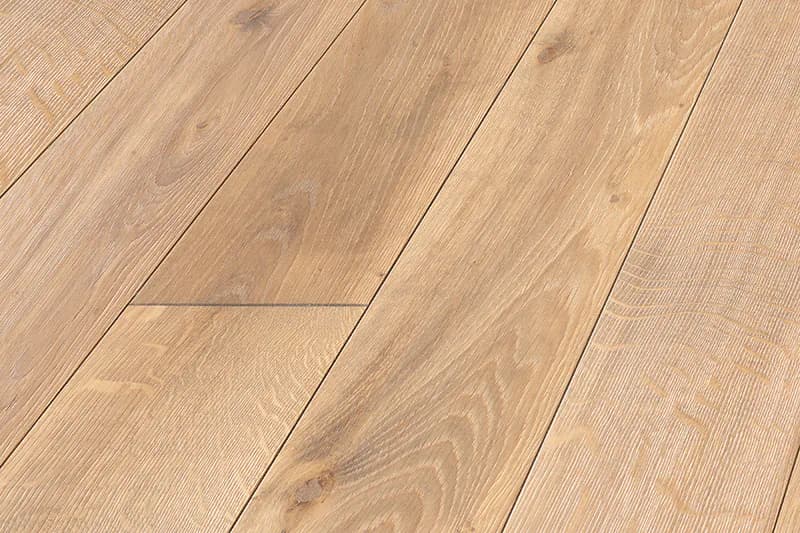
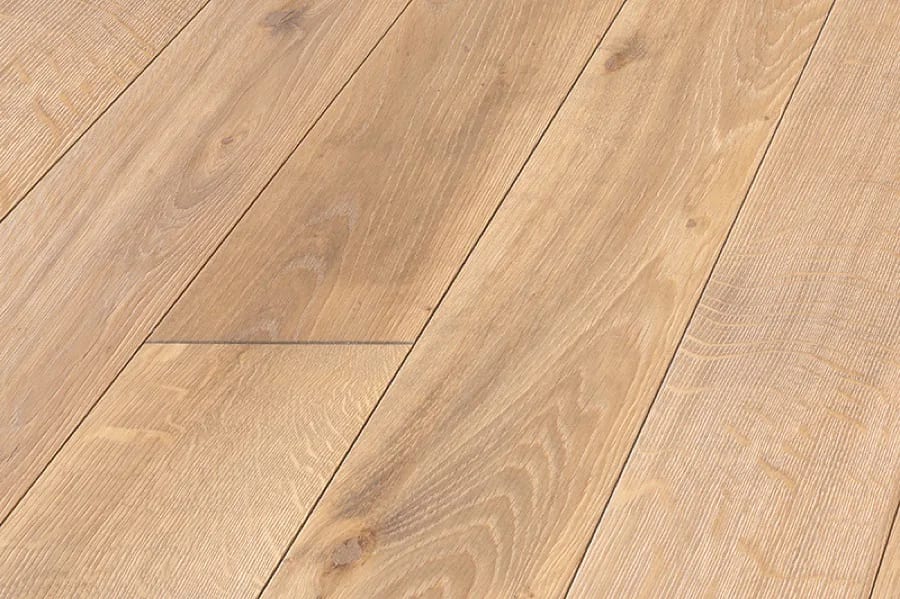

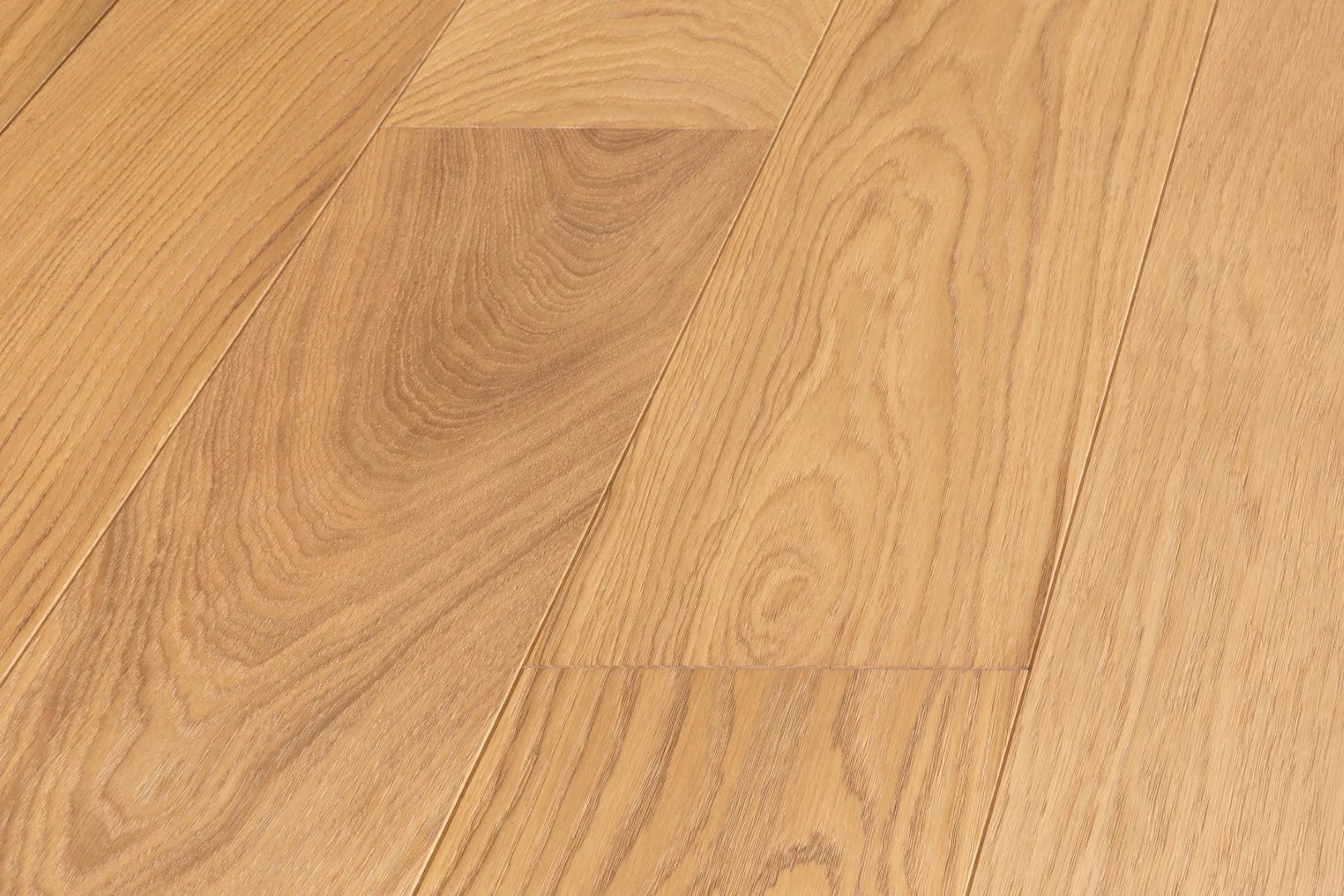


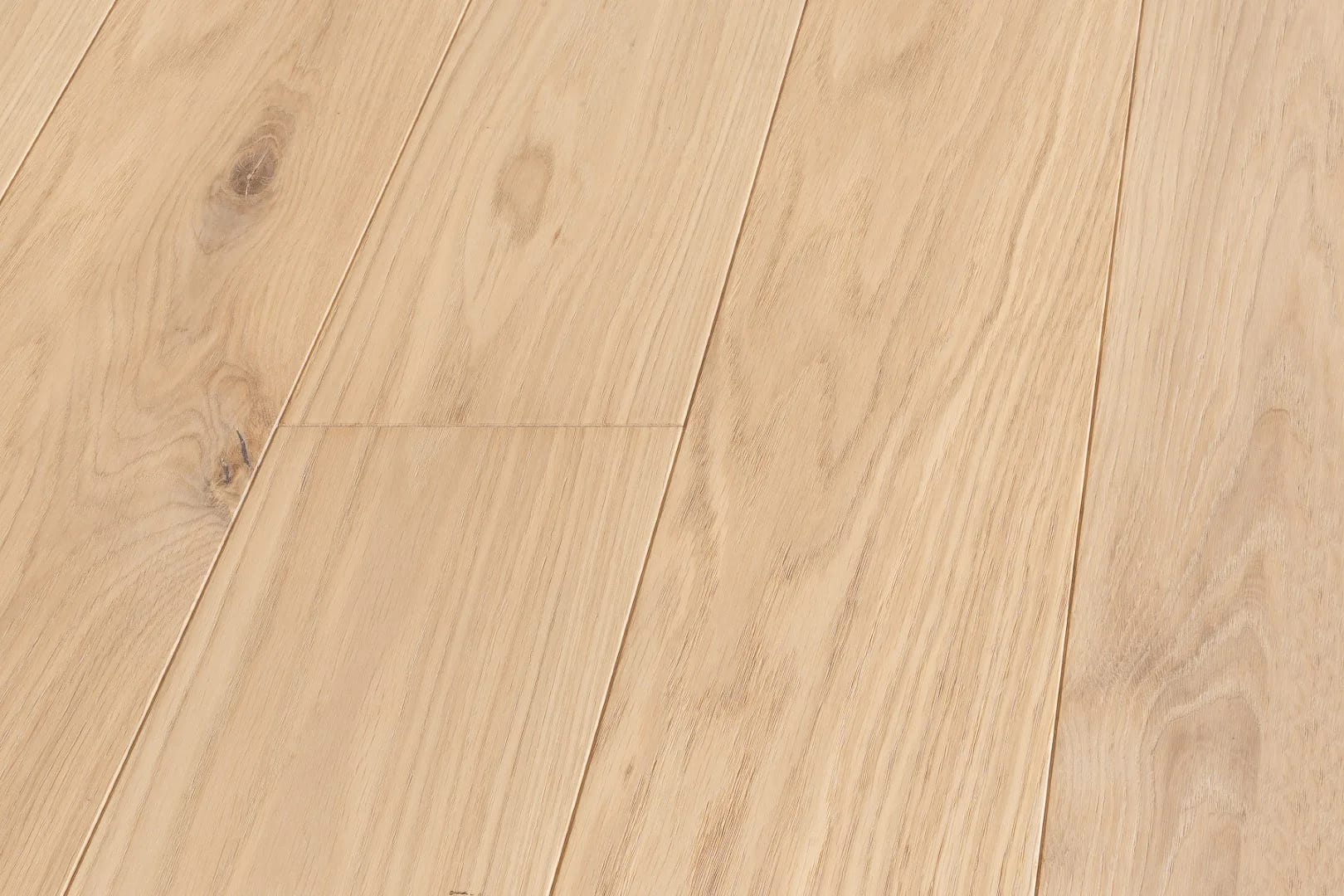

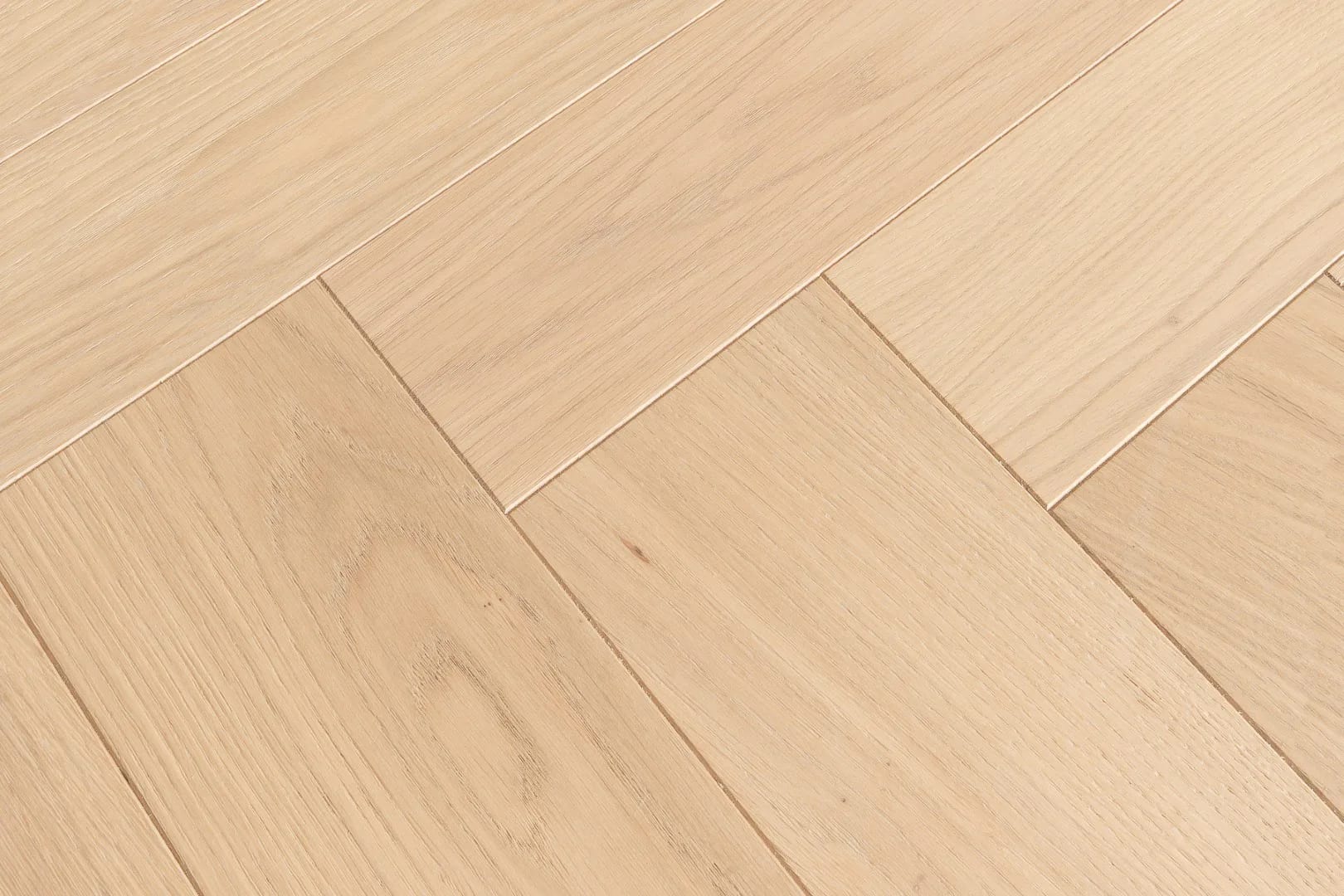

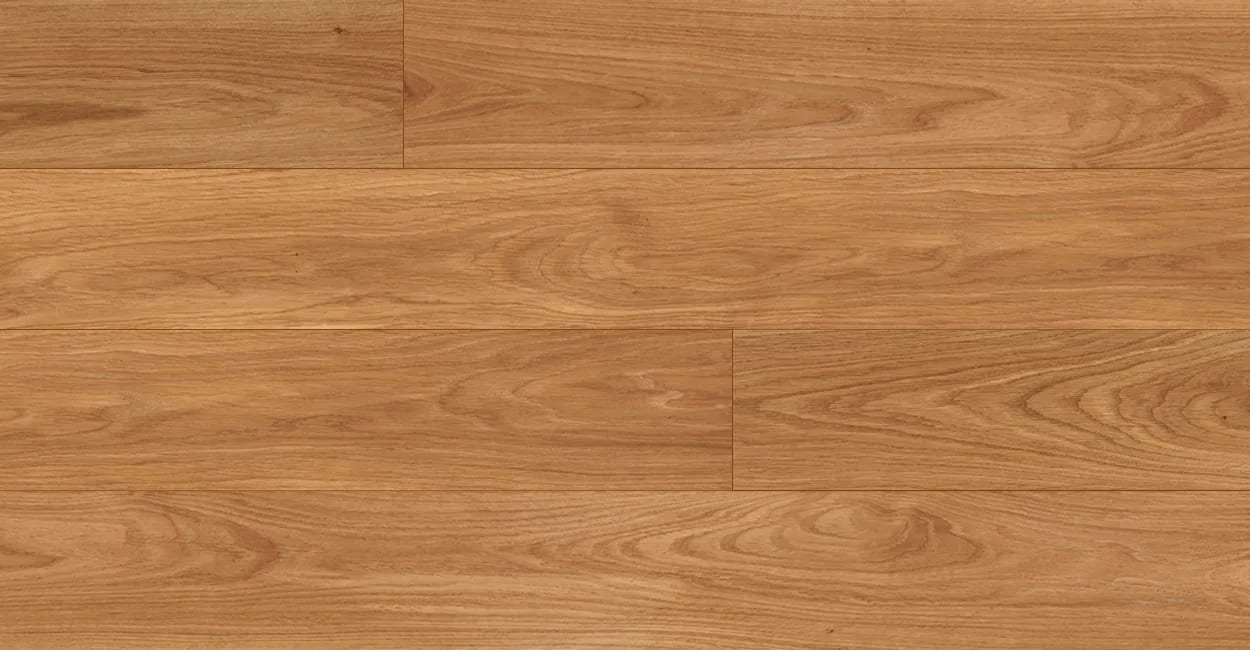

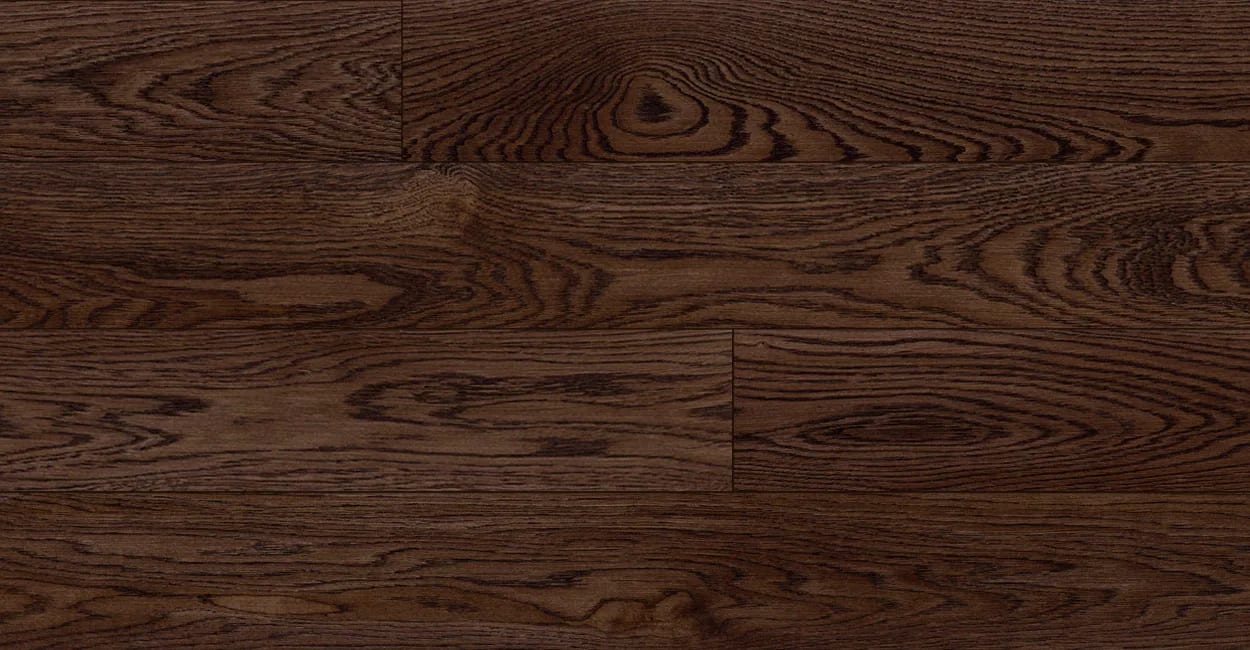

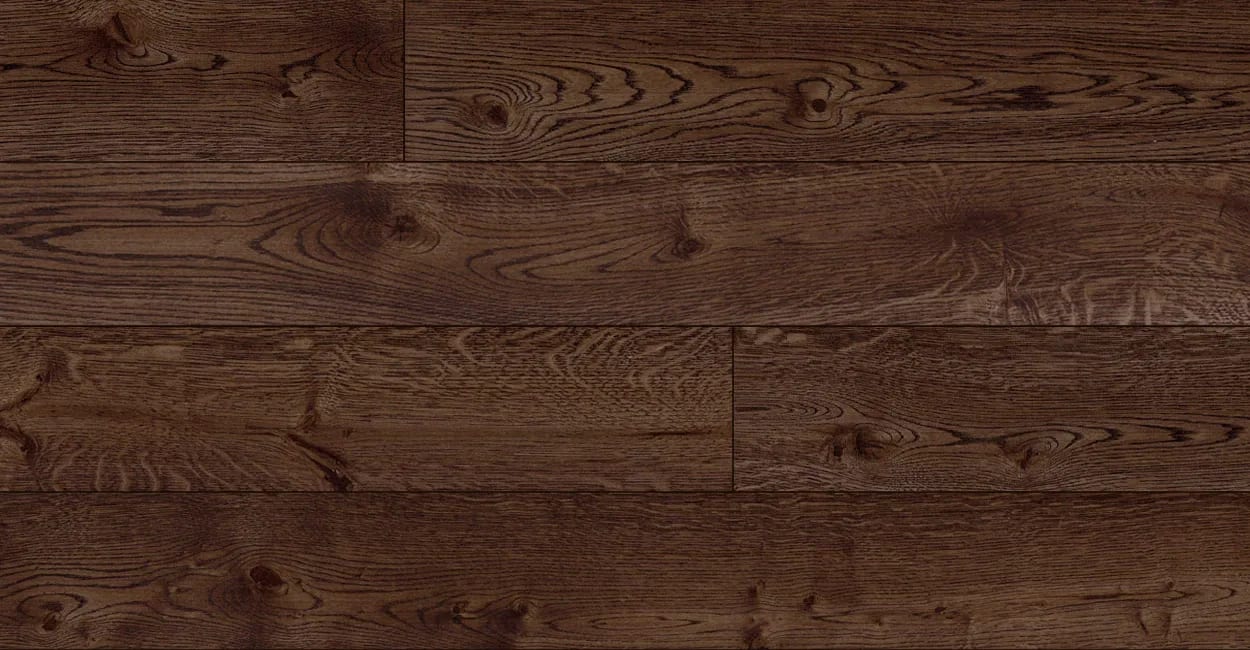

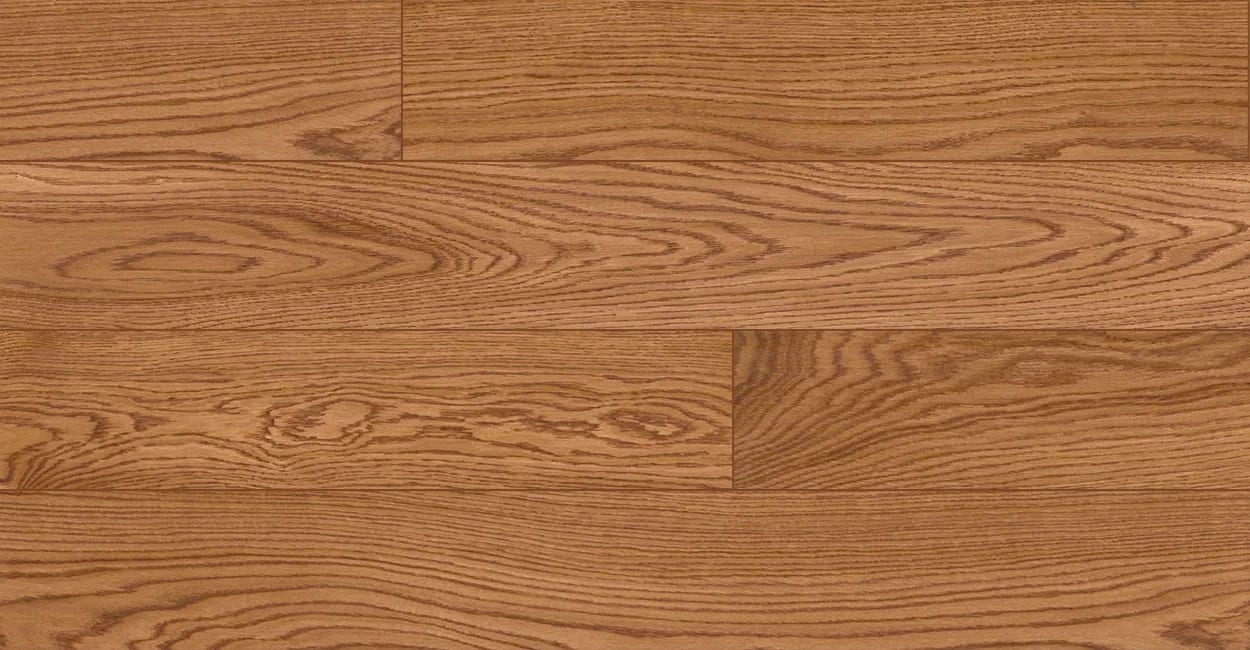
Wood floors in this category are mainly oak boards, most of them engineered (built up from several layers), with a smaller share of solid wood floors. When choosing one, colour on its own usually isn’t enough, because the overall look is also shaped by the board’s length and width, the bevel (a slightly chamfered edge), the grade of the wood and the type of finish. With engineered models, the board’s structure also matters: the layered build reduces the movement of the wood — in other words, how it naturally reacts to changes in humidity — compared with a solid board. That’s why two products in a similar shade can create a different play of light after laying, a different grain pattern and a different overall regularity across the floor.
The range is dominated by engineered boards with an oak wear layer, so when comparing models the product sheet really matters. What counts is the total thickness, the thickness of the top layer, the width and length of the board, whether it has a bevel — that is, a lightly cut edge — and whether the manufacturer approves the model for underfloor heating, if you have underfloor heating. These specs affect not just installation itself, but also how a larger area looks once it’s laid. The wear layer thickness also matters when it comes to future sanding and refinishing, so it’s not a secondary factor when buying.
The differences between products are easiest to see in the board format — meaning its width and length — and the grade of the wood. Wider, longer pieces create a calmer layout, while shorter or narrower ones break up the floor pattern more clearly. A Natur grade limits the amount of contrast and knots, while Rustic shows off the variation in oak much more strongly. The finish is still important, but here it mainly plays a supporting role alongside the construction and format: lacquer, hardwax oil or brushing change how the light reflects and how clearly the grain shows, but they don’t replace the information about size and grade.
This category includes, among others, Baltic Seaside (KACZKAN), Oak Amber Natur (Lareco) and Forest Oak Rustic (Bory Polskie). These are models from several brands, showing the differences within oak wood floors without going beyond the scope of this page. MAD is also widely represented and accounts for a large share of this category, so when comparing products you’re not limited to a single brand.
With these models, comparison is based on the product sheet: board format, presence of a bevel, type of finish, construction and wear layer thickness. It’s these details that show whether a floor creates a more even surface or brings out the natural variation in the wood more strongly, and how it will perform at a given level of use.