

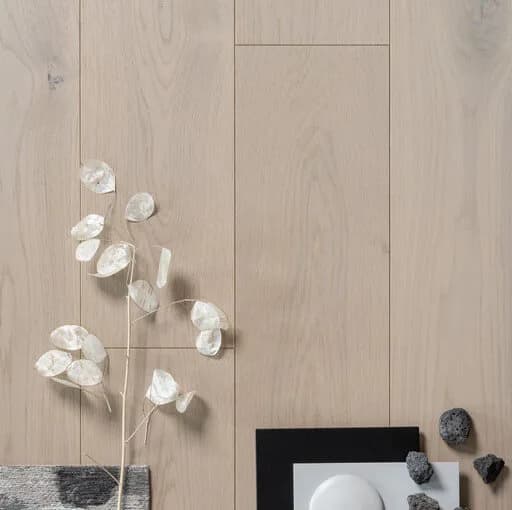

Grey floors here means oak parquet and wood boards in cool, ashy tones, plus a big group of vinyls and laminates – from KACZKAN, Lareco and MAD. Grey calms a room and works well with concrete, white, graphite and black, but with warm, reddish wood furniture it can turn a bit blue. In a north-facing room the shade looks cooler than it does in the photos. Dust and pet hair show less on a grey floor, which you’ll appreciate in a busy home.
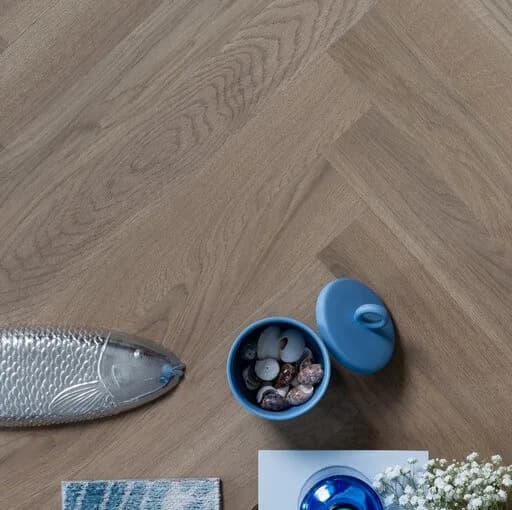


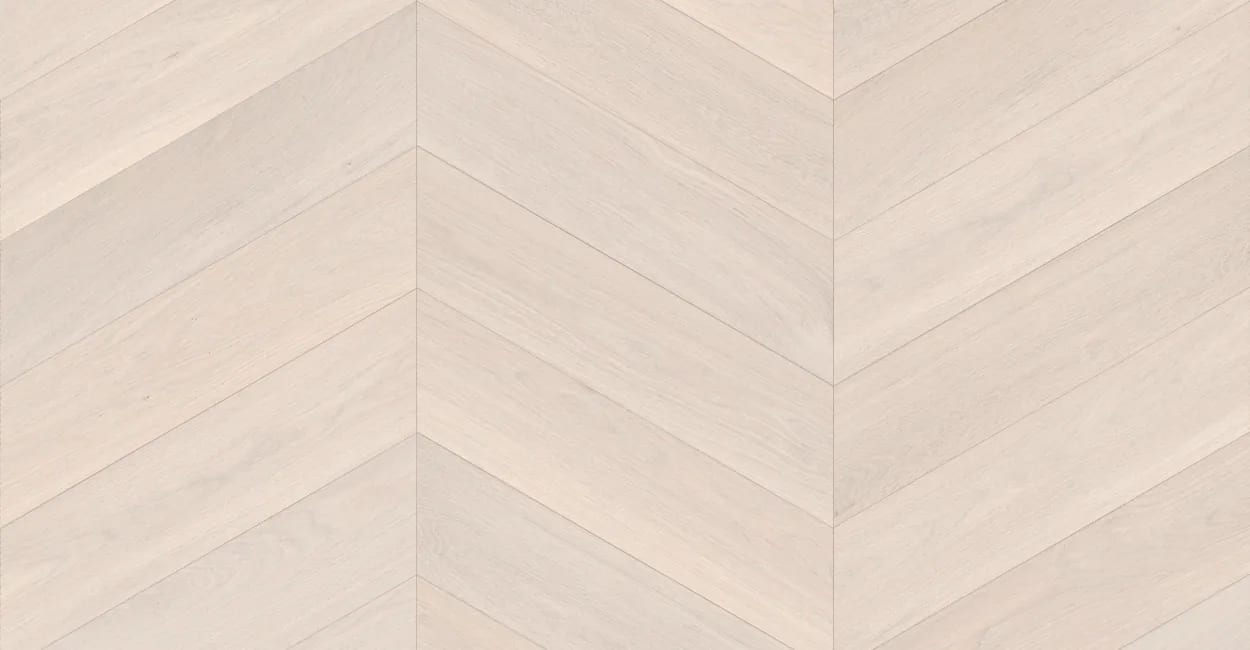

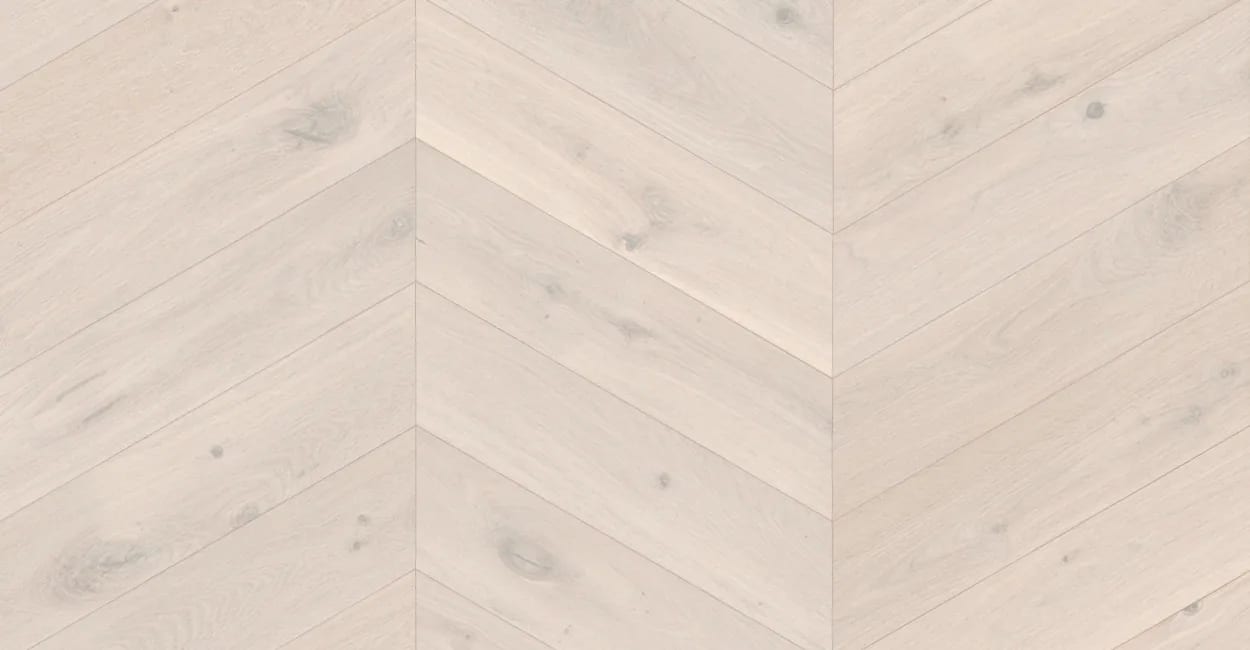

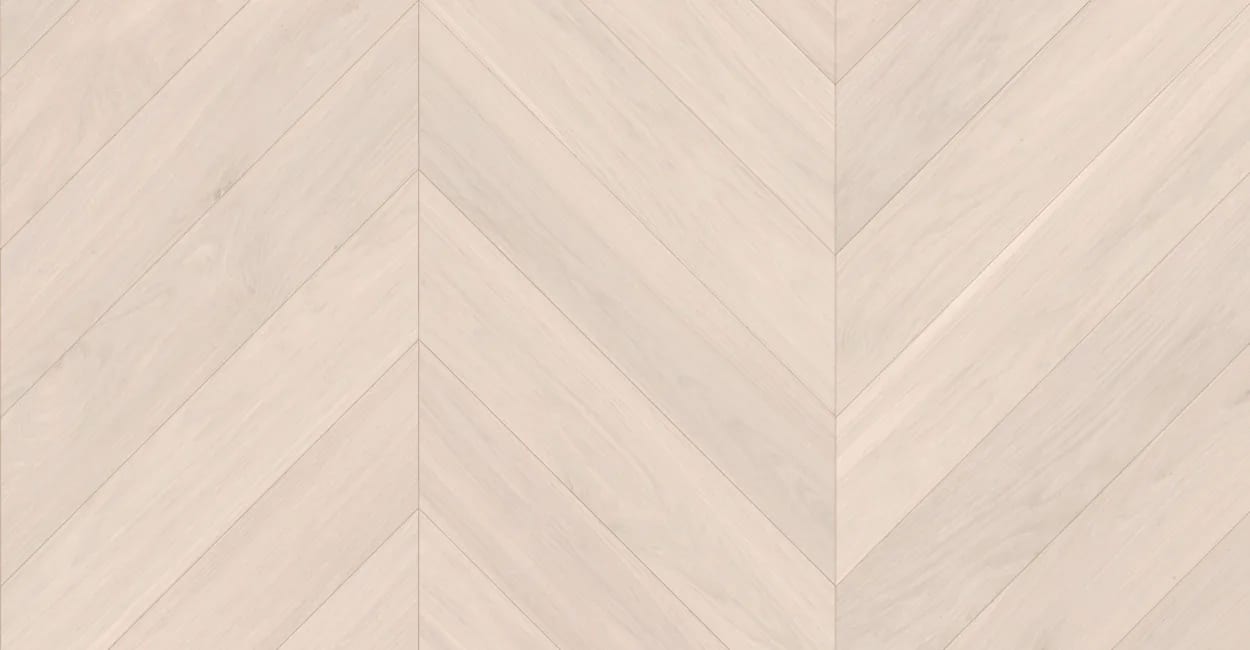

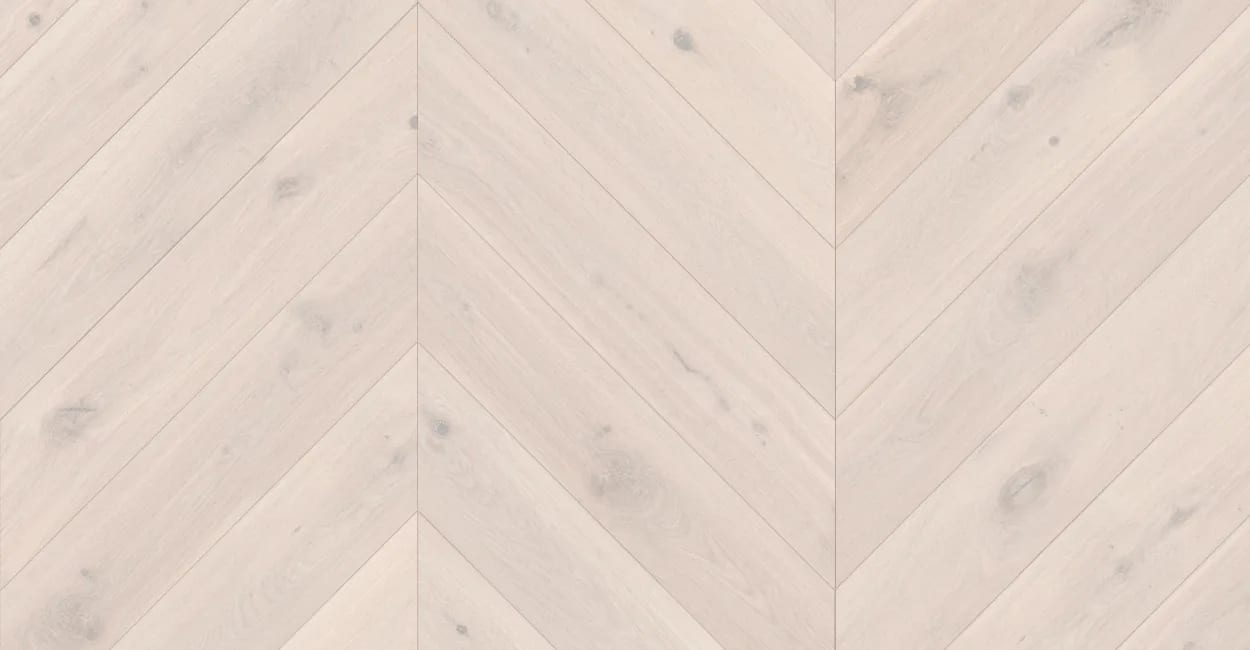

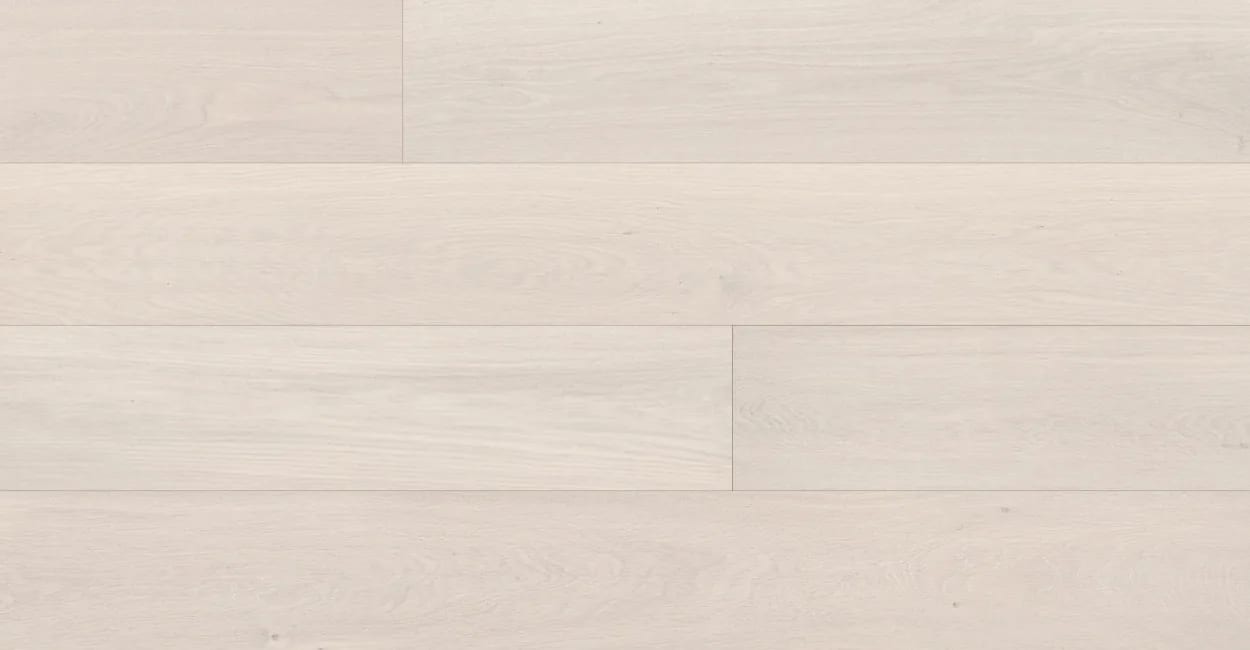


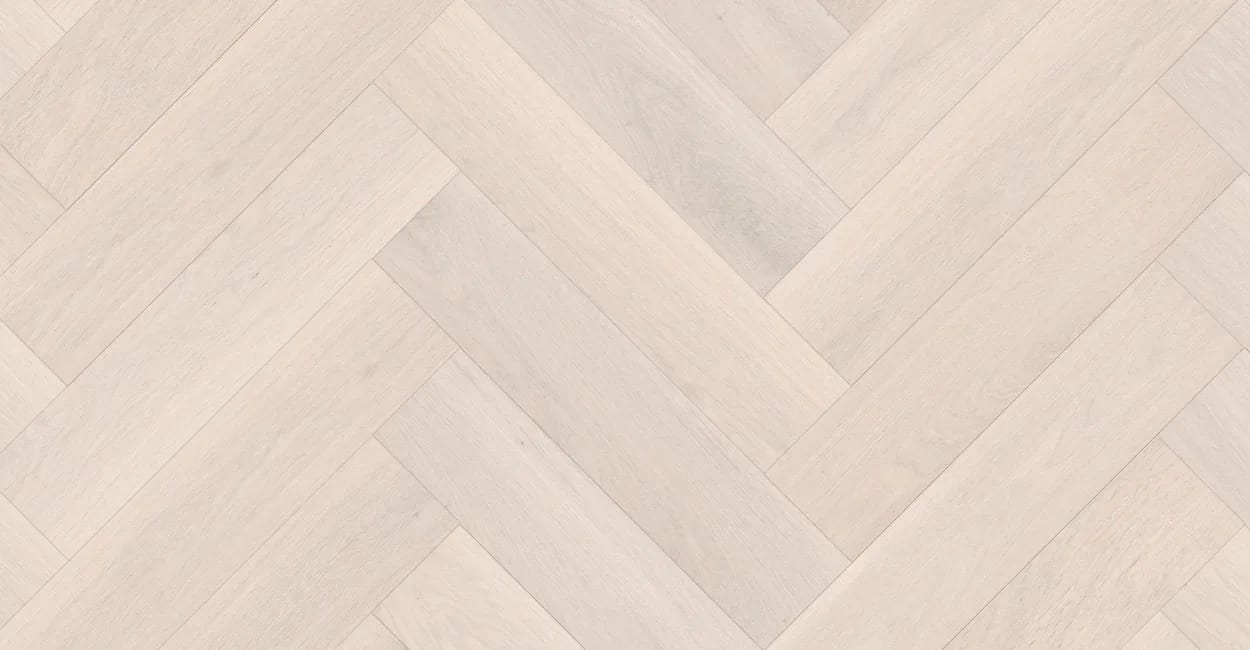



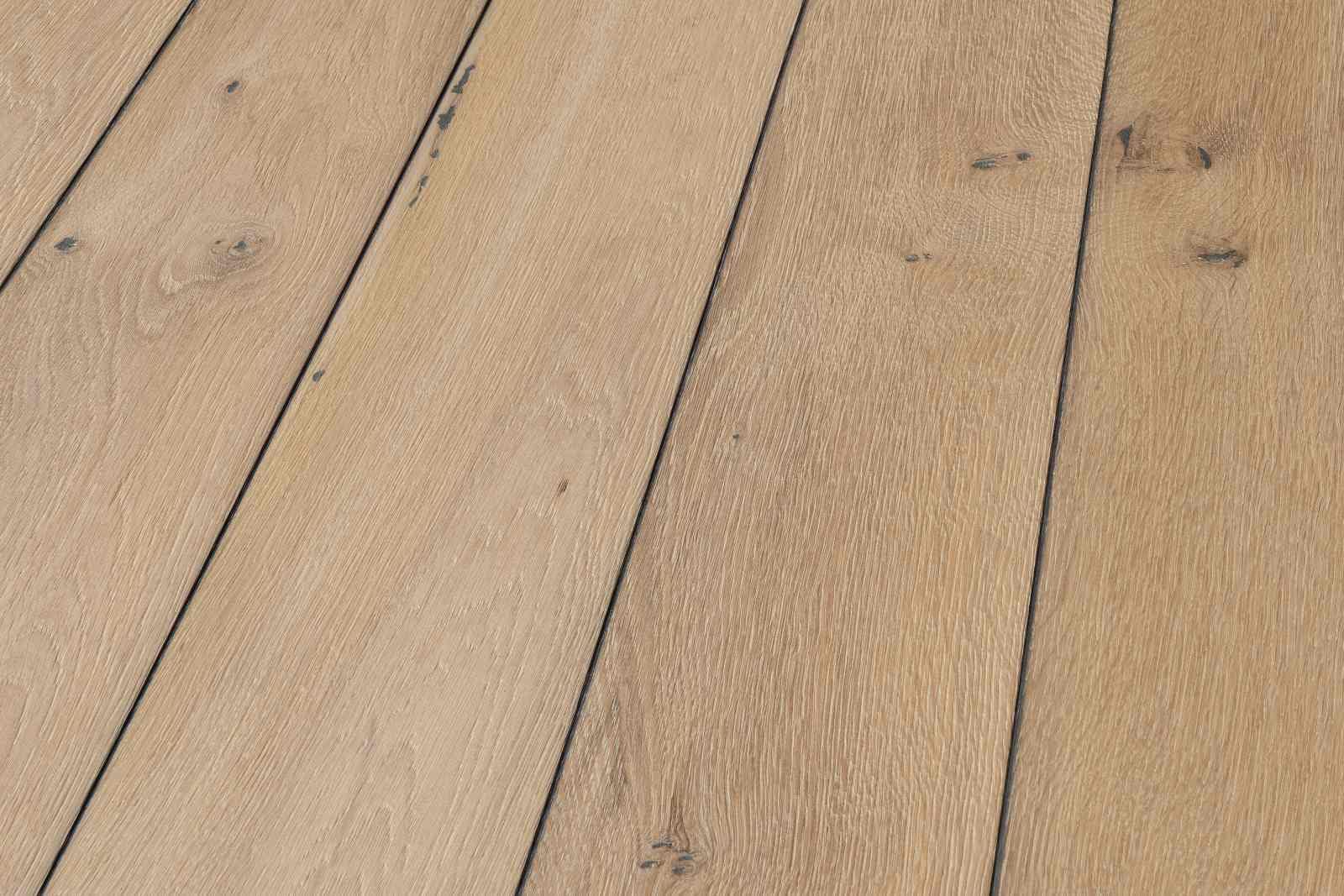

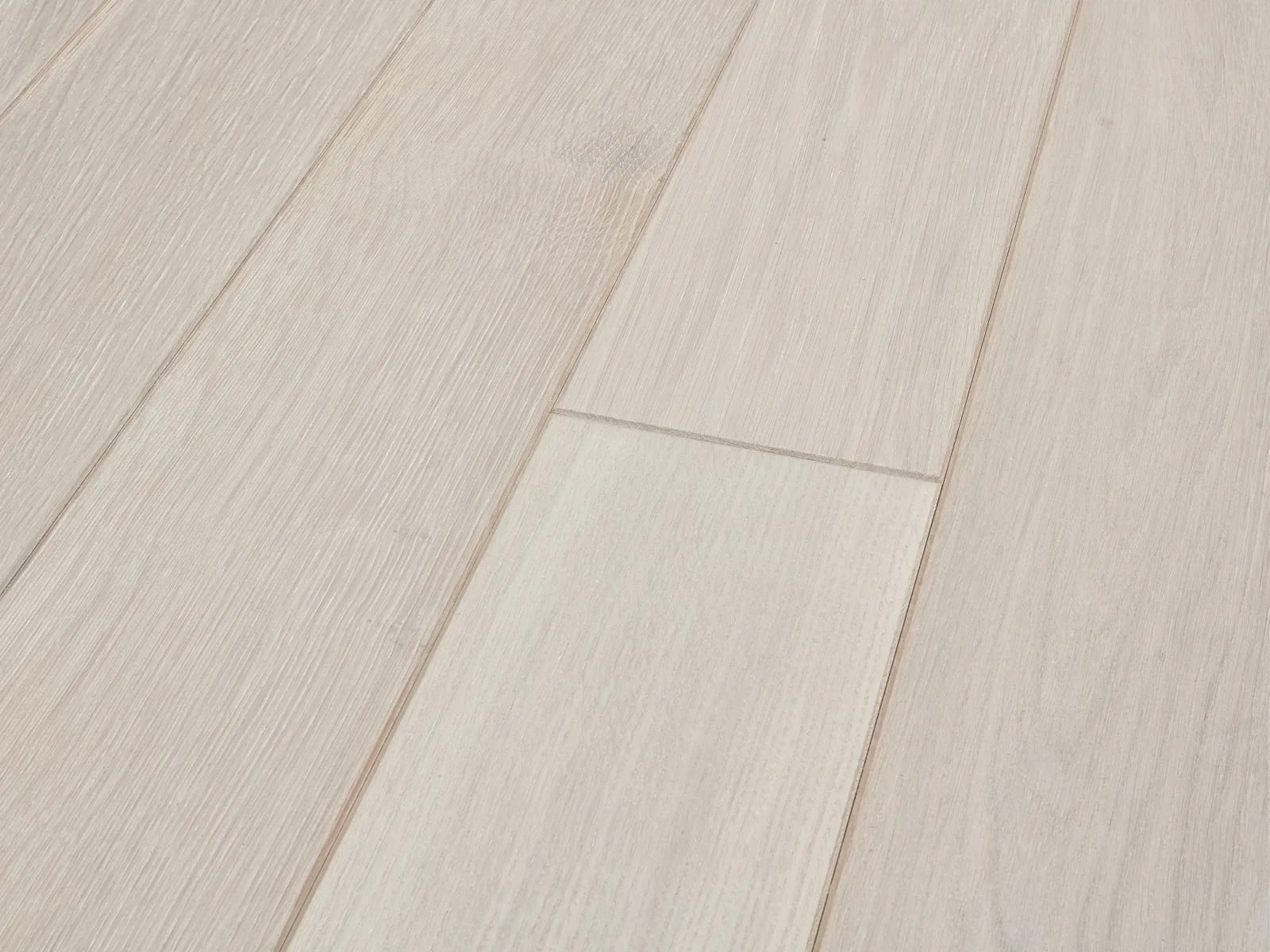
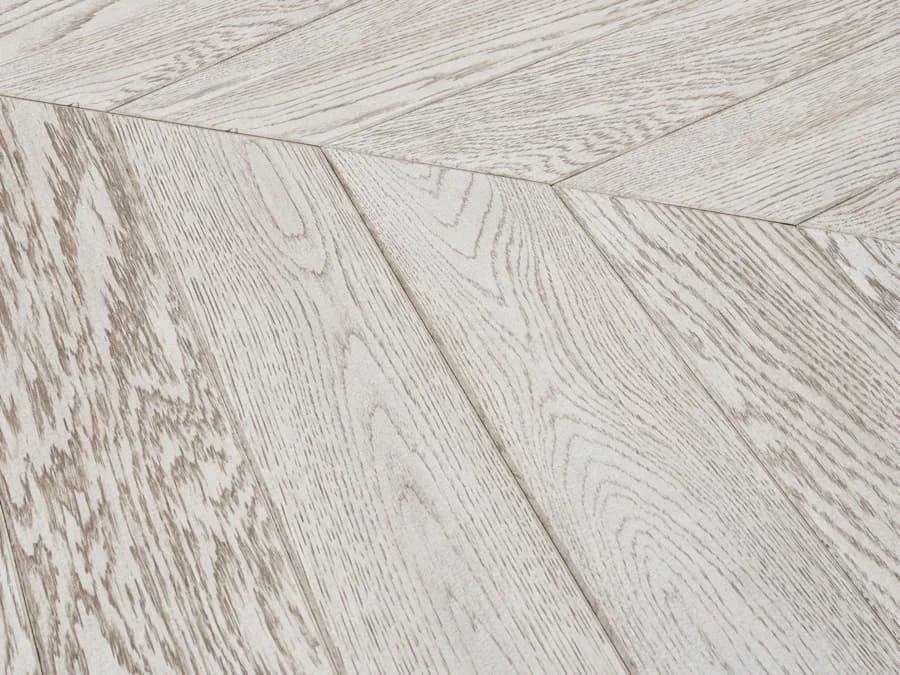
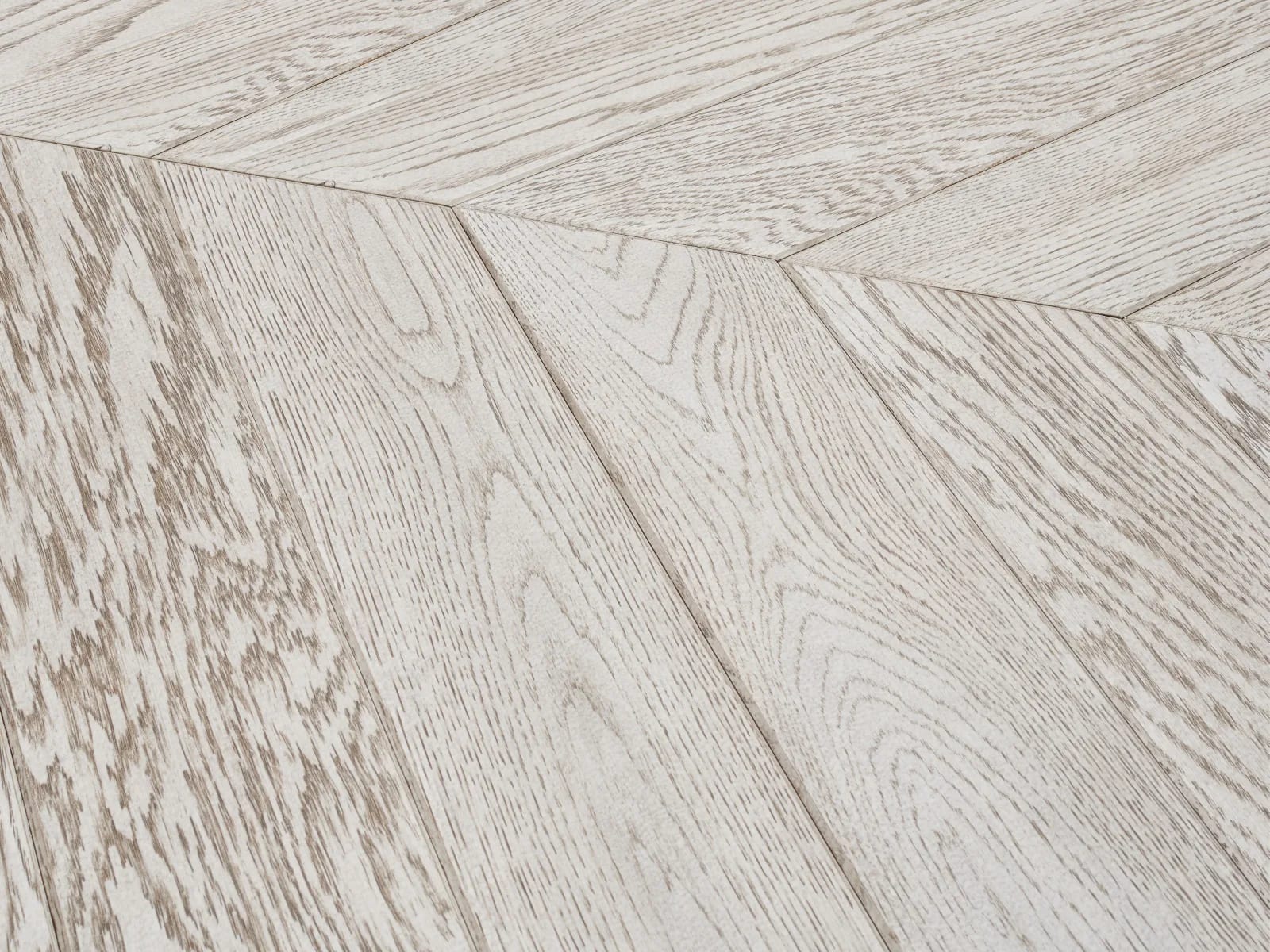
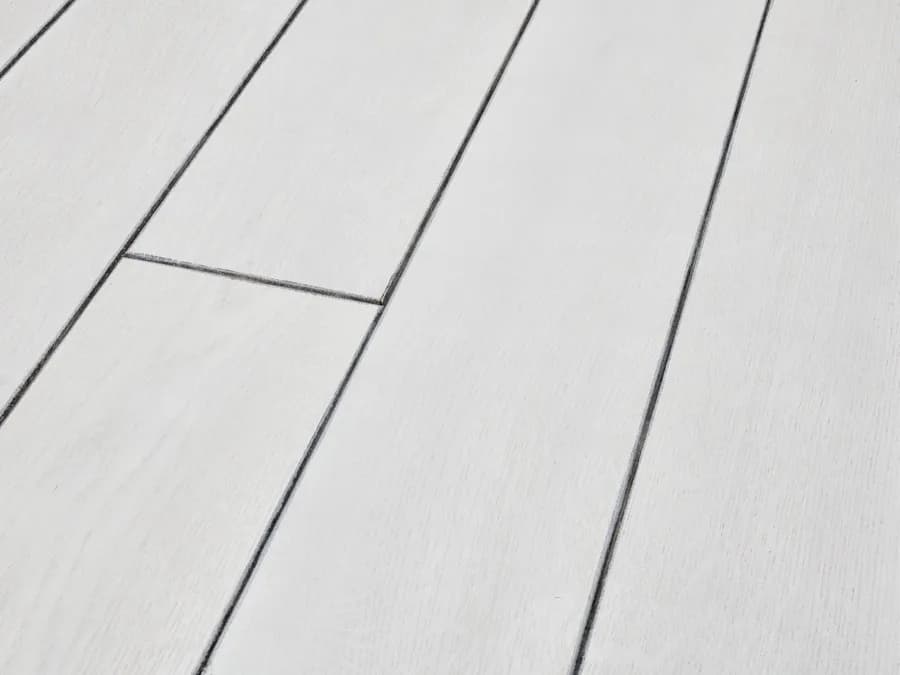
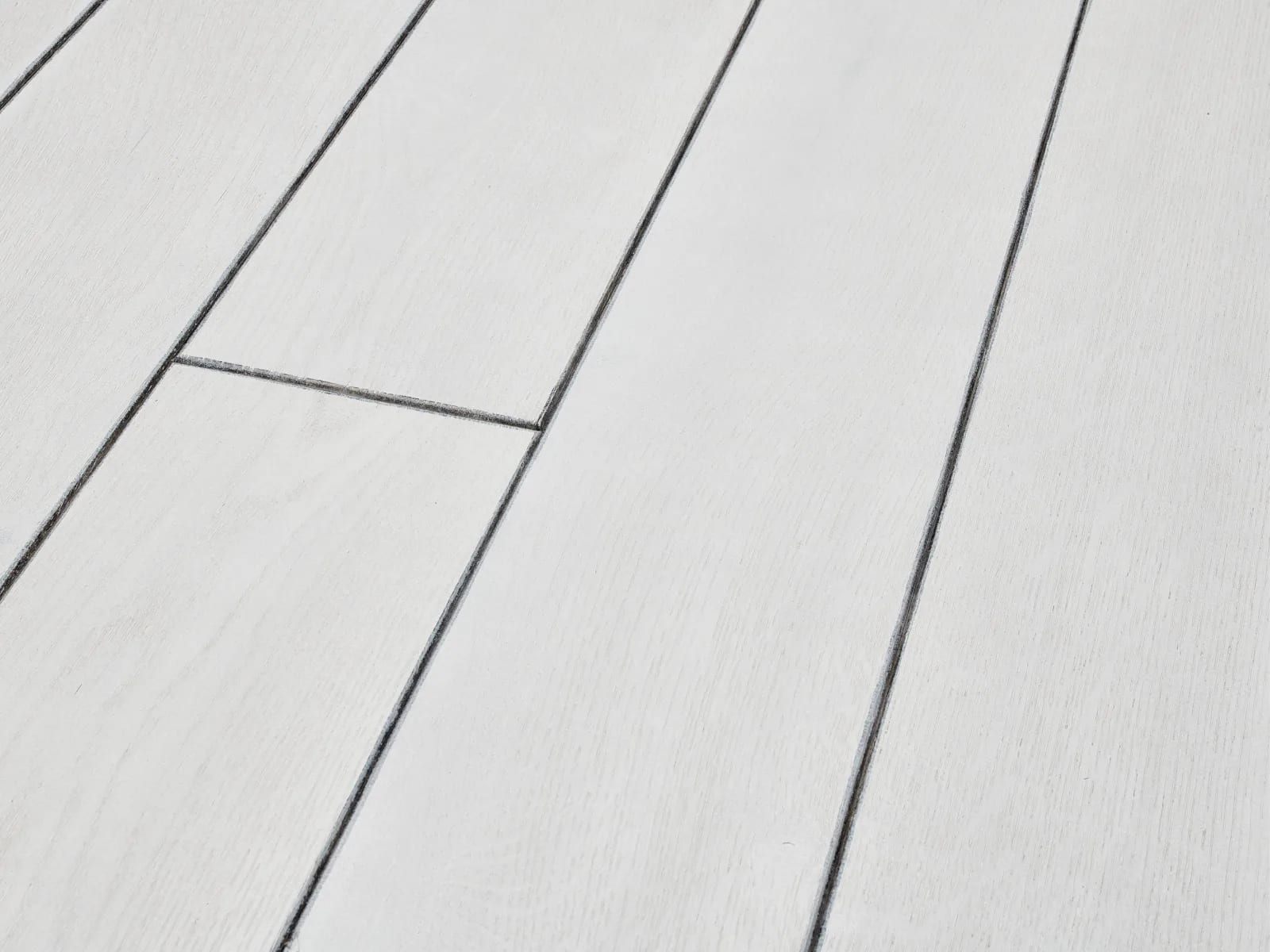
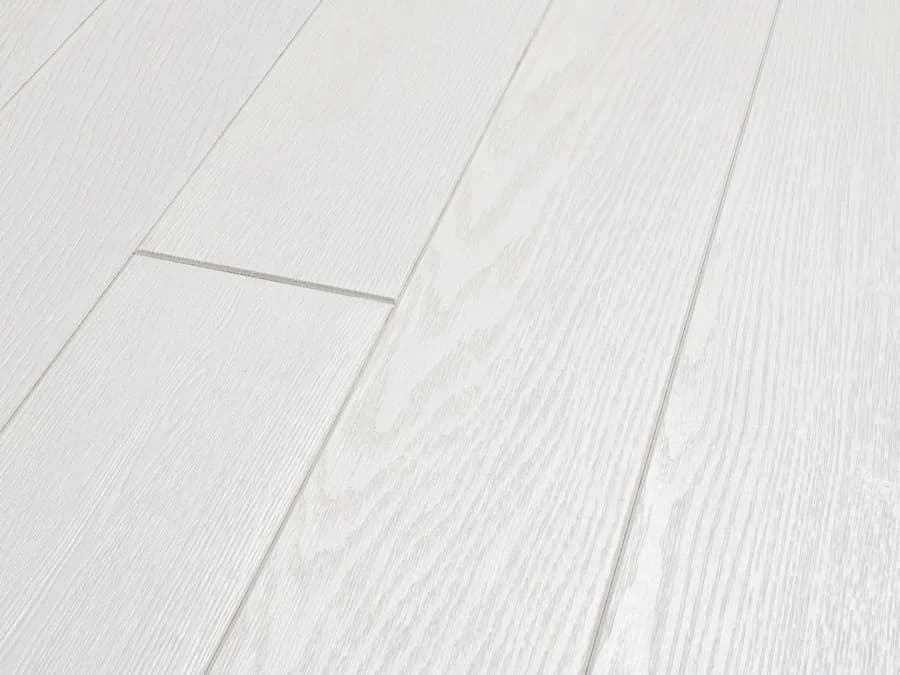
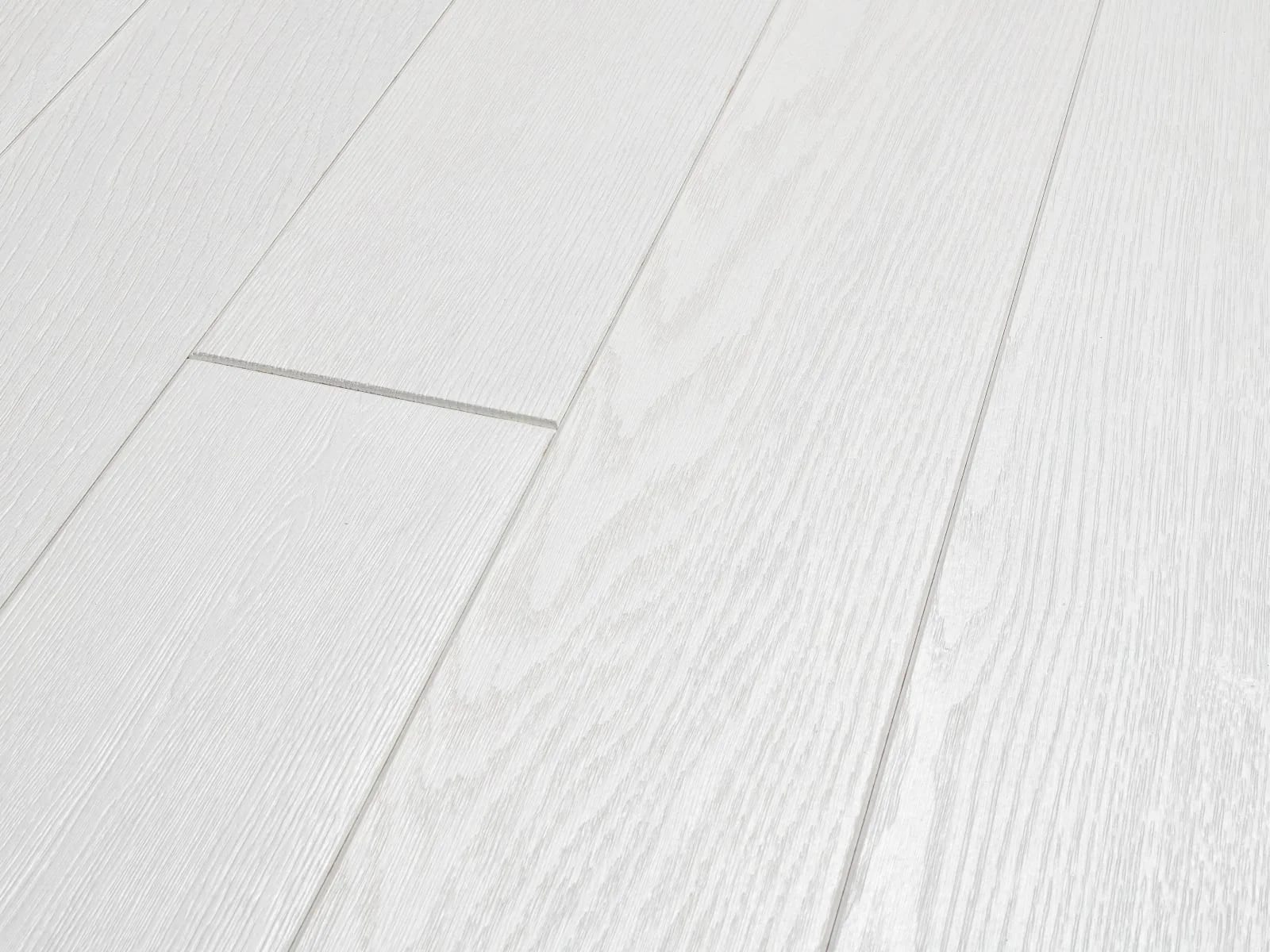
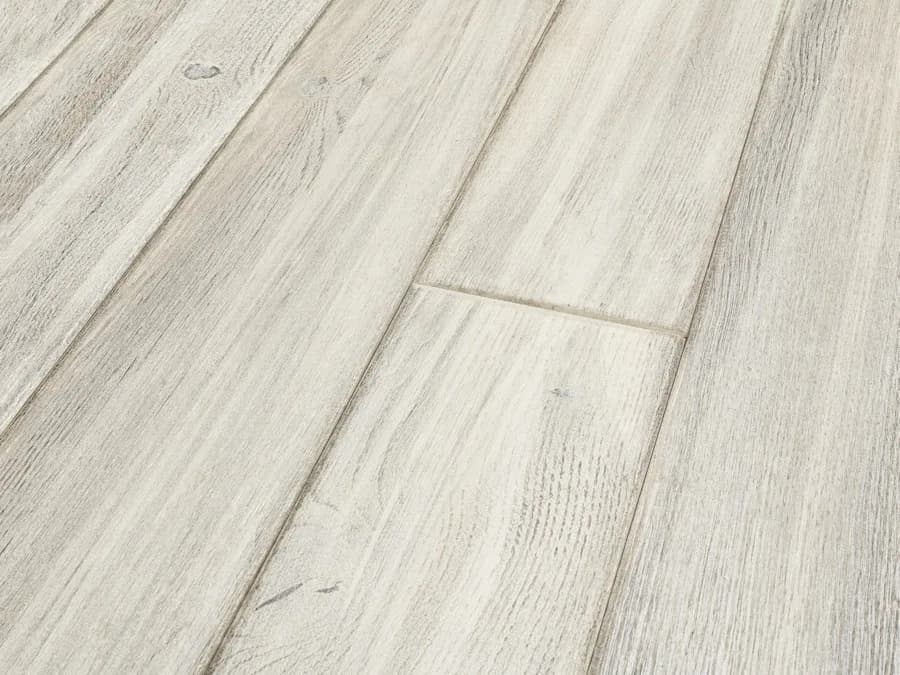
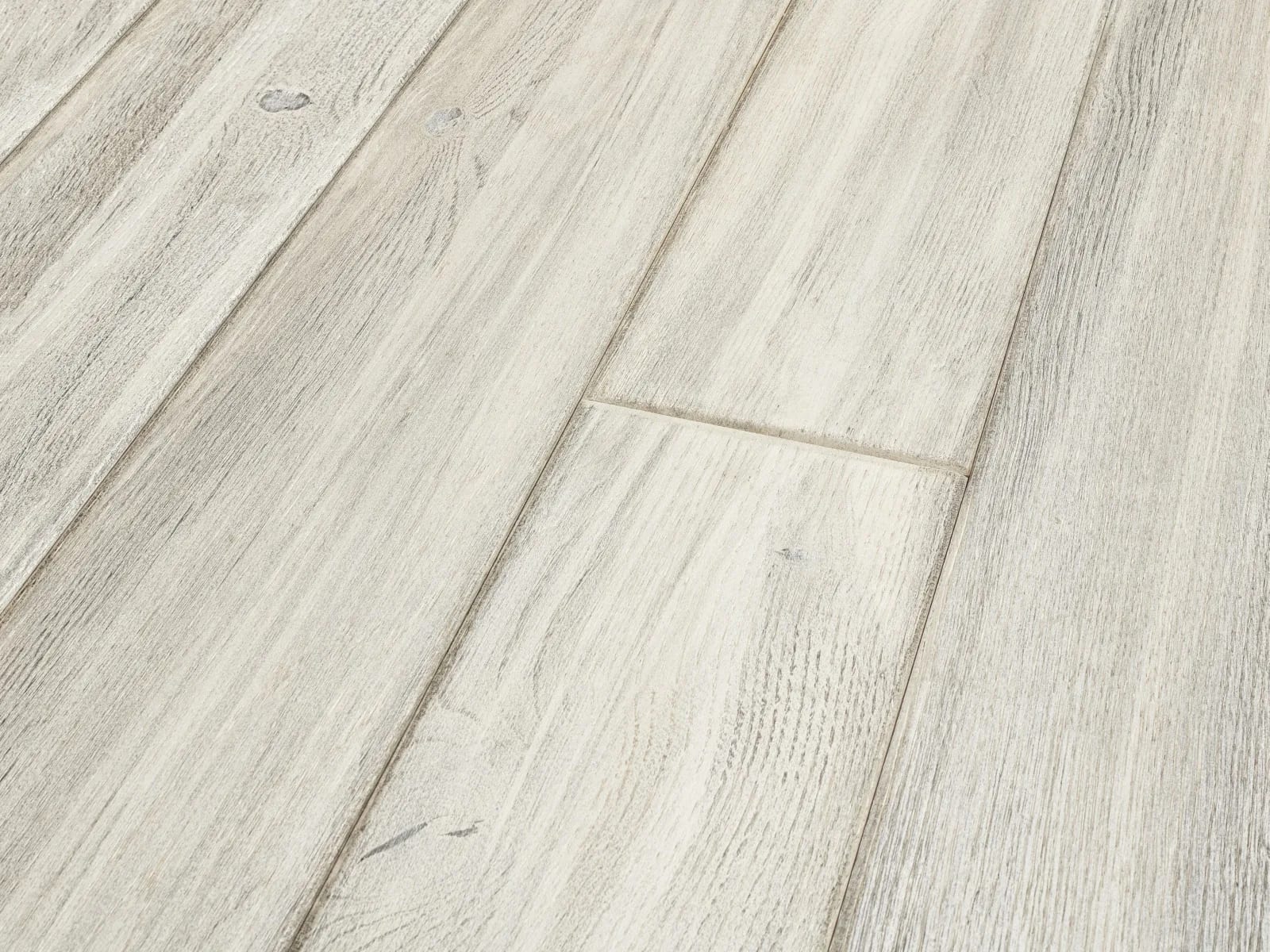

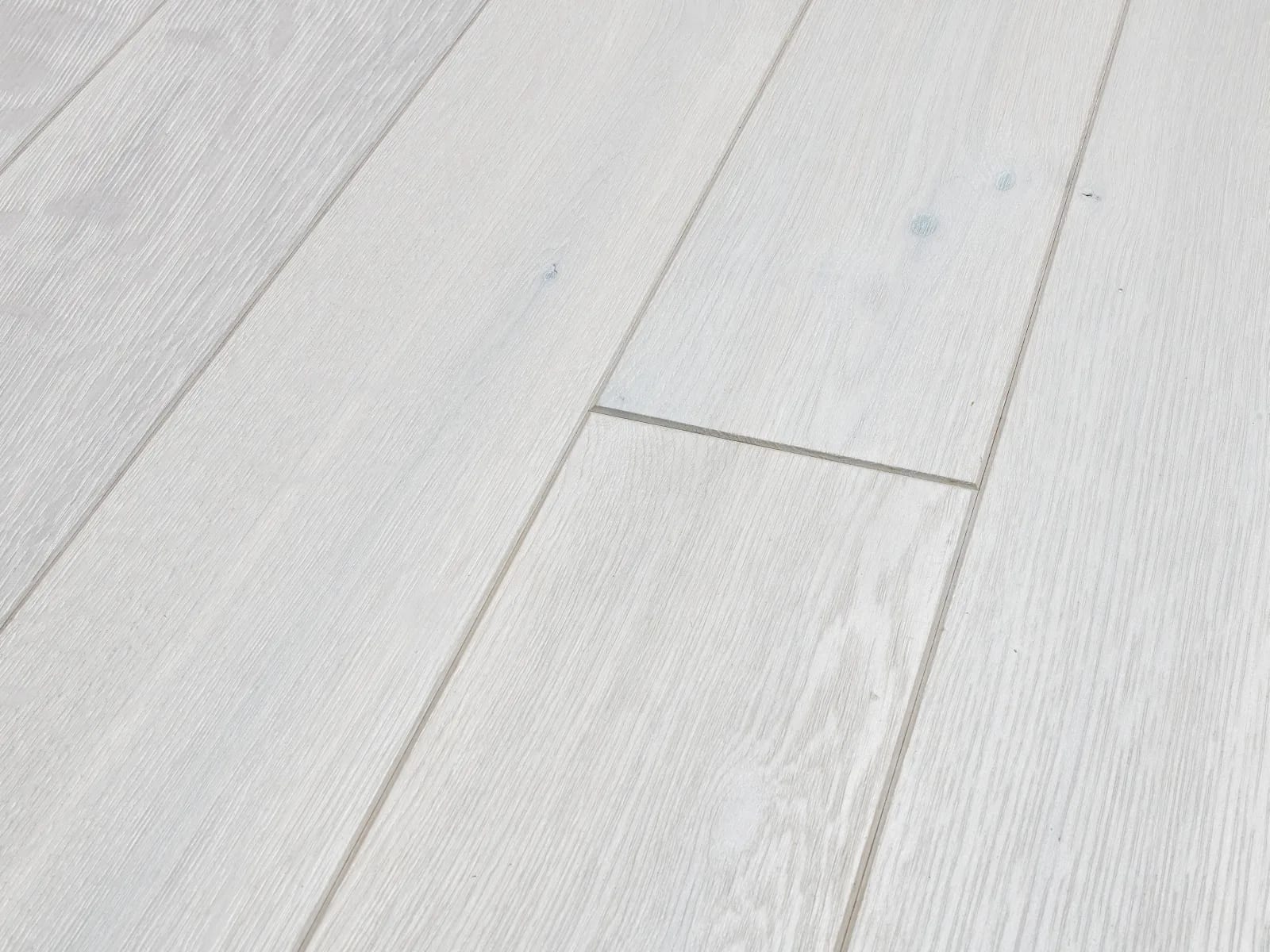
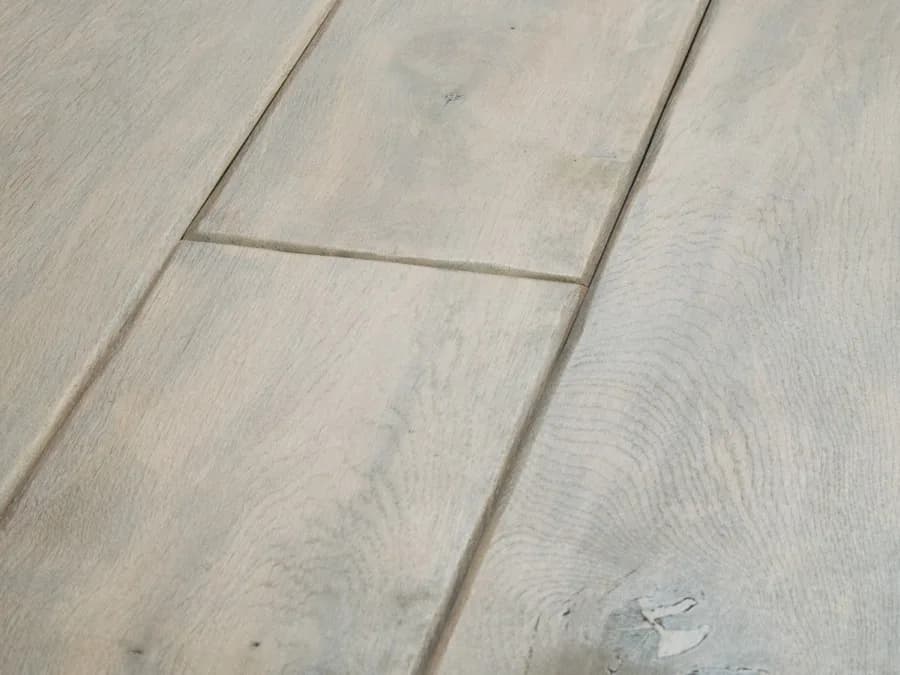
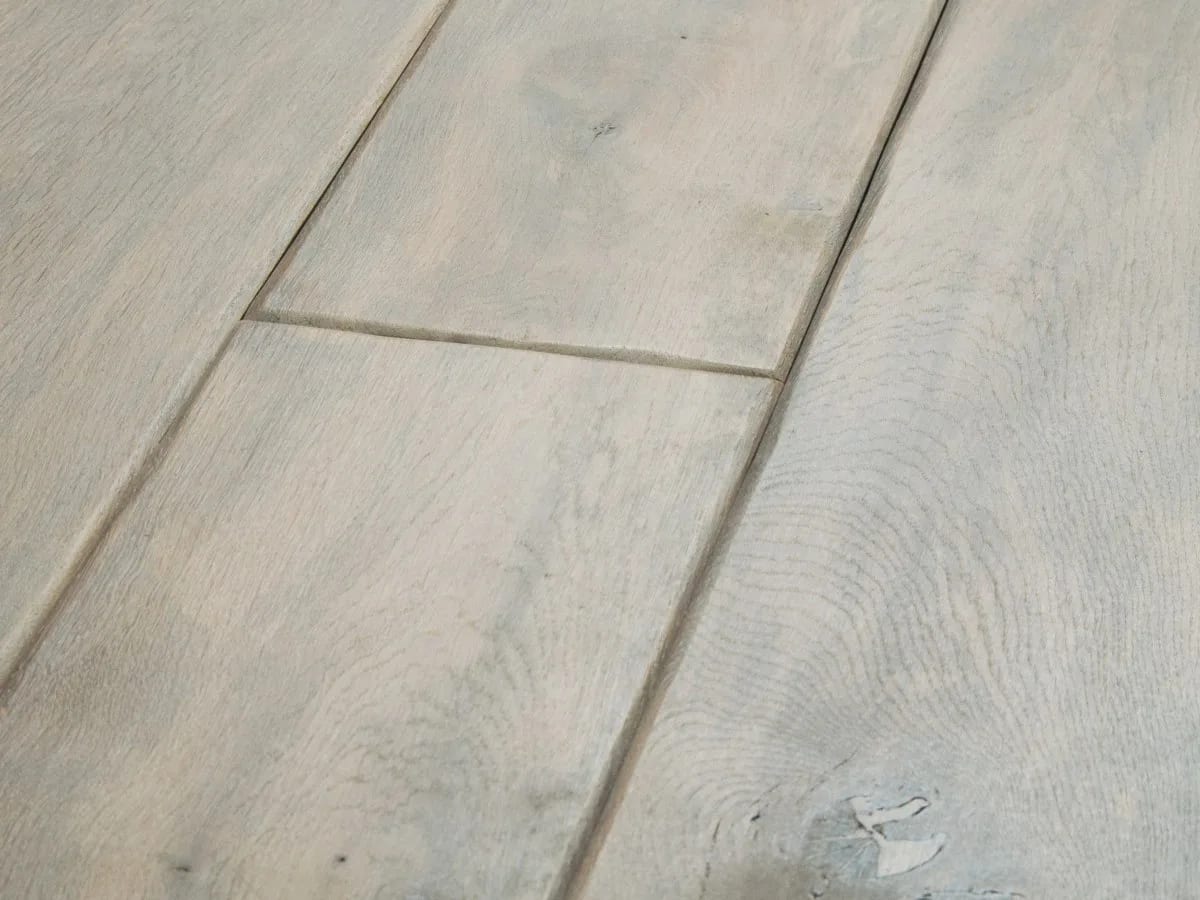

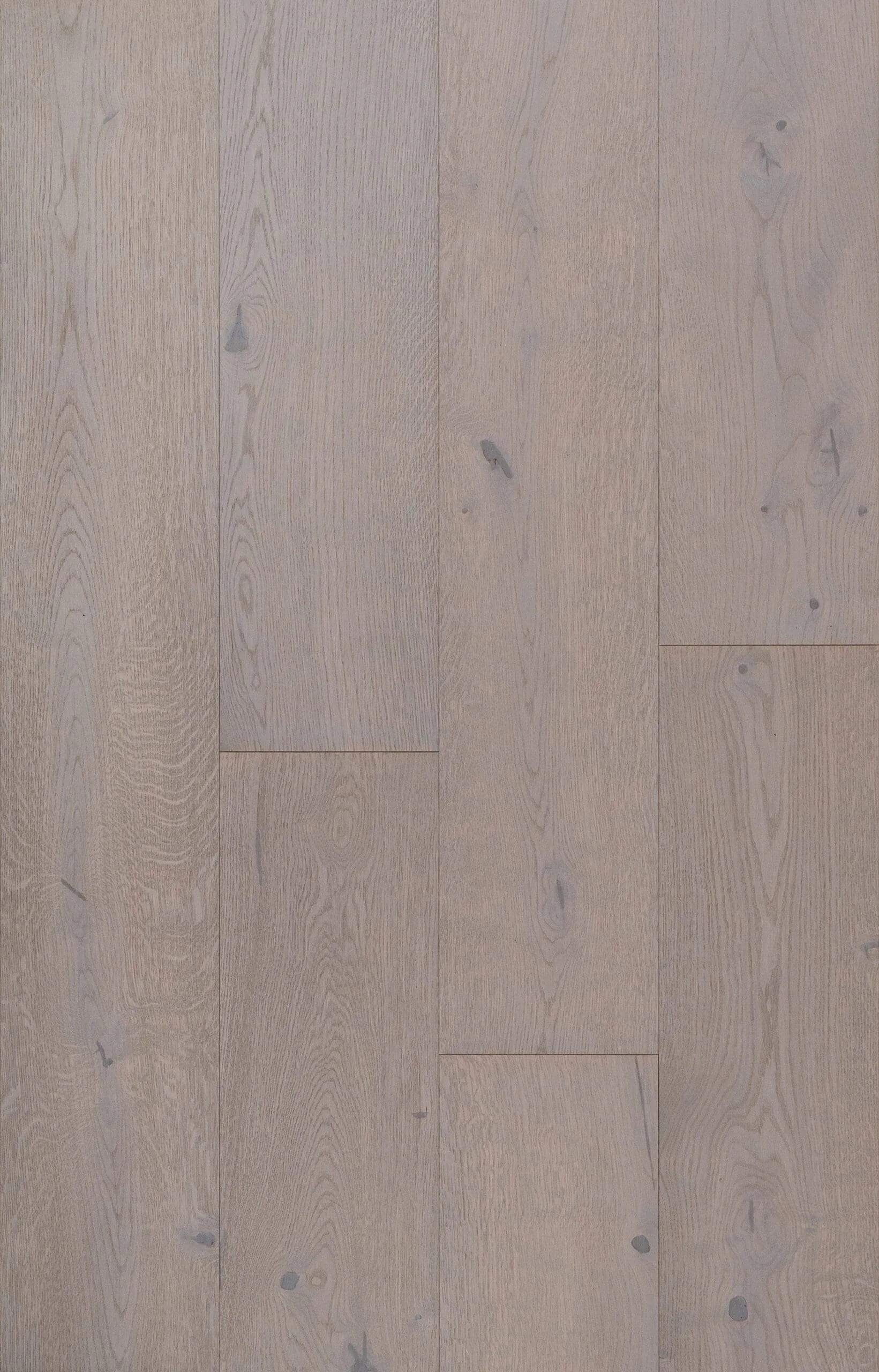

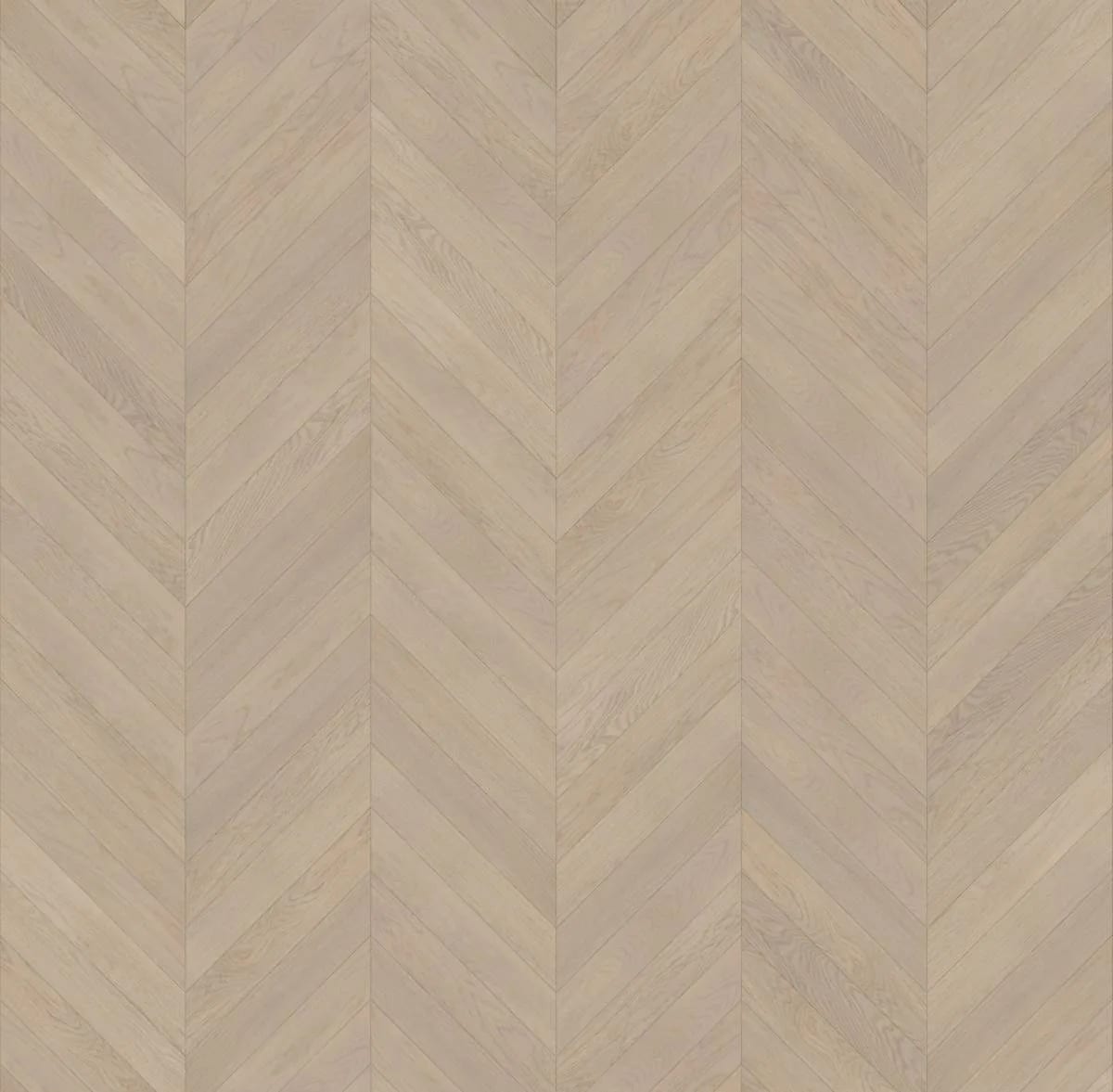

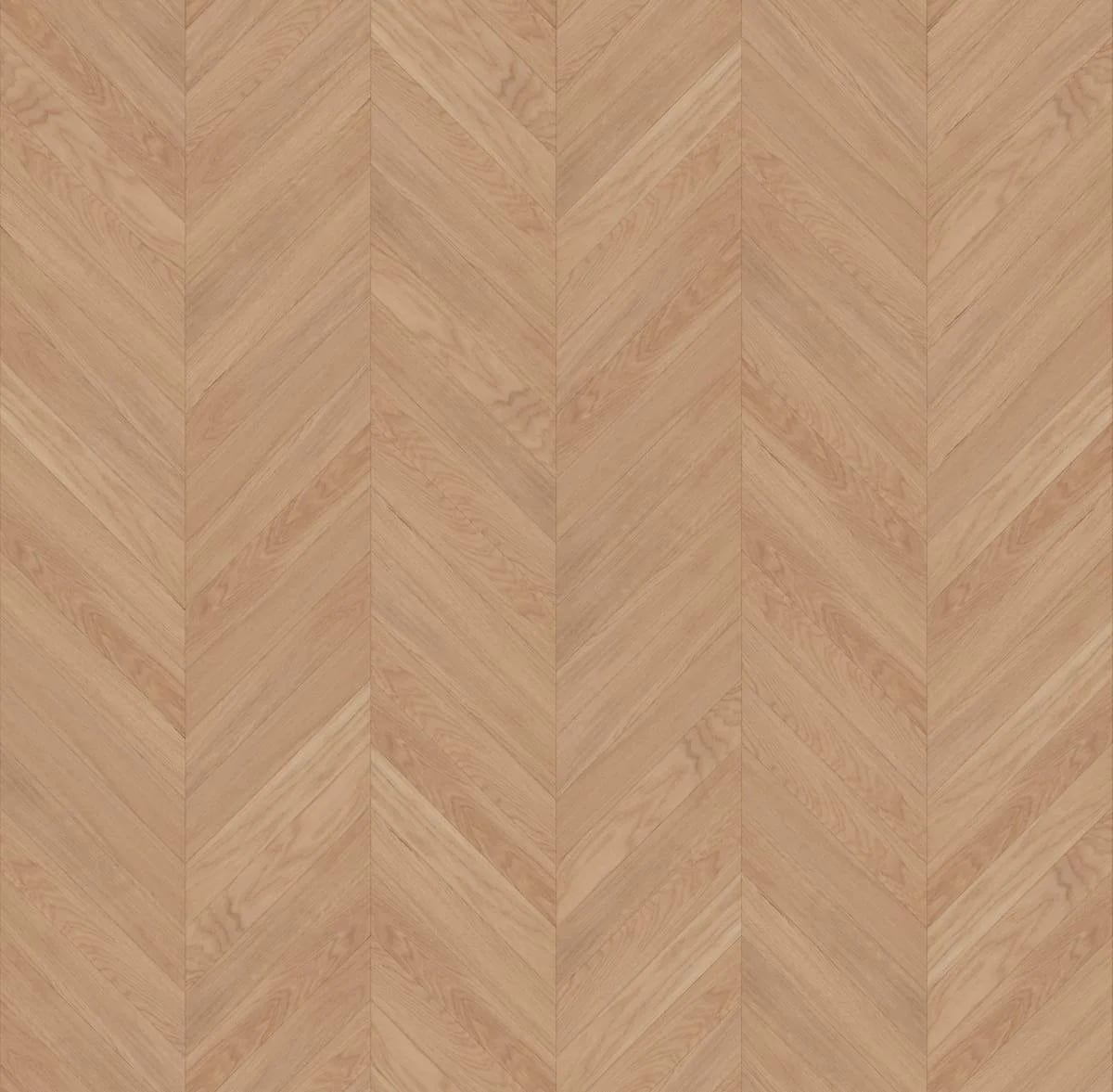

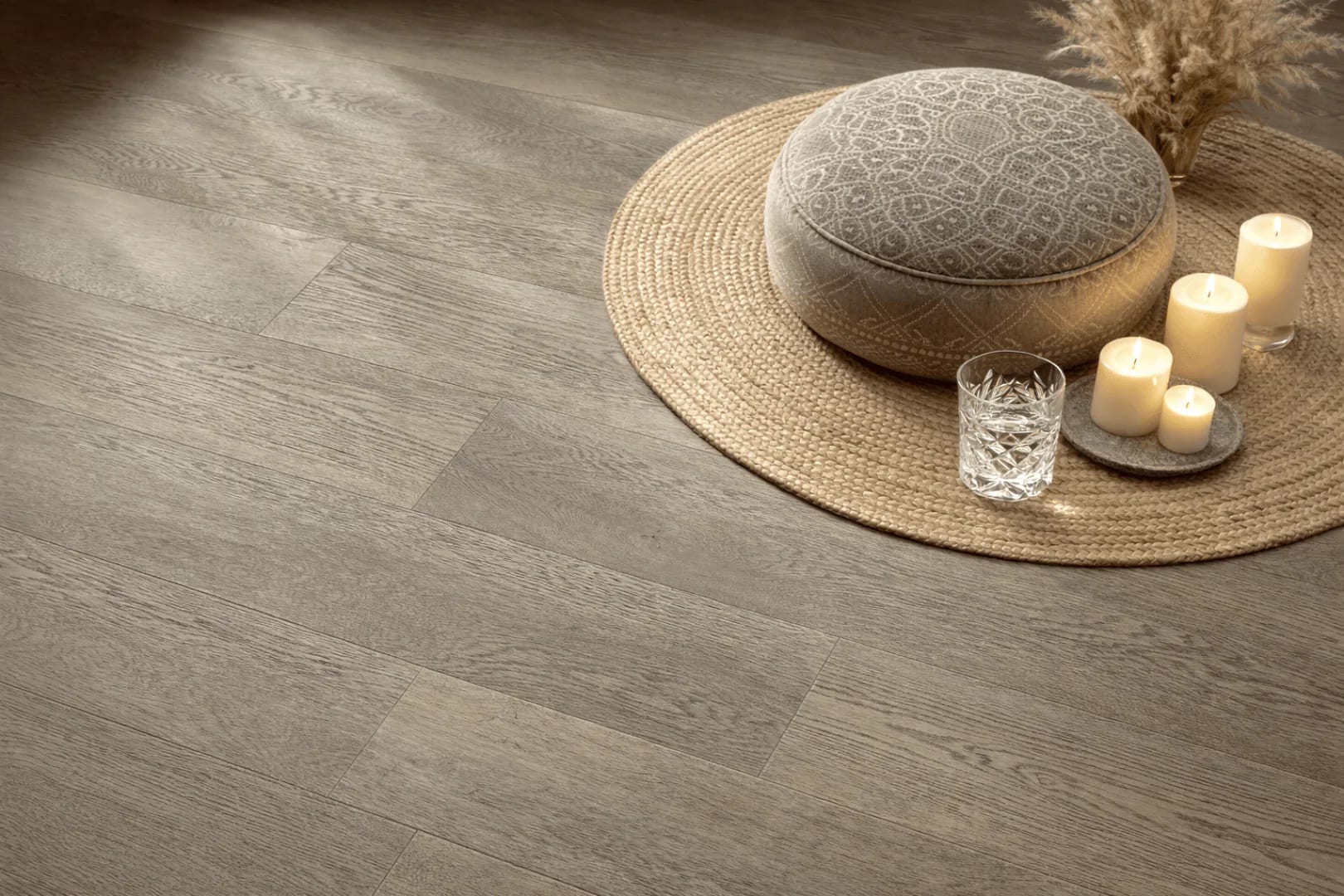
Grey floors draw you in with their calm colour, but the overall look depends not just on the sample itself, but on how the shade works with the light, the surface pattern and the fixed elements in the room. In this category, parquet and wood floors dominate, but there are also vinyl and laminate models, so the colour name alone doesn’t yet tell you how it’ll look once it’s laid. This is only about the colour: the same grey can look different depending on the size of the sample, the lighting and the materials already in the room.
It’s best to judge a shade of grey in the light of the actual room. The same sample by a window can look lighter and cleaner, while deeper inside the flat it may shift to a more muted tone; in a south-facing living room the grey can feel slightly warmer, while in a windowless hallway it may seem cooler. That’s why a few boards or a larger sample usually give a far more reliable picture than a small swatch seen only under a display light.
The surface finish makes a big difference too. Brushing — a finish that brings out the grain more strongly — usually hides small everyday marks better, while a smoother surface reflects light more clearly, so dust and small scratches show up sooner. If a sample leaves you unsure, you can see the difference well by holding it against a door, built-in furniture, a worktop or a plinth, because then you can immediately see whether the grey leans warm, neutral or cool.
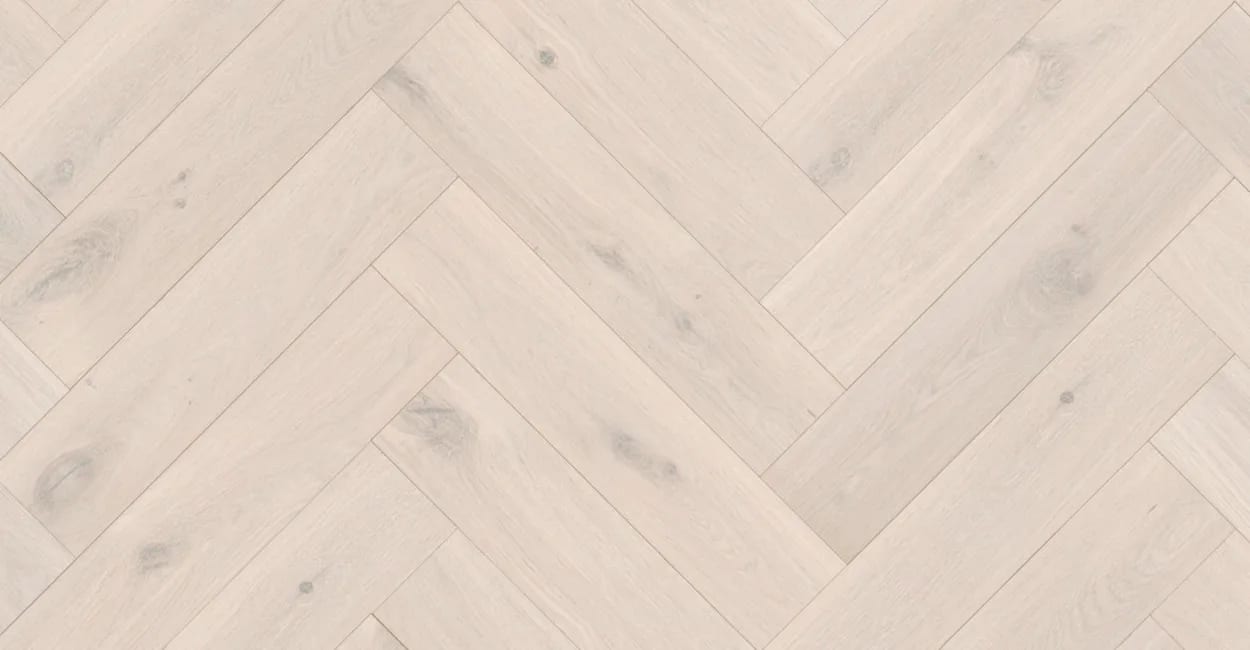
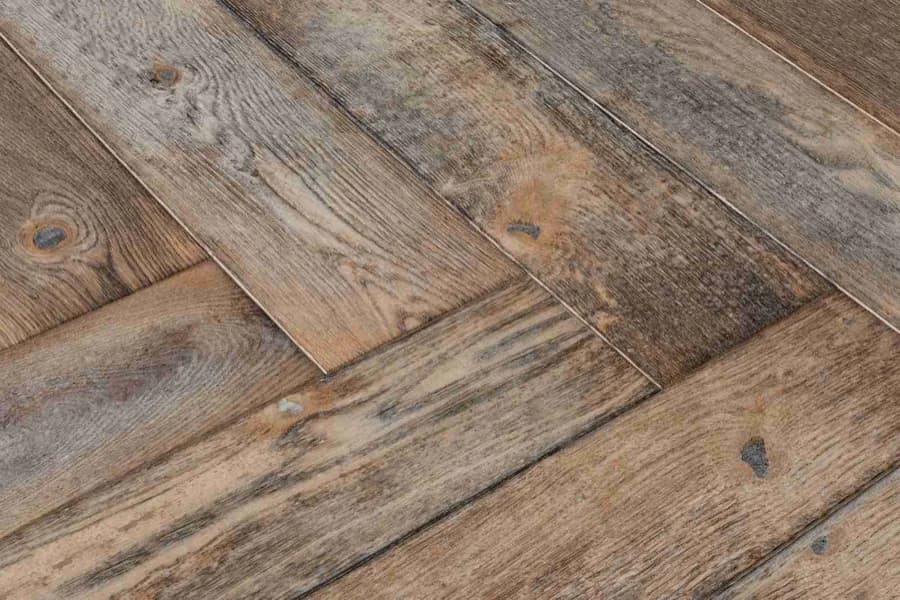
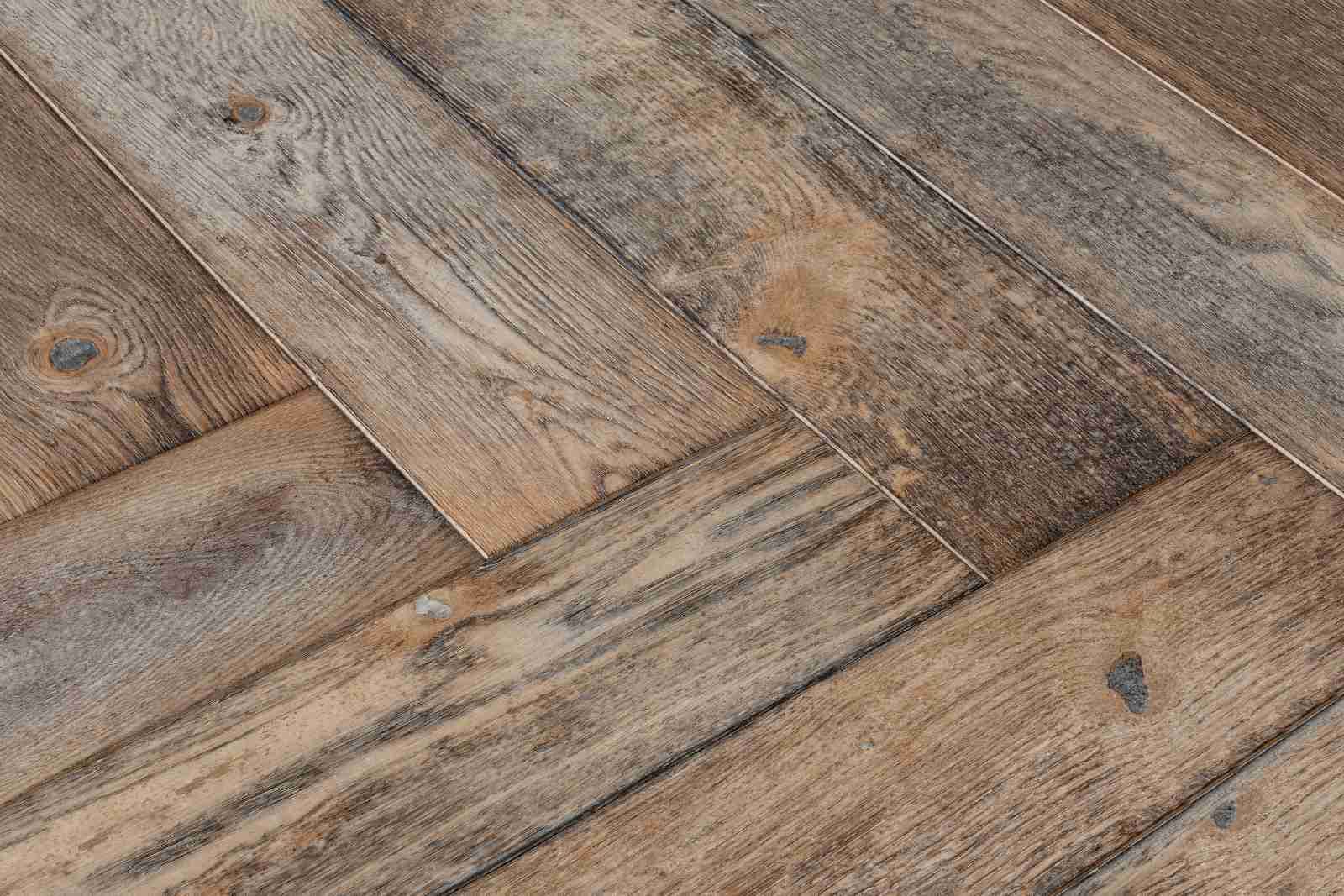
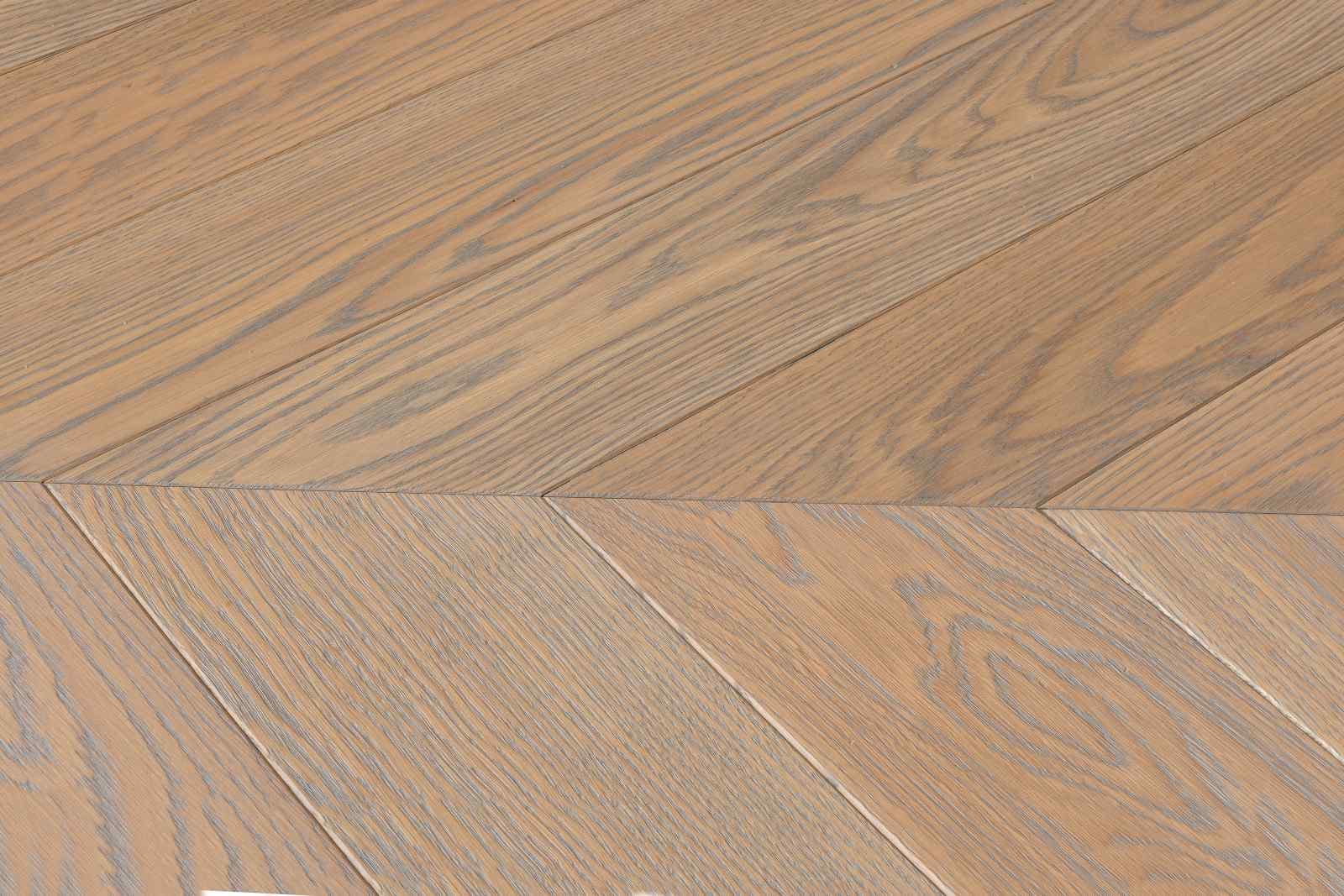
The range in this category is well shown by examples from the collection: Caldera Santorini (KACZKAN), Oak Fiord Natur (Lareco), Oak Snowdon (MAD) and Oak Hayworth (Arbiton). This sort of lineup lets you compare greys from warmer to cooler, but the exact feel of the shade is best checked on the product page and on a sample, because the model name alone doesn’t yet tell you the temperature of the colour in a specific room.
Comparing a few models side by side also shows how the relationship between grey and the decorative pattern or grain changes. Some surfaces look more even, others bring the detail to the front more strongly, so two similar colours can give a different result once laid over a larger area. On the colour page, that level of comparison matters most.
Grey floors look cleaner when their tone doesn’t fight with the other materials. With warm fronts, beige stone or cream built-ins, a grey that’s too cool can look out of place; with white, black and simpler forms, a darker shade helps pull the scheme together. The surface pattern matters too: a calmer design gives you a more even backdrop, while stronger grain catches the eye more quickly.
That’s why comparing a sample with your furniture, wall and joinery tells you a lot more than judging the colour name on its own. With greys, even a slight shift in the colour temperature shows up quickly when you put it next to wood, metal and fabrics, and it’s these combinations that decide whether the floor looks natural, modern or more decorative.