

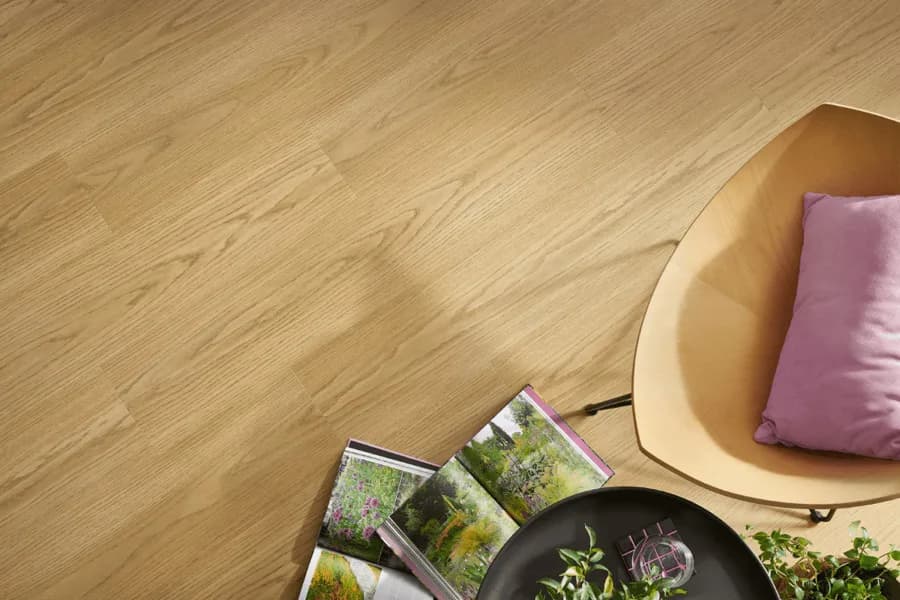
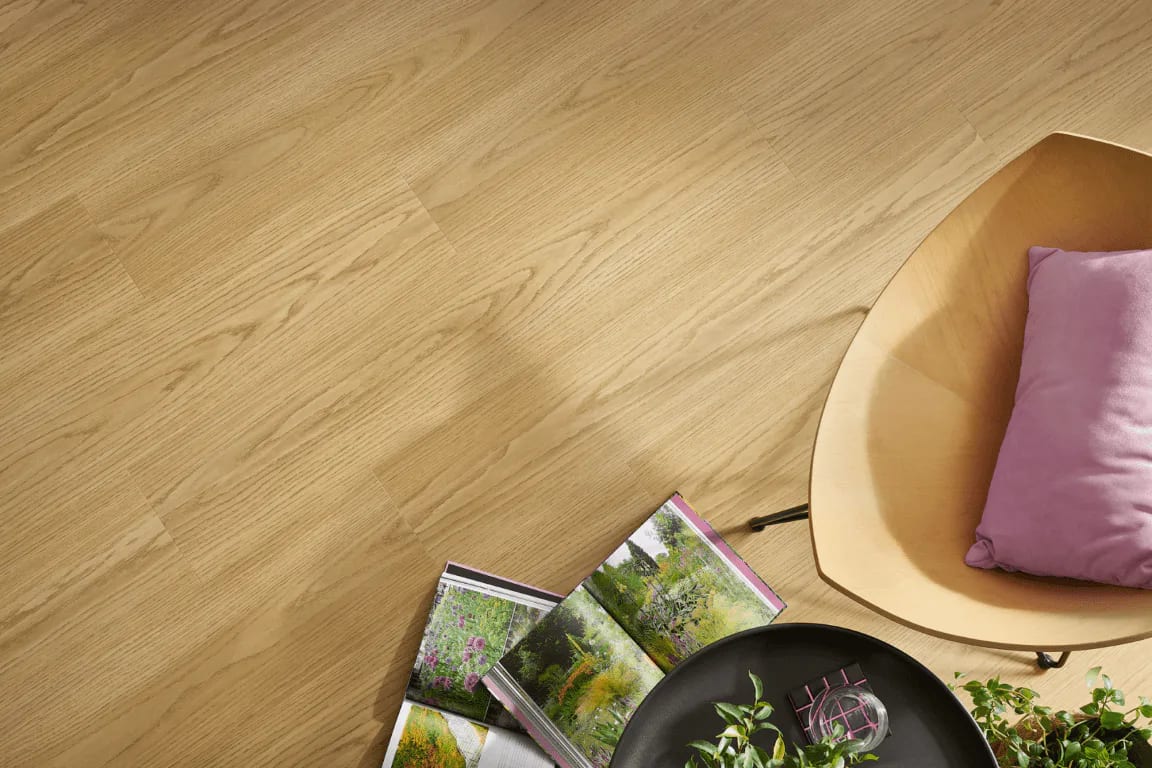
Here we’ve brought together vinyl and laminate flooring from Arbiton, Pacific Vinyl Floors and FirmFit: boards in wood decors, and herringbone in some models. Most are laid as a floating floor with a click system, some are glued down, and a large group is approved for underfloor heating. Natural wood shades and bevelled edges are the main features, helping each board stand out. Before you choose a decor, check whether your subfloor allows floating installation.
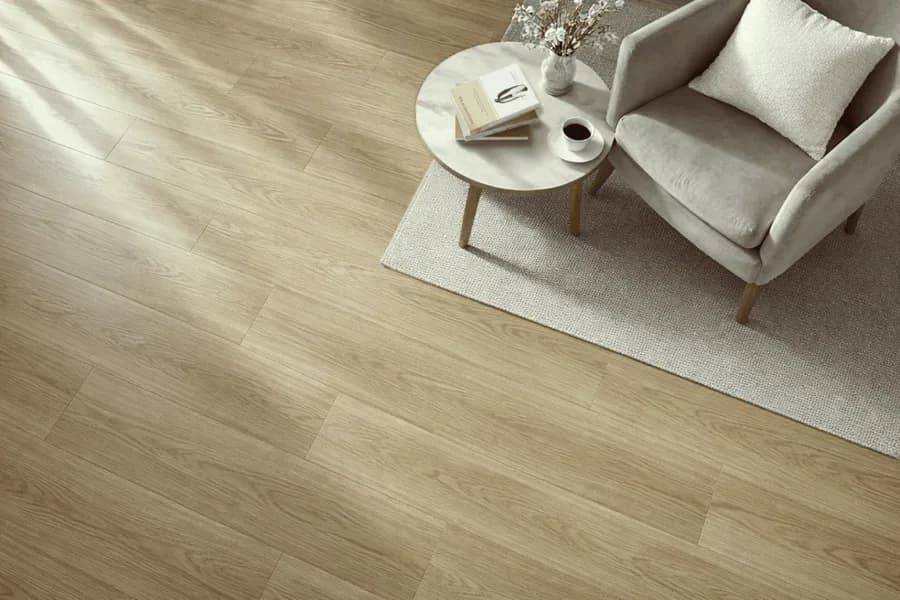
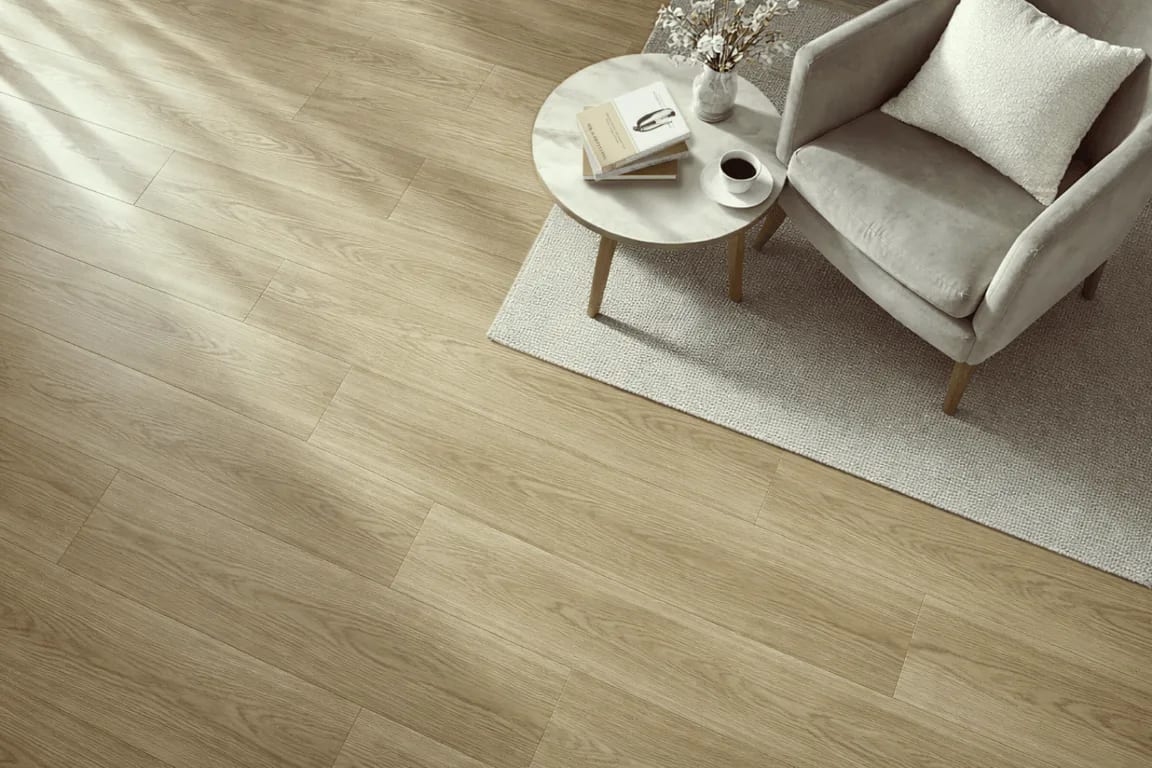
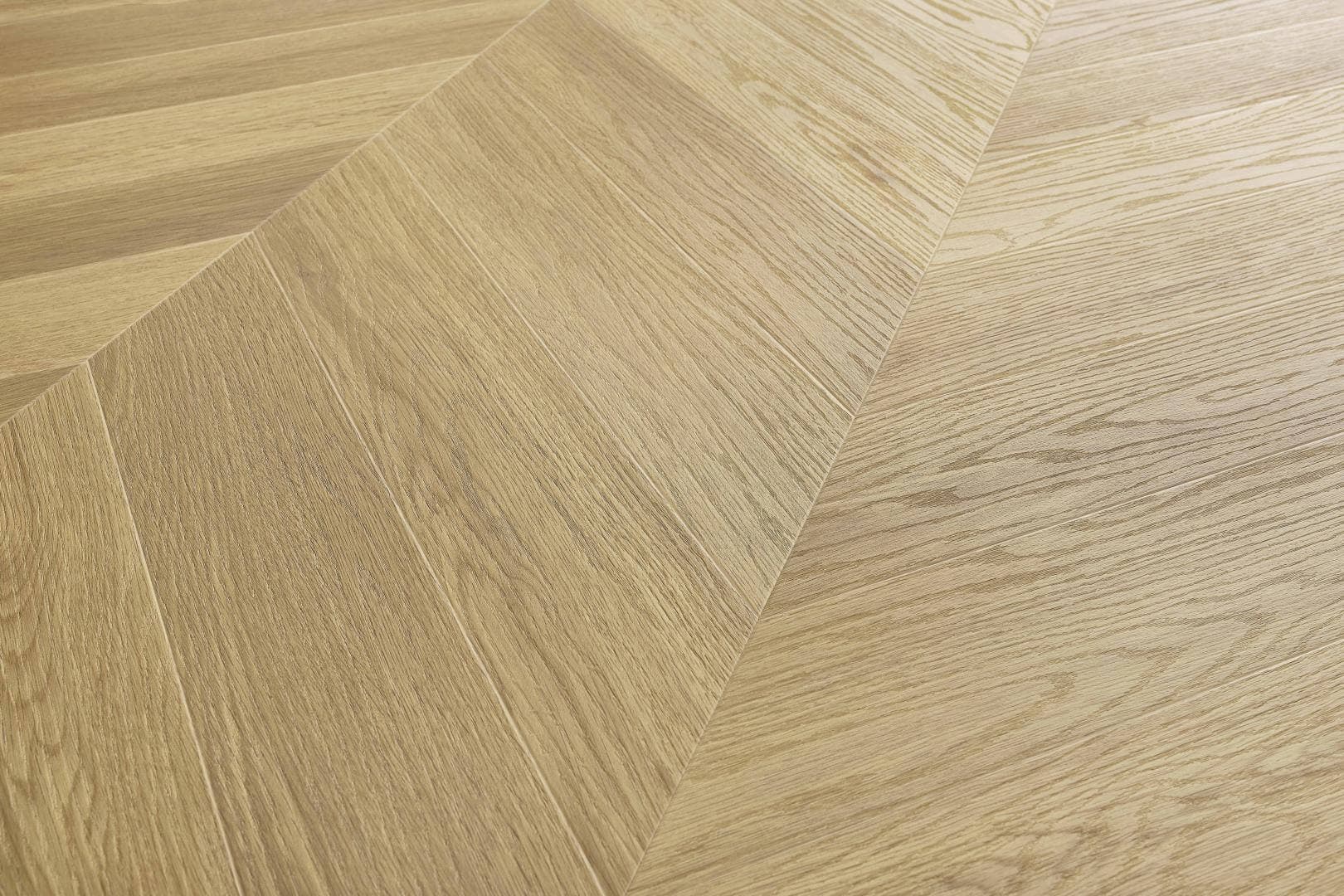
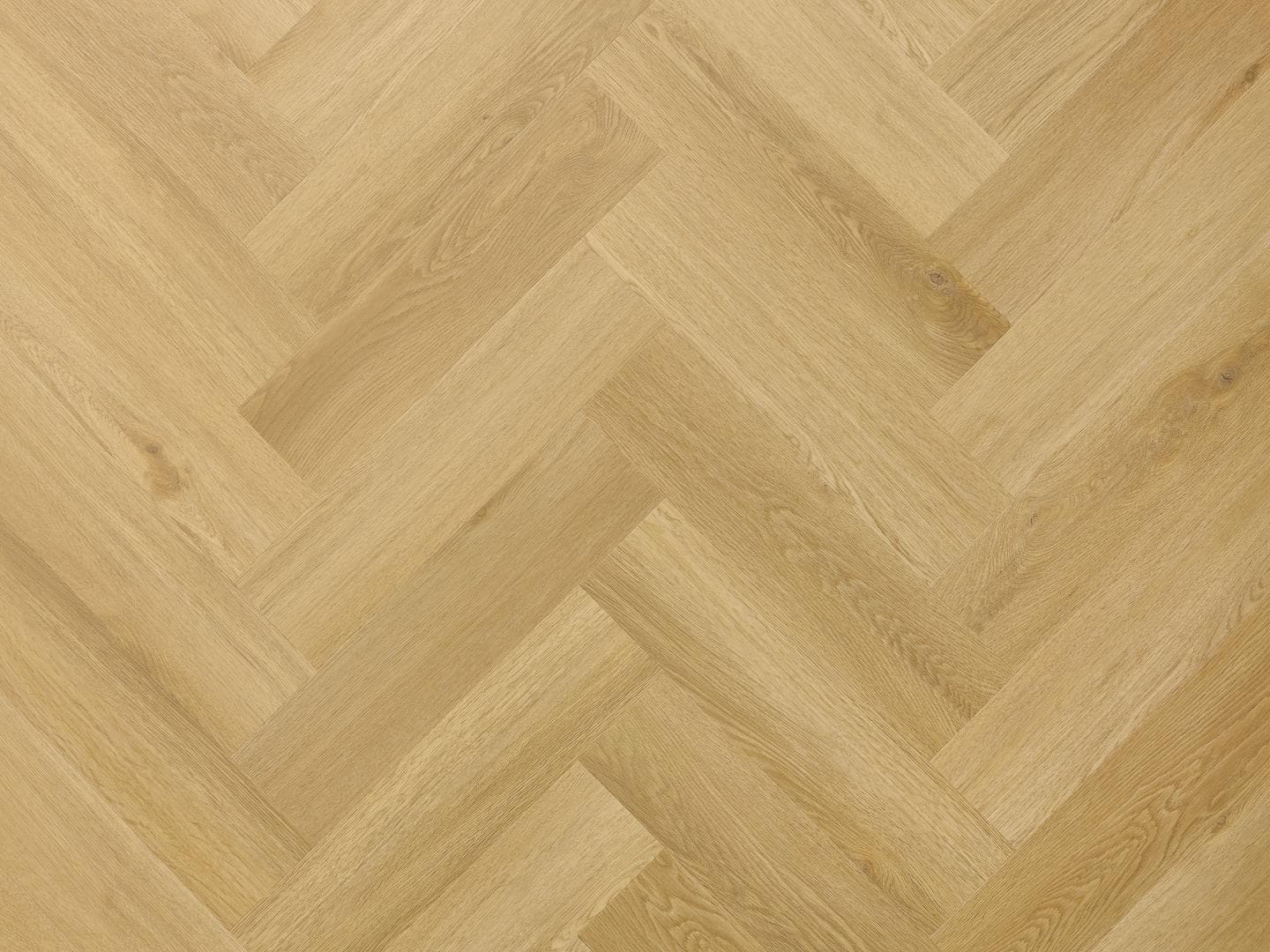
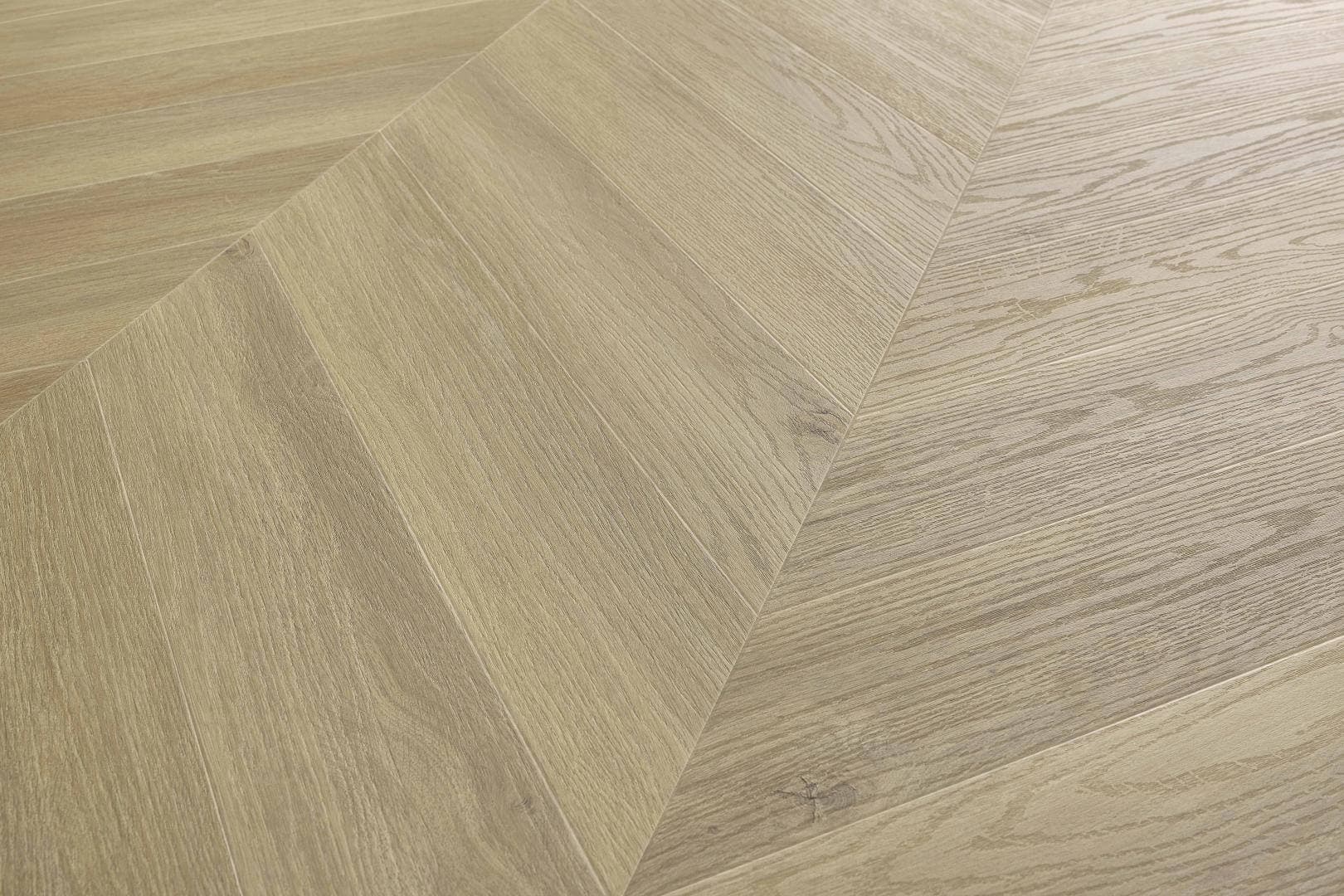
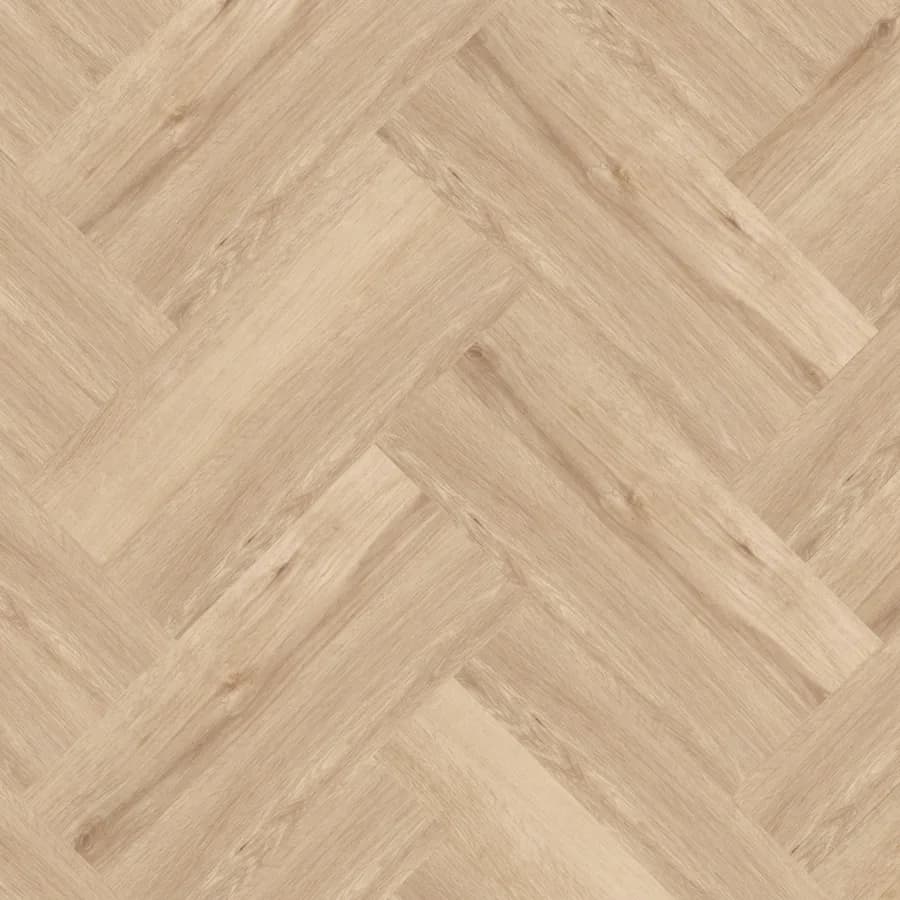
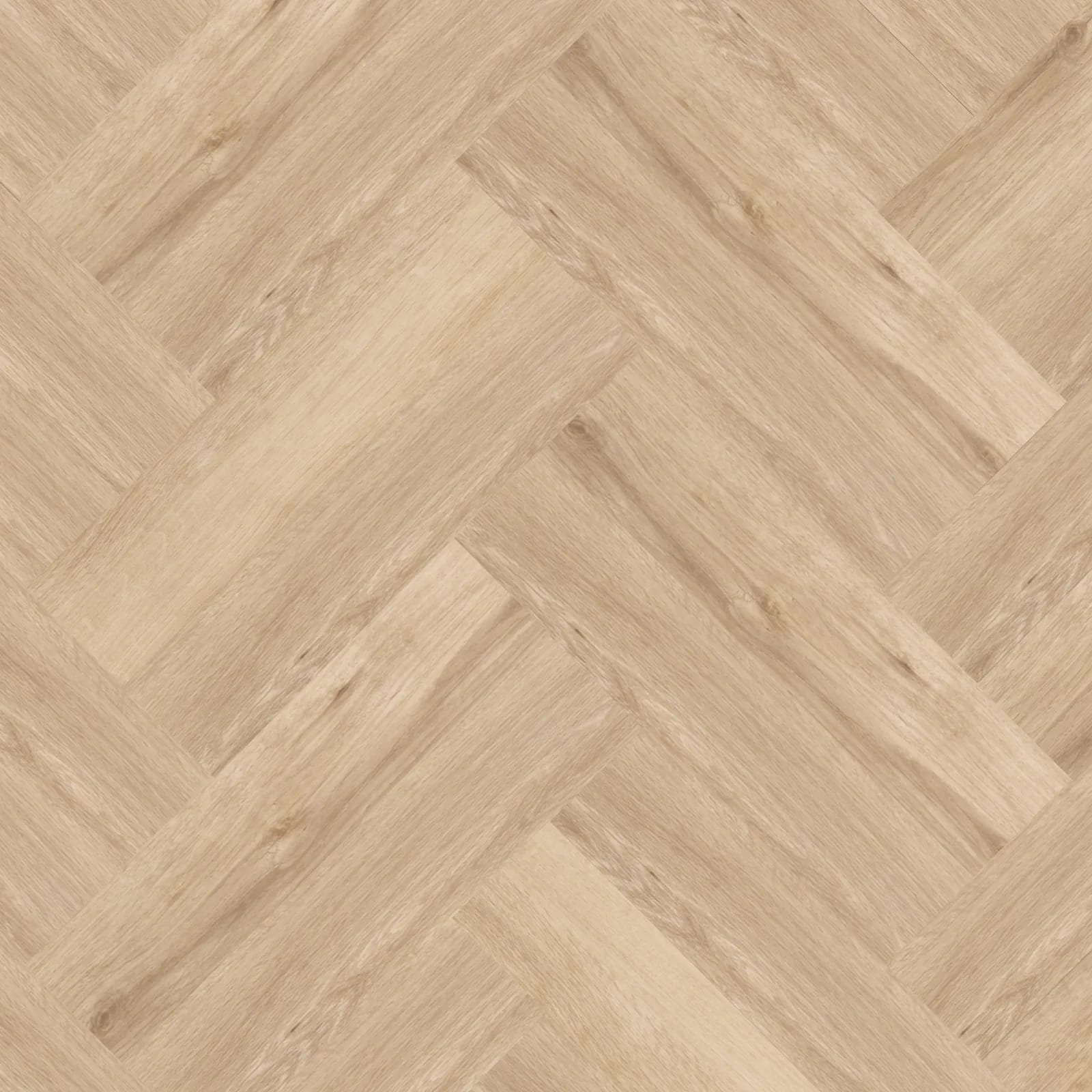
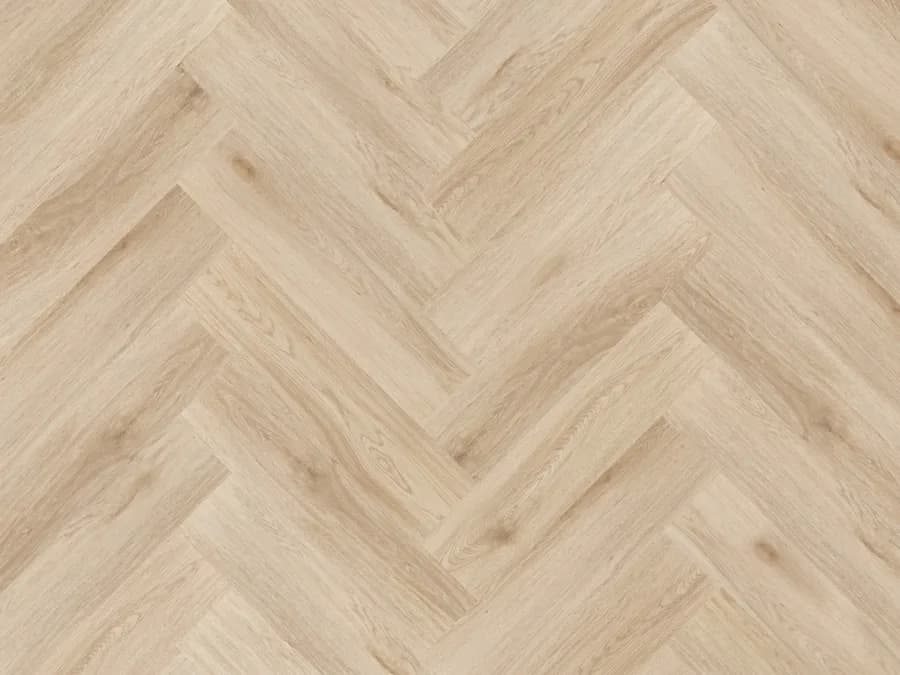
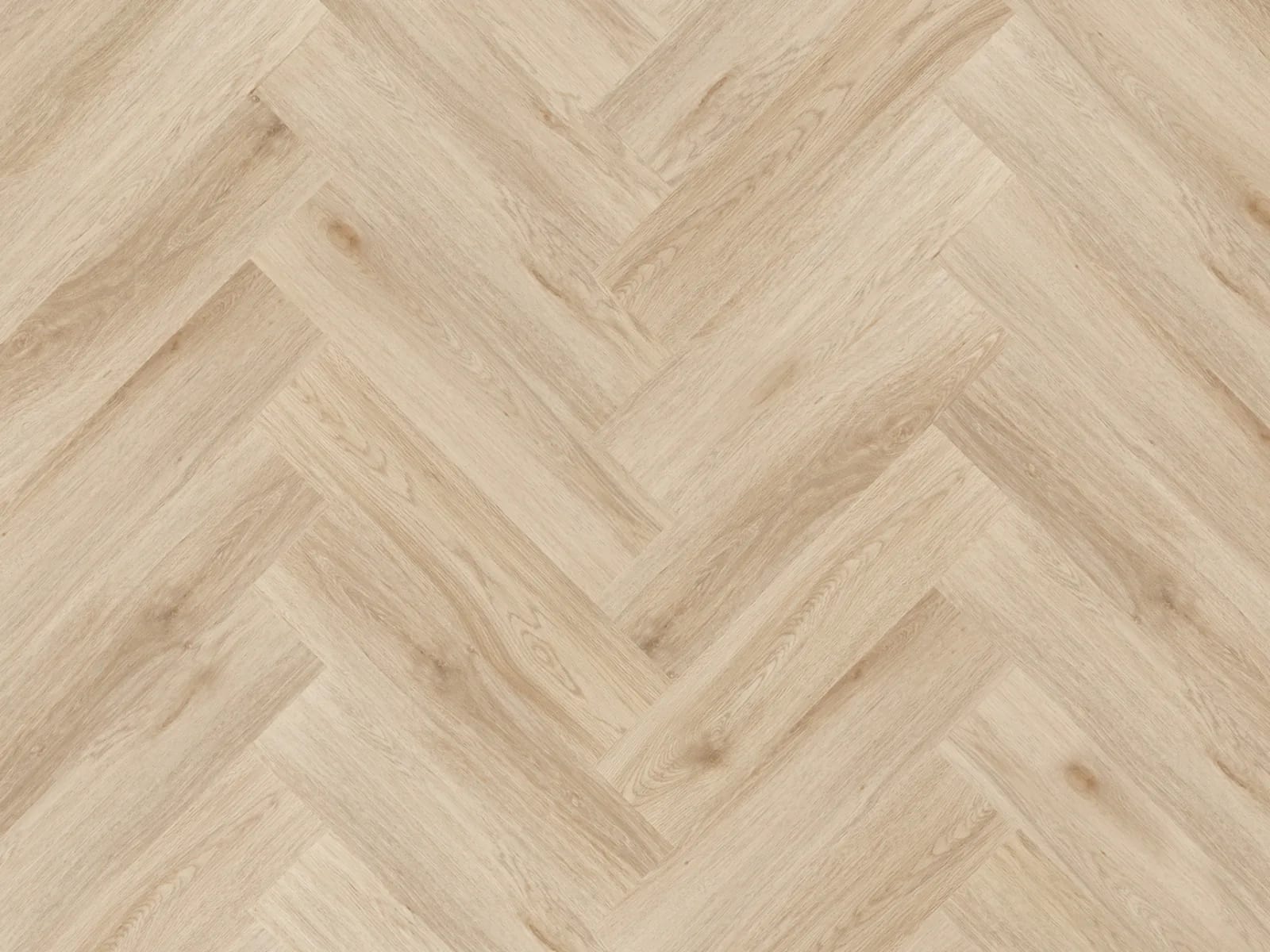
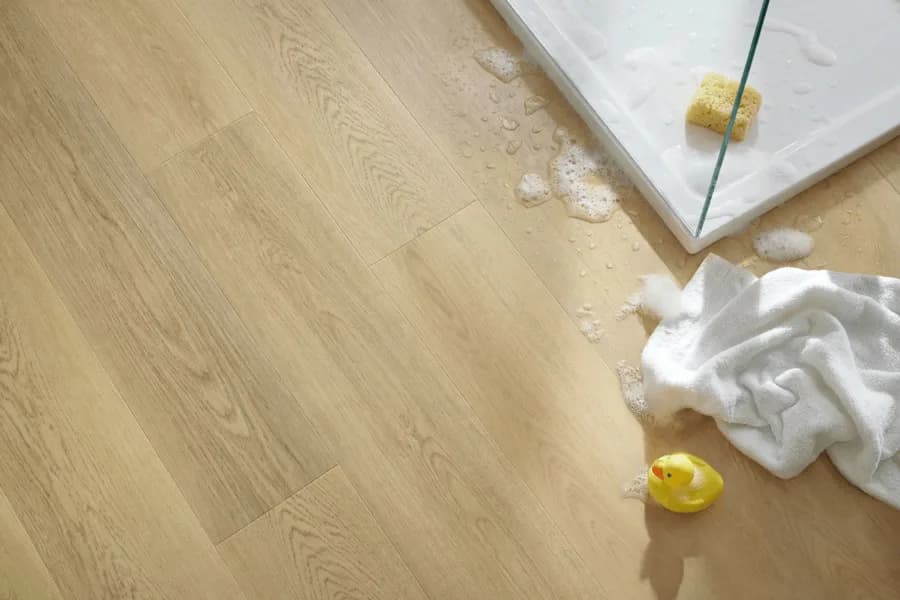
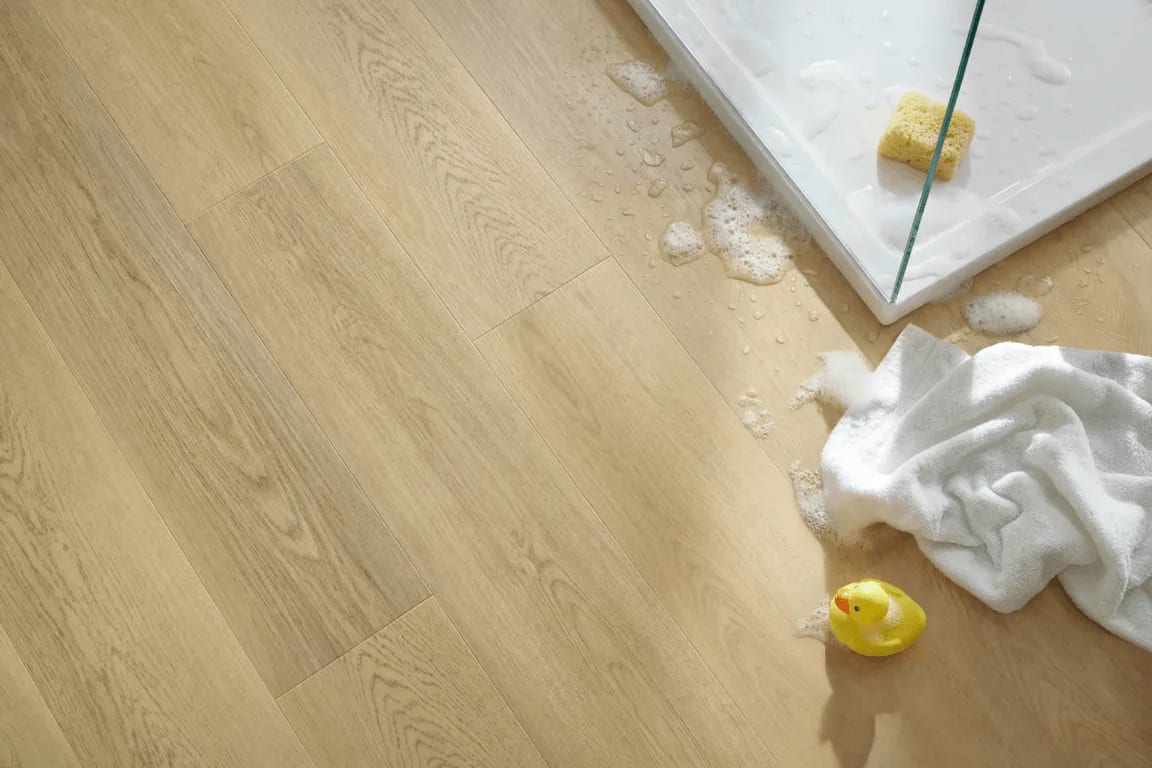
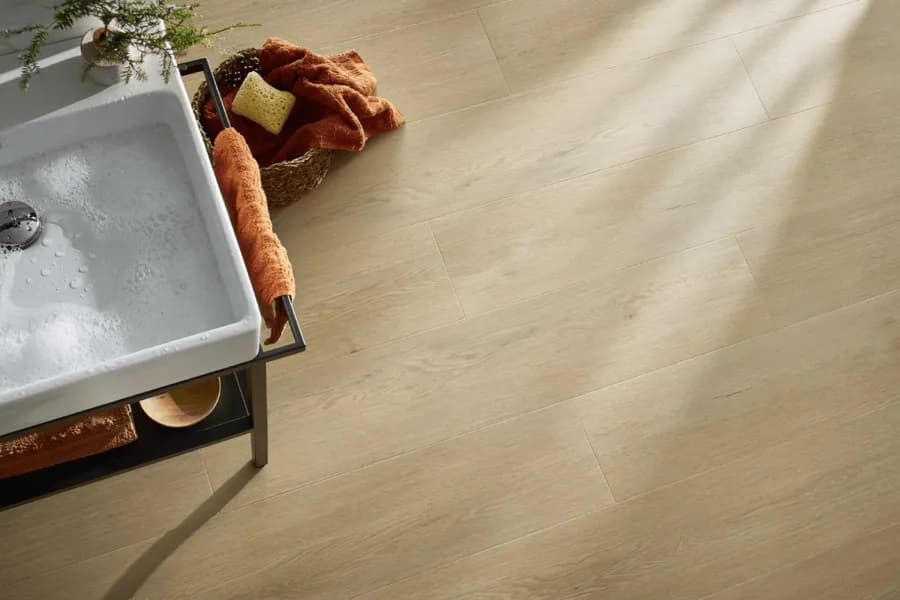
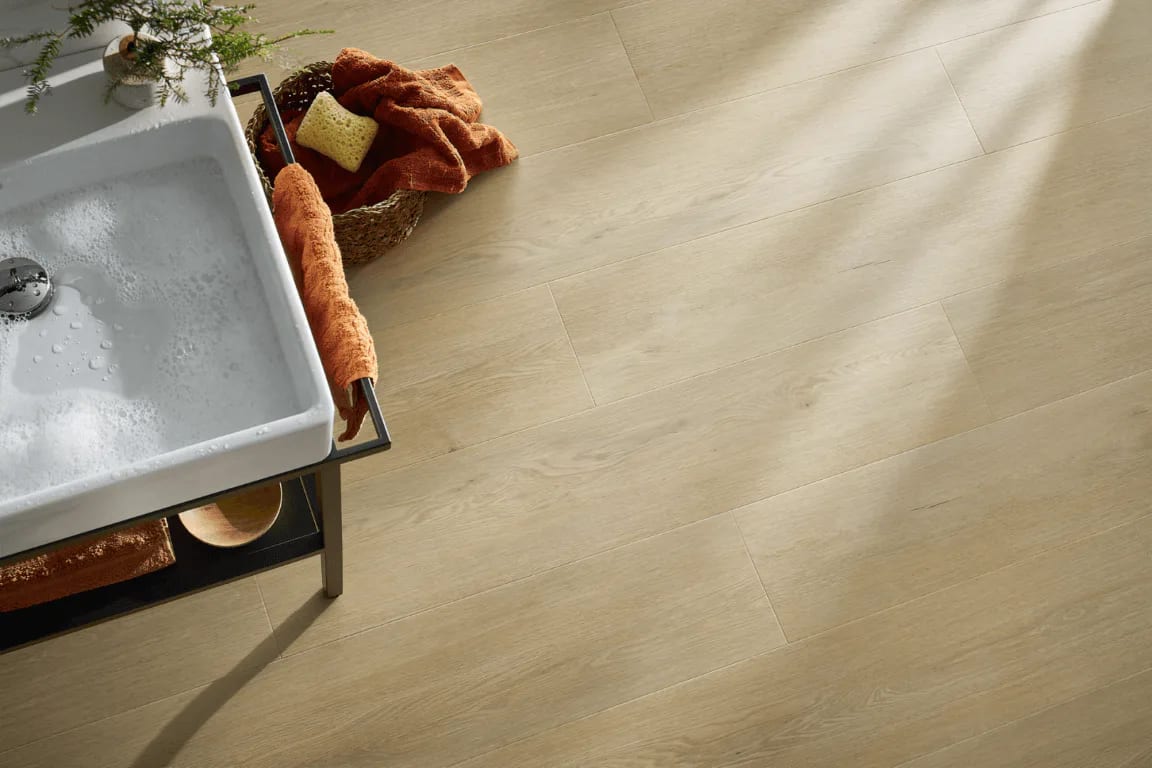
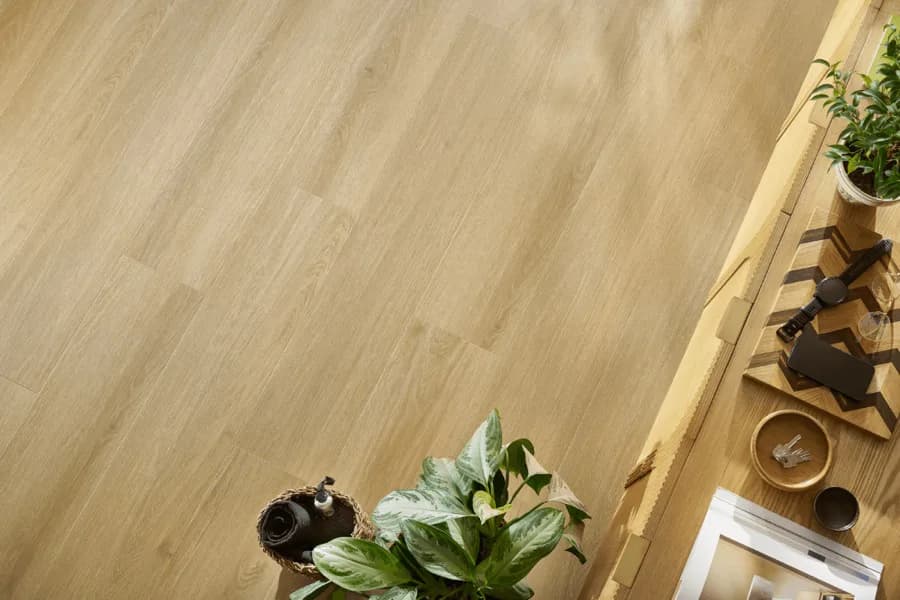
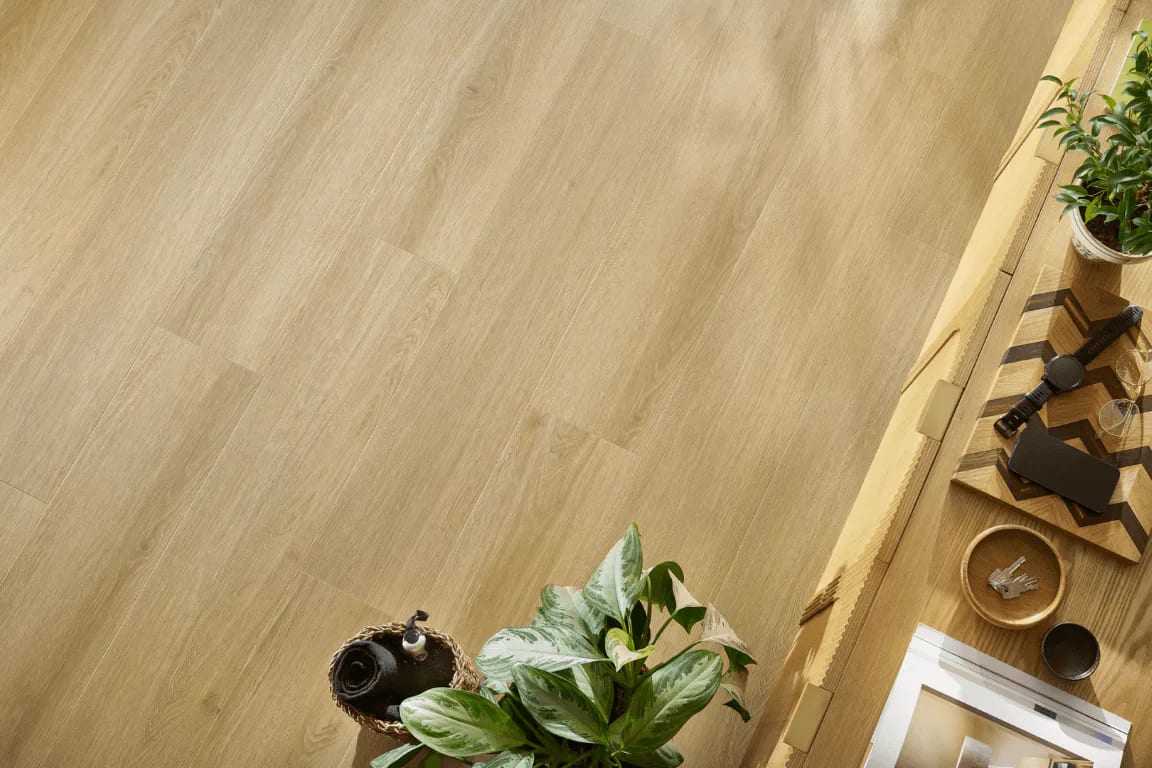
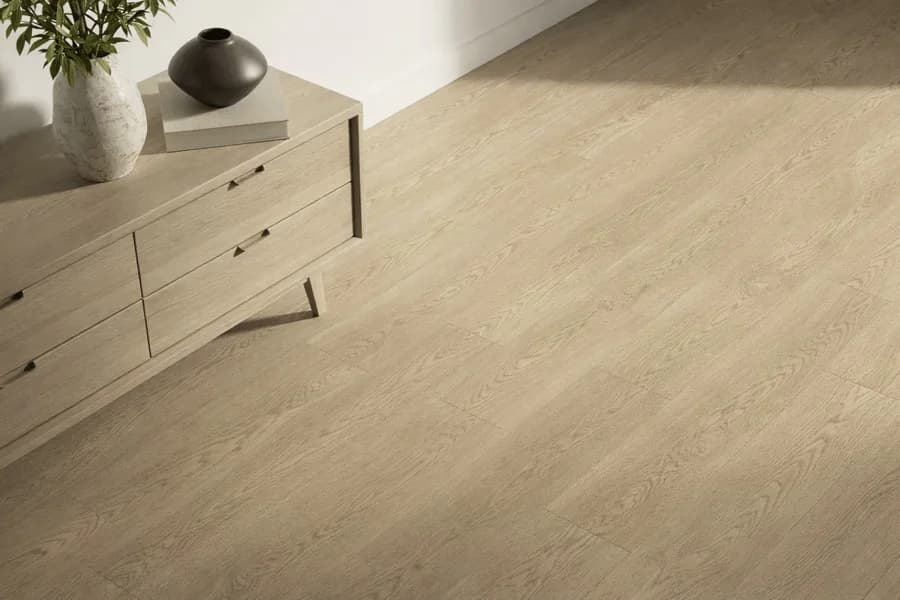
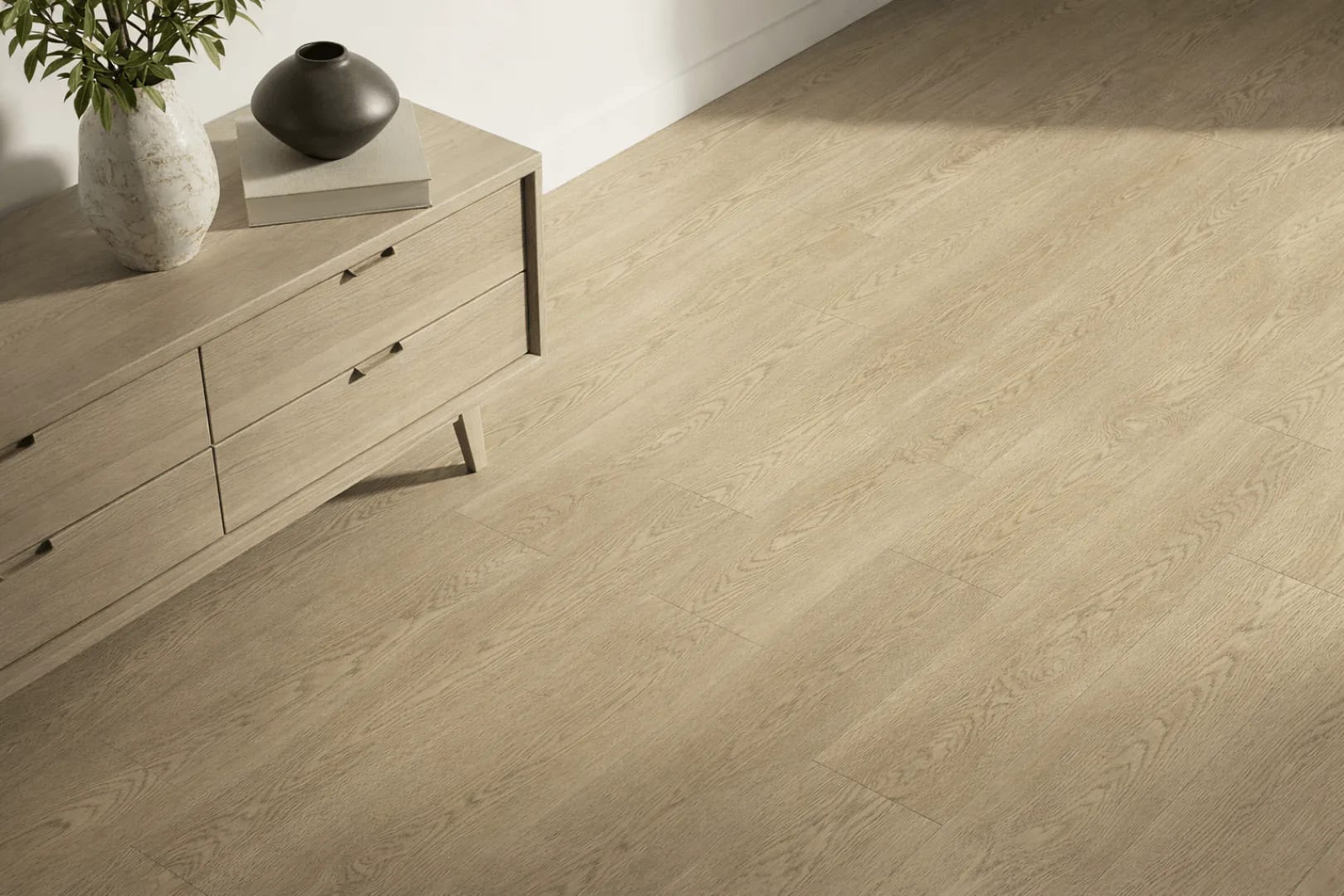
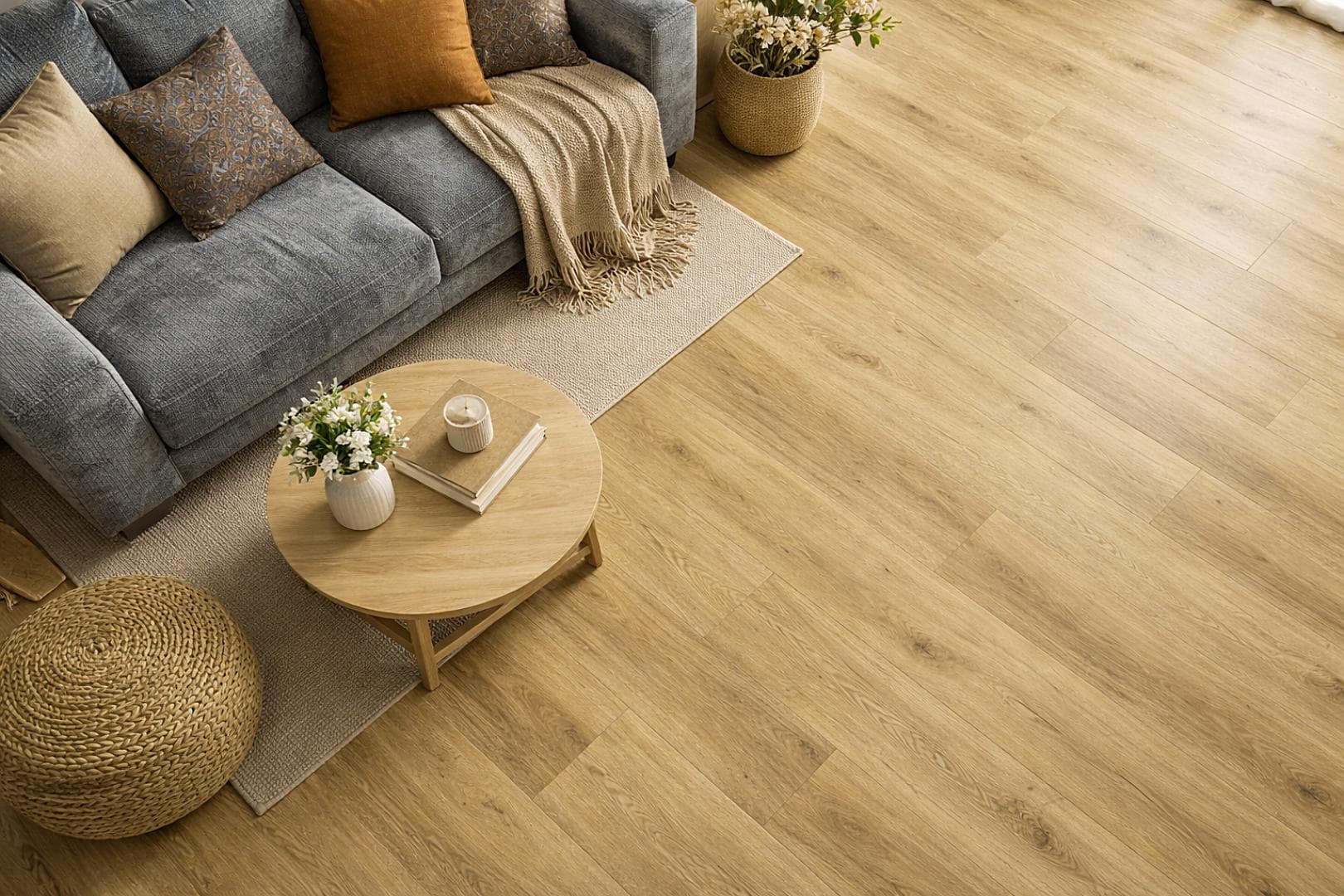
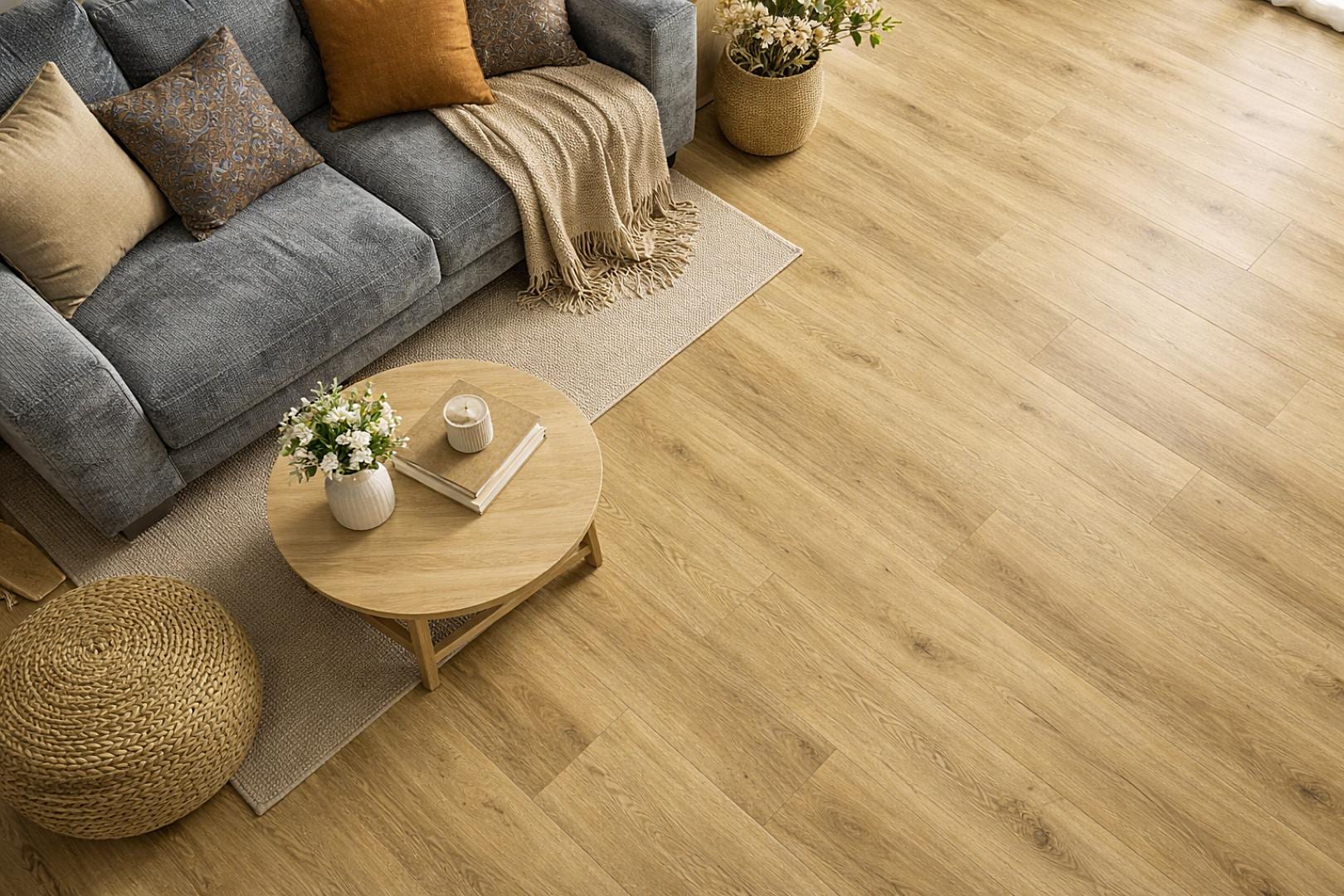

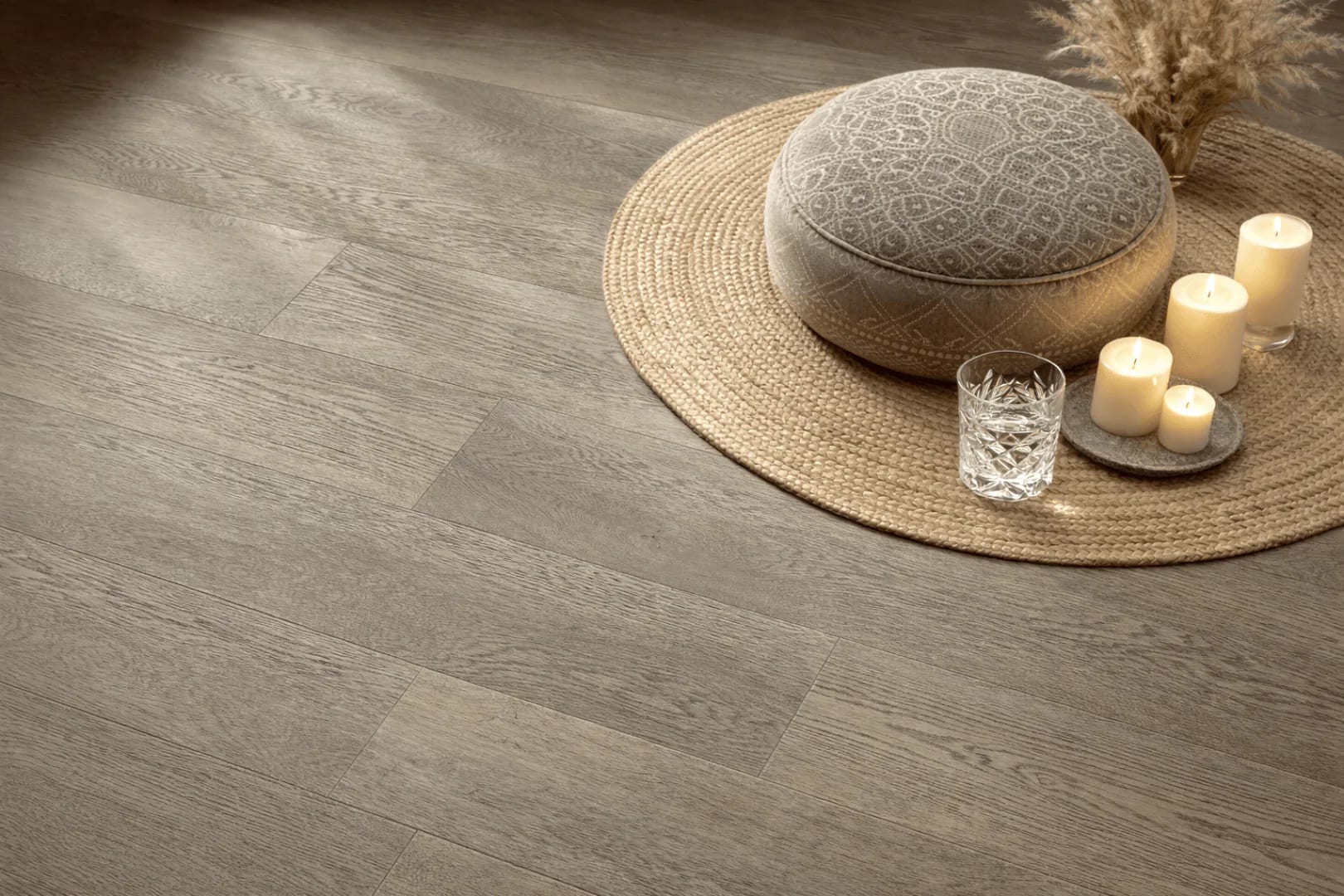

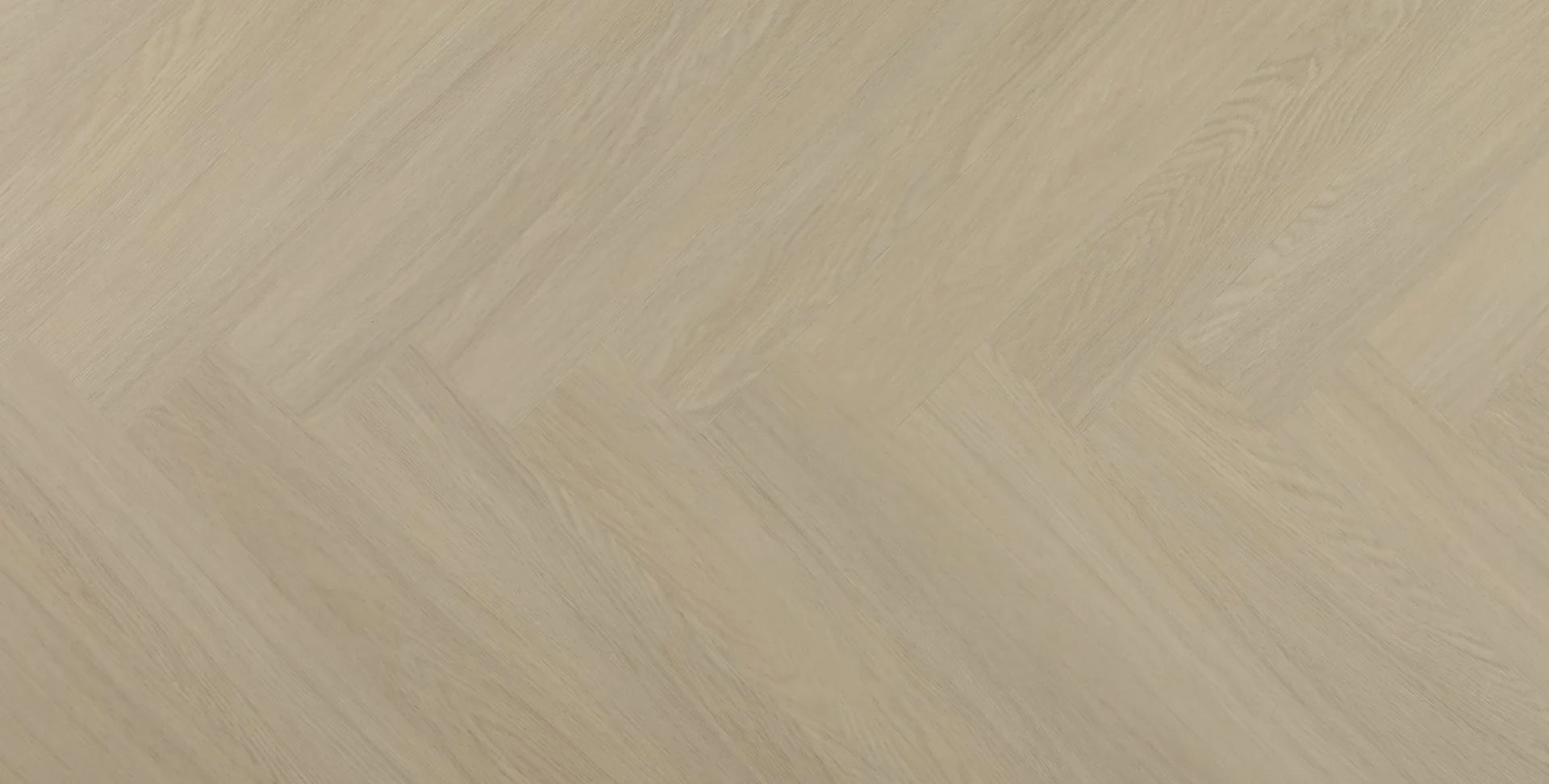
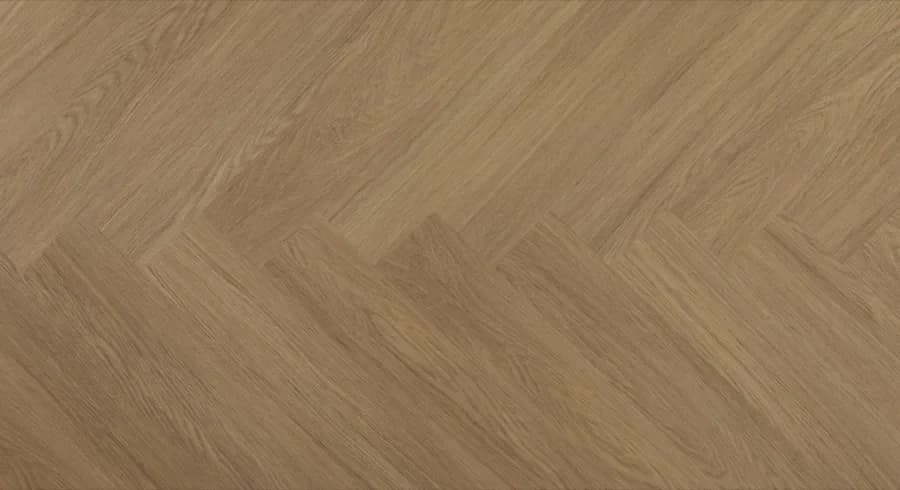
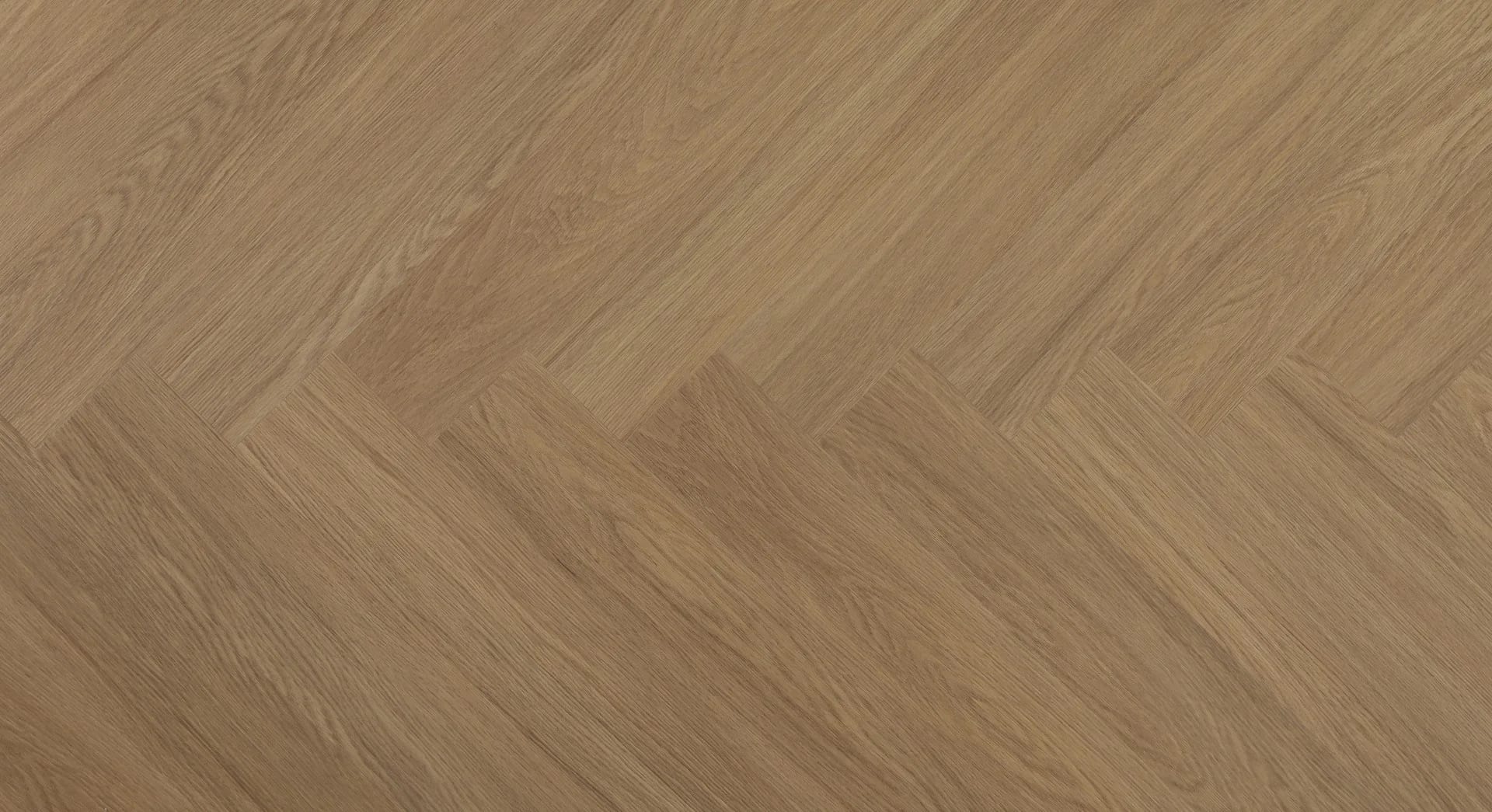
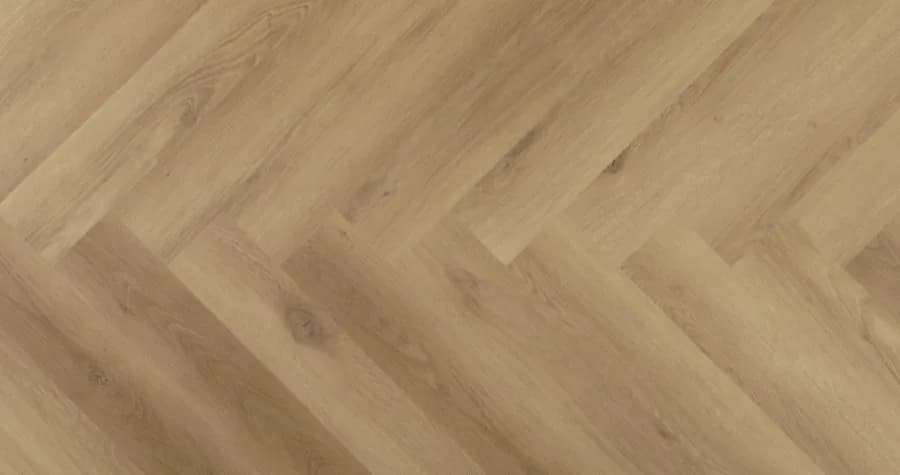
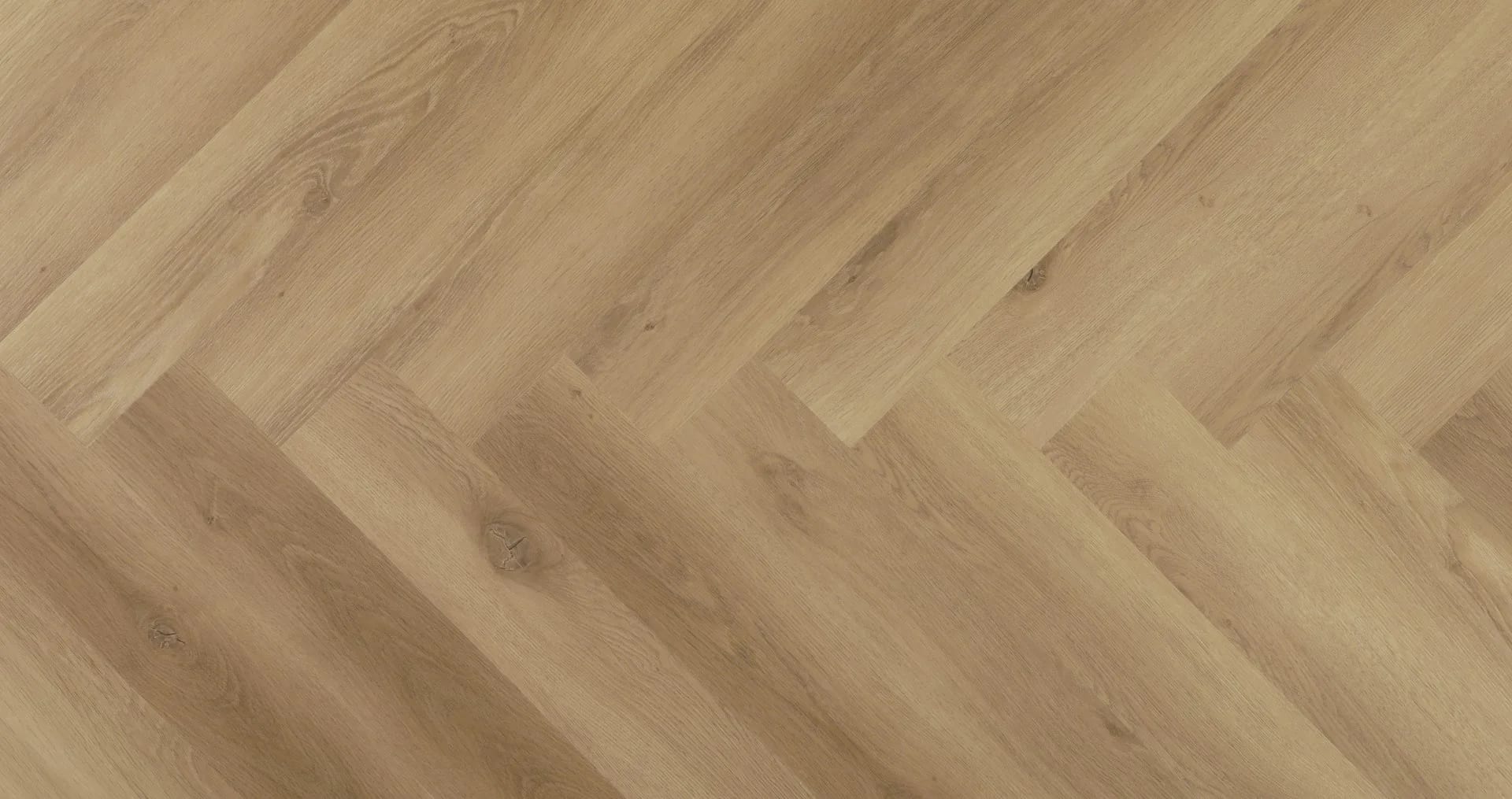
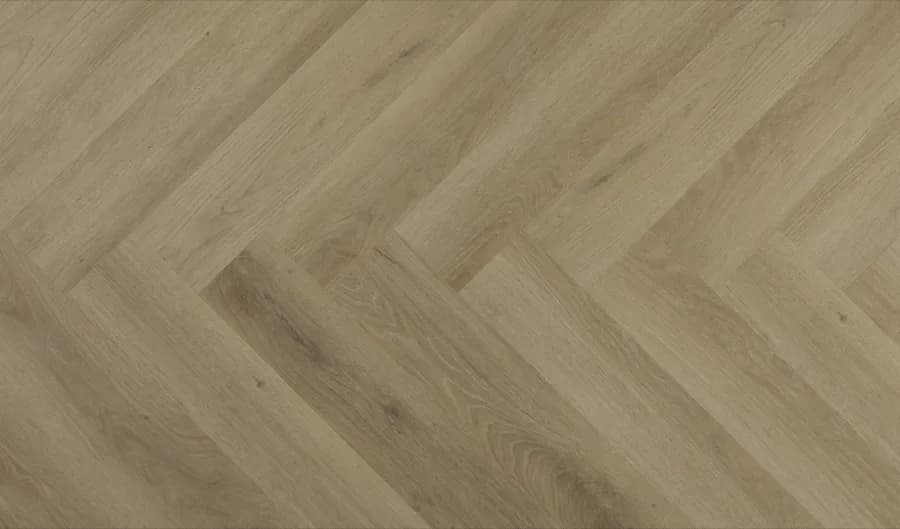
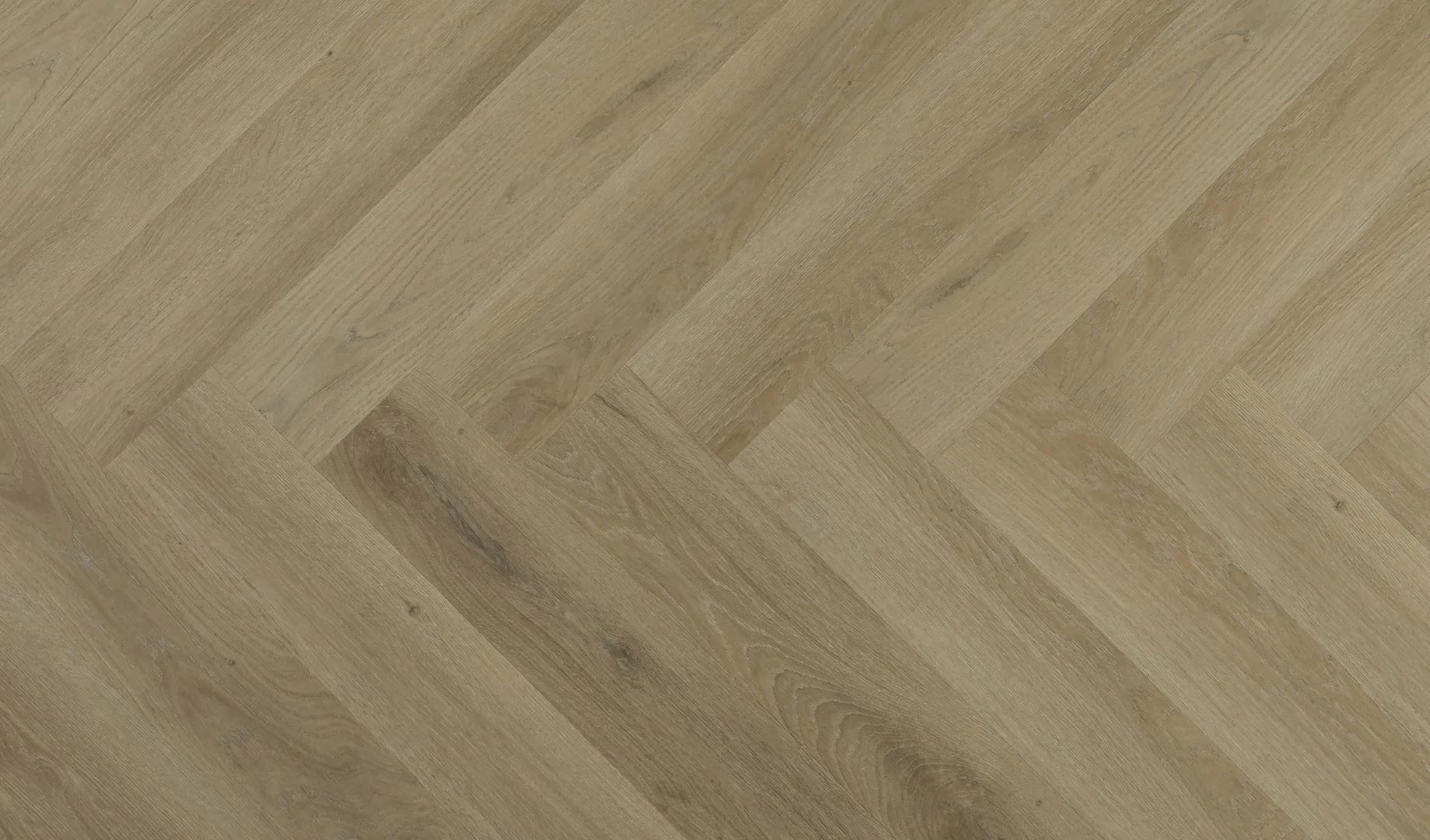
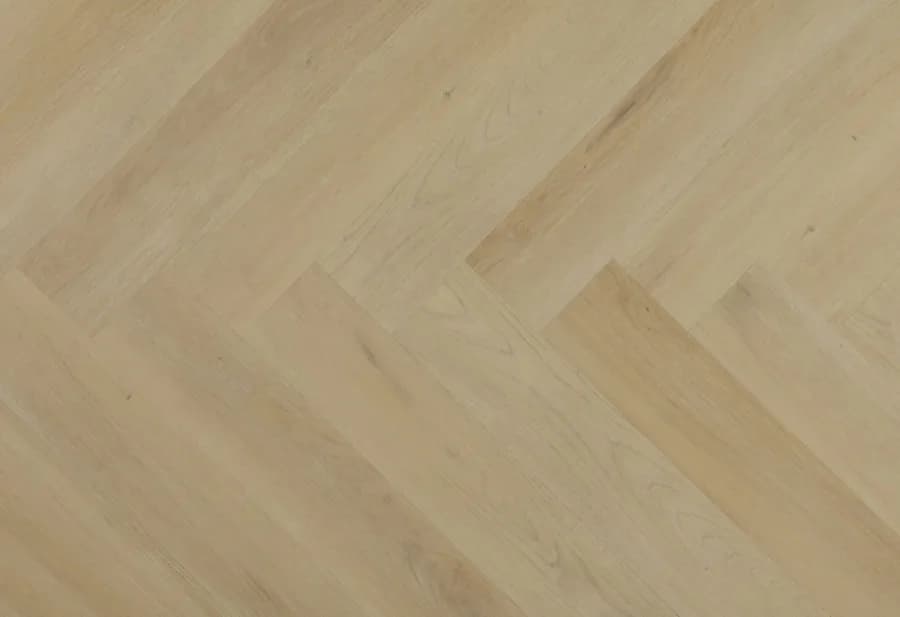
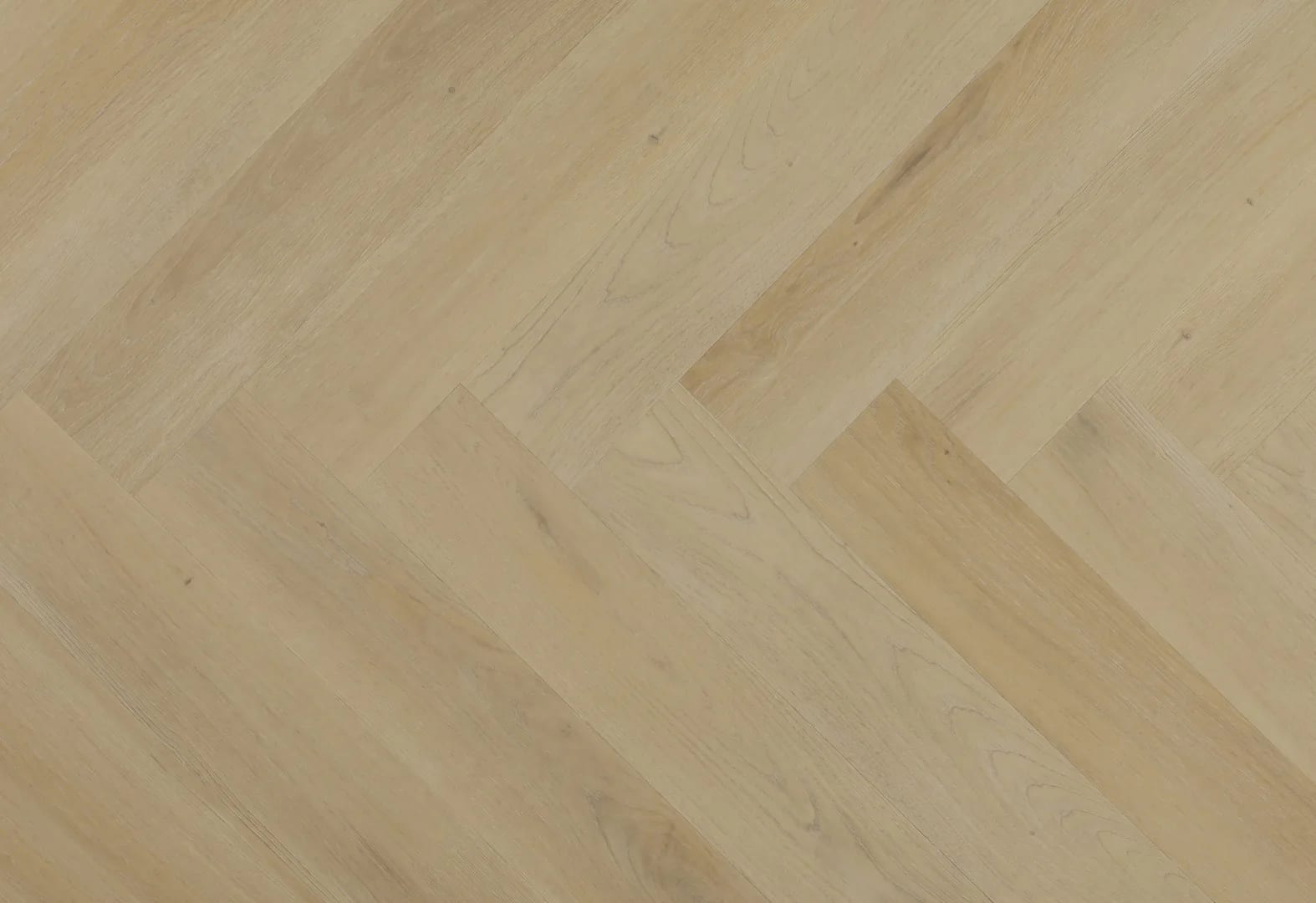
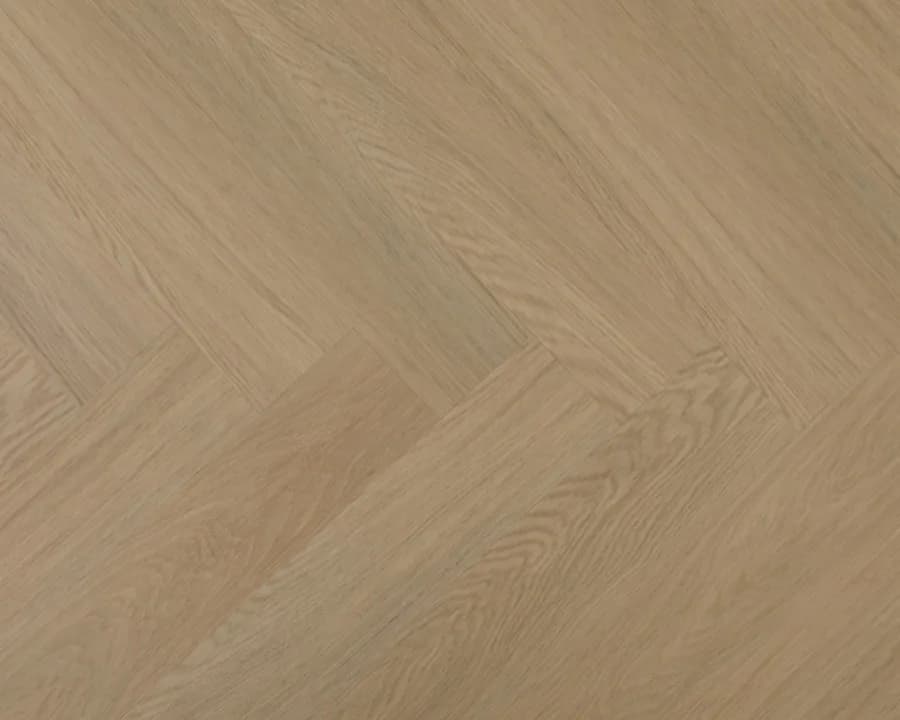
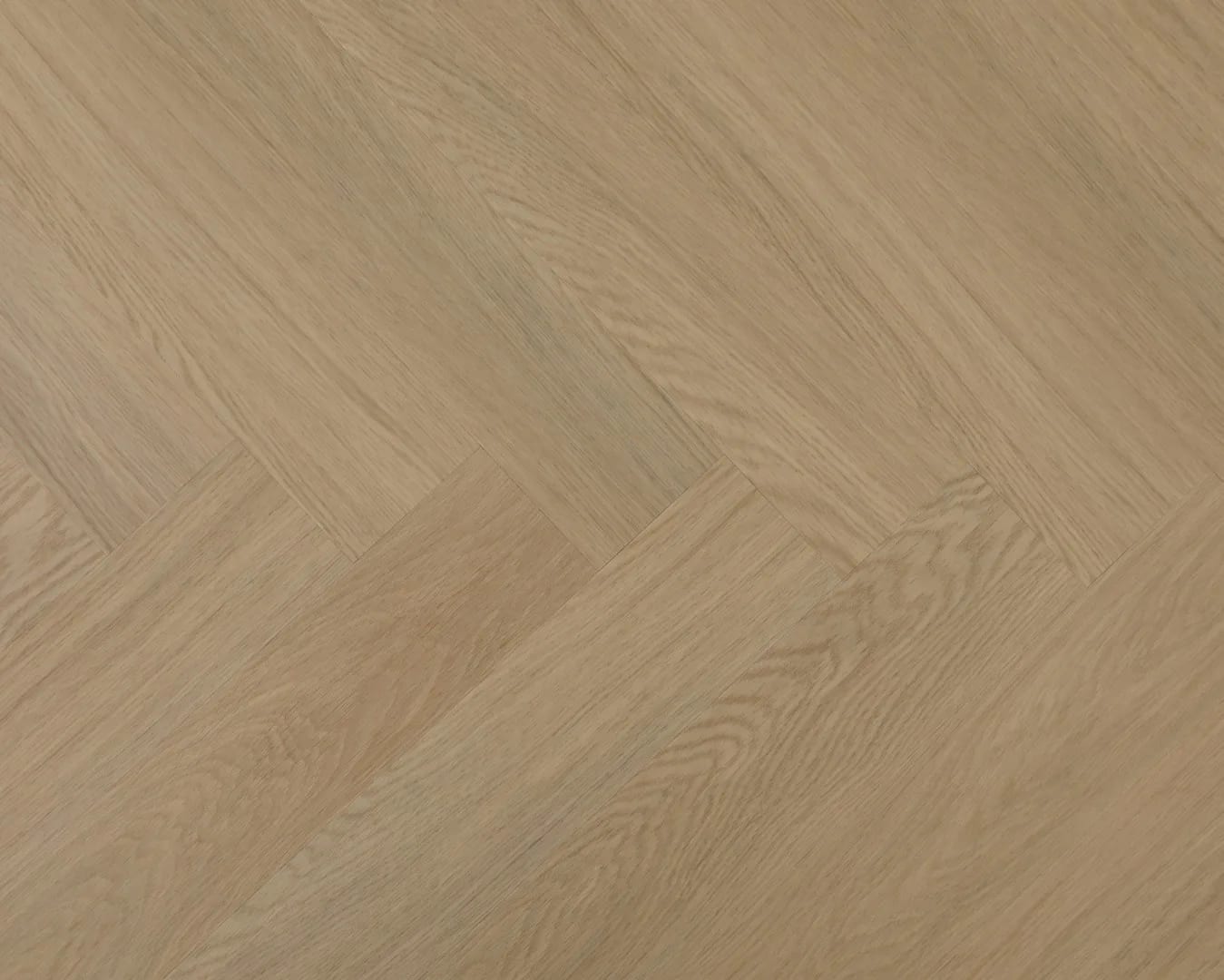
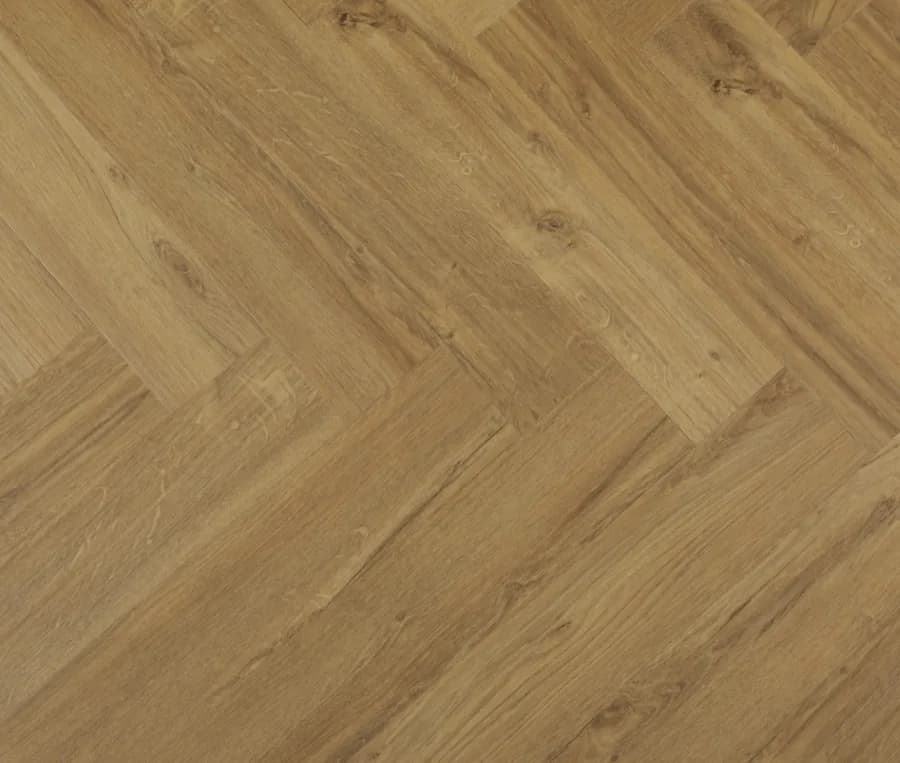
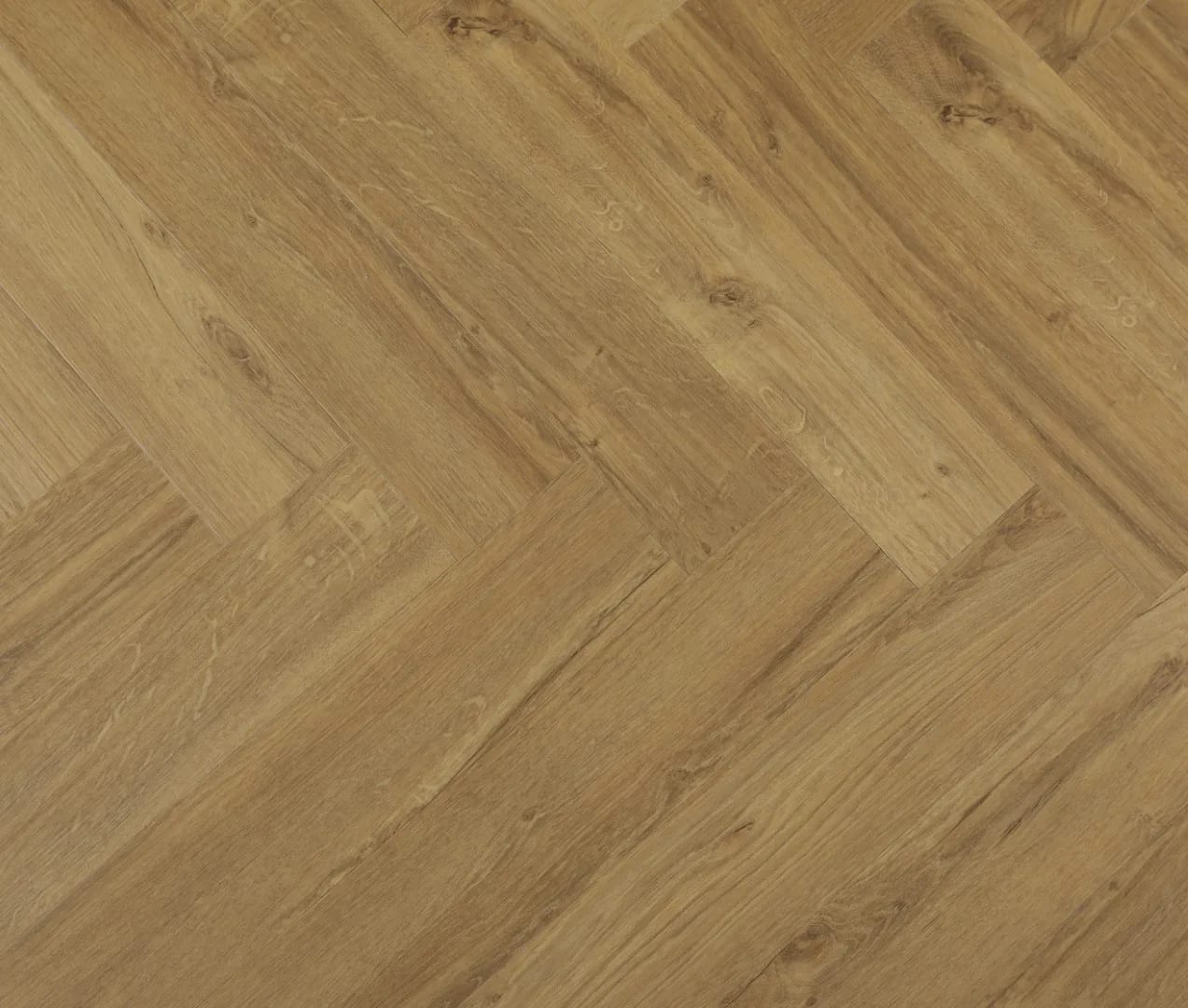
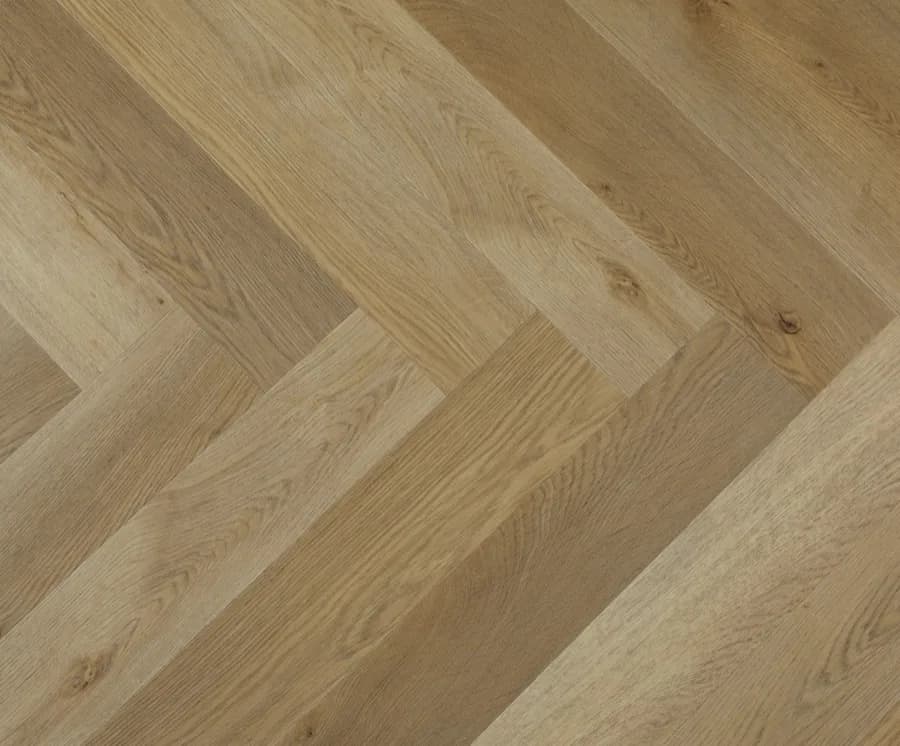
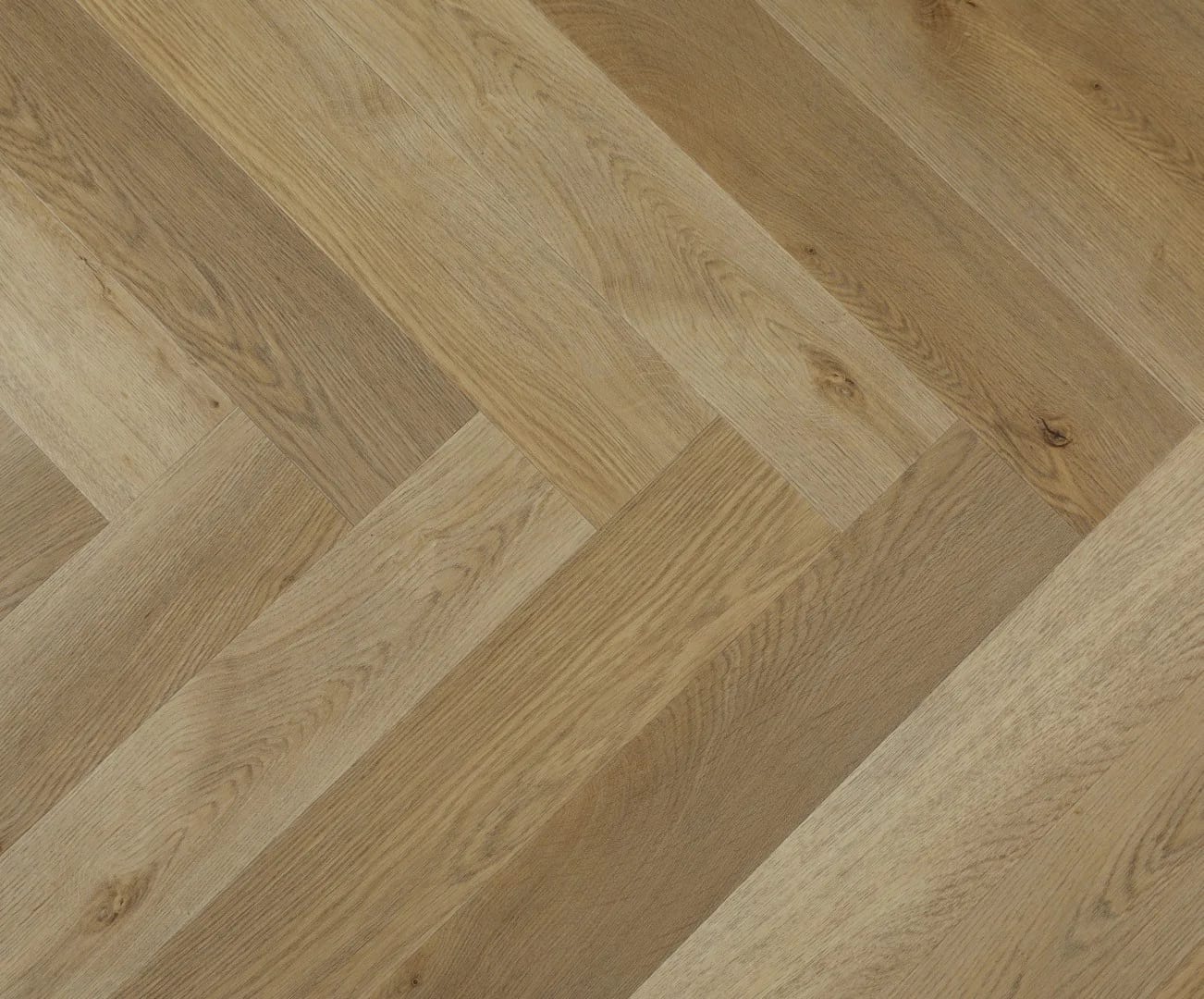
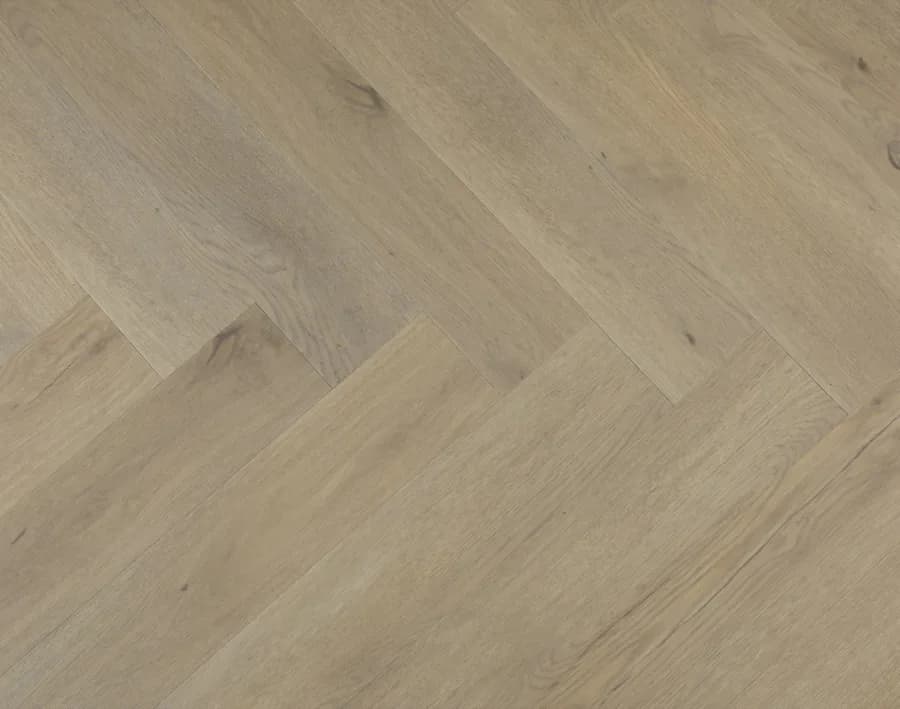
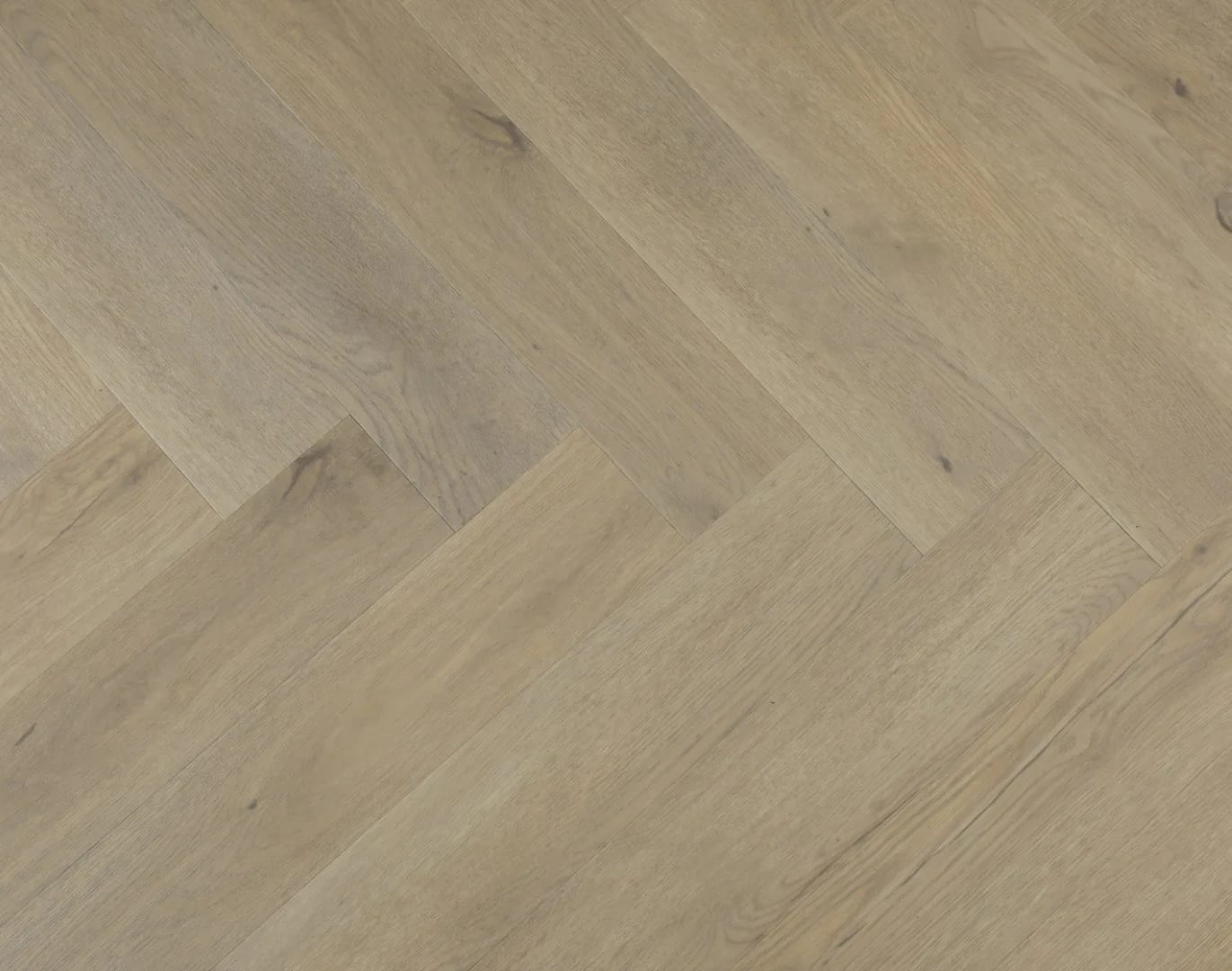
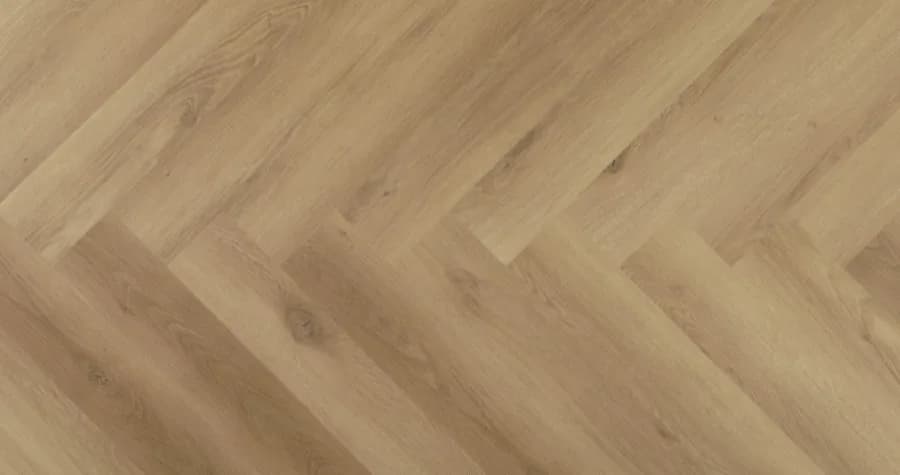
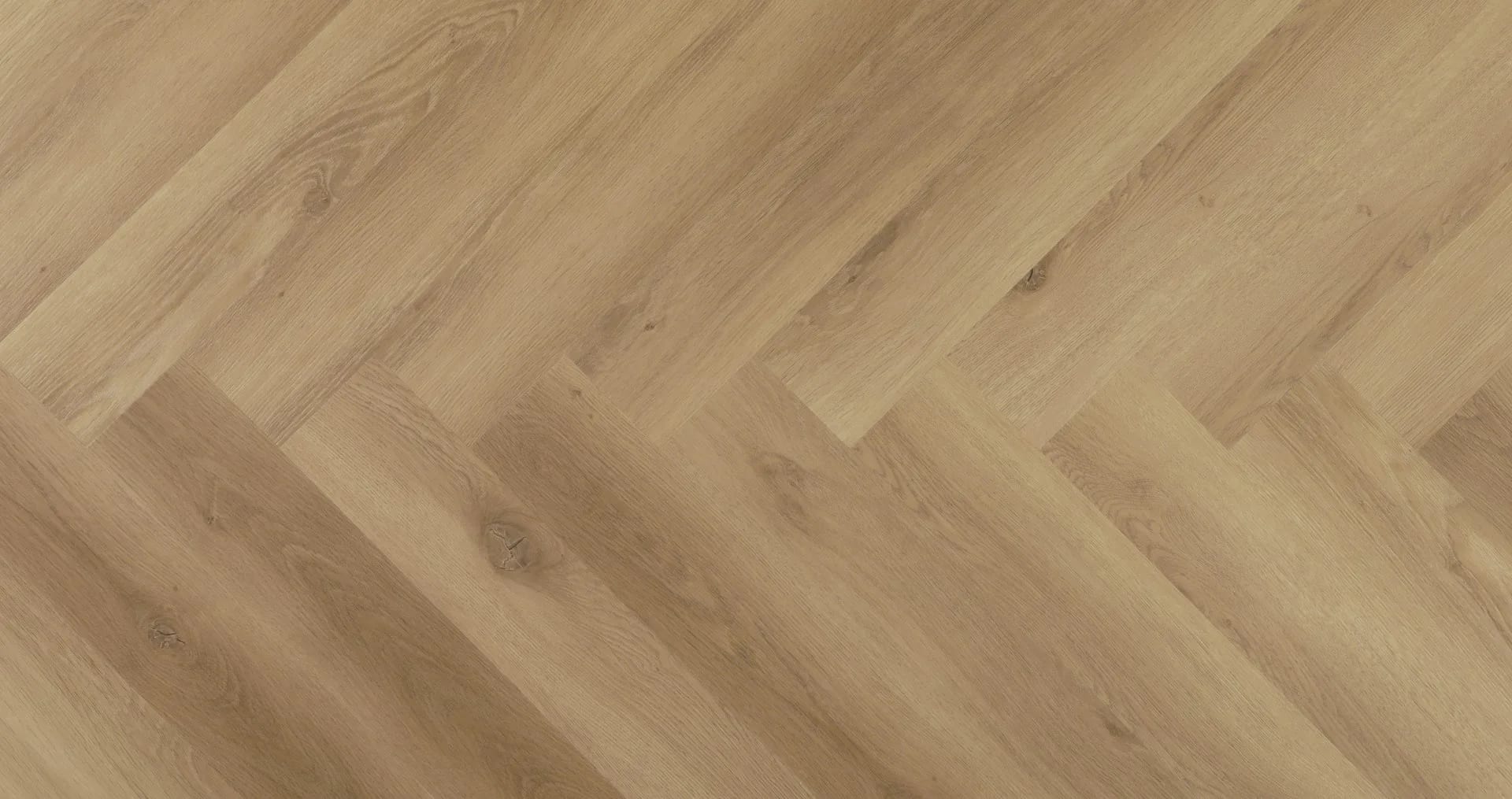
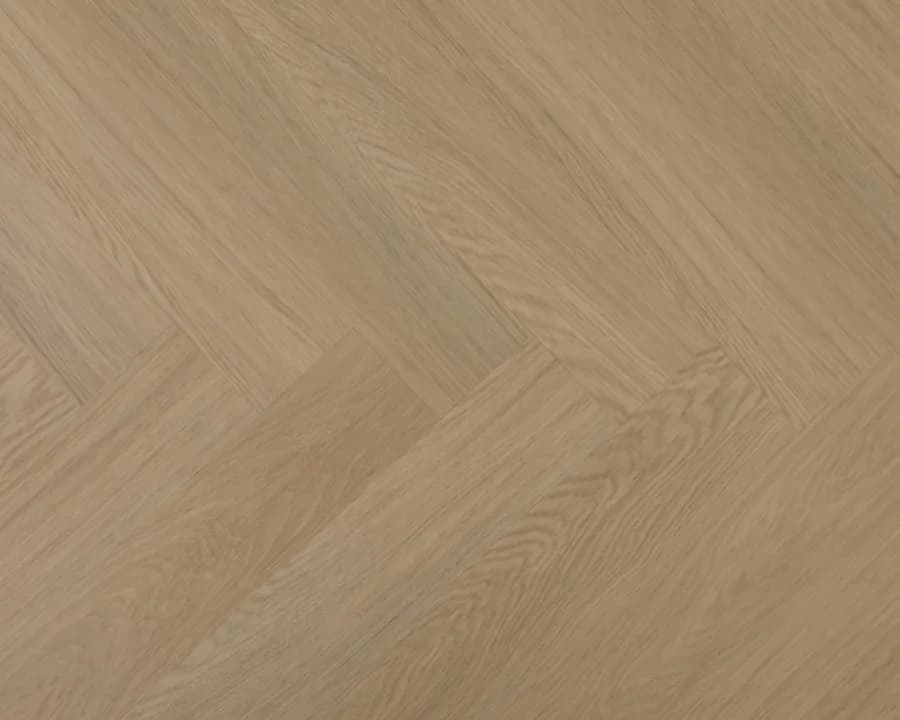
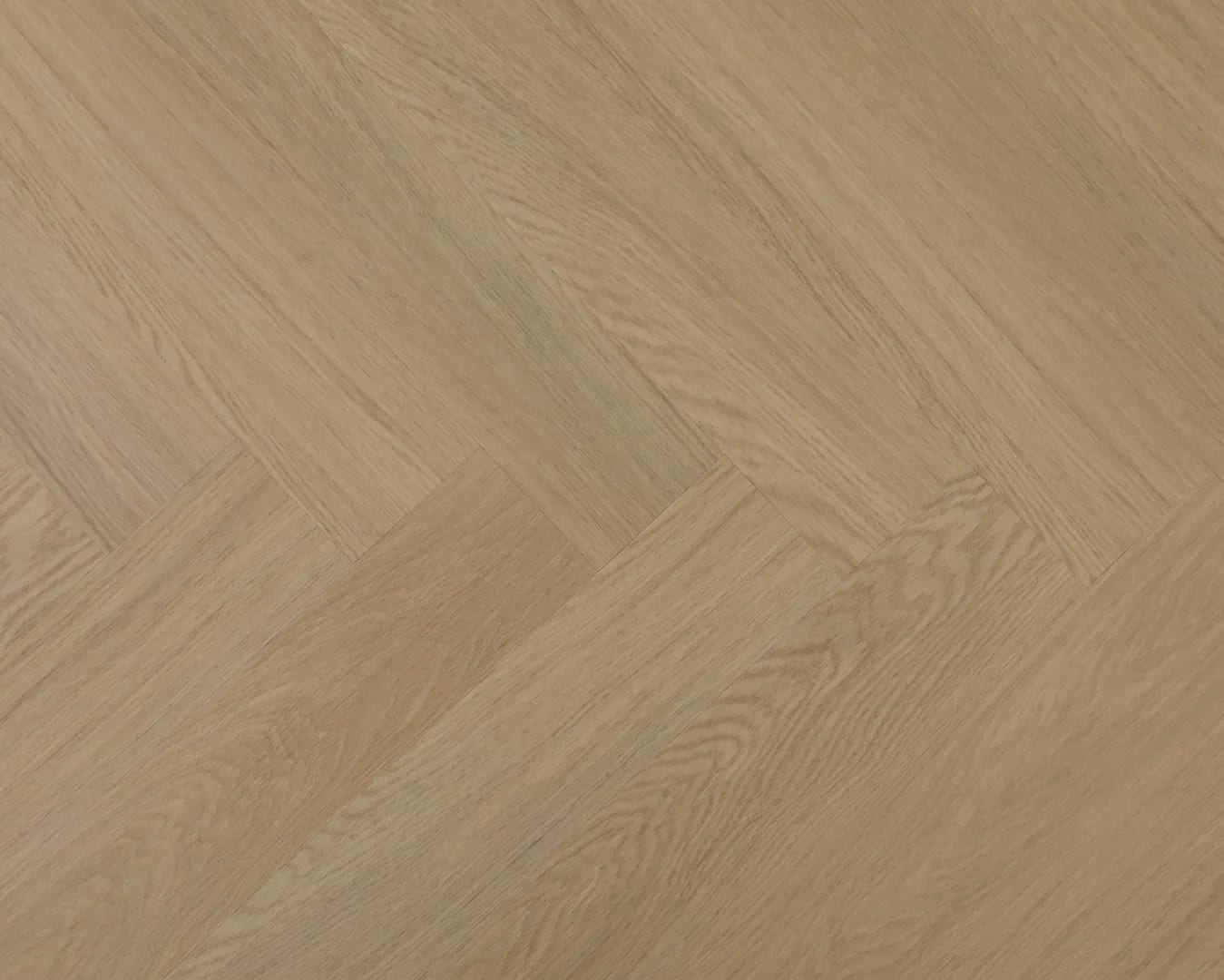
This category includes vinyl and laminate flooring from Arbiton, Pacific Vinyl Floors and FirmFit, and among the models with a stated colour, natural tones are the most common. The decor image on its own doesn’t show the use class, edge type, surface texture or fitting method, and these details decide the final look once it’s installed.
The product sheet is the main reference: material, use class 23, 33 or 42, and on some models also abrasion class AC4 or AC5, the locking system, intended fitting method and, if stated, thickness. In this category, vinyl floors are offered as click-fit or glue-down models; on some product sheets you’ll also find references to rigid core construction or to the floor being waterproof. For laminate flooring, the claim usually concerns splash resistance for a set period, not the whole floor being fully waterproof.
The differences between materials also show up in how the products are described. They mention AC class — the abrasion rating — and fitting systems: click, 5G or 2G solutions, or glue down, meaning the glued version. Most models are suitable for underfloor heating, although it’s best to check the product sheet for the exact item along with the required underlay. The examples in this category show these differences without referring to other groups: Oak Alaskan and Oak Brandon from Arbiton, Almond Oak from Pacific Vinyl Floors, and EW-2595 Texel from FirmFit.
Once it’s installed, the overall effect depends most on the technical and finish details: the edge type, surface texture, and, if the product sheet gives it, also the dimensions and thickness. V4 bevel, 4-sided finish and Design Bevel make the joints between boards stand out more clearly, while EIR or WE texture — meaning the embossed finish — changes how the surface feels under your hand and looks in side light. So the same wood tone can look calmer or make the board layout stand out more strongly, depending on the edge treatment and embossing.
The examples on this page also show that a similar decor doesn’t mean the same final effect. Oak Brandon from Arbiton, Almond Oak from Pacific Vinyl Floors, EW-2595 Texel from FirmFit and Oak Alaskan from Arbiton are all models from the same category, and you compare them using the product sheet details, not just the decor image.
In this category you’ll find click-fit floors with 5Gi or 2G locking systems, and glue-down models. The fitting method is linked to the underlay requirements: some products use solutions such as Silent Step or integrated cork, while others need a separate underlay specified by the manufacturer. These details belong to the individual model, along with whether it’s suitable for underfloor heating and the scope of use for the locking system.
So you can compare vinyl and laminate flooring using the product sheet details: the material, use class or AC — meaning the wear-resistance rating — the edge type, surface texture and fitting system. In short, only this set of information lets you compare Arbiton, Pacific Vinyl Floors and FirmFit models properly within one category.