


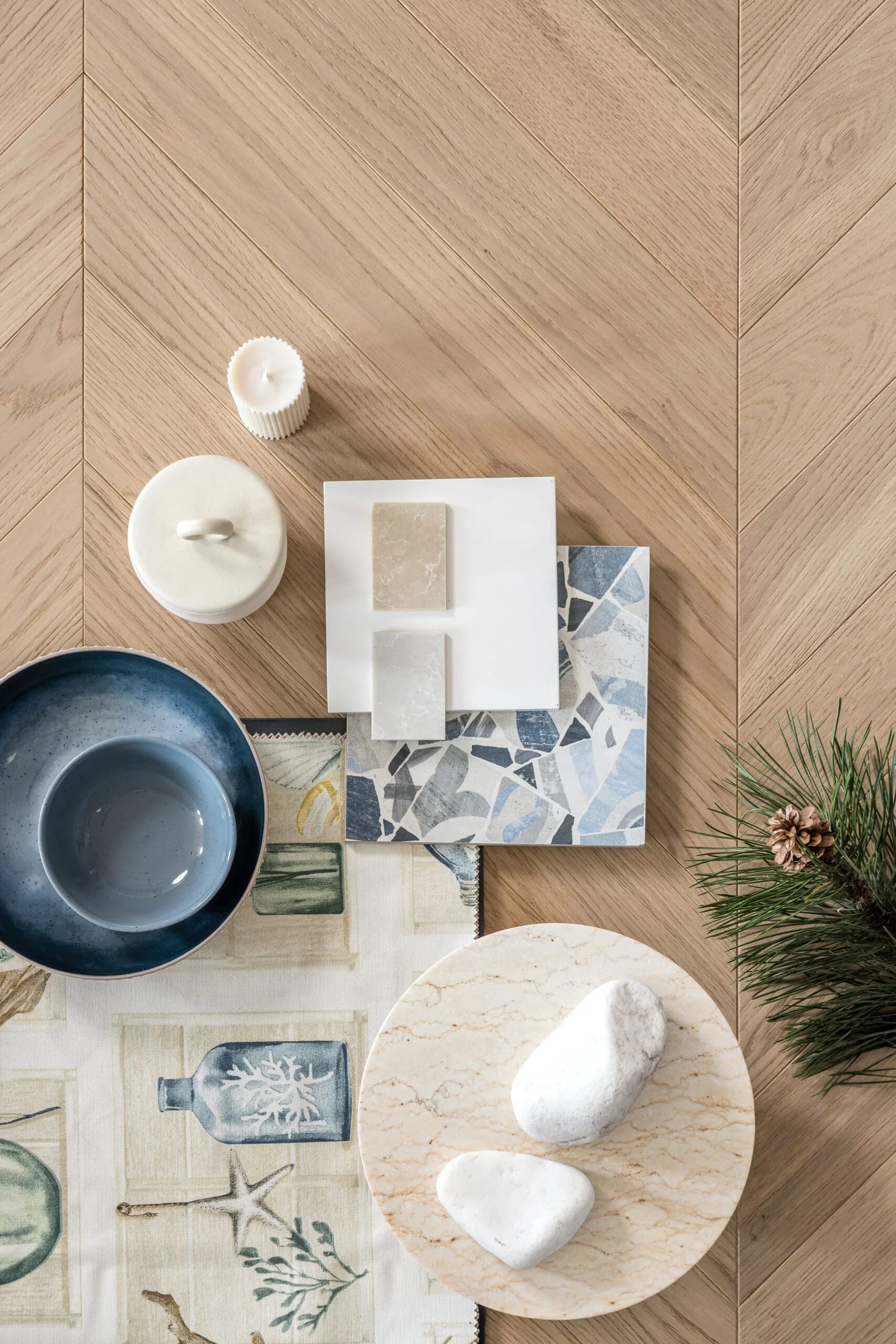
Lacquered boards have a hard lacquer layer on the surface, which protects the wood from water and dirt – this category includes oak parquet and wood floors, engineered and solid, from manufacturers such as KACZKAN, Lareco and Holz Floors. It’s a good choice where you want the floor to look clean again after a quick mop. Lacquer doesn’t need regular oiling, but you can’t spot-repair a deeper scratch. Compare the sheen level: matt hides marks better than semi-matt.

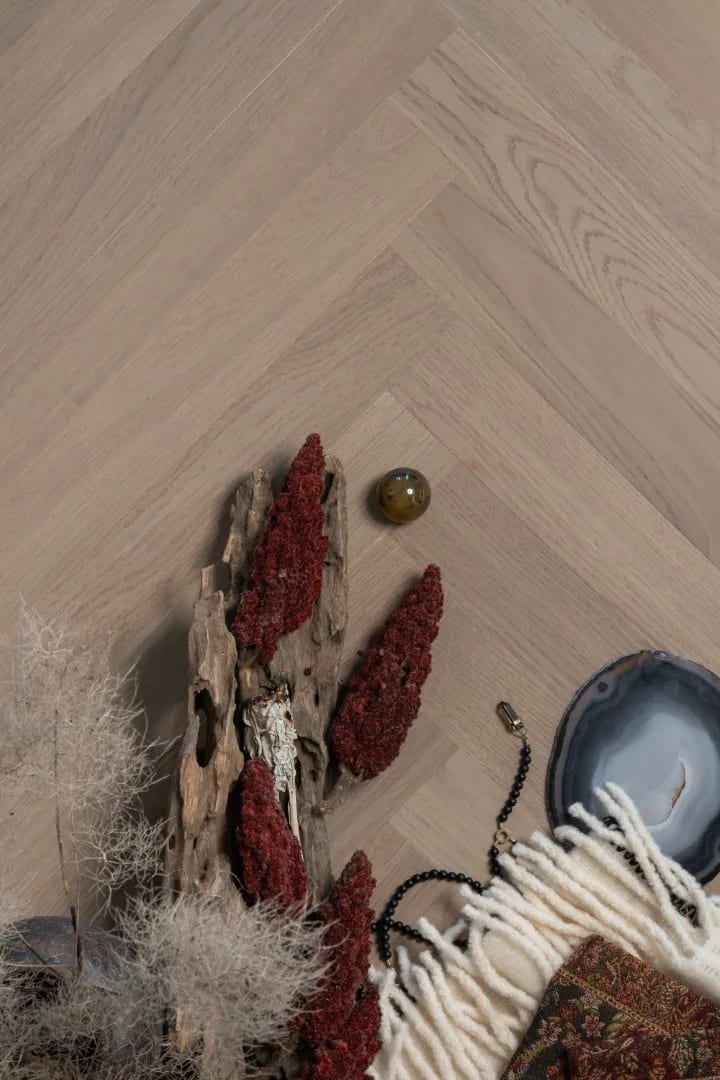

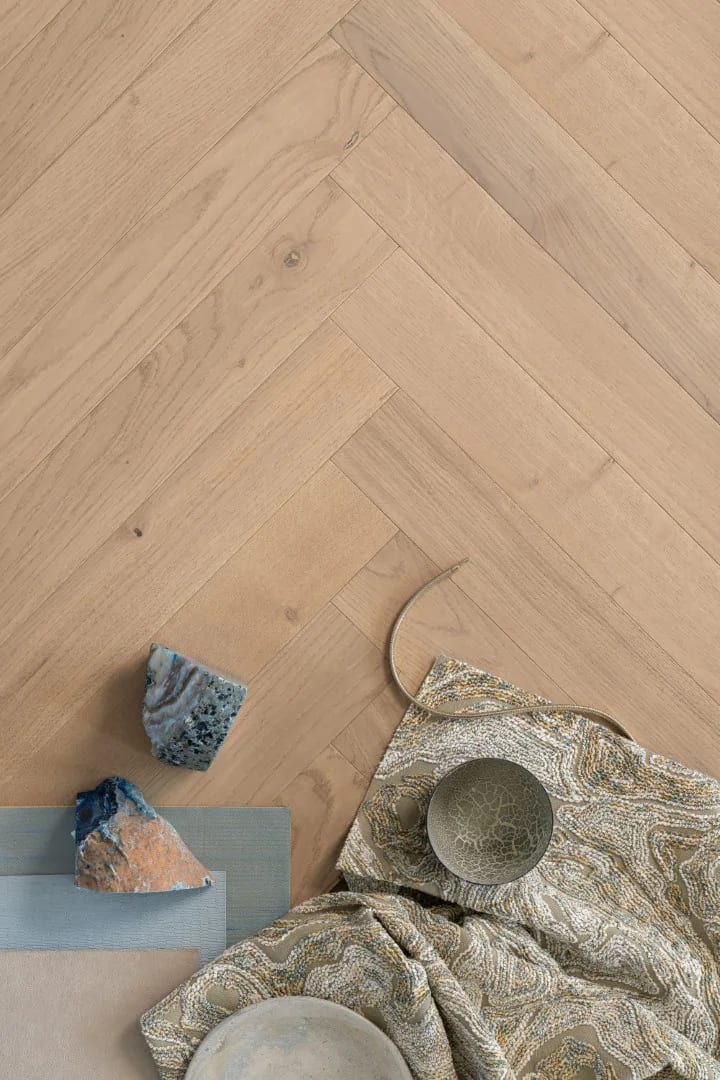



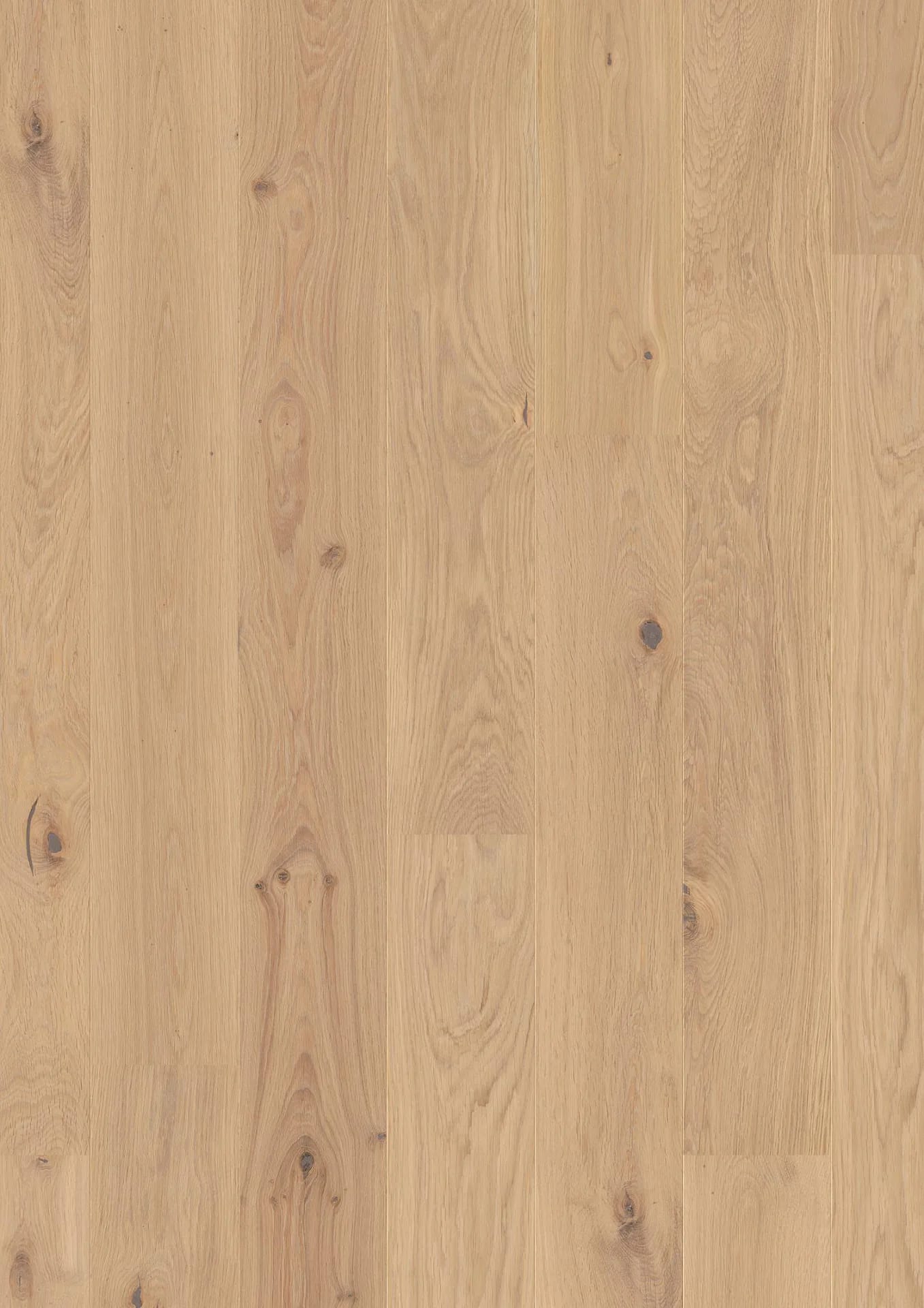

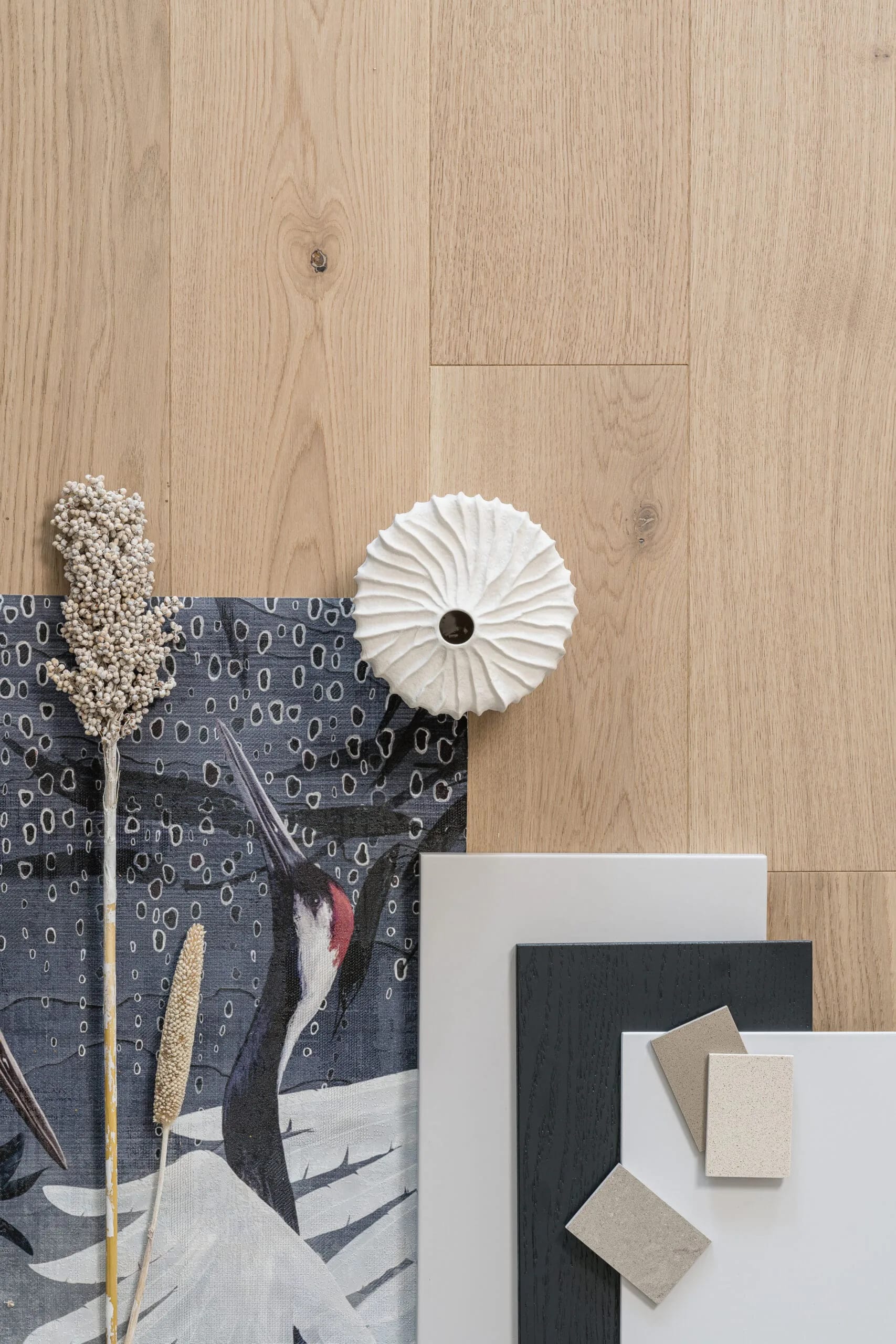

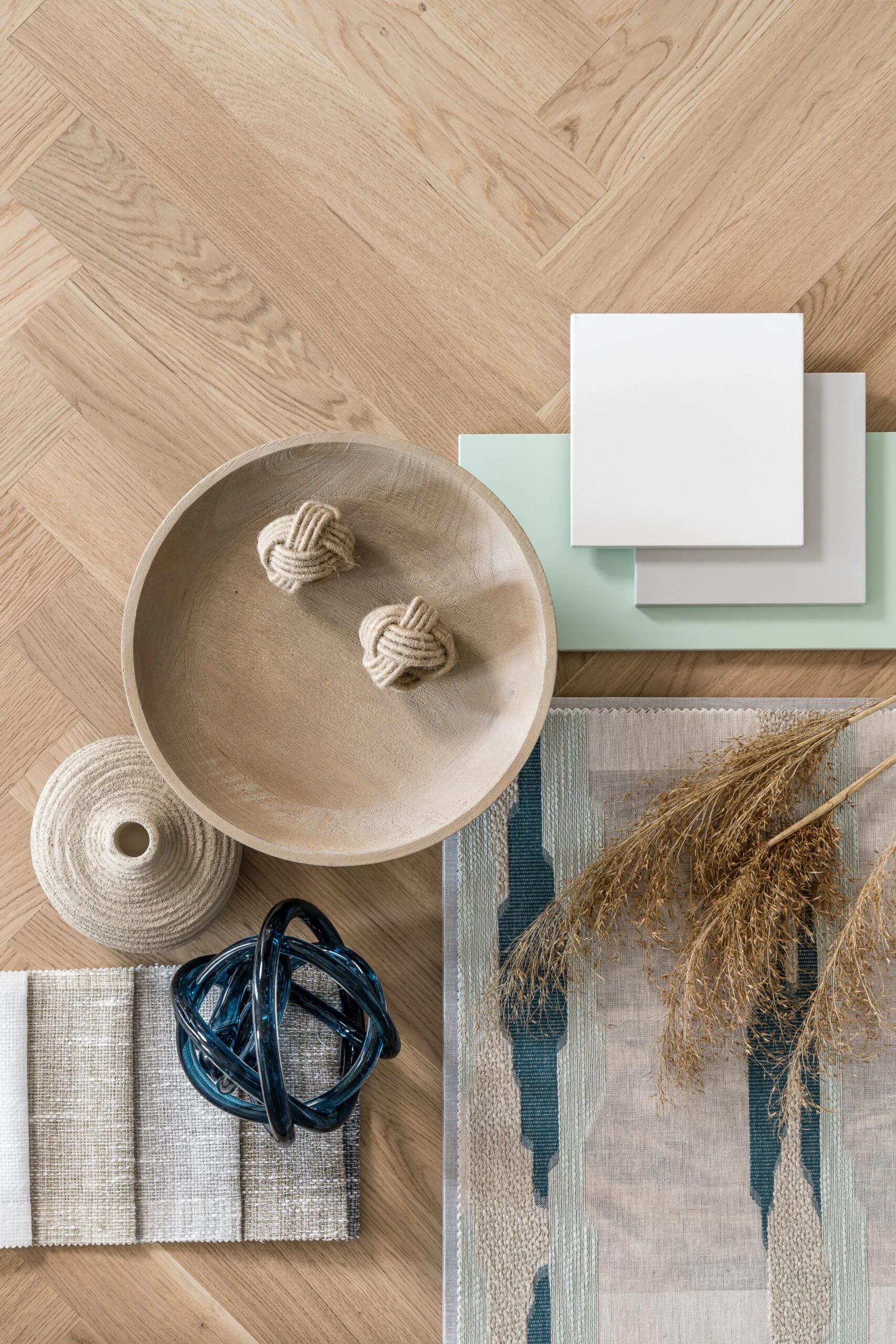
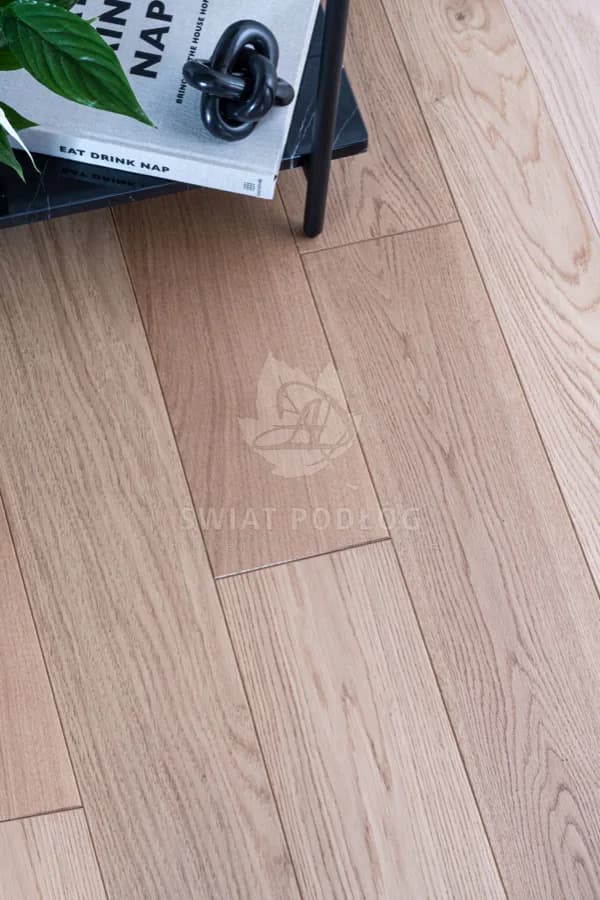
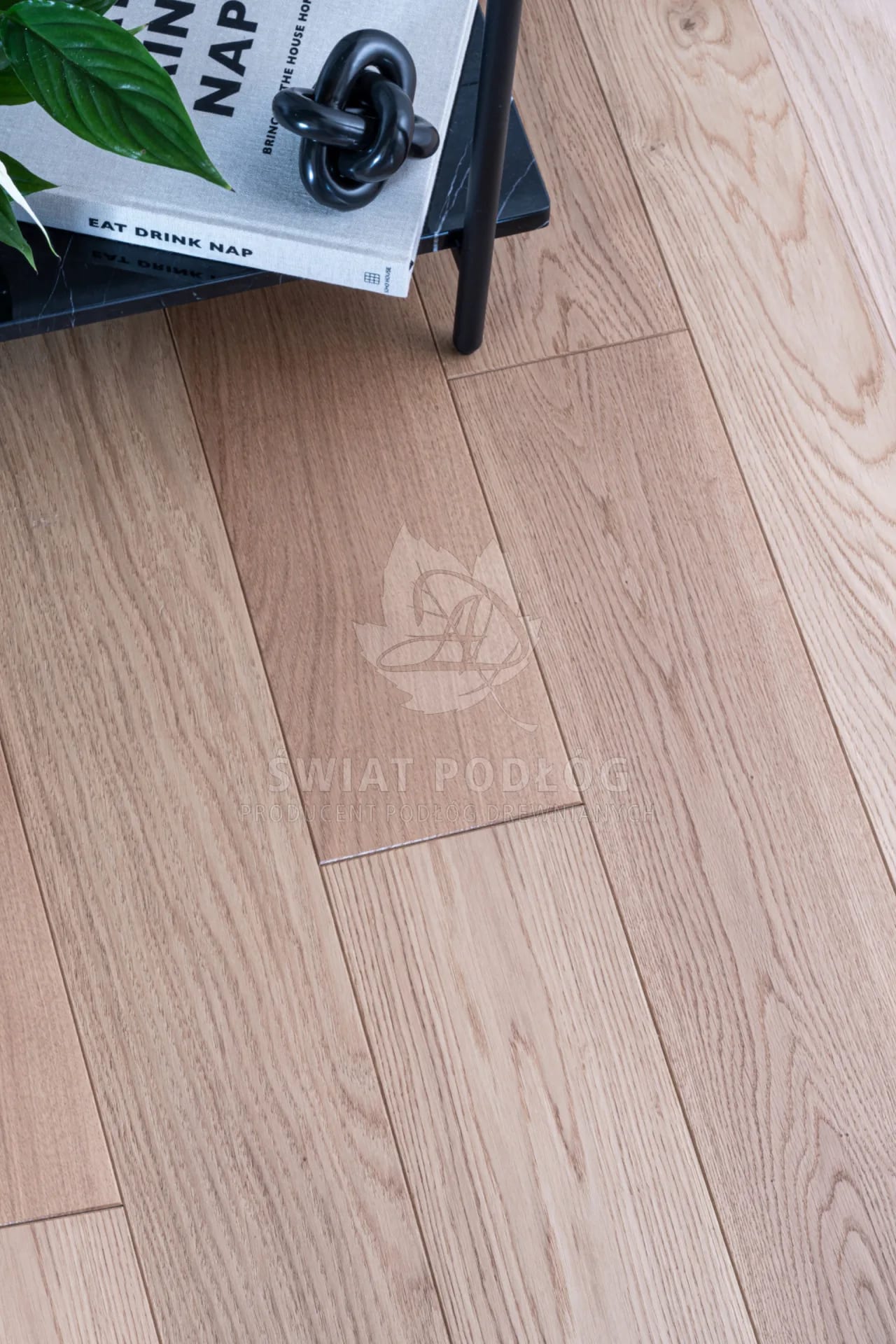
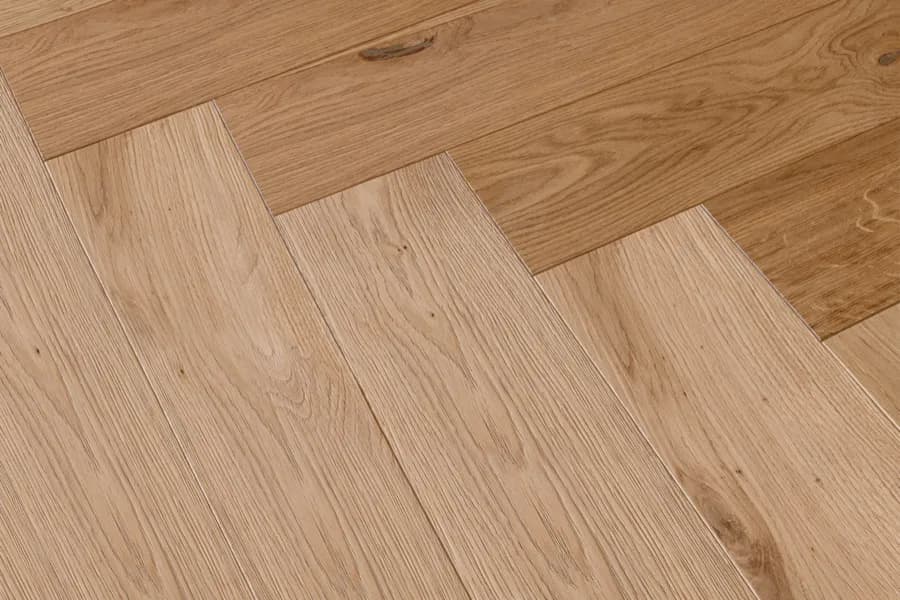
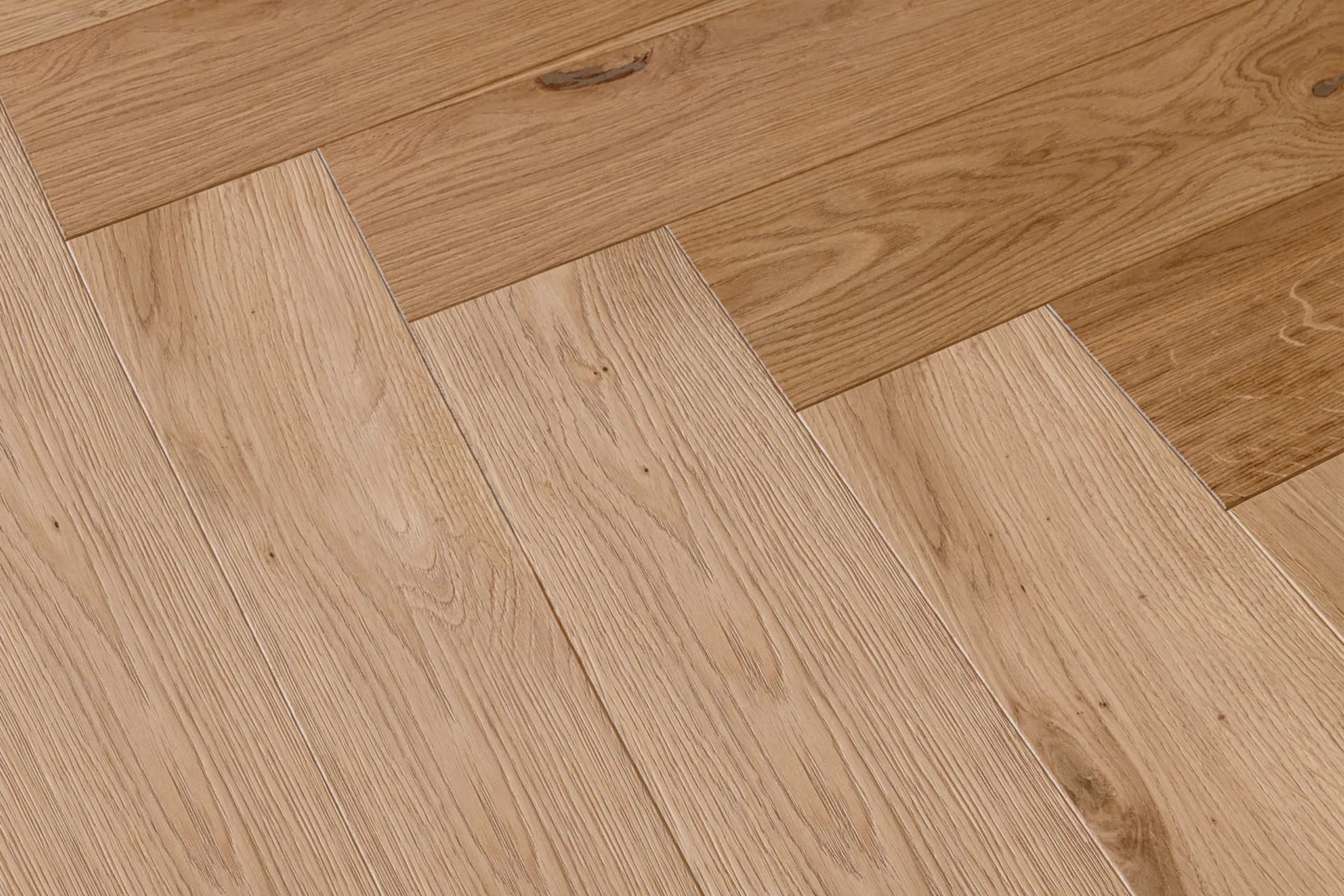

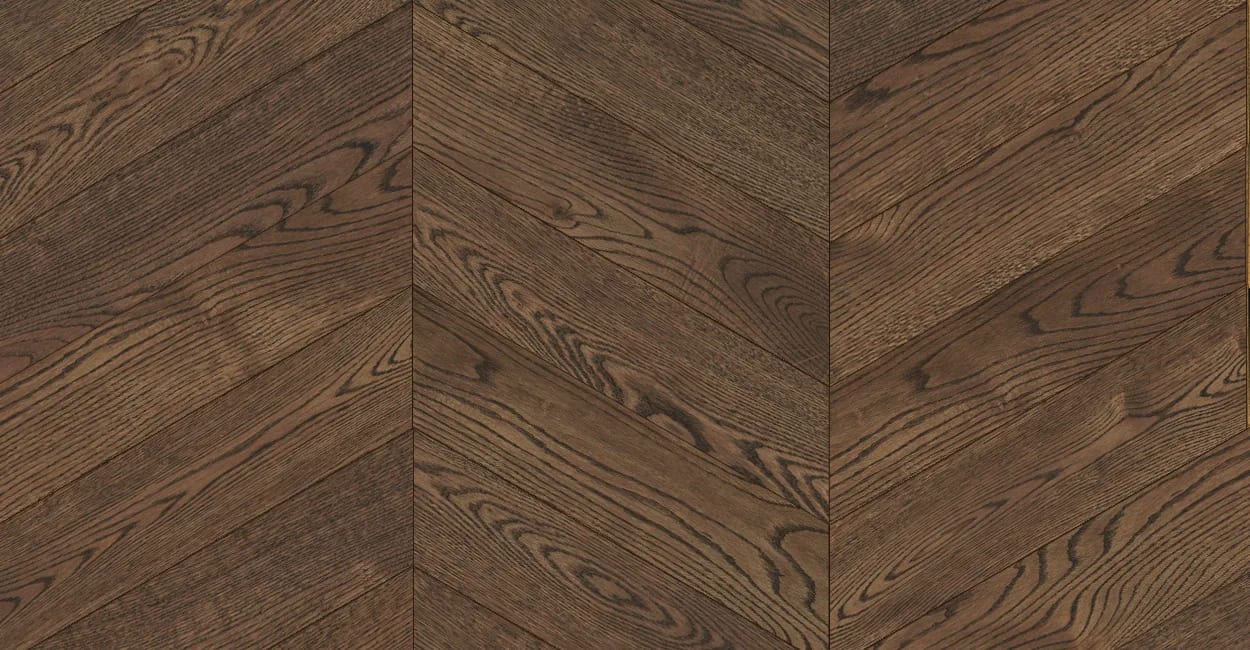



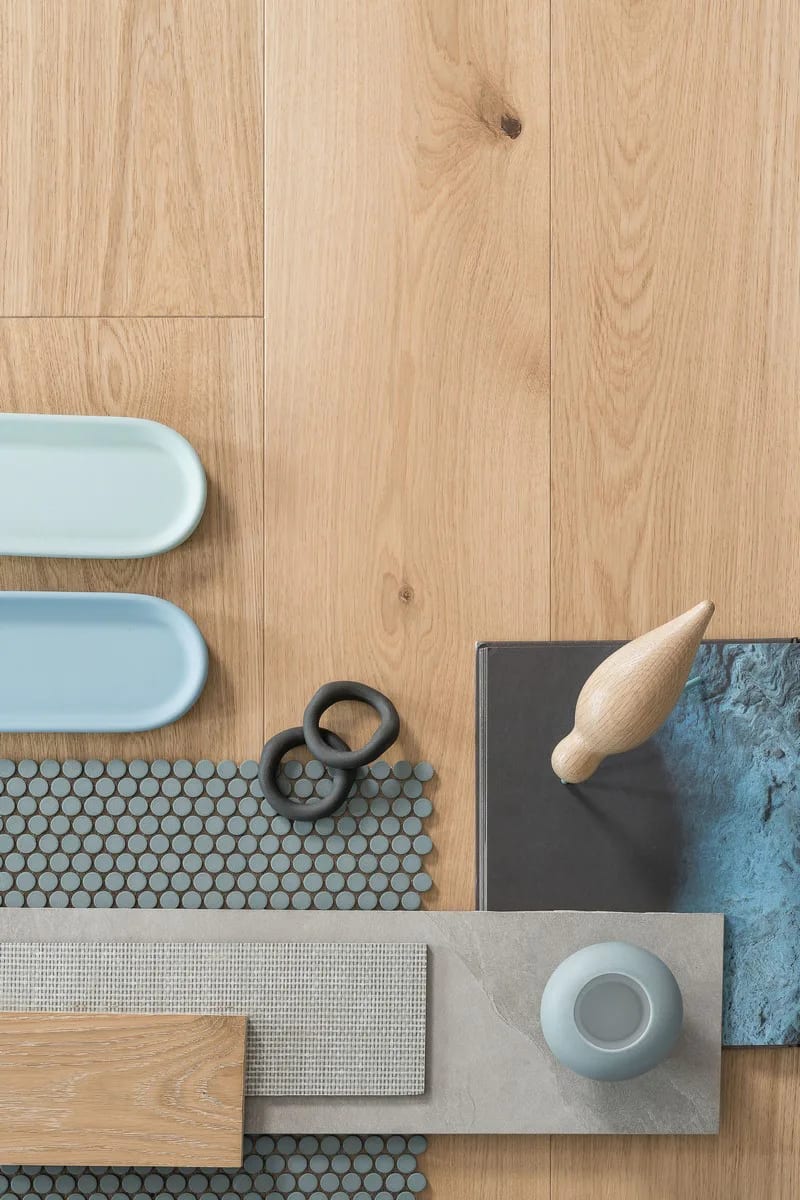
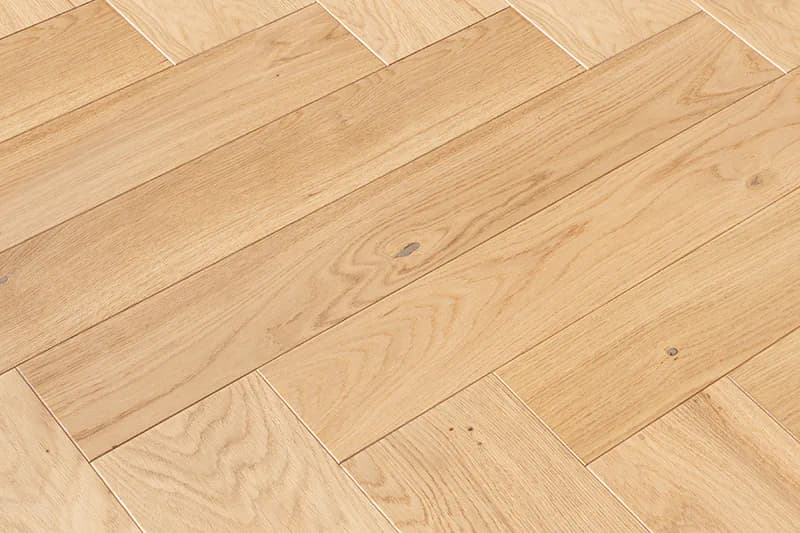

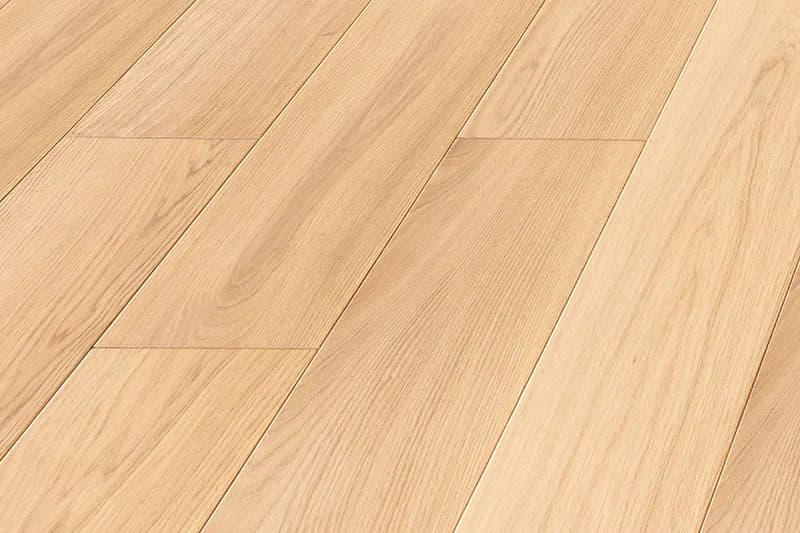

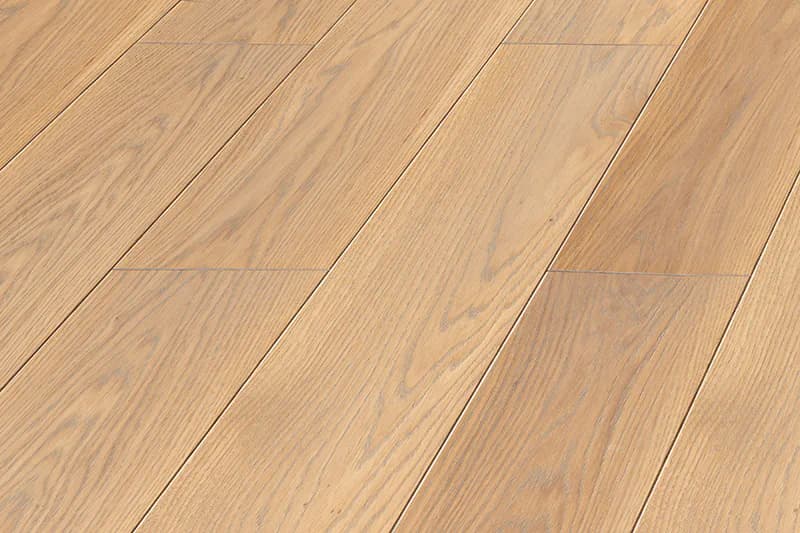


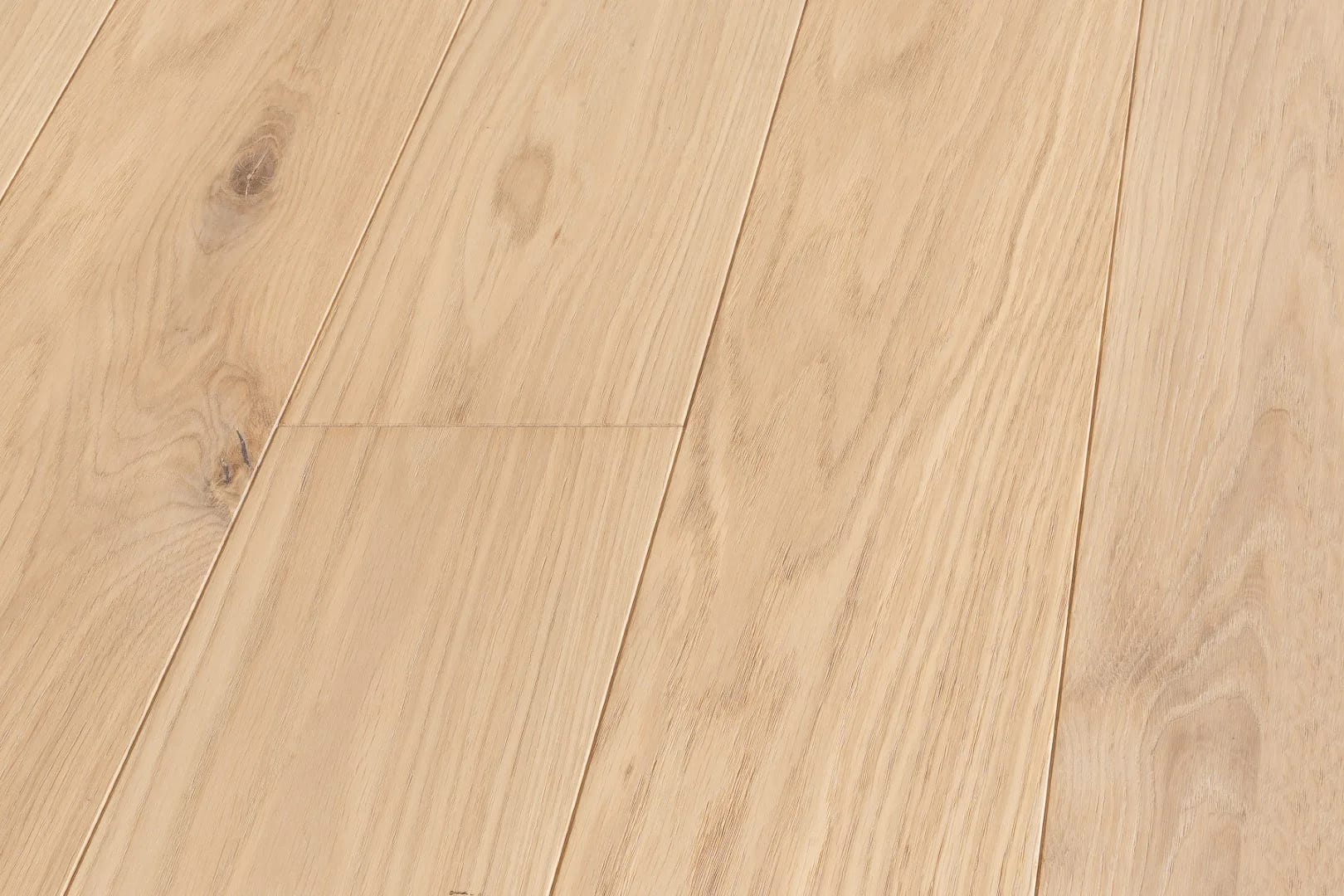
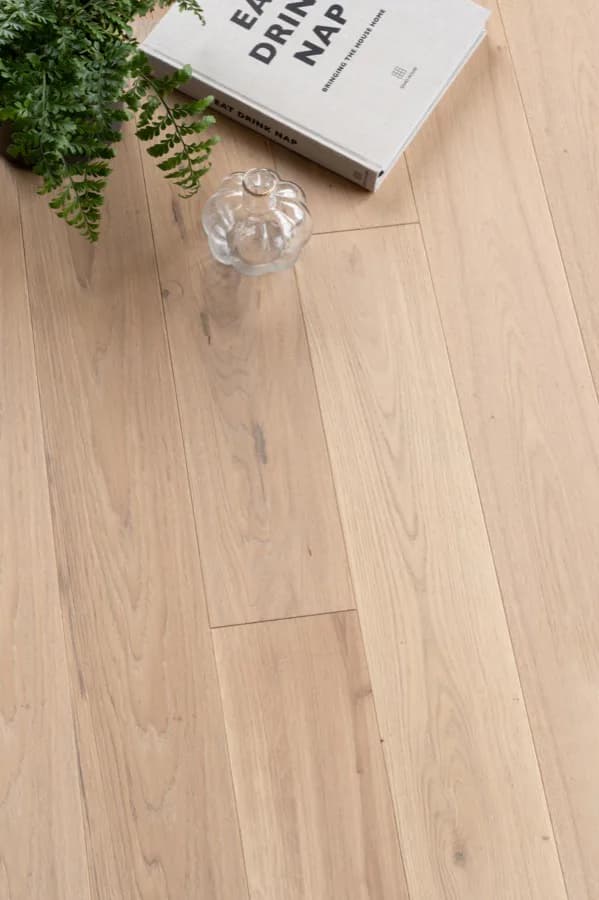
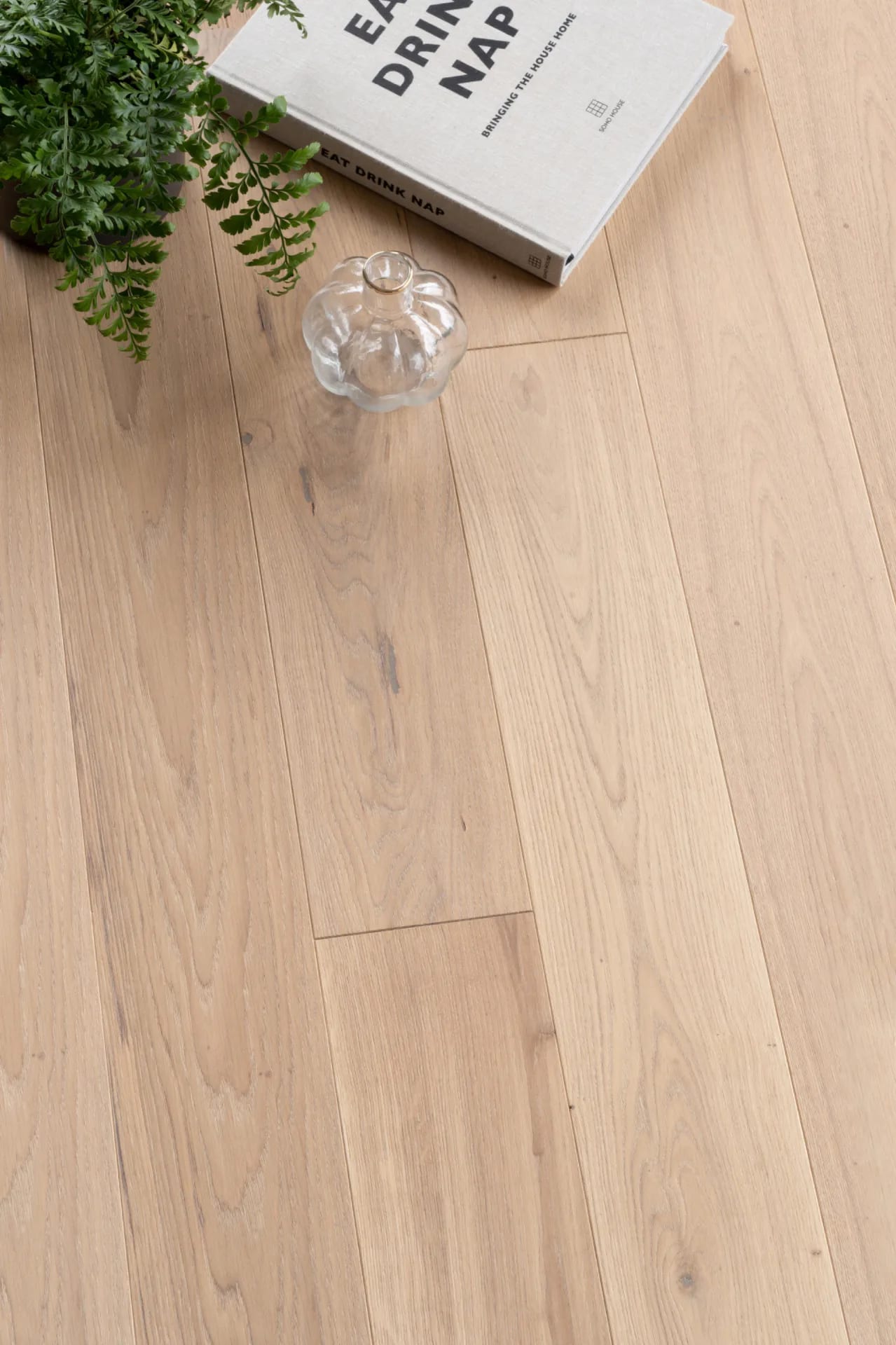

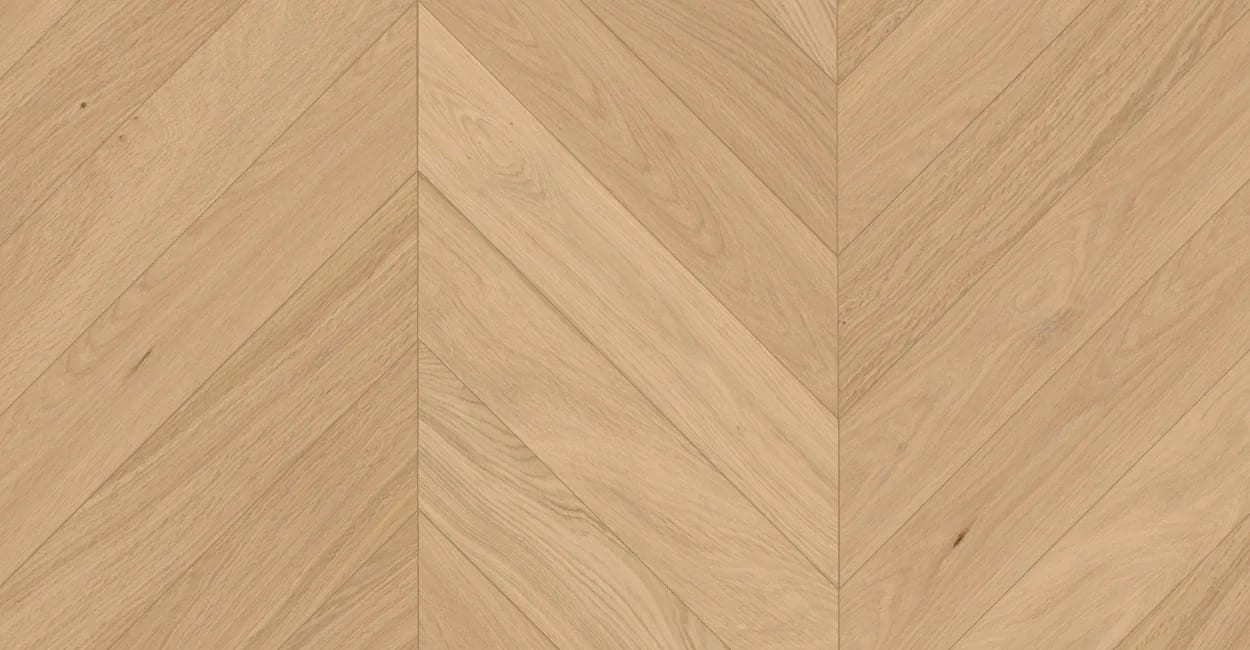

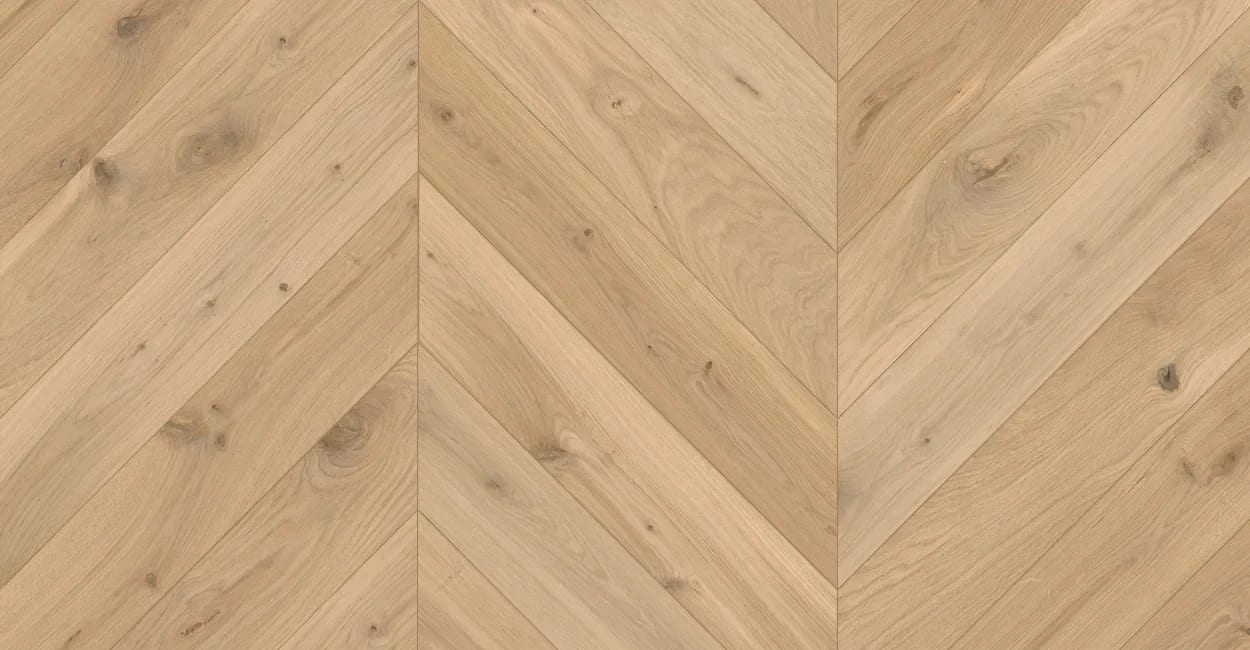

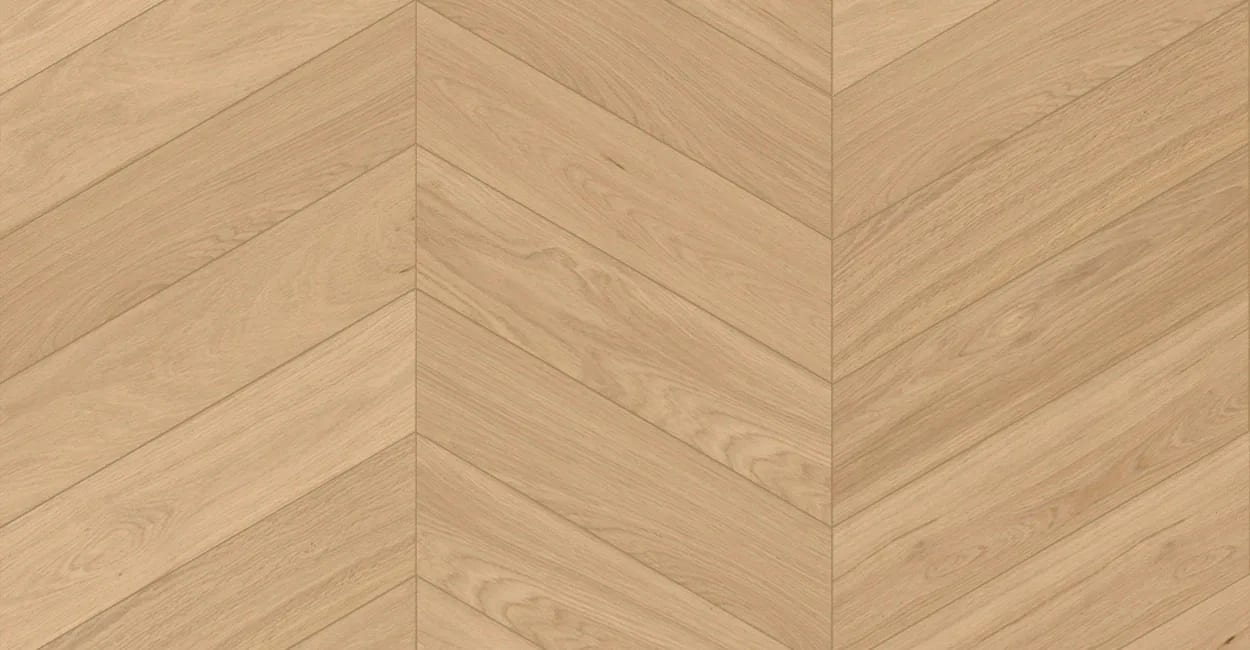

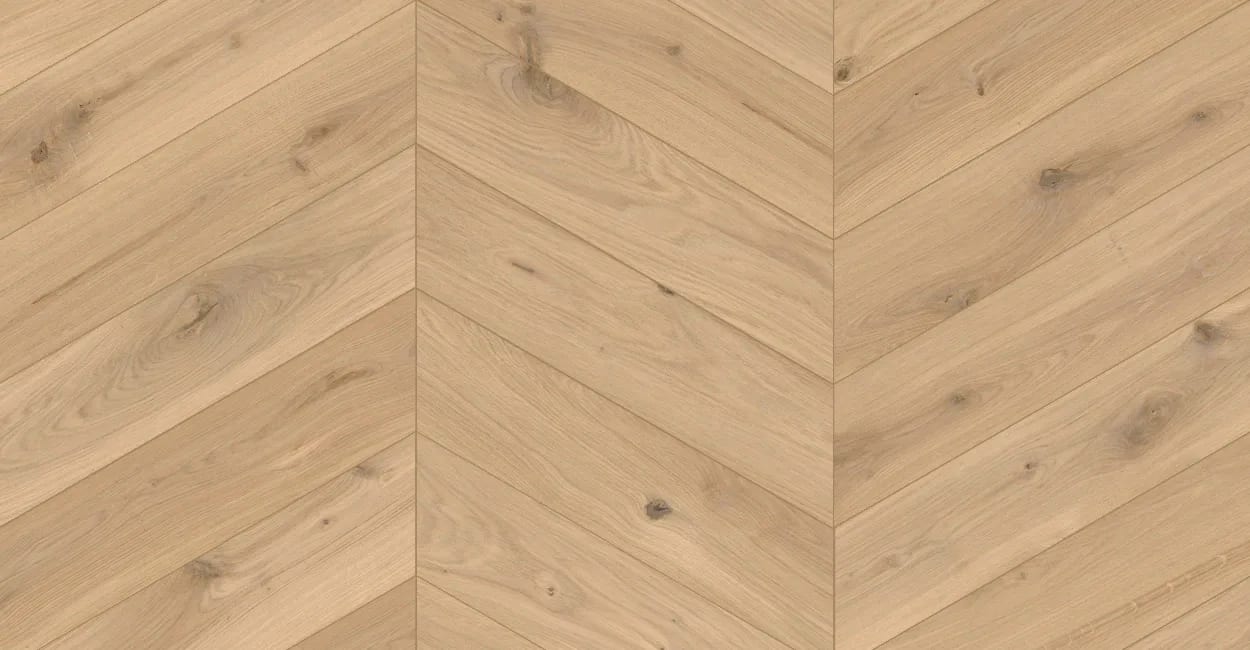

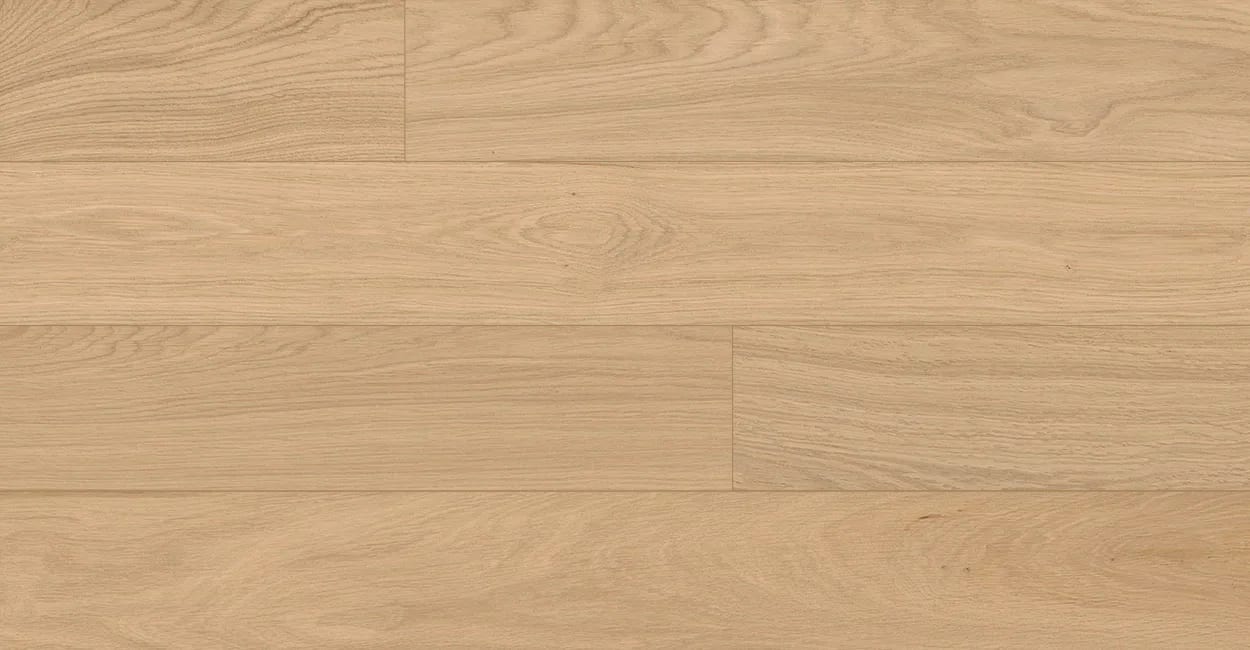

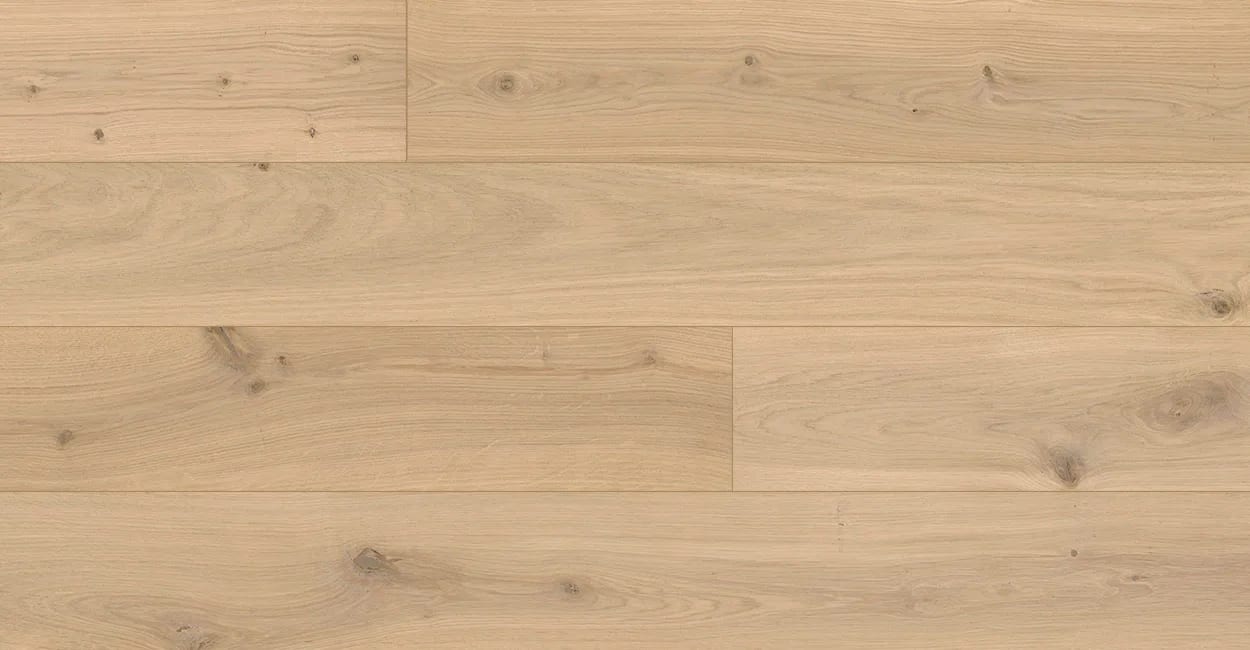

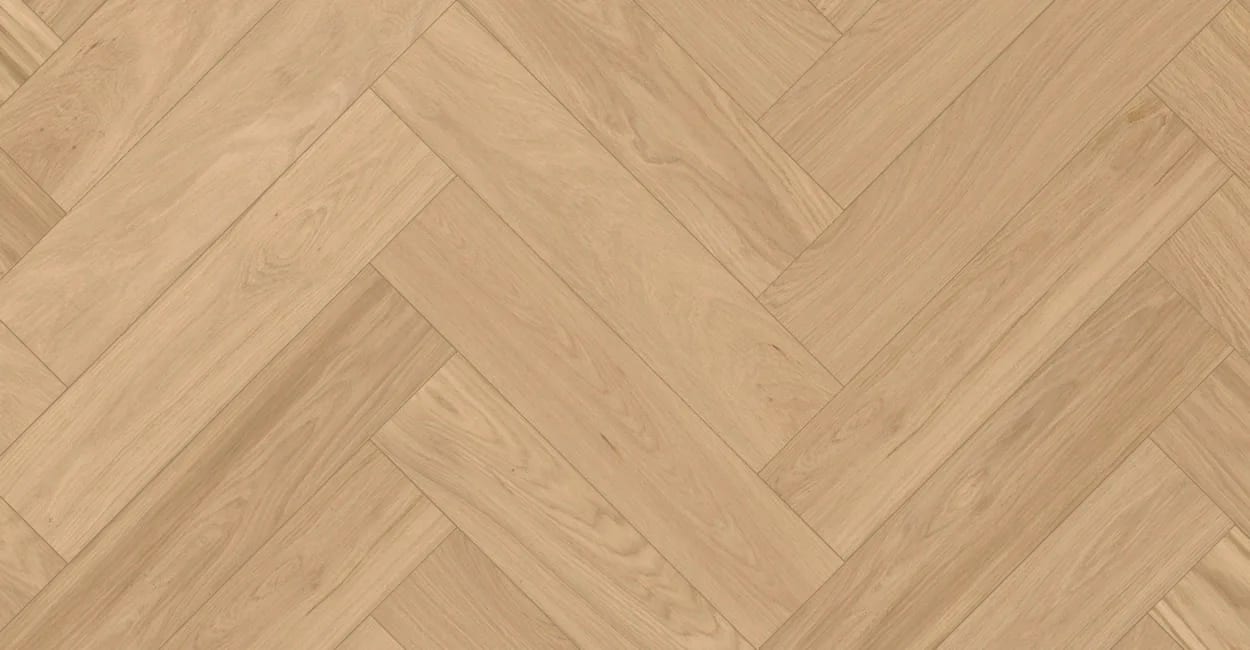
Lacquered boards create a sealed surface, so everyday dust and typical dirt from cleaning are easy to remove. This group includes Baltic Seaside – KACZKAN, Andante Live Matt – Boen, Oak Amber Natur – Lareco and Diamond Oak – Bory Polskie. With underfloor heating, what matters is the manufacturer’s approval for the specific model, along with the permitted installation method and the recommended underlay or adhesive.
Here, you’re mainly comparing the finish itself. Product listings show the sheen level: matt, semi-matt, and on some models super matt too. The difference isn’t just about looks. On a more matt surface, dust and light signs of wear are usually less visible than on a higher sheen. The wood structure also matters when you’re choosing: a brushed board, with a texture you can feel, hides small marks of use better than a smooth one. Some product descriptions also mention UV lacquer; this applies to 40% of models in this category.
Lacquer helps stop dirt soaking into the wood grain and makes the floor easier to wipe clean every day. At the same time, it has one feature that clearly affects later use: local repairs can be difficult. If the coating gets scratched or takes a small impact mark, the damage usually stays visible instead of disappearing after a spot repair. If the finish is damaged, refurbishment work involves dulling down and re-lacquering whole sections or the entire room, and with deeper wear also sanding, which means removing the top layer. That’s the main difference compared with oiled floors, where local touch-ups are simply easier.
When it comes to installation, a dry, level and stable subfloor matters, as does following the manufacturer’s instructions for the chosen model. You need to check the installation method in the product sheet for the specific model; some descriptions mention glue-down installation. The same goes for suitability for underfloor heating and the required expansion gaps, meaning the spaces left at walls, thresholds and larger floor areas. In this category, 97% of models are stated as suitable for underfloor heating, but it’s still worth checking the confirmation and installation conditions in the product sheet. If the subfloor is dusty, has loose sections or active cracks, the effects of poor preparation will still show through, whatever the finish.
Once a lacquered board floor is fitted, stable day-to-day use and avoiding long contact with water matter. Wet finishing work carried out next to a finished floor, a subfloor that’s too damp, or turning up the heating too quickly can lead to gaps, stress and movement noises. In everyday use, felt pads under furniture and regular removal of sand help, because sand is what dulls the lacquer fastest in busy areas. So when judging this category, it’s worth looking not just at how the boards look once installed, but also at how they’ll be refurbished later and what work is needed if scratches appear.