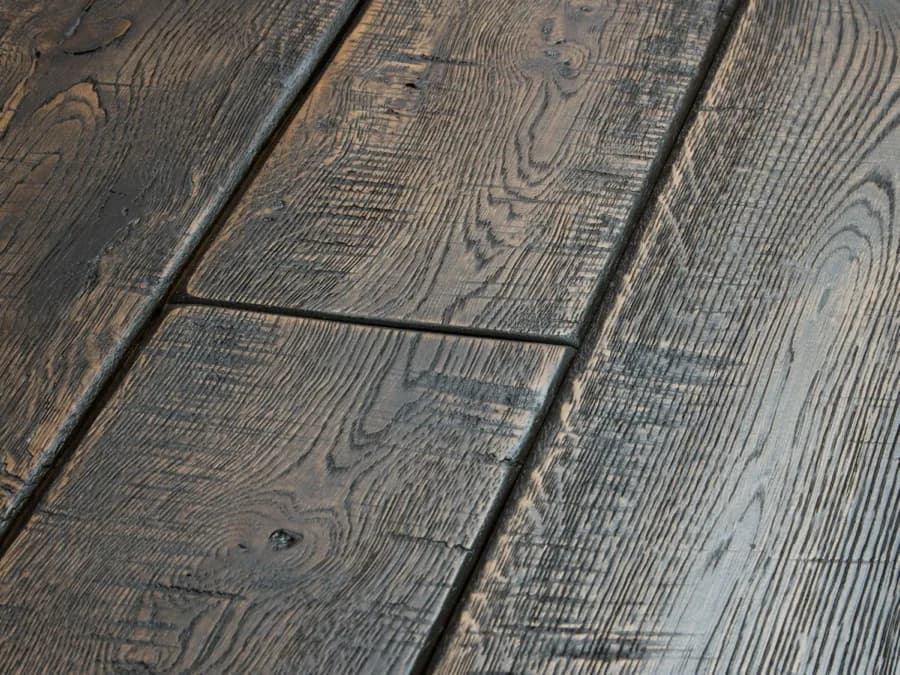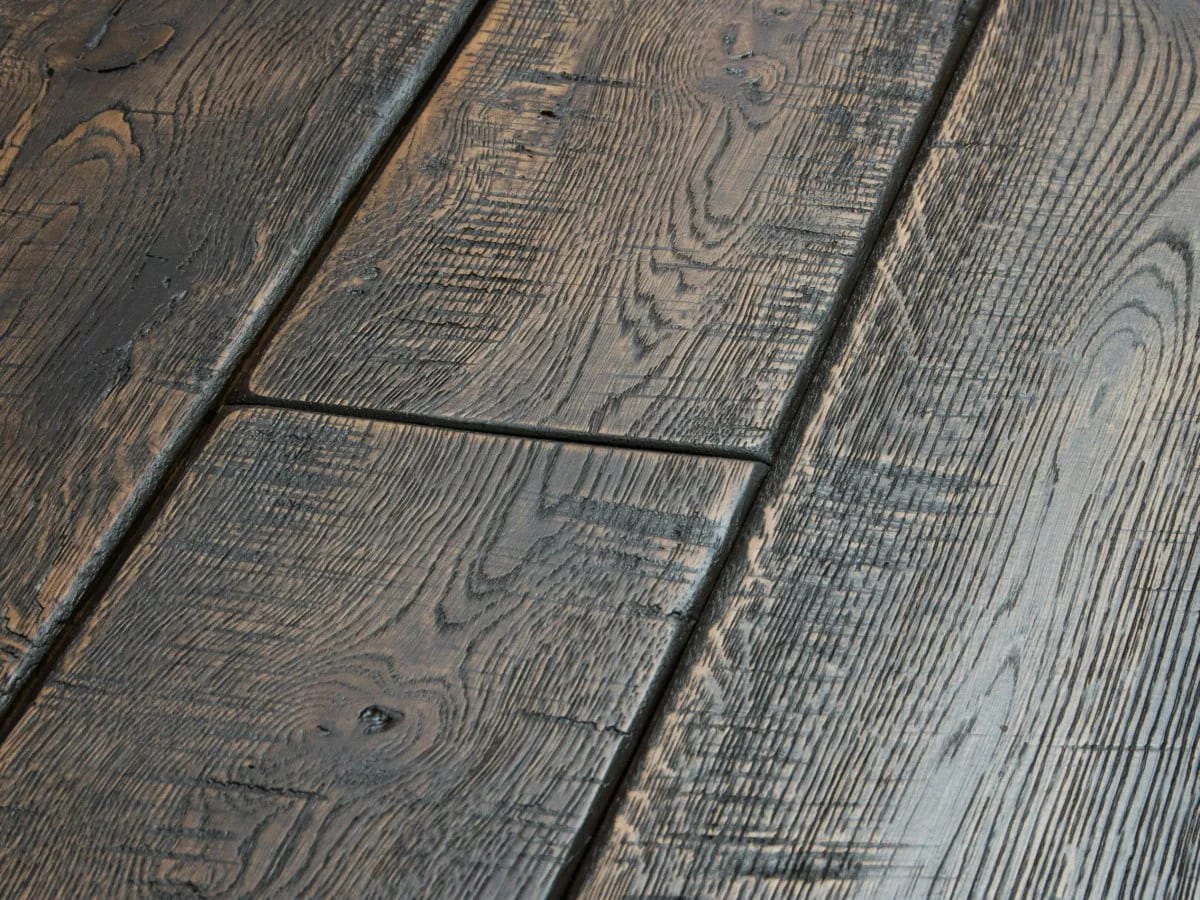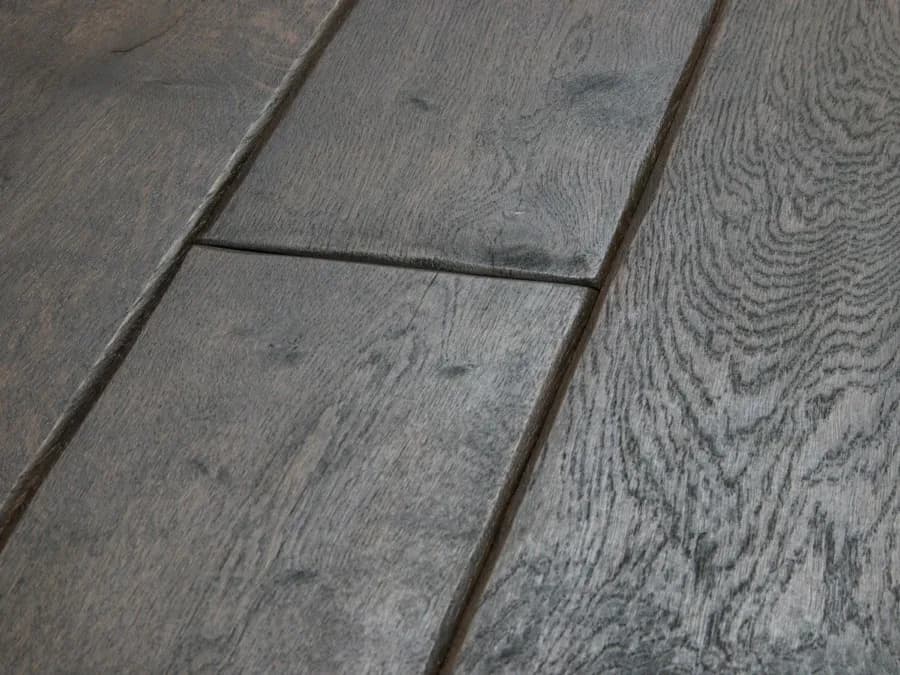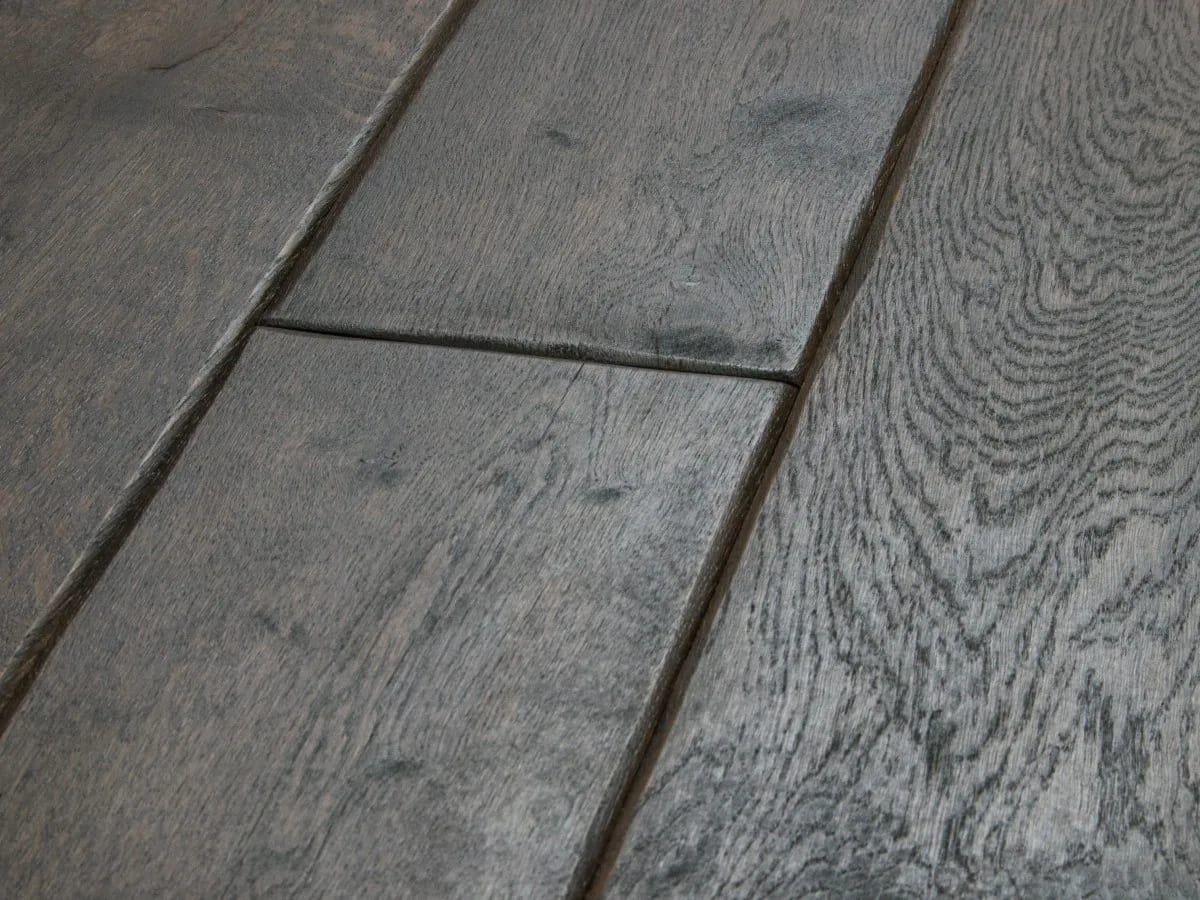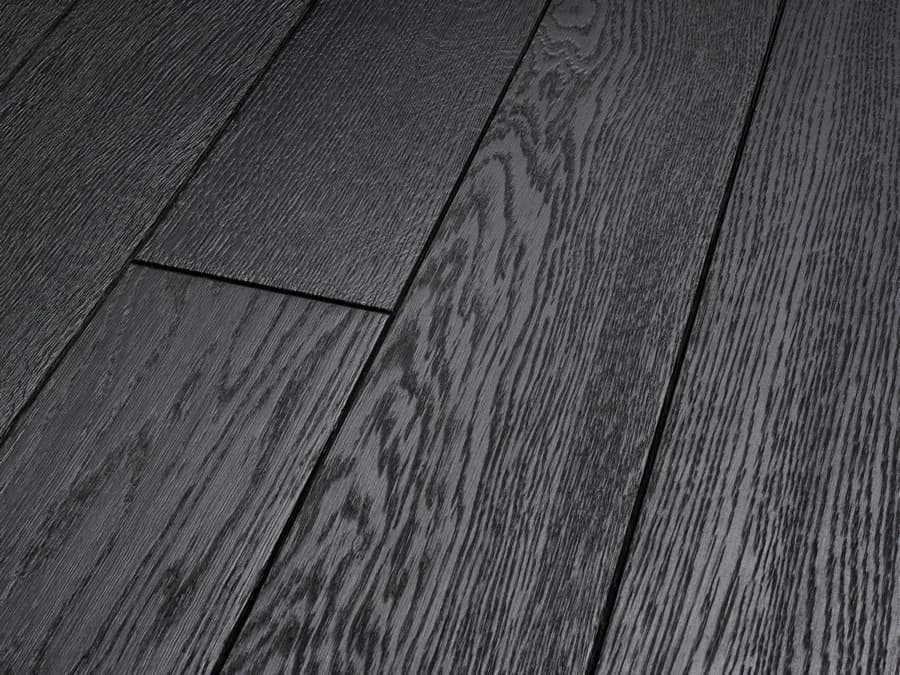
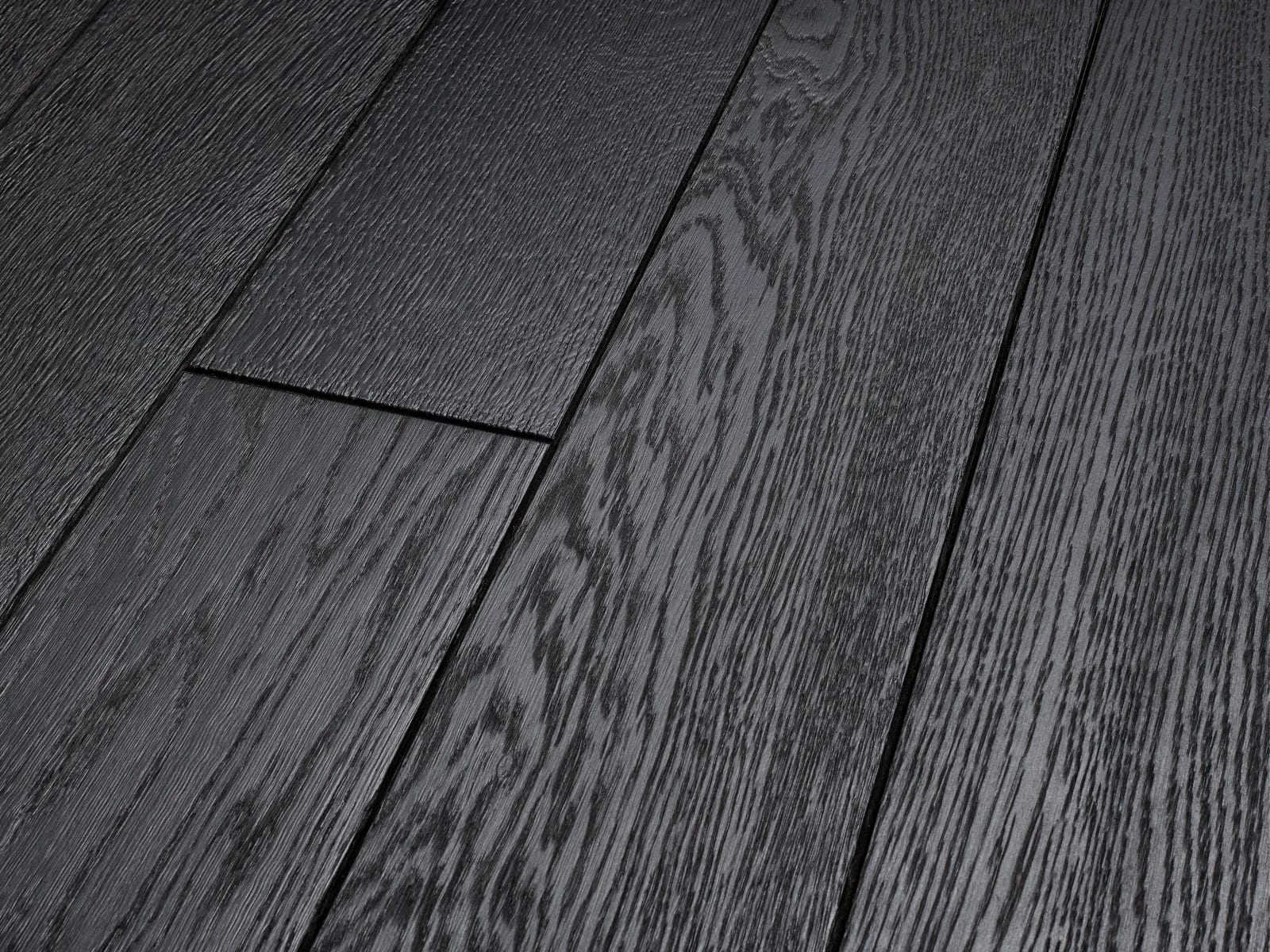
Oak Idris
MADWood floors
Black floors in this category means MAD oak boards stained a deep black and finished with hardwax oil. This colour turns the floor into a strong backdrop, with light walls, white furniture and metal details standing out clearly against it. Black absorbs light, so a poorly lit room will need extra lamps. Dust and light streaks show clearly, so check the sample under strong side light.
Black wood floors give a strong, sharply defined look and immediately show how light works in a room. This category includes black MAD floors, including MAD Antique Oak V, MAD Oak Hektor and MAD Oak Idris. On this kind of surface, dust, fine dirt and everyday wear show up sooner, so how the colour reads depends not just on the stain itself, but also on the floor’s exposure — in other words, how the light falls on it — and on how much it contrasts with its surroundings.
Black wood floors are chosen mainly with the light, the level of contrast and how much of the surface is exposed in mind. With large windows and side light, you can see the oak grain, tonal shifts and small marks on the board much more clearly. In darker rooms, black makes the floor feel visually heavier, so it’s important to pair it with light walls, calm joinery and materials that don’t compete with it in shine.
The second point is traffic, in other words how much everyday use the floor gets. The more often the floor is used, the sooner dust, pet hair, grit and fine scratches stand out against a black background. The same shade can look more even in diffused light, and more technical in strong sun or under low-positioned lamps. With a black floor, then, it’s not just the colour that matters, but also the daily pace of use and how long the surface stays in full light.
MAD Antique Oak V, MAD Oak Hektor and MAD Oak Idris show that a black floor doesn’t work in just one way. The colour changes with the oak grain, the character of the surface and how light brings out the details of the board. When comparing models, the colour name alone isn’t enough: it also matters whether the black is meant to look more decorative or to create a calmer backdrop for the furniture.
You’ll also notice the difference when you place a sample next to materials already in the room: white, beige, stone, black joinery or natural wood. In that setting, it’s easier to see whether a given model creates a strong contrast or gives a more restrained, deep effect. On black stains, it also becomes especially clear how the board responds to natural and artificial light.
With black stain, the way the colour reads changes with the light and the structure of the wood, and hardwax oil gives a more natural, matt and less ‘lacquered’ effect. That means the black isn’t a flat, closed-in patch, but a surface where tonal shifts and the oak grain come alive throughout the day.
In everyday use, dust, fine dirt, pet hair and small marks show up more clearly on black, so this colour makes both heavy wear and how long the floor stays in full light very obvious.