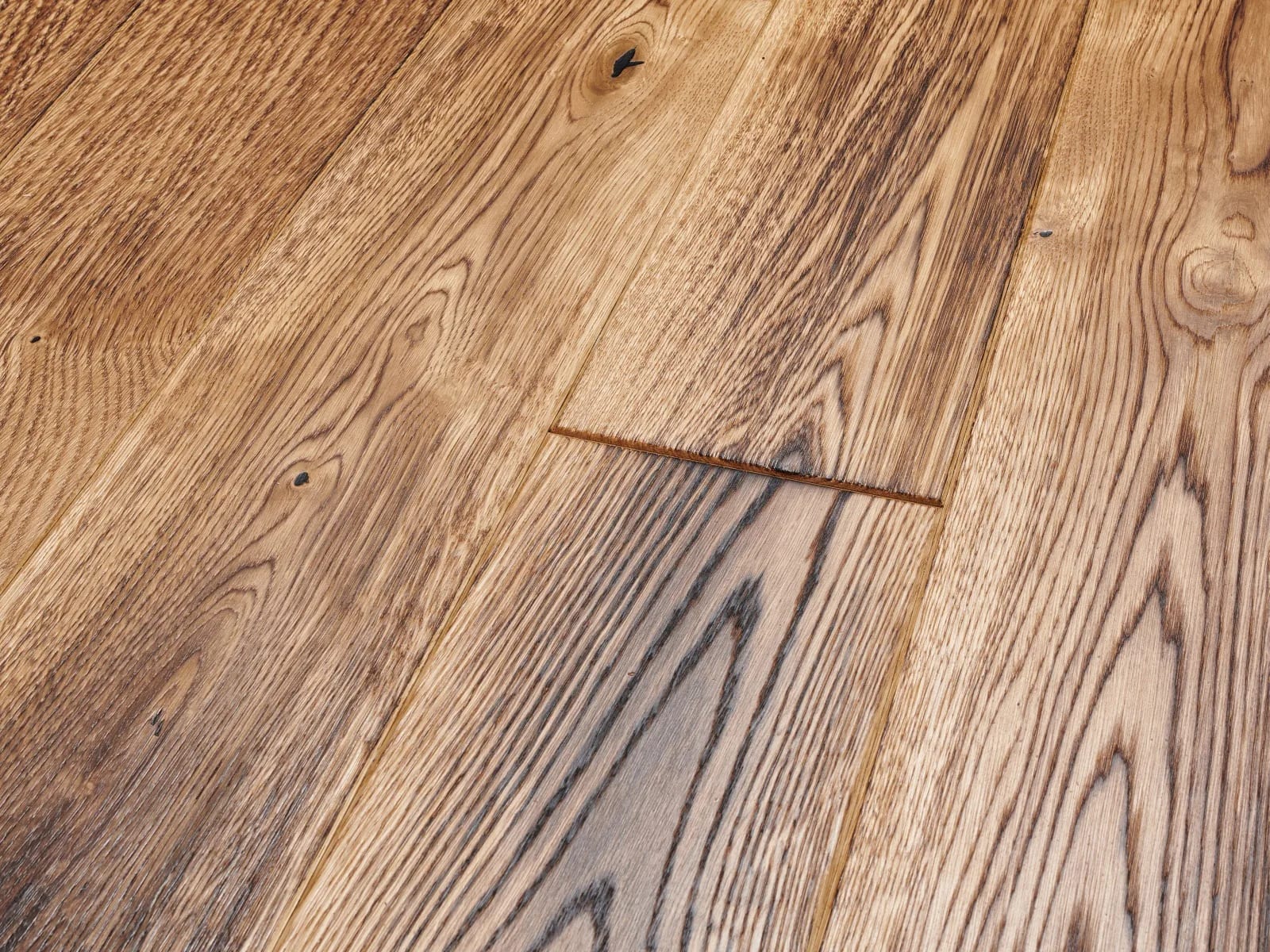
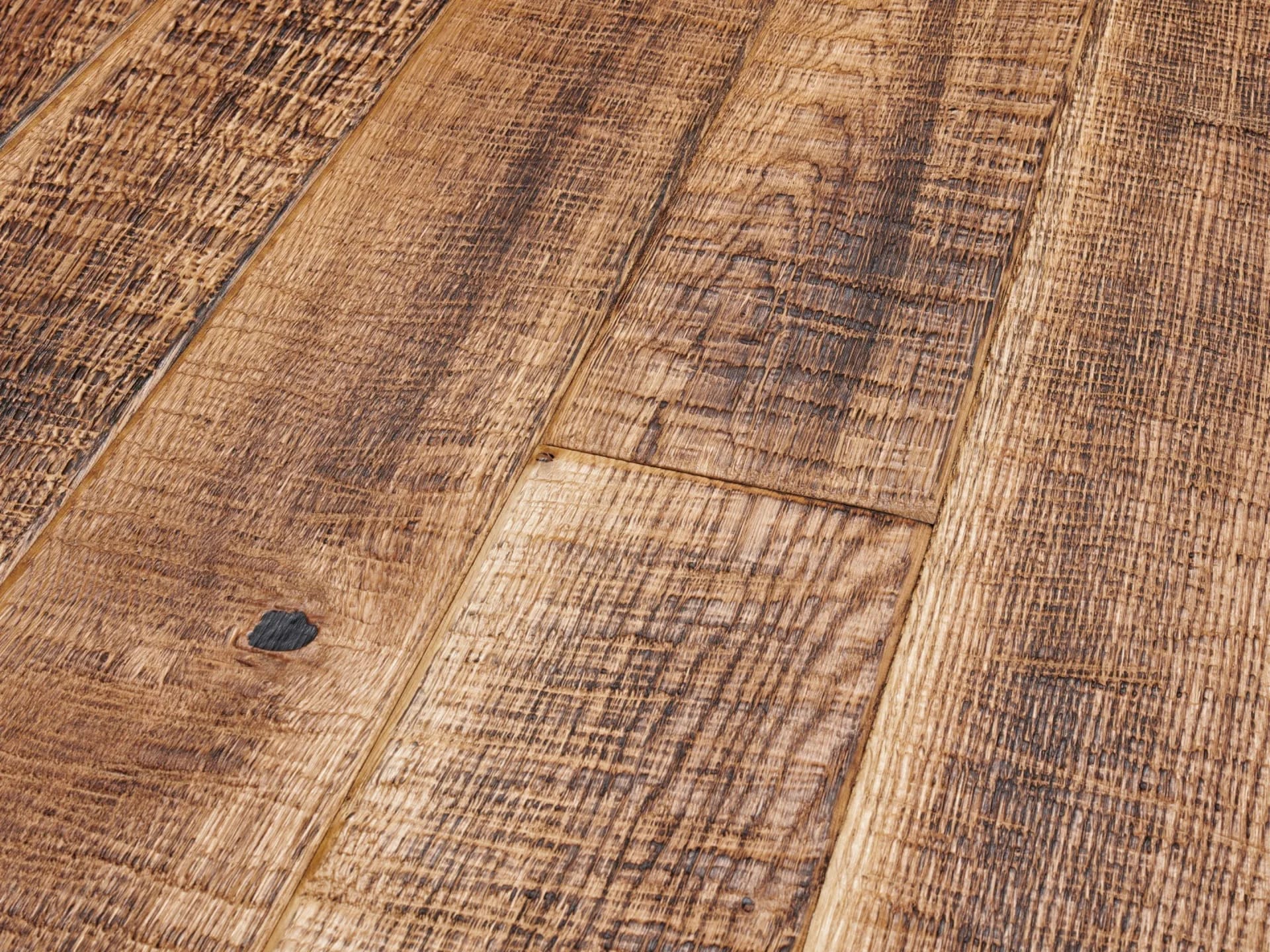
Oak Flamma
MADWood floors
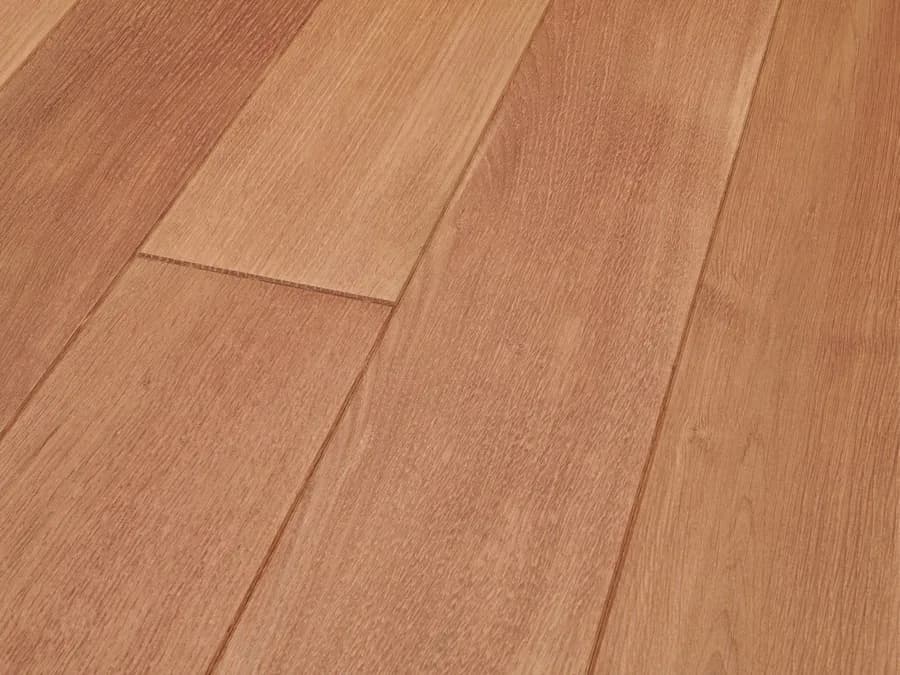
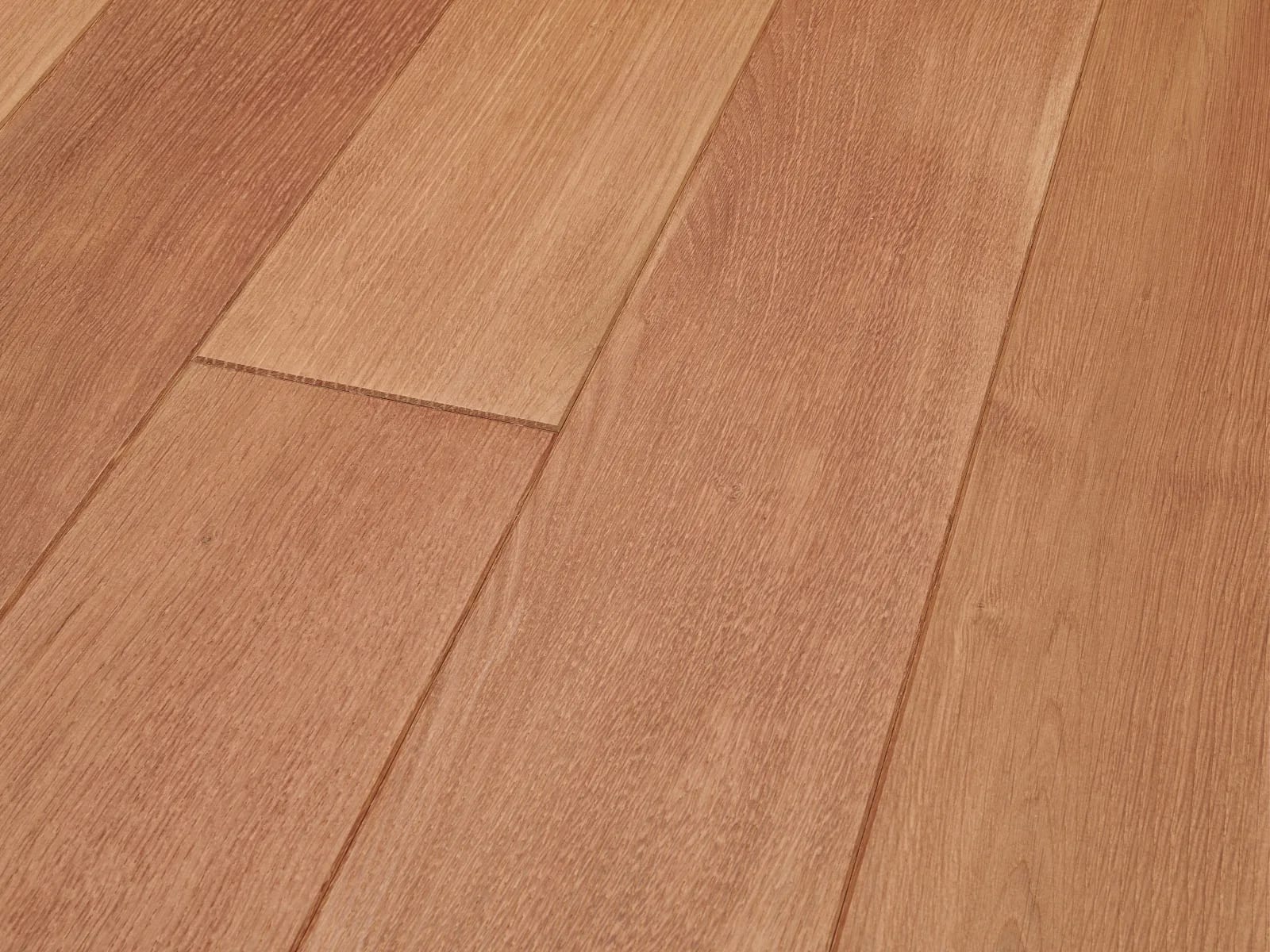
Floors in exotic shades here means MAD oak boards finished with hardwax oil, plus a single Arbiton vinyl-laminate model, all in warm, rich colours that bring tropical wood species to mind. This sort of colour really warms up a room and goes well with plants, linen and dark metal. In cool, north-facing light it can look browner than it does in the photo. The strong wood grain hides small scratches and dust, which makes everyday cleaning easier.
Floors in the “Exotic” category are mostly oak wood floors finished with hardwax oil, that is, a protective and decorative layer based on oil and wax. Alongside them there’s one product from the vinyl and laminate flooring range — Arbiton Oak Harlow. In practice, the word “exotic” here refers mainly to the colour, the contrast in the grain and the character of the board, because the core of the range is oak. In other words, “exotic” here means the way the oak is presented, not a separate group of exotic wood species. So the choice starts with comparing the brown tone and the pattern on the surface.
The exotic effect here doesn’t come from a wide mix of wood species, but rather from how the oak has been coloured and finished. In the product sheets, what stands out most are richer or more decorative colours and a stronger pattern, that is, the grain layout, than in classic natural oaks. On a small sample the differences between models can seem slight. But once a larger area is laid, the depth of colour and the grain pattern become much clearer.
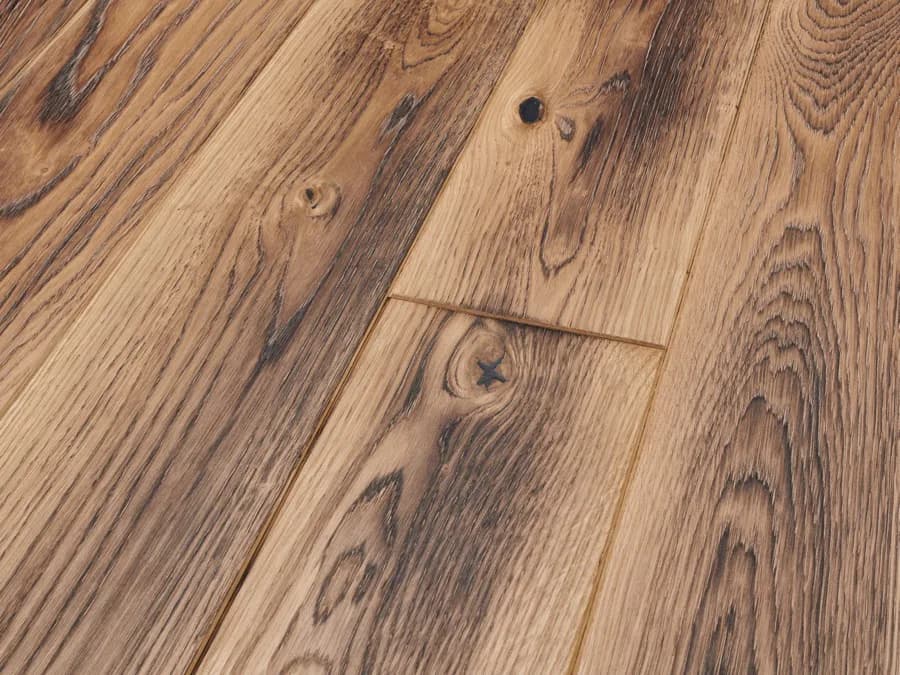
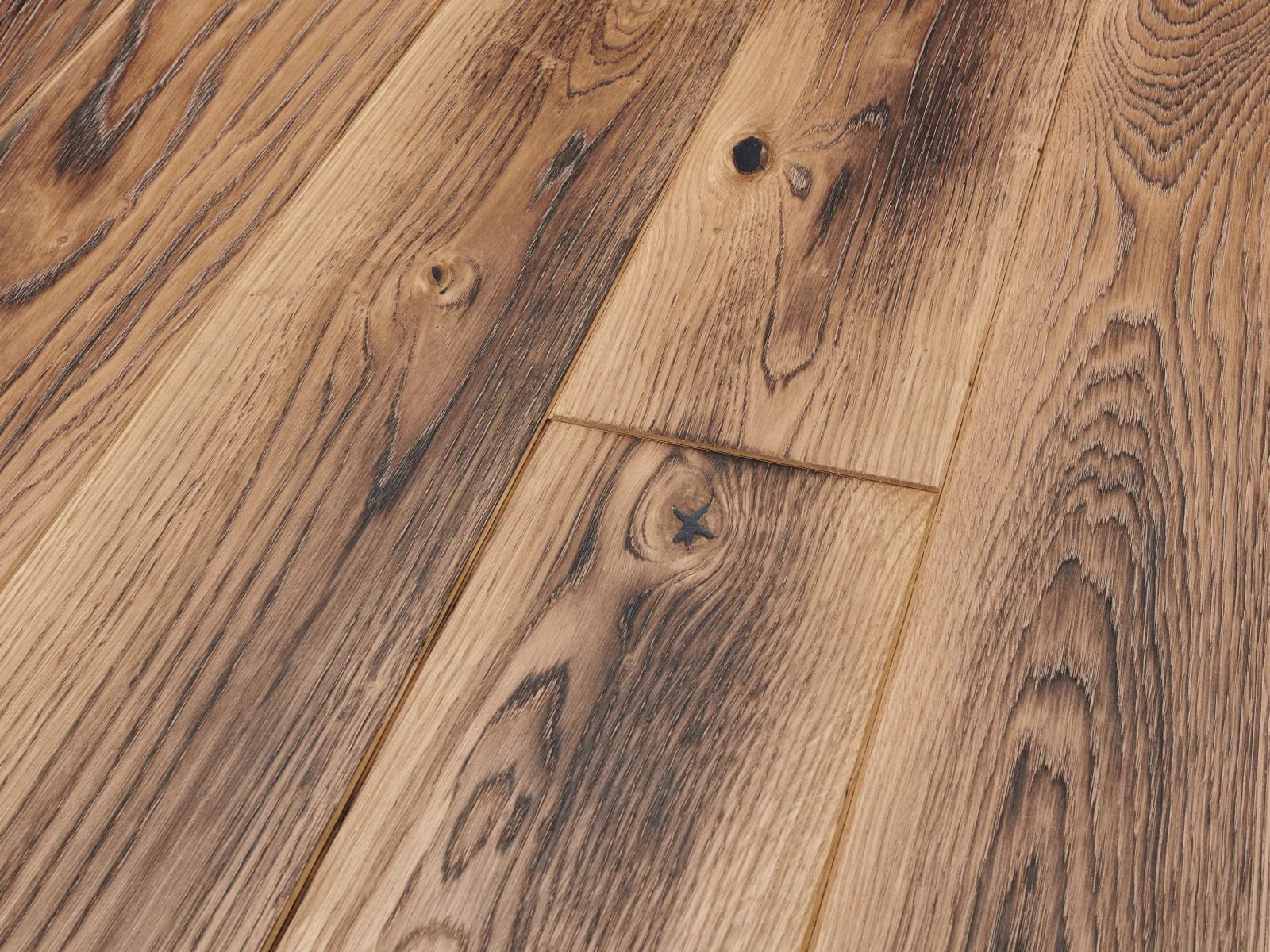
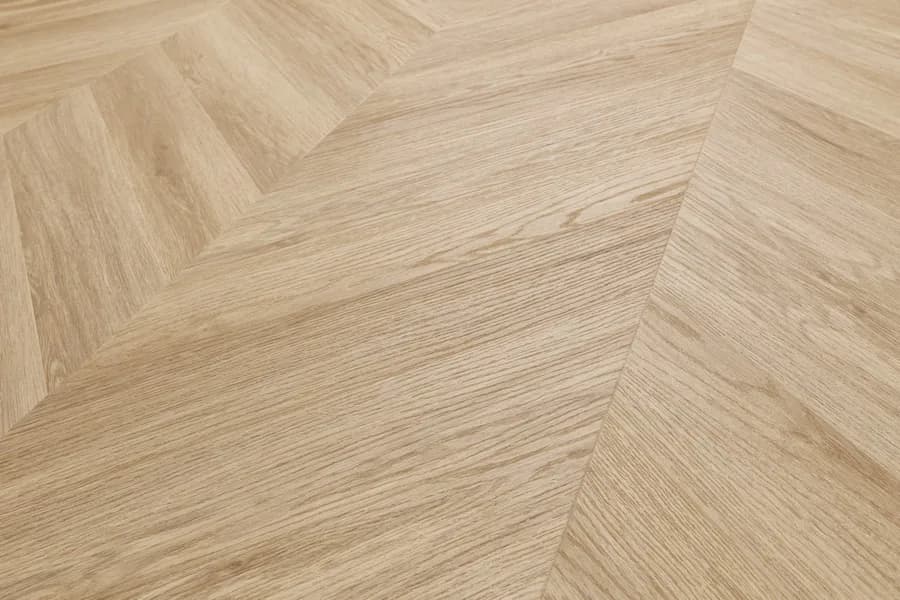
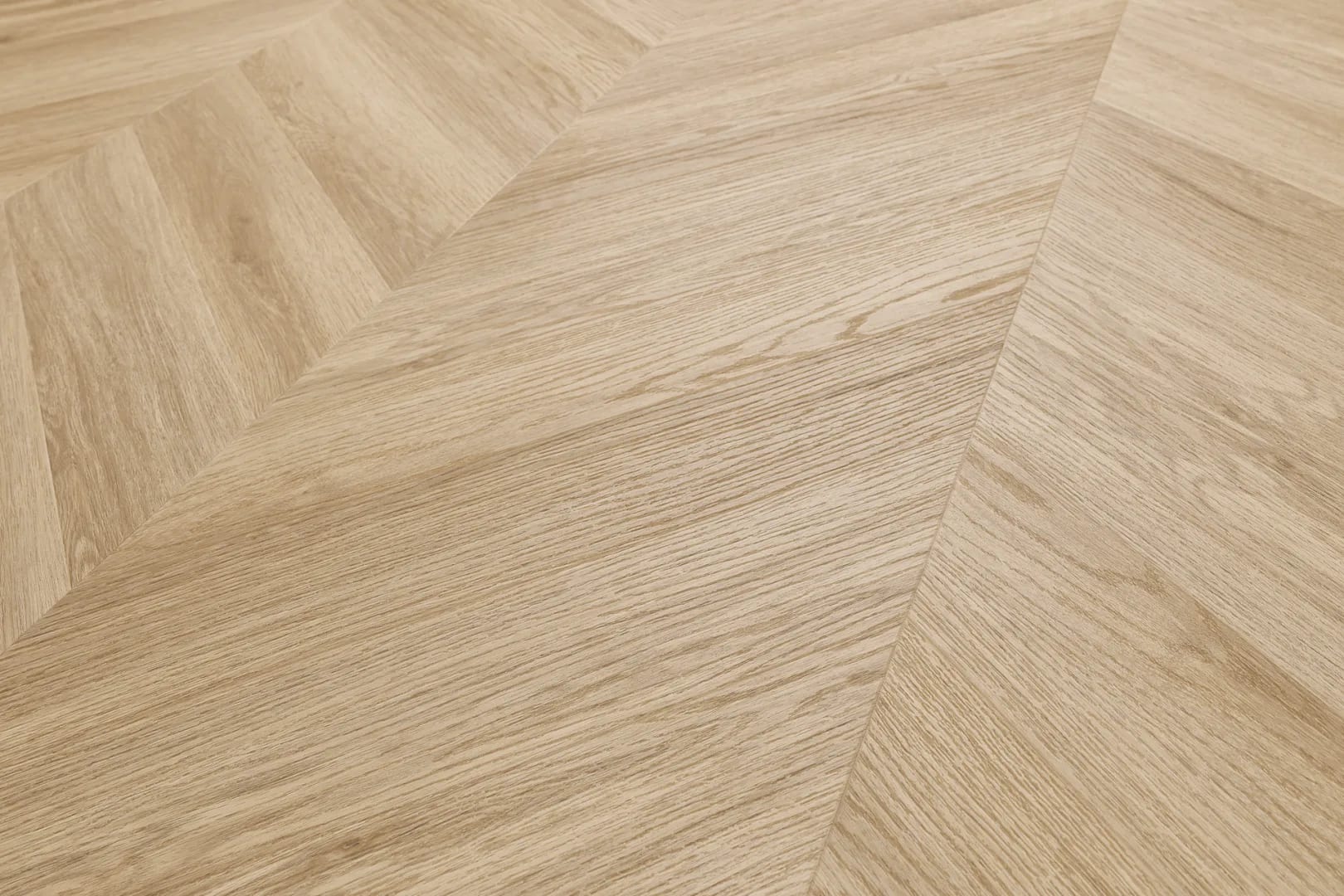
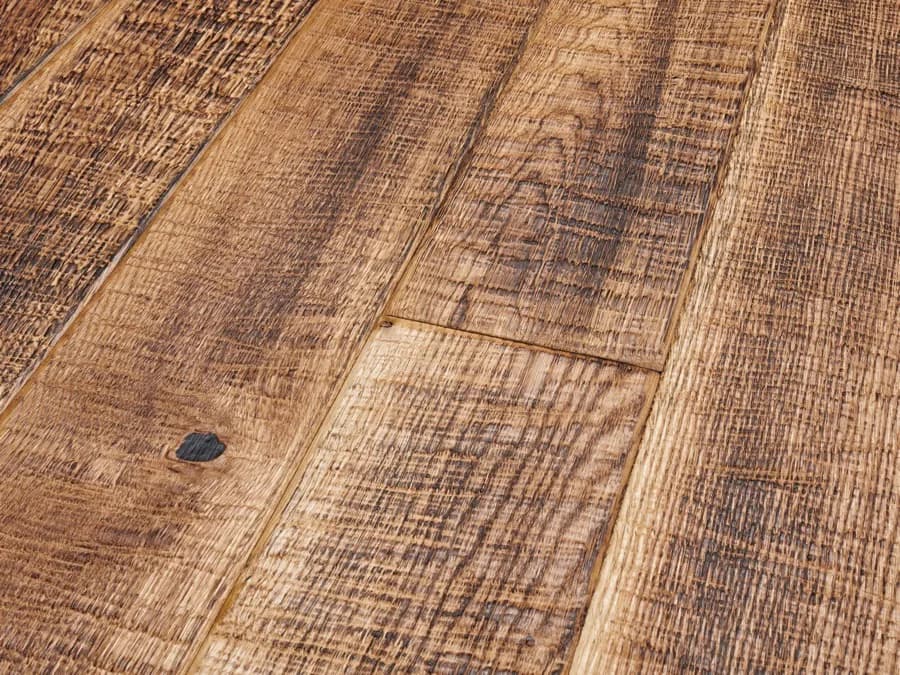
MAD Oak Flamma, MAD Oak Opal and Arbiton Oak Harlow show this well. Flamma leans towards a stronger, richer brown, Opal gives a calmer look, and Harlow shows a similar direction in the vinyl and laminate flooring group. In each of these models, the look comes from the colour and grain of the oak, not a change of species.
It’s best to look at the sample in both daylight and artificial light, because that makes it easier to see whether the decor looks lighter or darker and how strongly the grain stands out. A matt surface usually softens the look of the colour, while a slight shine shows the depth of the colour more clearly. With white fronts and light walls, the floor looks different than next to black details or darker cabinets.
When you compare models on the display, three things show up more quickly:
More saturated colours usually show dust and small marks on walkways more quickly than calmer decors, that is, surface options with less contrast. Boards with a more varied pattern — meaning a clearer grain layout — do a better job of breaking up everyday wear than a smooth, uniform surface. You can see this difference on the display as soon as you place the sample next to a smooth front or a sofa fabric.
More saturated or decorative oaks in this category go well with beige, off-white and natural fabrics, because then the colour stays in the spotlight. With black and simpler cabinets, the board pattern becomes more contrasting, and the room simply feels more modern. In this group, the finish mainly affects how clear the colour and grain are, that is, the natural layout of the wood fibres, once a larger area is laid.