


Oak Lava Natur
LarecoWood floors
Oiled boards are oak parquet and wood floors finished with oil or hardwax oil, which soaks into the wood instead of forming a coating on top – in this range you’ll find products from KACZKAN, Lareco and Holz Floors. The surface stays matt and warm to the touch, and you can feel the grain underfoot. A small scratch can be touched up locally, without sanding the whole floor. In return, this type of floor needs cleaners made for oiled surfaces and an occasional refresh with oil.

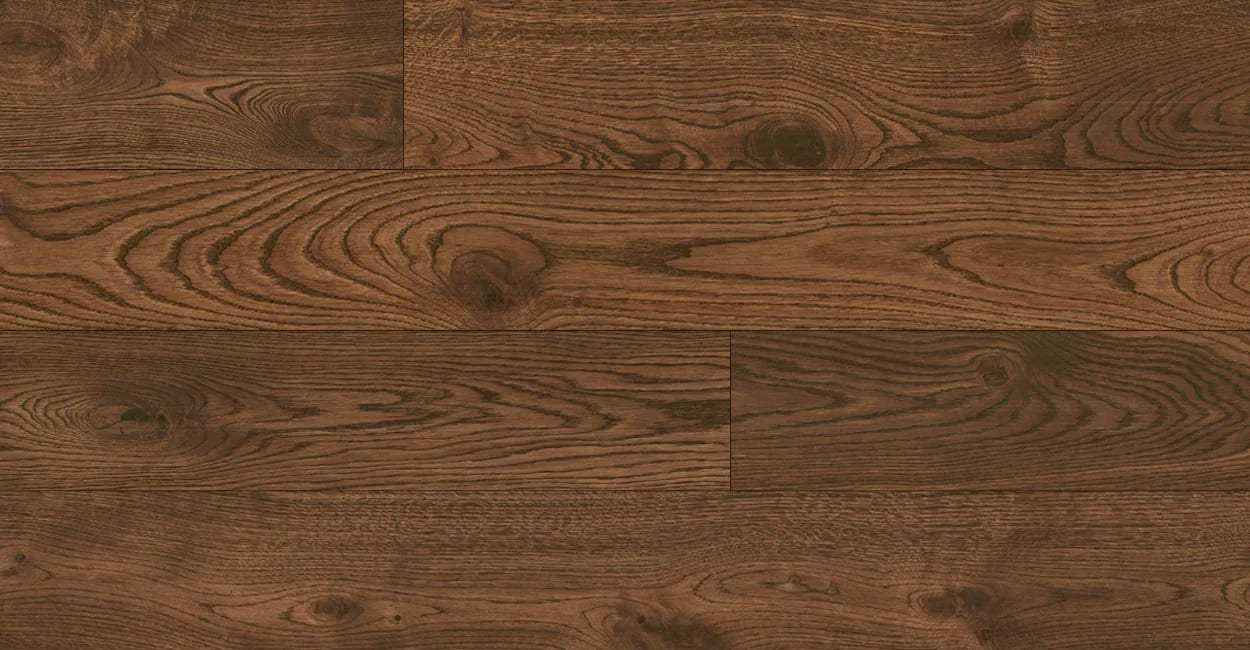


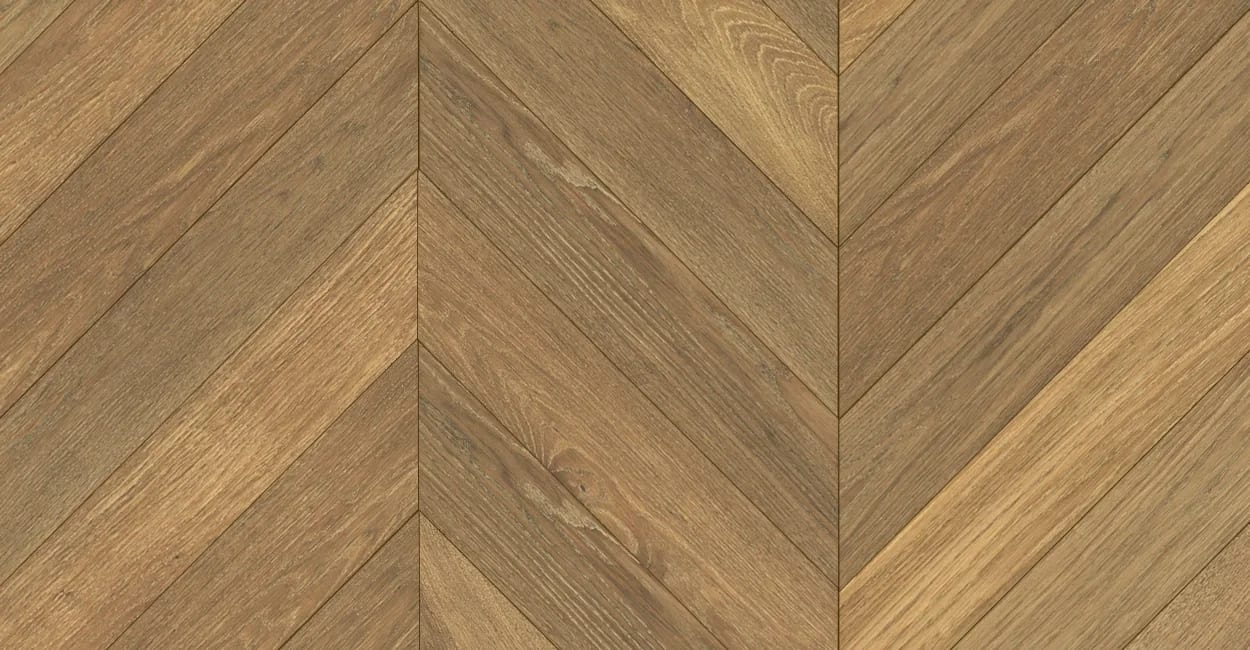

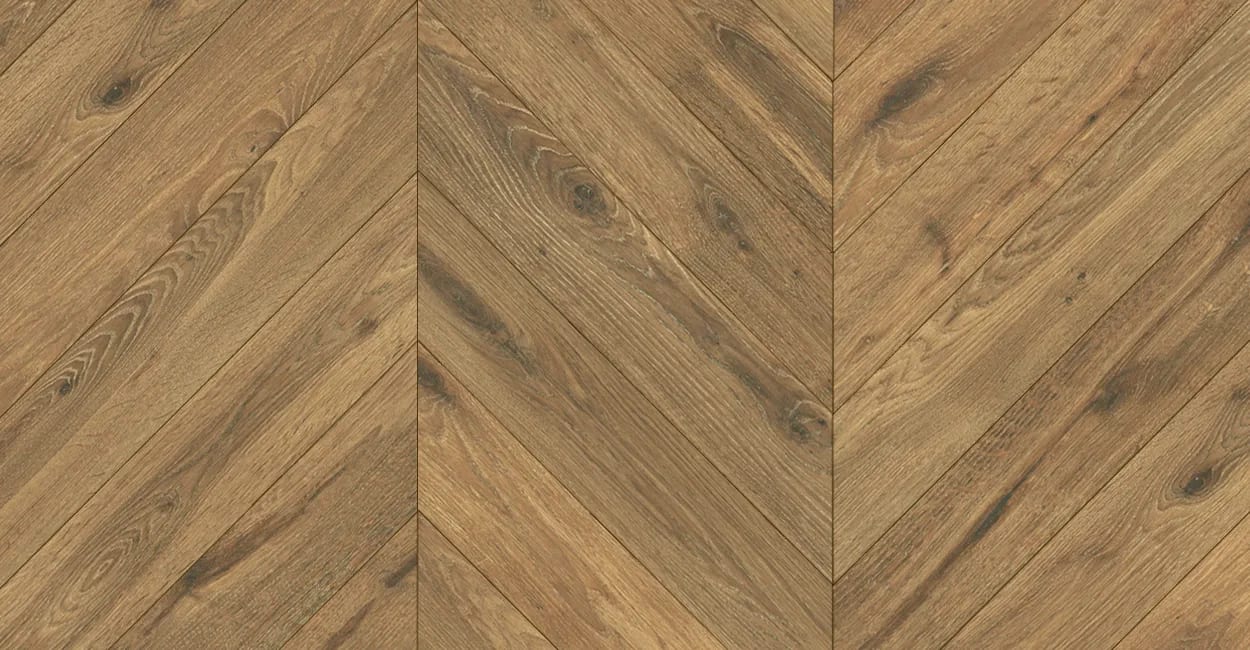

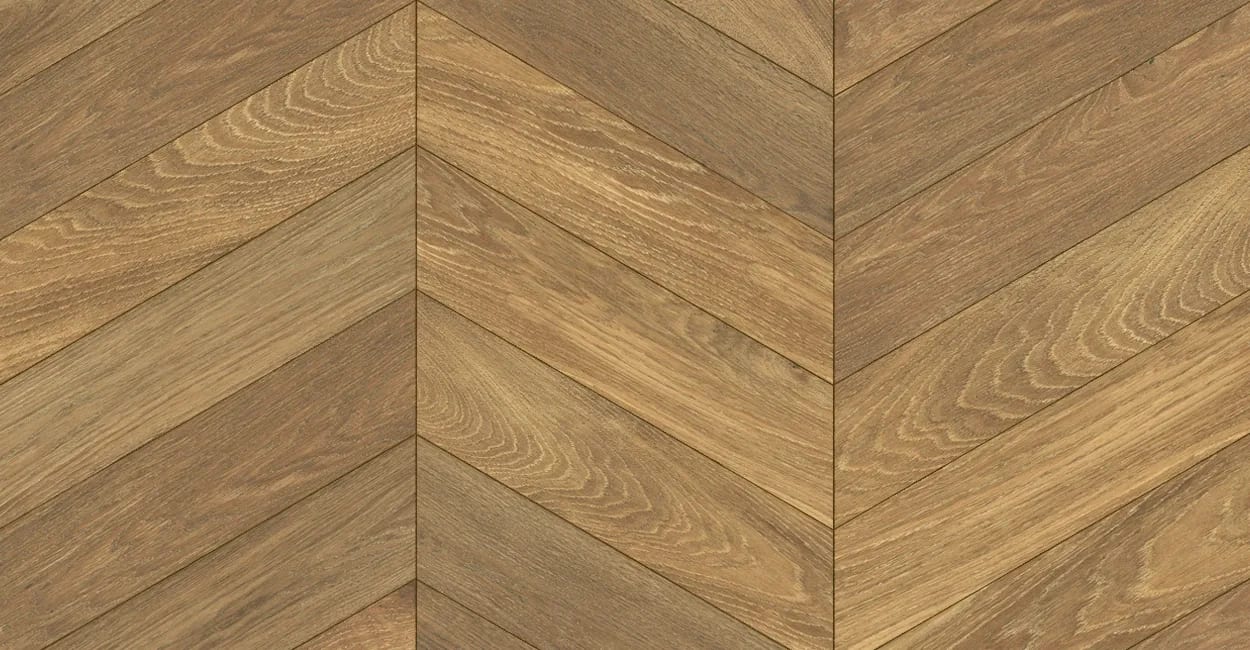

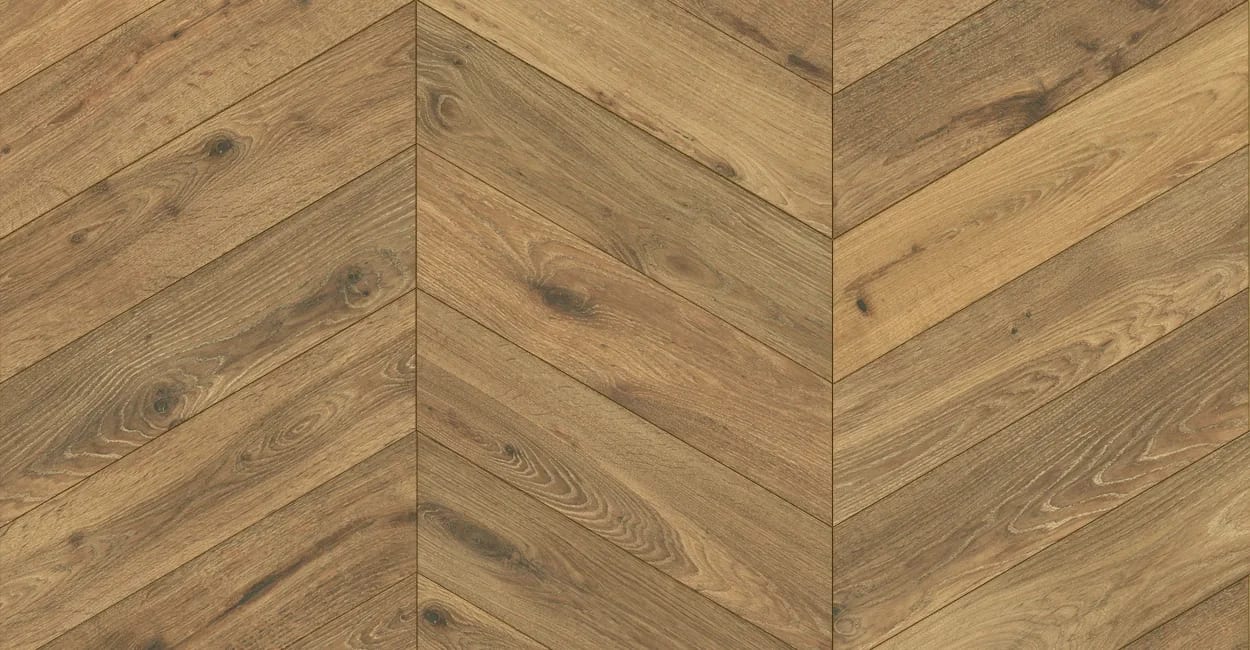

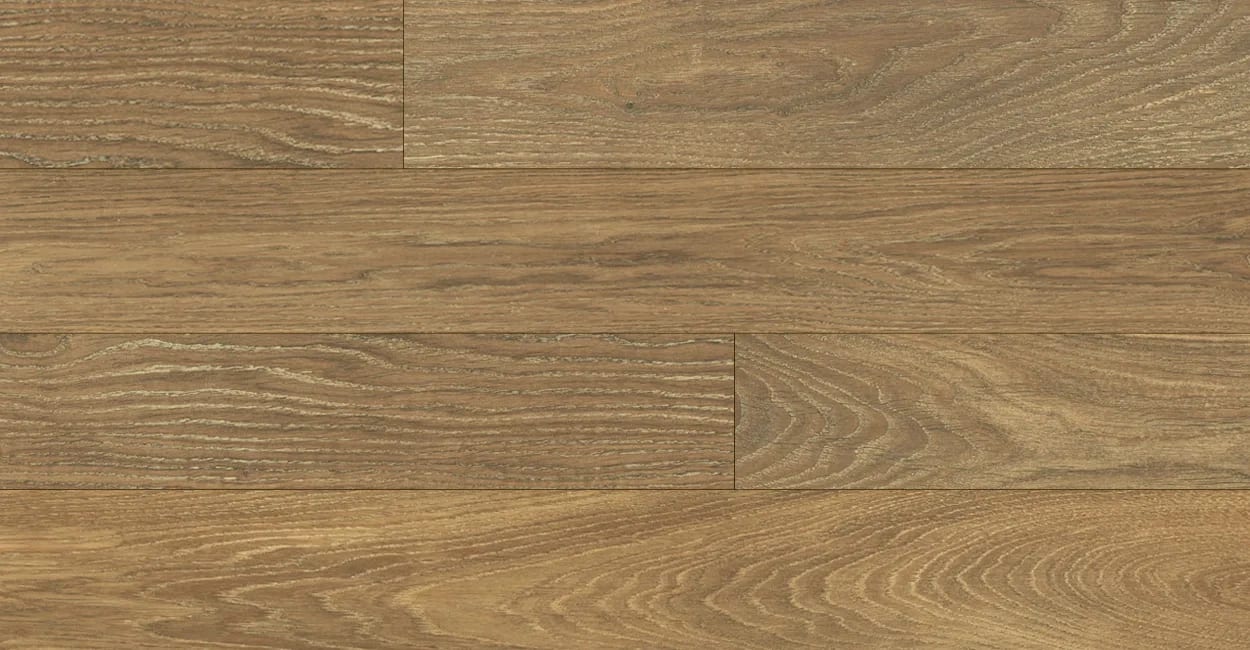

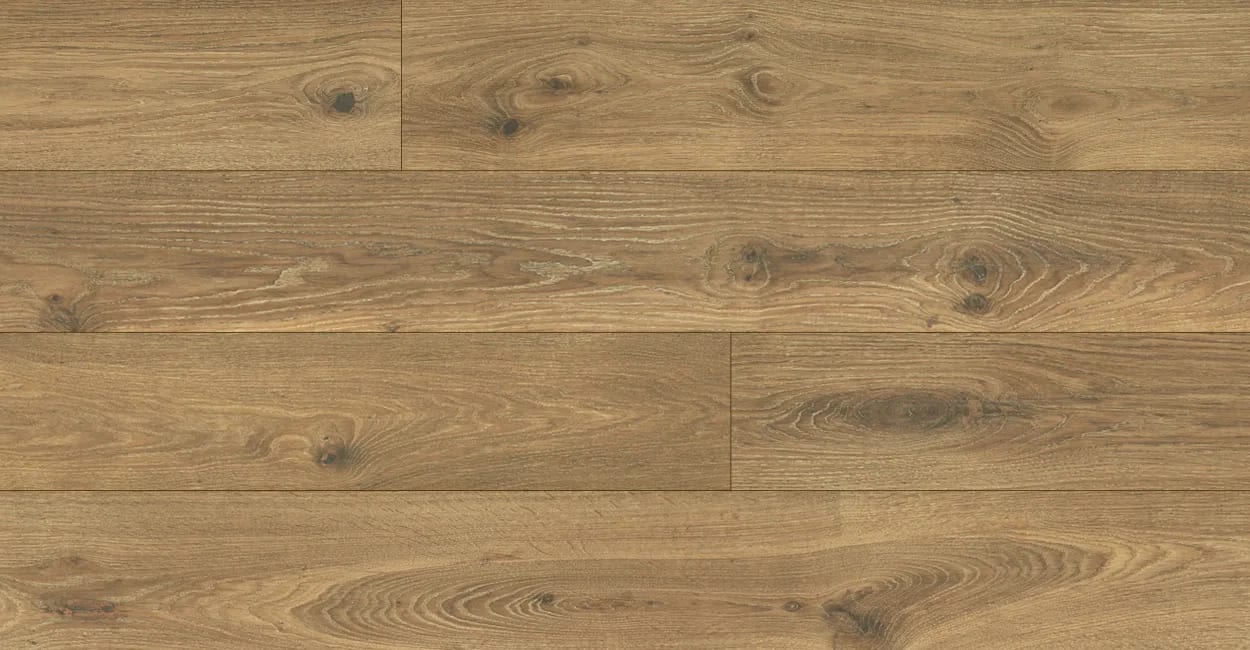


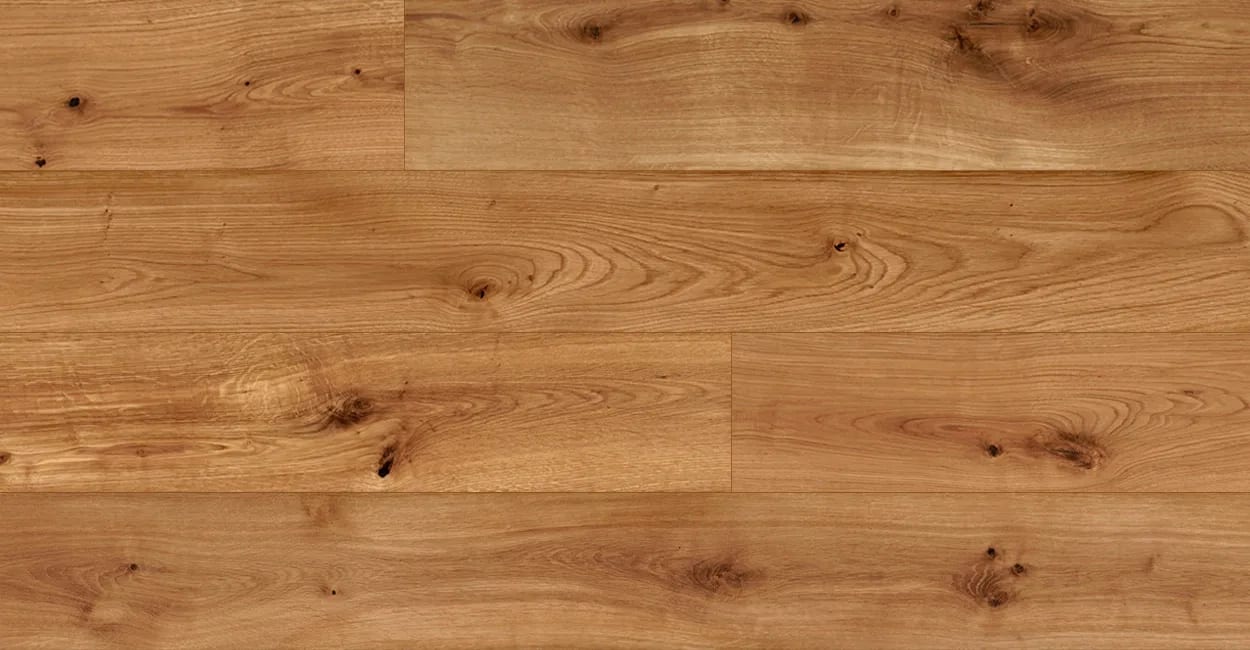


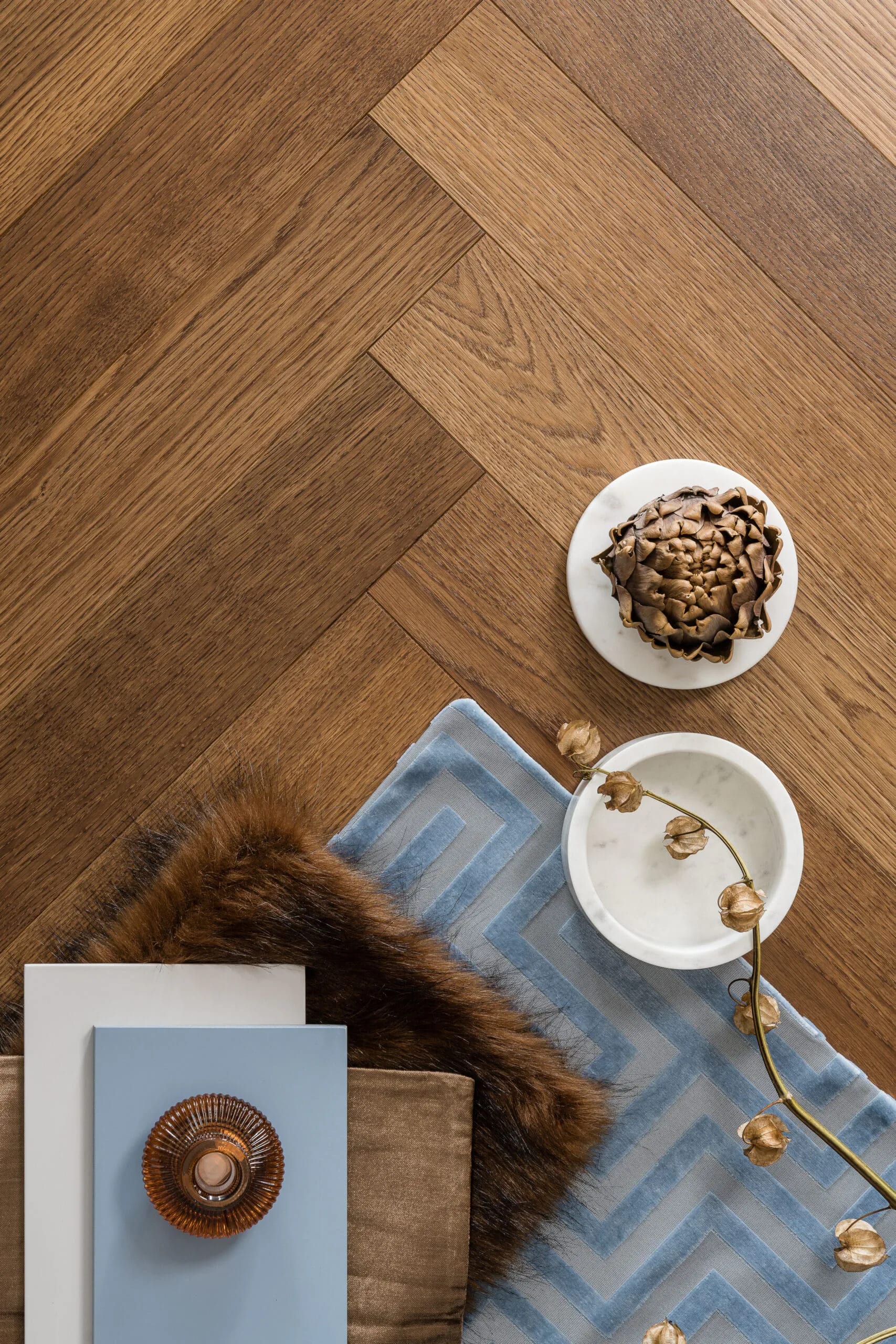

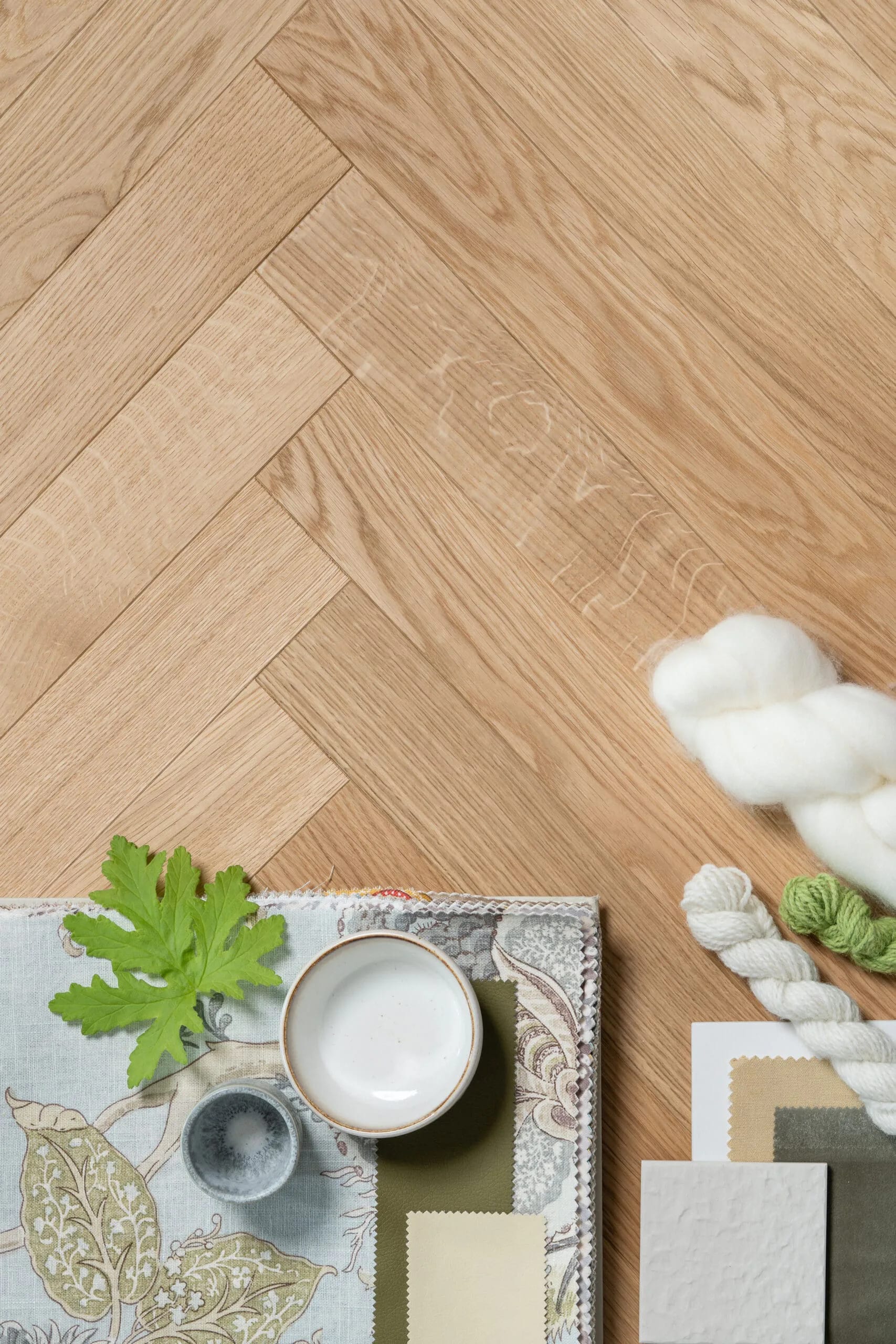
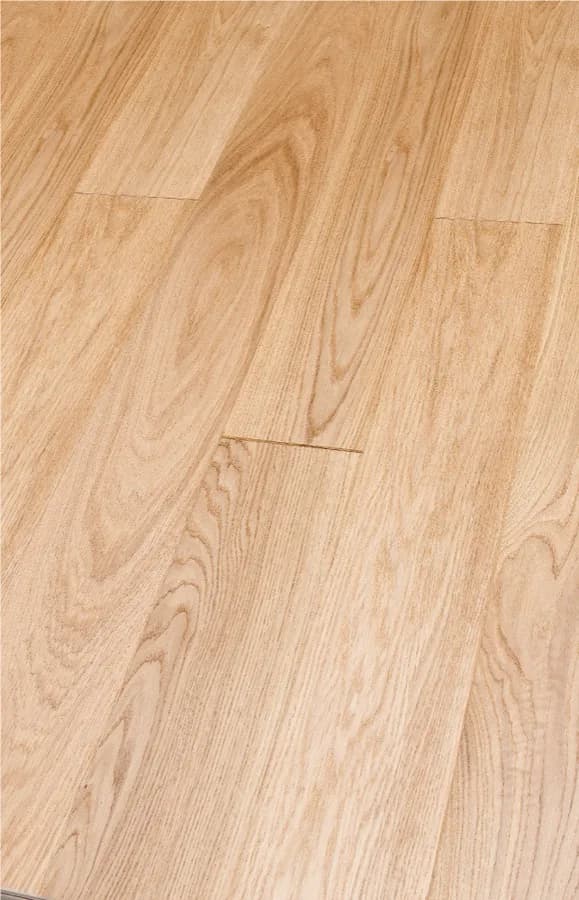
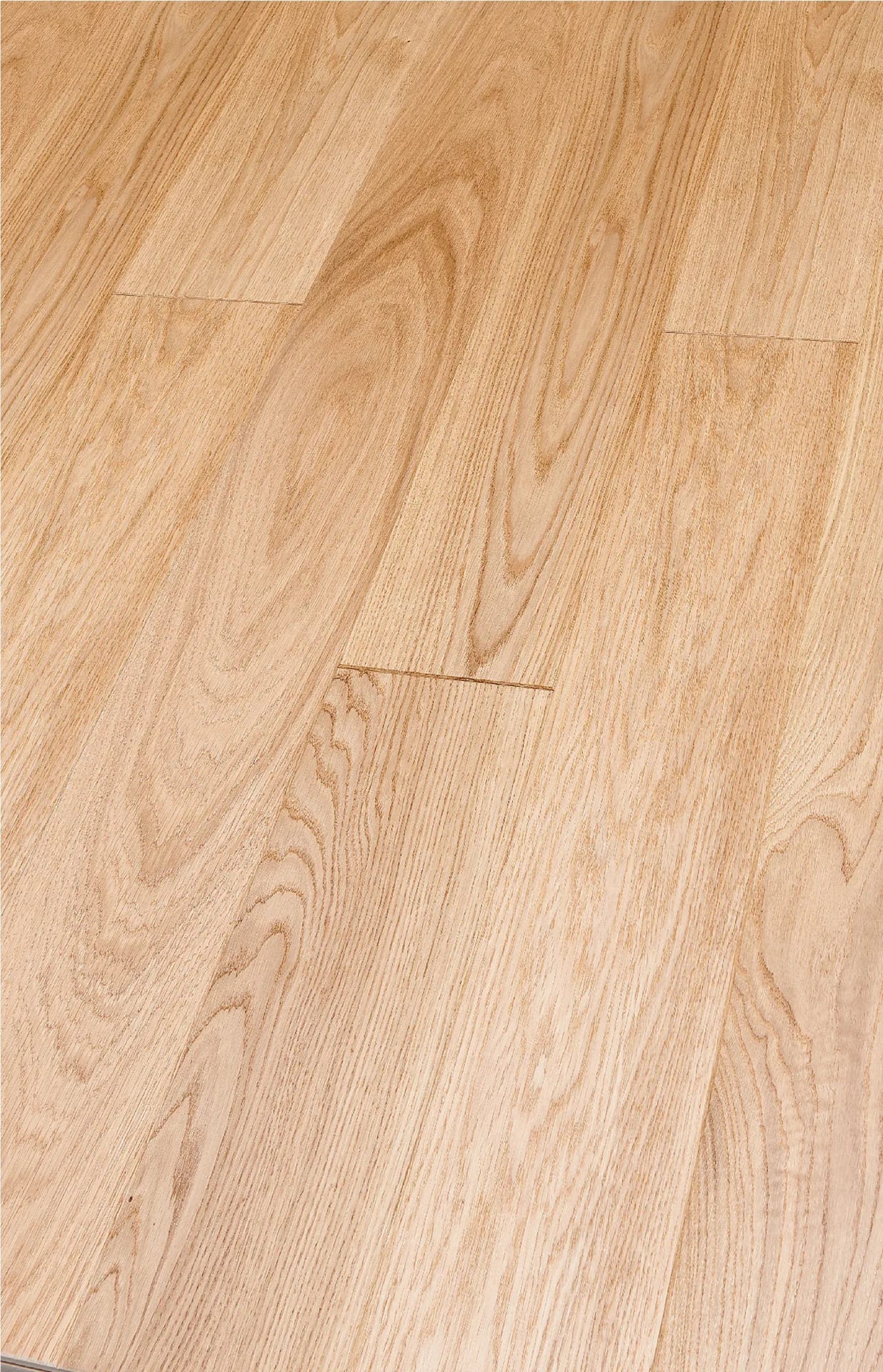
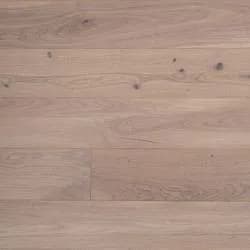

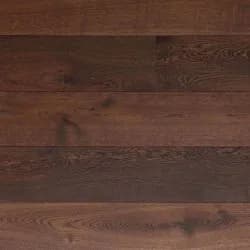

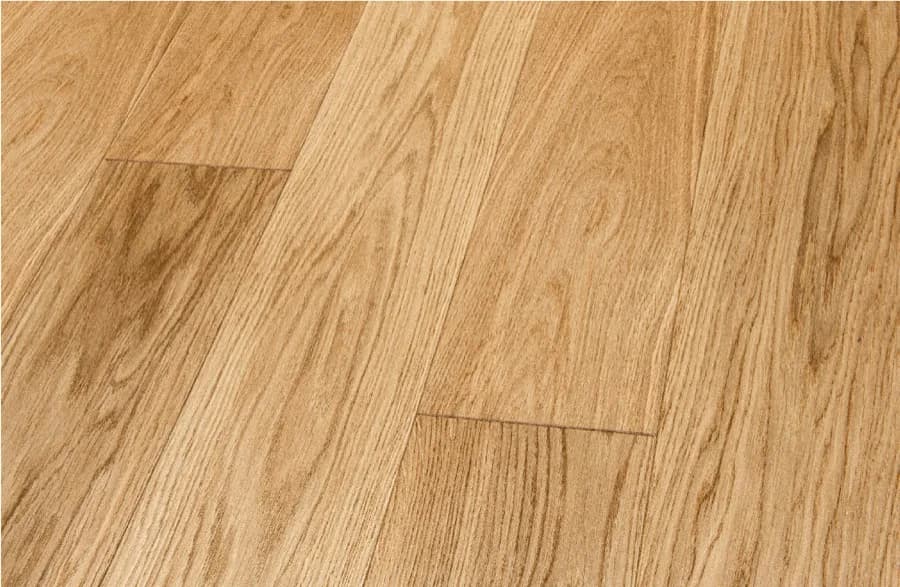
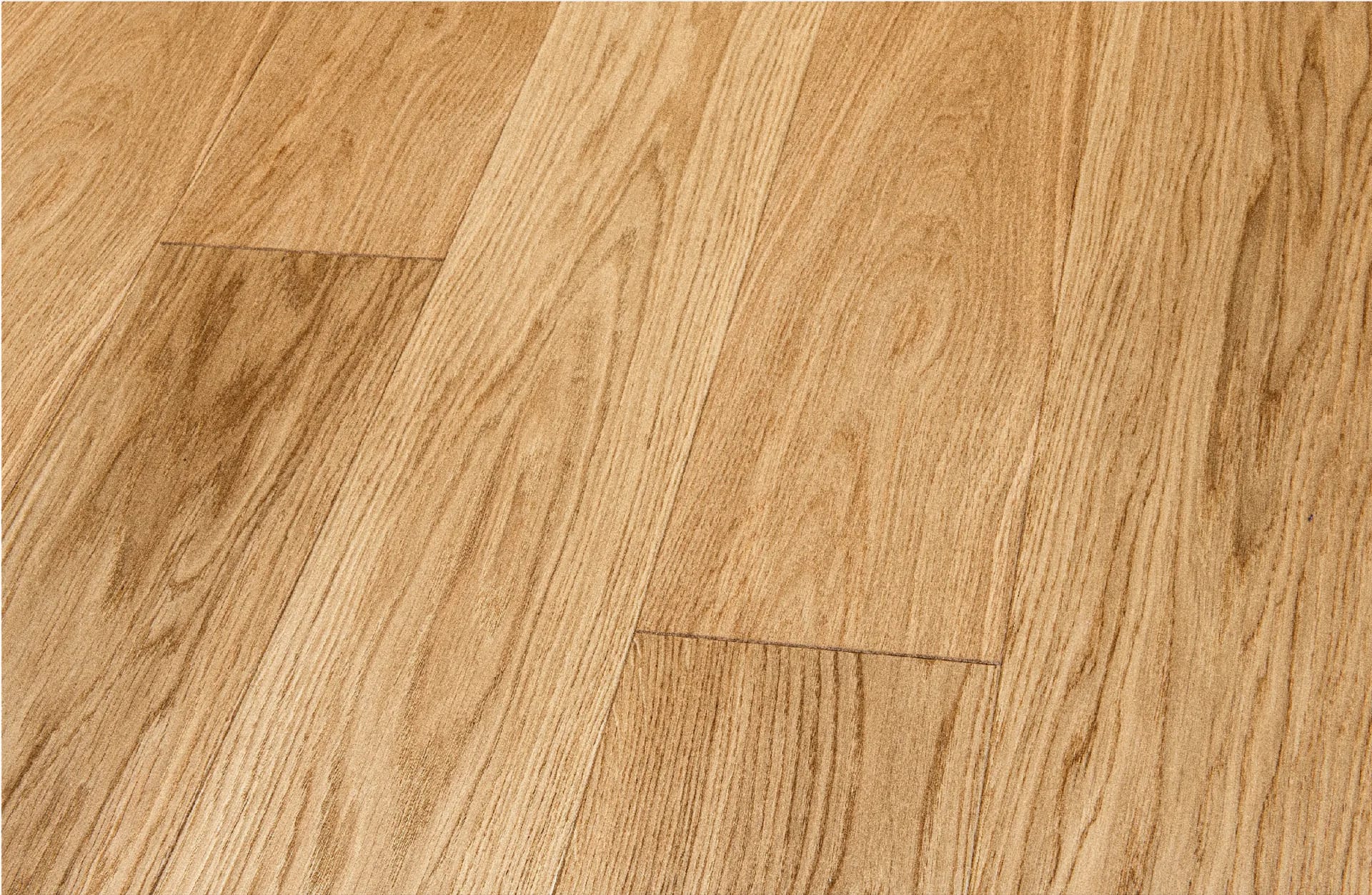
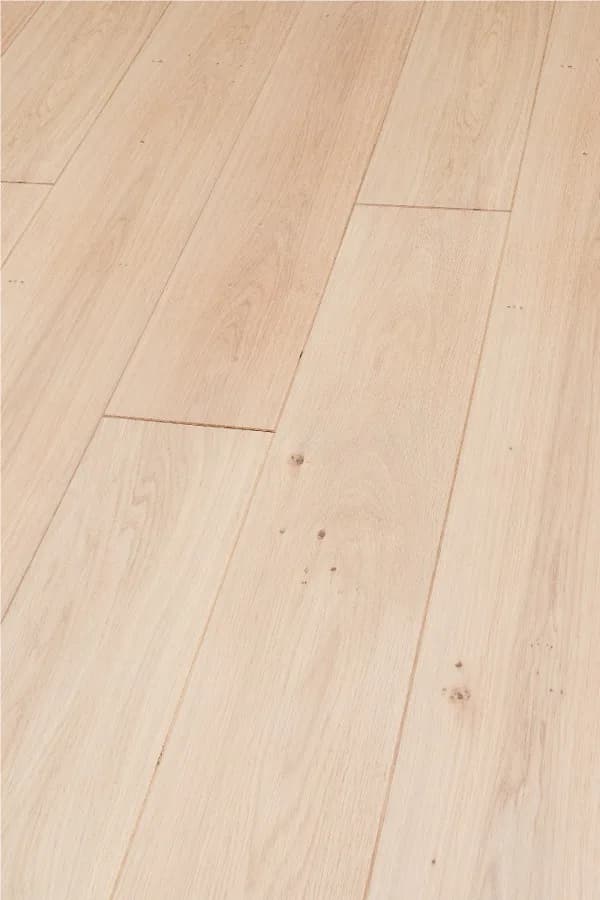
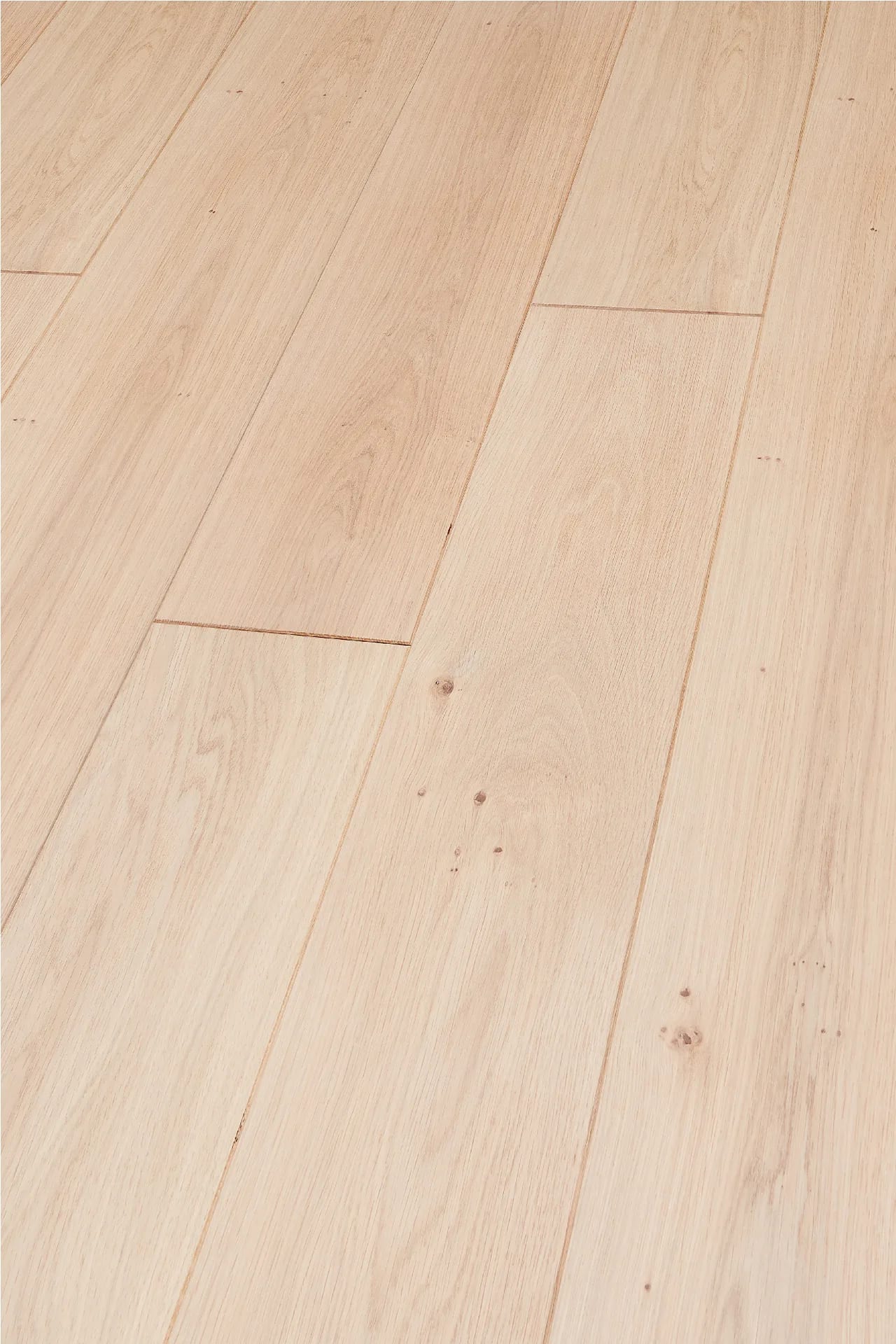
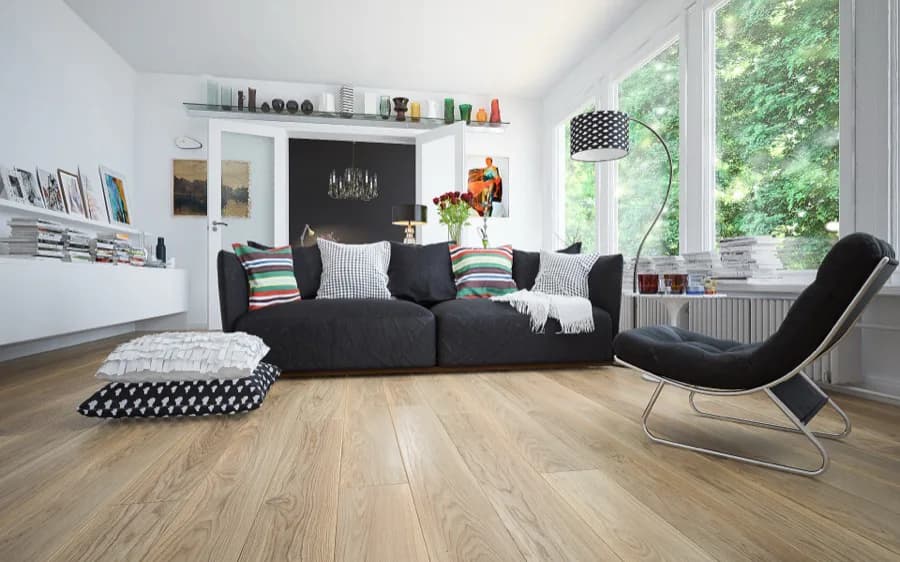
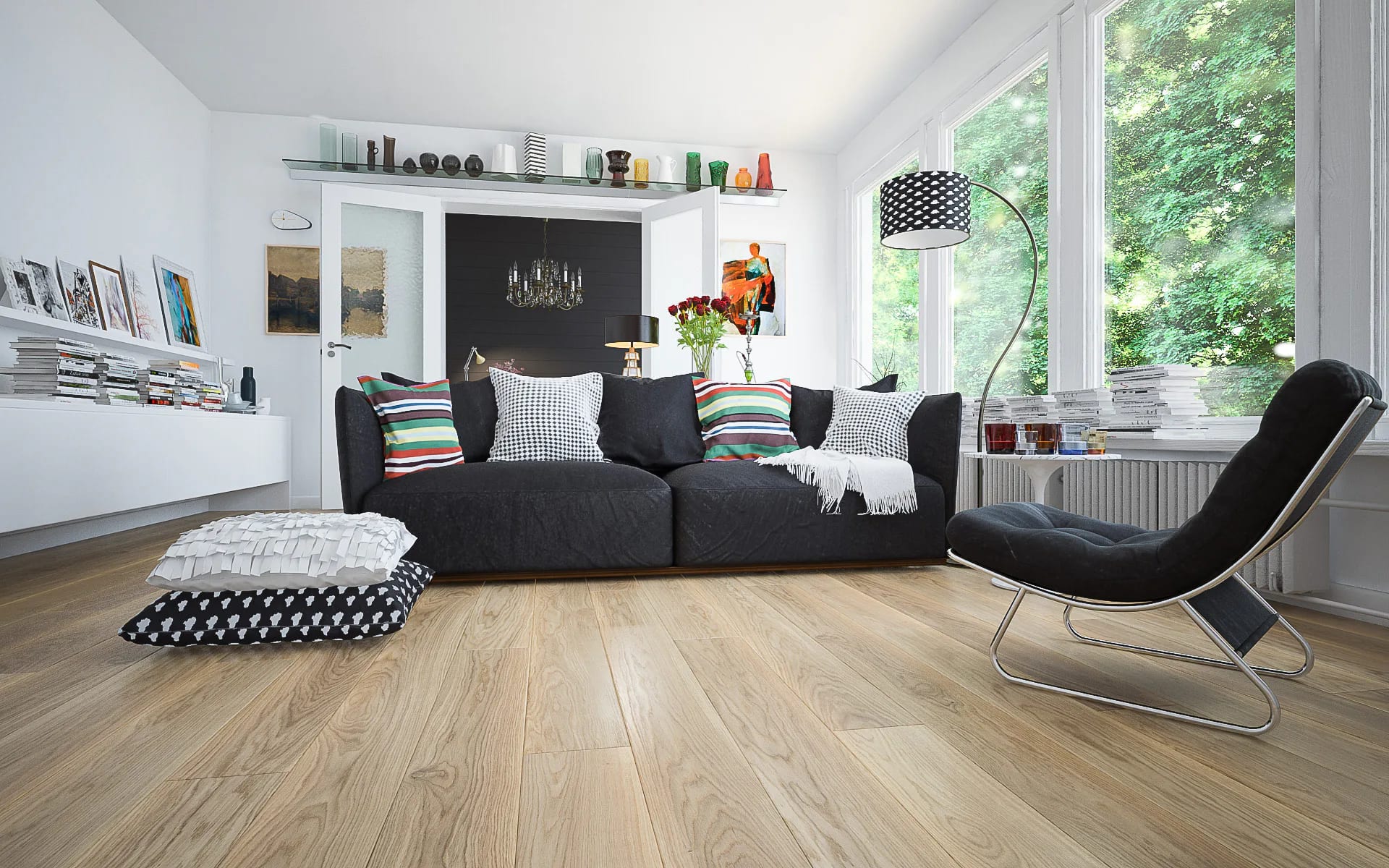
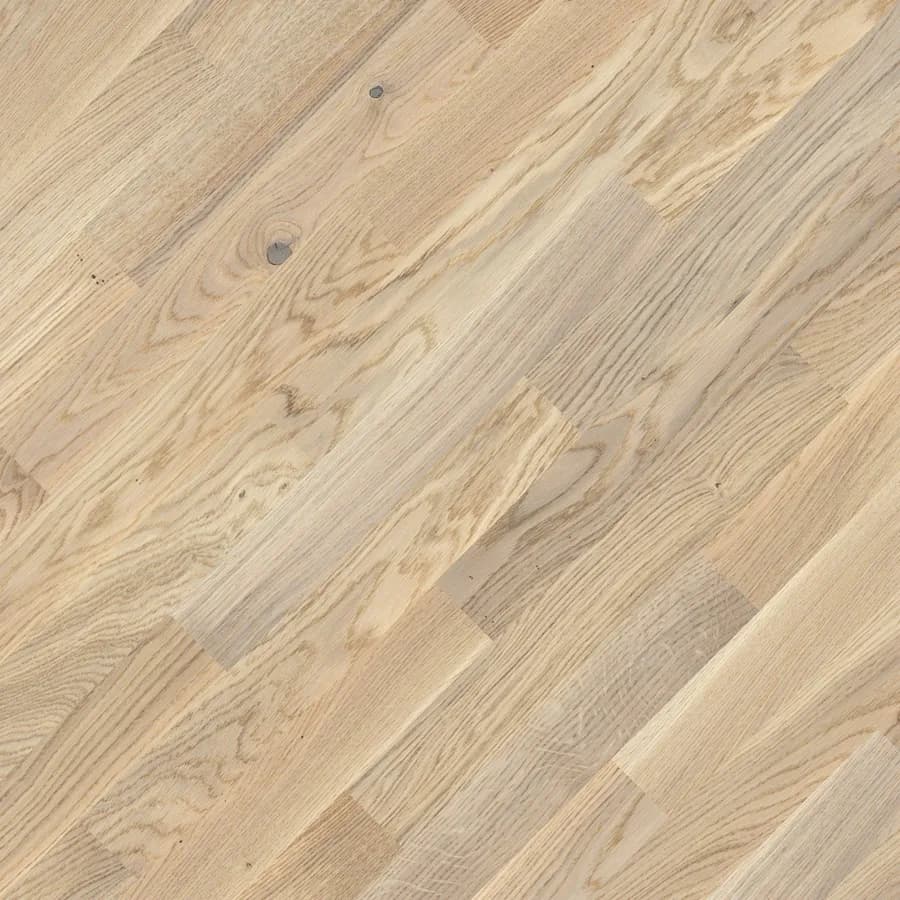
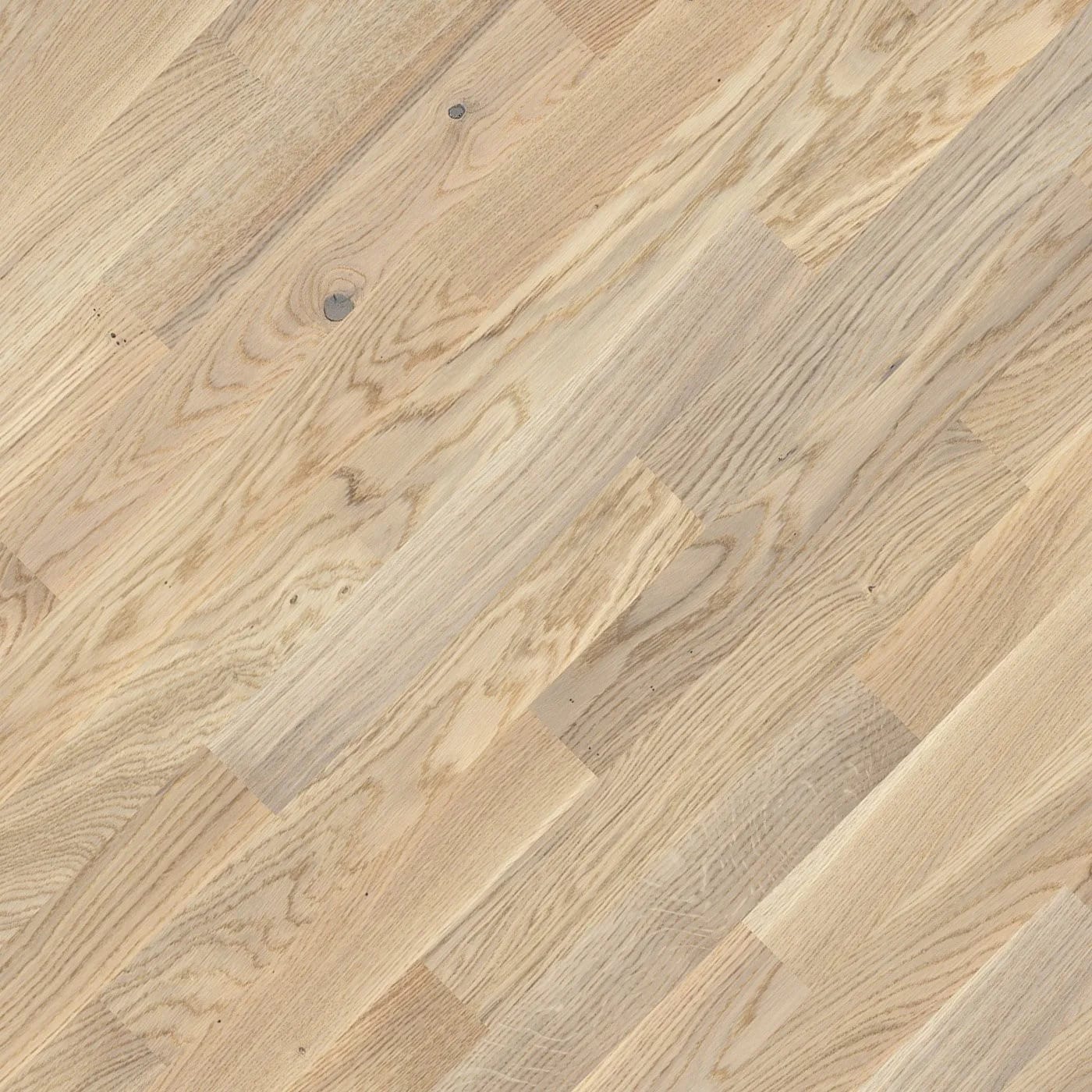
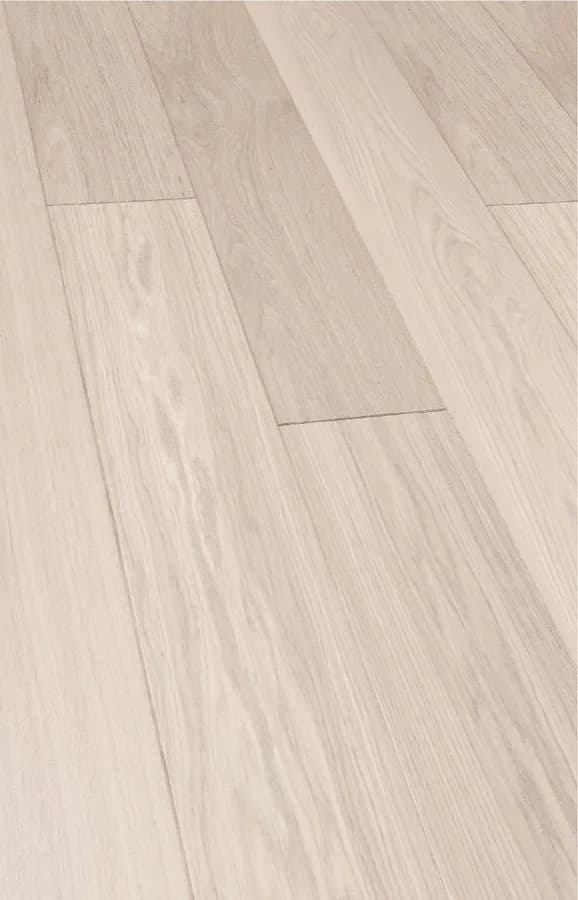

Oiled boards are a good choice for people who prefer a finish closer to natural wood than a flat lacquer coating. But this category includes not only oiled boards in the strict sense, but also hardwax oiled boards and a few models finished with UV oil, so the differences start not with the colour, but with day-to-day care and later refreshing. Among the examples here you’ll find KACZKAN Bali Aura House, Lareco Oak Breeze Natur and Parkiety Jabłoński Oak Alabaster.
Traditional oil soaks into the wood and doesn’t create a sealed layer on top, so it shows off the board’s structure well, but it also reveals any neglect in cleaning and drying the surface more quickly. Hardwax oil also works into the wood, but leaves a thin wax layer on the surface as well. In everyday care that can make it a little easier to live with, but it needs different products from those used for oil.
This category includes both hardwax oiled boards and boards finished with oil alone, while models with UV oil make up a smaller part of the range. UV oil is factory-cured, so in use and when refreshing it’s important to follow the guidance for that specific finish, not just the name “oiled board”. In practice, that difference comes back later when choosing cleaning products, care products and the way the surface is refreshed.
After fitting, the first care step matters, because it tidies up the surface after the work and sets the pace for cleaning from then on. With oil and hardwax oil, use products matched to the finish type; swapping one for the other can leave streaks, build-up or weaken the protection too quickly. The same applies to later refreshing: some products work well on oil, others on a hardwax oil layer.
In everyday use, the biggest damage comes from grit, moisture and the amount of water used for cleaning. Vacuuming helps reduce scratches, and a well-wrung mop won’t soften the wood fibres. By the front door, sink or plant pot, darker marks appear sooner because the surface is dealing with moisture for longer there. A brushed surface usually hides small marks better than a smoother one.
It’s usually time to refresh the floor when clear signs start to appear:
With a single scratch or a local worn patch, a spot repair is often enough, meaning you fix just one section without touching the whole room. Deeper water stains or a clear colour difference after years usually mean a wider scope of work. At Europarkiet, we base these decisions not only on how the board looks, but also on the rhythm of life in the flat and the condition of the subfloor. For a fuller renovation — that is, a bigger refresh of the floor — the structure of the specific model also matters.