


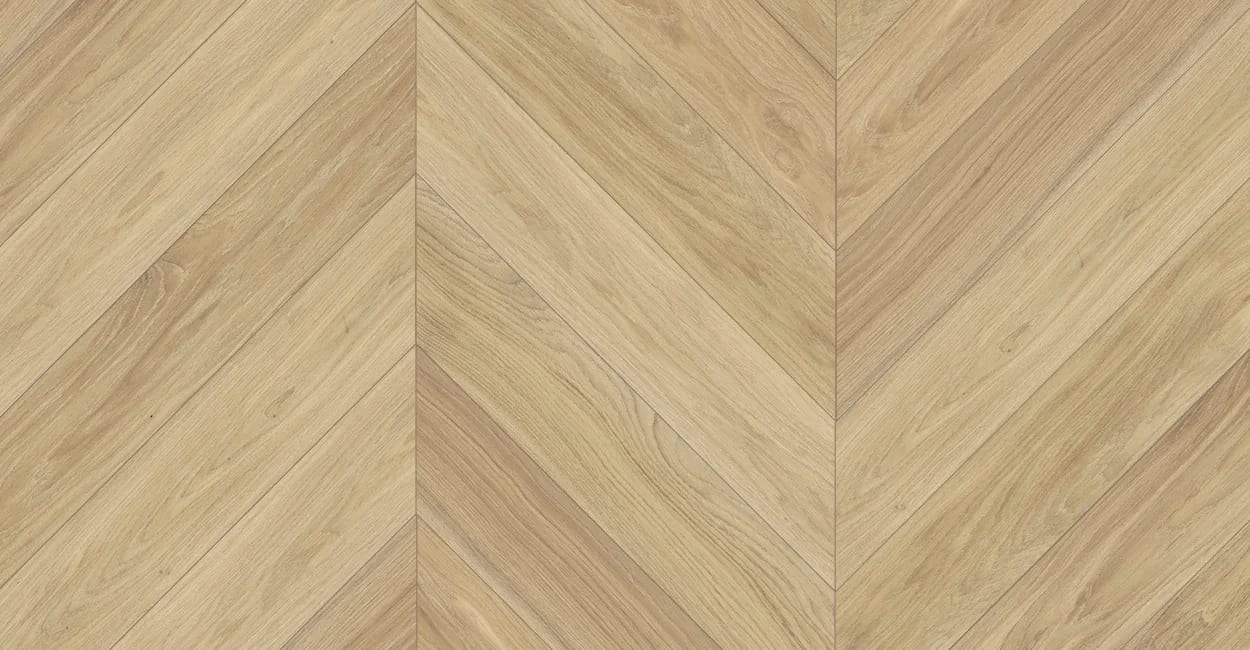
Chalk Oak Natur
Bory PolskieParquet
Solid boards are made through the full thickness from a single piece of wood – here mainly oak, in the form of parquet and boards from Lareco, Bory Polskie and Parkiety Jabłoński. This kind of floor can be sanded many times, so over the years you can change its colour and finish. Solid wood reacts more strongly to changes in air humidity, so it’s installed with glue onto a dry, stable base. Check the construction and board thickness on the product page.

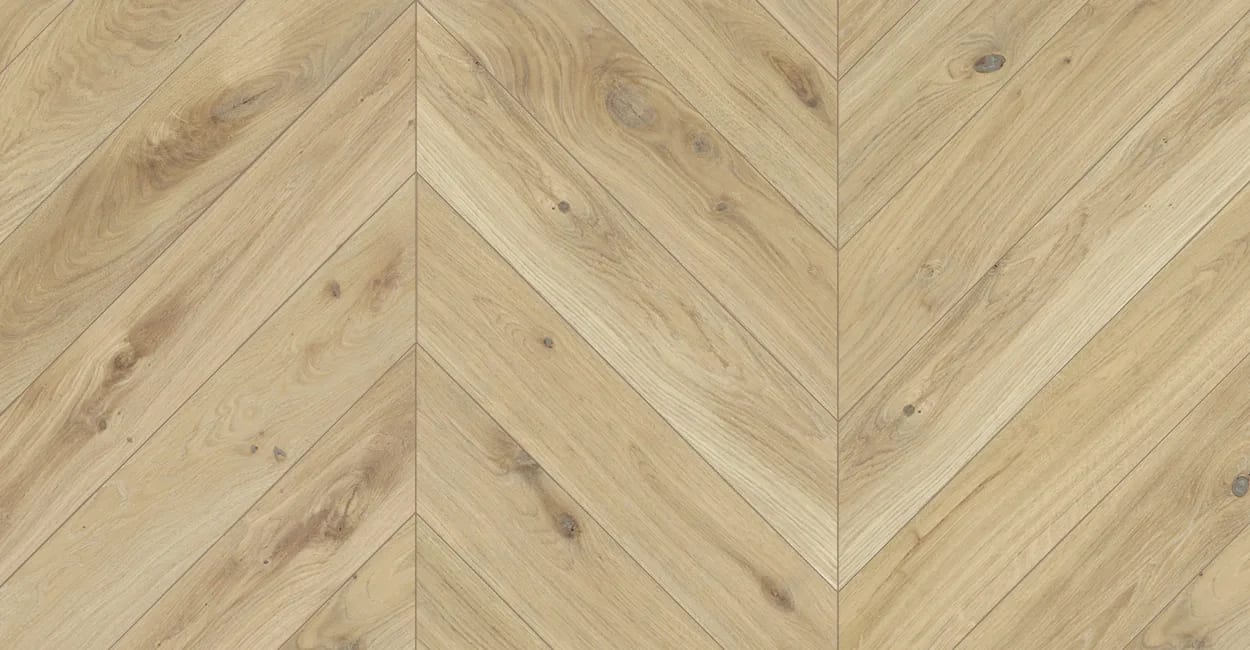

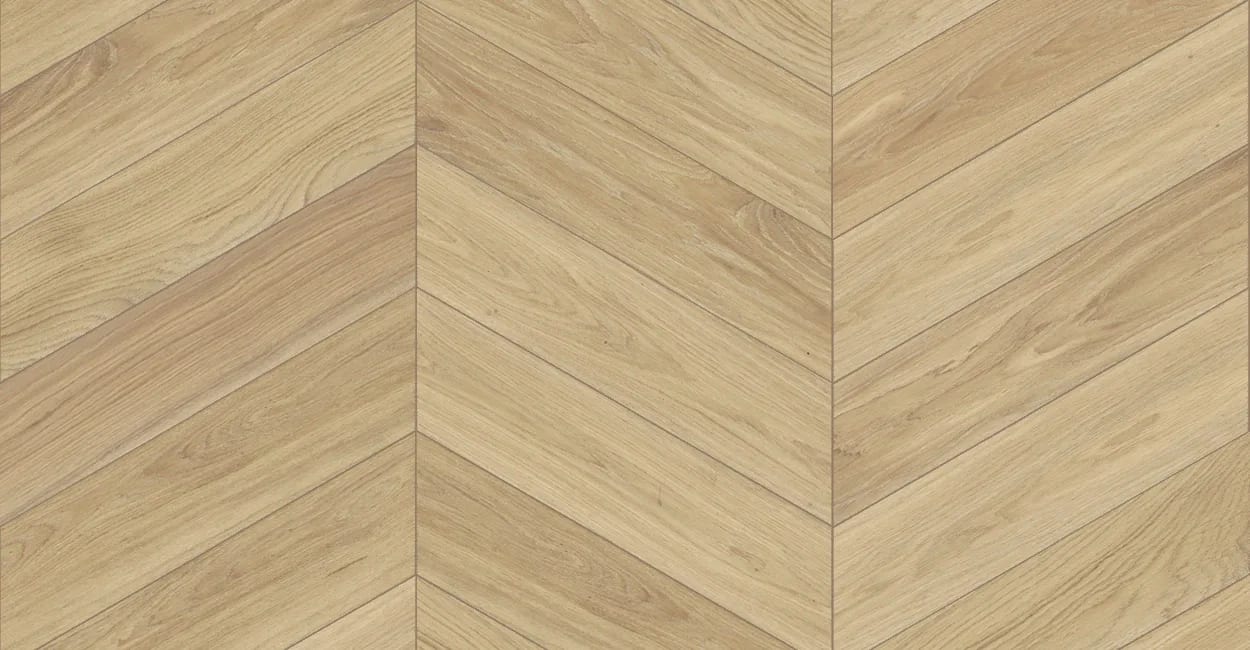


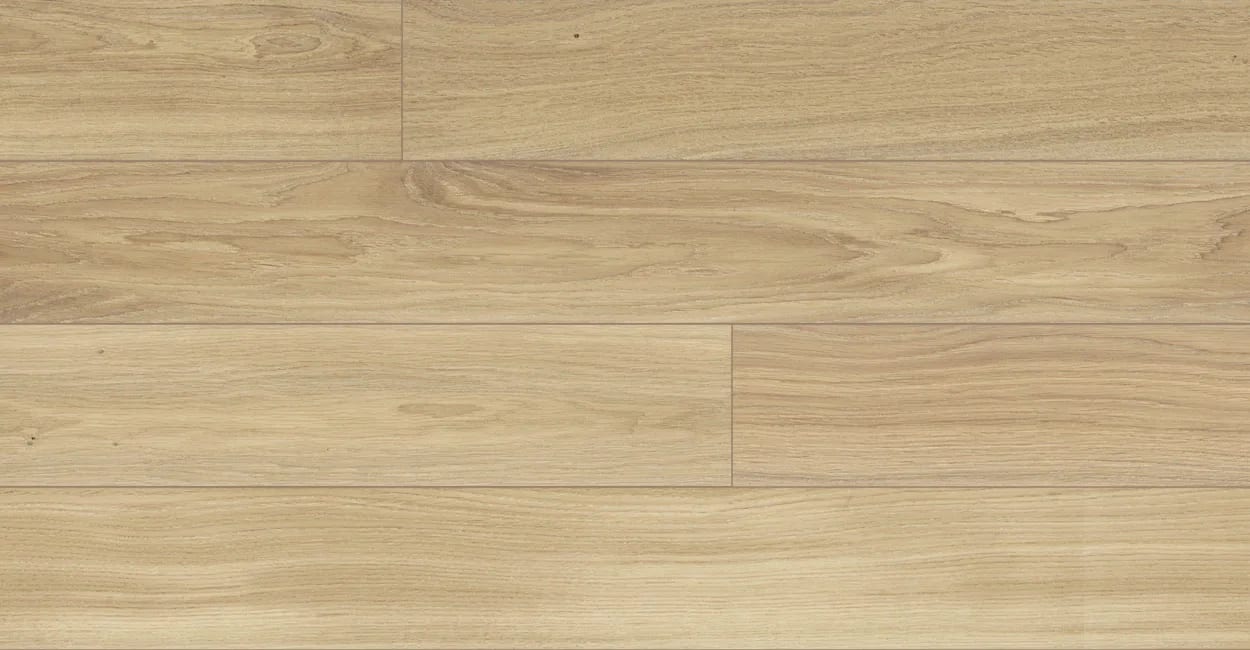


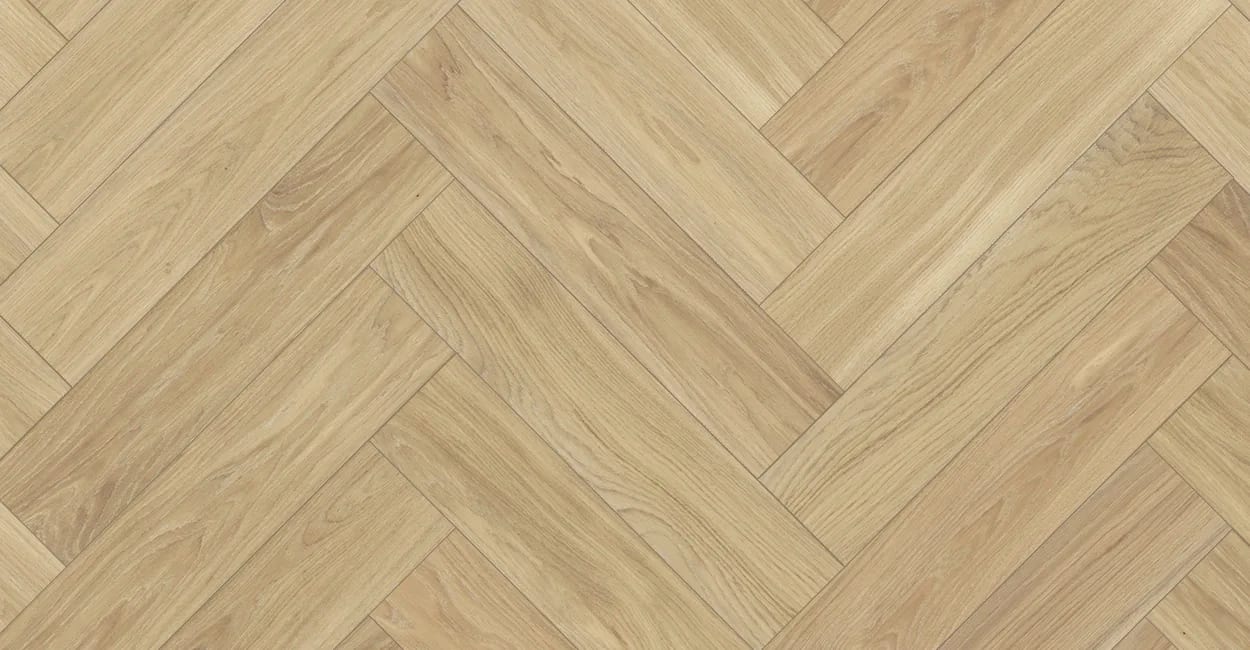

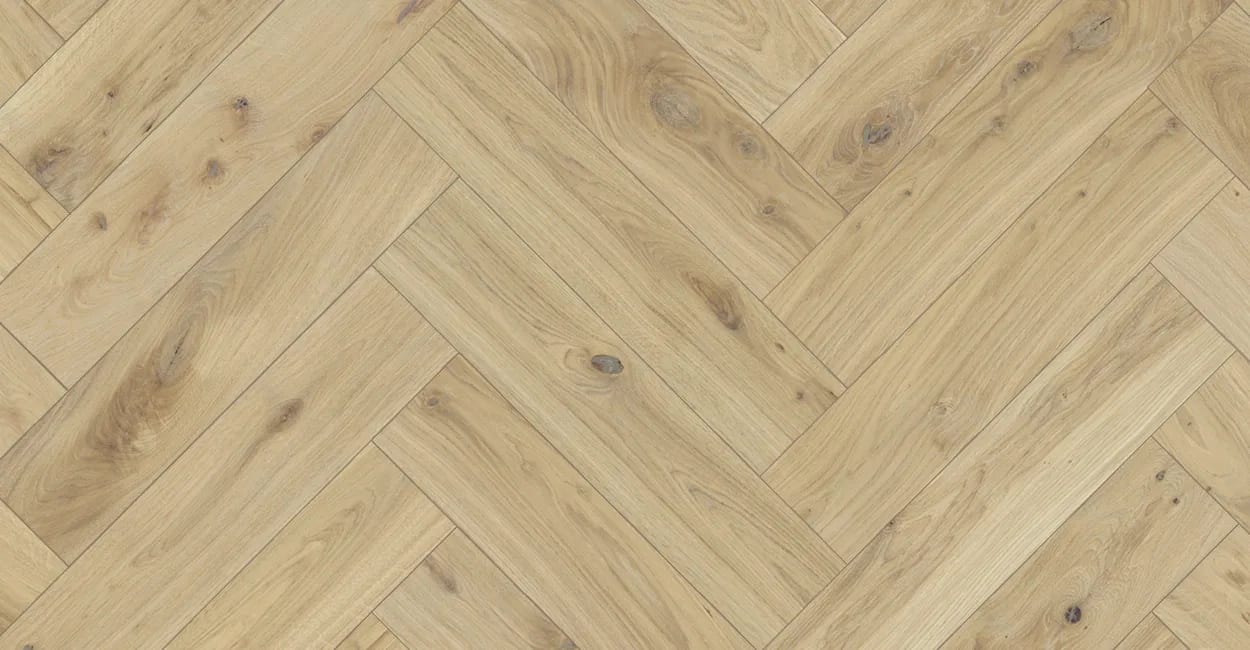

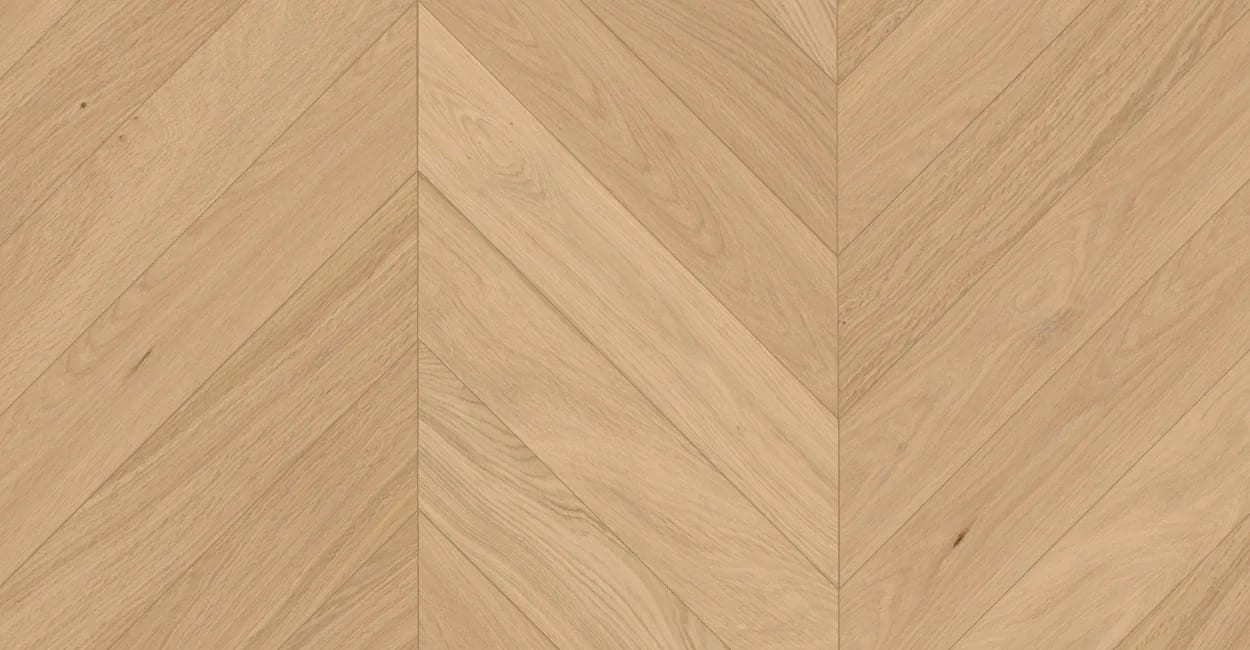

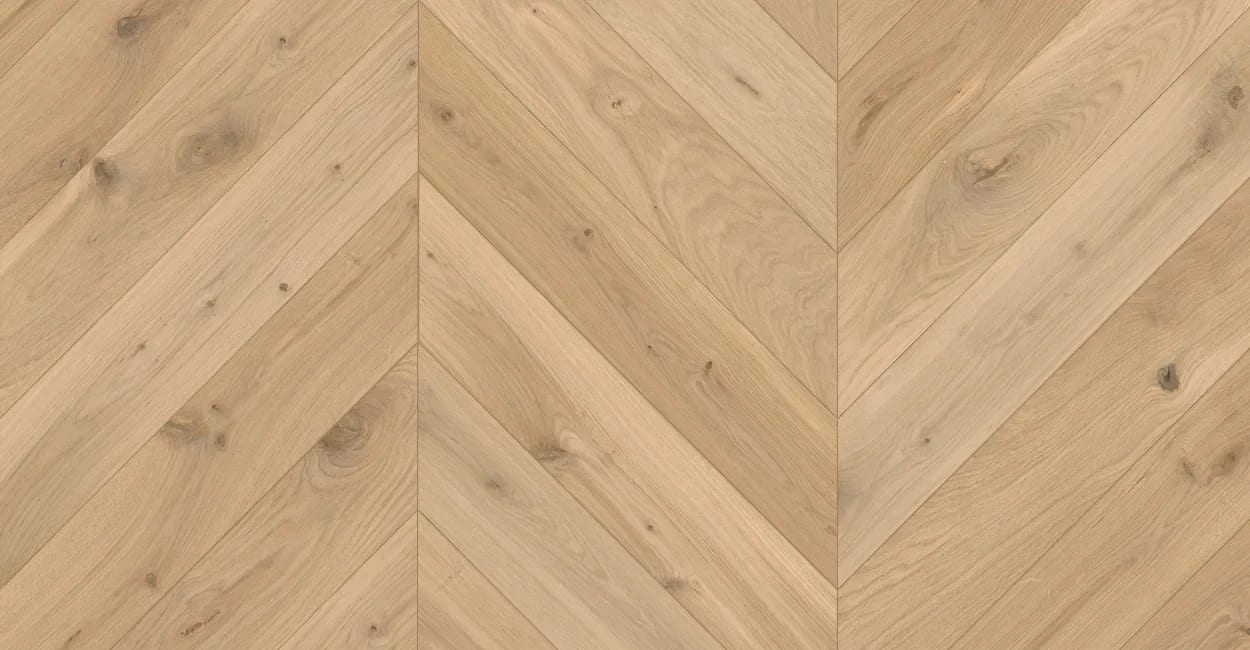

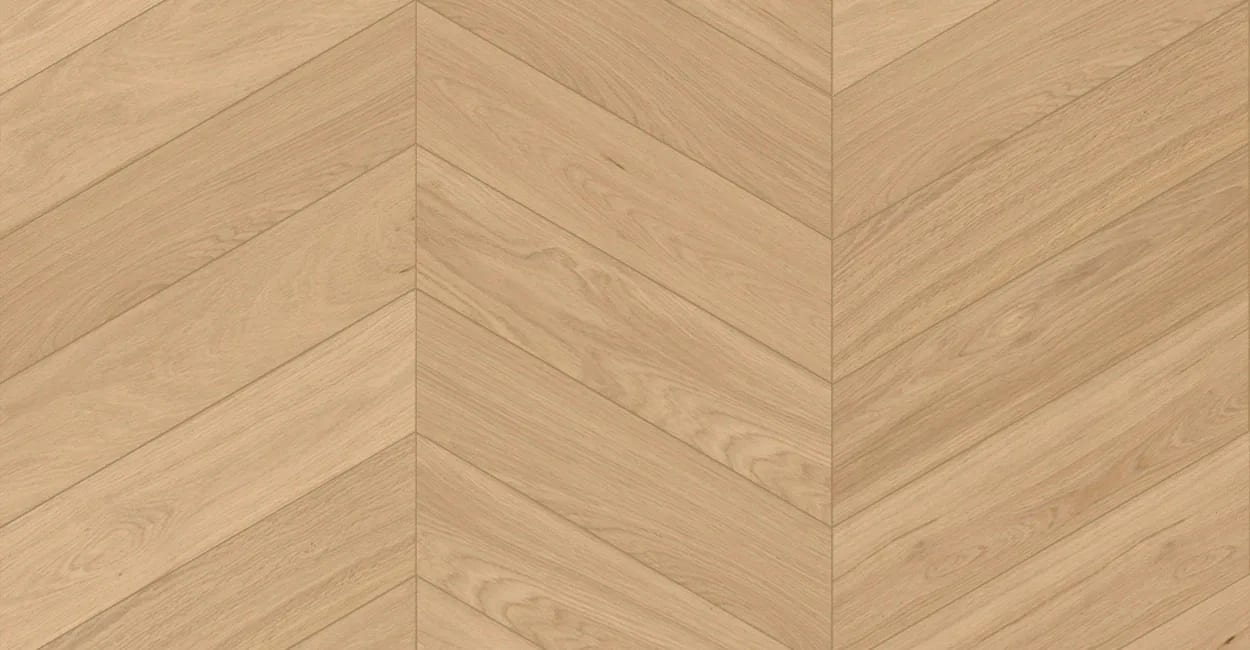

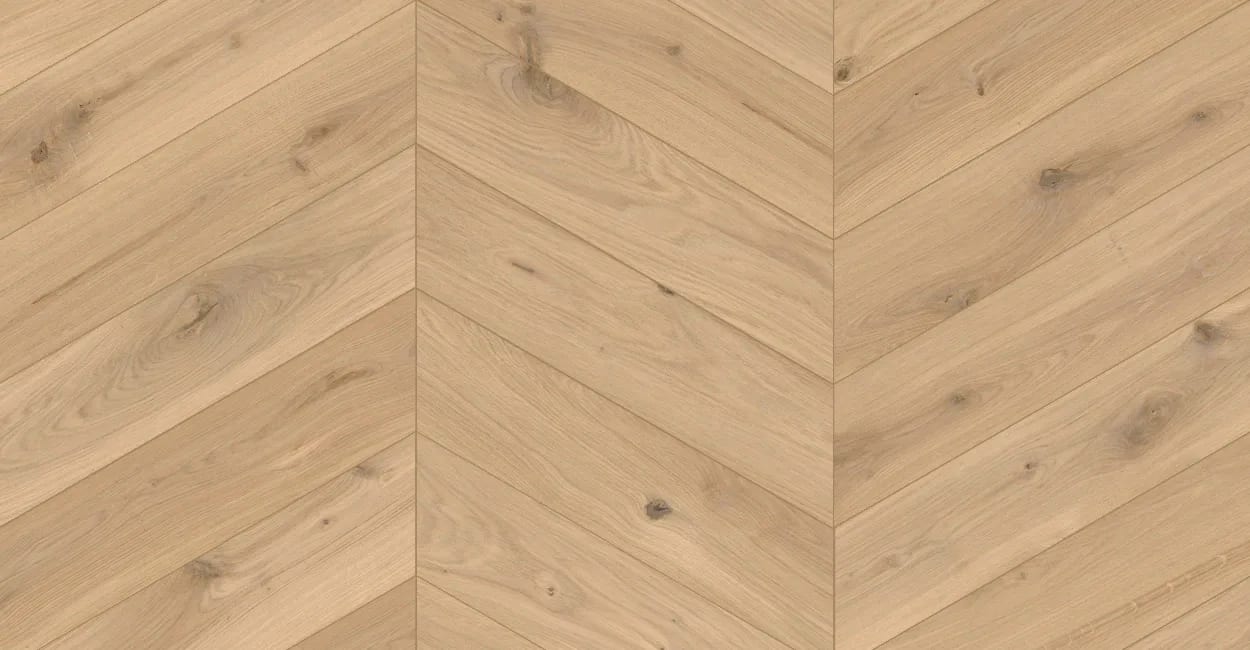

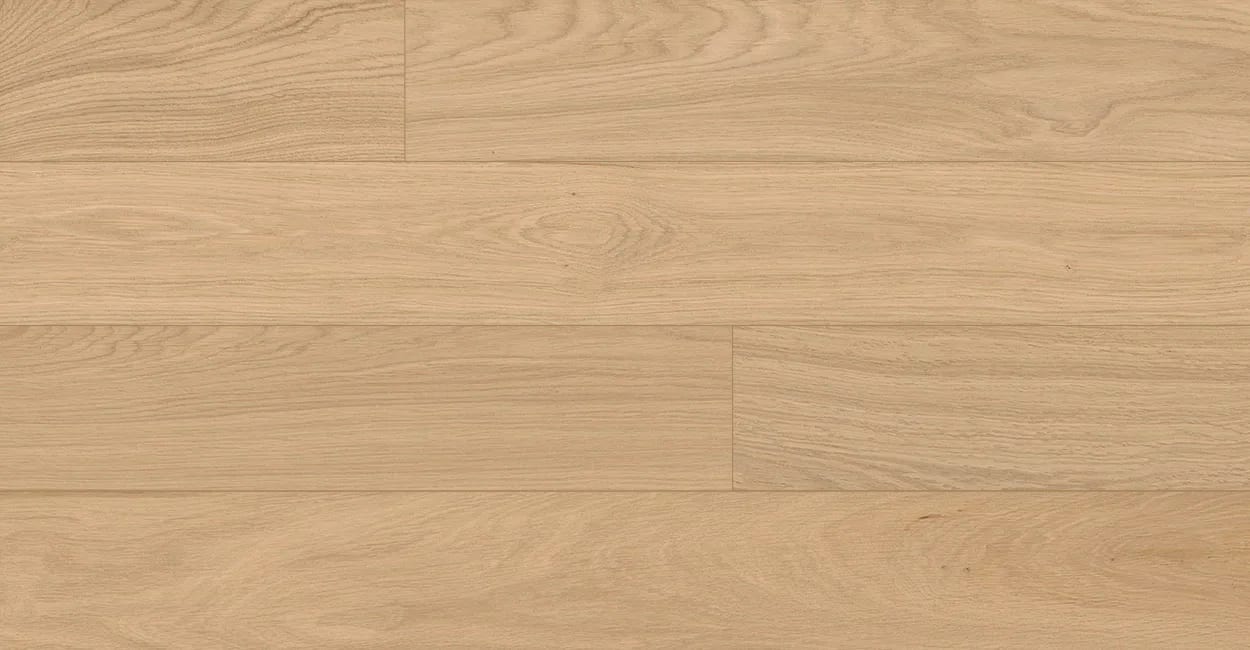

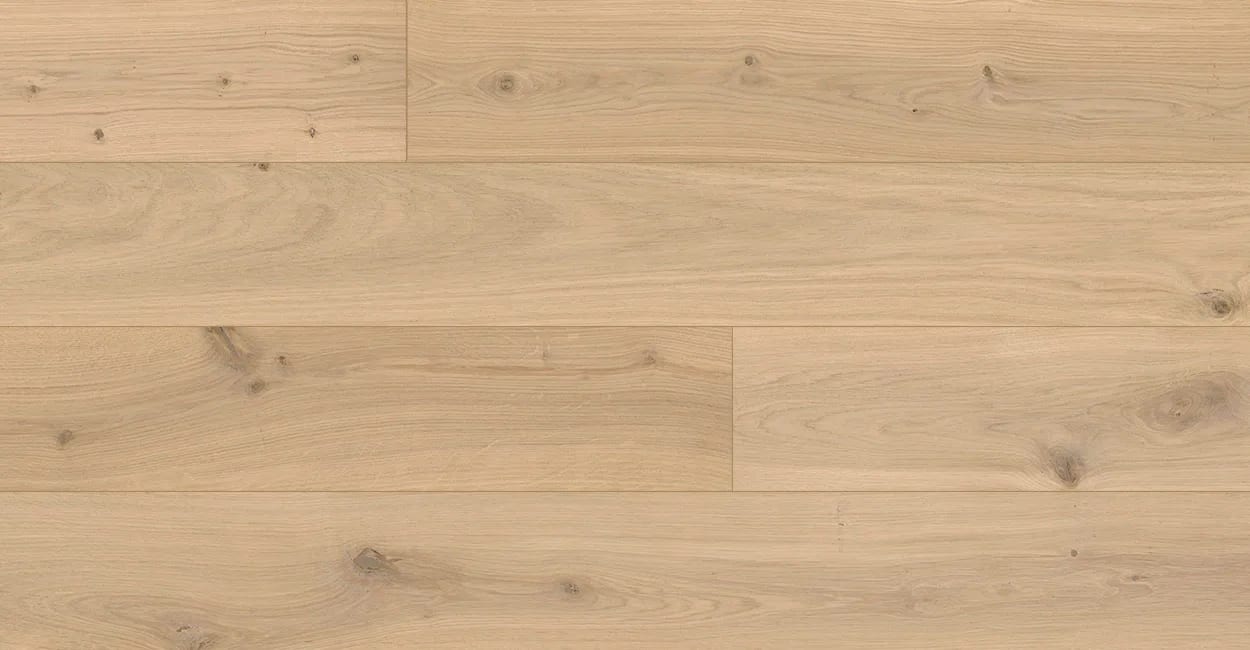

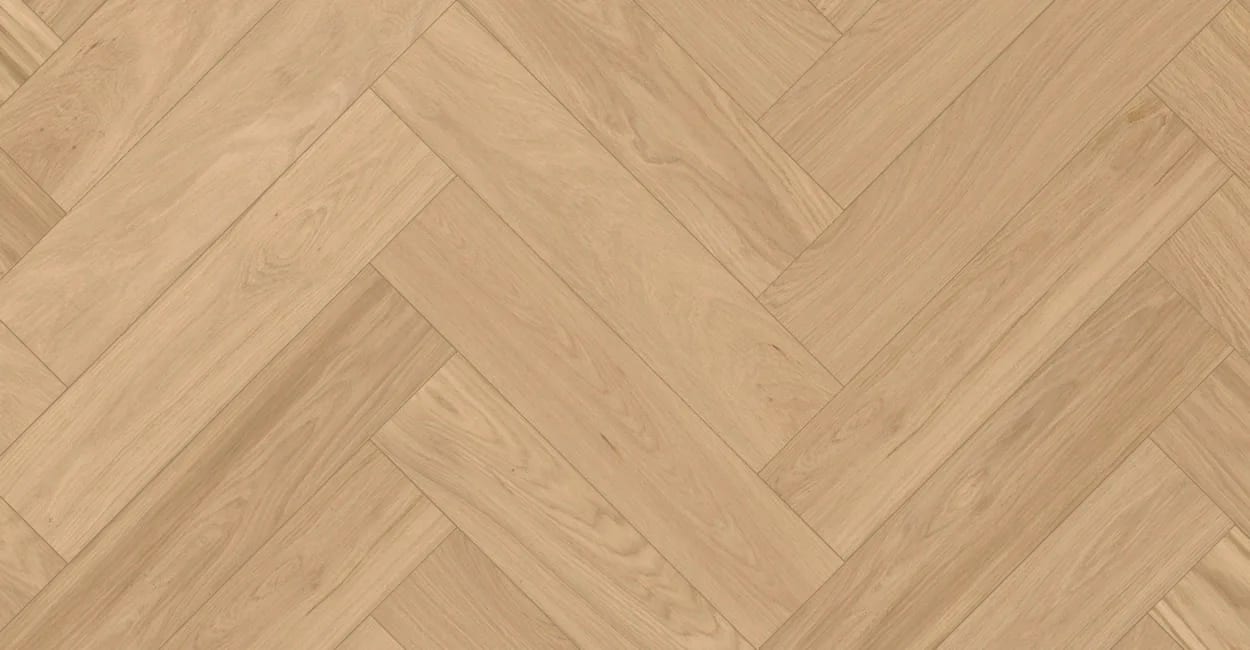

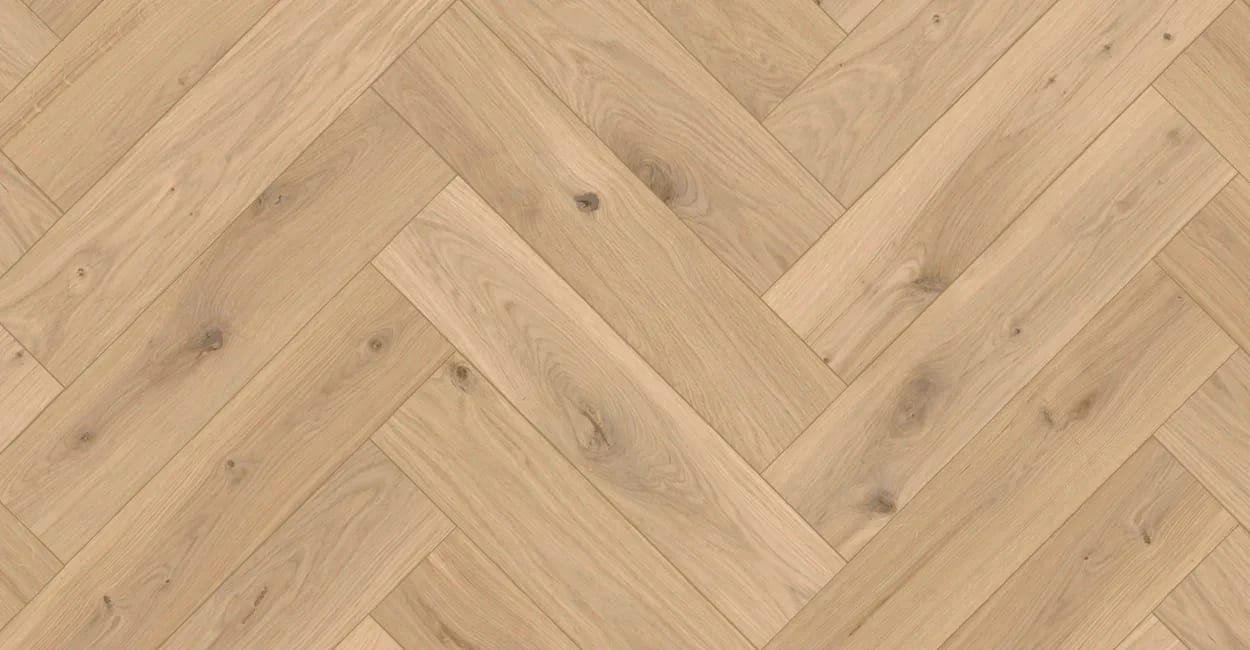

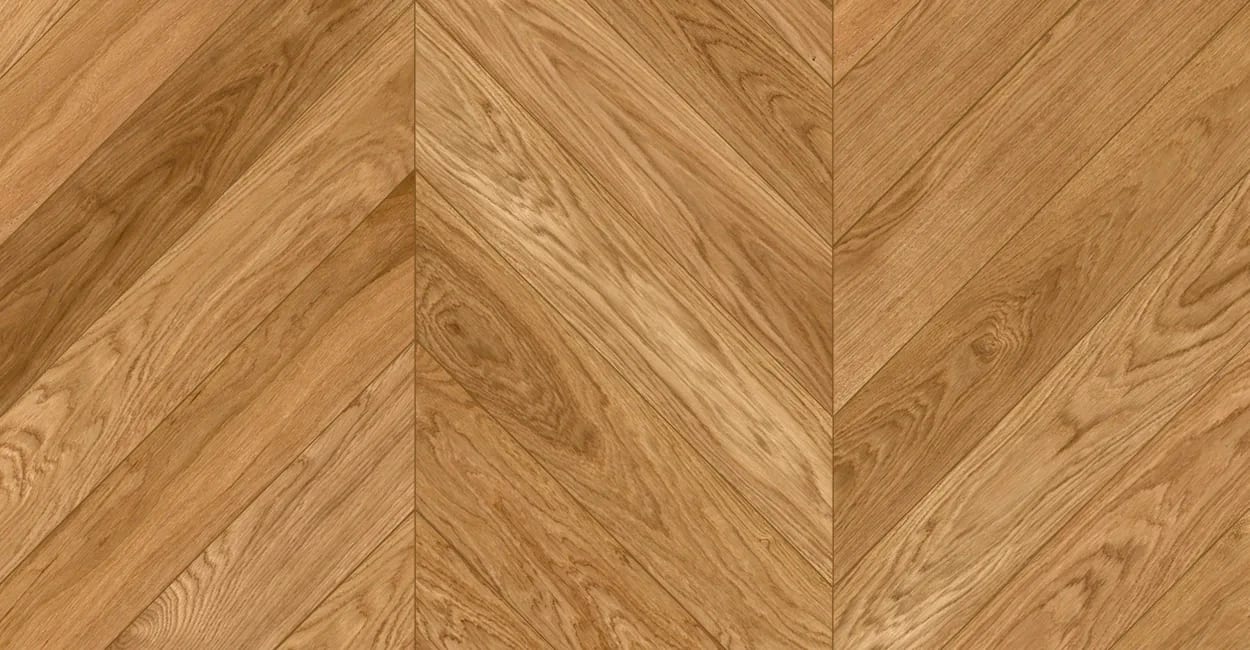

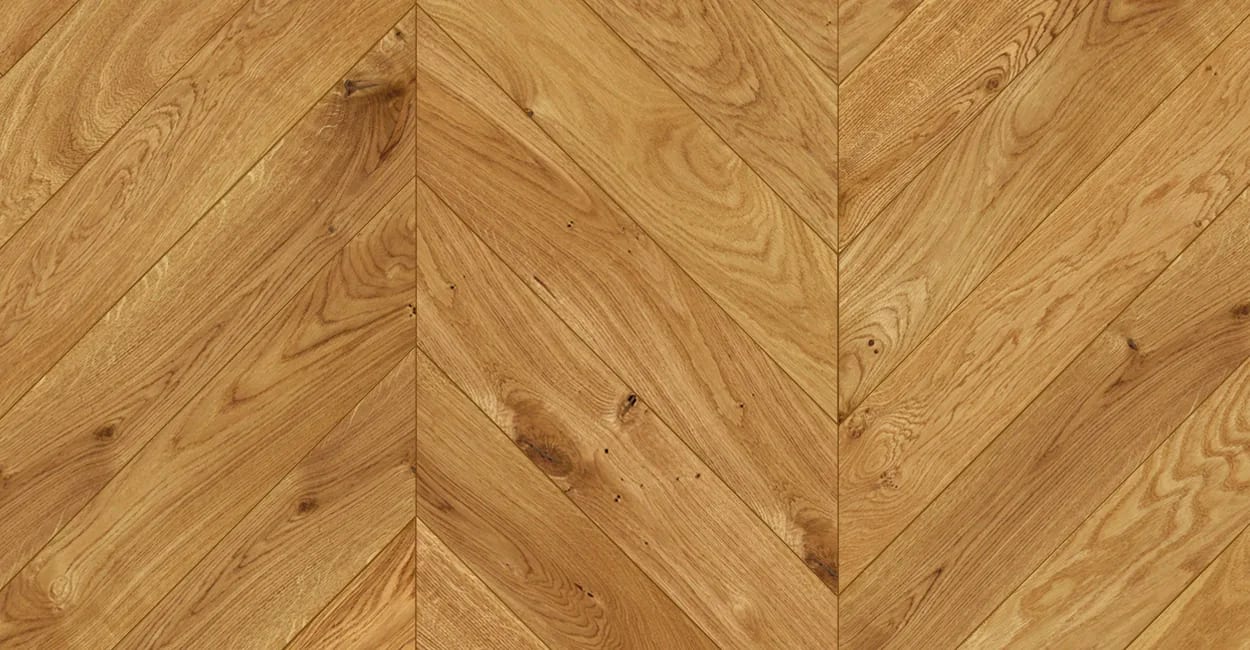

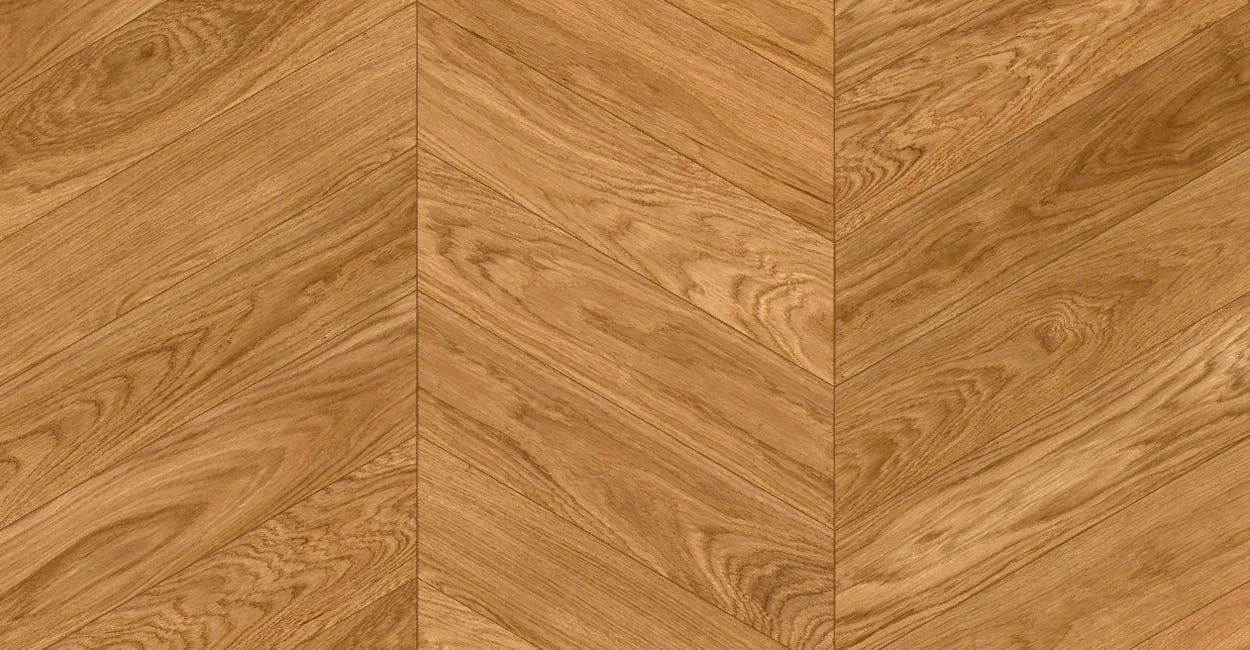

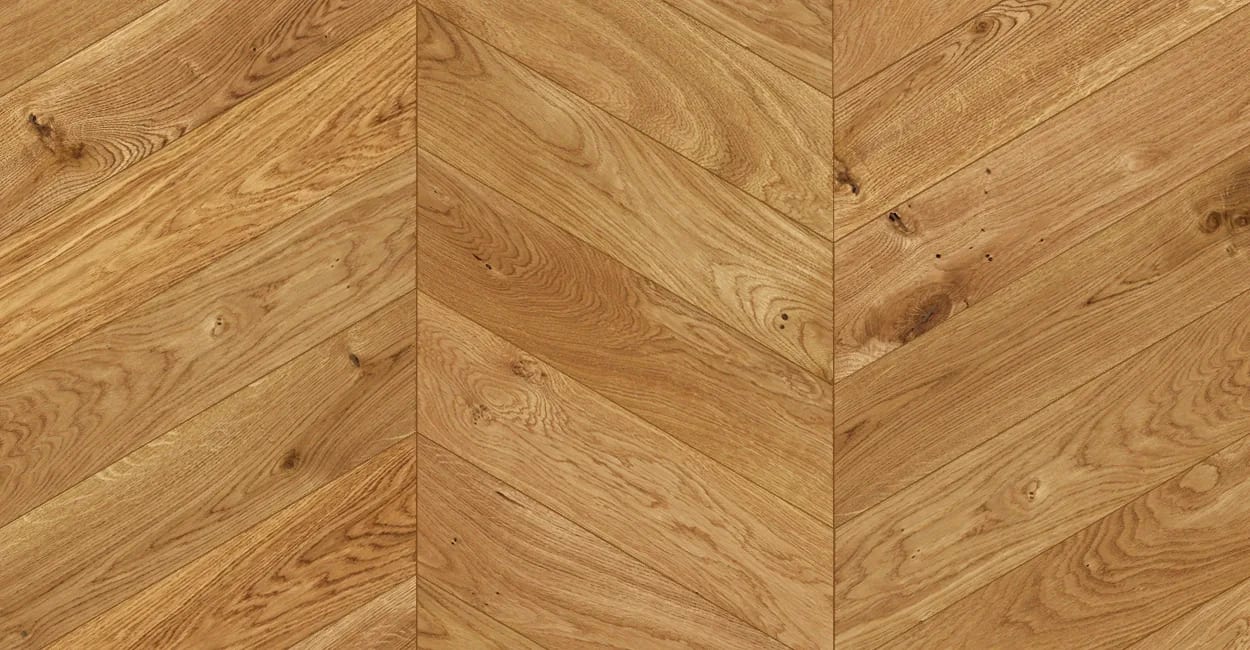

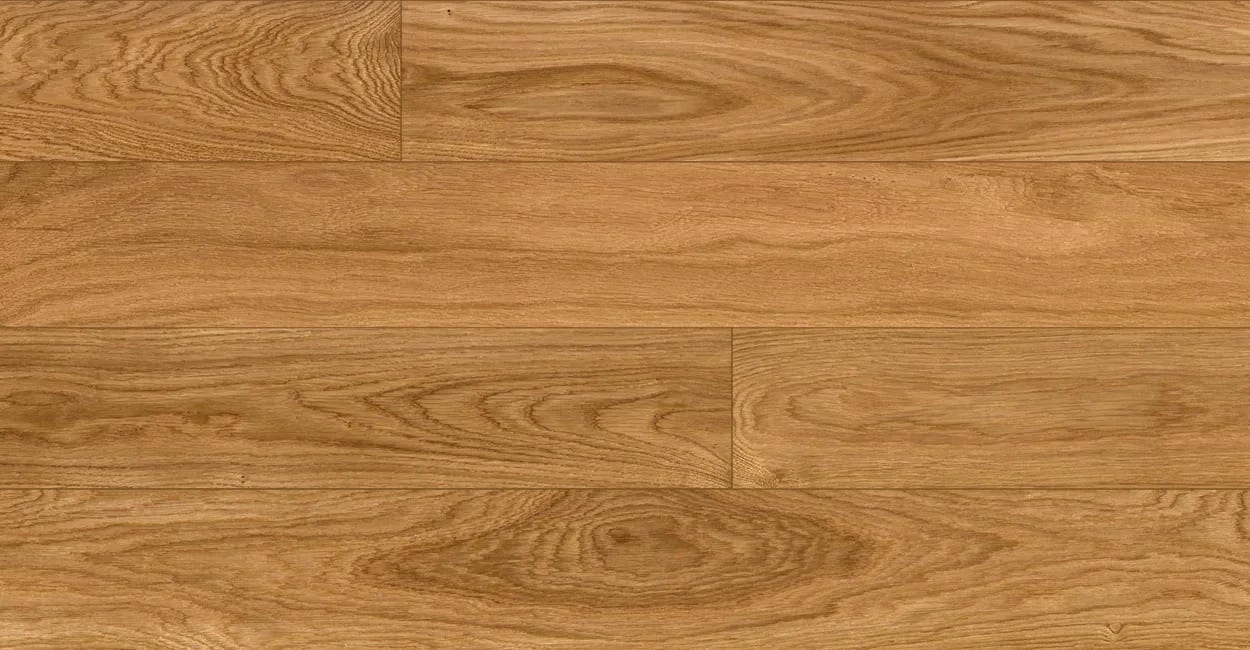

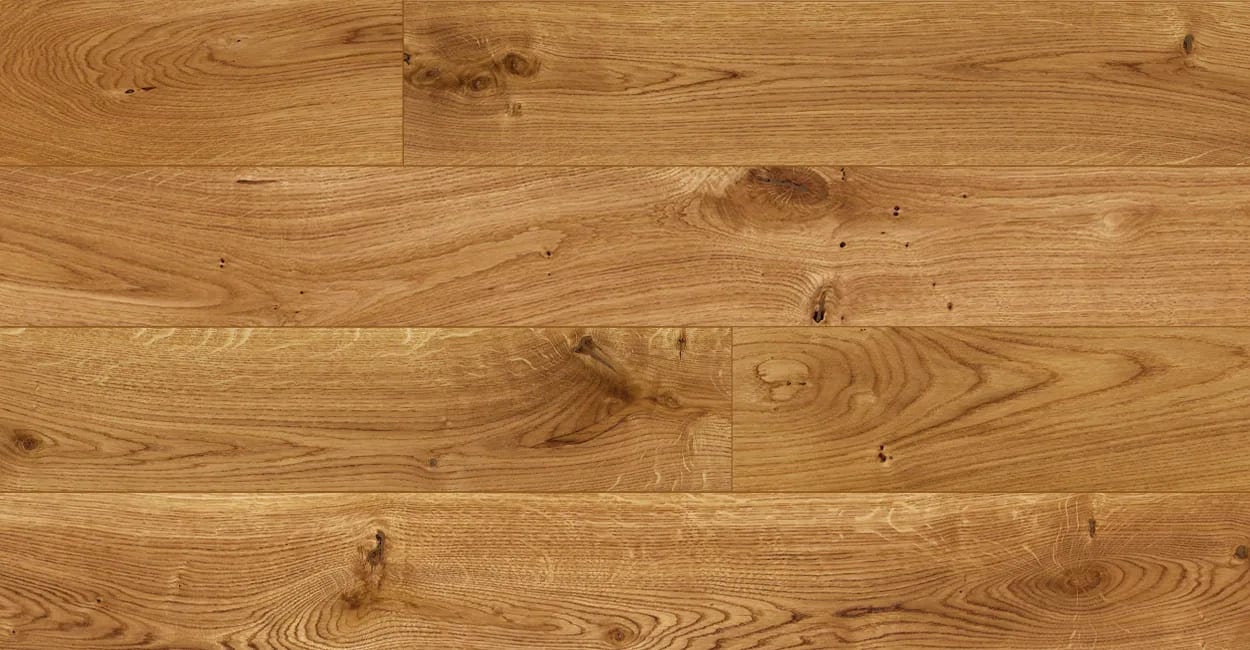

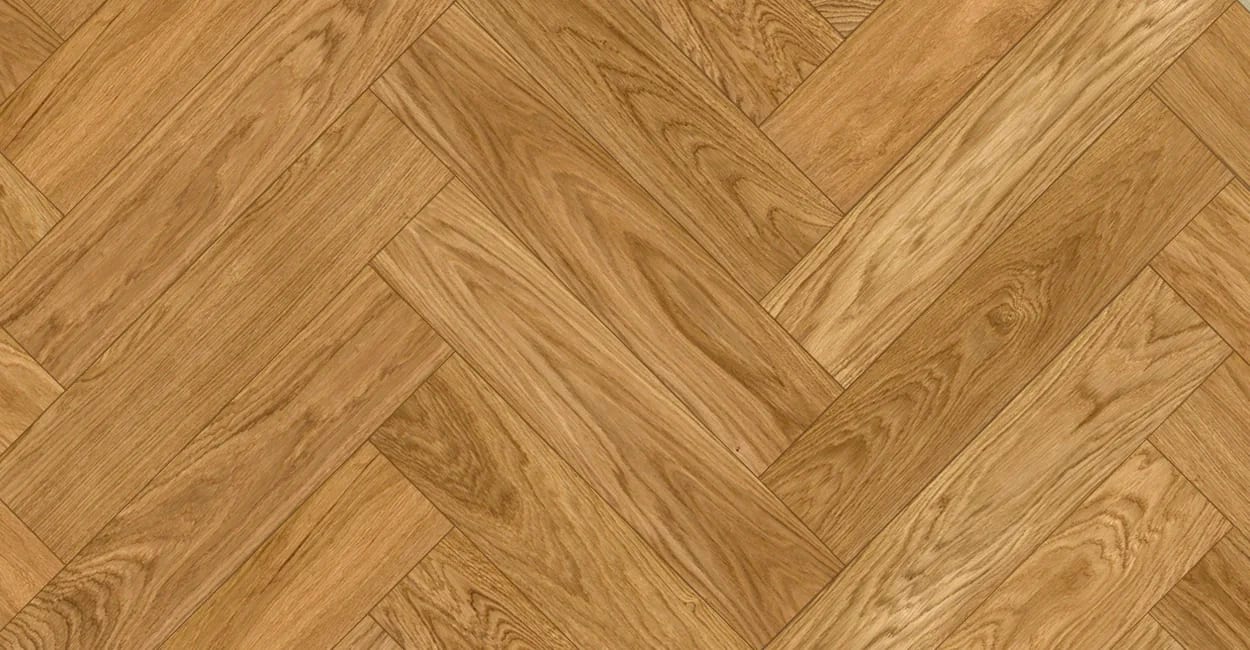

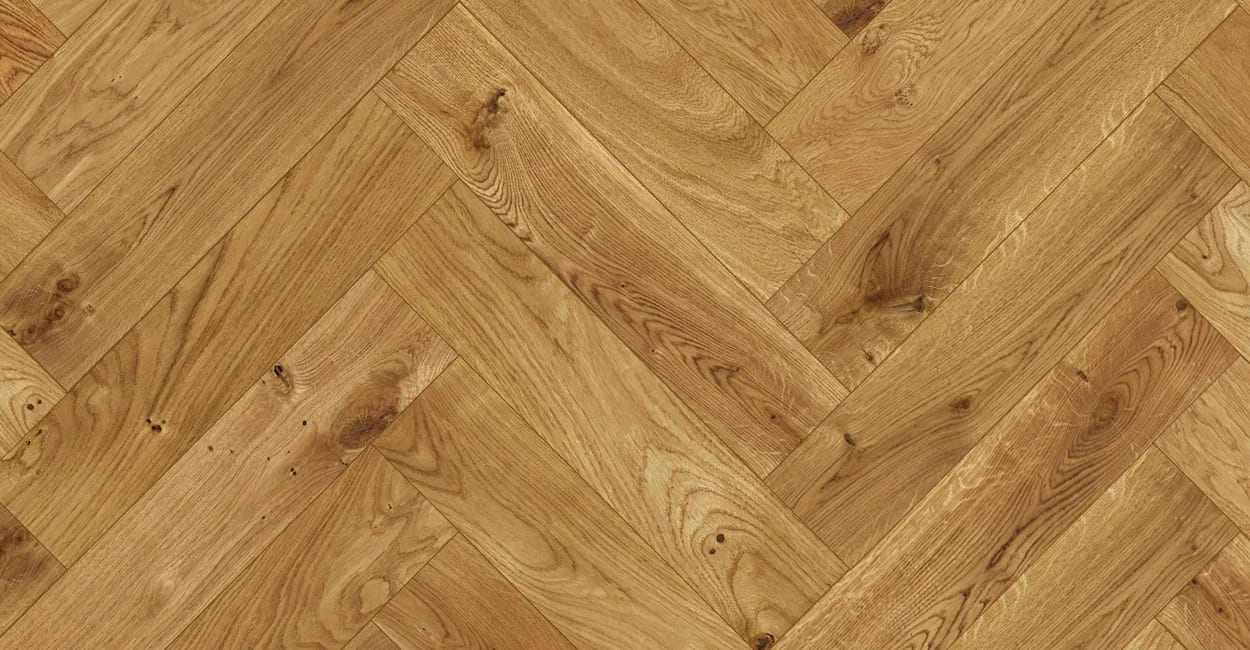
Oak boards in light and natural tones are the main choice here, often brushed, with a 4V or V4 bevel, finished with hardwax oil or UV lacquer. This category description refers to models marked as solid, but the construction of each board is confirmed by the product page, because that’s what decides the installation method and the scope of future renovation. It’s also worth looking at a sample in daylight, because that’s when you can see the wood tone, grain and bevel character more clearly. Specific options include Oak Amber Natur – Lareco, Oak Dune Rustic – Lareco, Forest Oak Natur – Bory Polskie and Oak Atacama – Parkiety Jabłoński.
When choosing from this category, the main things that matter are the construction, species, width and thickness of the board. In models marked as solid, the wood reacts to changes in air humidity, so dimensional stability depends not on the category name alone, but on the parameters of the specific product and the conditions inside the room. With bigger swings in humidity, gaps, small changes in width or more visible edges can appear.
The grade of the wood and the finish shape the look of the floor once it’s laid. Brushing brings out the wood structure more strongly, while a 4V or V4 bevel separates the individual boards more clearly. Hardwax oil or UV lacquer affects how the floor is cared for day to day, so this is something to check in the model card as well.
In this range, you can’t assign the same renovation scope to every model. If a board is solid, the ability to refresh the surface depends on the thickness of the wood above the tongue; this should be given in the model card. The same goes for products with a different construction if they’re also listed in the range — the category description alone doesn’t decide whether renovation is possible without the technical details for that specific board.
Everyday care depends on the type of finish and the products recommended for that model. Whatever the version, wood shouldn’t stay in contact with water for long, because that affects how the boards move and the condition of the surface.
Before fitting, what matters is a level, load-bearing and dry subfloor, plus proper acclimatisation of the material. An uneven or too weak screed increases the risk of gaps, local flexing and noises when walking. Expansion gaps at walls and thresholds must follow the manufacturer’s advice, because without room for the wood to move naturally, the edges can lift.
If the model card allows underfloor heating, the format and fitting method need to be confirmed in the product page; some models may include specific installation advice from the manufacturer. Before work starts, it’s also worth checking the required screed moisture, measured by the CM (carbide) method, as given in the product documentation. The information on installation method, underfloor heating compatibility and board construction should be confirmed in the card for the specific model.