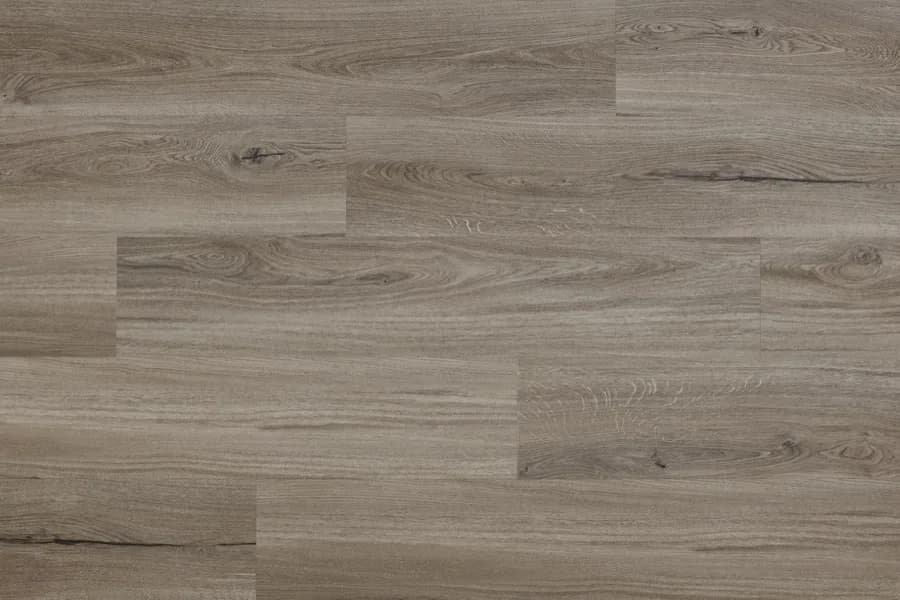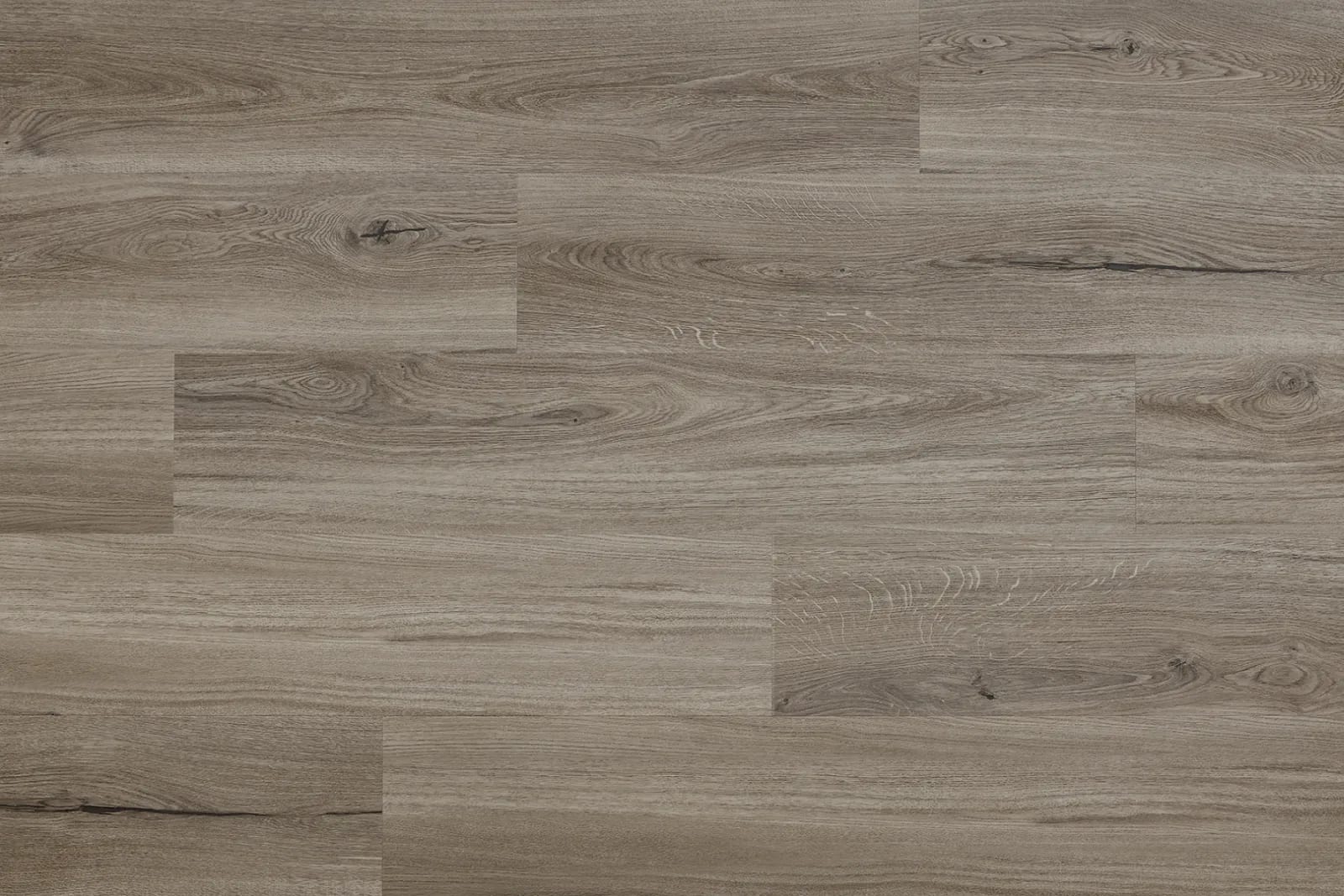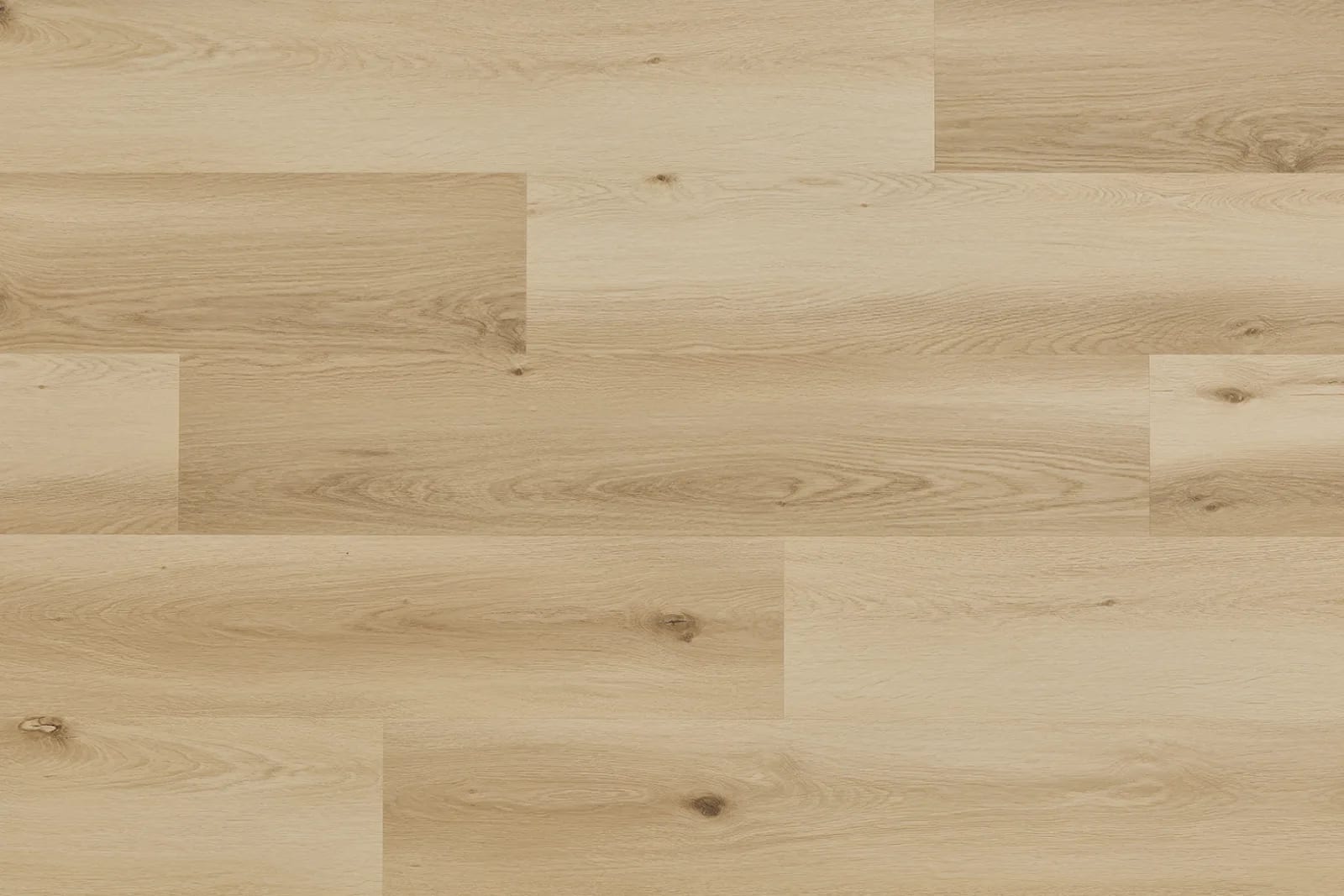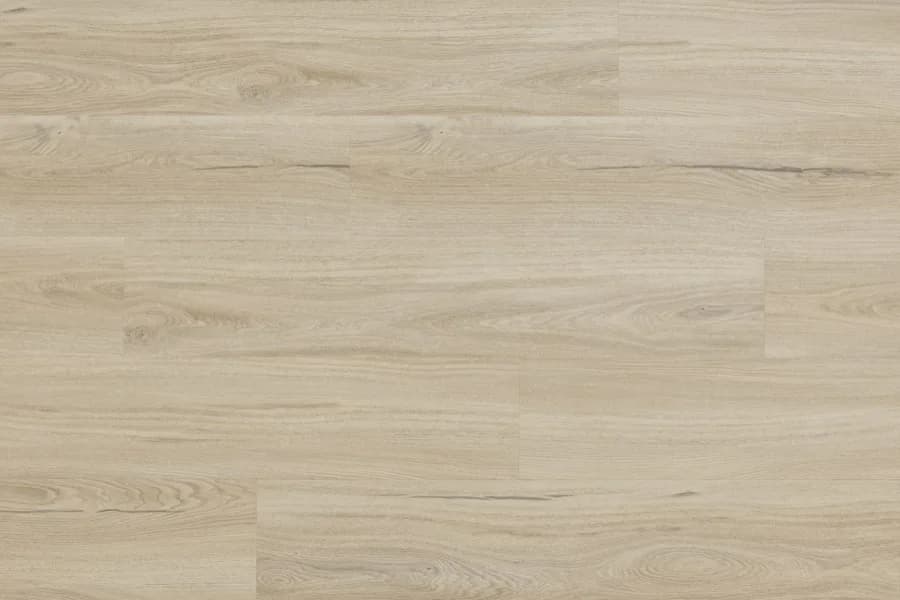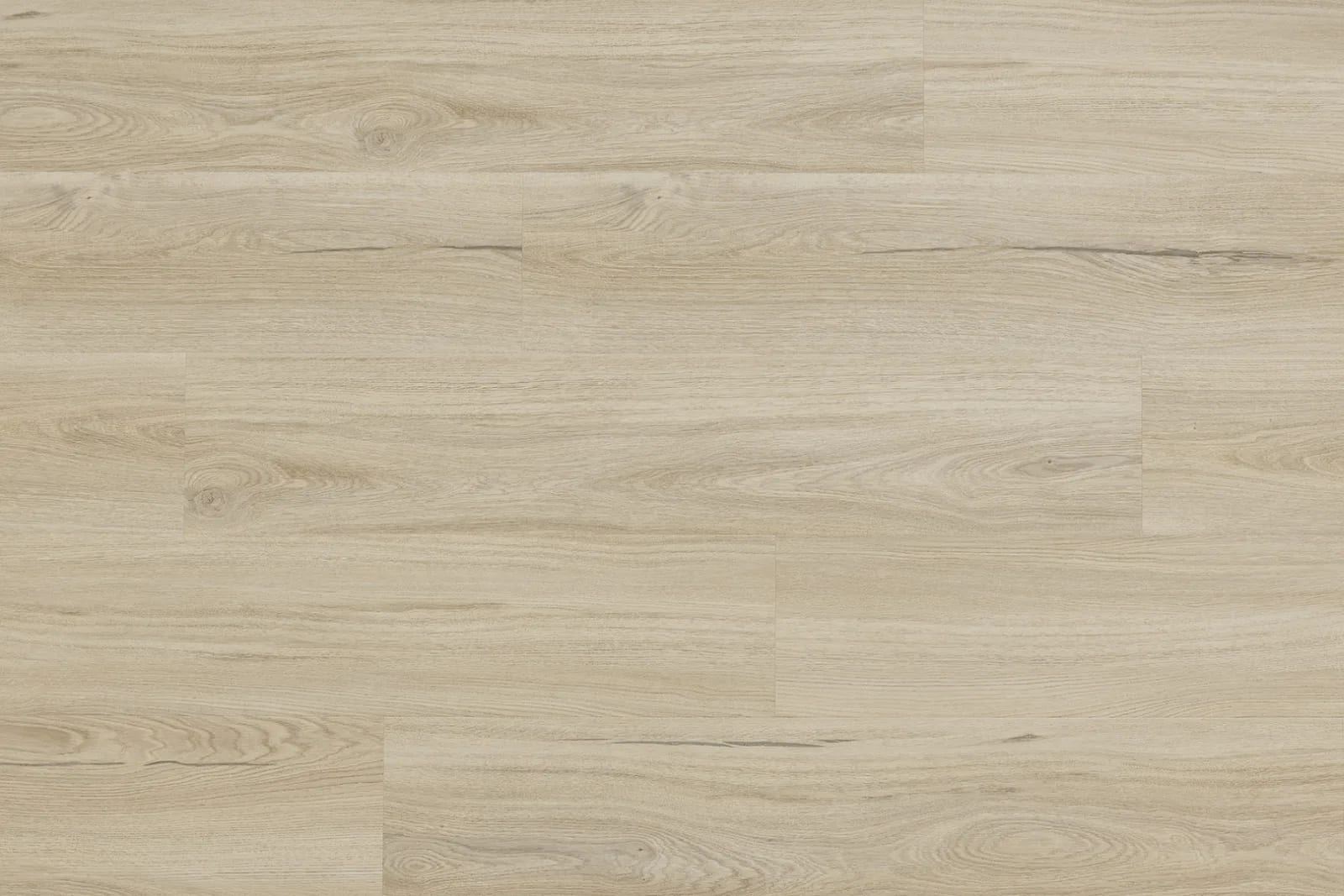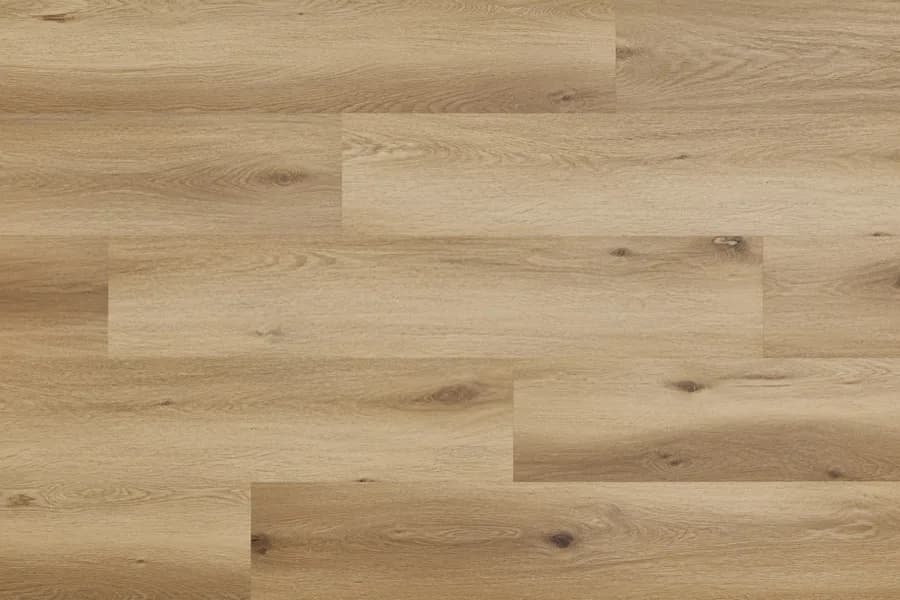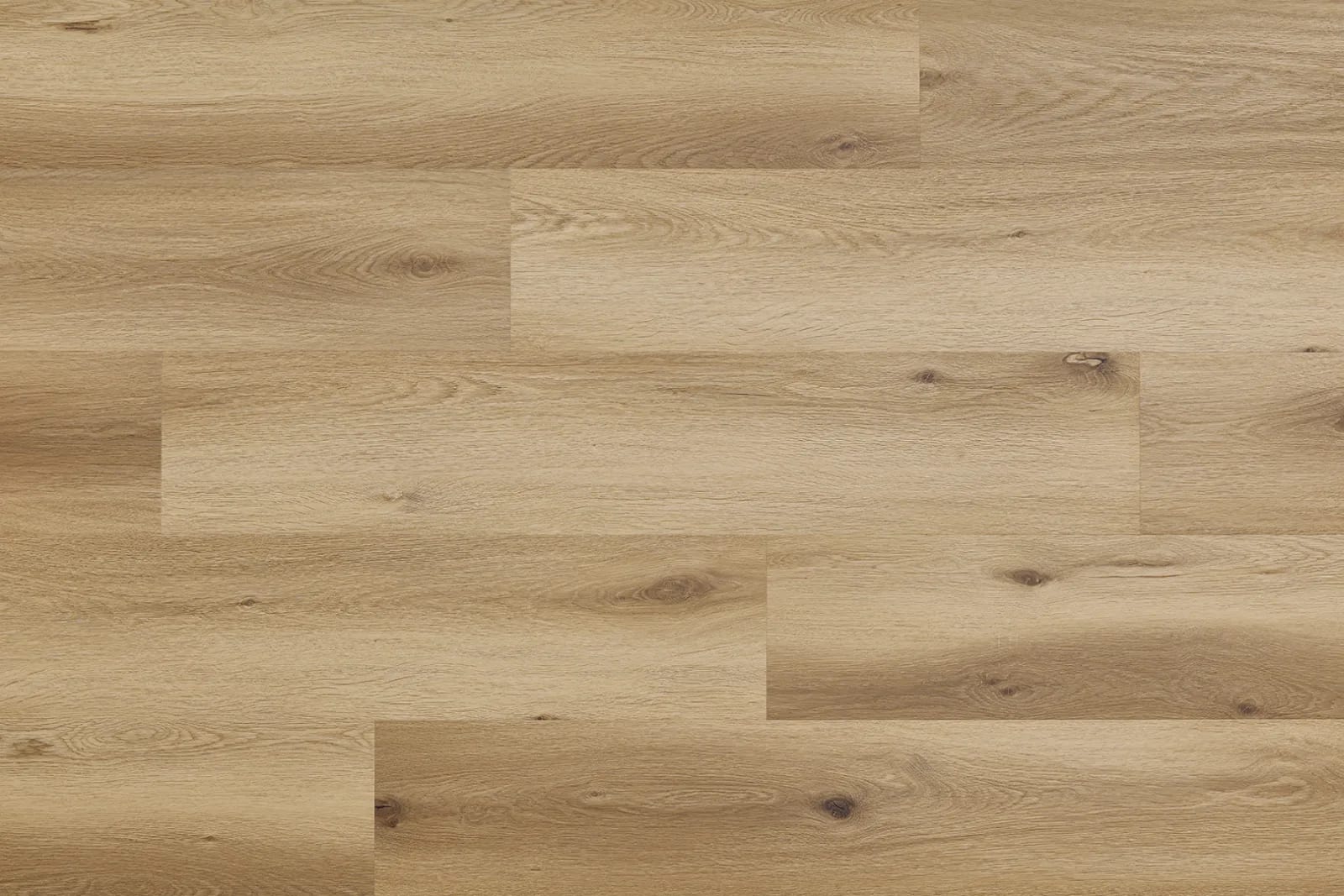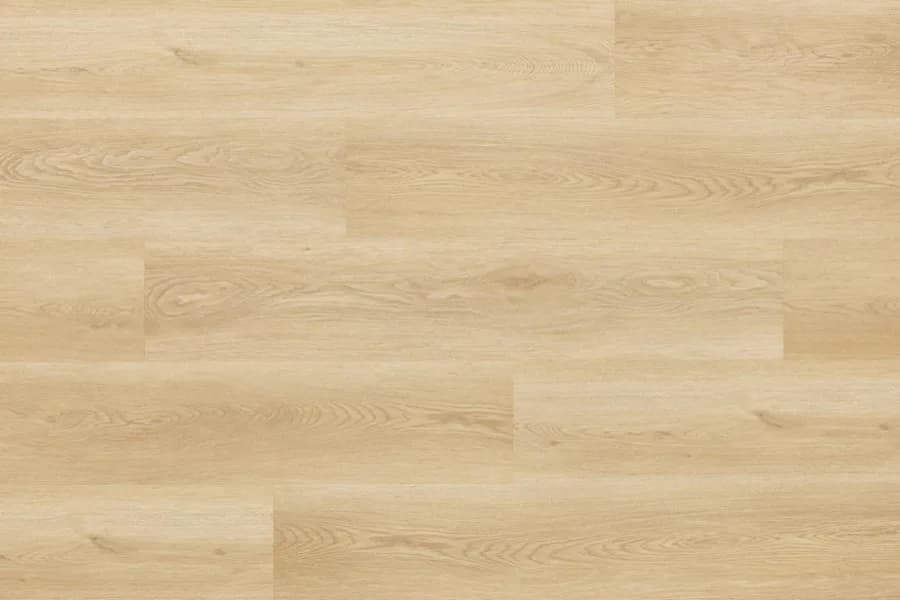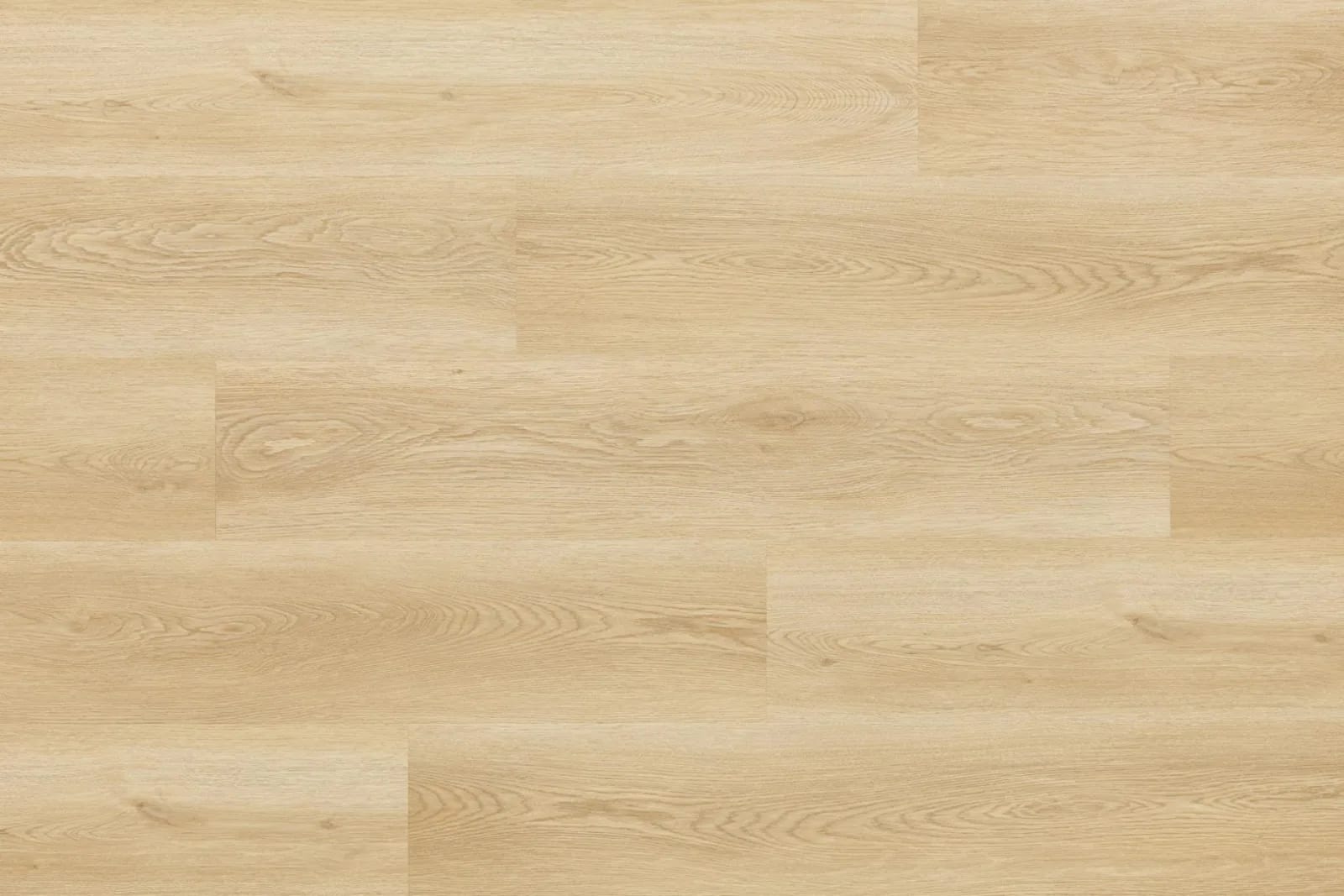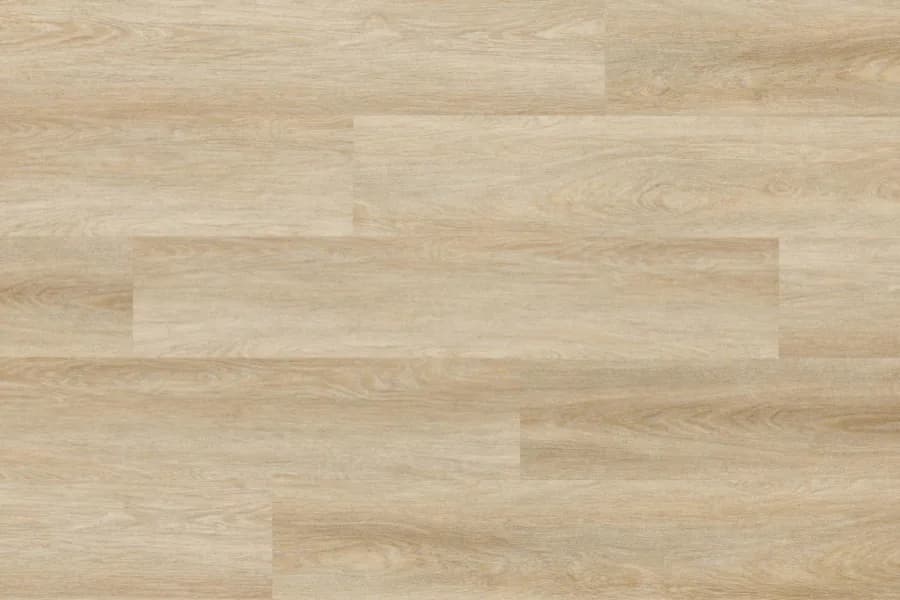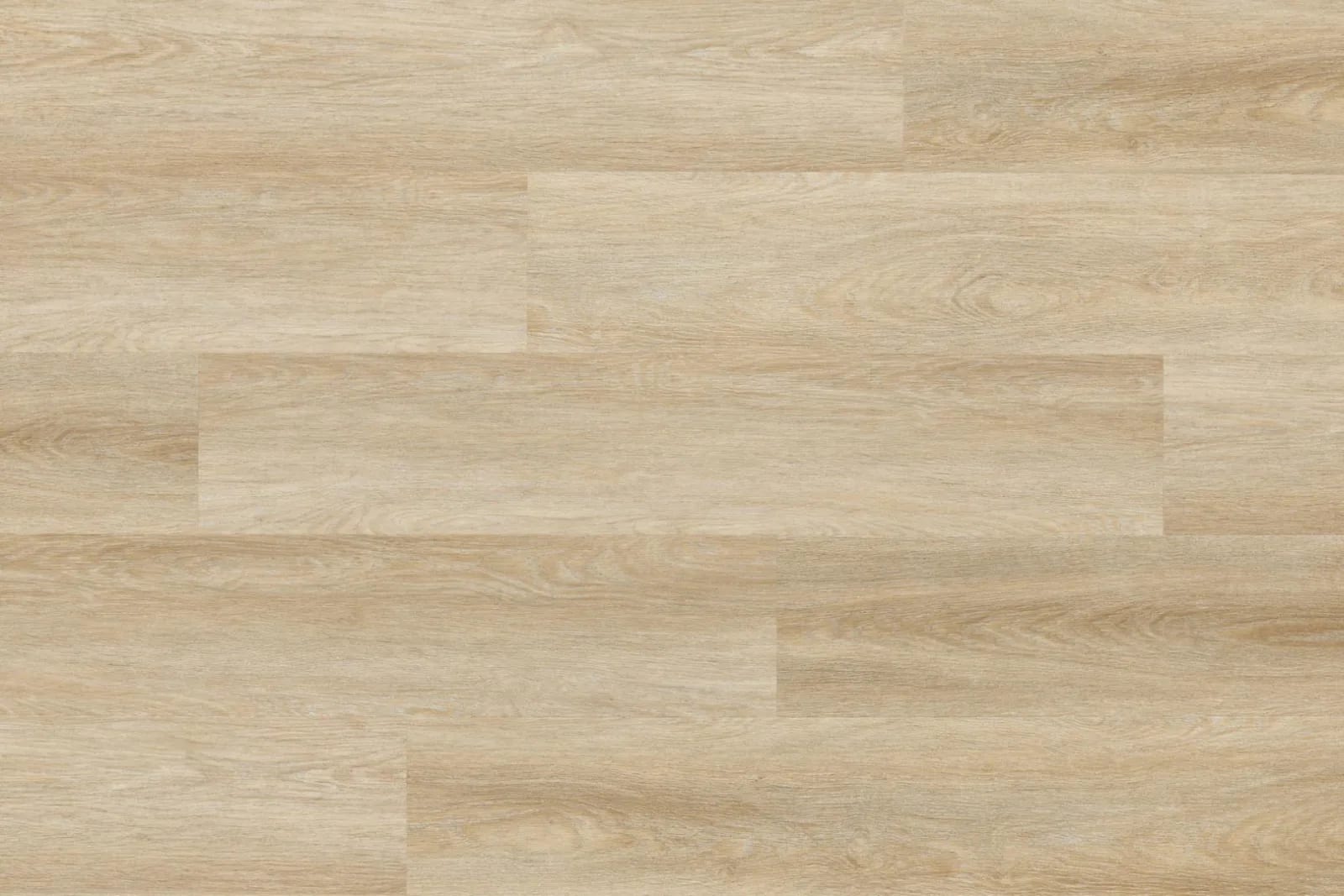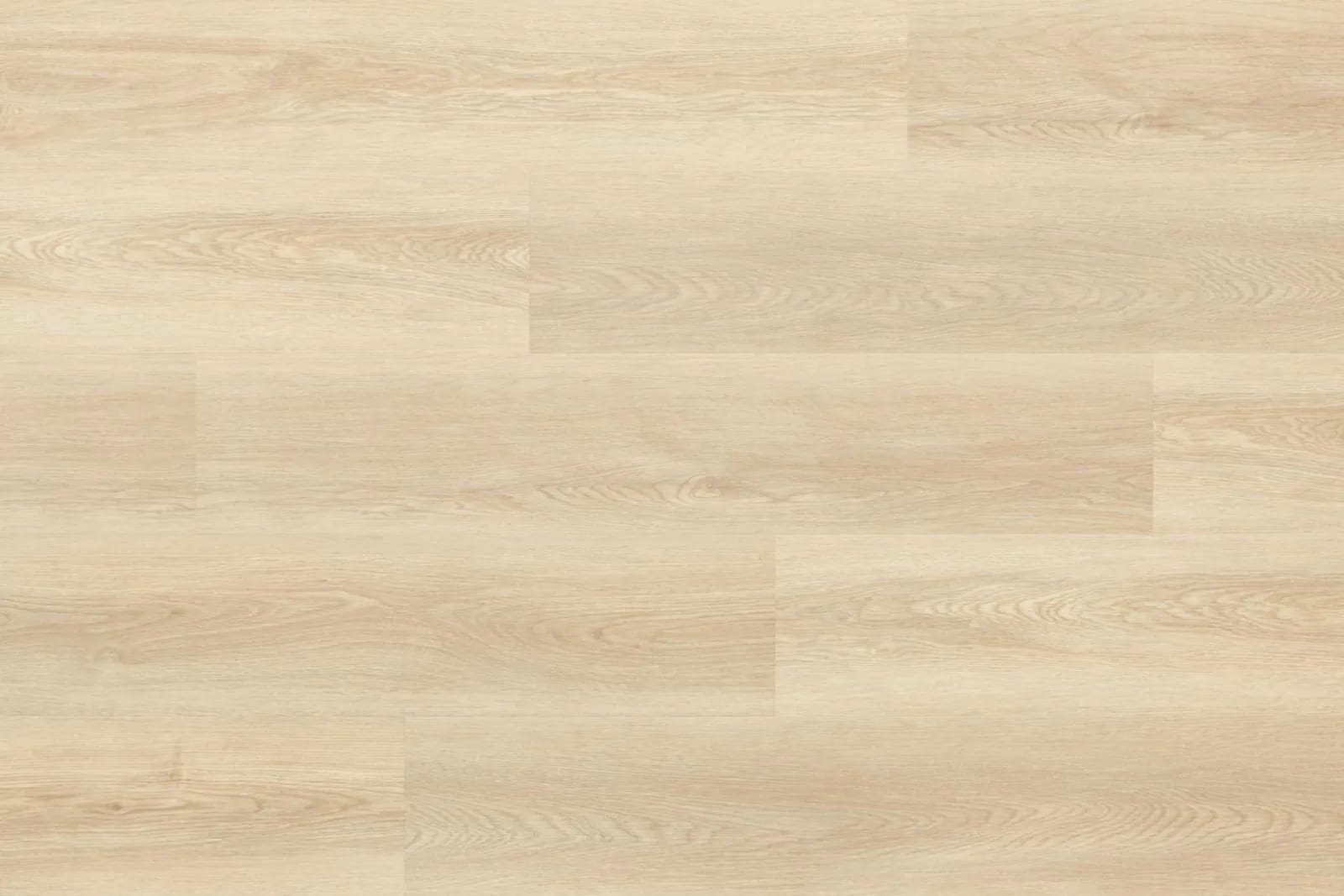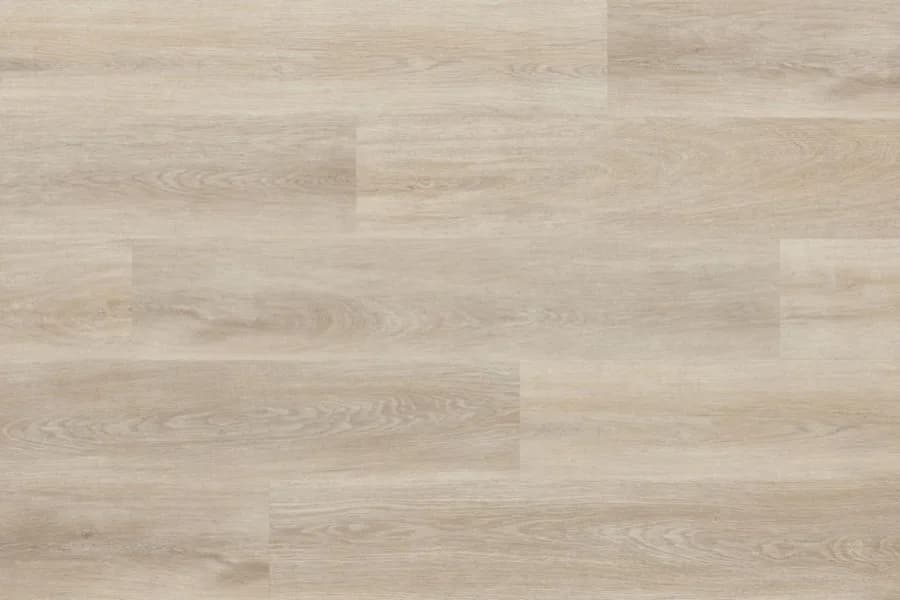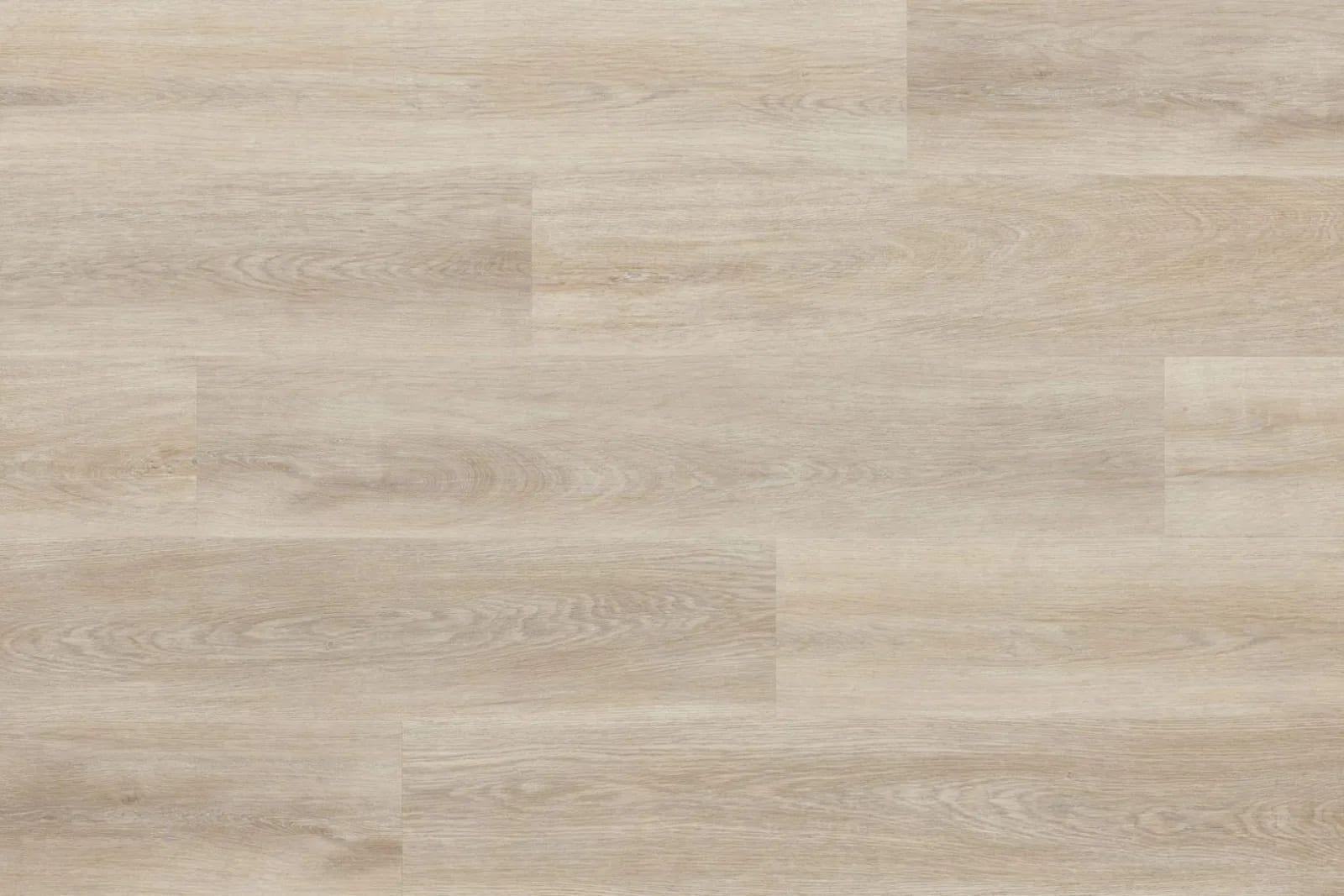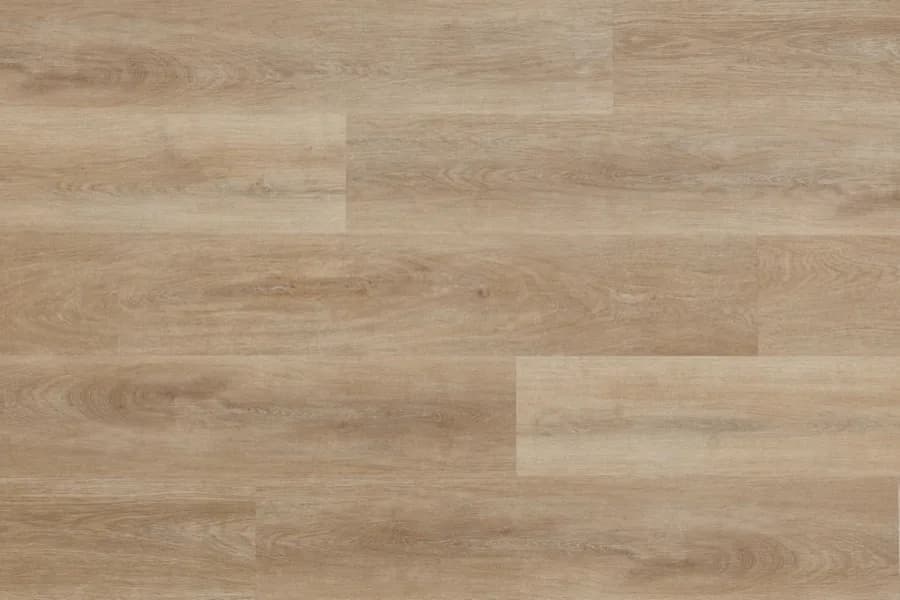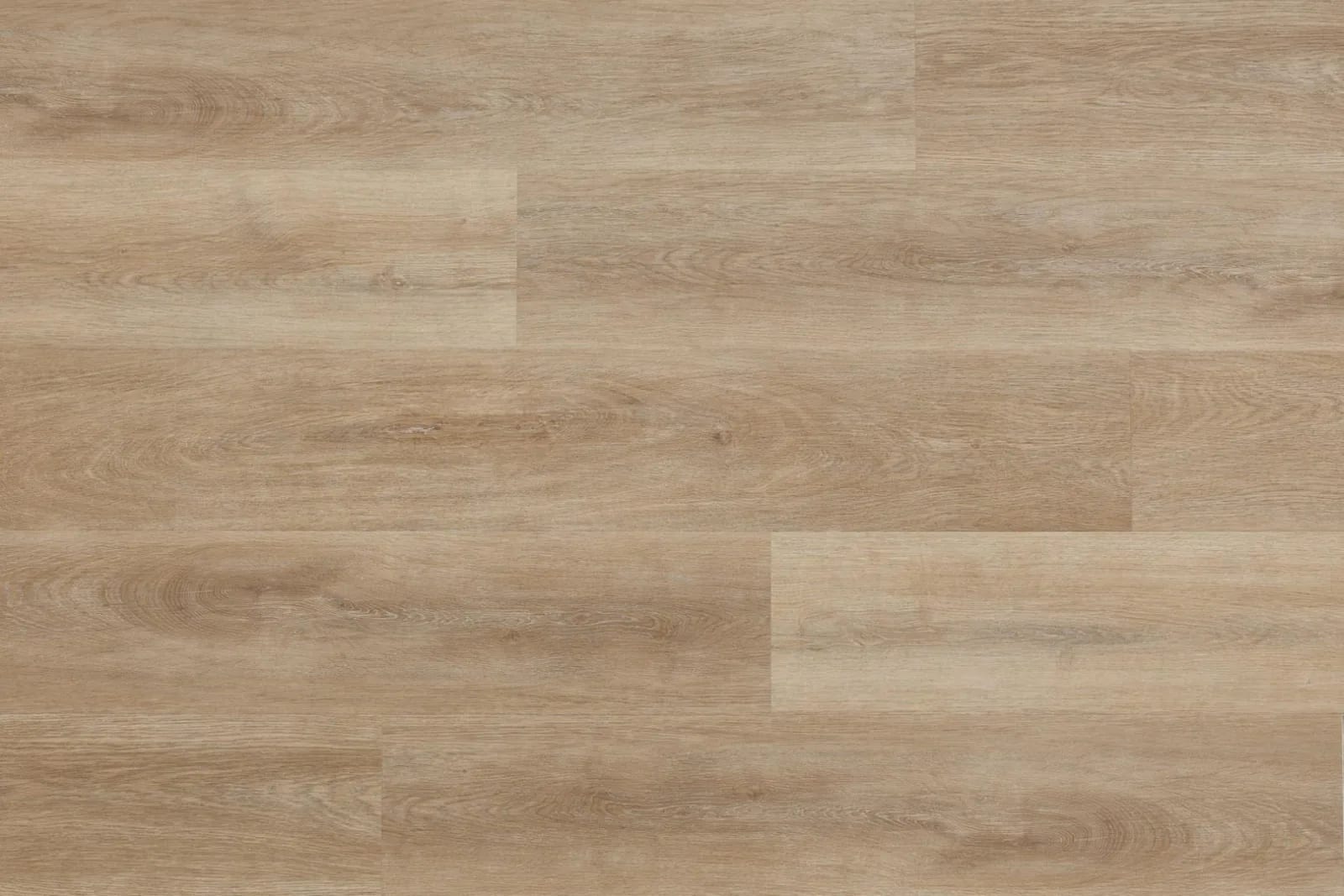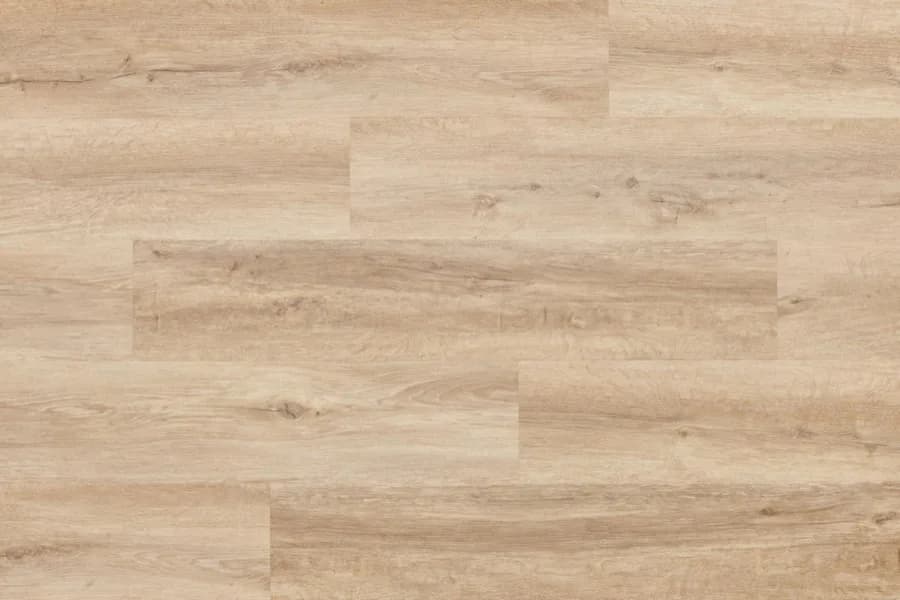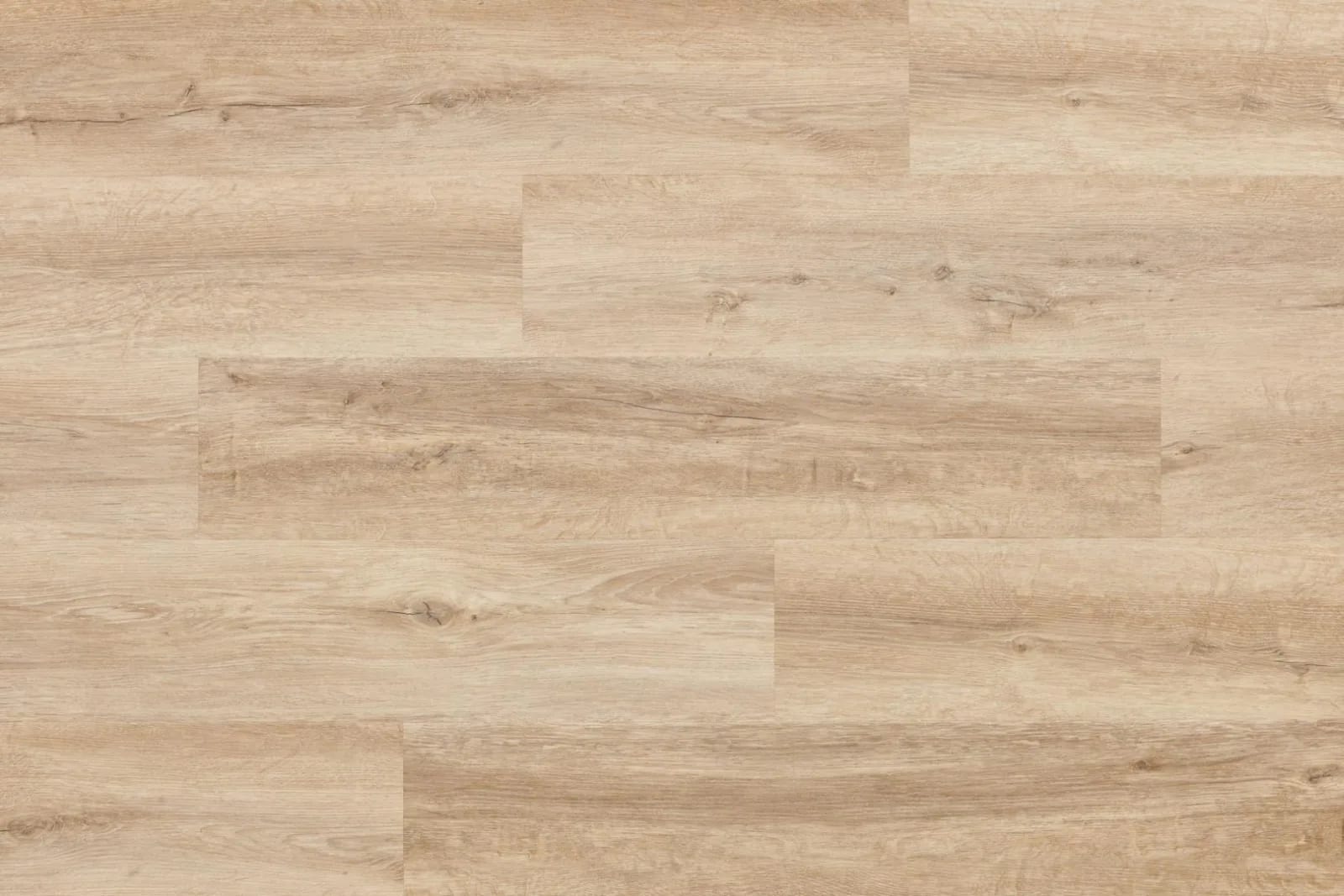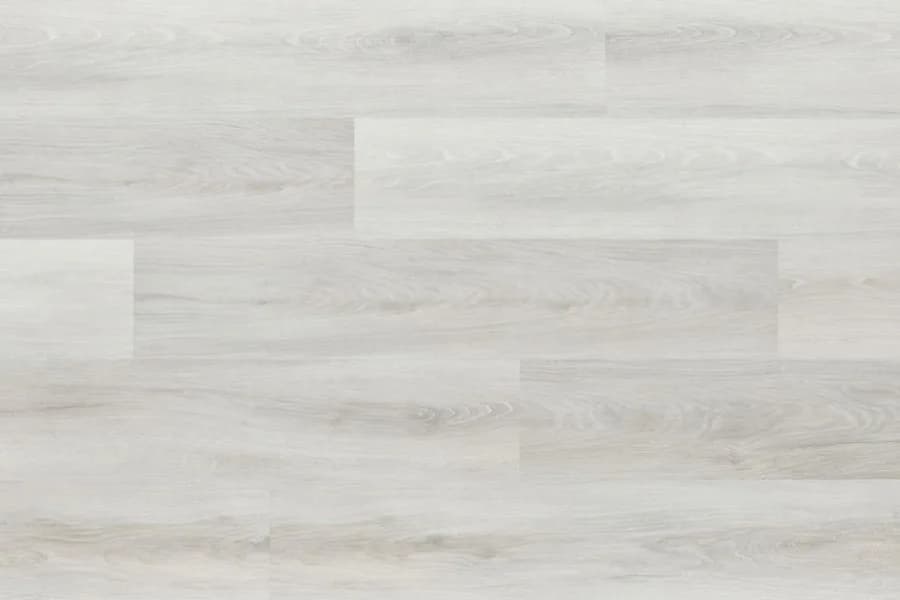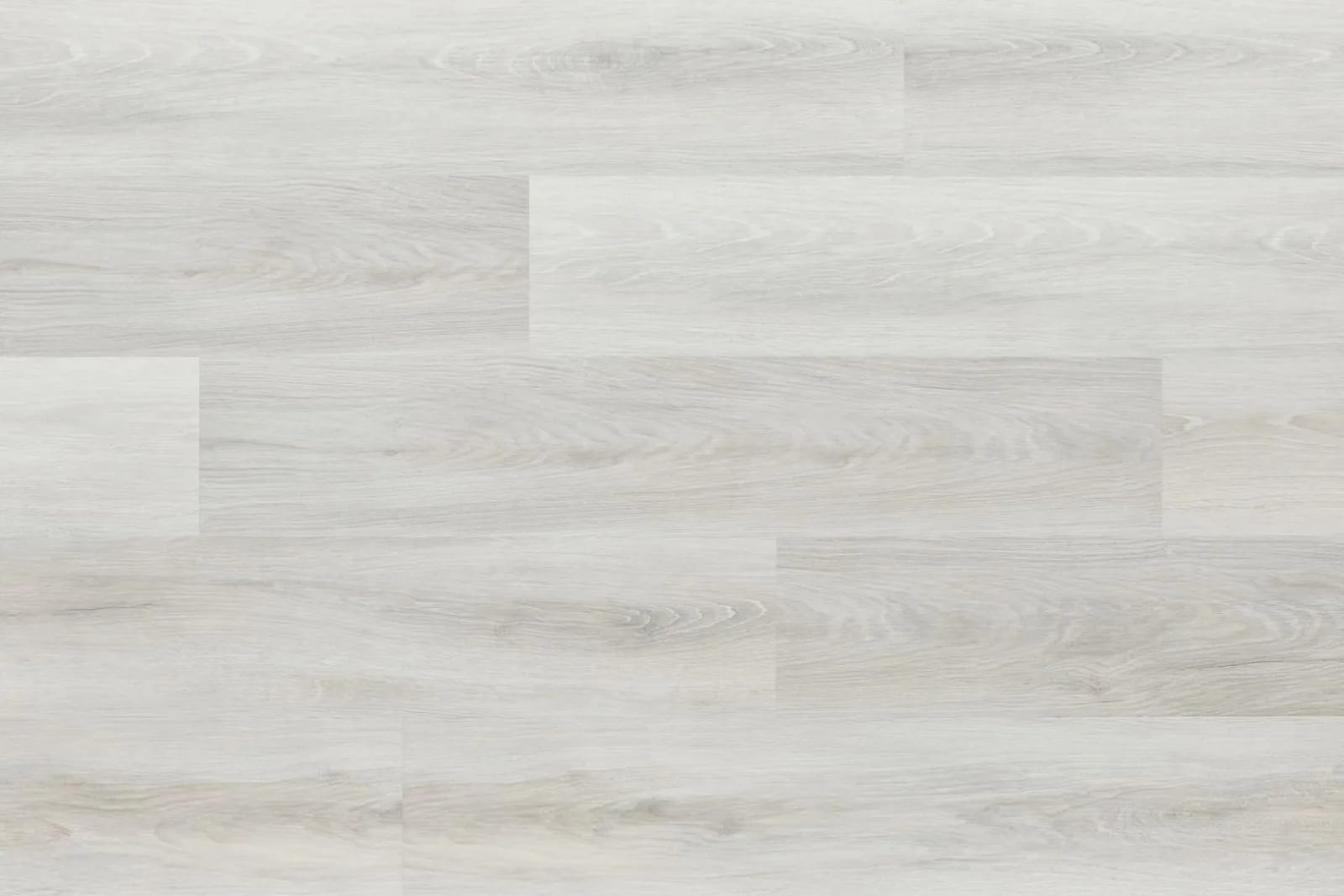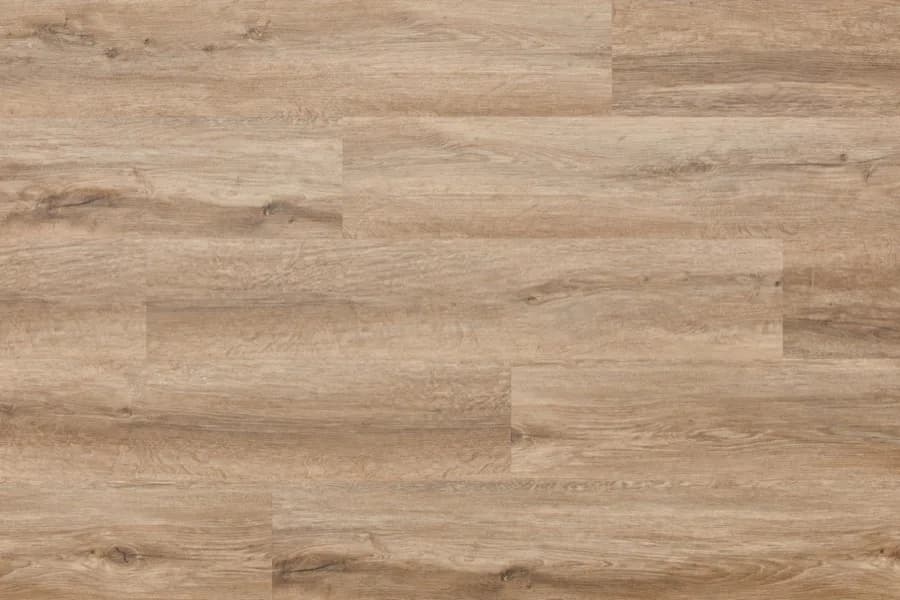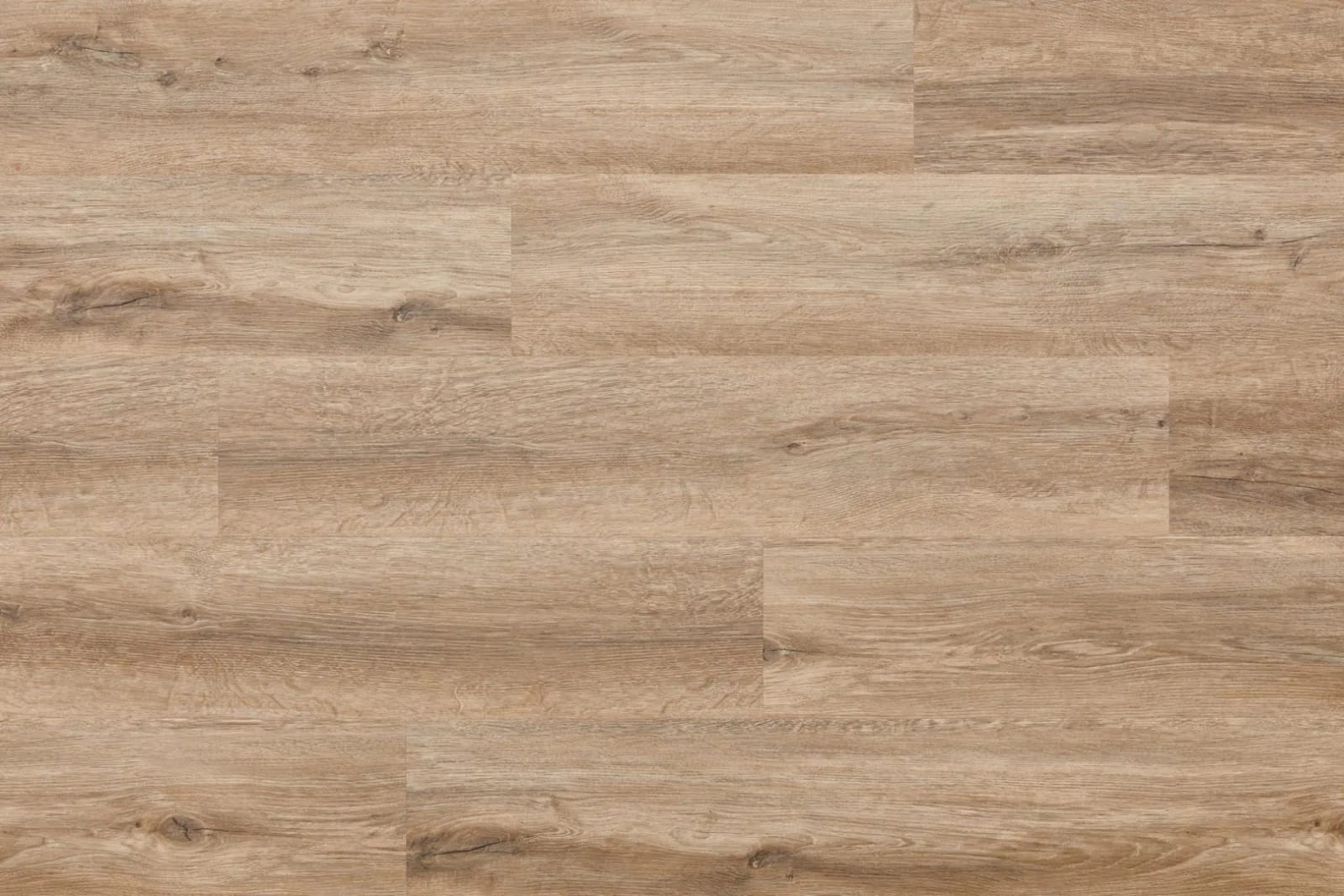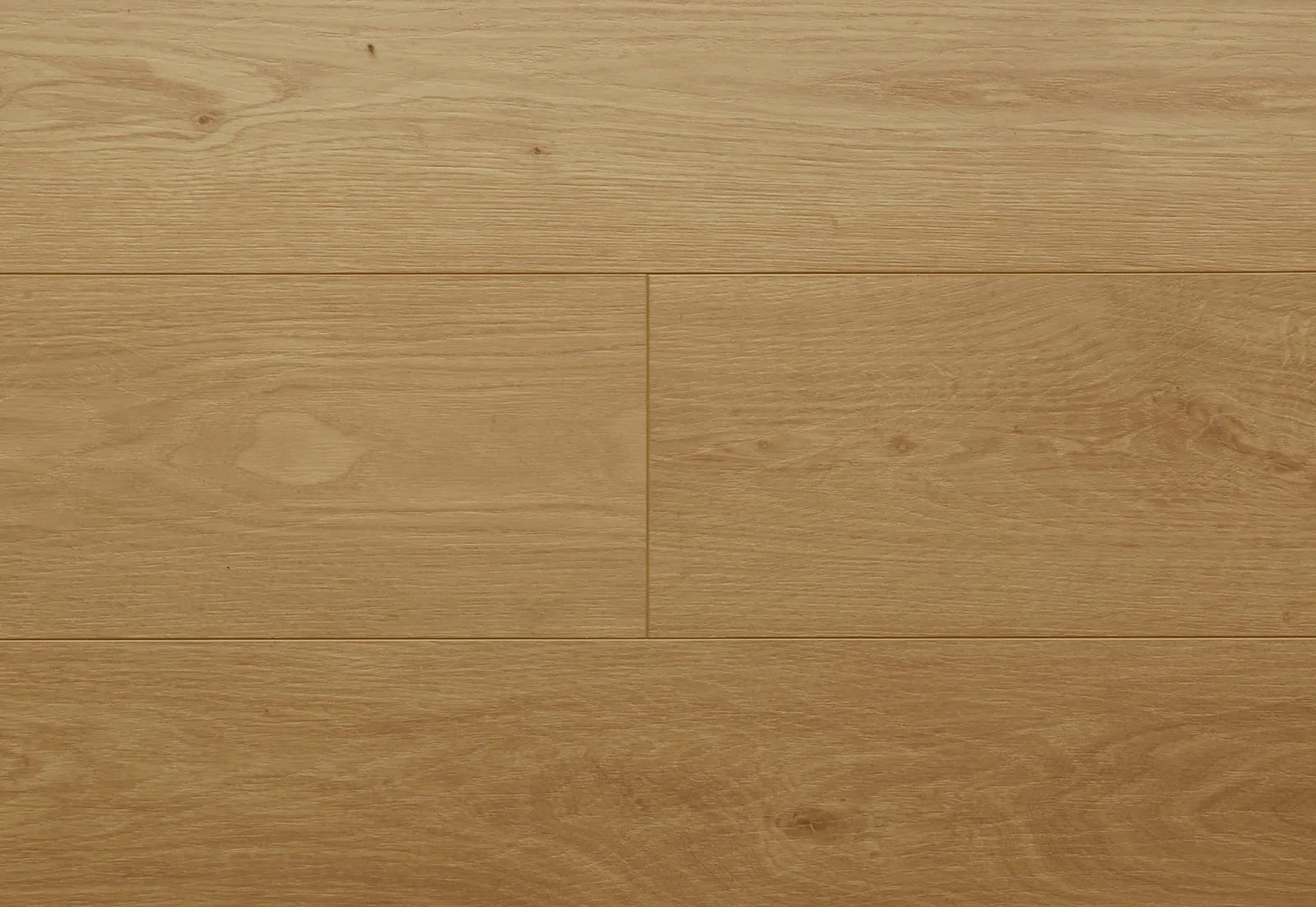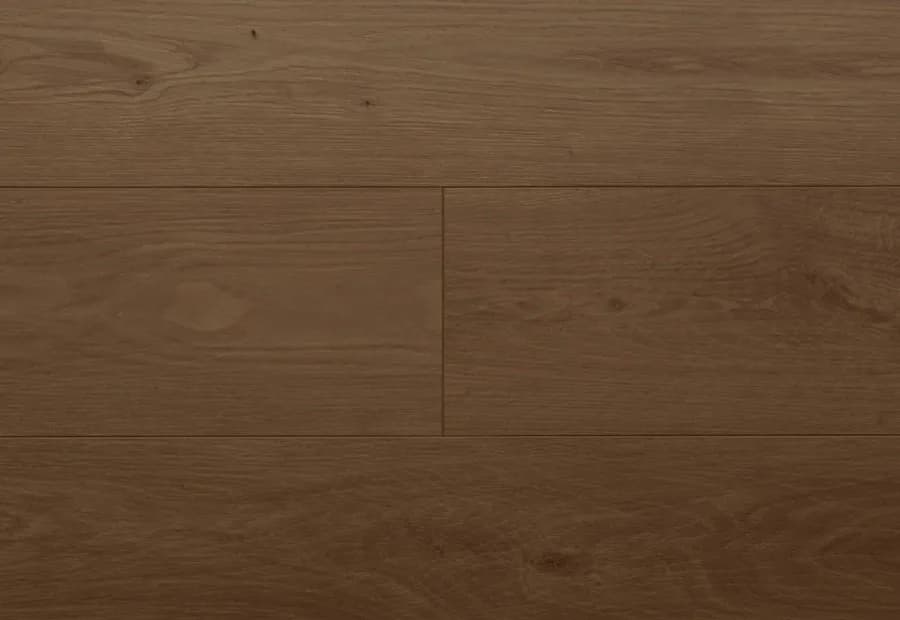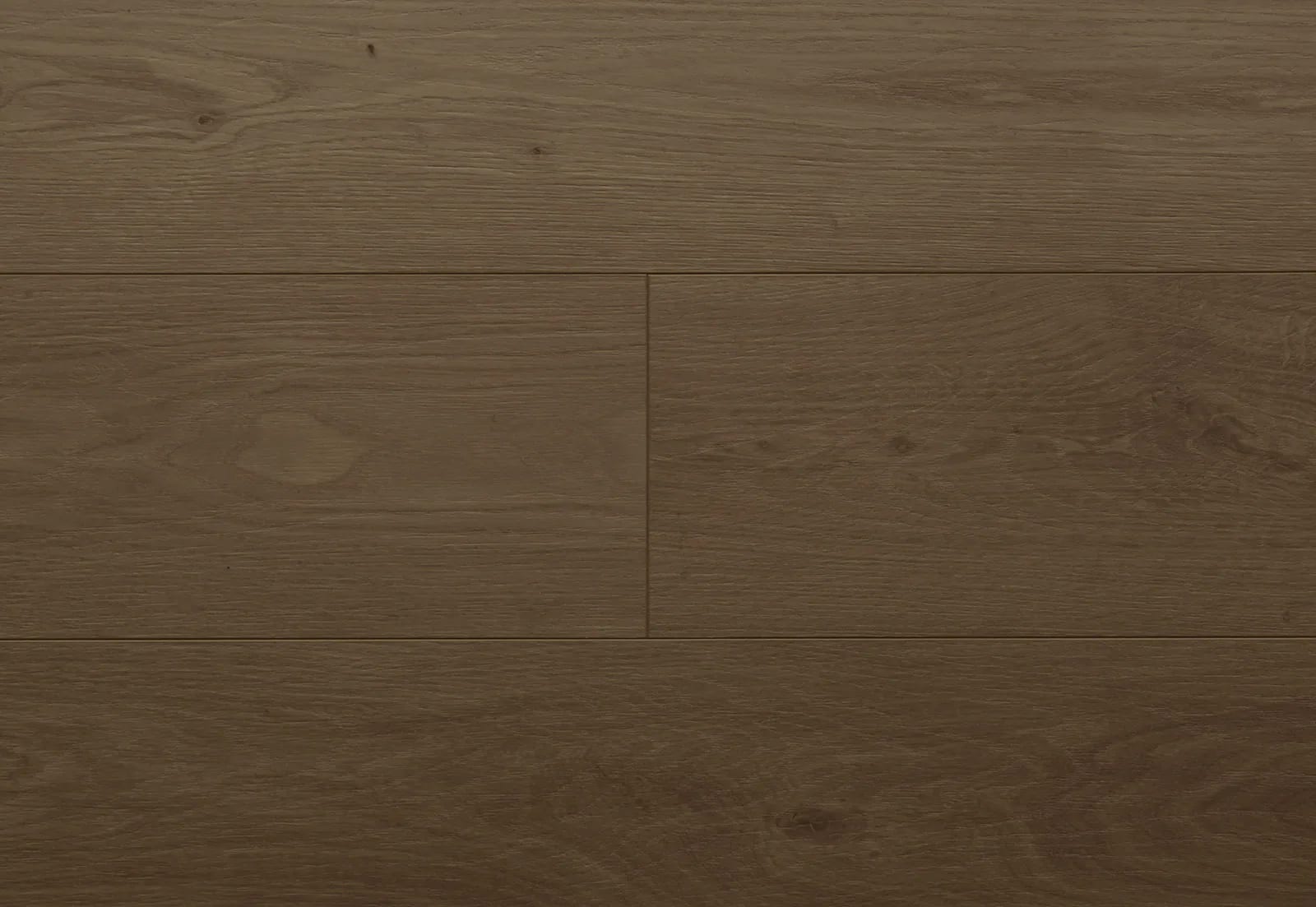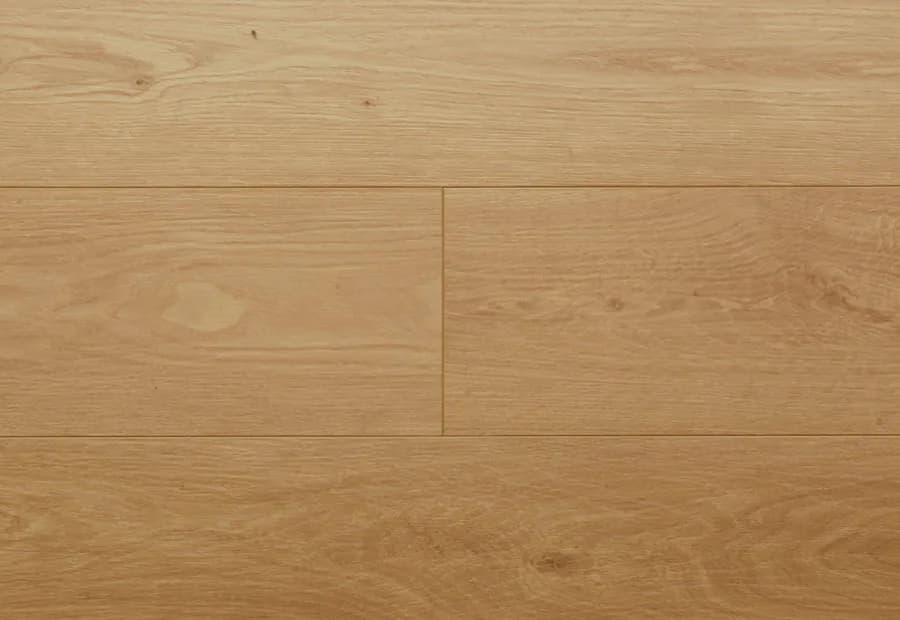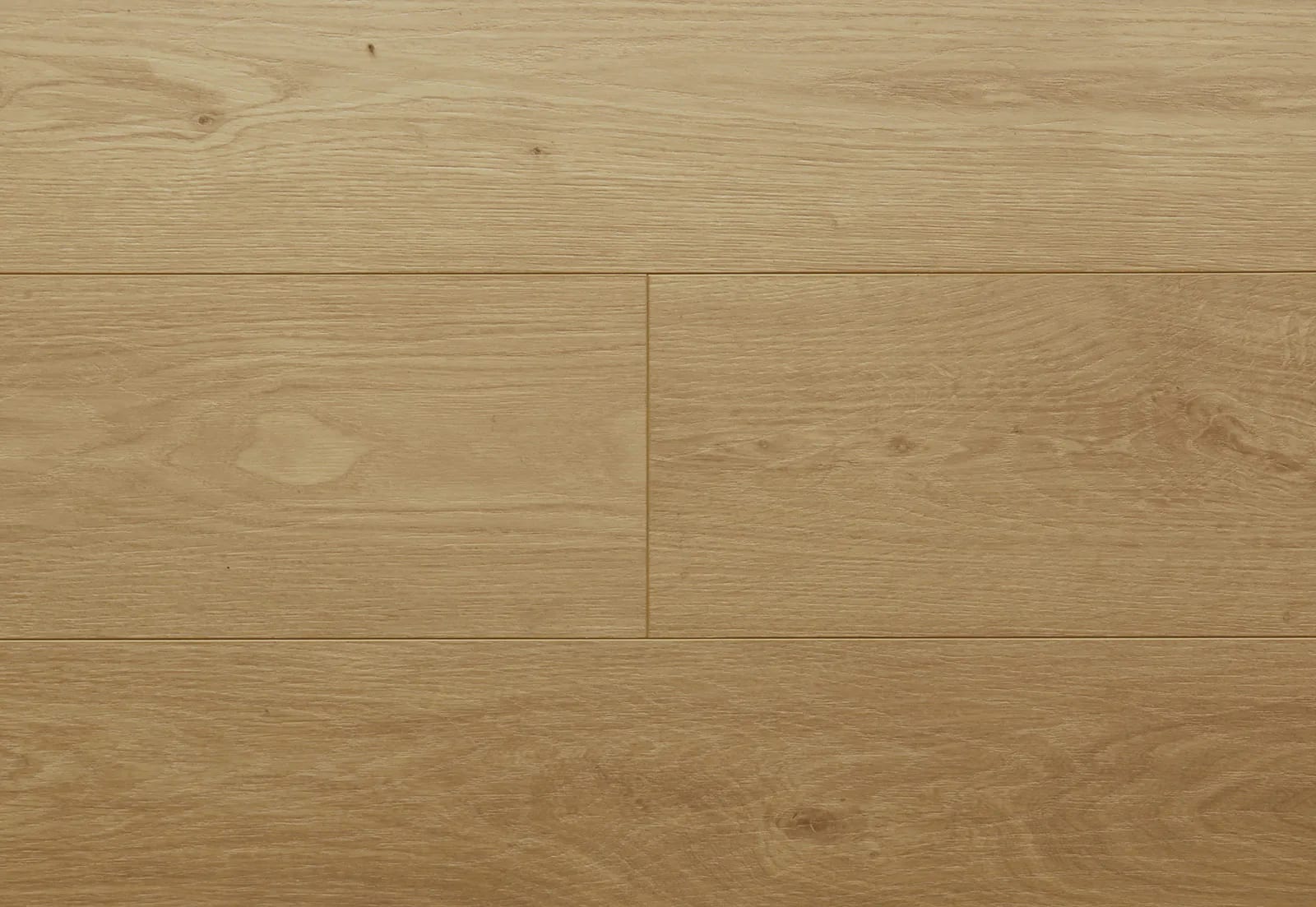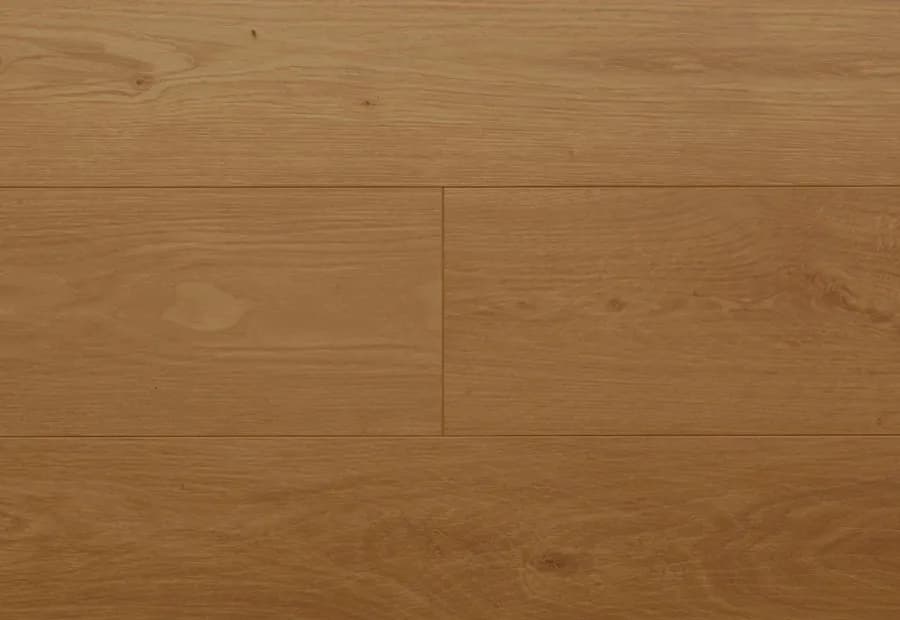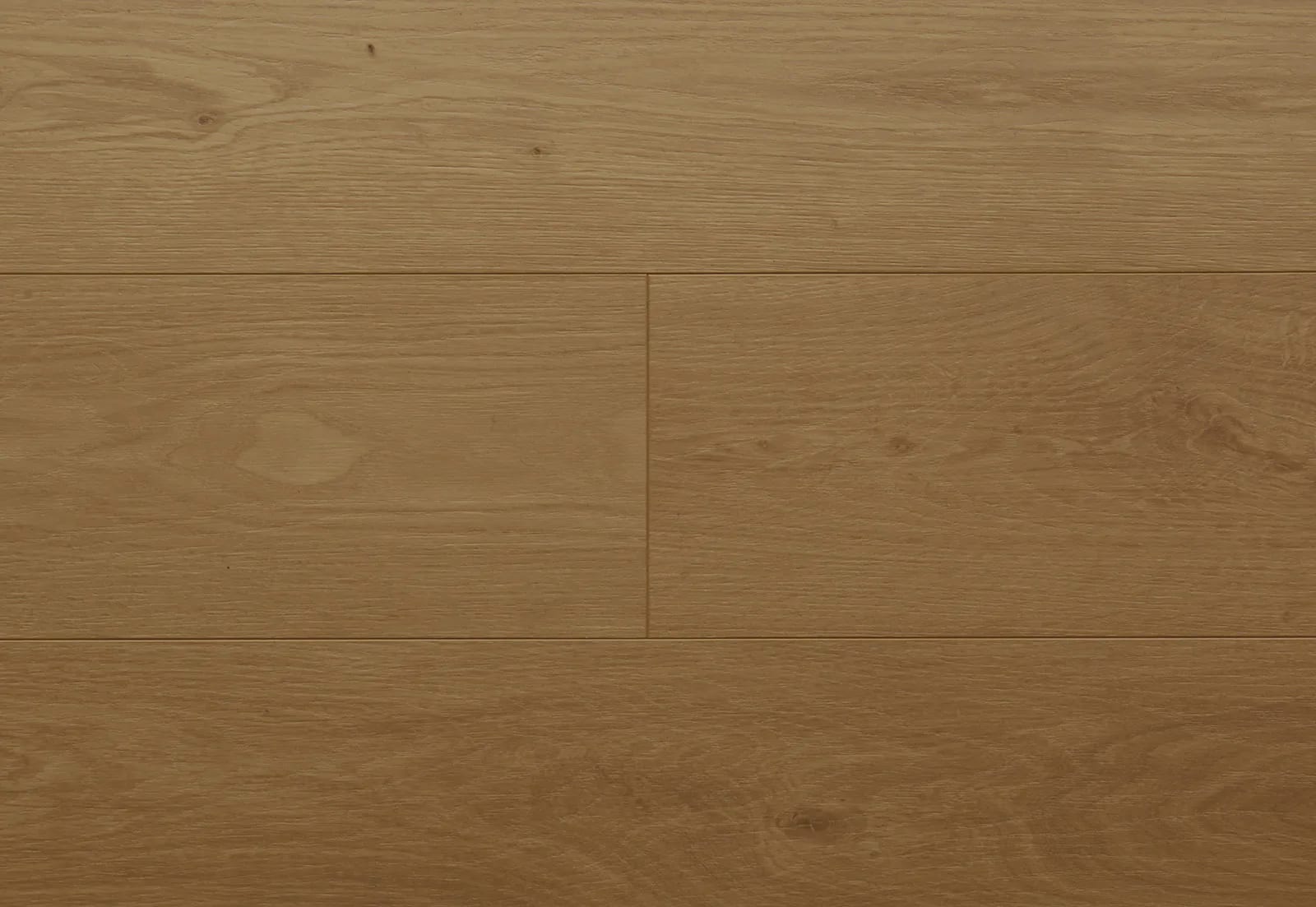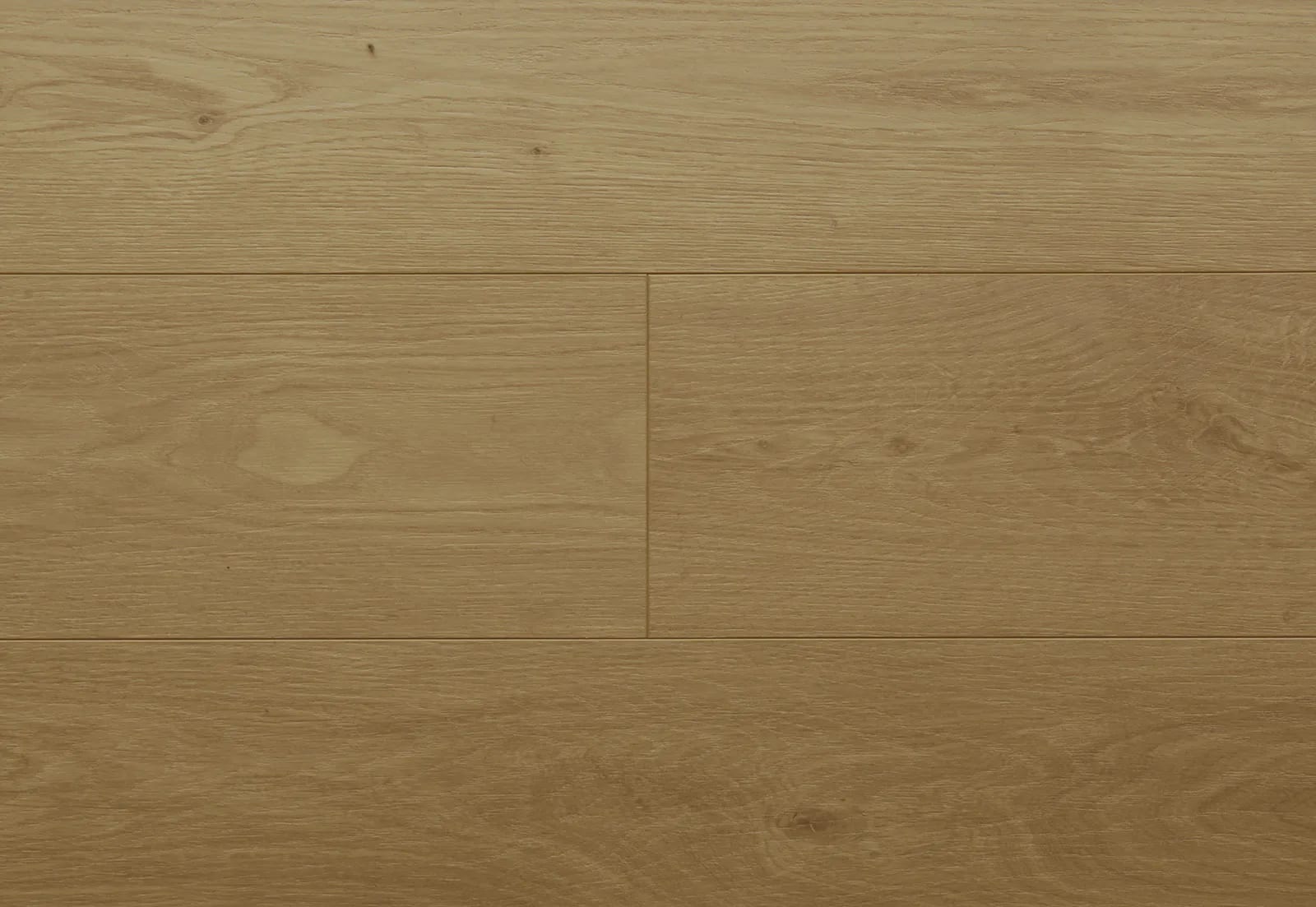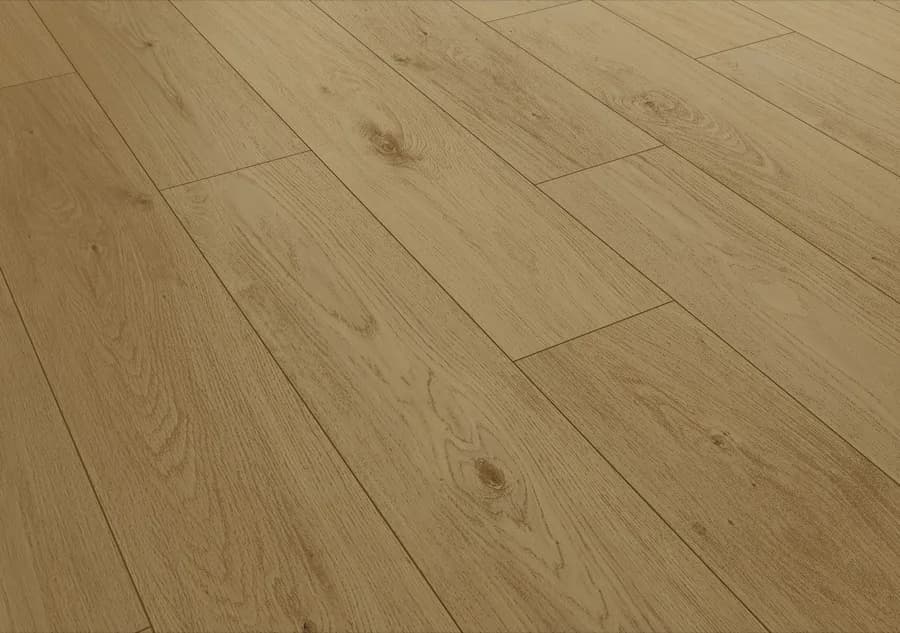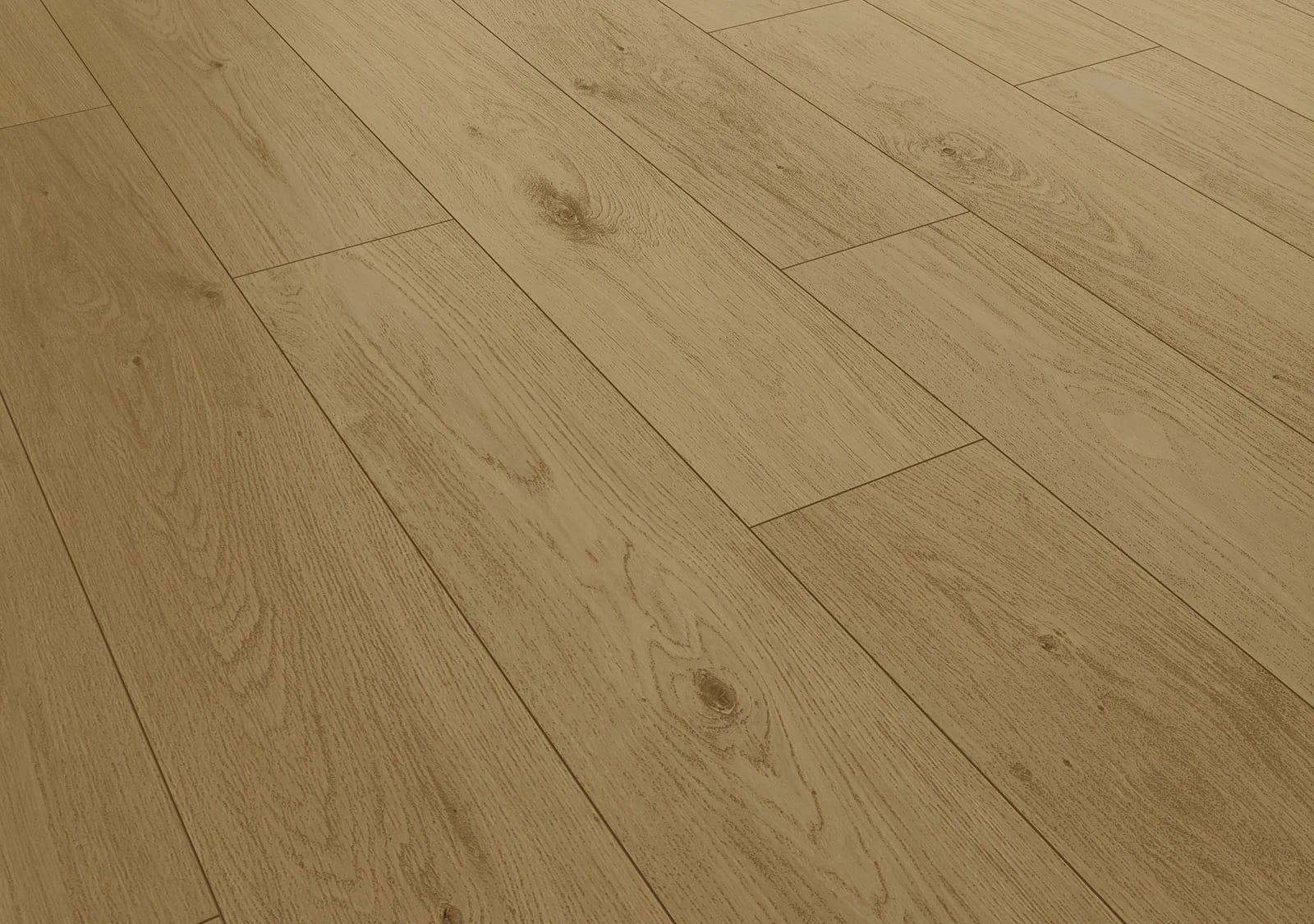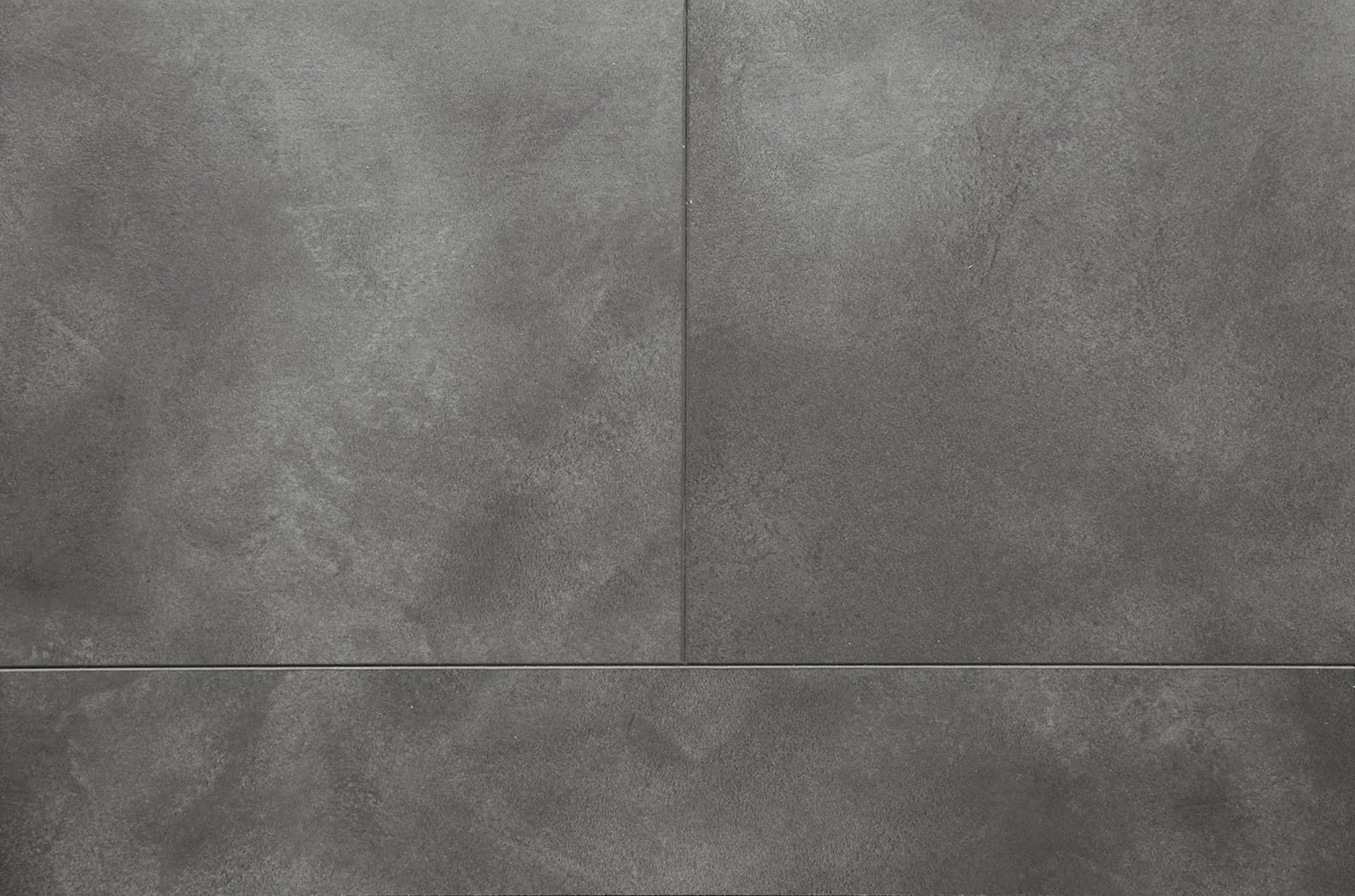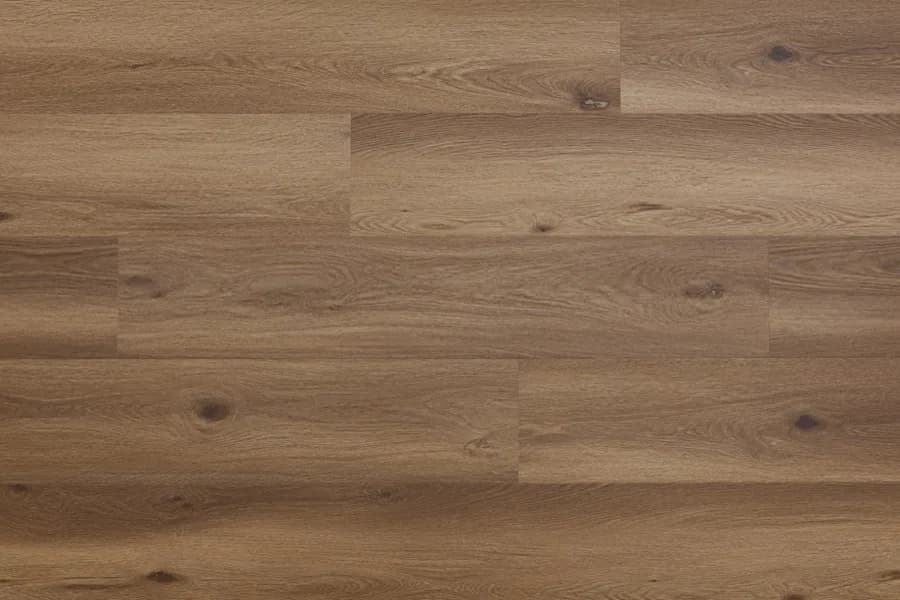
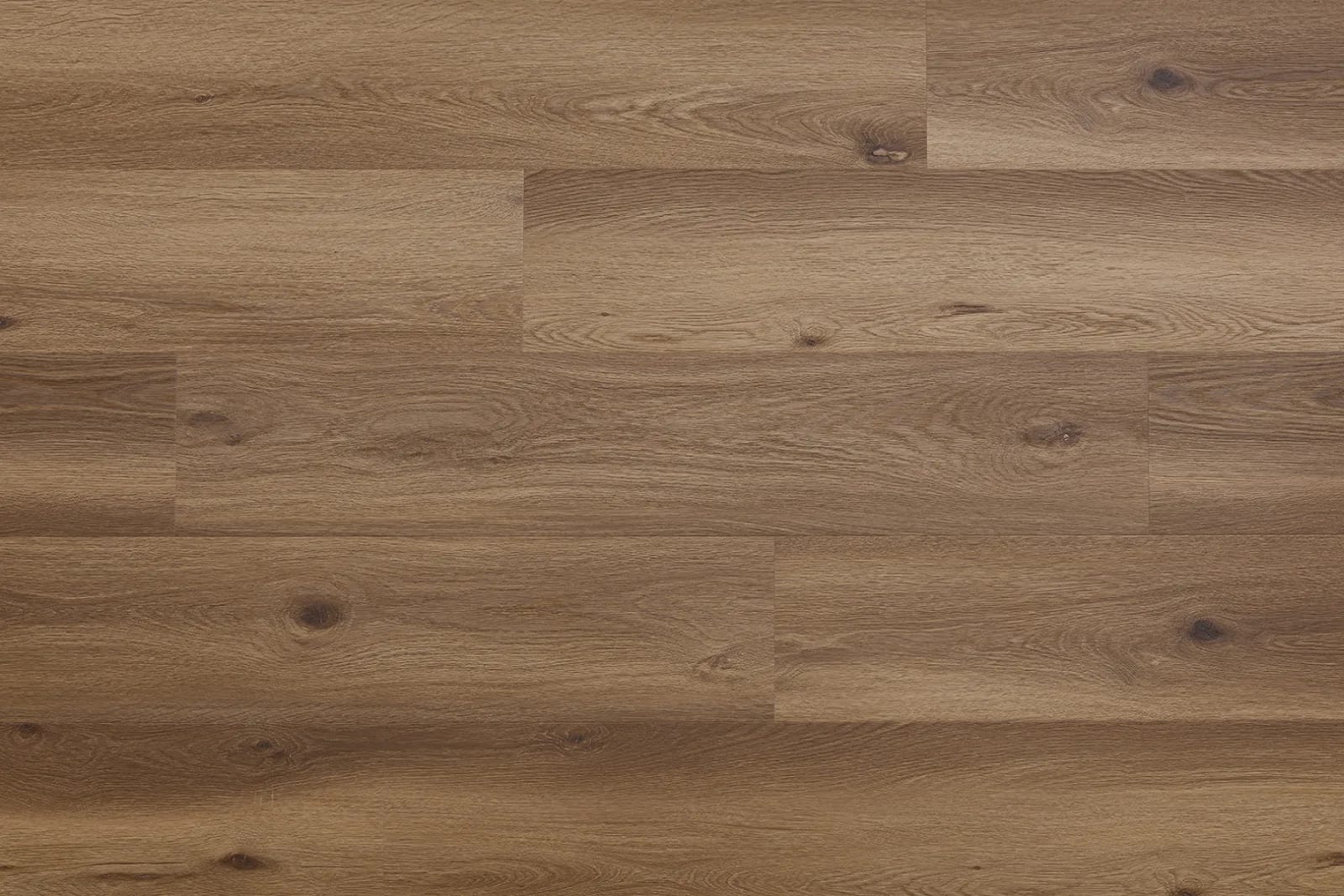
The floors for underfloor heating in this category are mainly oak parquet and wood boards, alongside vinyl and laminate flooring – from brands including KACZKAN, Lareco and MAD. All of them are approved for use over heating systems, but they differ in how quickly they release heat. A thinner board glued to the screed warms up more efficiently than a thick one laid floating. When comparing models, check the thermal resistance and the recommended fitting method in the product page.
The floorboards category for underfloor heating is still dominated by parquet and wood floors, but it also includes some vinyl and laminate models, plus a few laminate flooring models approved for use with this system. The differences between products usually show up after the first heating season: one floor stays dimensionally stable, another starts showing gaps at the joints sooner, or puts up more resistance to heat flow. So the comparison starts with the construction, the manufacturer’s approval and the system parameters, and only then moves on to the design.
With underfloor heating, engineered (glued, multi-layer) wood boards and parquet designed for this use usually work well. Alongside wood, this group also includes selected vinyls and laminates, but the main choice is still parquet and wood floors. This construction better limits the effects of humidity changes during the heating season than a wide solid board, which means the joints usually move less. Oak often appears in this category. Available in the range are, among others, KACZKAN ALPINA, Boen Oak Andante Live Pure, Lareco Oak Amber Natur and Bory Polskie Forest Oak Natur.
Solid board, chevron and herringbone can also work with underfloor heating, but here the properties of the subfloor and the accuracy of the installation matter more. Before laying the floor, the screed needs to be heated up following a heating-up protocol, and the moisture of the subfloor measured in line with the requirements of the floor, adhesive or underlay manufacturer and the heating system. With an uneven or too damp screed, movement at the edges and joints shows up faster — in other words, the floor shows stress sooner.
When choosing, the product data sheet, the thermal resistance of the whole system and the board format all matter. Heat passes through the floor, the adhesive or underlay, and then through the subfloor, so the final result depends on the sum of those layers. The thermal resistance of the whole system is assessed in line with the requirements of the floor, adhesive or underlay manufacturer and the heating system; the right values can be found in the product sheet or system documentation. A thicker board usually responds more slowly, and very wide, long elements show the natural movement of wood more clearly when the air is too dry.
Before ordering, it helps to have a few details to hand:
Having these details makes it easier to match a product from this category to the conditions in the home, not just to how the sample looks.
For wooden floors on underfloor heating, stable conditions in the home, slightly damp mopping and gradually turning the heating on are the main things that help. For this kind of floor, a surface temperature of up to around 27°C is usually assumed, with air humidity at 40–60%. When the temperature rises too quickly or the air is too dry, the wood gives off moisture more intensely and gaps between the boards appear more easily.
In everyday use, the biggest damage is caused by sand, chairs without felt pads and wet spills left for too long. When you get a hollow sound, a local bulge or joints starting to open up, a care product on its own won’t solve the problem; that’s when you need to check the subfloor, expansion gaps and how the system is working. If the floor gets damp, the cause has to be removed first, and only then can you assess how much repair is needed.