


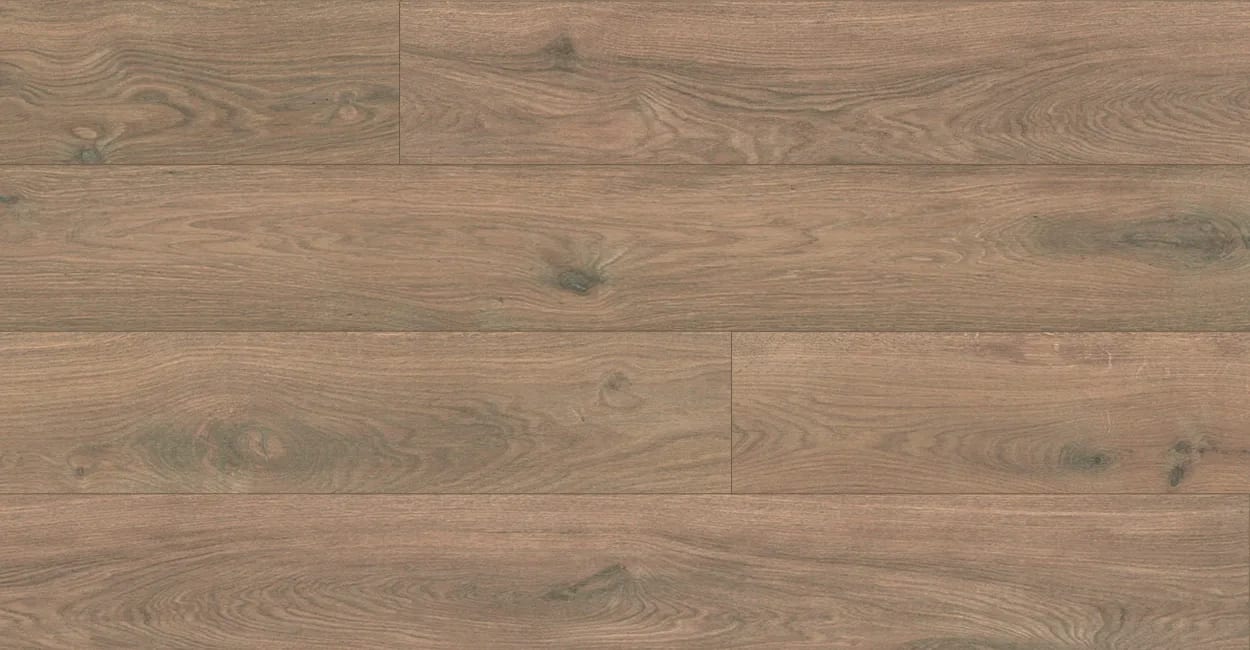
Oak Storm Rustic
LarecoWood floors
Bedroom flooring here is wood only: oak parquet and KACZKAN and Lareco boards, largely oiled and in light shades. In a bedroom, quiet matters, and a board glued to the subfloor feels quieter underfoot than a floating floor. The whole range in this category is suitable for underfloor heating. Put felt pads under the bed and chest of drawers, because heavy furniture left in place for years will mark even hard oak.

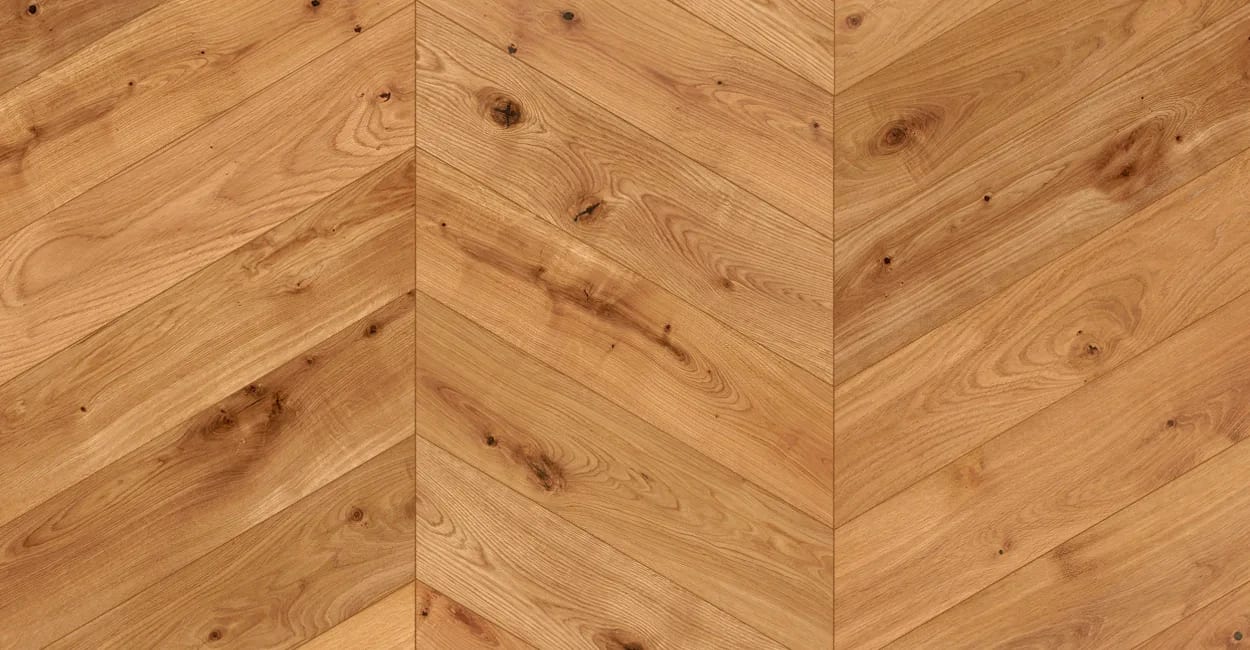



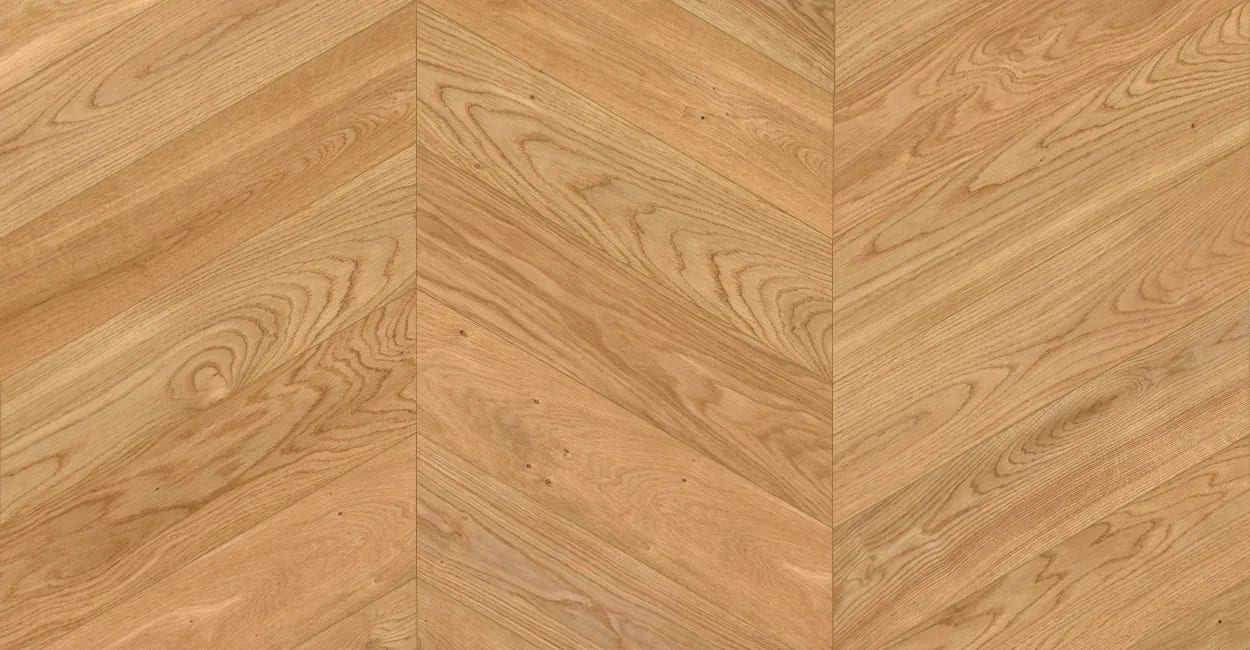

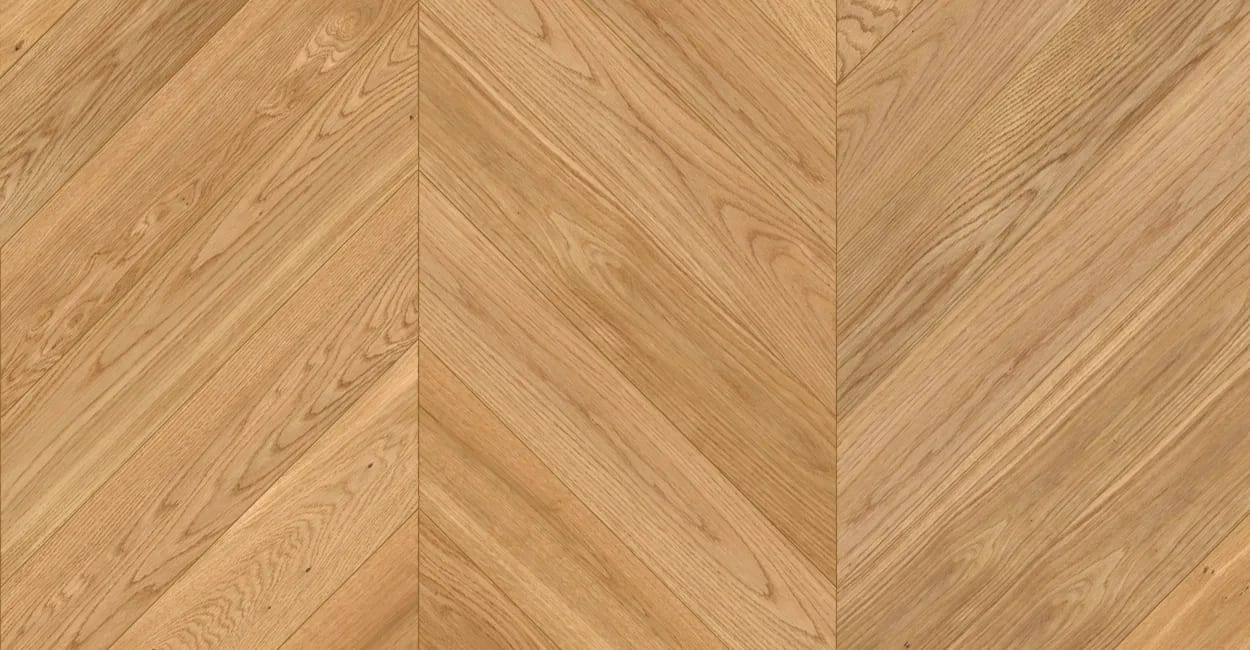


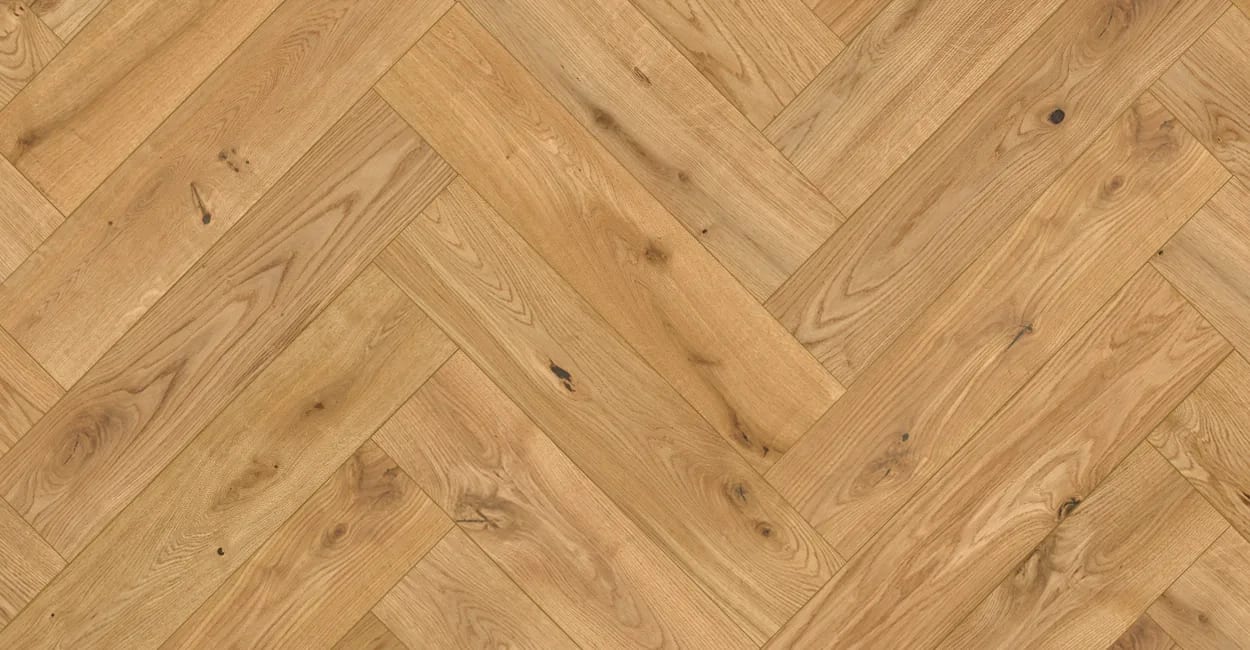

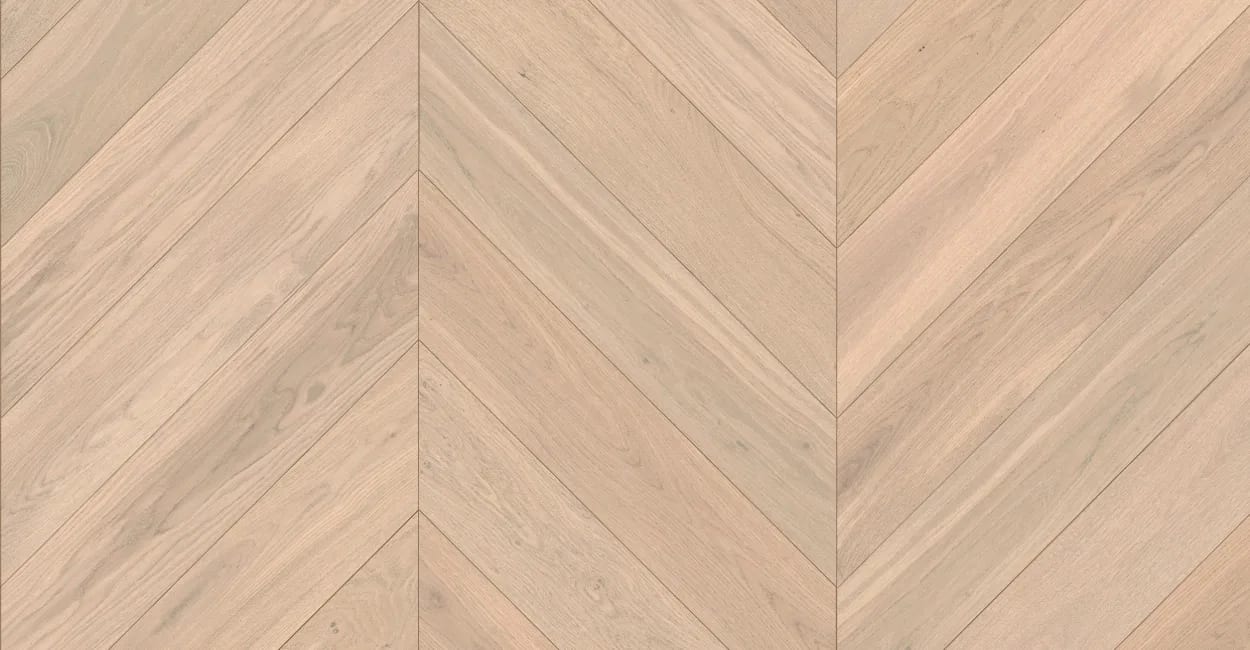



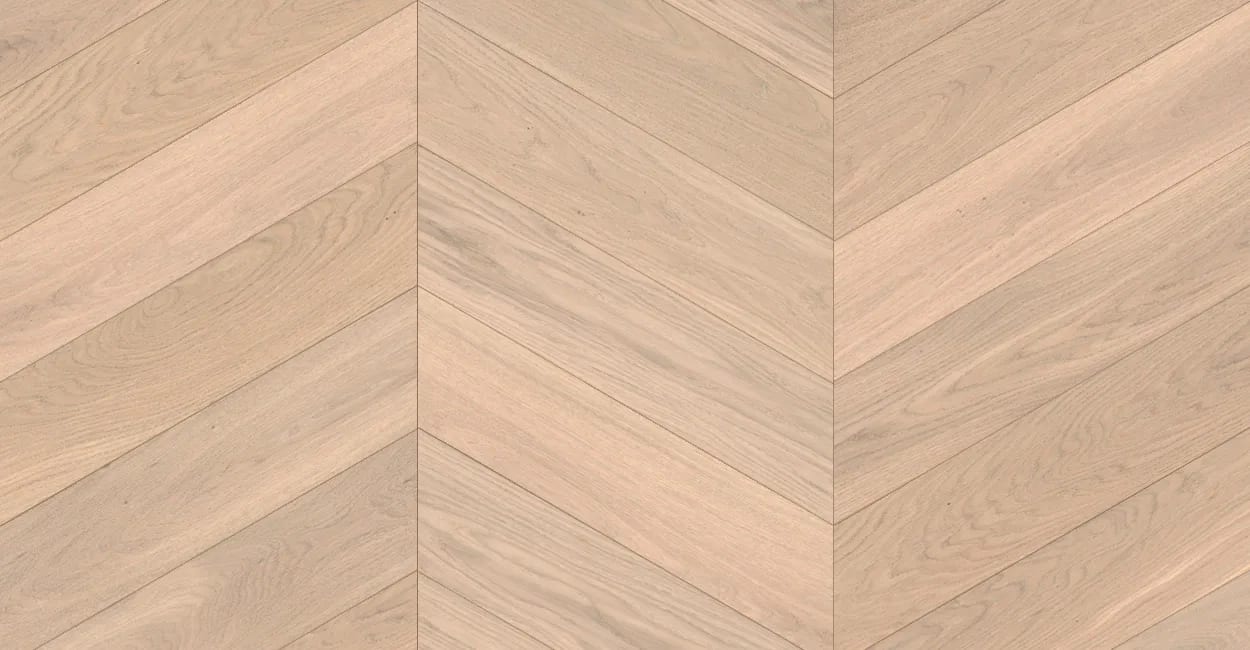

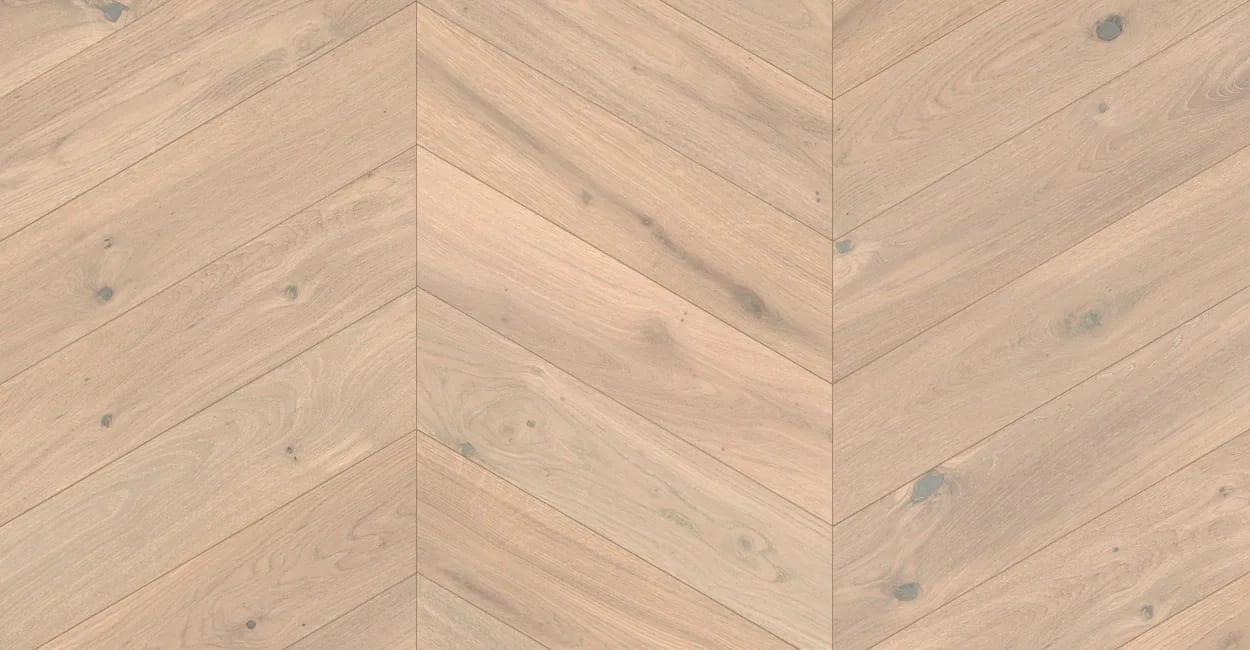


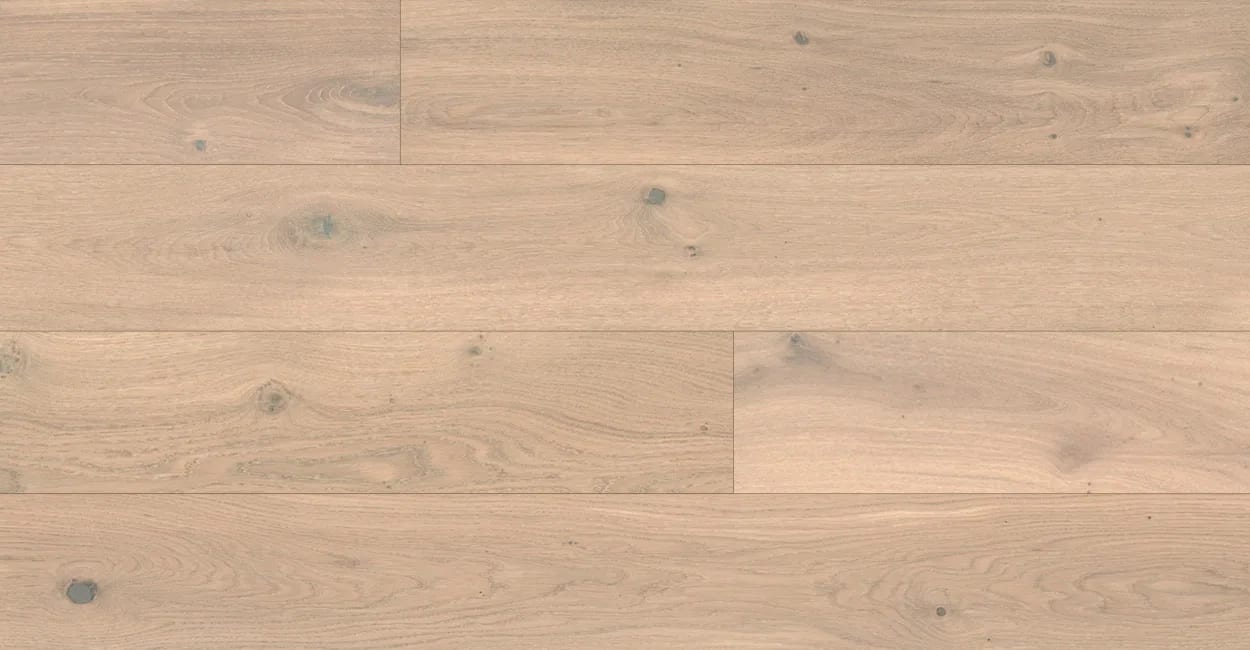

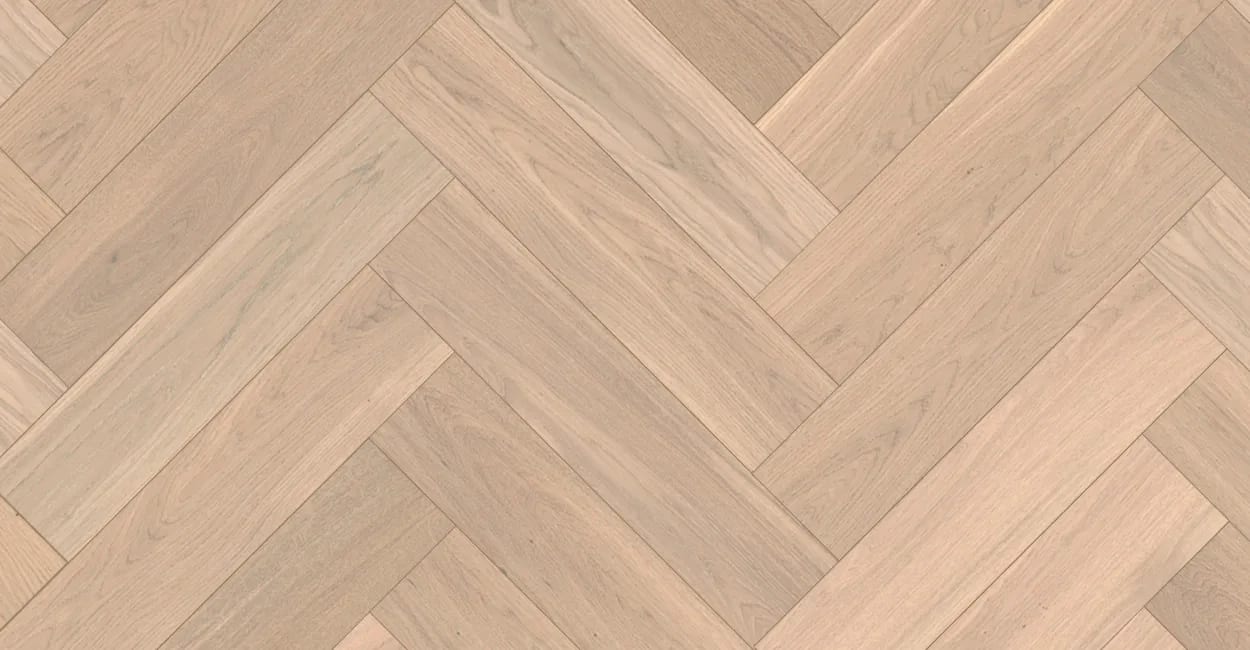

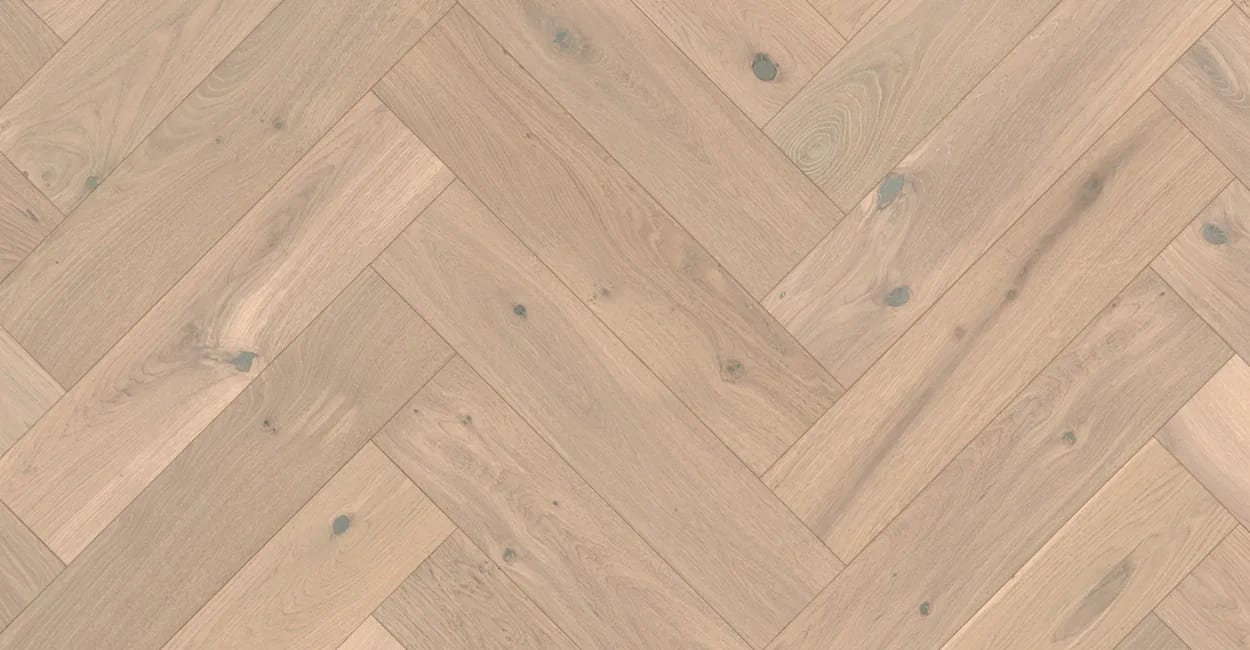









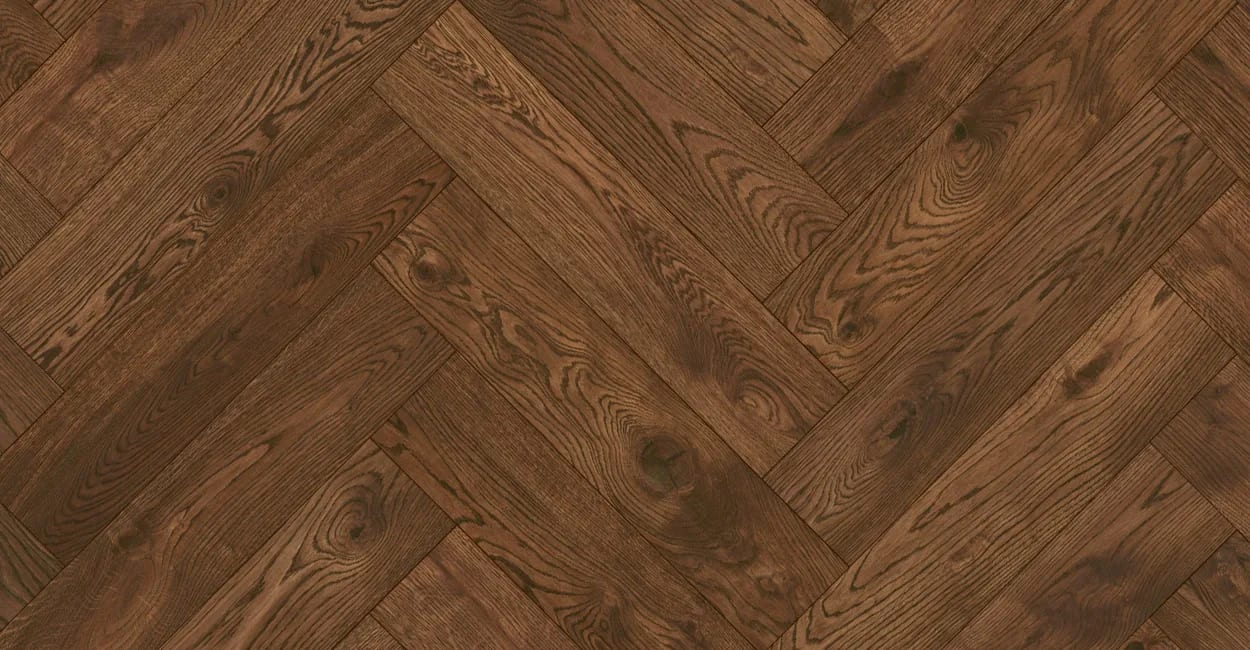




In this category, bedroom flooring means parquet and wood floors chosen with everyday barefoot contact in mind, the quiet of the room, and the way the surface shows dust from bedding and soft furnishings. This room usually sees less wear than a living space, so oiled or hardwax oiled finishes also naturally fit here, tied to a calmer way of using the room.
In a bedroom, it’s not just the sample colour that matters, but also how much floor is left exposed between the bed, wardrobe and wall, and how the light falls in the morning and evening. By the bed and in the walkway to the door, your eye usually picks up just a small section of the surface, so you notice more quickly the difference between a board that reflects more light and one that’s more matt and feels calmer to look at. In smaller rooms, the scale of the wood grain matters too, because strong variation can make the joins between boards more noticeable over a shorter run.
In this category you’ll find, among others, BALTIC SKY from KACZKAN, Oak Amber Natur from Lareco and Cinto 31 A/O from World of Floors. These are examples of models with features shown in the name or product page, such as Natur grade, A/O finish or a clearly marked wood tone. In a bedroom, these differences are easy to compare in terms of light reflection, how clear the grain looks, and how the floor appears across the larger open area by the bed.
Movement in a bedroom usually centres around the bed, wardrobe and door, so that’s where everyday use shows up fastest. In side light, dust from bedding, fibres from a blanket or throw, and small marks underfoot in the getting-out-of-bed area all show up well. On lower-sheen surfaces these details are usually less noticeable than on very smooth boards that reflect a lot of light, which in practice changes how the floor looks after just one day.
Felt pads under the bed, chest of drawers and bedside tables help reduce micro-scratches from moving light furniture. If the floor has clear bevels between the elements, the layout itself is more readable, but dust collects in the grooves more quickly. In a bedroom you can see this especially along skirting boards, under the side of the bed and by the wardrobe fronts, where dust gathers over a short stretch and ends up under the vacuum more often than in the middle of the room.
In this category, 67% of models have oiled and hardwax oiled finishes, which suits bedroom conditions well. This kind of surface often feels warmer under bare feet than a more sealed, more reflective lacquer. With the calmer use a bedroom gets, it’s also easier to keep this kind of floor looking consistent without expecting it to cope like a busy hallway or living room.
Acoustics are affected not just by the wood itself, but also by the sound-reducing underlay — the layer that limits sound transfer — and by the whole floor build-up. In a bedroom, where you hear single footsteps, moving a light piece of furniture or getting in and out of bed, the difference between a harder sound and a more muted step can be quite clear. It’s one of those factors that’s easy to overlook on display, but comes back every morning and evening in everyday use.