


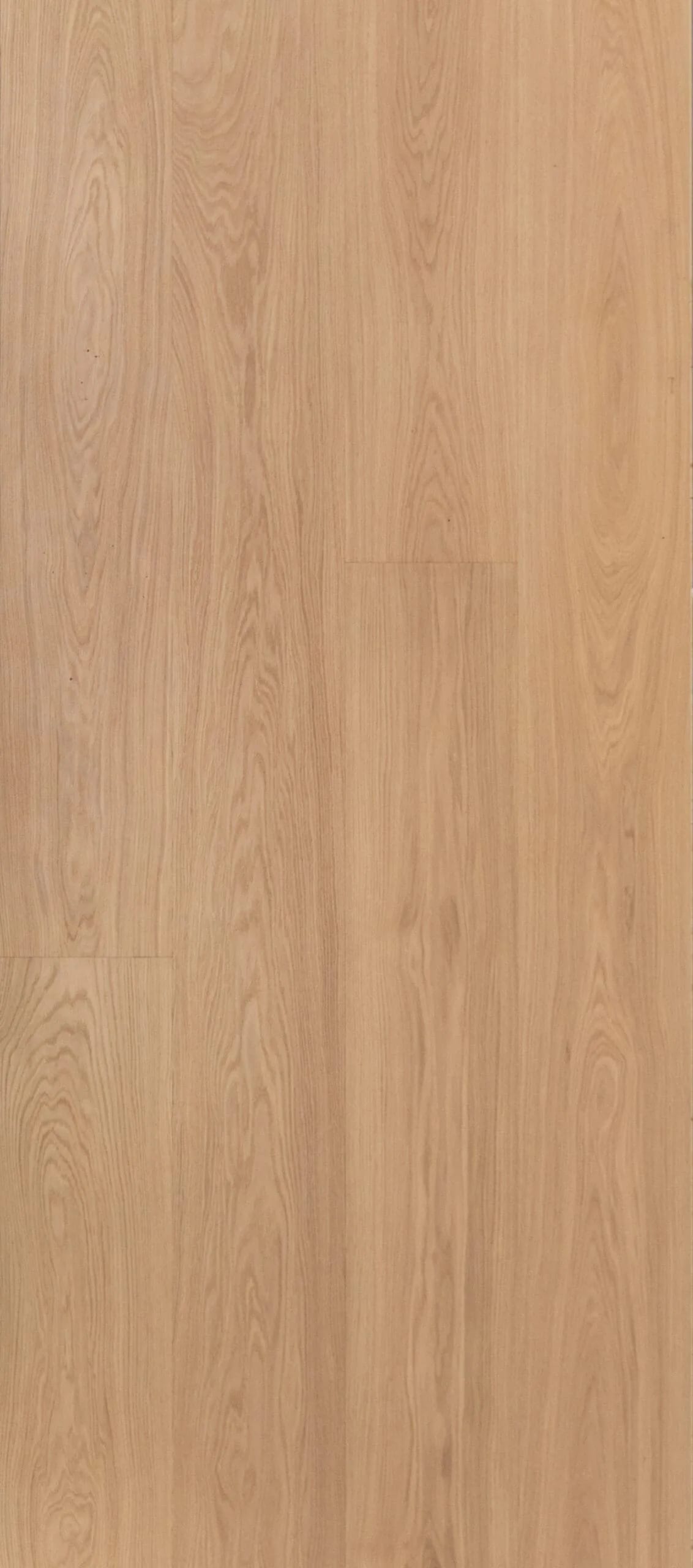
Select Raw Wood
Holz FloorsWood floors
Children's room flooring is mostly oak – parquet and boards, most of them oiled, plus vinyl and laminate to round out the range. Children spend a lot of time on the floor, drop blocks and drive toy cars around, so the surface will pick up small dents and scratches. Oiled wood can be refreshed in one spot without sanding the whole room. If the room is meant to grow with the child, choose a calm Light or Natural oak that will work with the next few room makeovers.

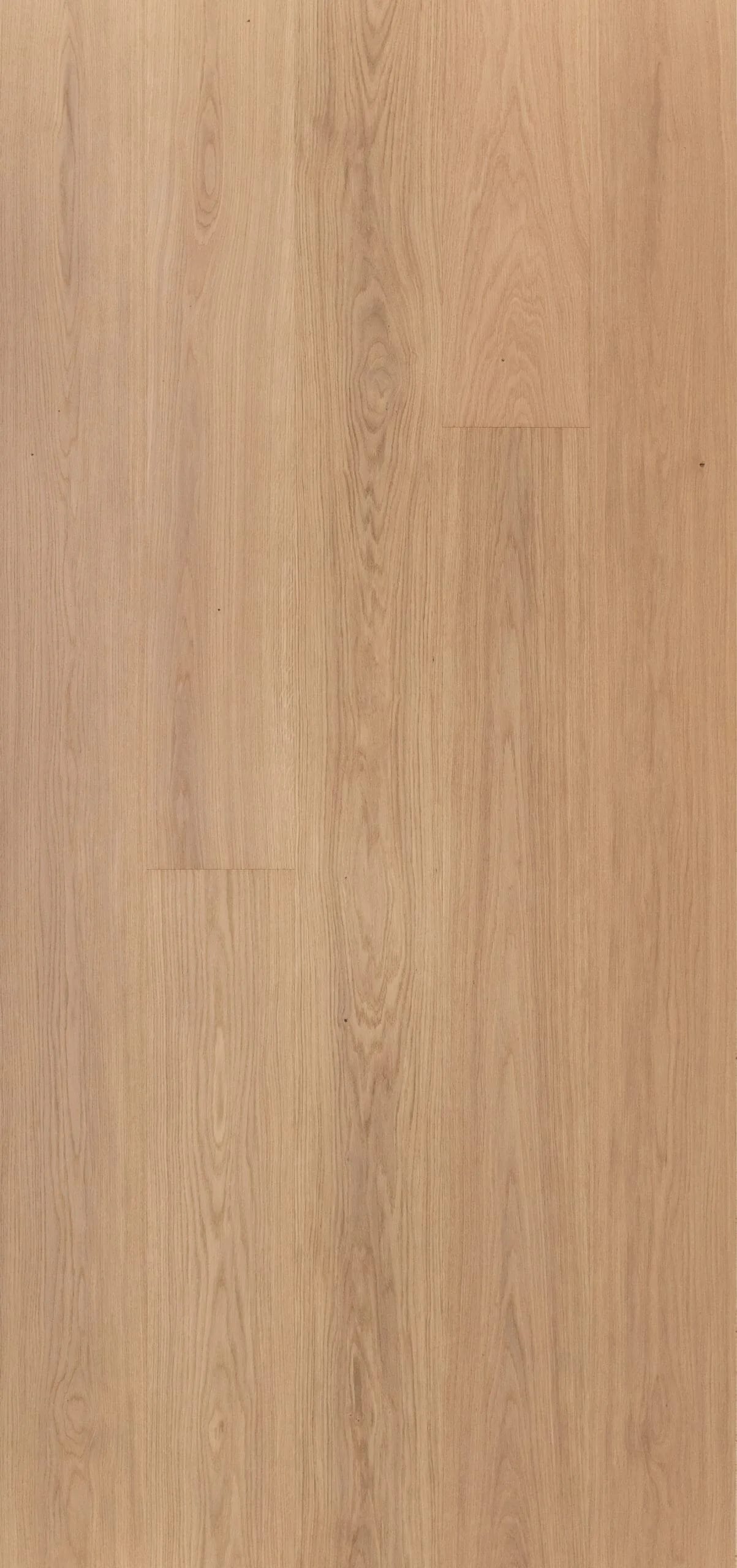

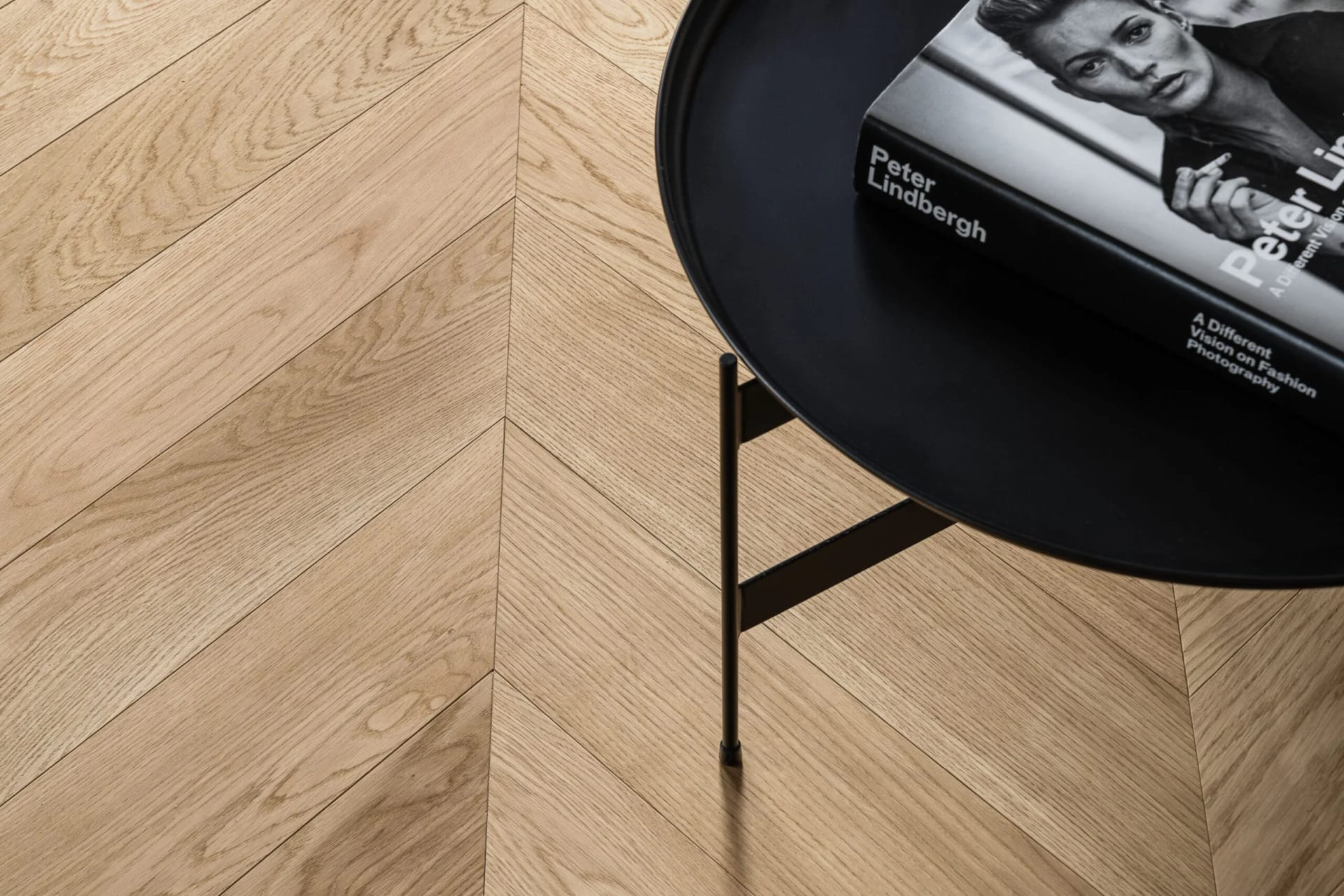

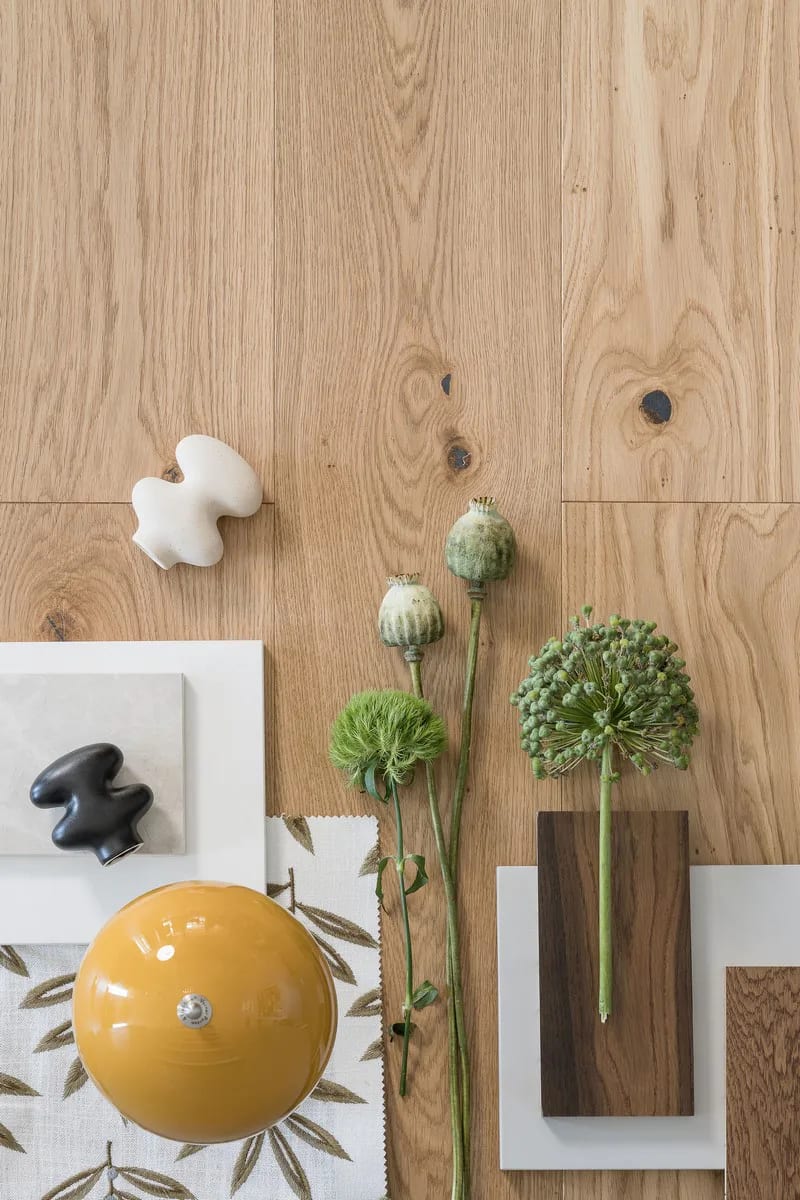

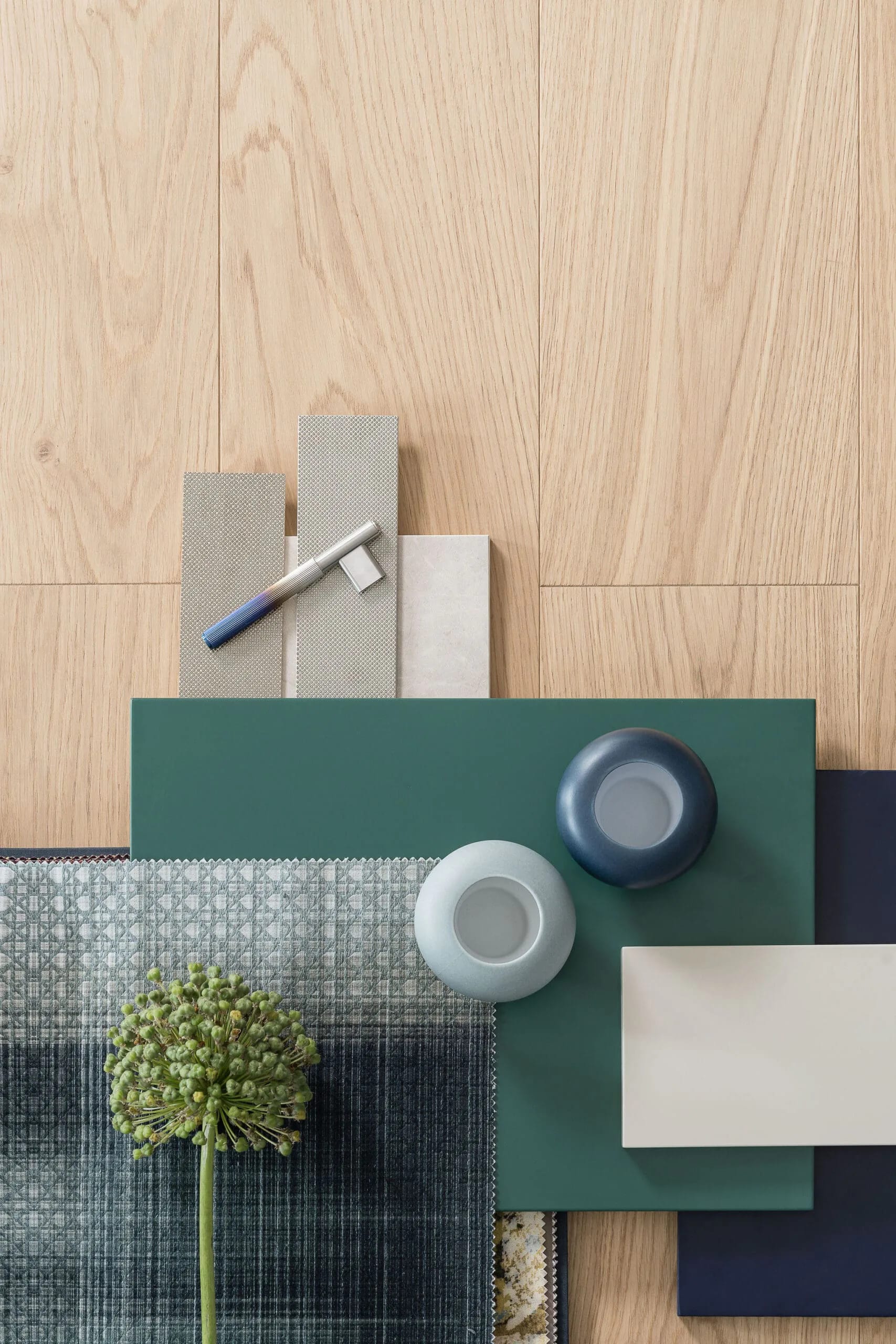

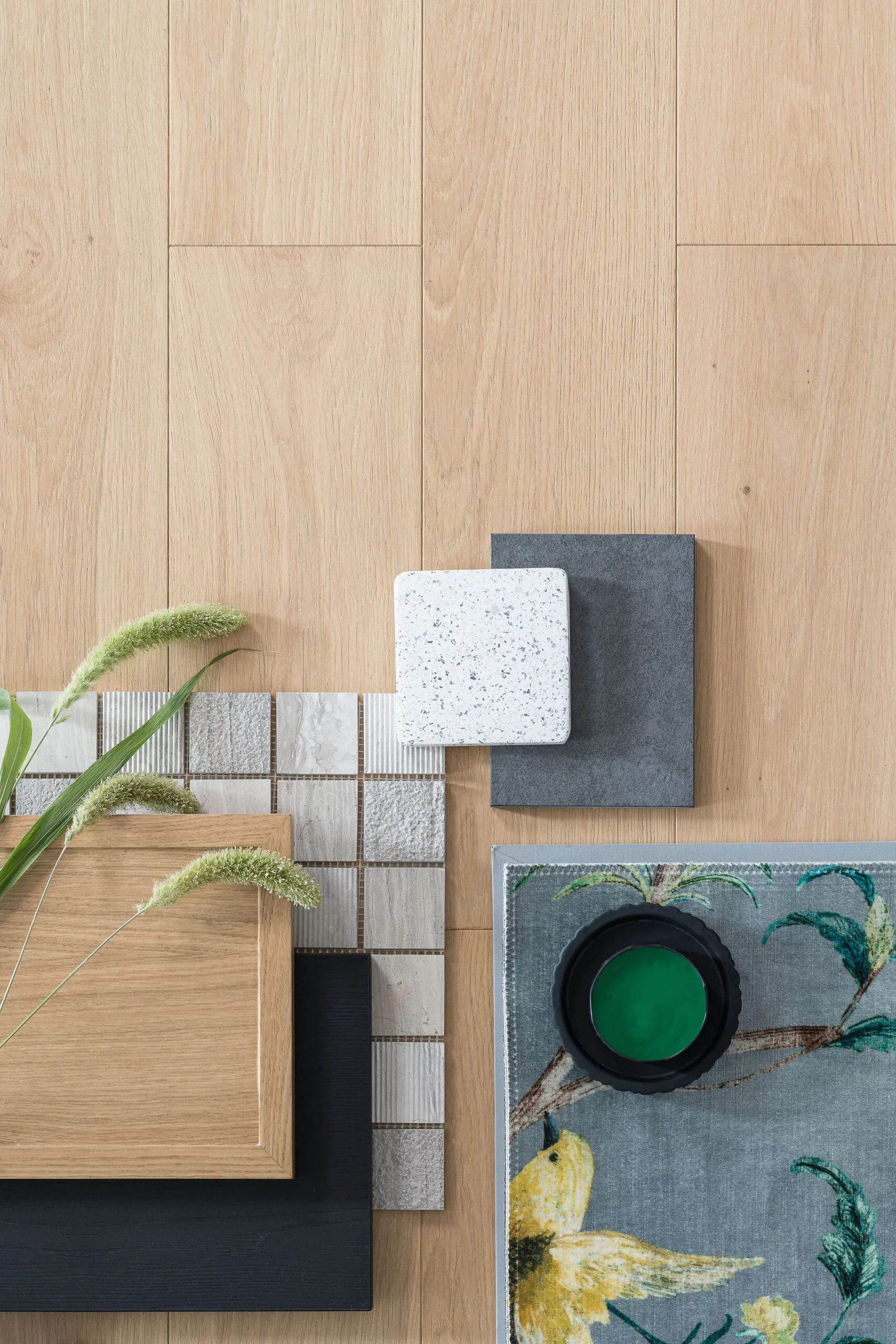

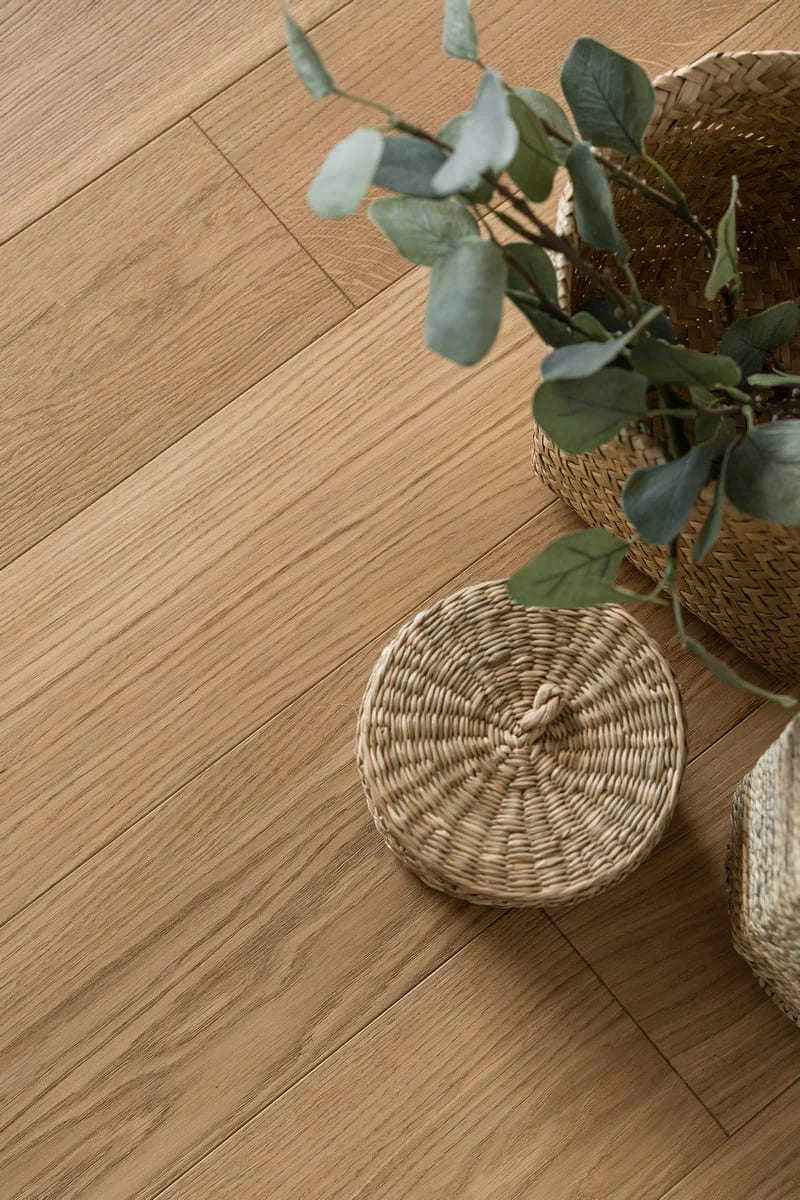
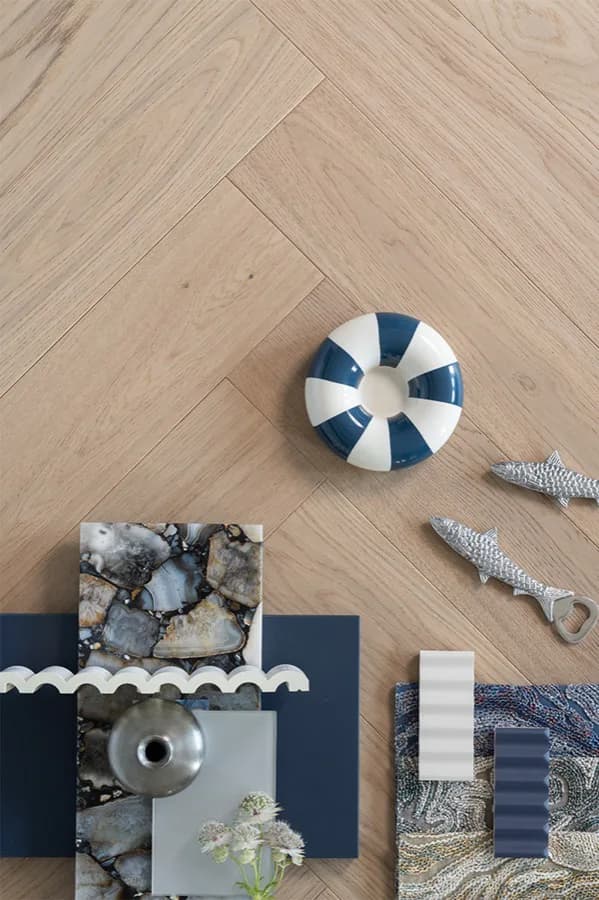
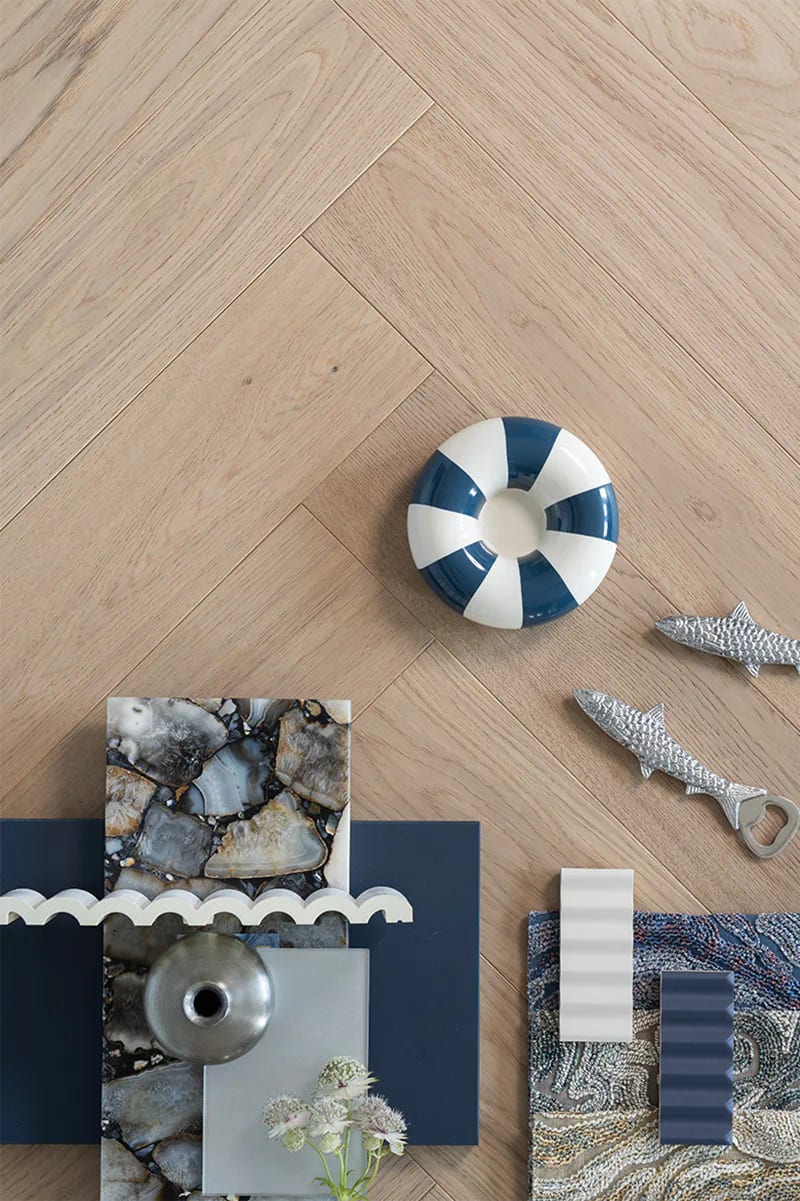


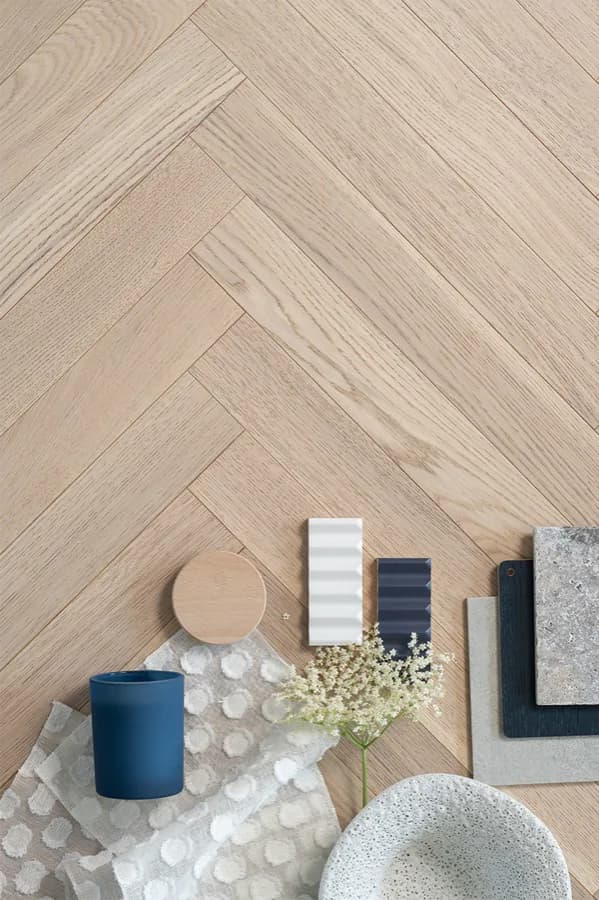
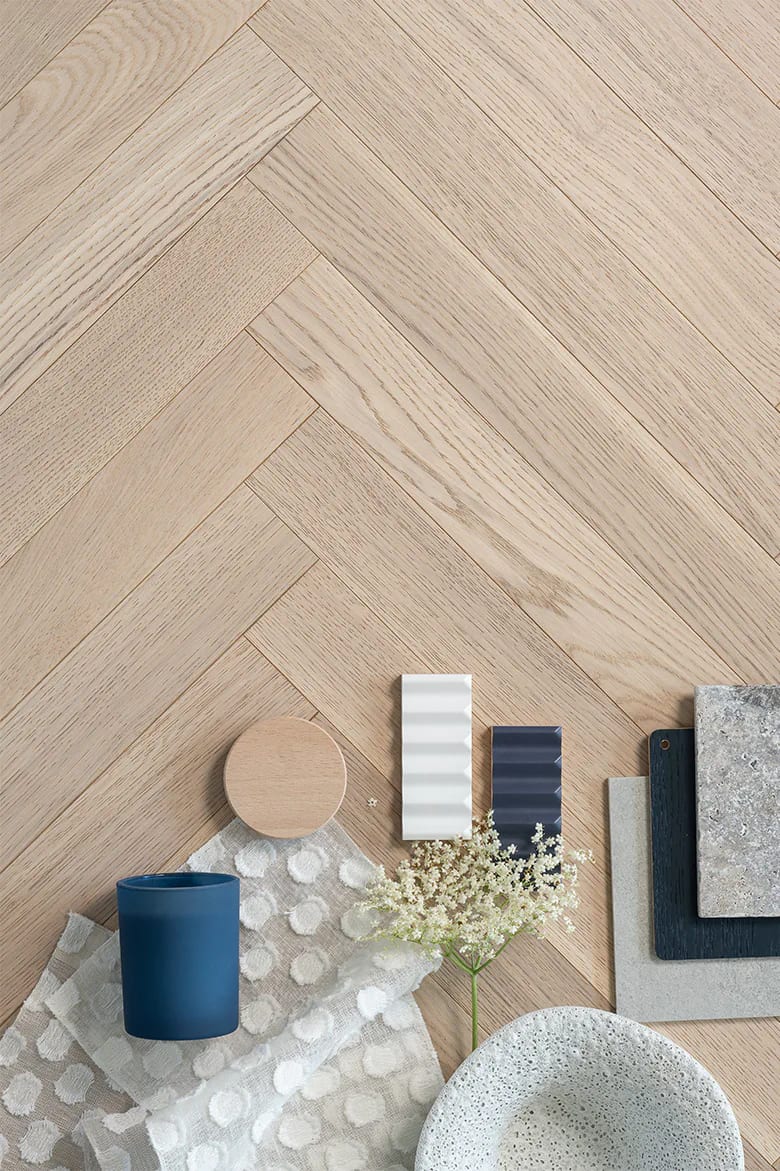

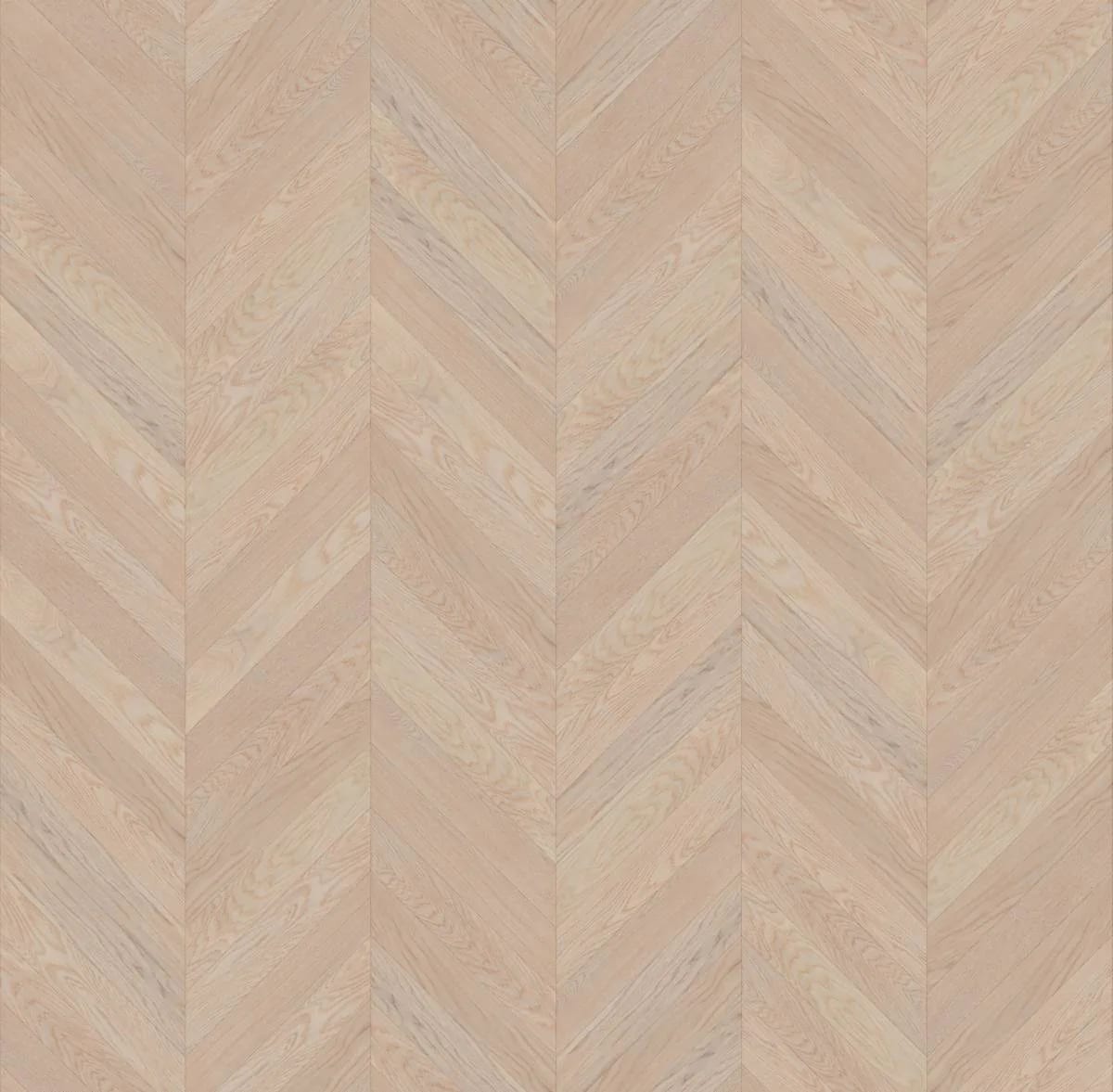

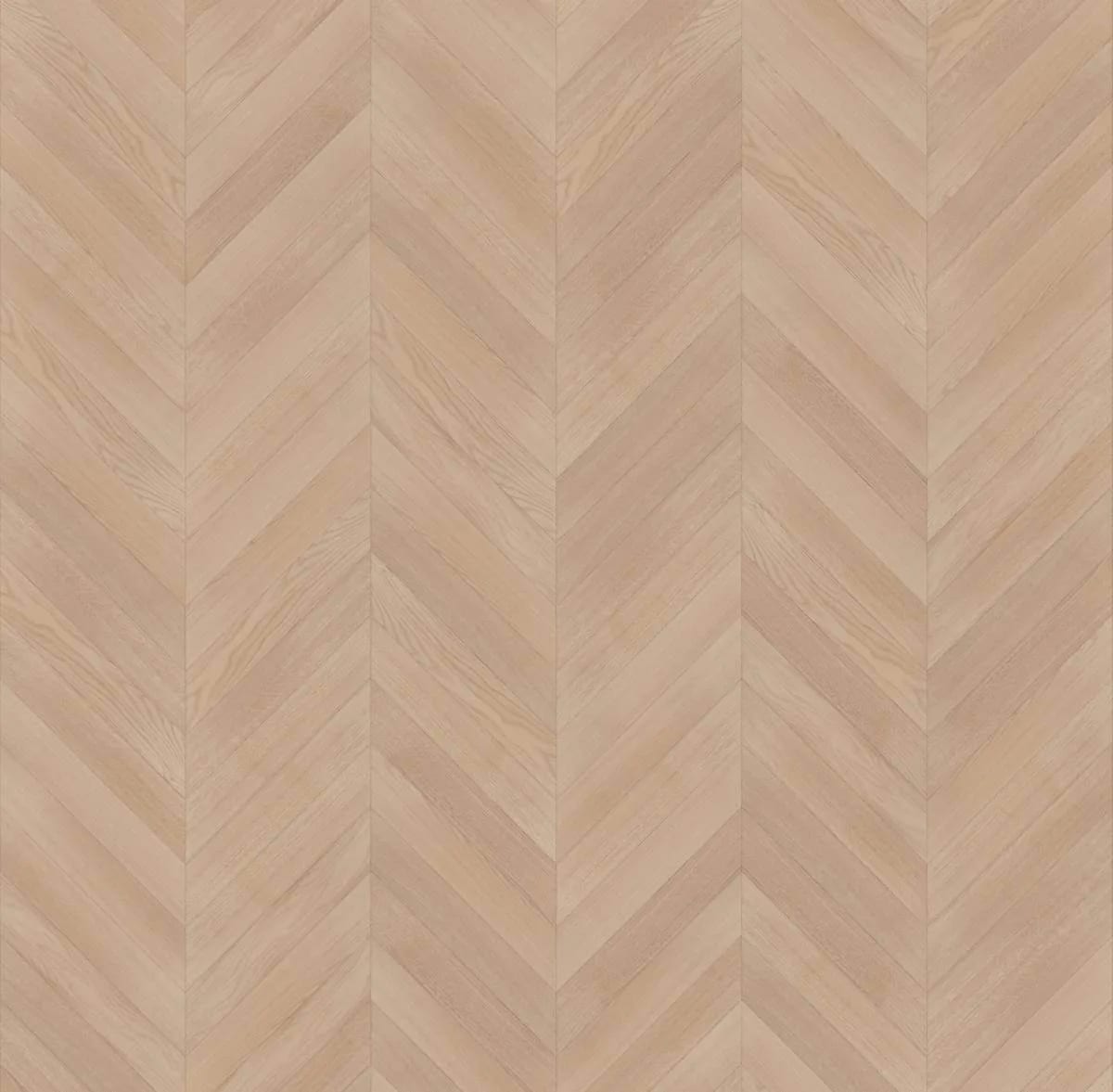

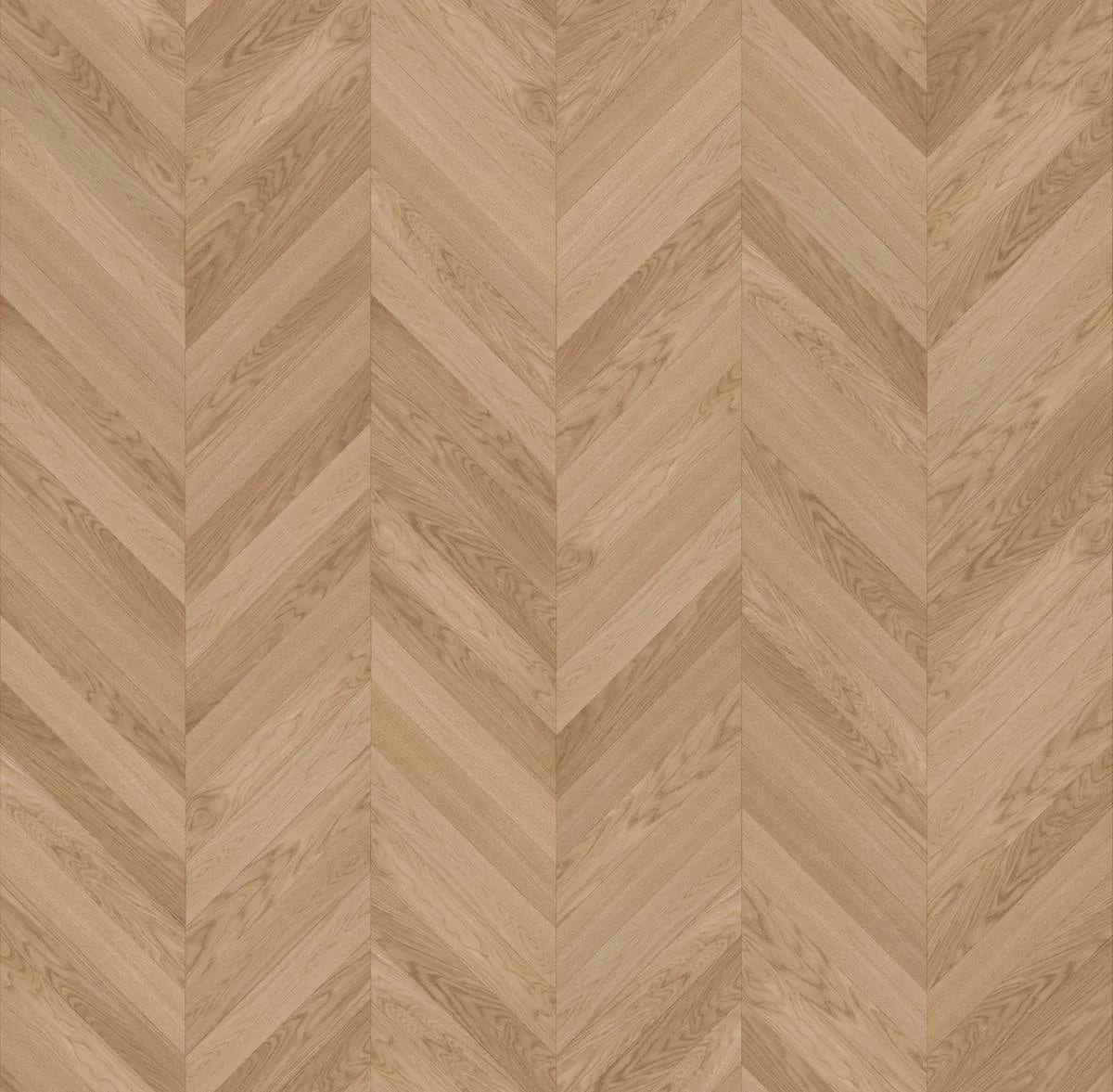

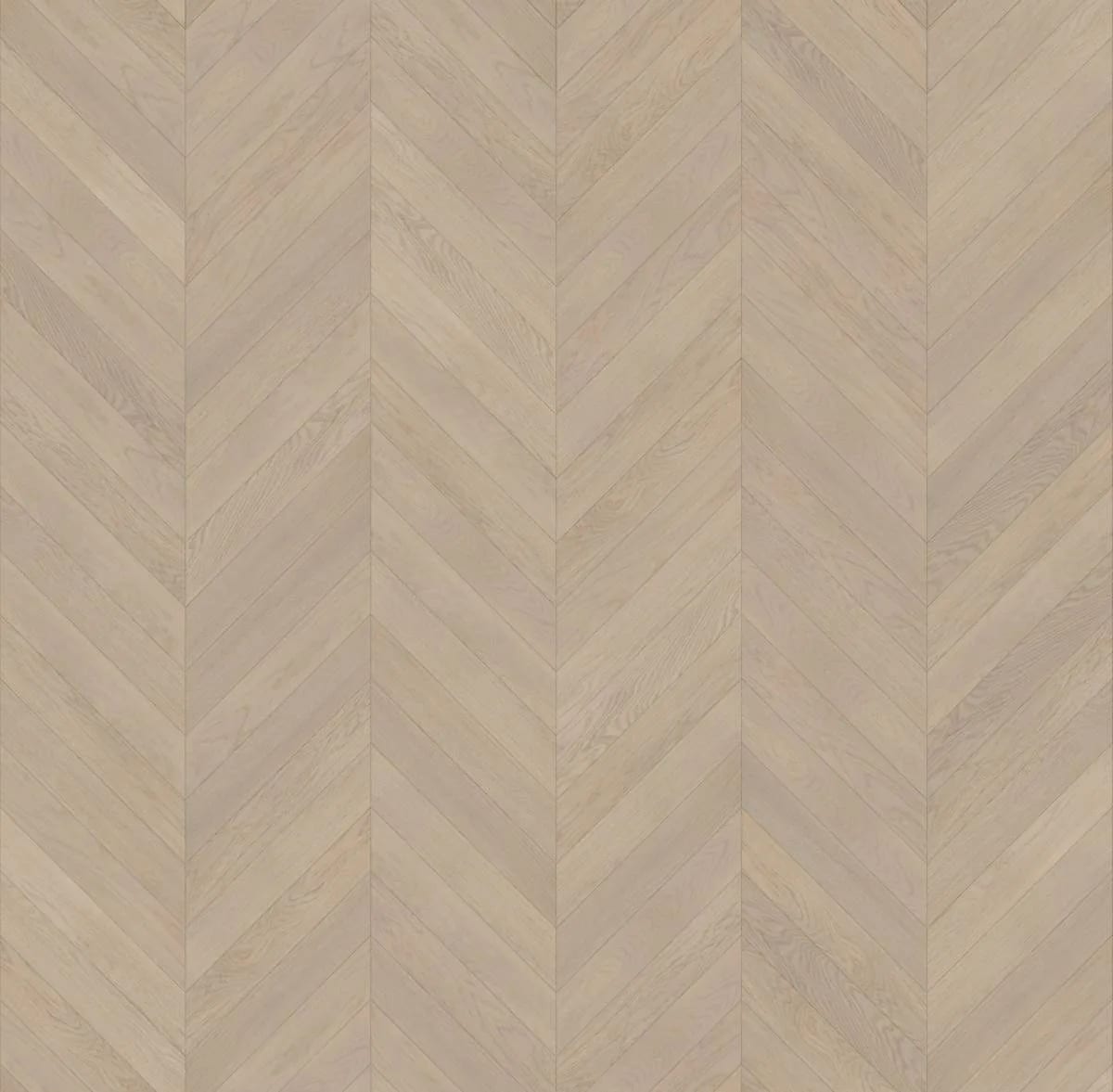


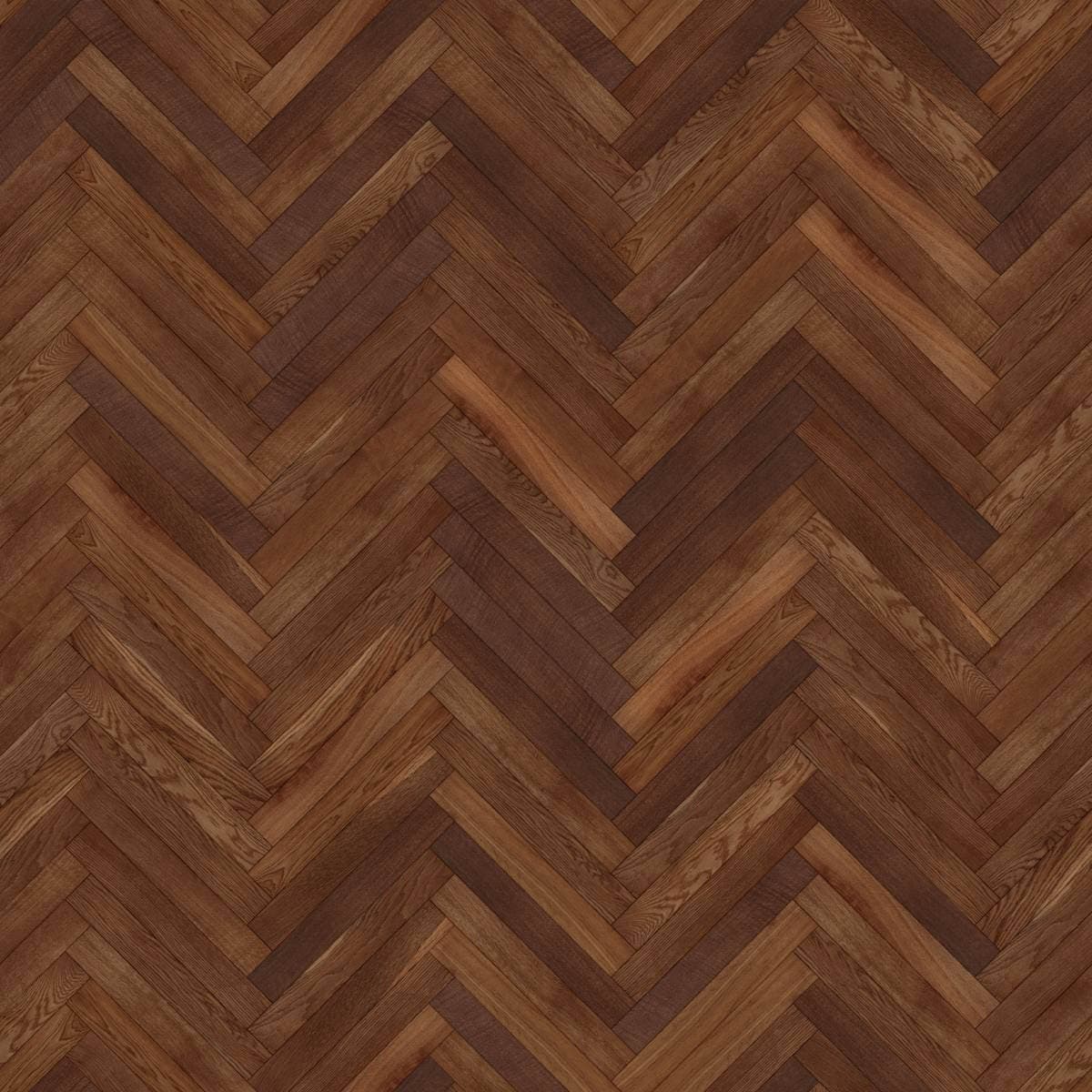
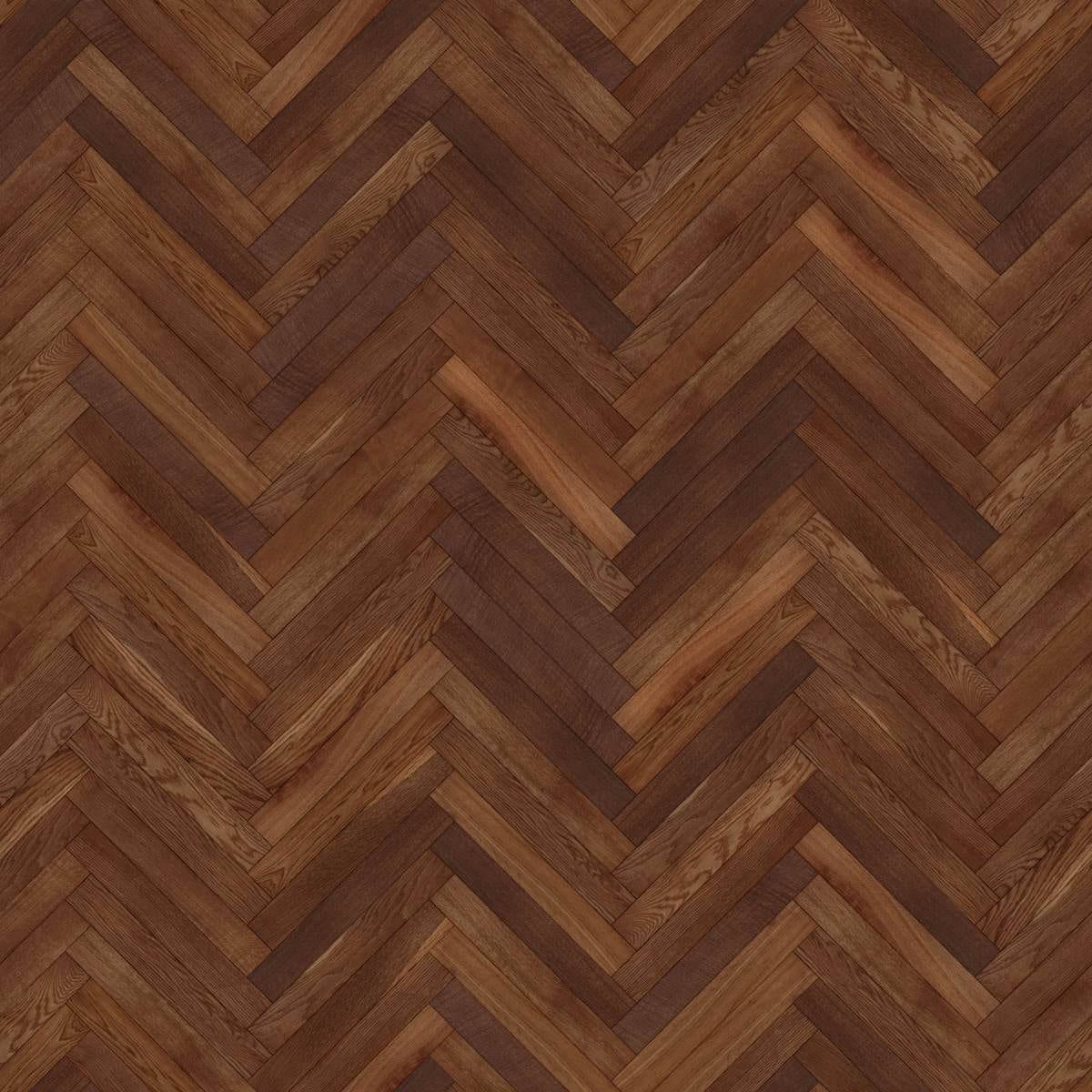

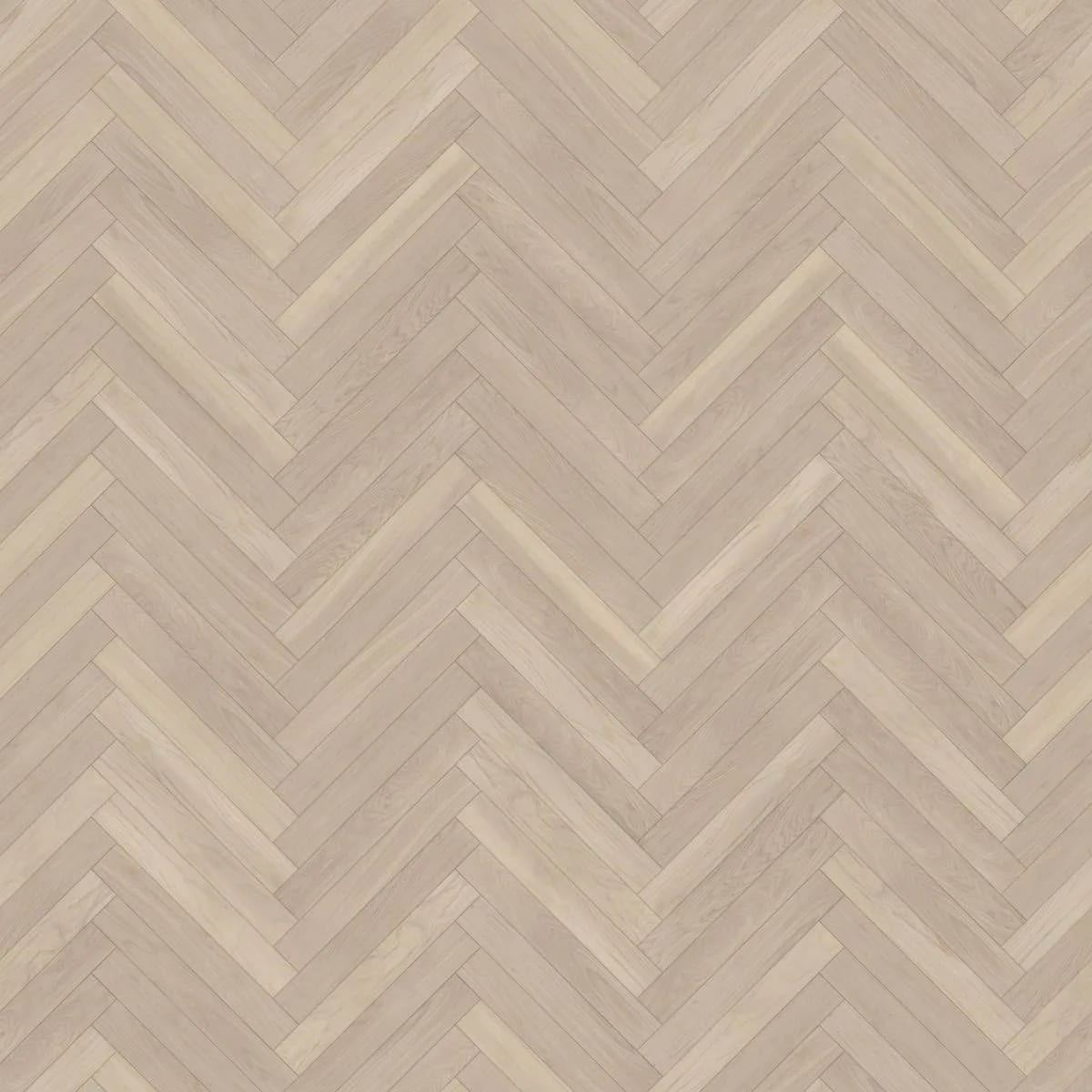

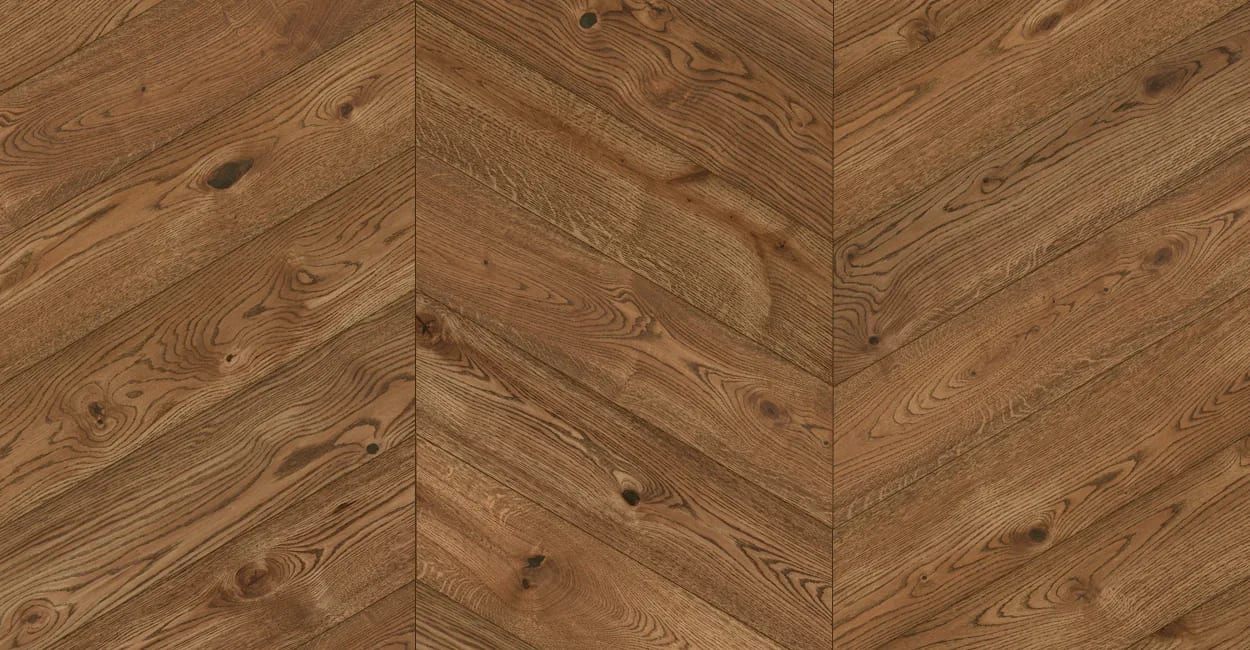

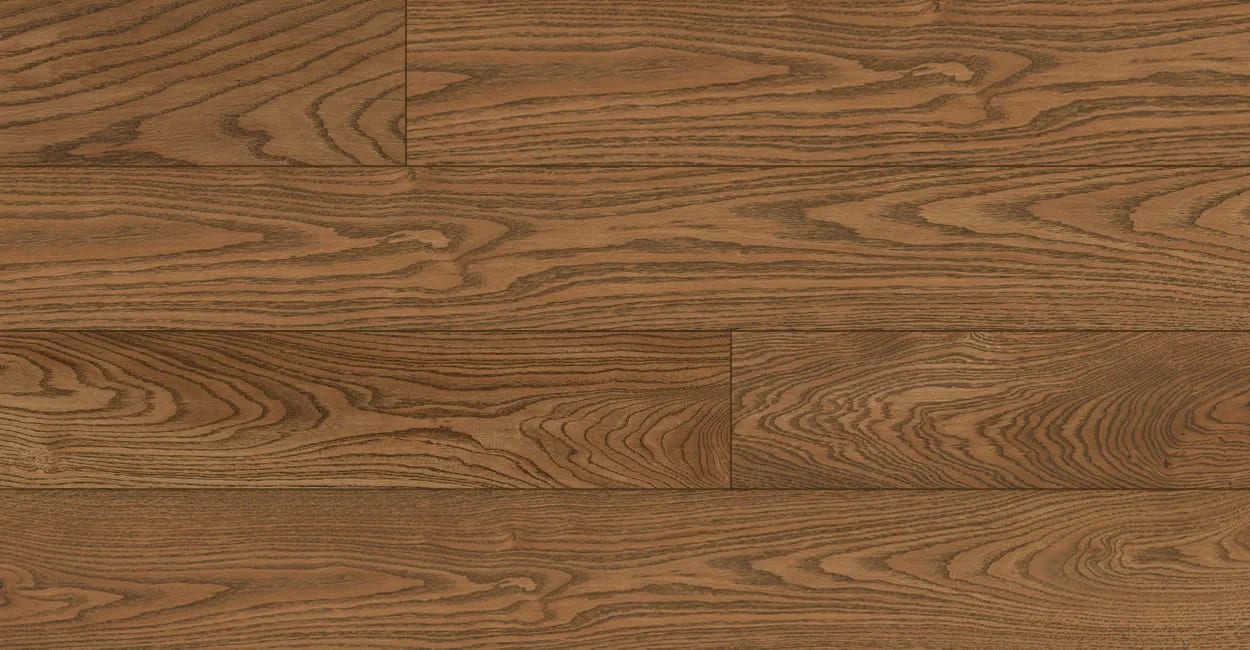

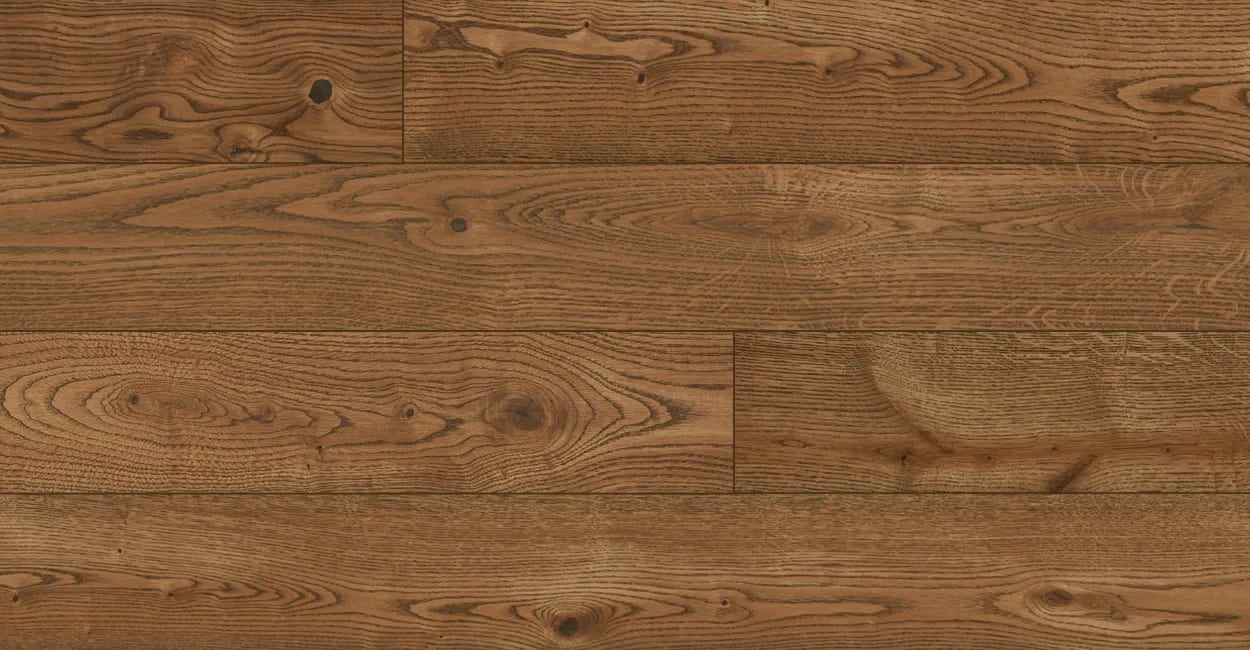
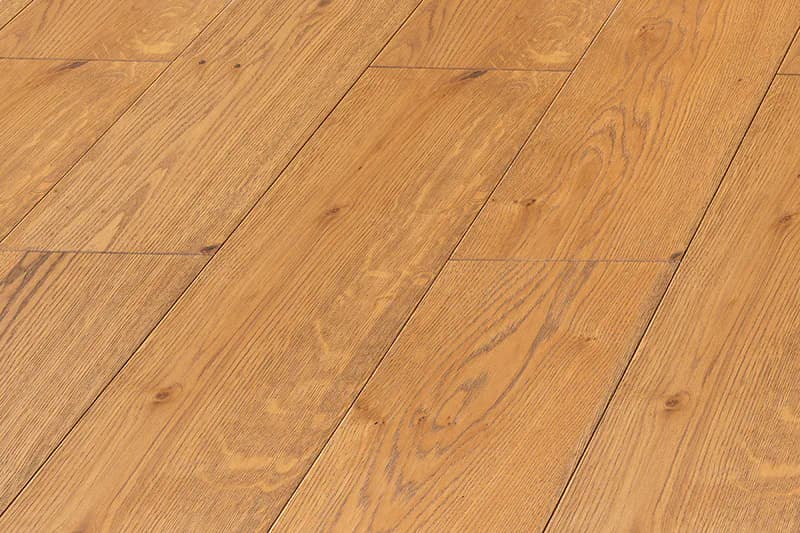

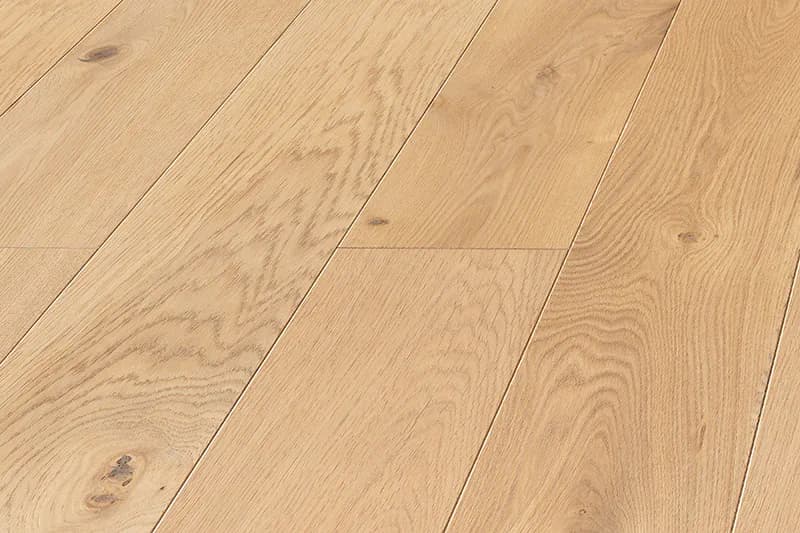

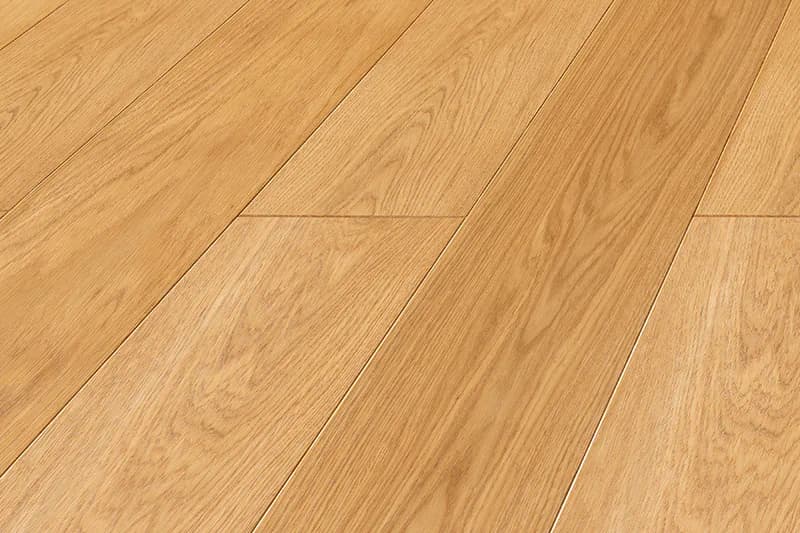

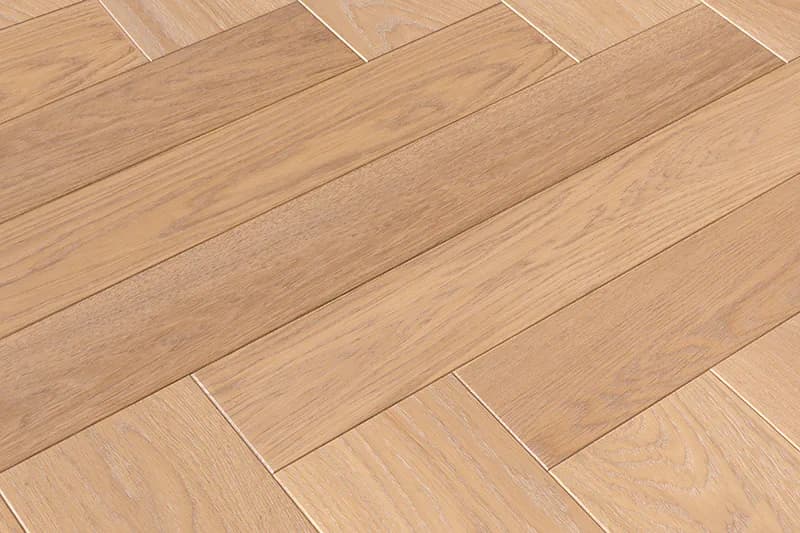

Children's room flooring is chosen a bit differently from flooring for a living room or home office. When a child sits on the floor, you soon notice the difference in how warm it feels underfoot and how well that surface copes with everyday play. In this category, the core of the range is still wood, mainly engineered boards, while vinyl and laminate flooring are more of an add-on for other practical needs. The final choice depends on the child's age, how you clean, the risk of spills, whether there's a desk on wheels, and the condition of the subfloor.
In practice, the choice here is mainly between wood flooring and some models from the vinyl and laminate flooring ranges. Wood is more often chosen for these rooms because it feels nicer underfoot, while in the vinyl and laminate groups people usually go for models suited to frequent cleaning or for the area by the balcony door. How it feels in the room also depends on the surface finish: oil usually lets you freshen up a mark locally, while lacquer makes everyday cleaning easier.
Sound levels here come less from the material itself and more from the way it’s installed and the underlay. A wood floor laid as a floating floor can sound louder underfoot, while vinyl with an acoustic underlay can simply be quieter. The flatness of the subfloor is assessed separately, because that affects the durability of the locking joints and how the boards behave, not the cleaning itself. Good examples in this category are KACZKAN BALTIC SKY, Lareco Oak Breeze Natur, World of Floors Estela 18 OA and FirmFit EW-2595 Texel.
In a child's room, the floor takes more point impacts from hard objects than steady foot traffic. Blocks, cars and figures leave isolated marks mainly in the play area, and under a desk chair on castors, scratches appear faster than in the middle of the room. That’s why what you notice about the floor depends not just on the design, but also on how the surface reacts to small, repeated knocks.
Spilt drinks and a large foam mat or rug are a separate issue. A spill acts locally and keeps moisture near the joins for longer than normal damp cleaning. A covered section of the floor also wears differently from an exposed one, so the area by the door and by the desk usually picks up more marks.
How easy it is to clean and how well it resists damage mainly depends on the surface finish, and on whether any mark can be repaired locally. Brushed surfaces and bevels hide everyday scratches better, but they hold on to more dust than a smoother board. A smoother surface shows marks in the light more quickly, but it's also quicker and easier to wipe down after everyday play.
Wear usually isn’t spread evenly across the whole room. Under furniture without felt pads, marks appear from moving things around, and near the entrance a lot depends on the mat, which traps dust and grit brought in on shoes. For everyday care, damp cleaning works better than wet cleaning, because it doesn’t leave water on the floor.