


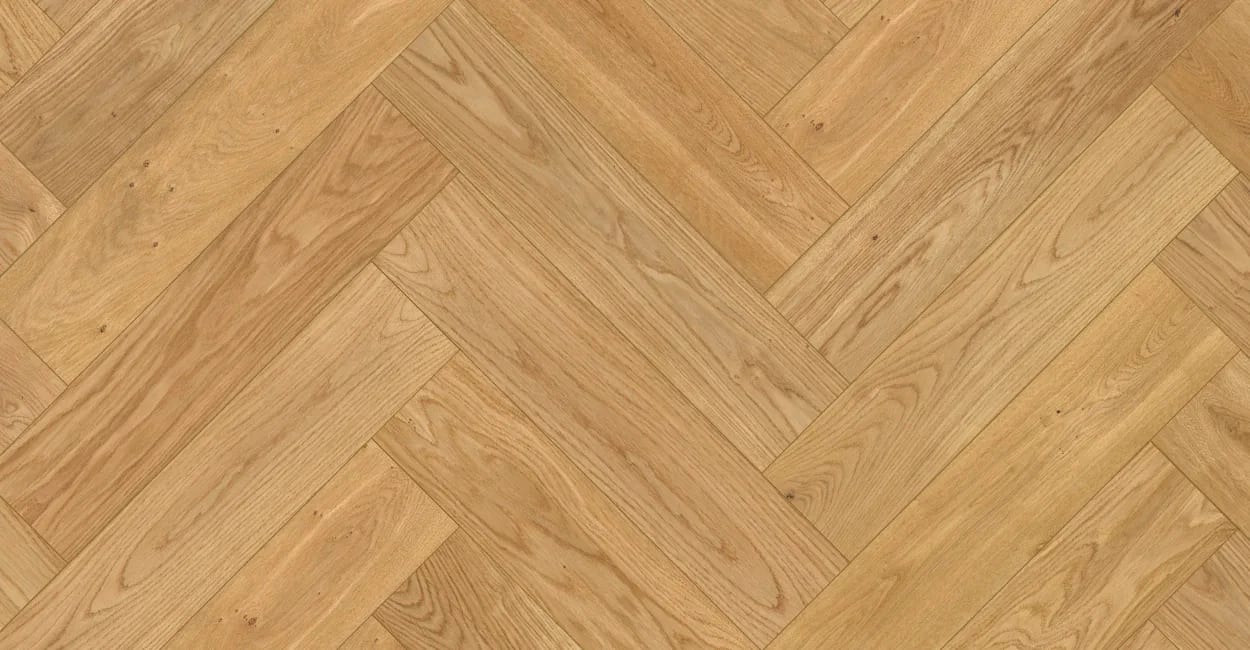
Oak Amber Rustic
LarecoParquet
Dining room flooring includes oak parquet and boards from KACZKAN and Lareco, and about one in four models is vinyl or laminate flooring. Chairs slide across the floor at every meal, so a tough lacquered finish and felt pads under the legs are the winners. Brushed oak hides small scratches better than a smooth board. If the dining room flows into a kitchen area, choose one material for the whole space or plan a transition strip where the finish changes.

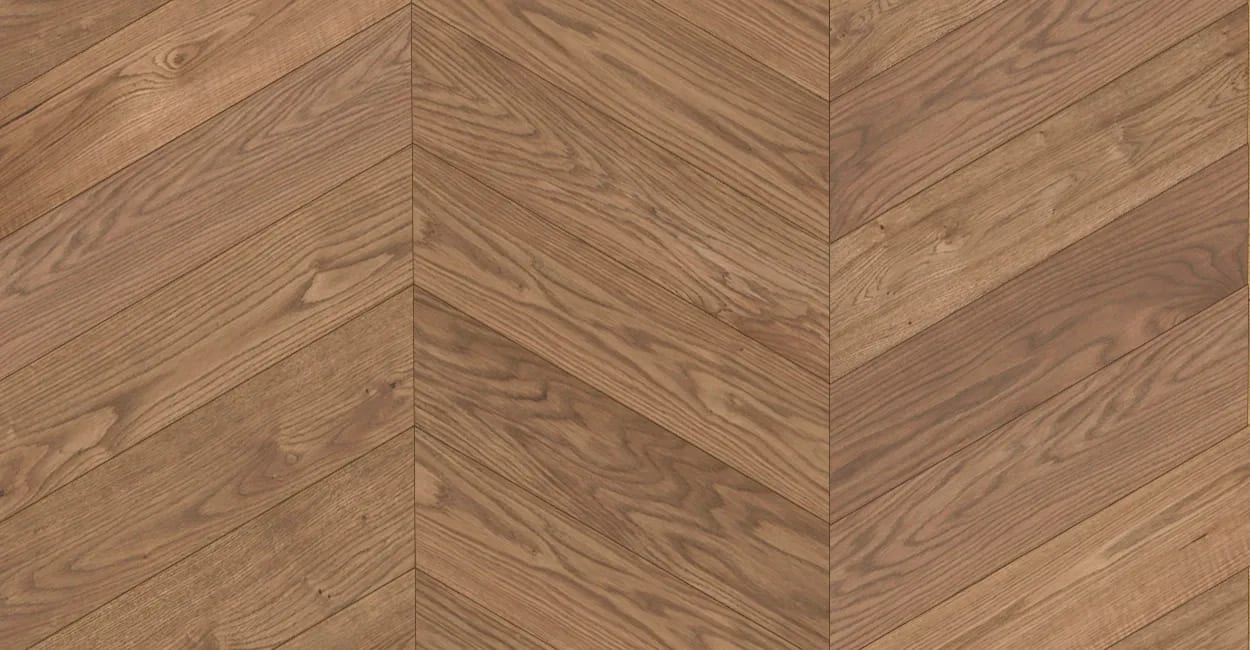

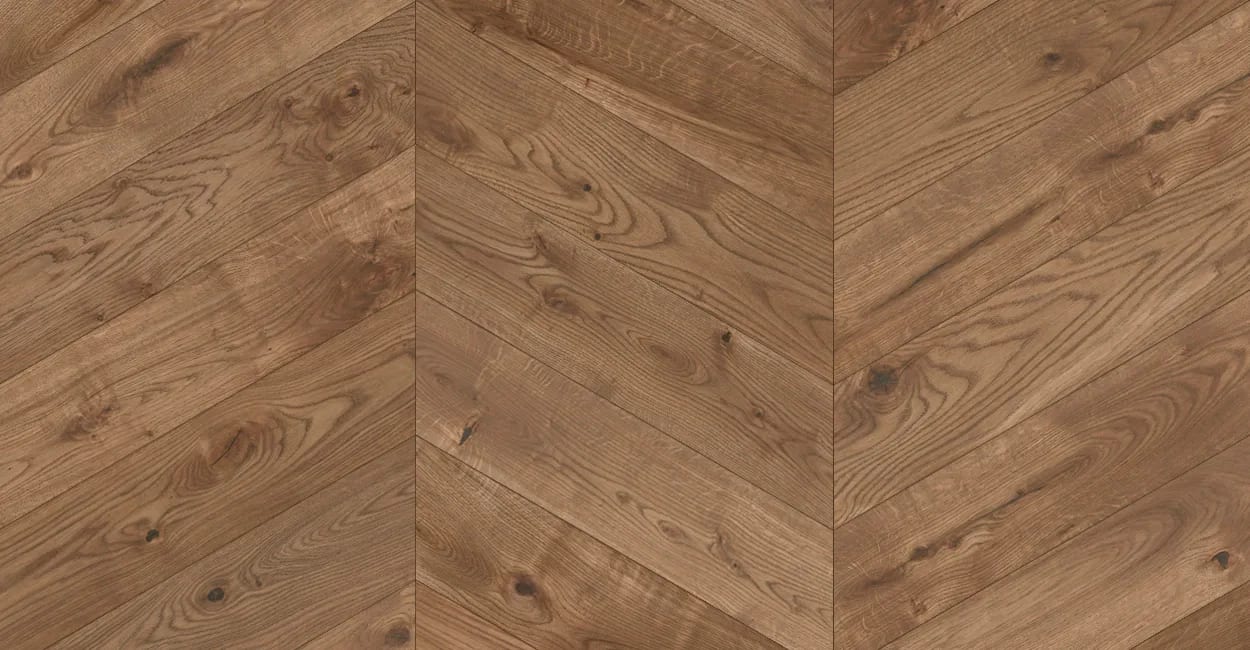

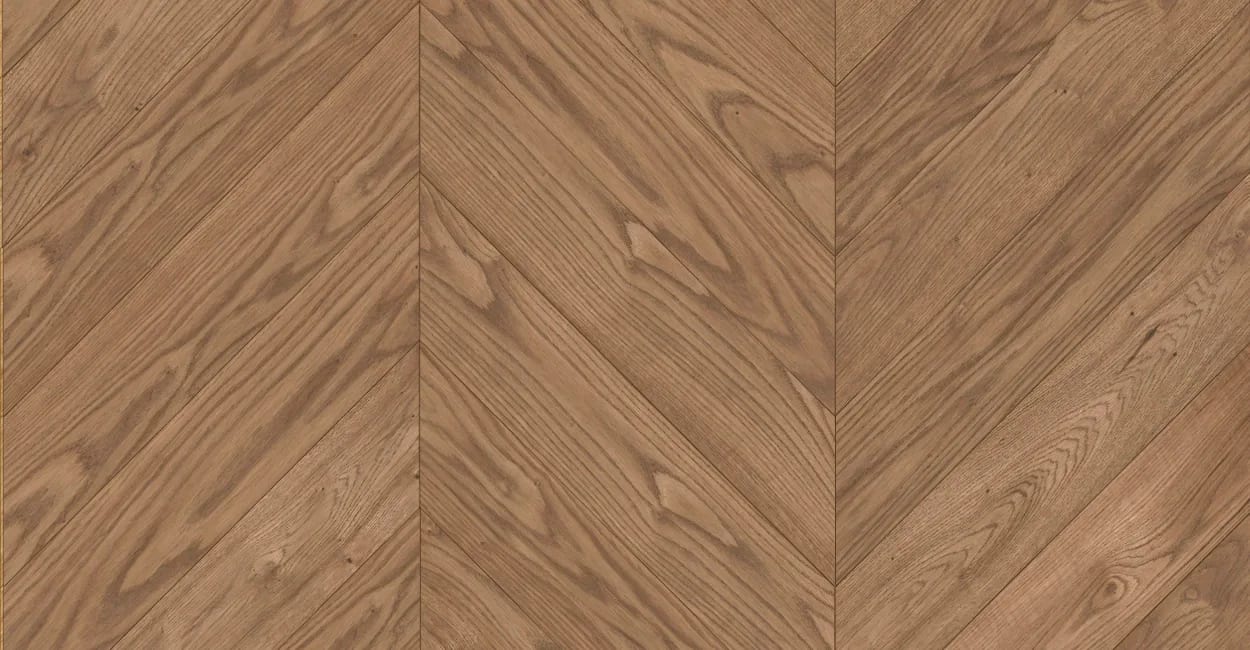

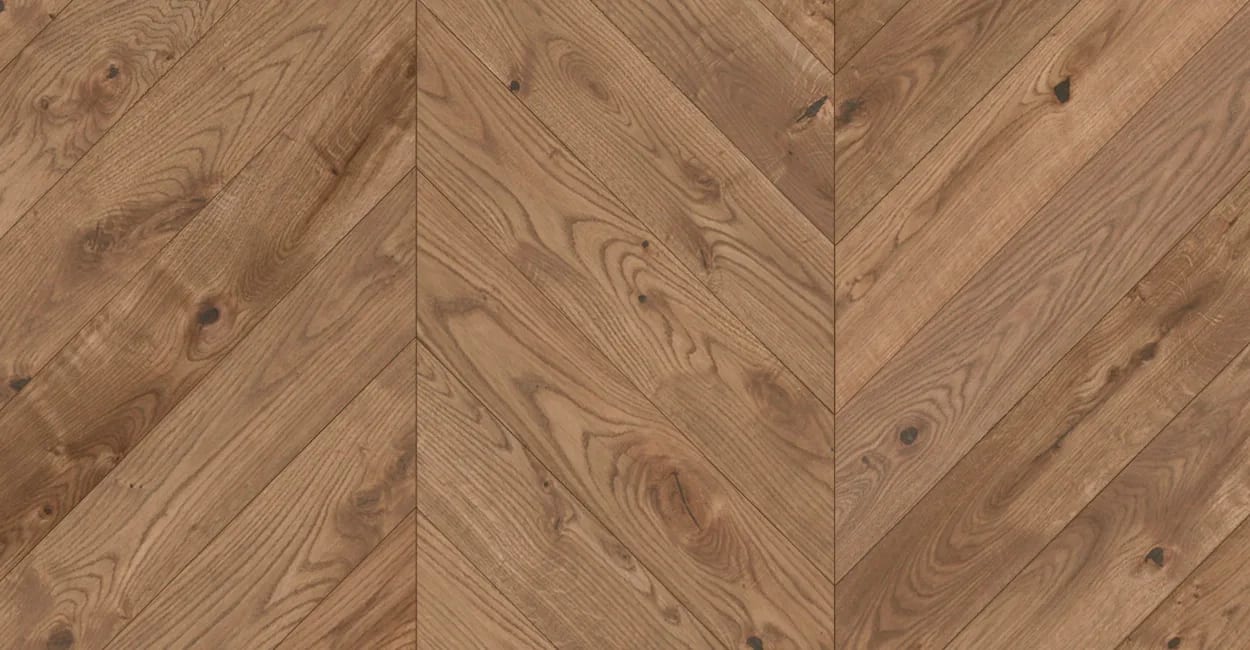

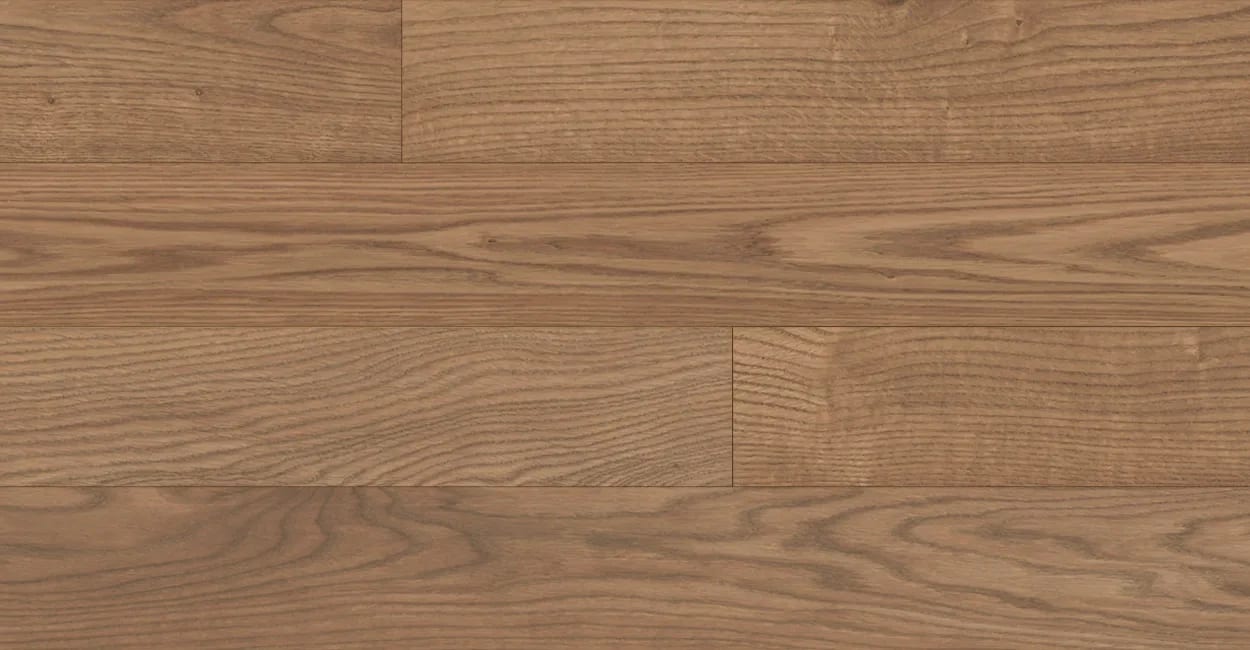

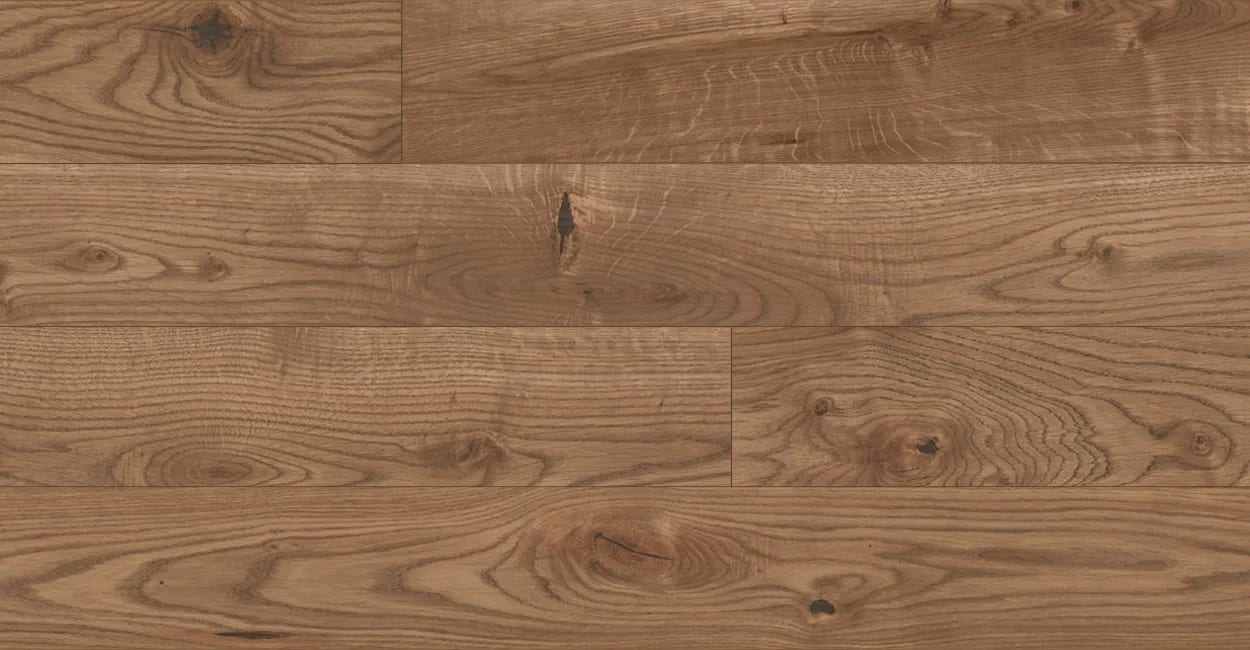

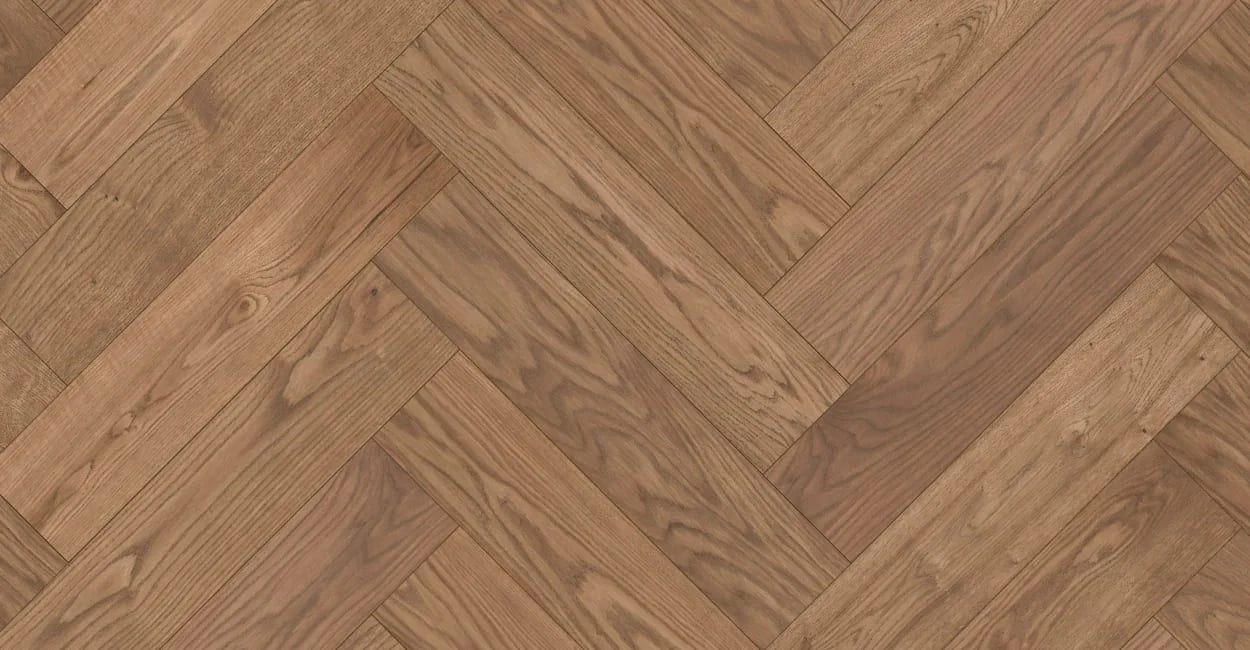

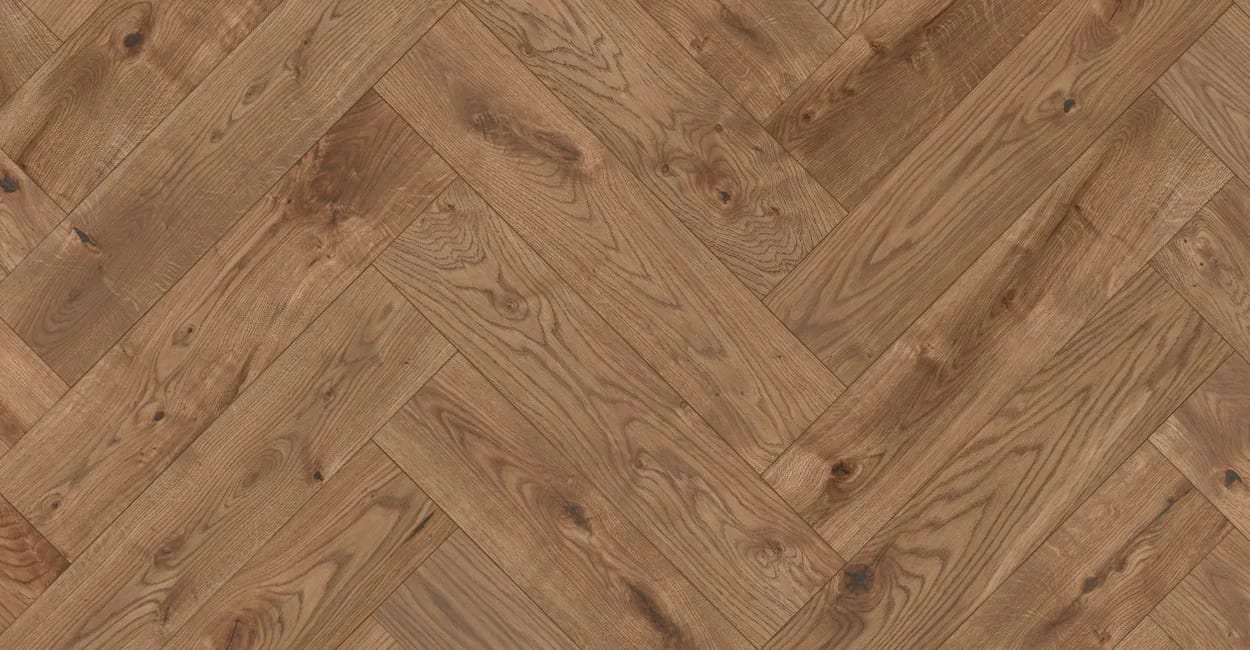

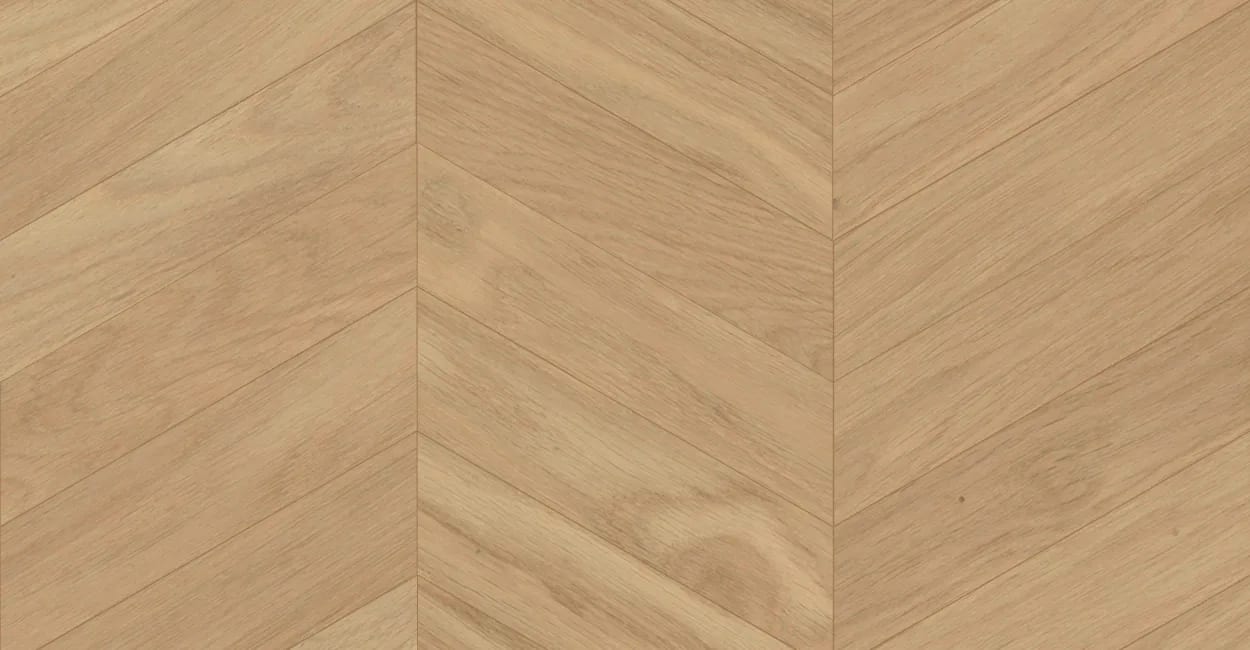

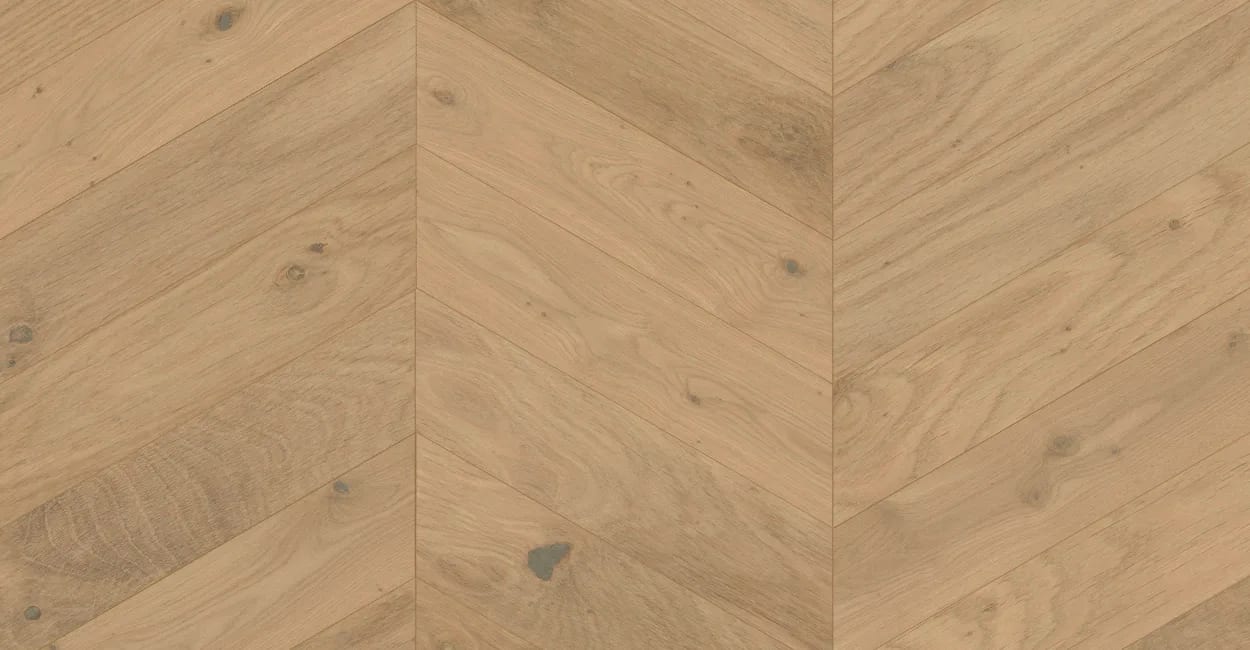

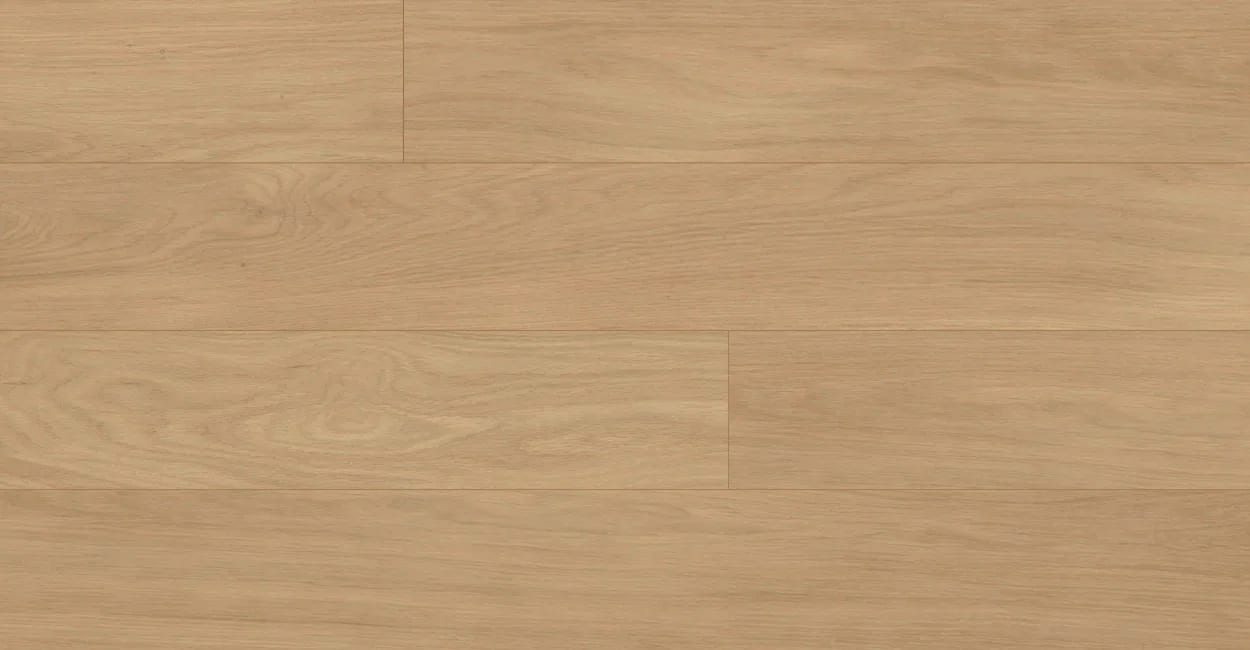

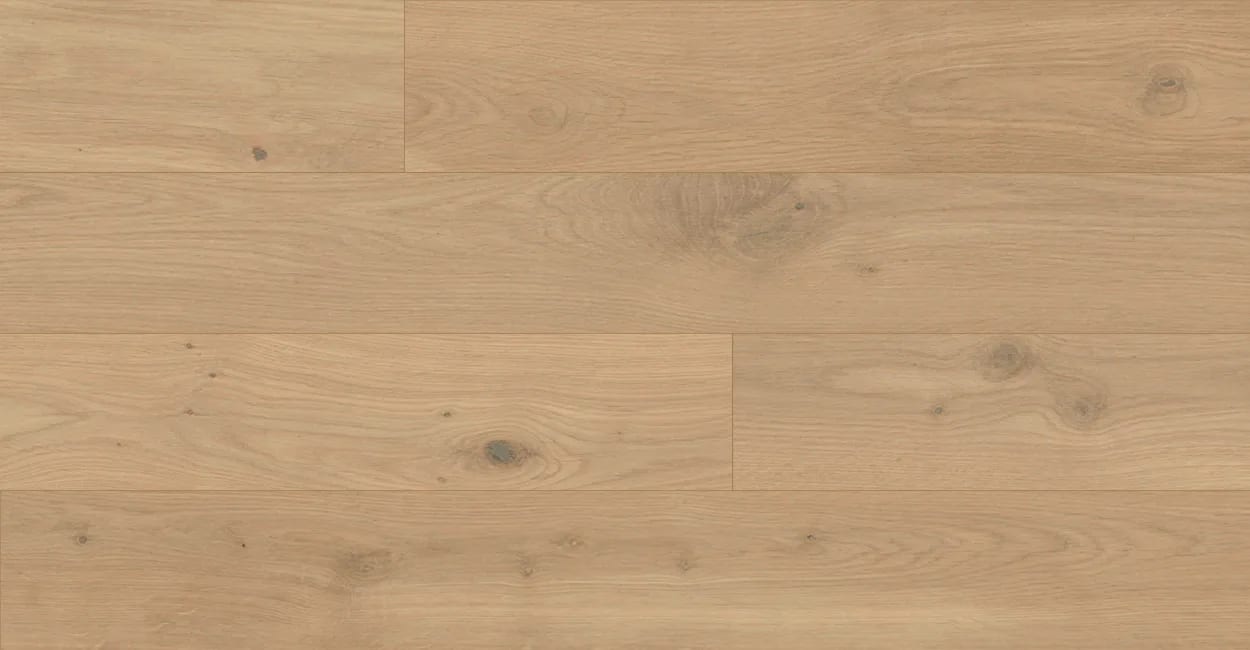


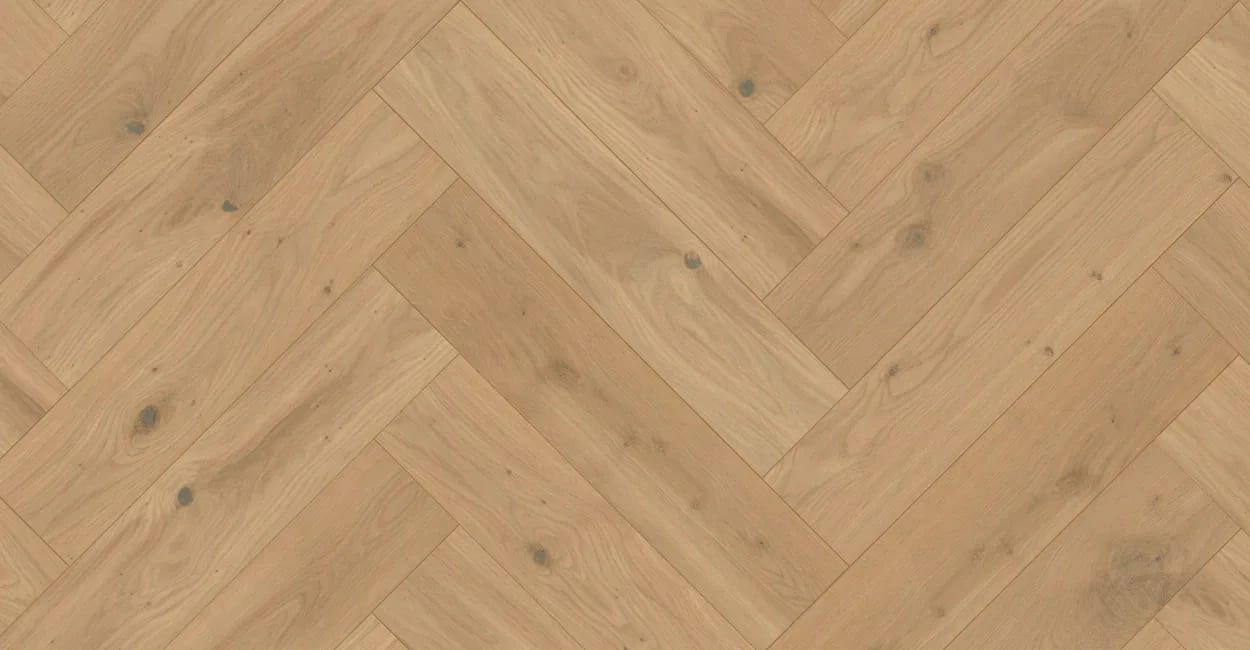

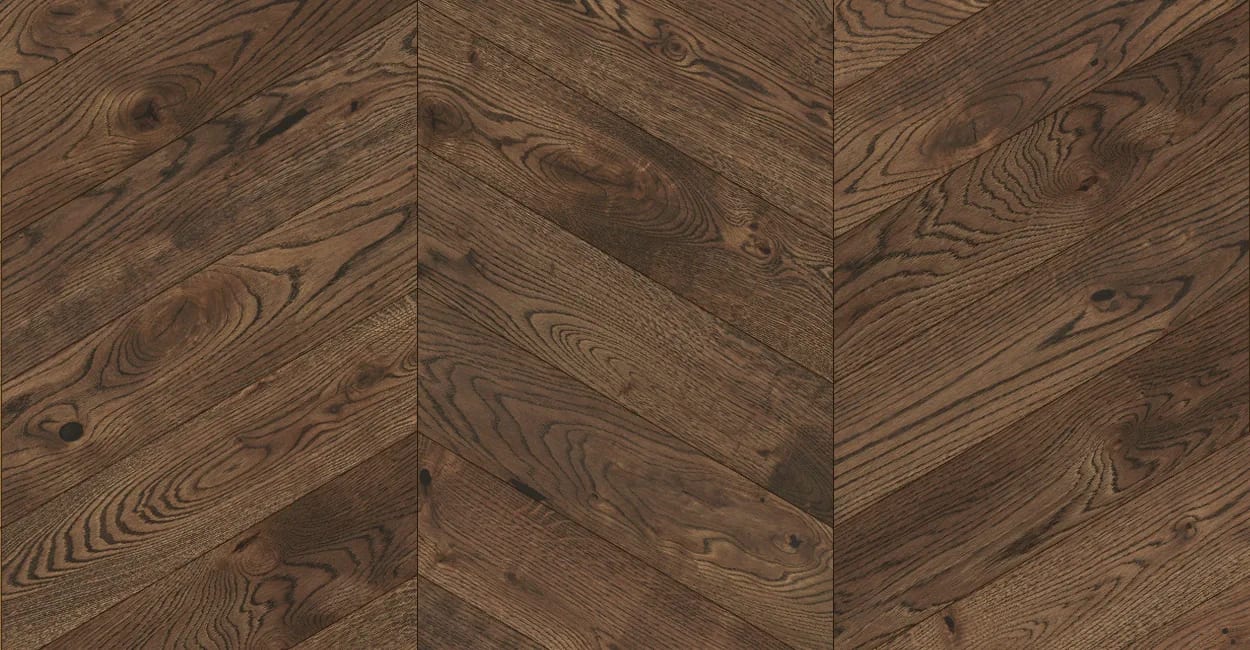

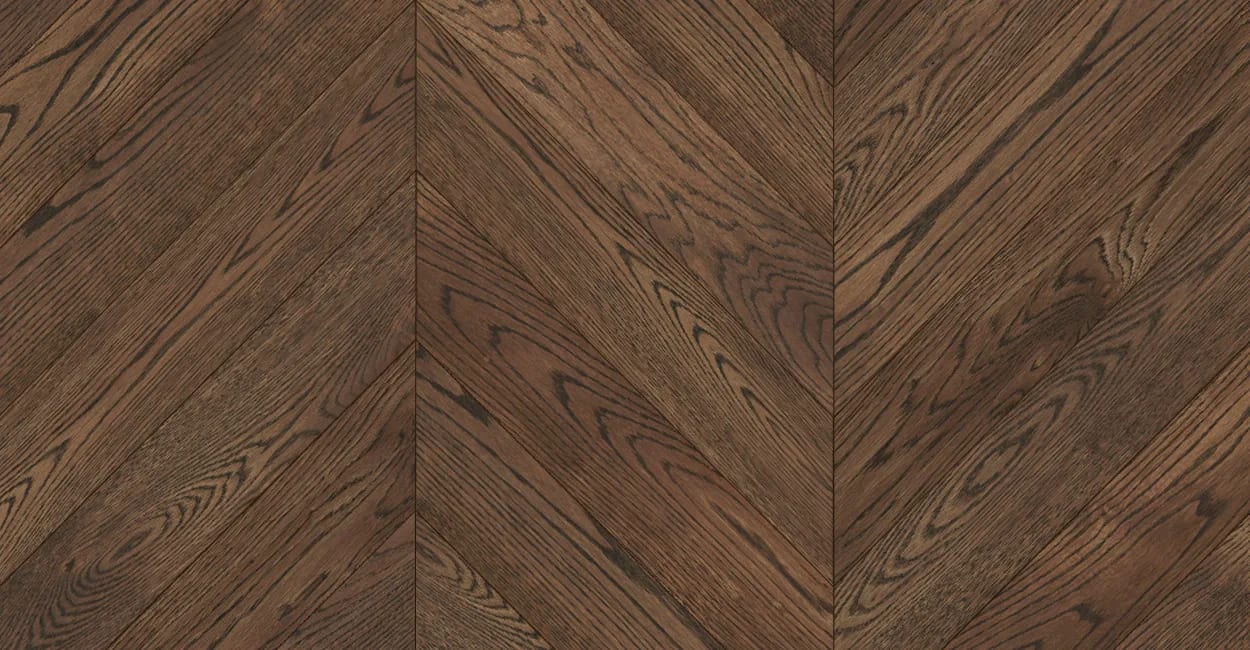

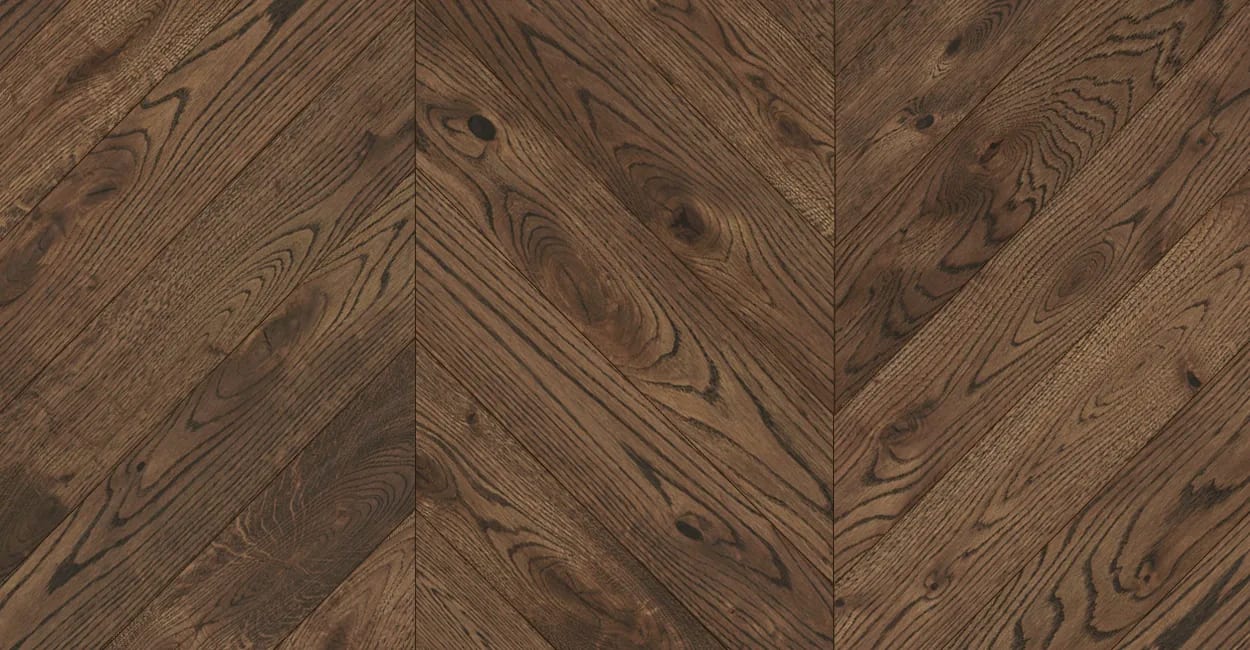

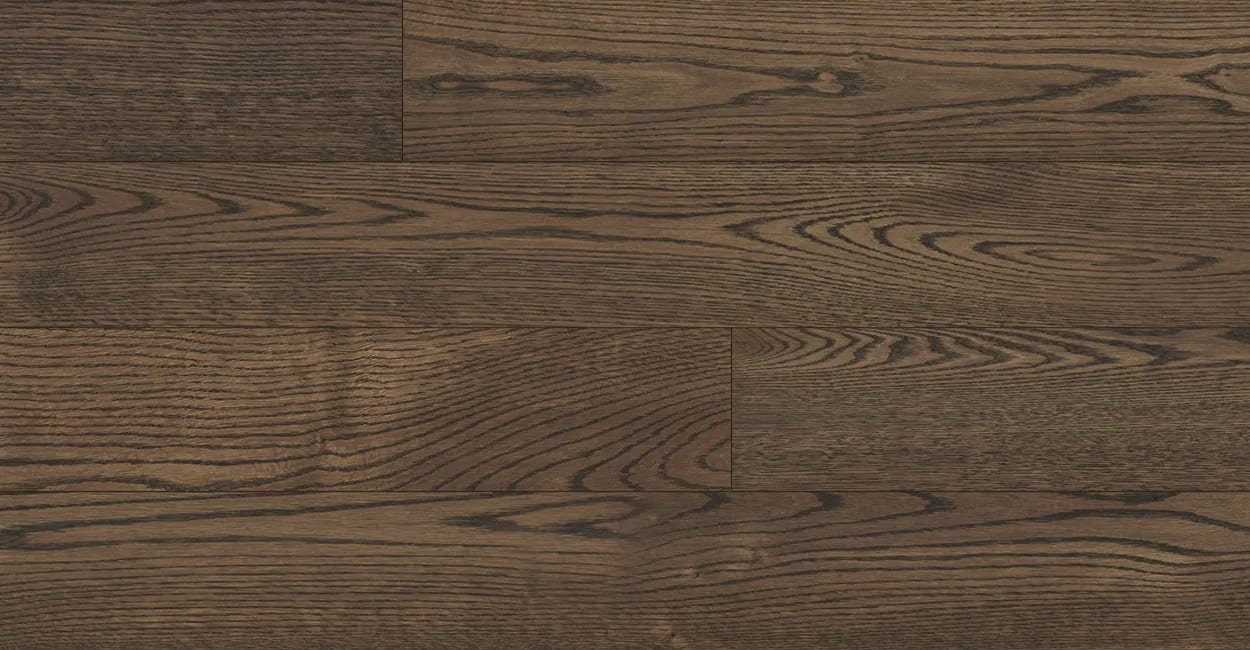

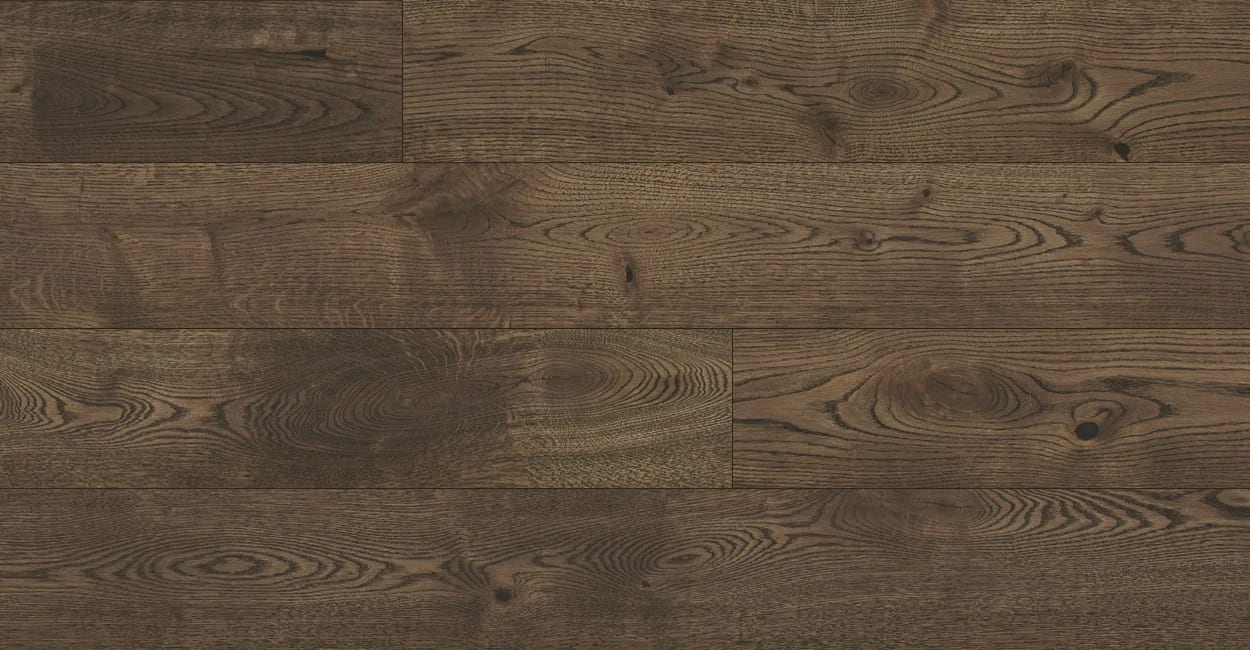

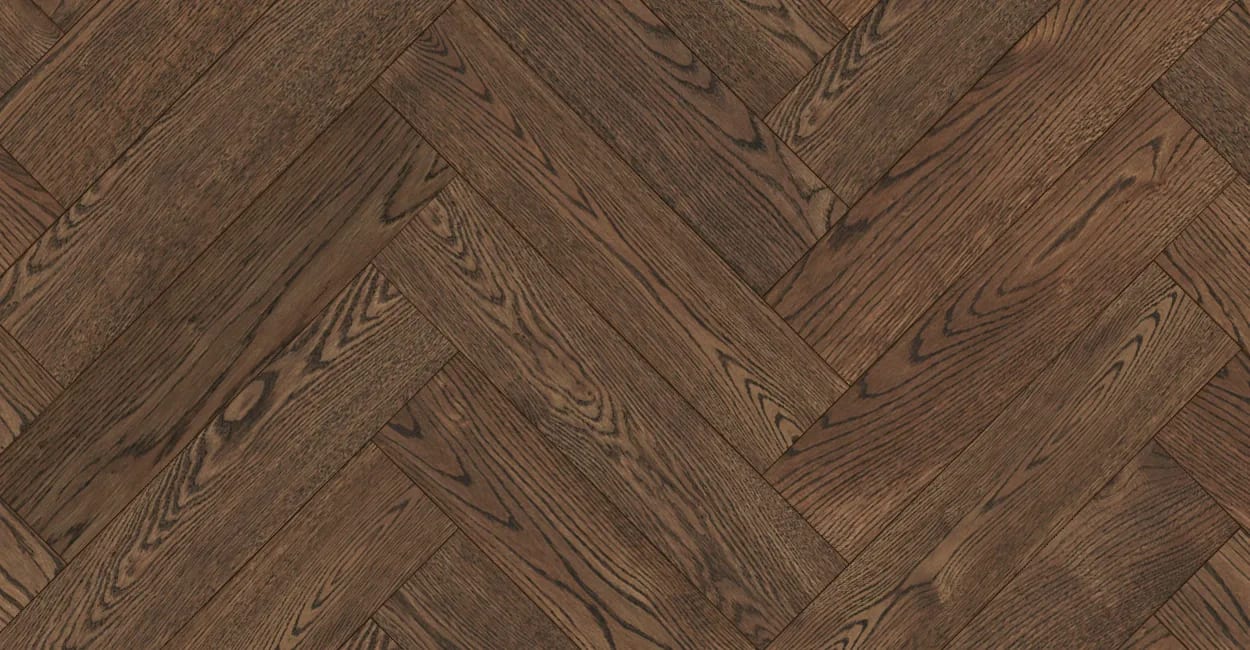

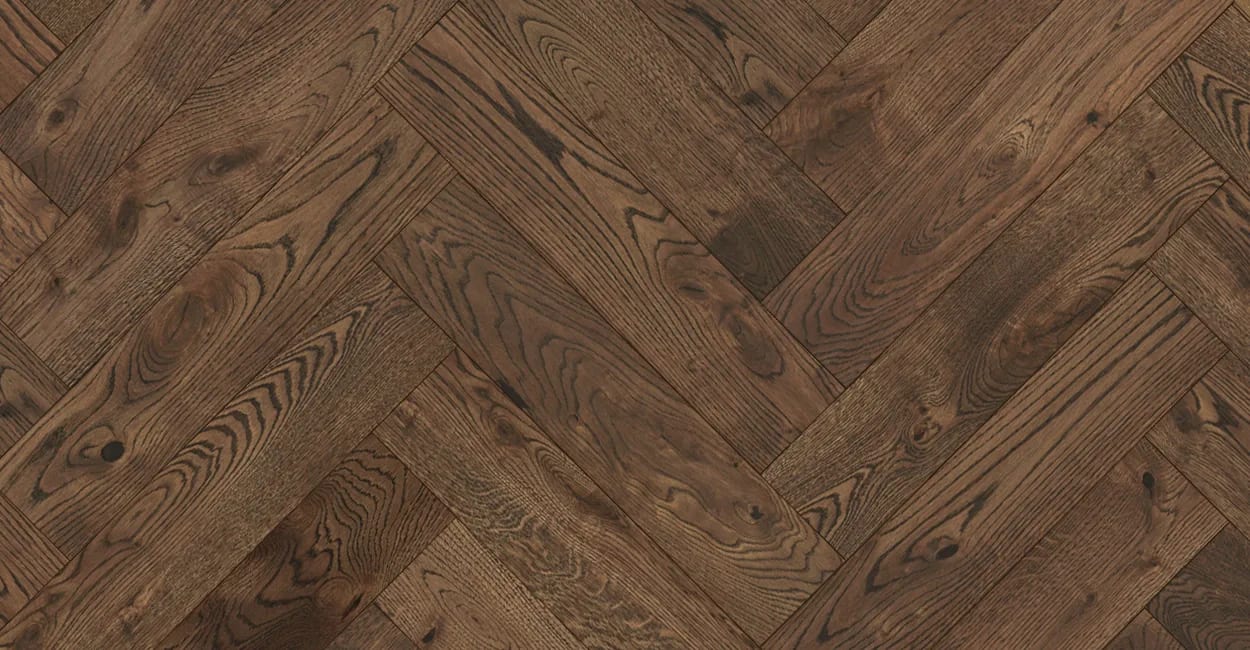

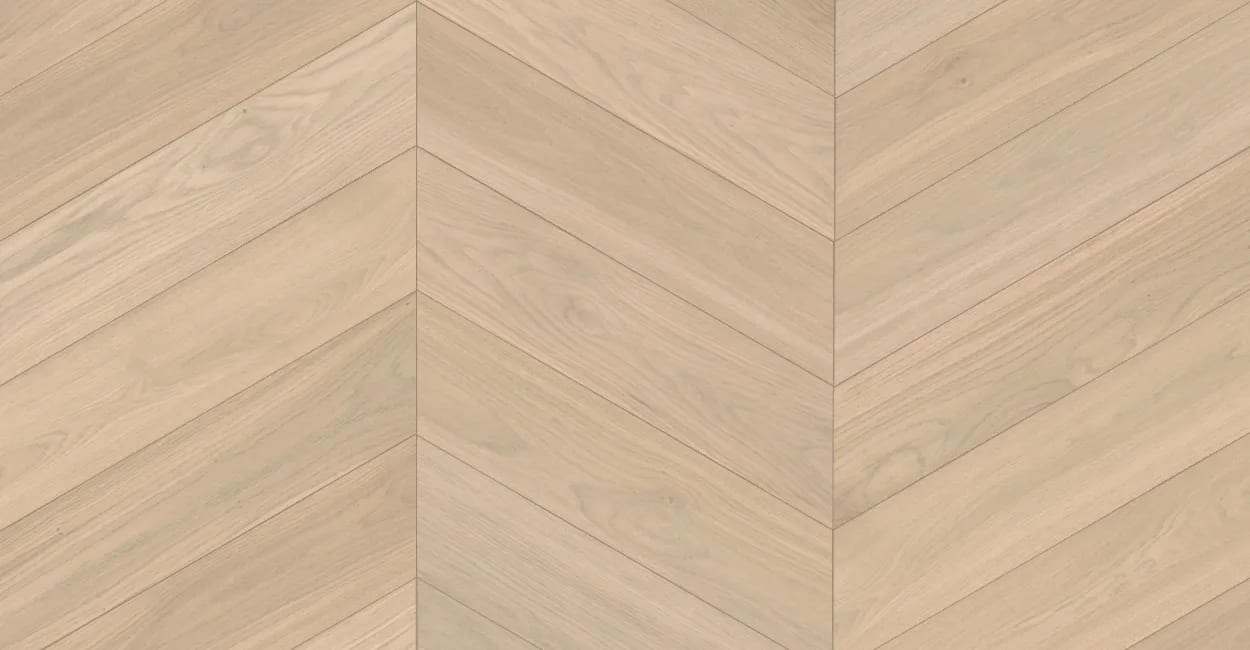

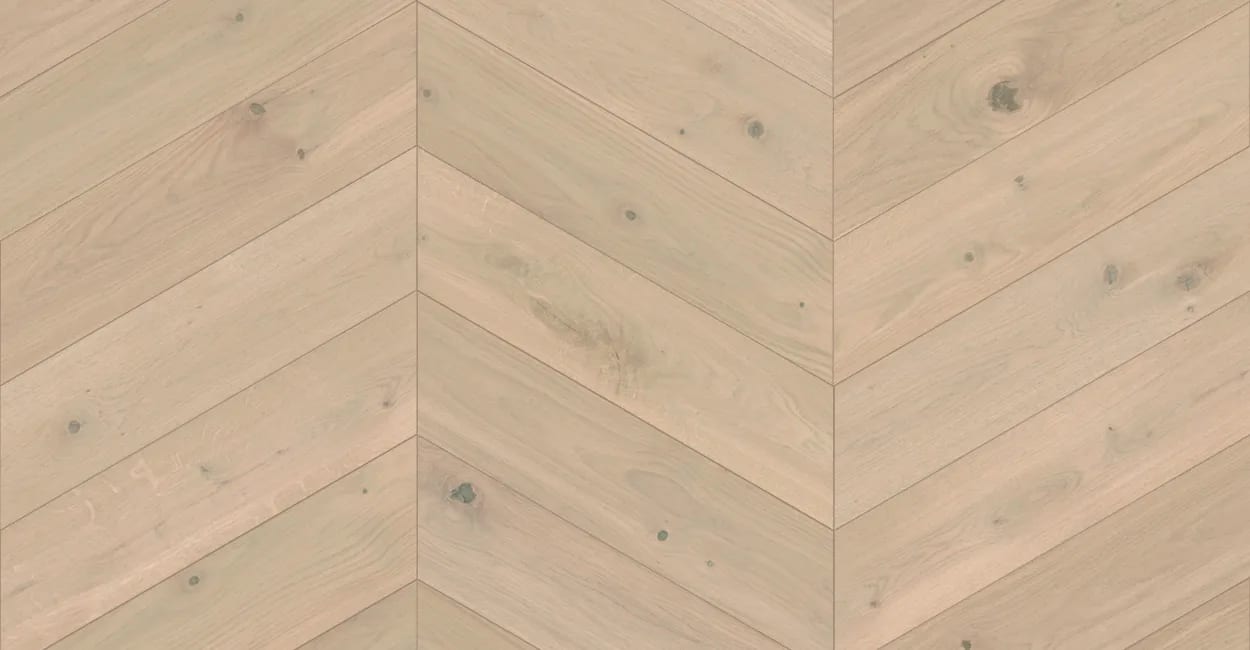
Dining room flooring usually gets worked harder than bedroom flooring, because it comes into daily contact with chairs, crumbs and frequent cleaning. If the table’s near the kitchen or a patio door, small scratches and water marks soon start to show up. In this category you’ll find parquet and wood floors, complemented by selected vinyl and laminate floors, plus the odd model from the laminate flooring range.
In a dining room, it’s not just the colour of the boards that matters, but also how the surface stands up to chairs being pulled out and regular cleaning. On very dark and smooth decors, dust, streaks and tiny marks show up sooner, especially in strong side light. Brushing and a light bevel — that is, a slight edge chamfer — hide everyday wear better, although crumbs can collect along the edges.
The range includes, among others, Baltic Seaside by KACZKAN, Oak Sierra Natur by Lareco, Cava 42 by World of Floors and Oak Cavaillon by Arbiton. This spread gives a good picture of the category: parquet and wood floors dominate, with vinyl and laminate models from FirmFit and Arbiton making up the rest (26% of the range). With frequent cleaning, the key thing is the surface itself: everyday dirt is usually easier to remove from a more sealed lacquered or vinyl surface. For some vinyl and laminate models, you should check the stated moisture resistance and the manufacturer’s cleaning advice.
When choosing flooring for a dining room, the finish, the way the boards join together and how it copes with chairs being moved around every day all matter. In this area, a more sealed surface usually gives up food stains and cleaning marks more quickly. With many wood floors, the option to refinish them later depends on the construction and wear layer of the specific model.
Before you decide, compare a few practical points:
If the dining room is busy all day, the finish and installation often matter more for comfort than the board pattern itself.
With a heavy table and chairs being pulled out every day, the real-world result depends on a level subfloor, properly made expansion gaps and felt pads under the legs. In an open-plan living area, the same material laid over a larger surface will also show level differences and installation mistakes more quickly.
The finish around built-in furniture and at transitions matters too: blocked movement of the floor, meaning its natural expansion and contraction is restricted, or a poorly done joint shows up faster under the weight of a table and with chairs moving around. In this category, most models are suitable for underfloor heating, in line with the manufacturer’s advice.