


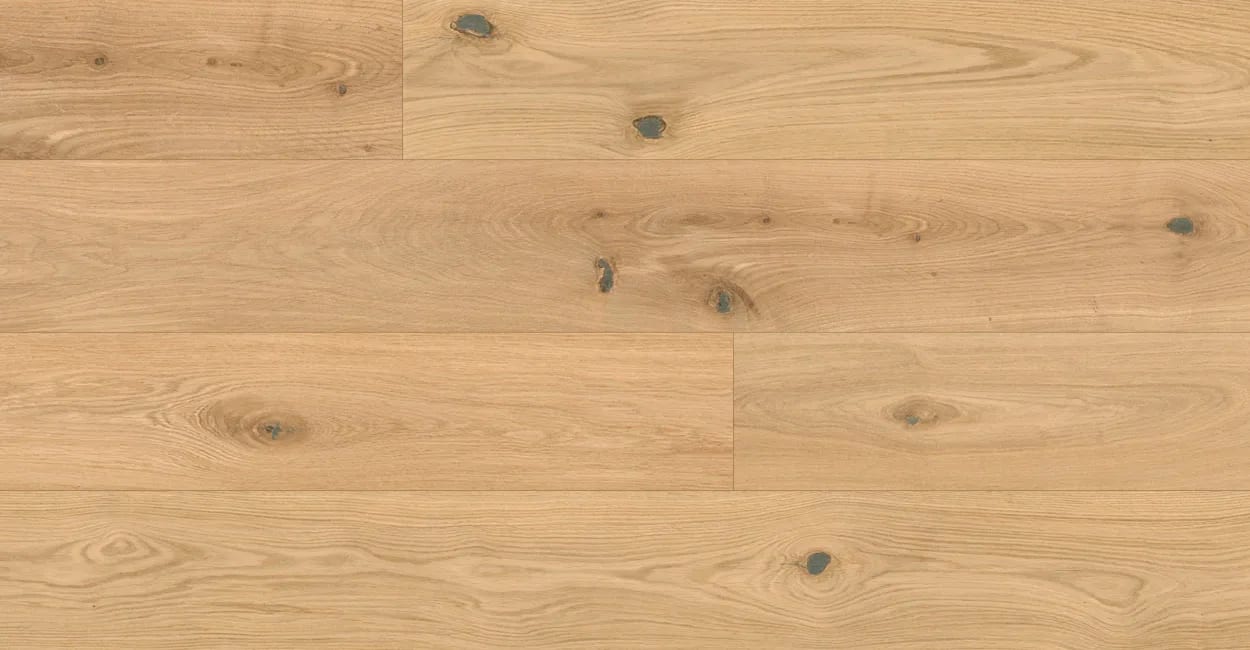
Oak Sand Rustic
LarecoWood floors
Dressing room flooring in this category is almost entirely oak parquet and boards, mainly in light shades, with a small addition of vinyl flooring. There isn’t much foot traffic here, so instead of abrasion resistance, what matters is how stable the board is under the constant weight of wardrobes. Light oak brightens a room without a window and shows dust less than a dark board. Before ordering wardrobes, agree whether the floor should go under the fitted units or finish at the plinth, because that affects the expansion gap.






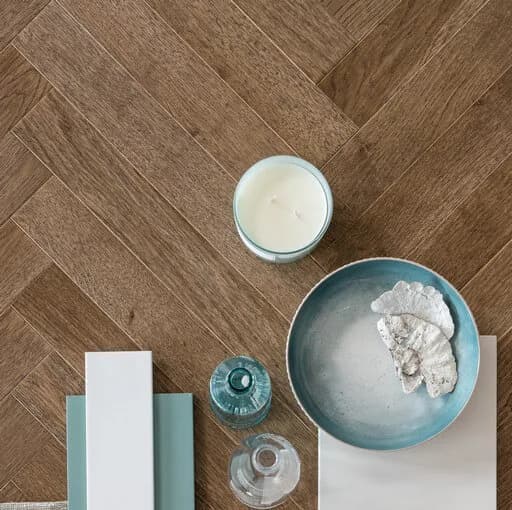

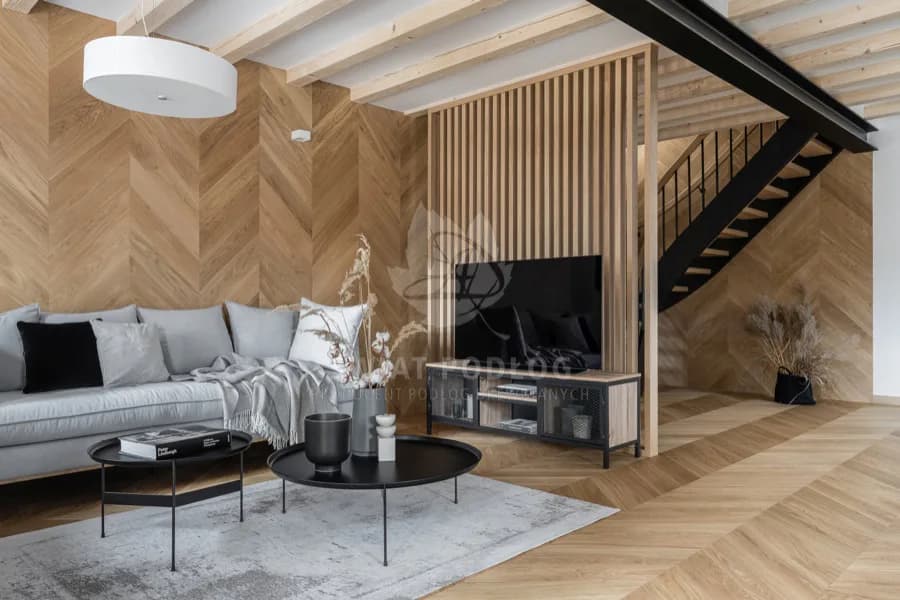
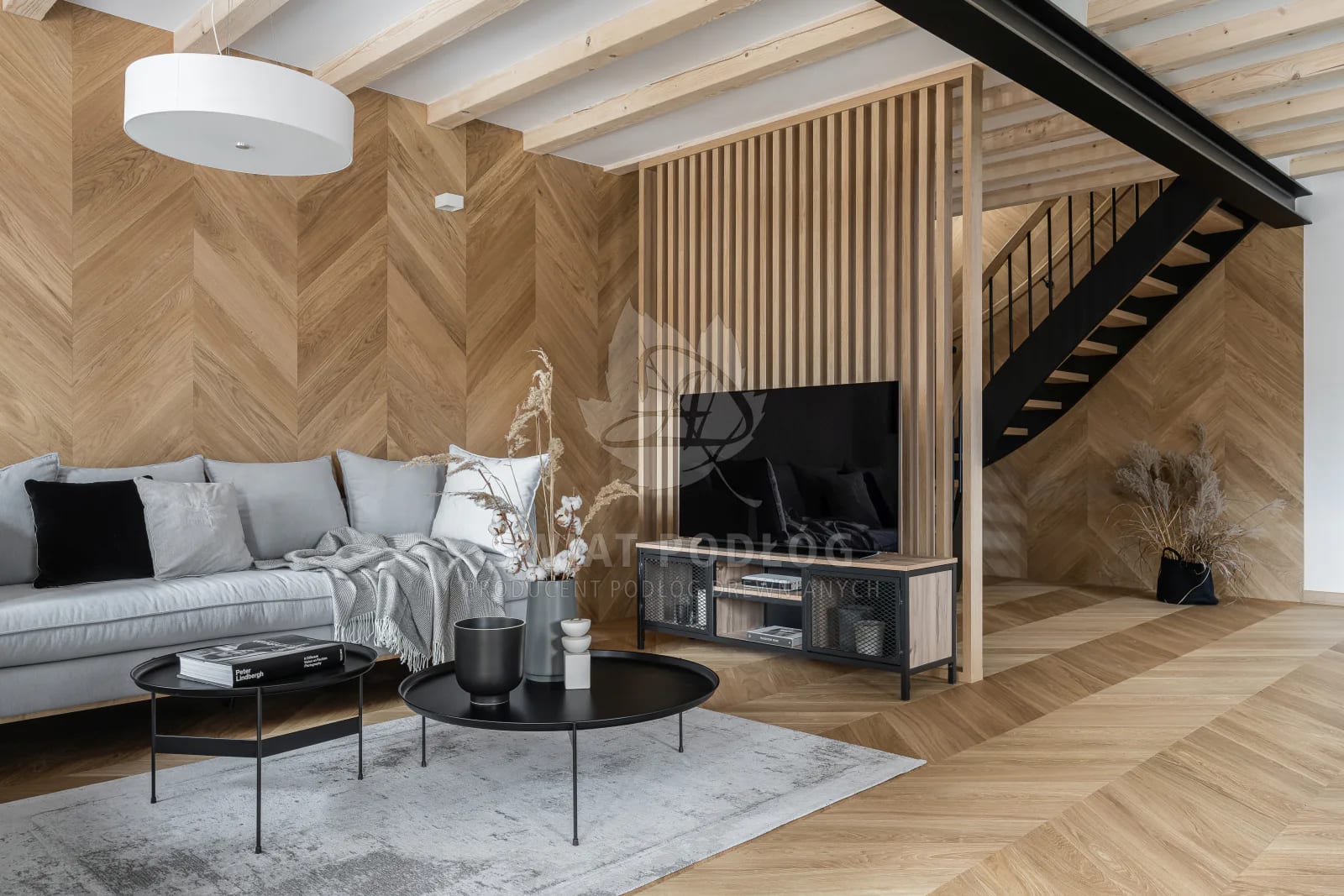
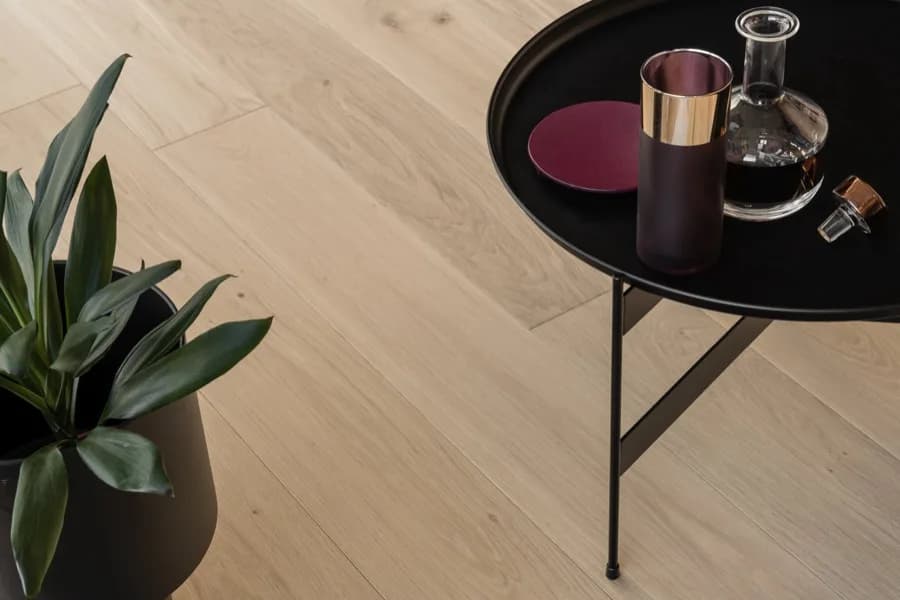
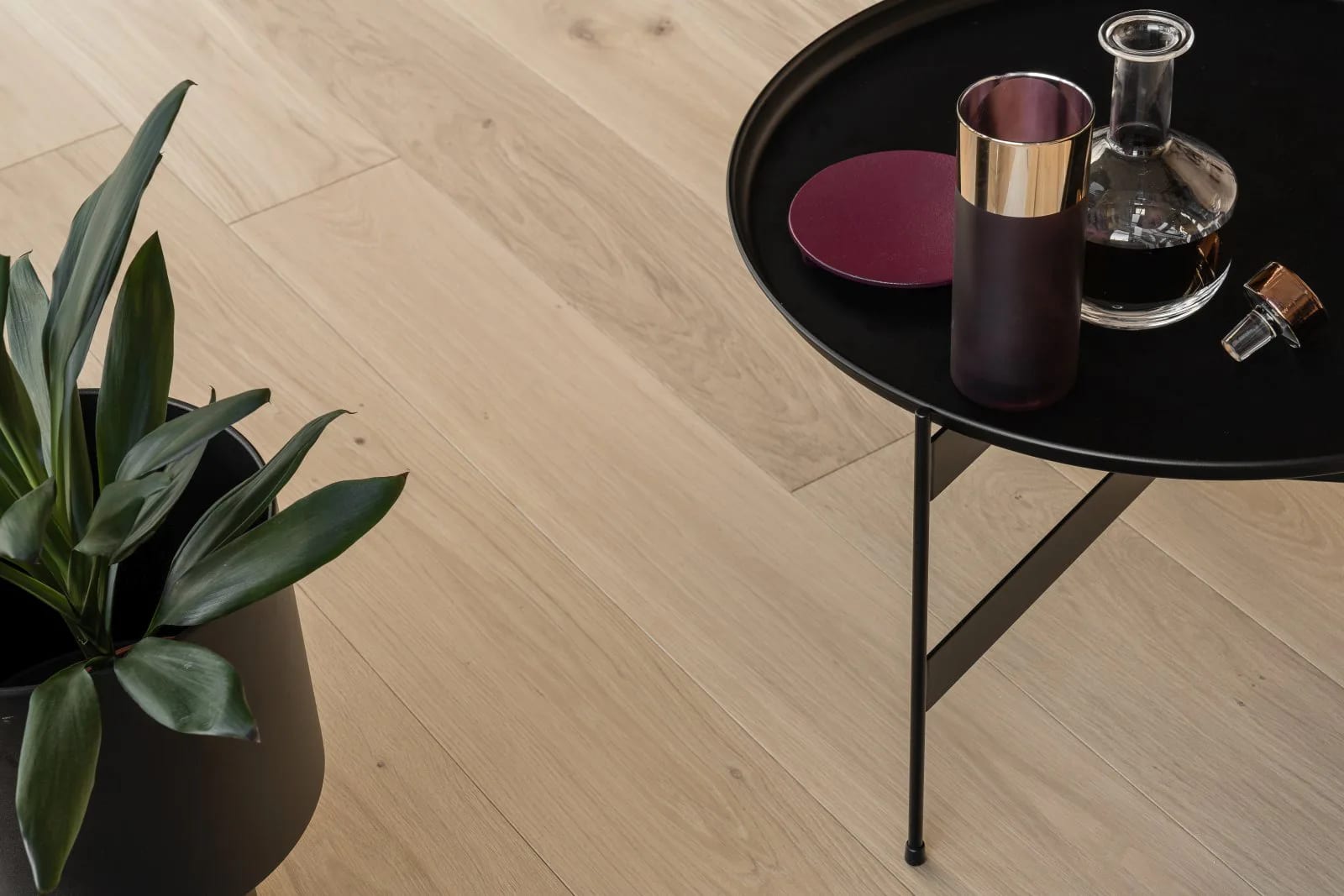

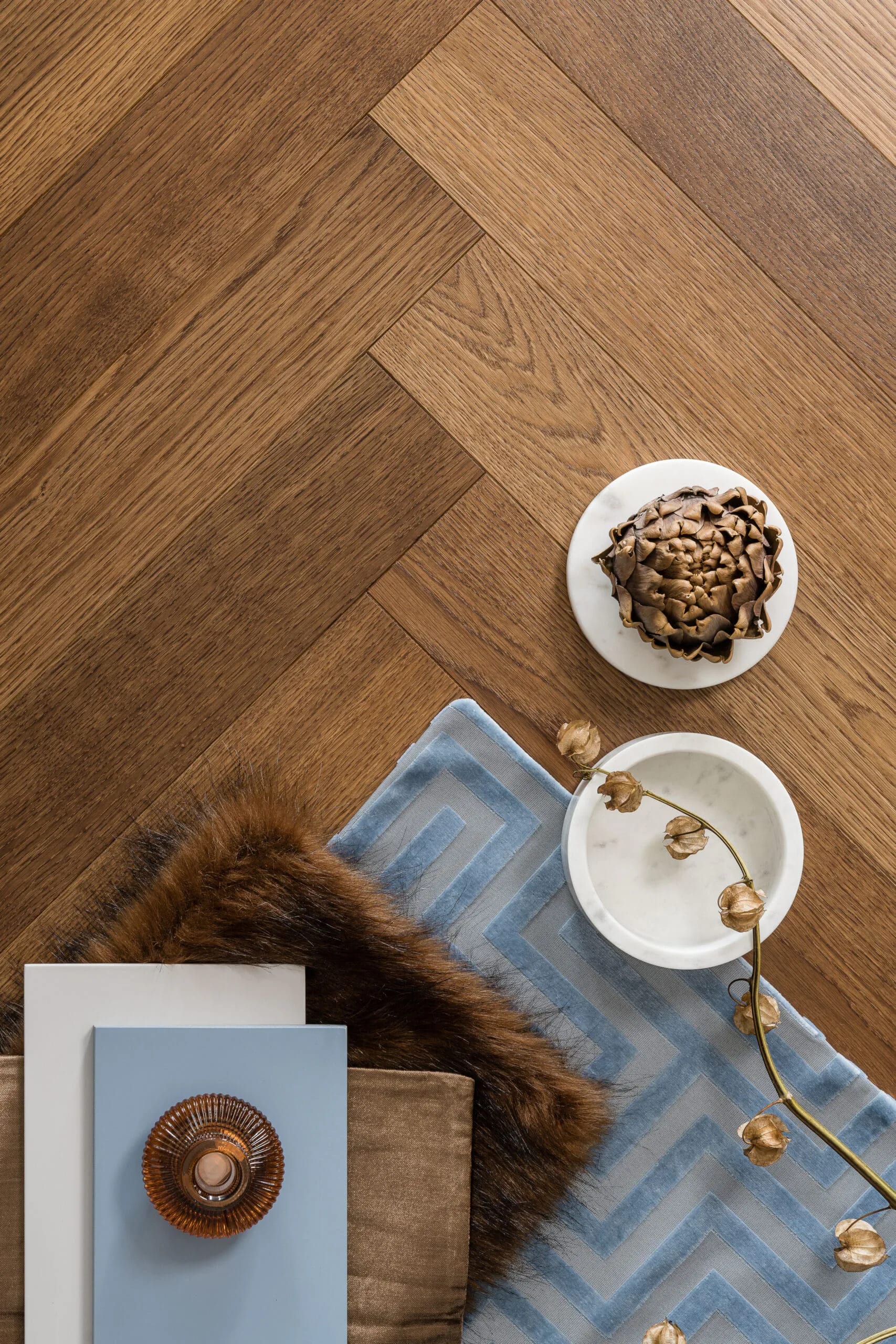

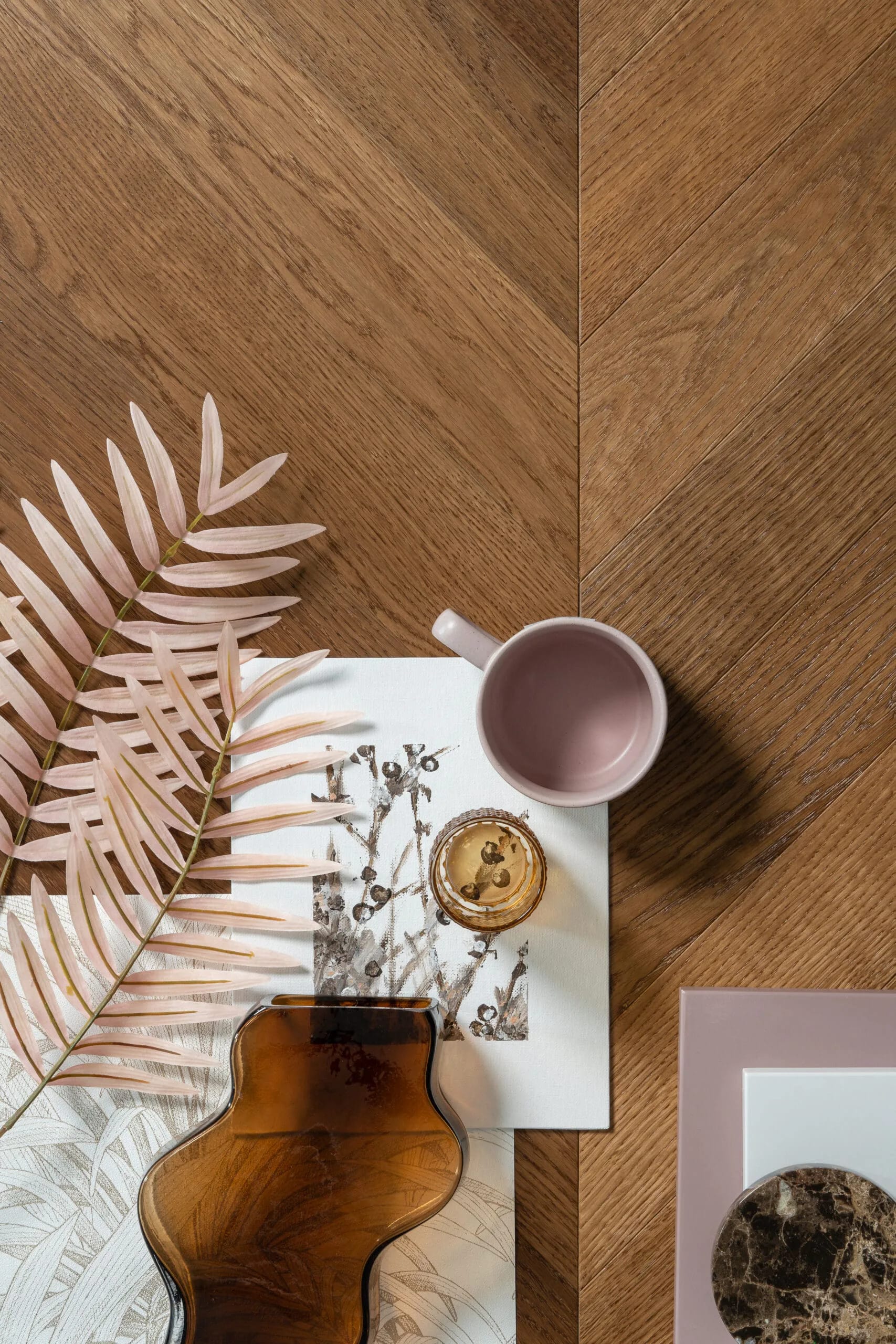

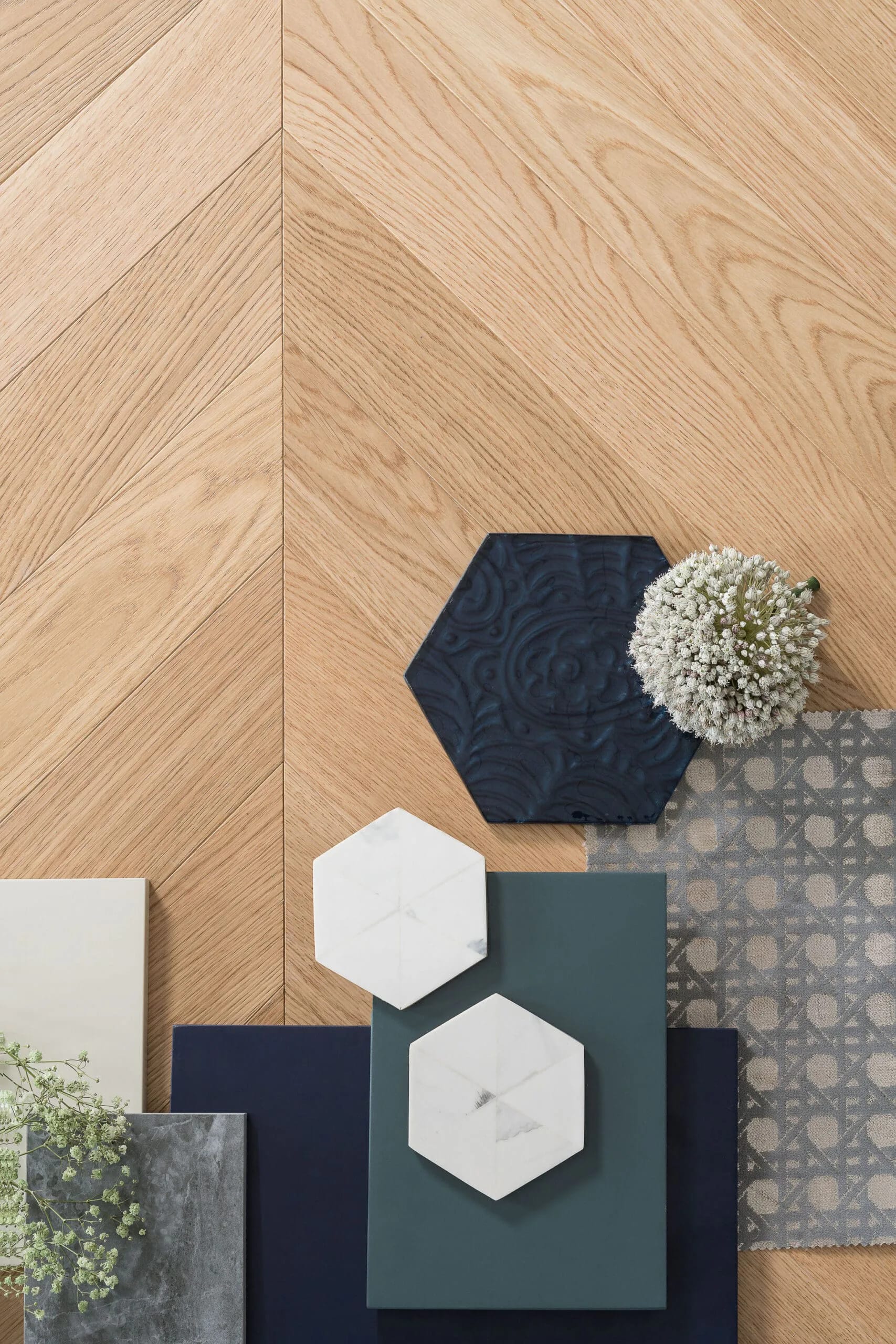

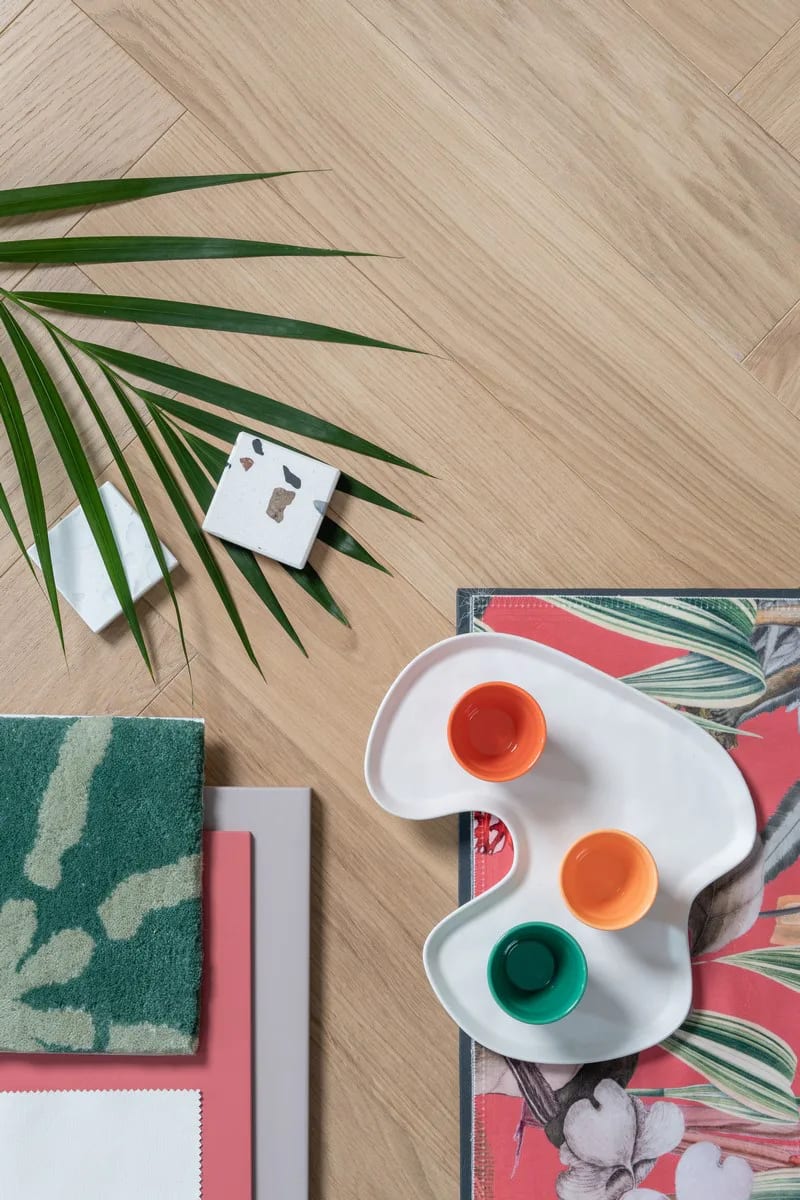

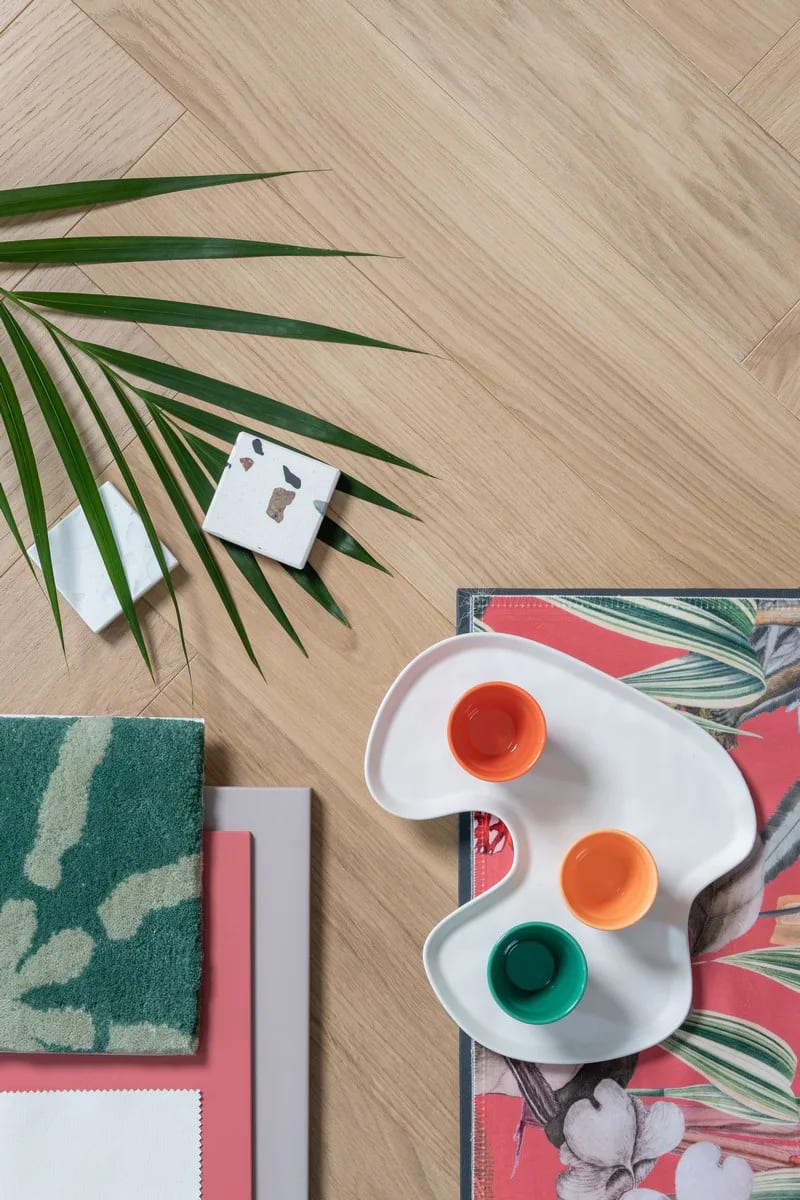

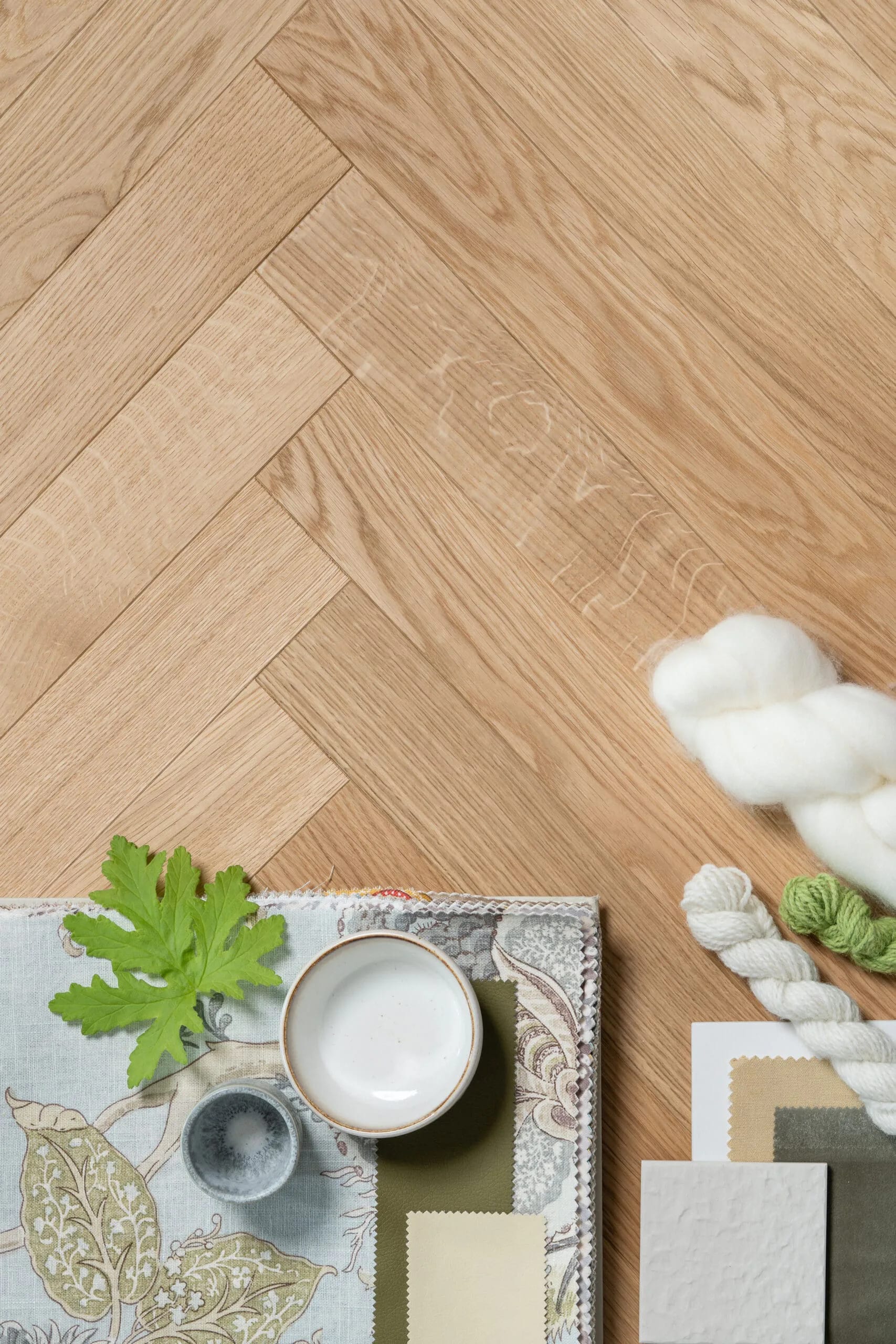

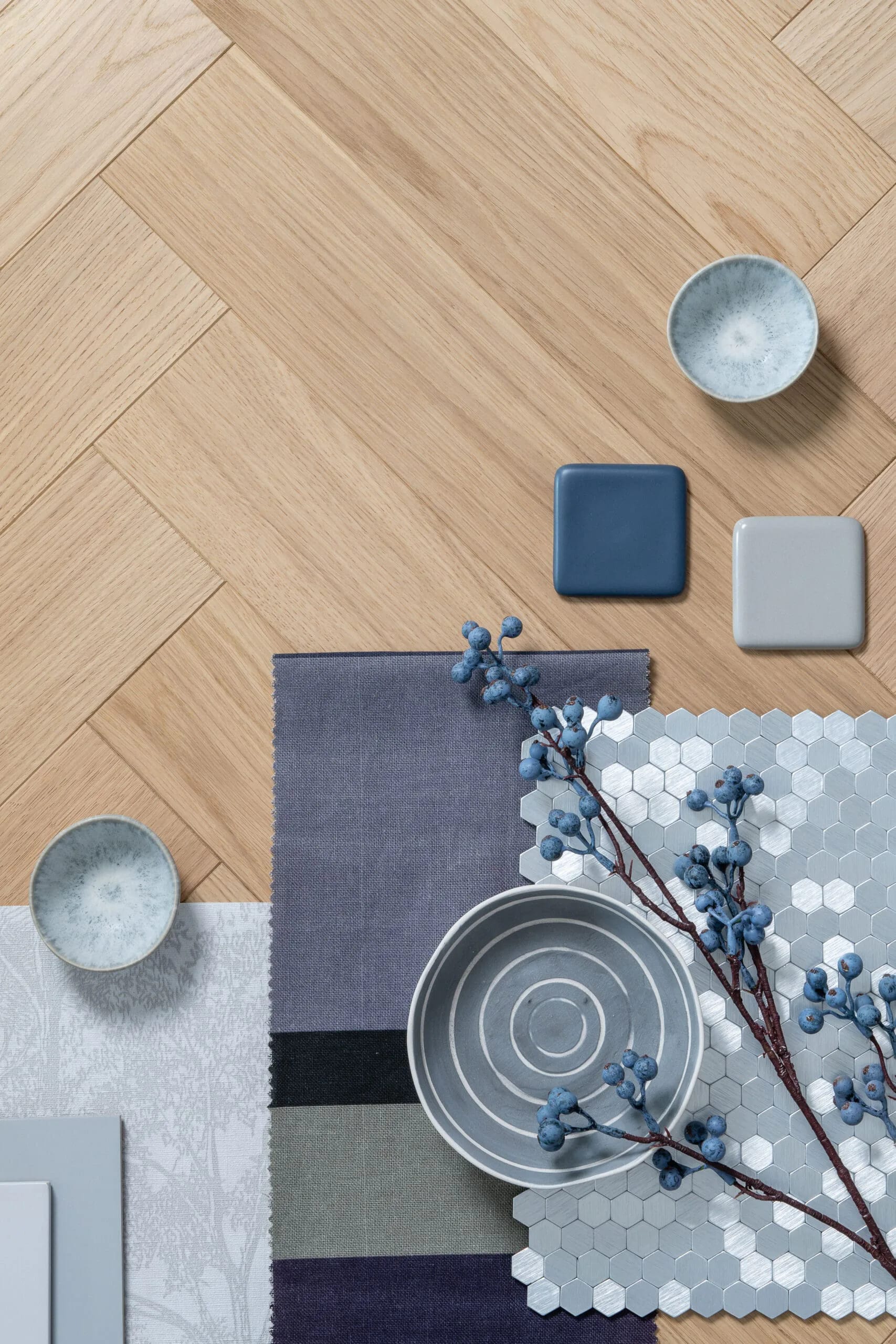

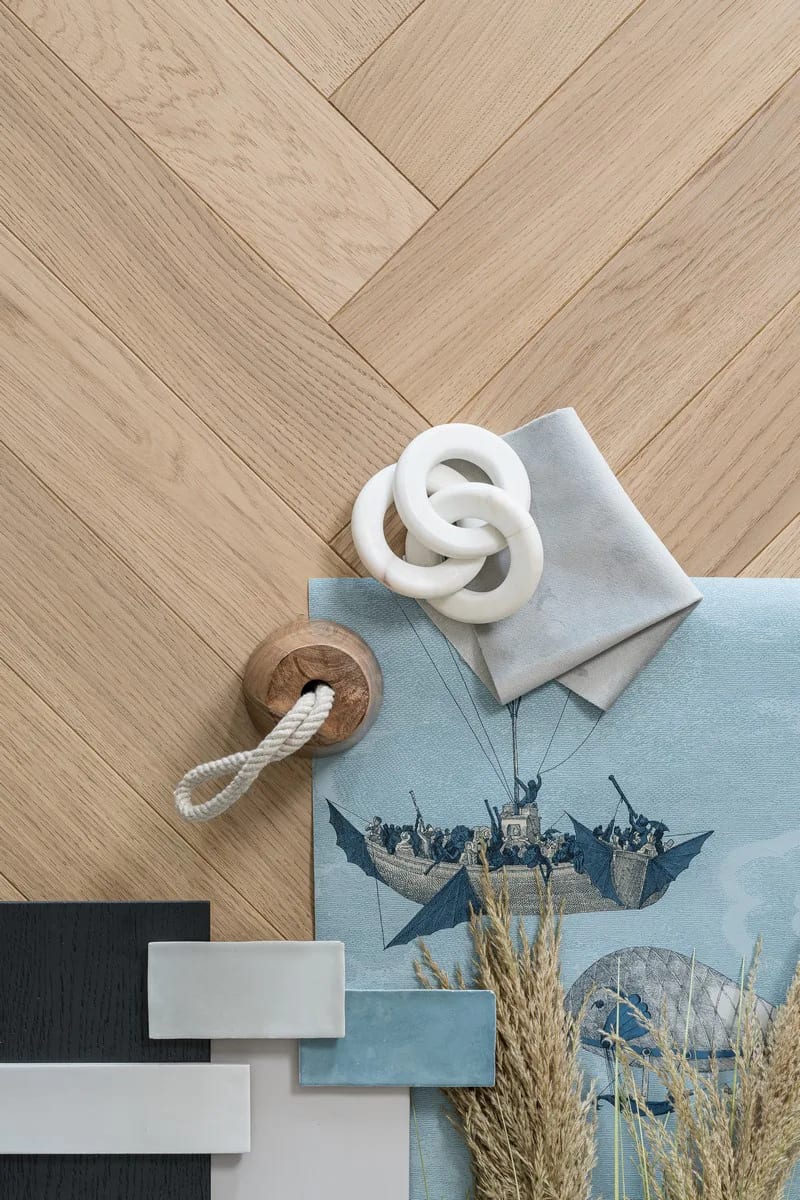

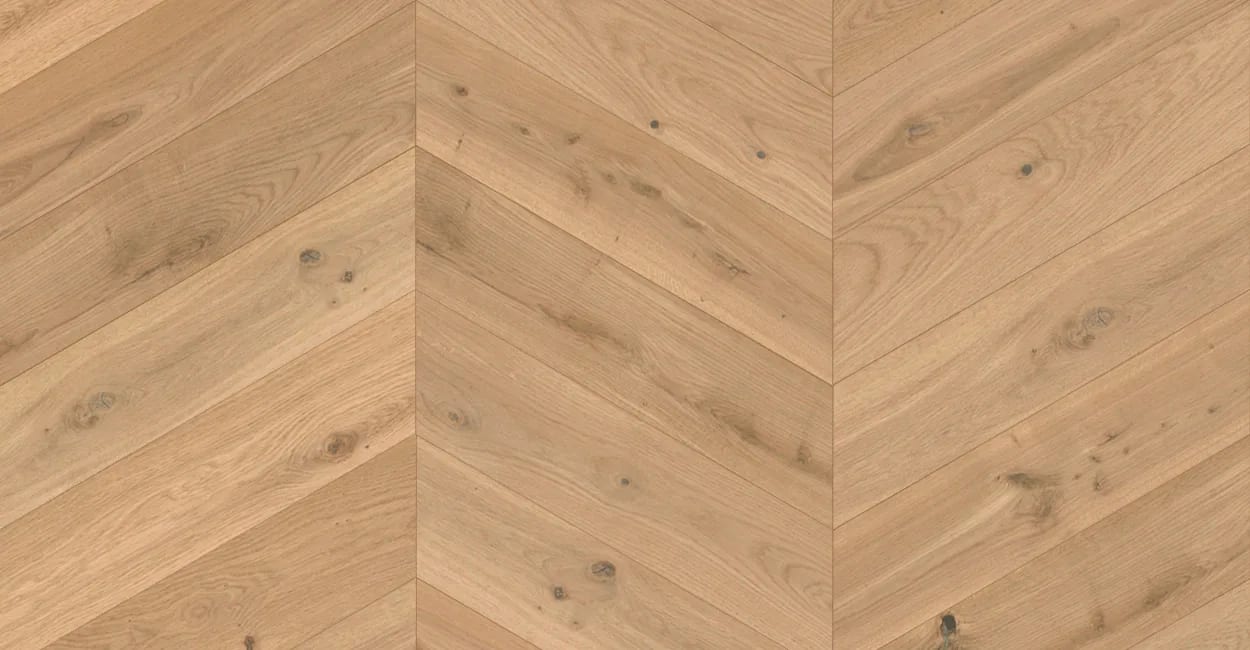

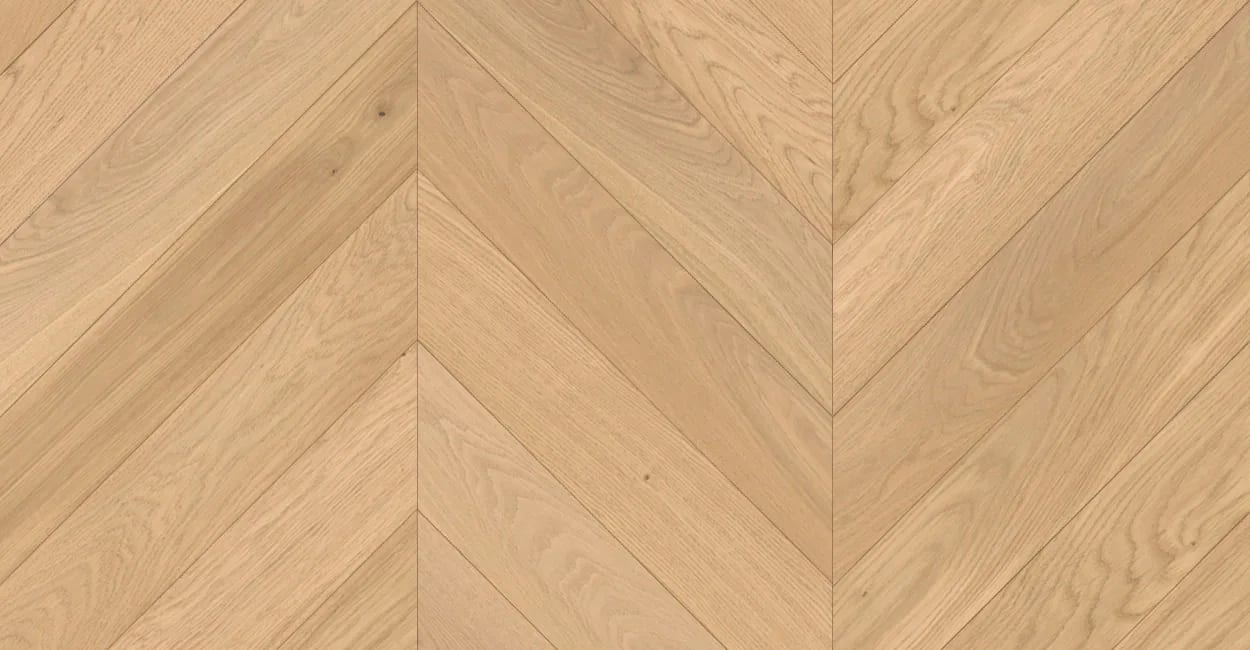

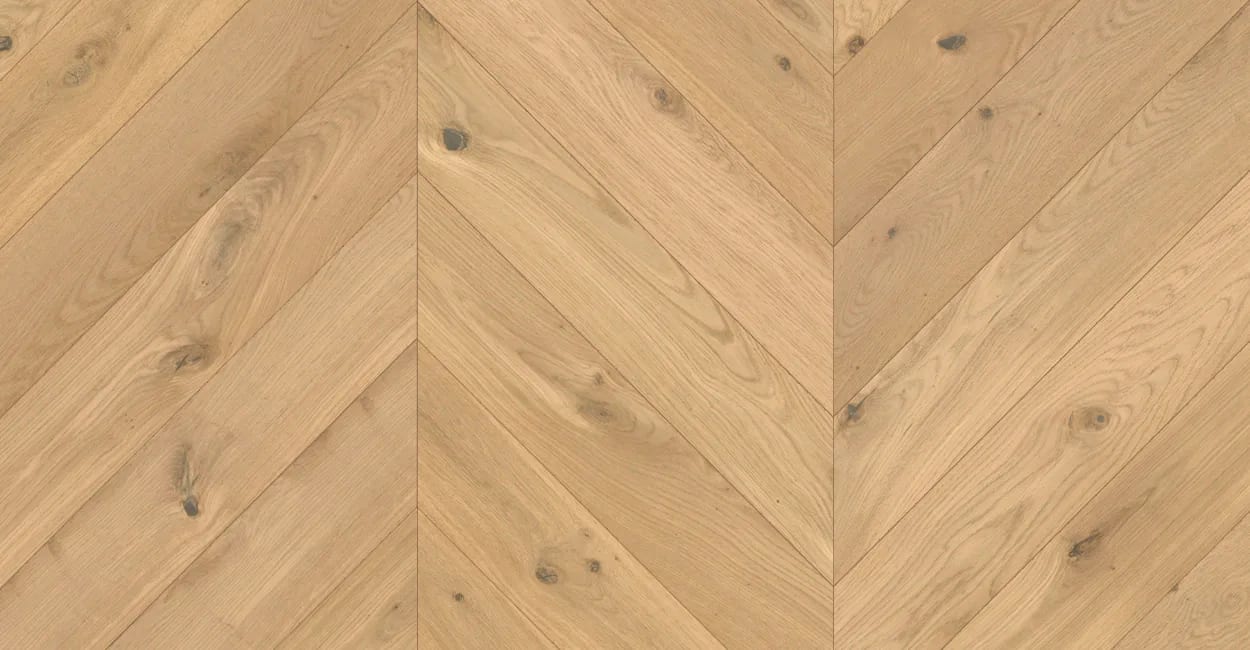

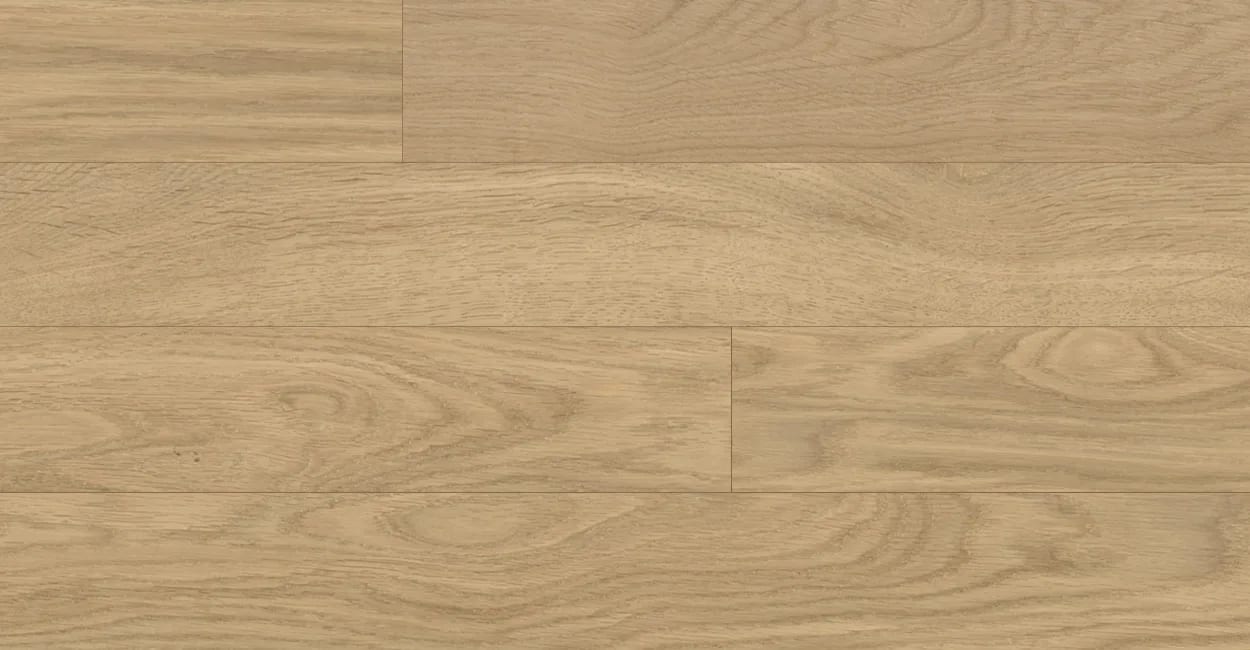

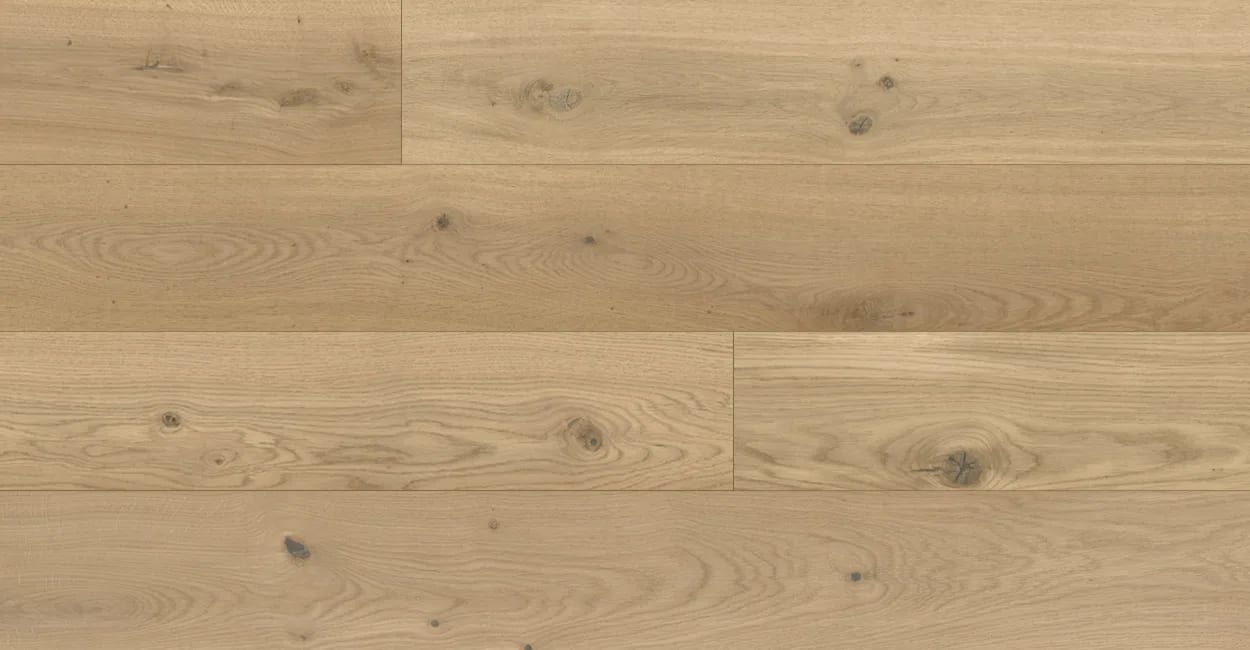

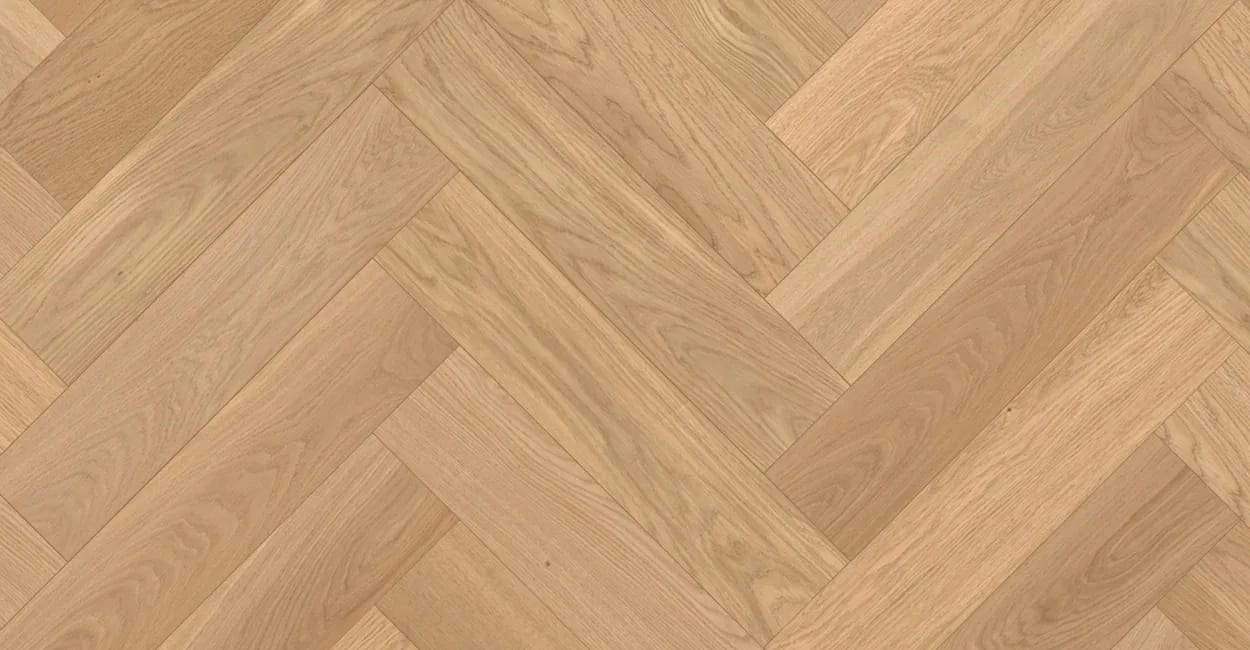
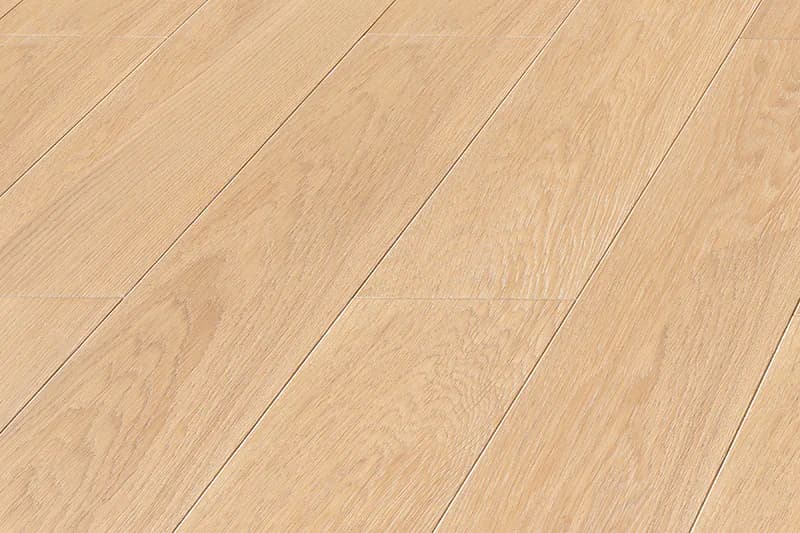


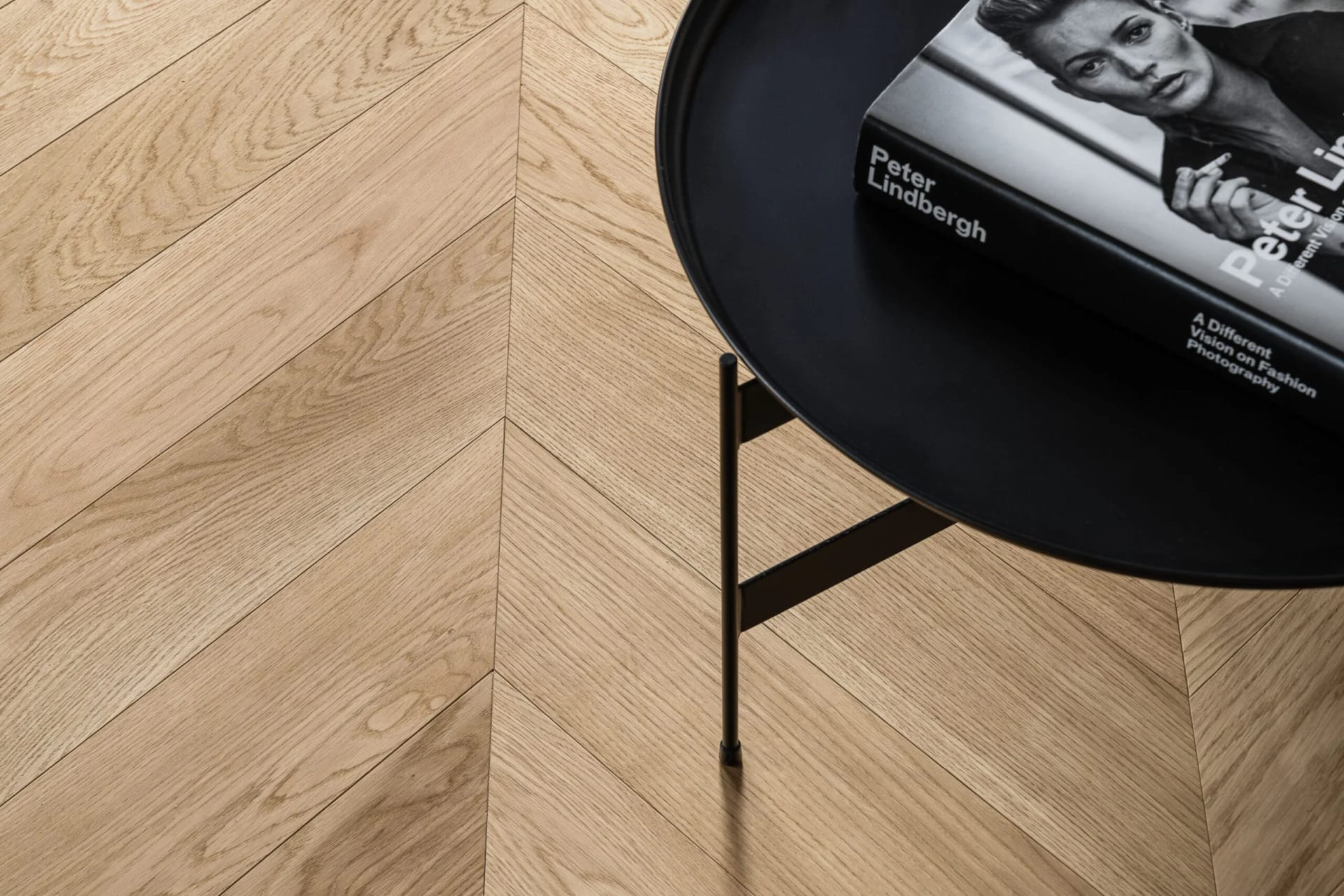
Dressing room flooring is chosen a bit differently from living room flooring, because here the floor sits against fitted storage, picks up dust from clothes and often becomes an extension of the bedroom. In practice, what matters is a floor that’s quiet underfoot, a consistent look with no random change in level, and a surface you can vacuum quickly around shelves, plinths and narrow walkways. In a dressing room, height mistakes show up straight away too, because the line of the fitted units and spotlights make them very obvious.
In a dressing room, calm-looking designs usually work better, without strong contrast or very dark colour. Mid-tone, light and natural shades show up pale dust and lint from fabrics less, and when paired with the bedroom they keep the space tidy without breaking up the zones with a harsh change in pattern. In a small room, you notice that detail straight away, especially with shelf lighting and along fitted walls.
With wardrobes fitted wall to wall, it’s not just the look that matters, but how the floor is installed too. On a floating floor — that is, one that moves and isn’t permanently fixed to the base — you shouldn’t place heavy fixed units, because they stop the floor from moving properly. That’s why made-to-measure wardrobes are set on the subfloor before the floor covering is laid, or you choose a glued-down floor. Examples of a calm grain and balanced colour in this group include BALTIC SKY – KACZKAN, Oak Amber Natur – Lareco, Cava 42 – World of Floors and EWH 7022 Andros – FirmFit.
In a dressing room, more problems usually come from the layout of the fitted storage and the order of the works than from the design itself. Differences in level at thresholds, trims and plinths quickly break up the line of the wardrobes, and a narrow walkway loses its neat look. One level between the dressing room and the bedroom usually gives a calmer result, but with a floating floor in the doorway you normally need to allow for an expansion gap or a profile, unless the manufacturer allows a larger area without a break.
A straight edge by the wall and along the sides of the fitted units matters too. In a small dressing room, every millimetre of a step, meaning a slight difference in level, is easy to see, because light from the bedroom and shelf lighting usually show up unevenness more than in a larger room. That also applies to areas by the plinths, where an inaccurate cut in the floor stays on show.
A smooth or lightly brushed surface, without a deep texture, is easier to clean. Such a floor lets go of dust from clothes faster and traps less fibre along the edges during regular vacuuming. A strong texture can hide small scratches, but it also collects dirt faster, which makes the floor look dull before it’s even washed.
The finish detail also affects everyday cleaning. 4V or V4 bevel separates the floor planks more clearly, but dust collects more easily along the edges. In a dressing room, where you clean between the fitted units and along the plinths, a calmer detail usually makes vacuuming and wiping the surface quicker.