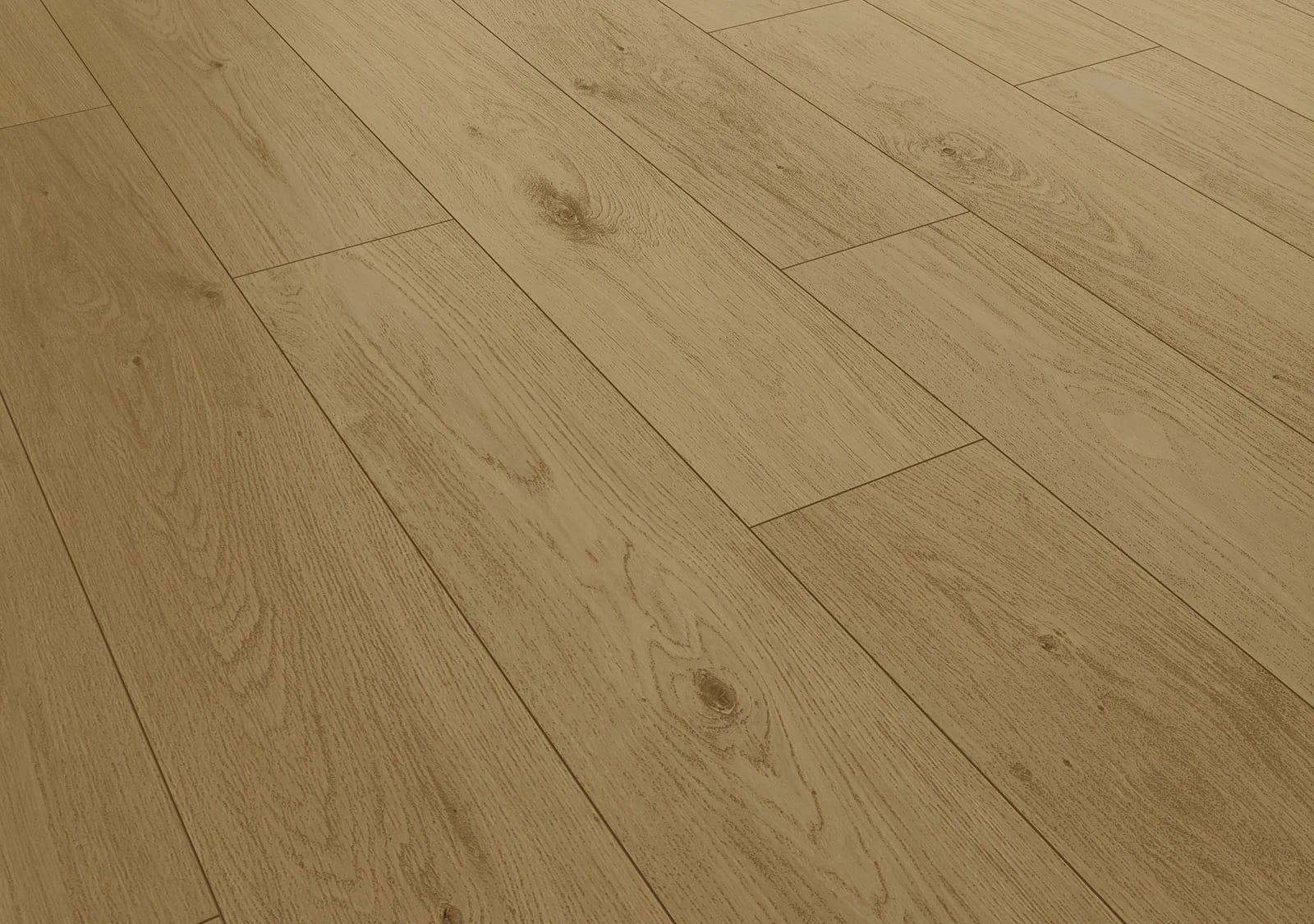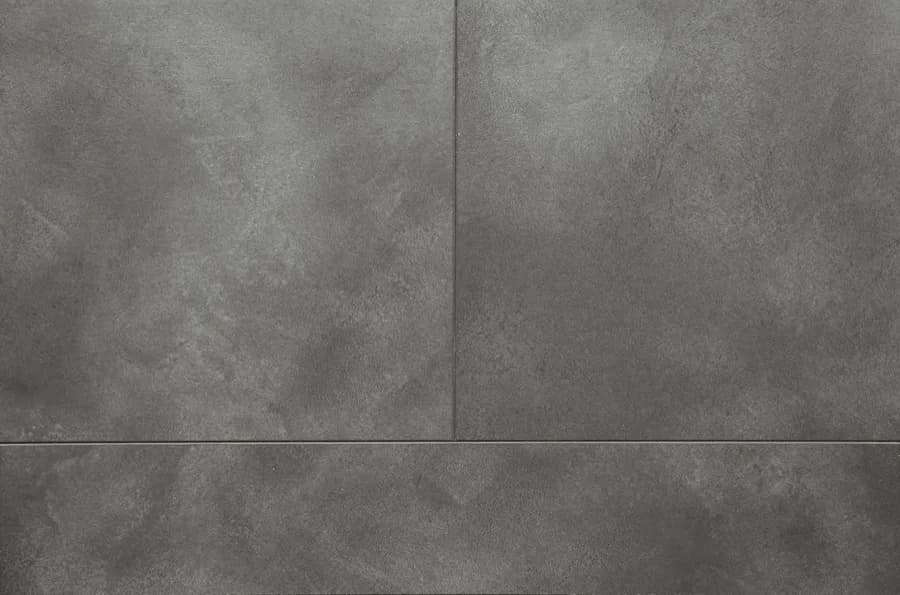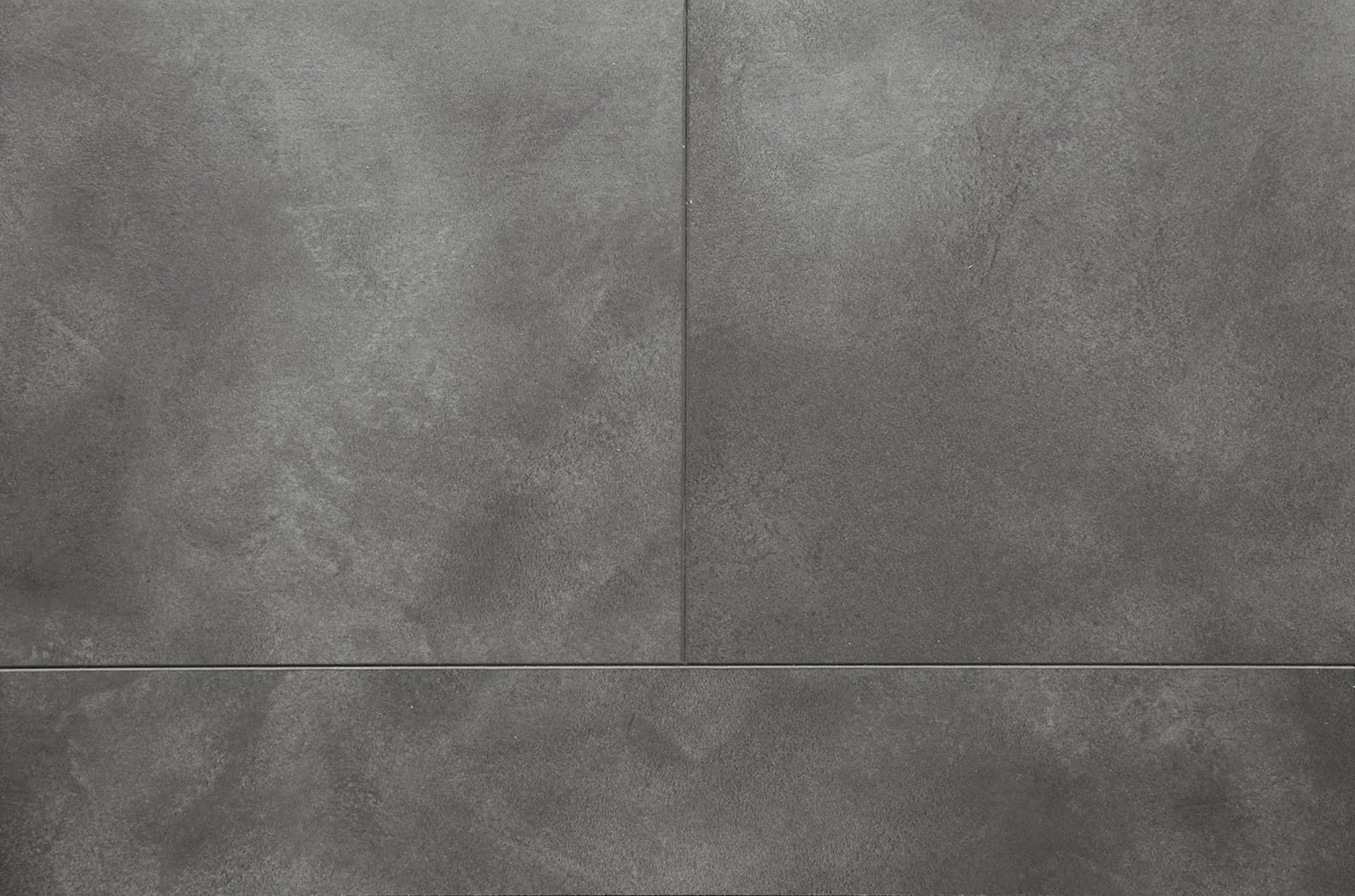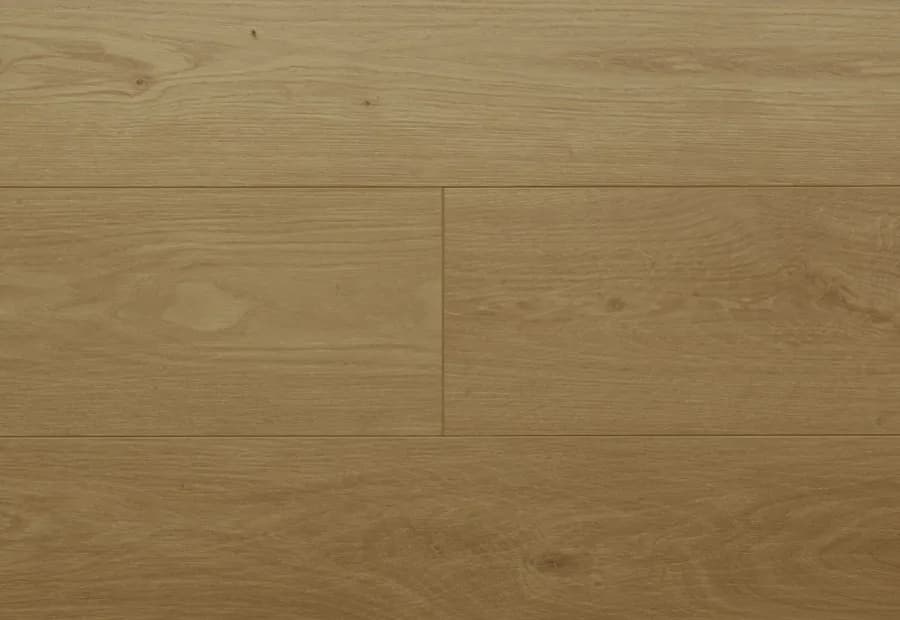
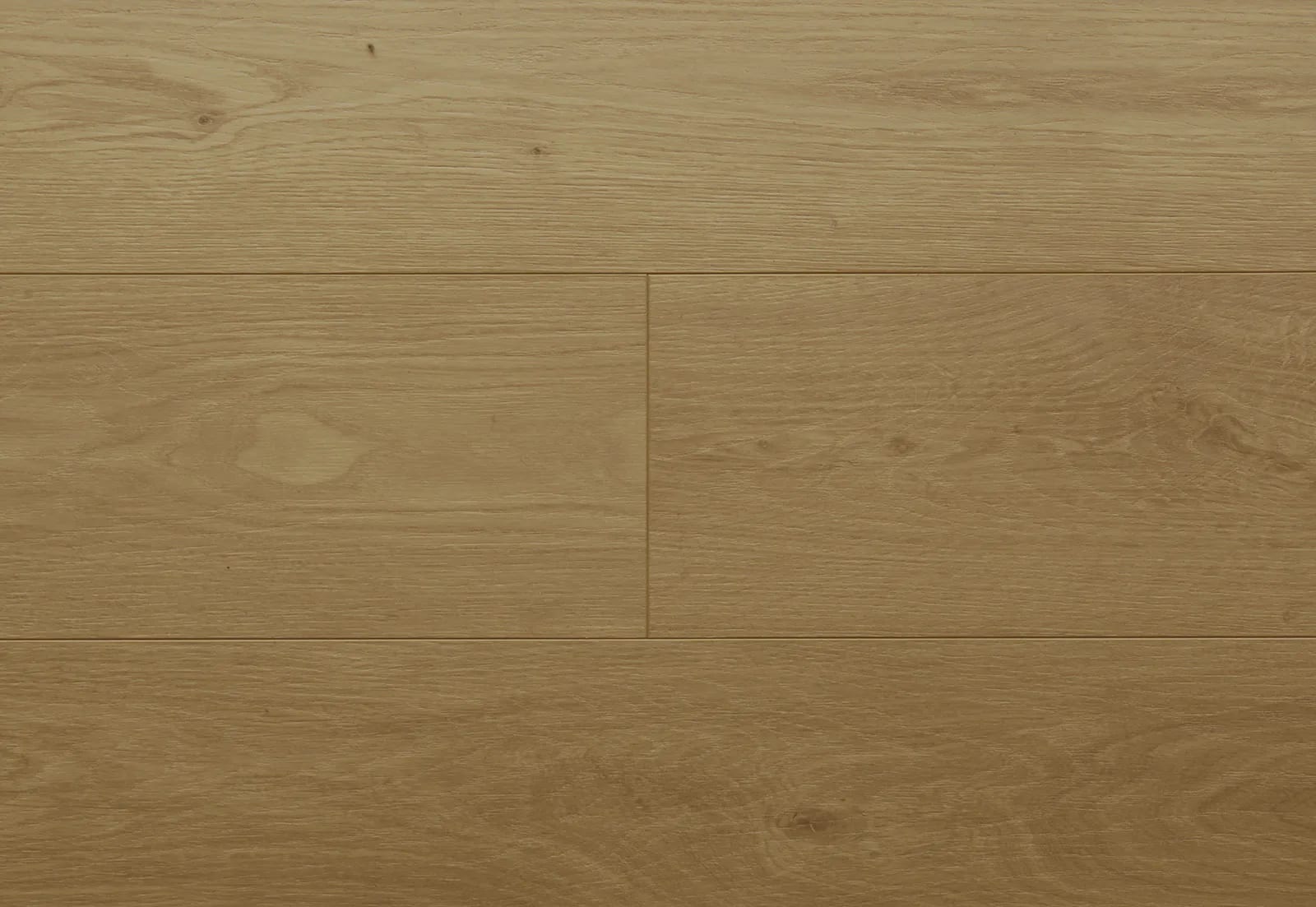
Juno
TENACITYLaminate flooring
Hallway and corridor flooring here means oak parquet and boards, plus a large group of vinyl and laminate flooring, including KACZKAN and Arbiton. The entrance area picks up everything we bring in on our shoes, so right by the door a hard, easy-to-clean vinyl or lacquered surface works best. In a long corridor, layout matters: boards laid lengthways make it look longer, while herringbone breaks up the tunnel effect. By the door, plan for a mat or doormat to catch the grit.
Flooring for hallways and corridors usually works harder than flooring in a bedroom. This is where sand, water from shoes and frequent mopping show up, so near the entrance you can see the quality of the surface itself, and the state of the subfloor too — in other words, what's underneath. By the front door, the surface is chosen for water from shoes and sand, while in an internal hallway it's more often about fine wear.
The choice starts with whether the floor is right by an outside entrance, or in an internal hallway inside the flat. In the first case, marks from wet shoes and frequent mopping show up sooner; in the second, you’re more likely to see fine scratches from sand brought in between rooms.
Most of this category is made up of parquet and wood floors, with vinyl and laminate models alongside them. Examples in this group include KACZKAN Baltic Seaside, Lareco Oak Sand Natur, Arbiton CASHMERE OAK and FirmFit EW-2595 Texel. Light and natural tones show everyday dust less clearly, but they do show dark sand more strongly right by the entrance area.
Product pages also include details that quickly matter in a hallway: the care instructions, the surface finish and whether it can be used with underfloor heating — that is, a heating system hidden under the floor — if the manufacturer allows it. When matching it to the adjoining floor, you also compare the height of the whole build-up with the underlay and the transition profile, meaning the piece that joins two floor finishes.
When choosing, three things usually come up quickly:
At an outside entrance, the entrance zone itself matters a lot. In practice, dirt is limited by a doormat or a cleaning zone for at least a few steps, because that’s where most sand and moisture collect. With wood right by the door, you compare the finish type, for example lacquer/UV lacquer, and the care guidance in the product page, and in the porch it may also be worth separating that area off with tile.
In some vinyl and laminate models, the manufacturer states the declared water resistance and the use class — in other words, the level of use the floor is designed for — and these parameters are usually compared before choosing the decor. Frequent mopping and sand being brought in also quickly show the condition of the subfloor: if the joints start to flex or sound hollow, the problem is usually not the pattern itself, but how the subfloor has been prepared.
In a hallway or corridor, the decision is often not about colour alone, but about the overall height of the build-up and how it connects to the adjoining floor. With a low threshold or on old tiles, the thickness of the board or laminate plank matters, as does how the skirting or transition profile finally looks — that is, the piece that joins two levels. These differences are especially visible where the floor meets the living room, kitchen or entrance.
In a longer corridor, you can also see the movement in the joints more easily — that is, the small movement of the material — as well as any unevenness in the subfloor. That’s why, before buying, you compare not only the sample, but also the height of the whole system and the product page for the specific model. If the floor is going over underfloor heating, that’s also where the manufacturer states the conditions for this use.