

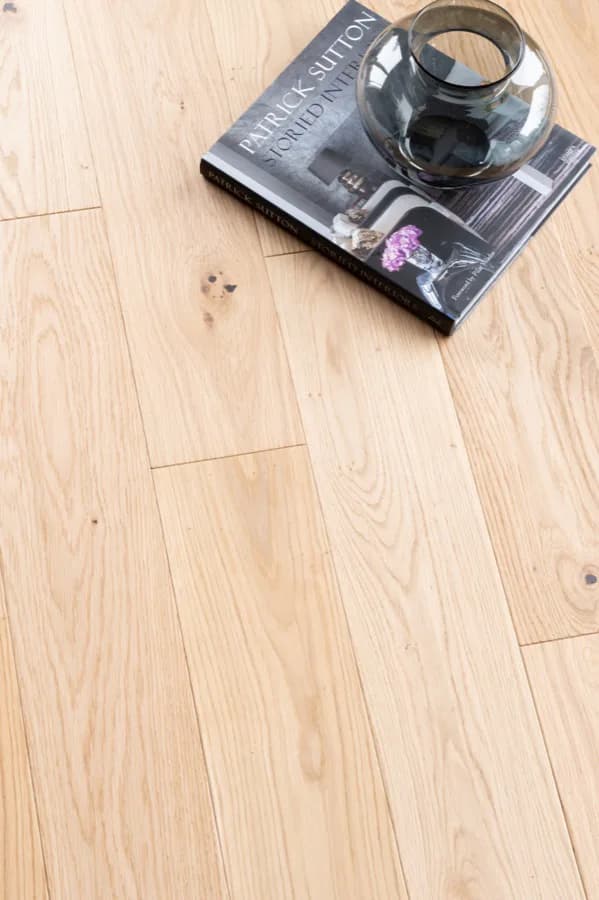
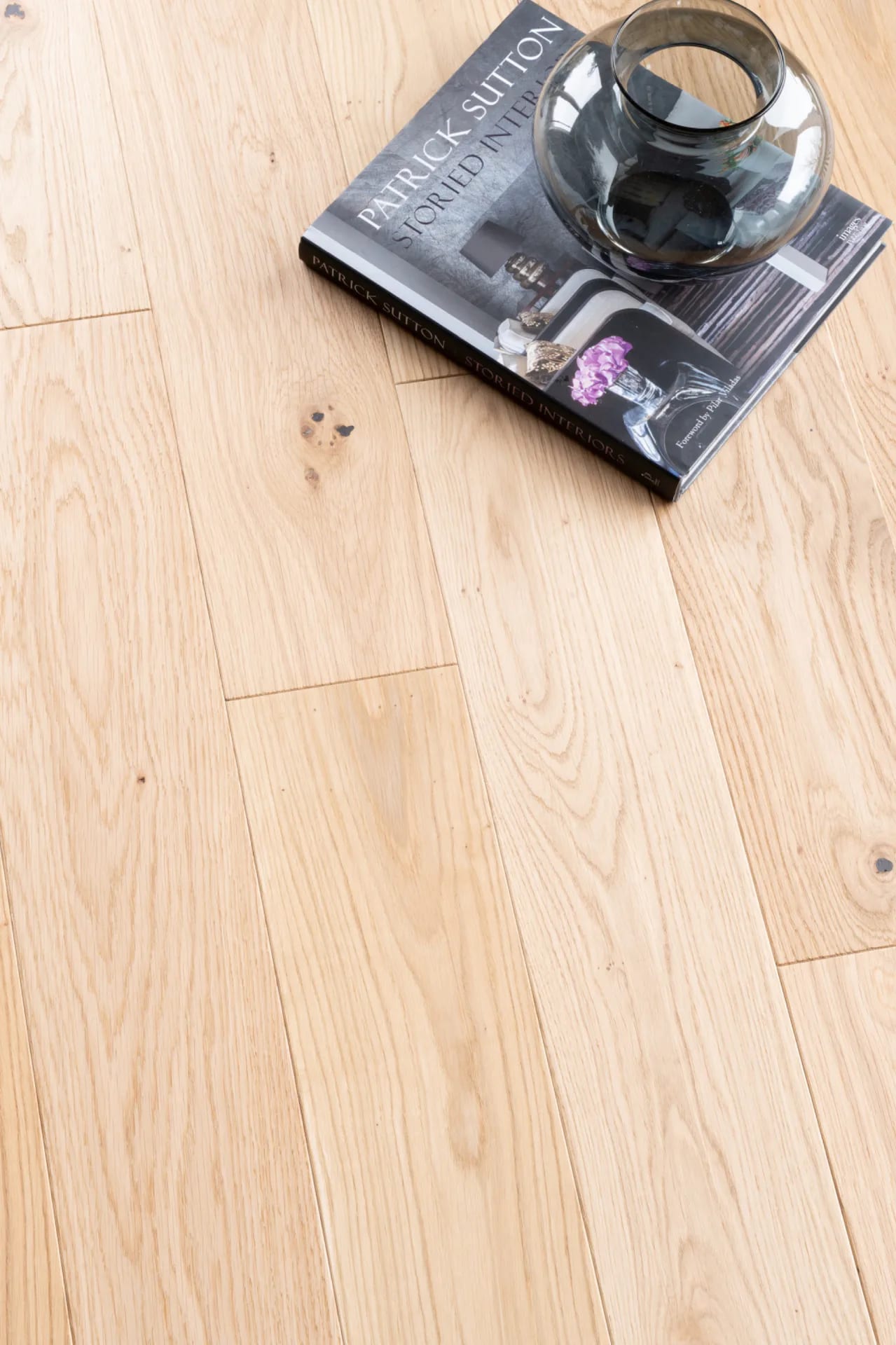
For kitchens, we mainly recommend vinyl and laminate flooring from Arbiton, alongside a smaller group of boards and parquet, including KACZKAN. By the sink and hob, the floor takes water, grease and falling dishes, so vinyl has the edge here. Wood can work too, as long as it’s oiled, looked after regularly and not left with puddles on it. In an open-plan kitchen linked to the living room, check that the decor suits both zones, because the same floor usually runs through them without a threshold.
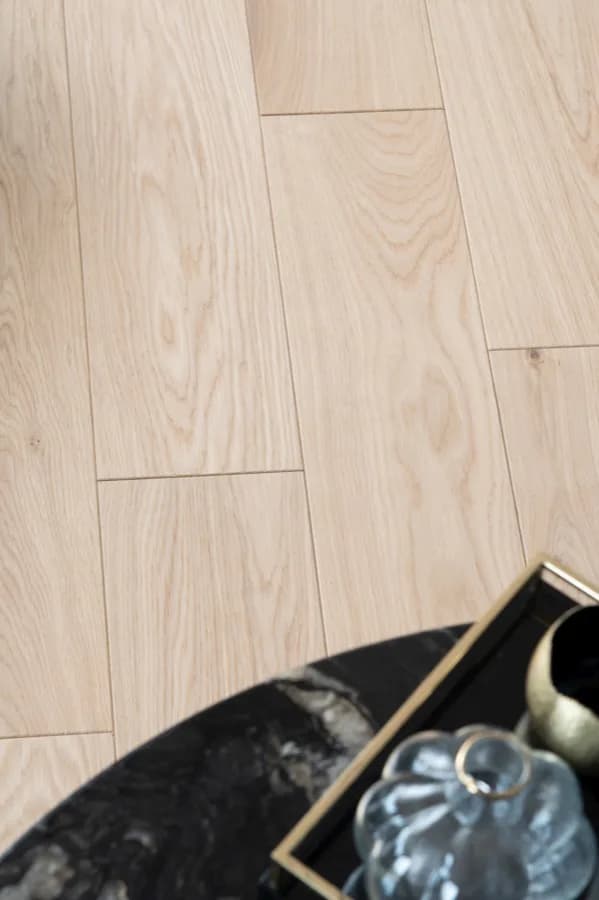
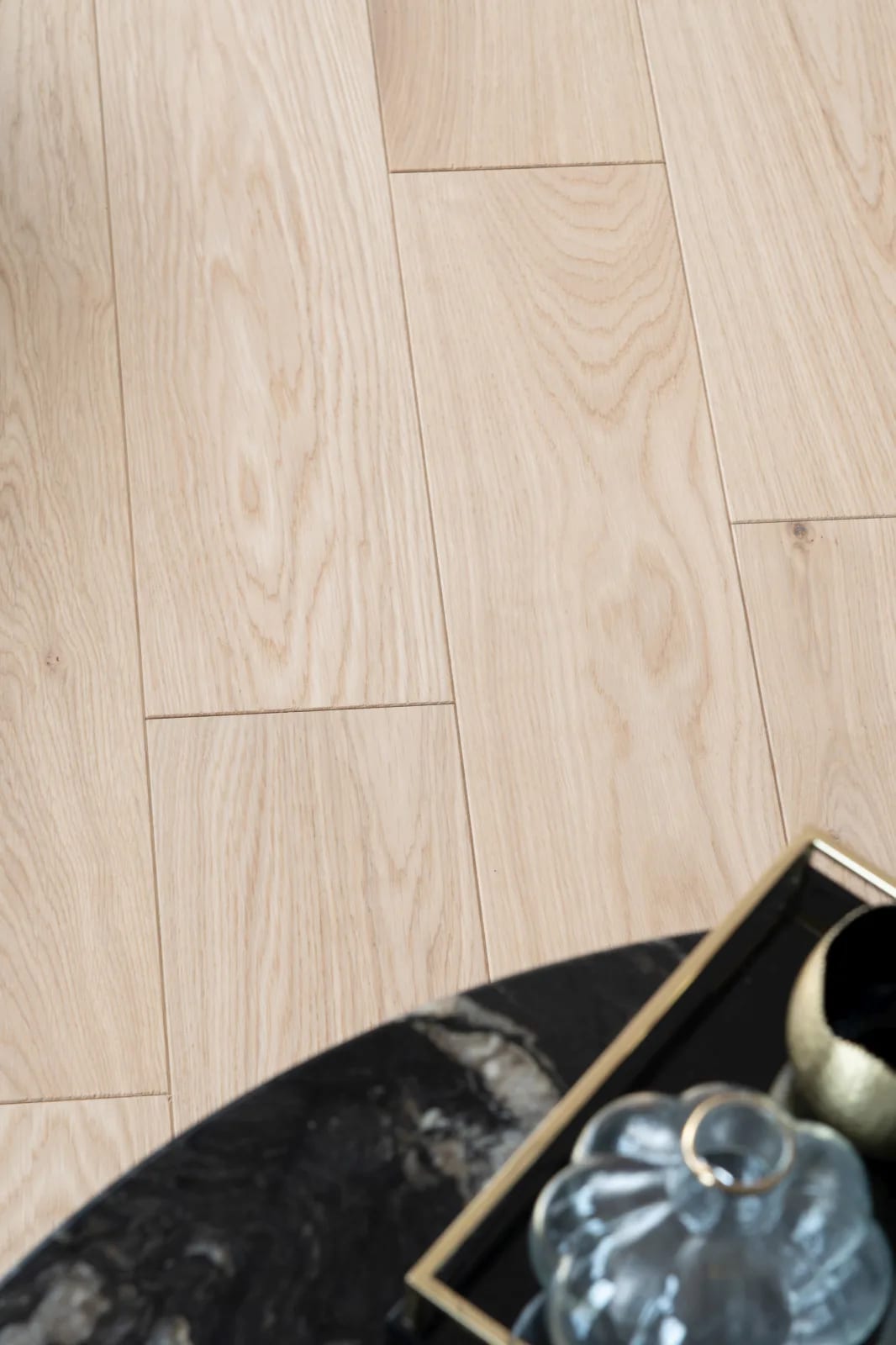
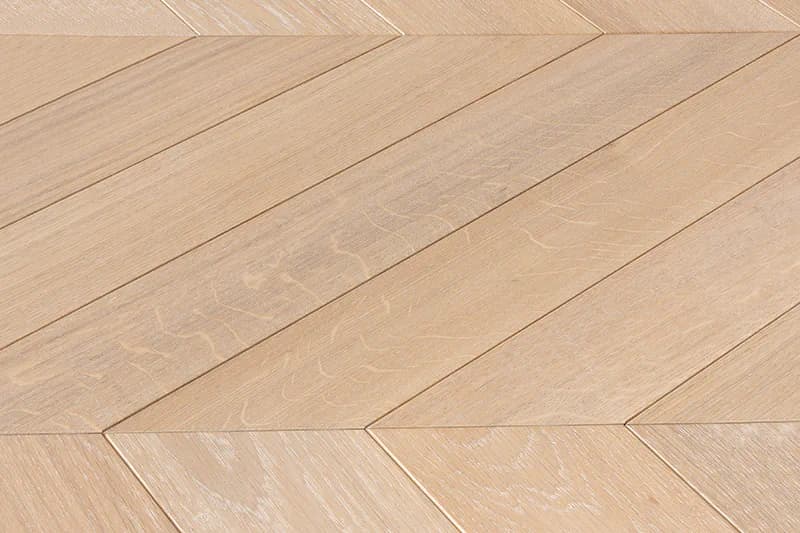

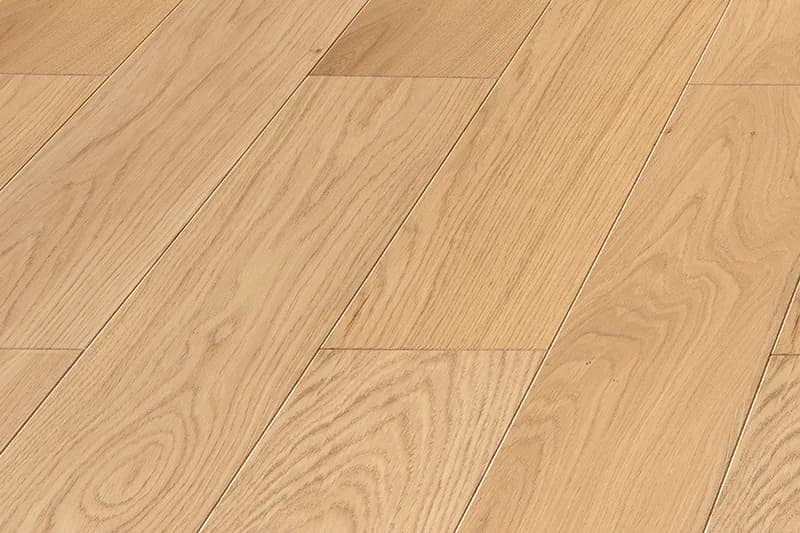

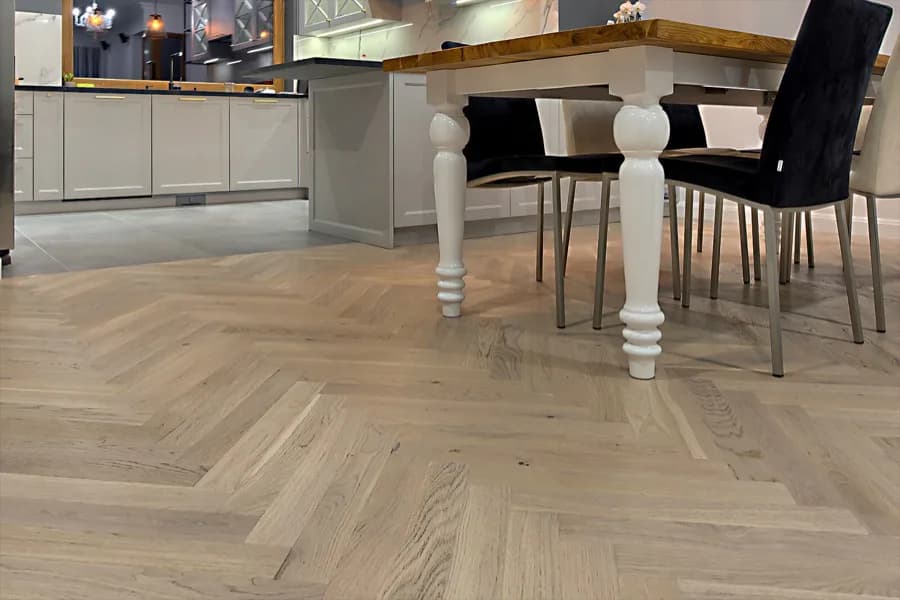
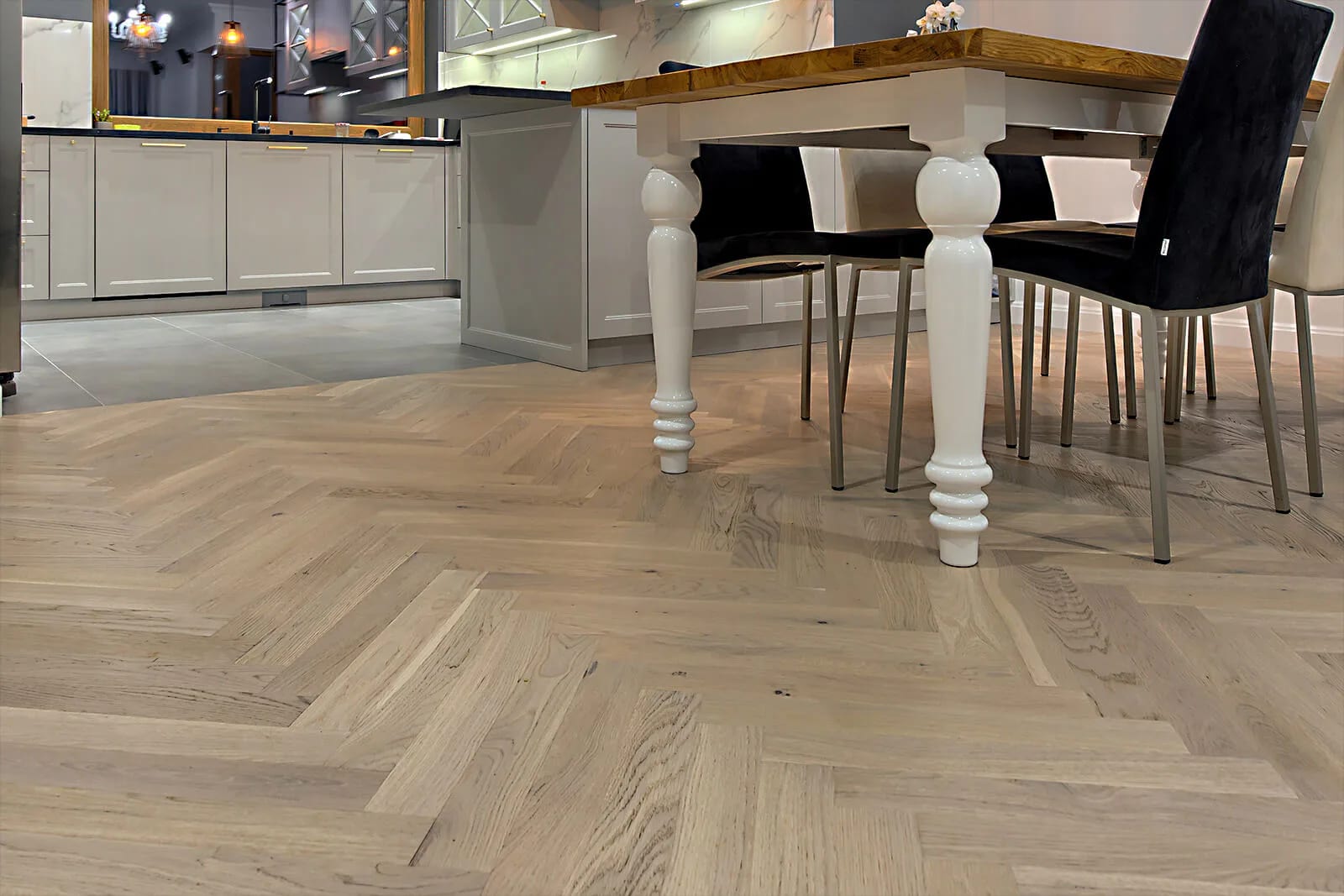
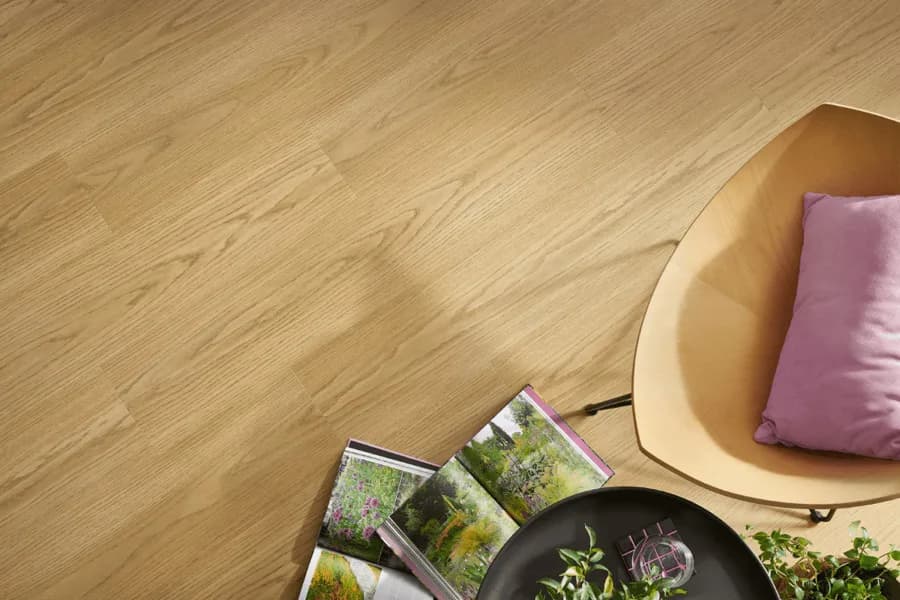
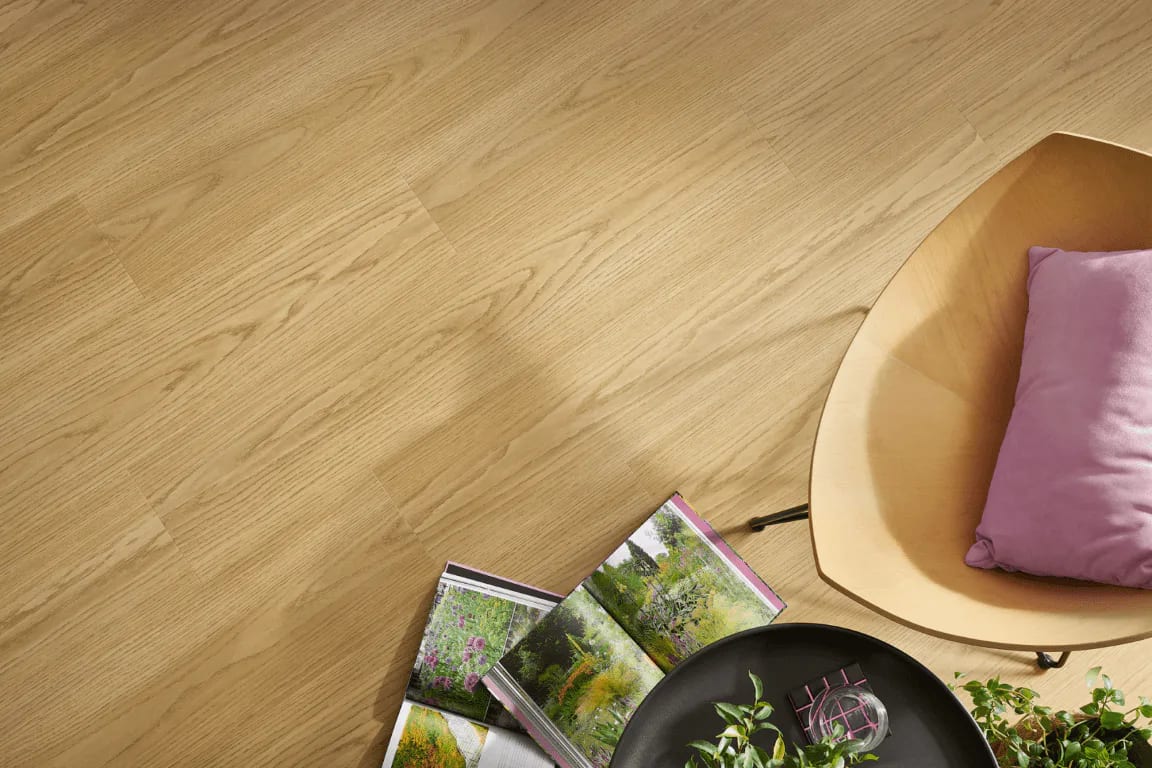
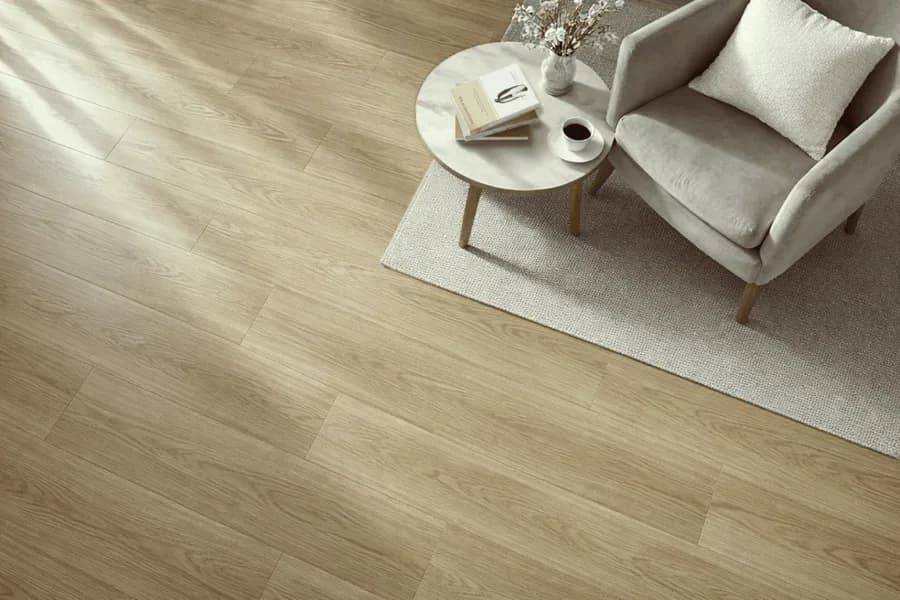
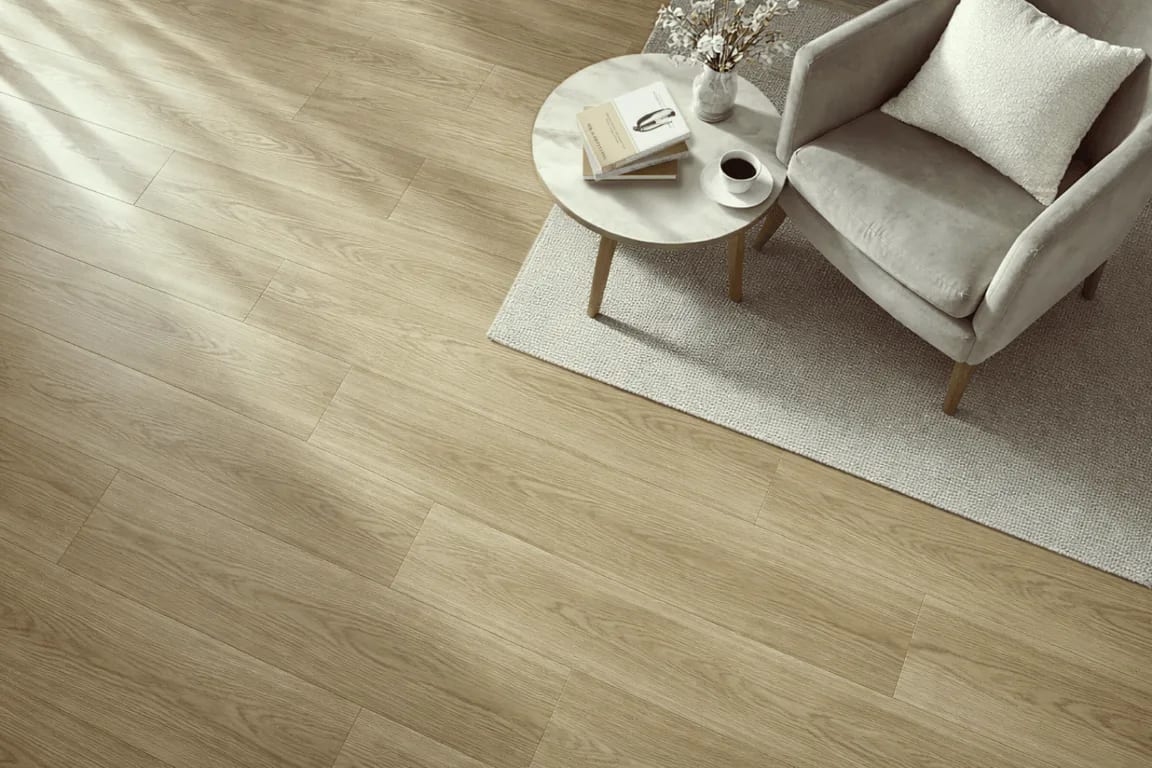
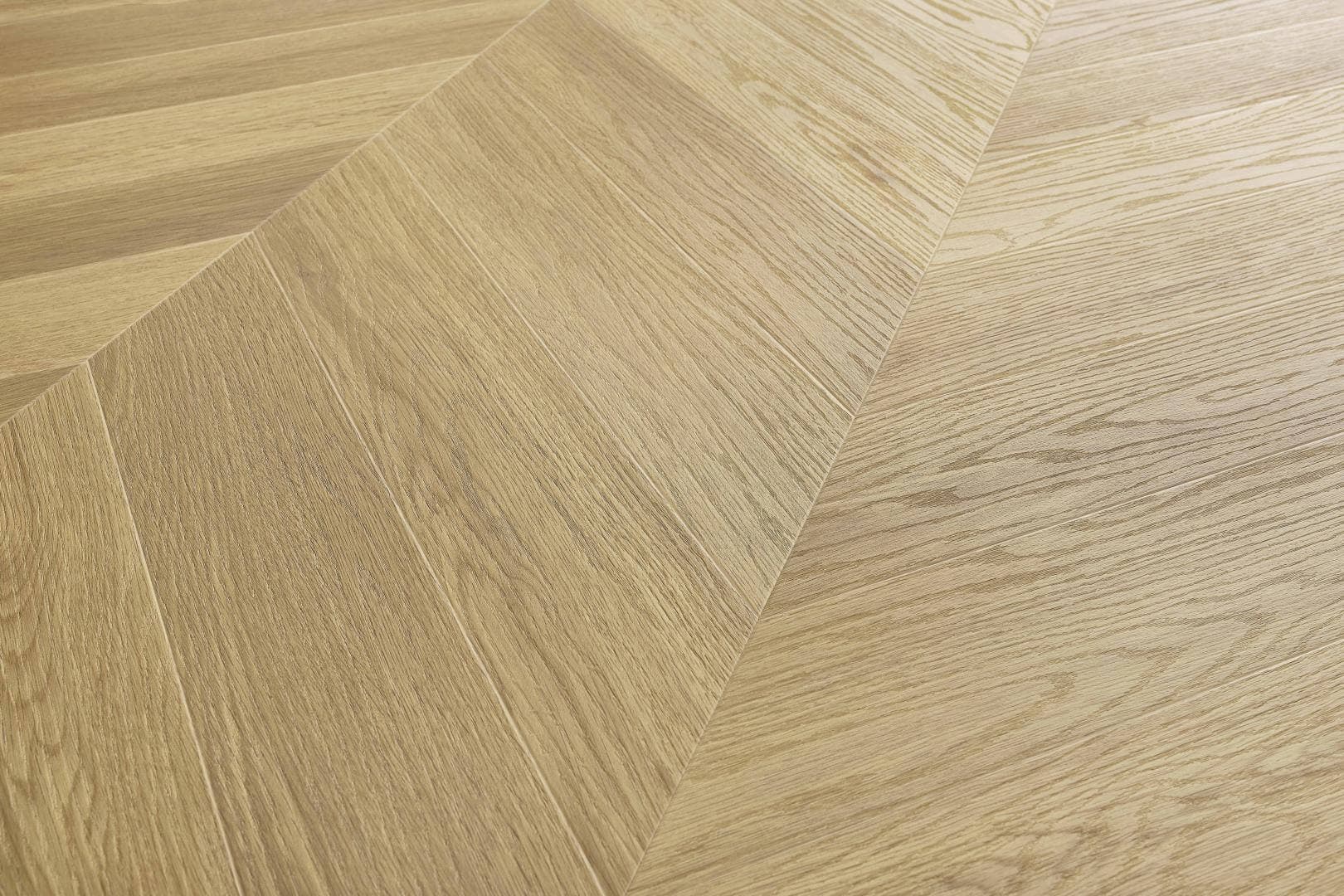
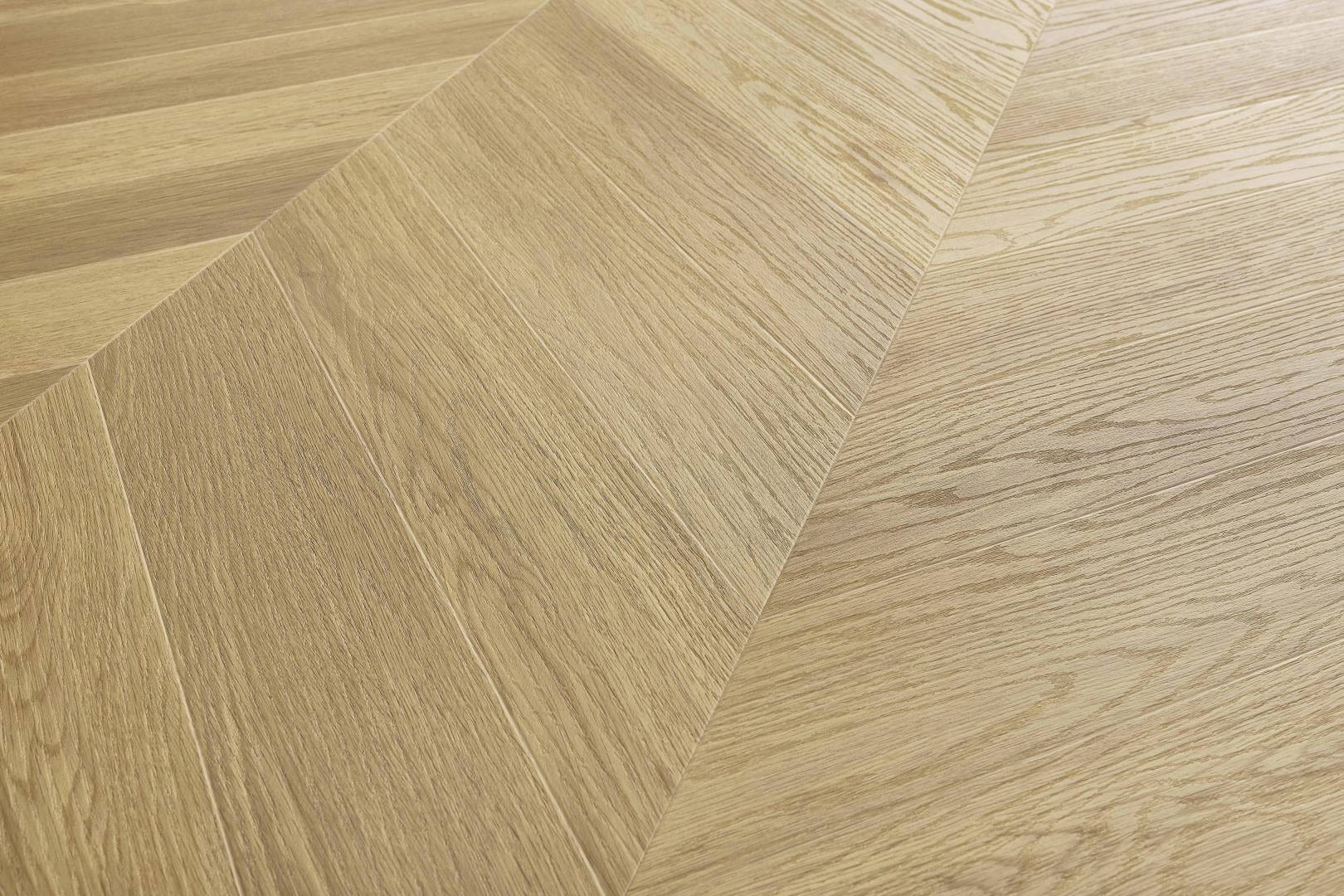
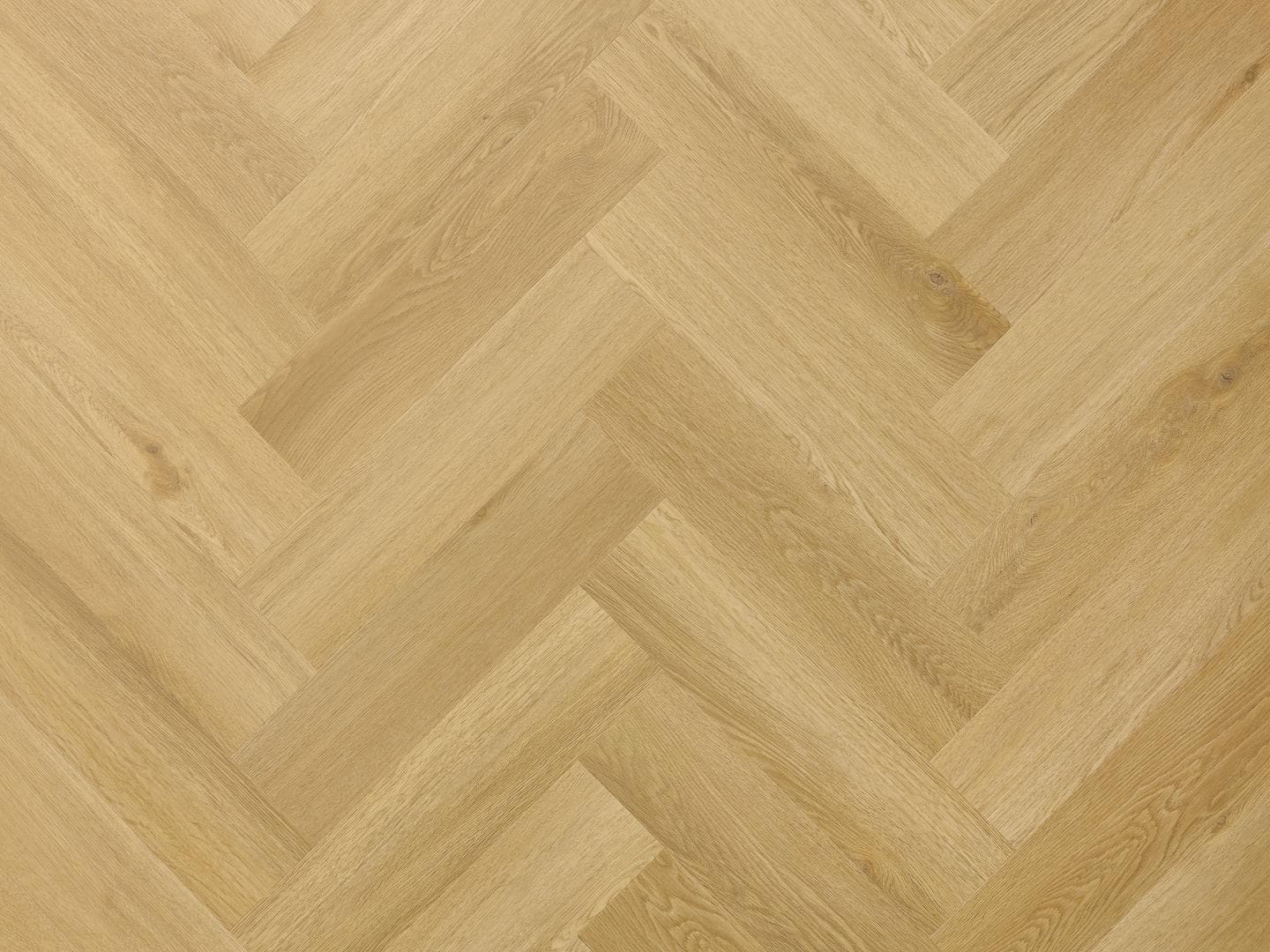
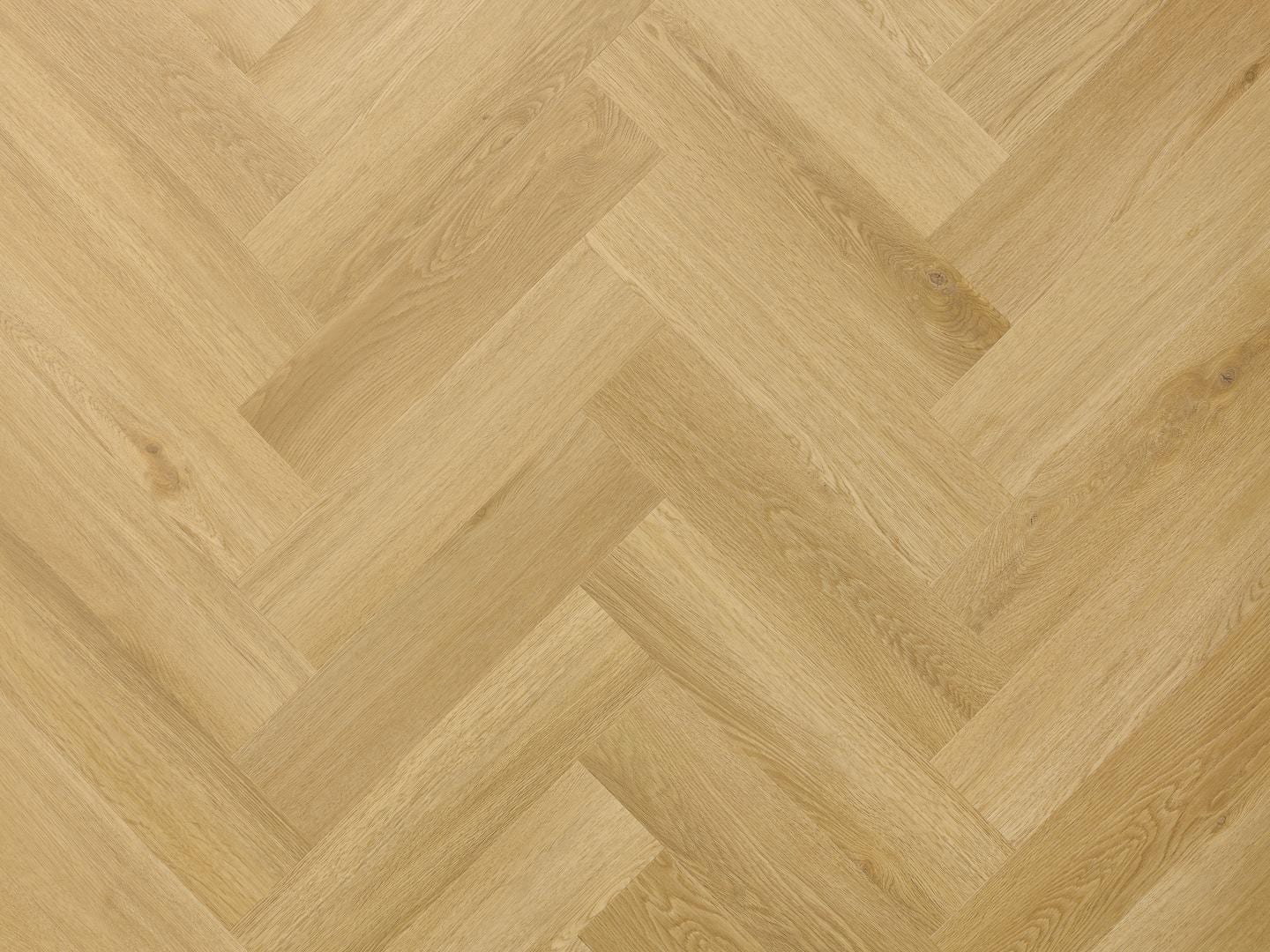
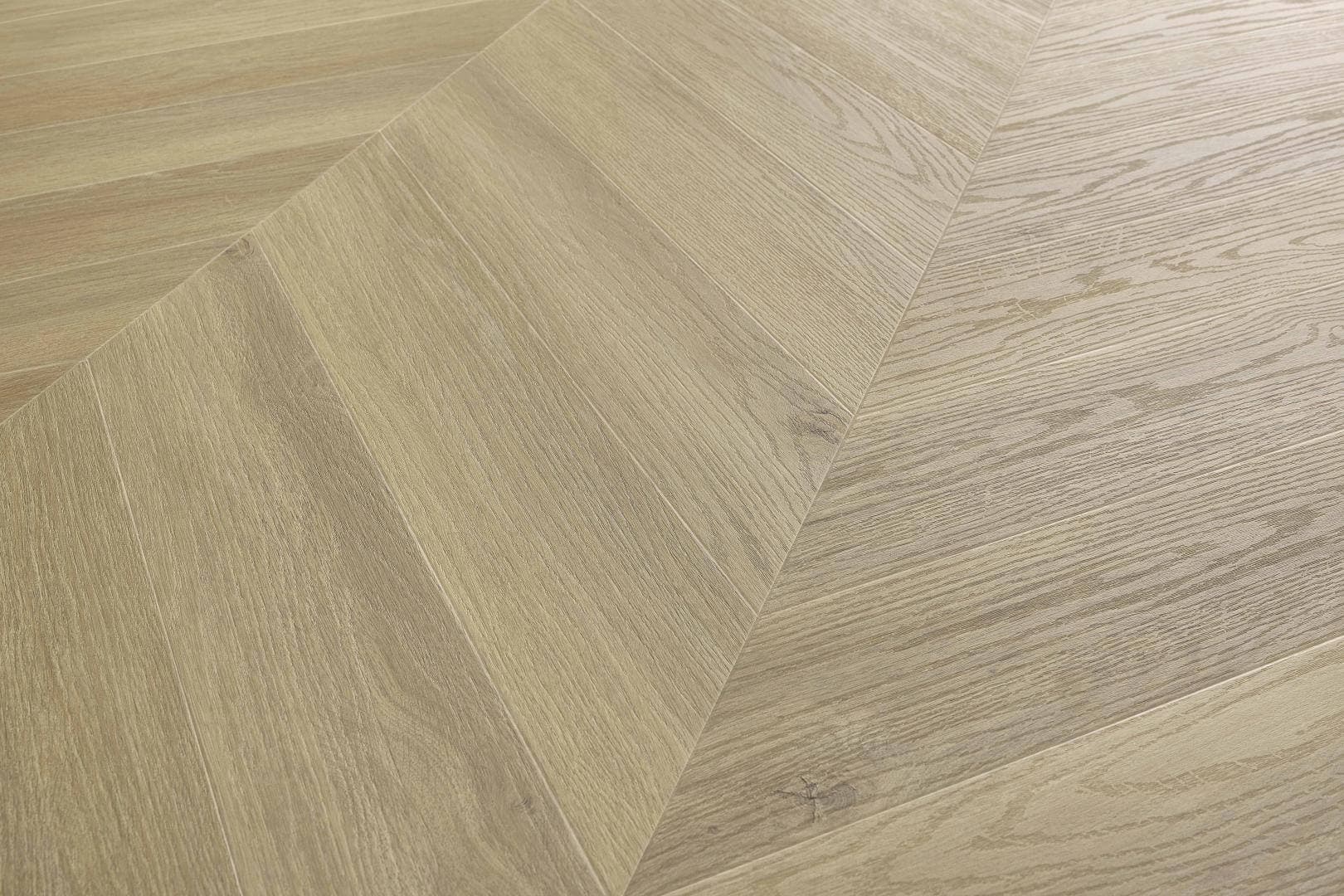
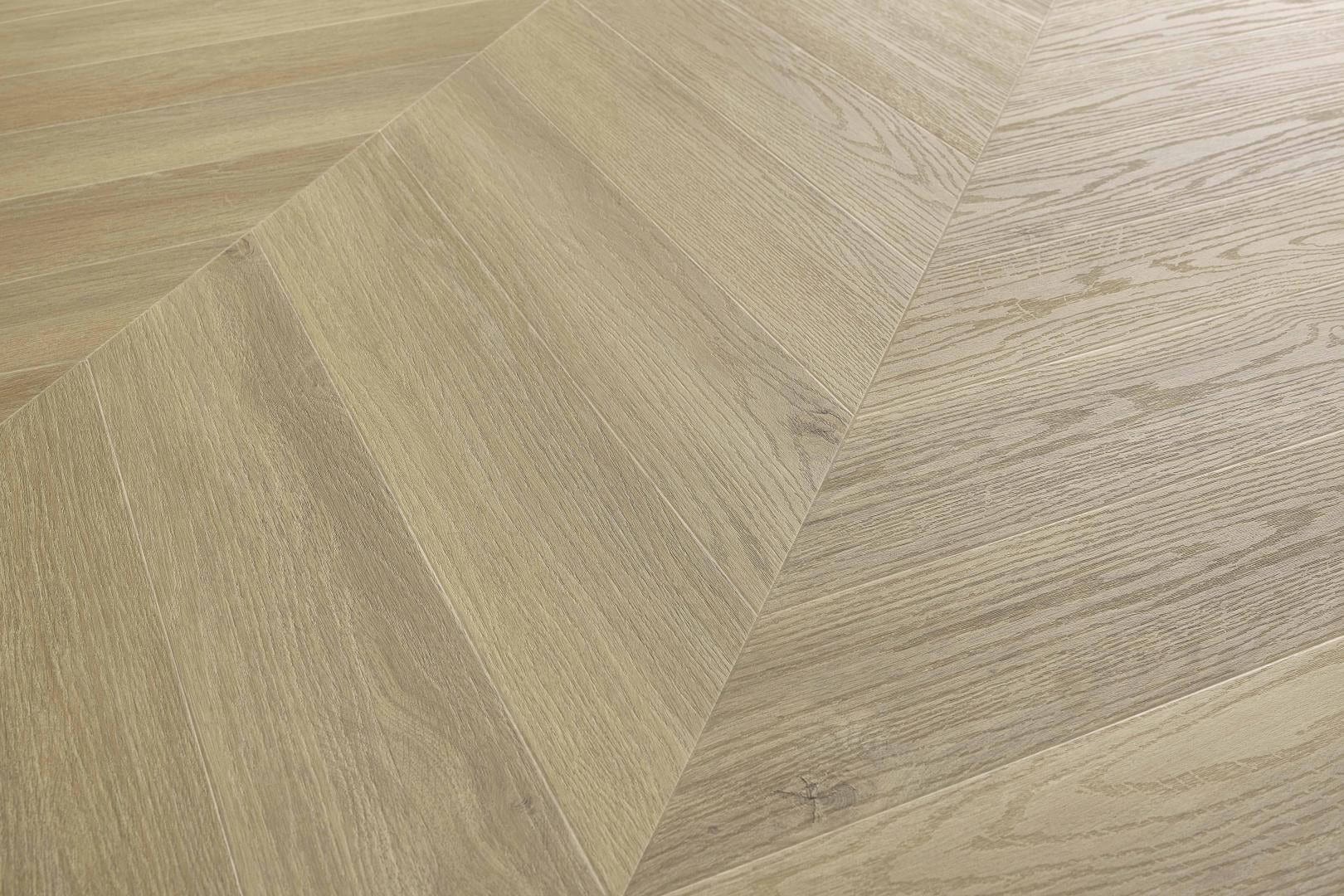
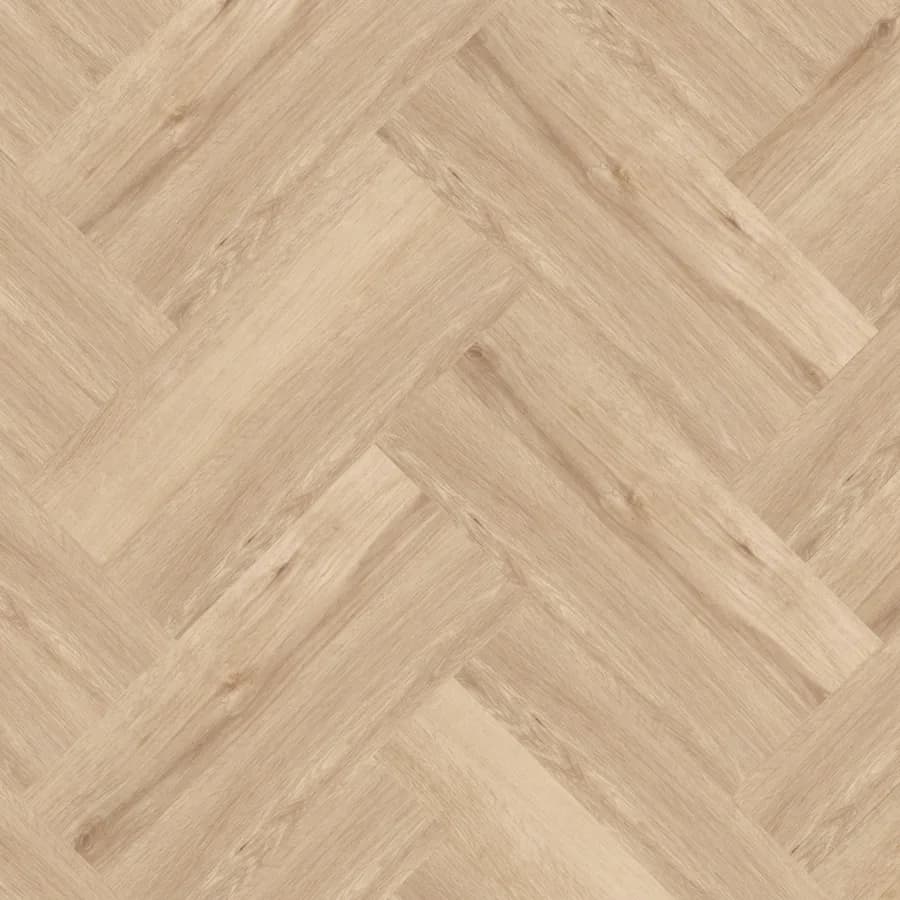
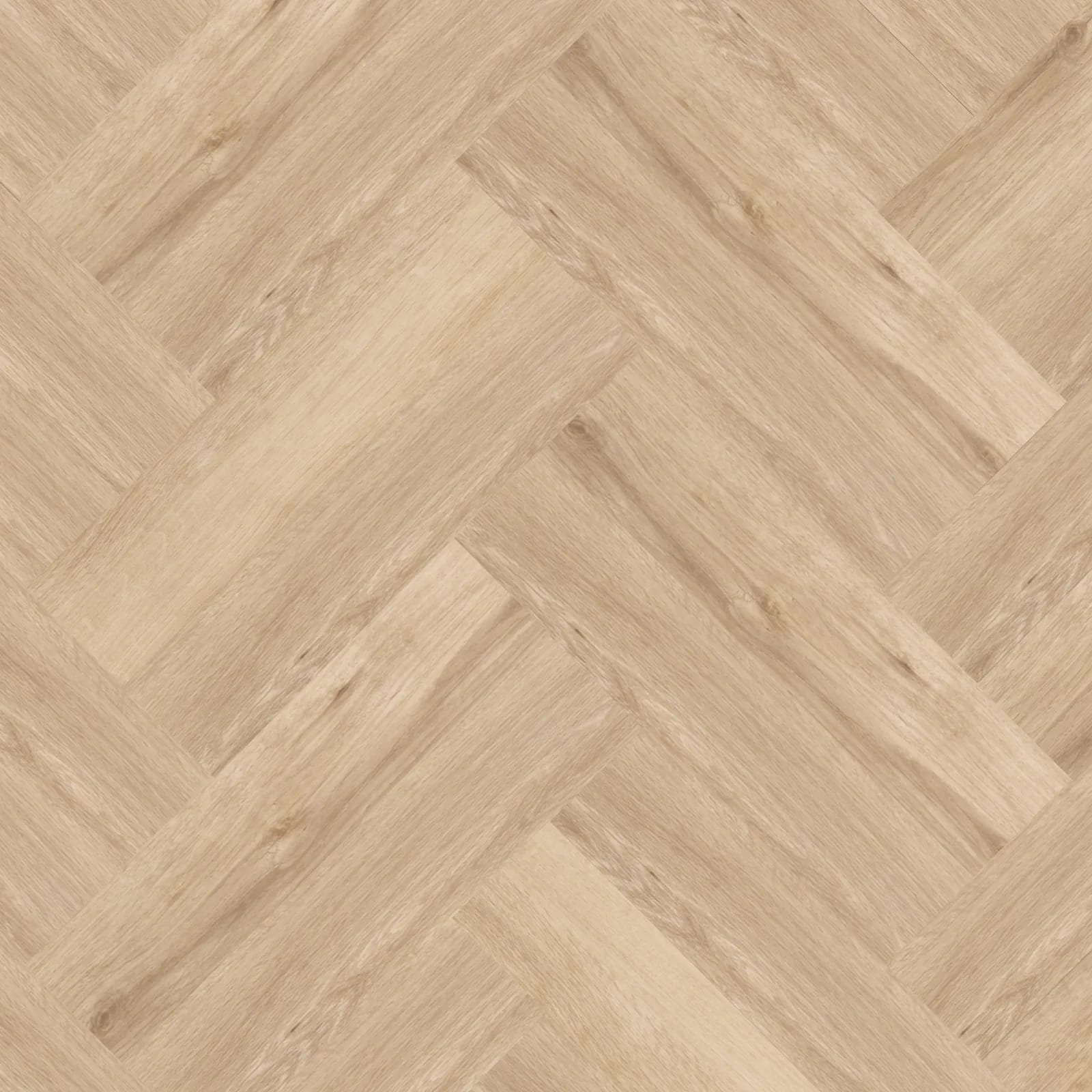
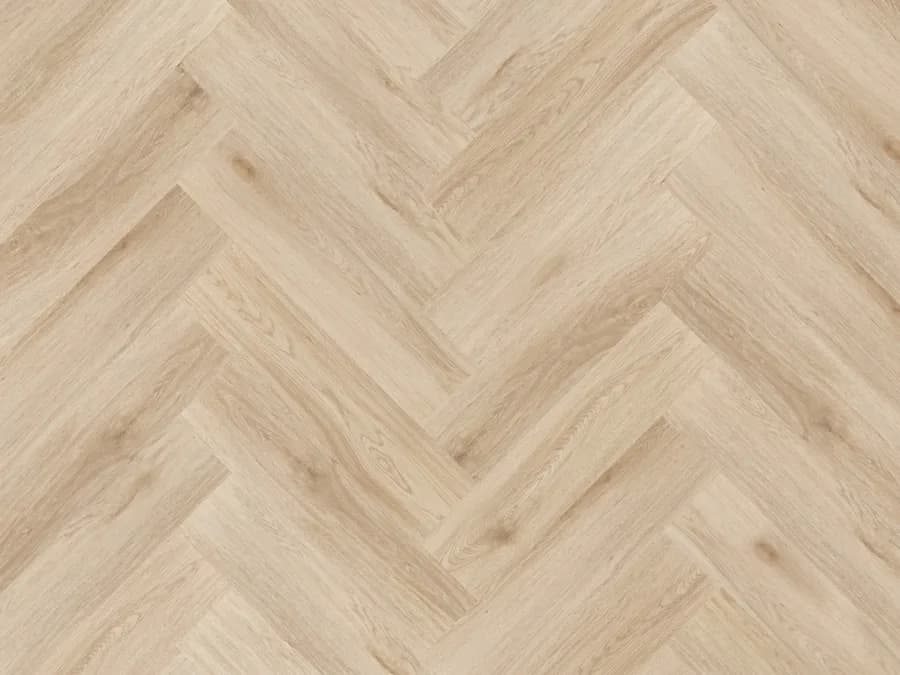
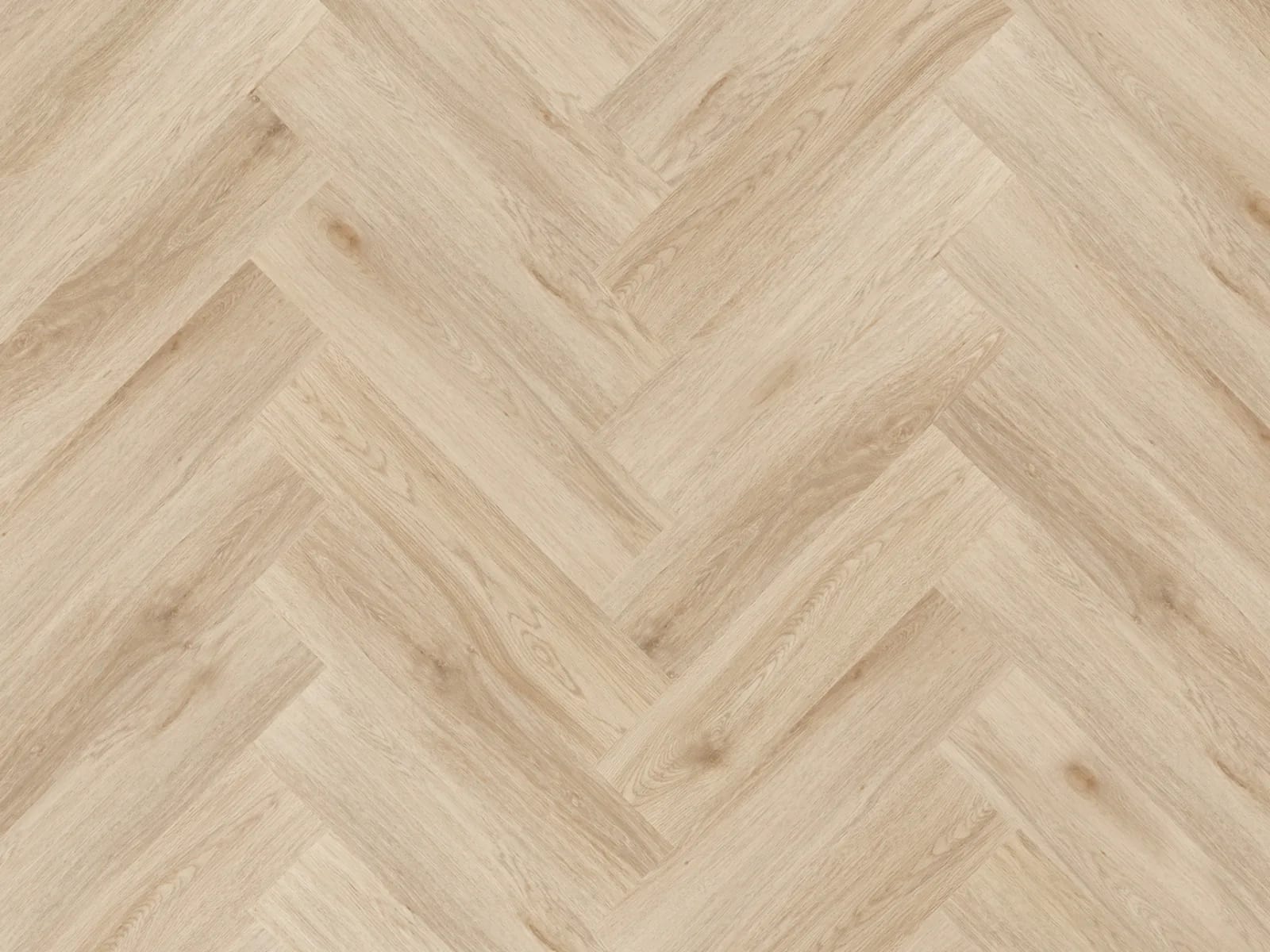
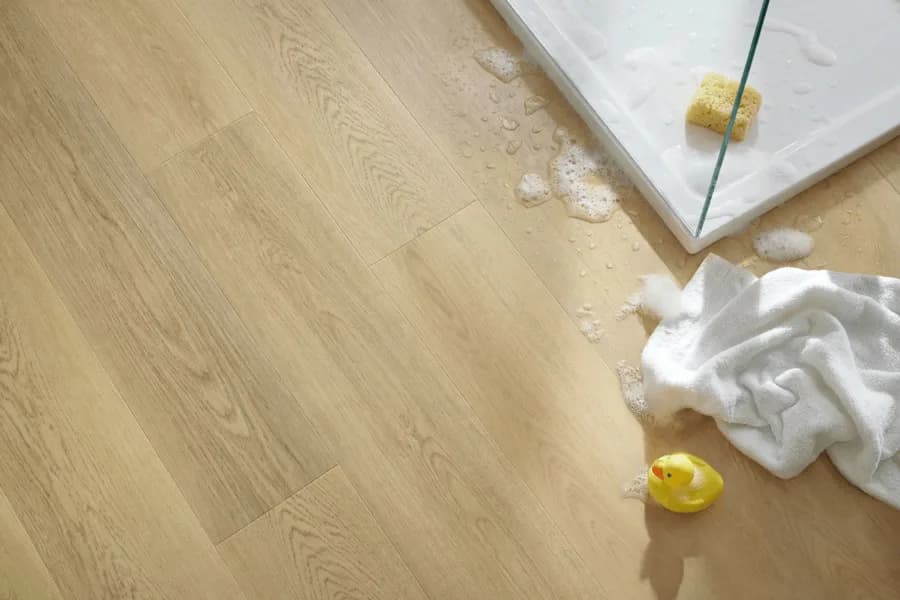
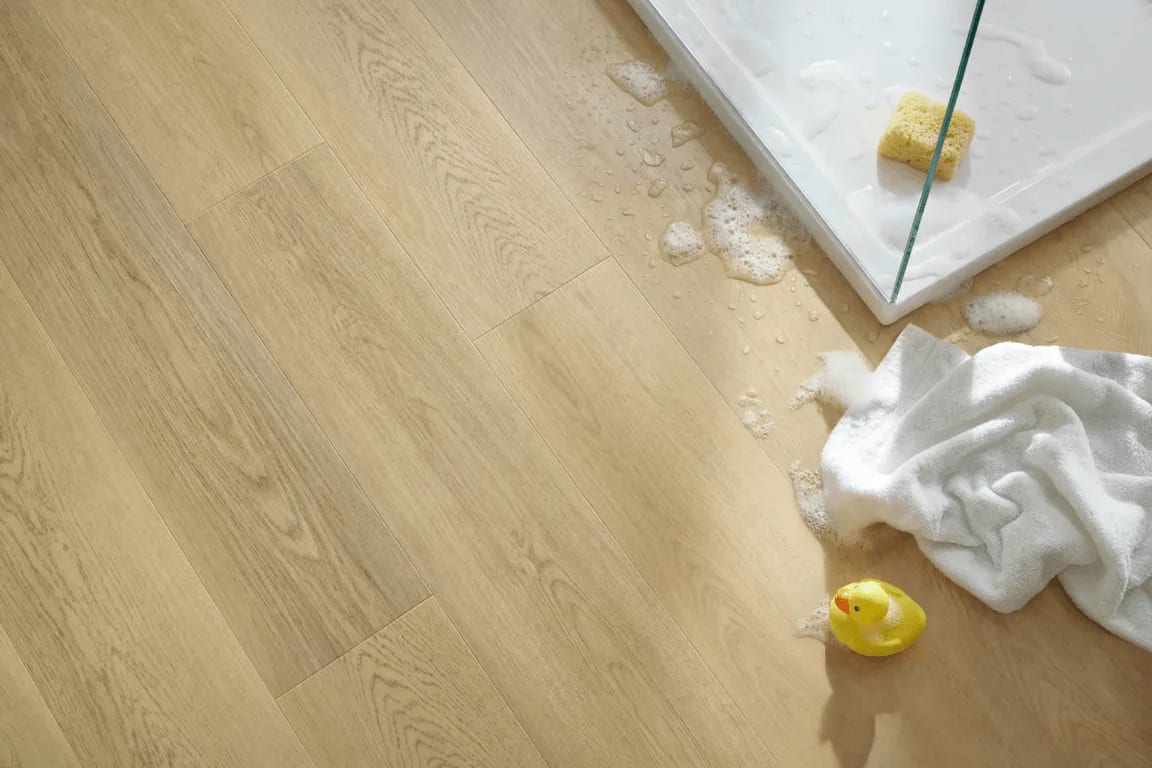
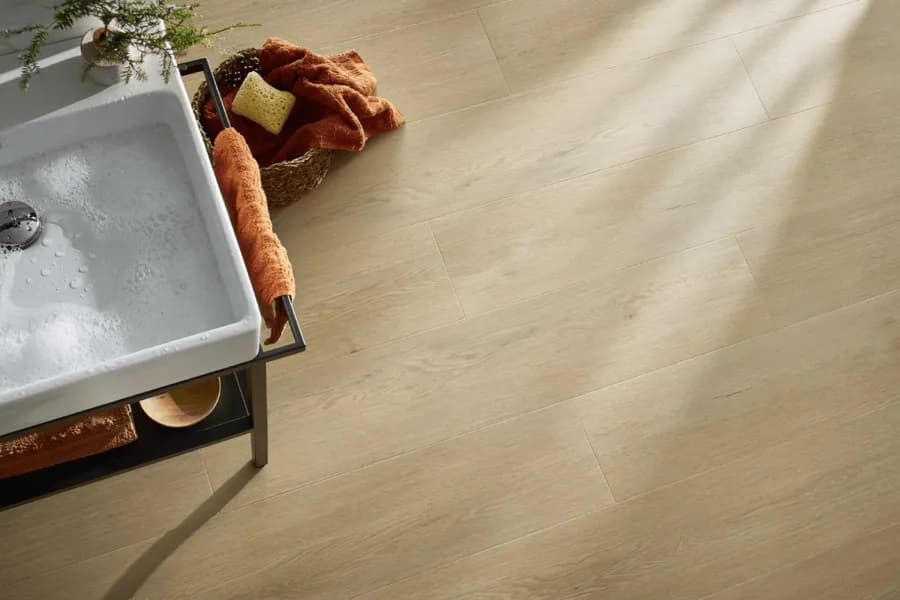
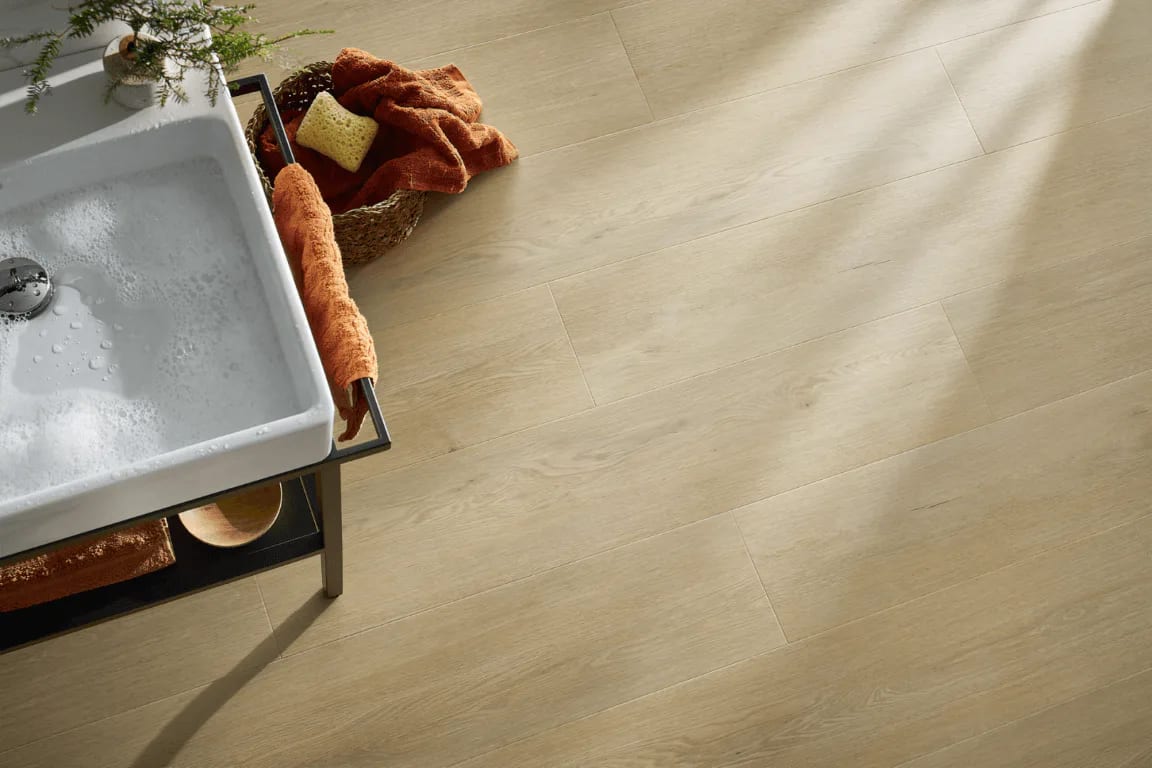
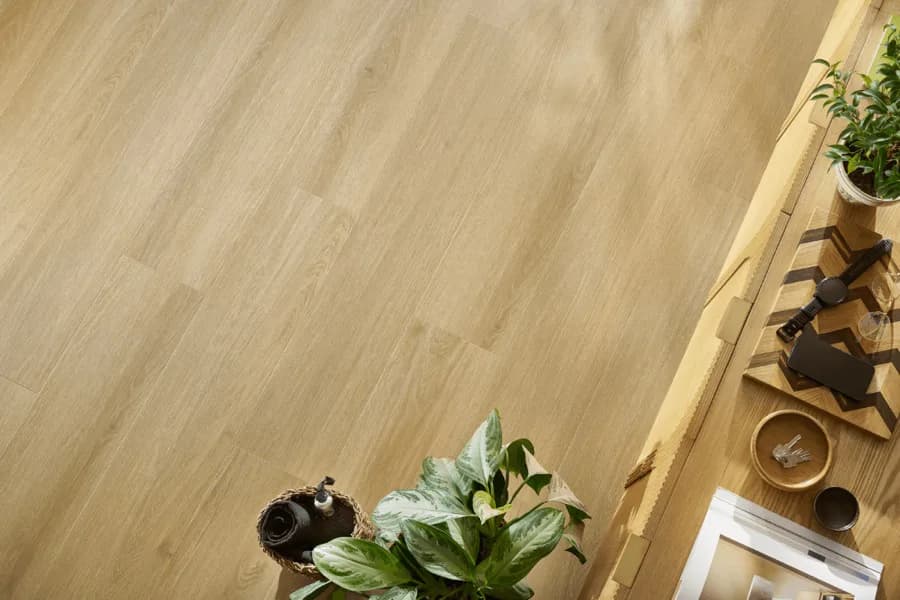
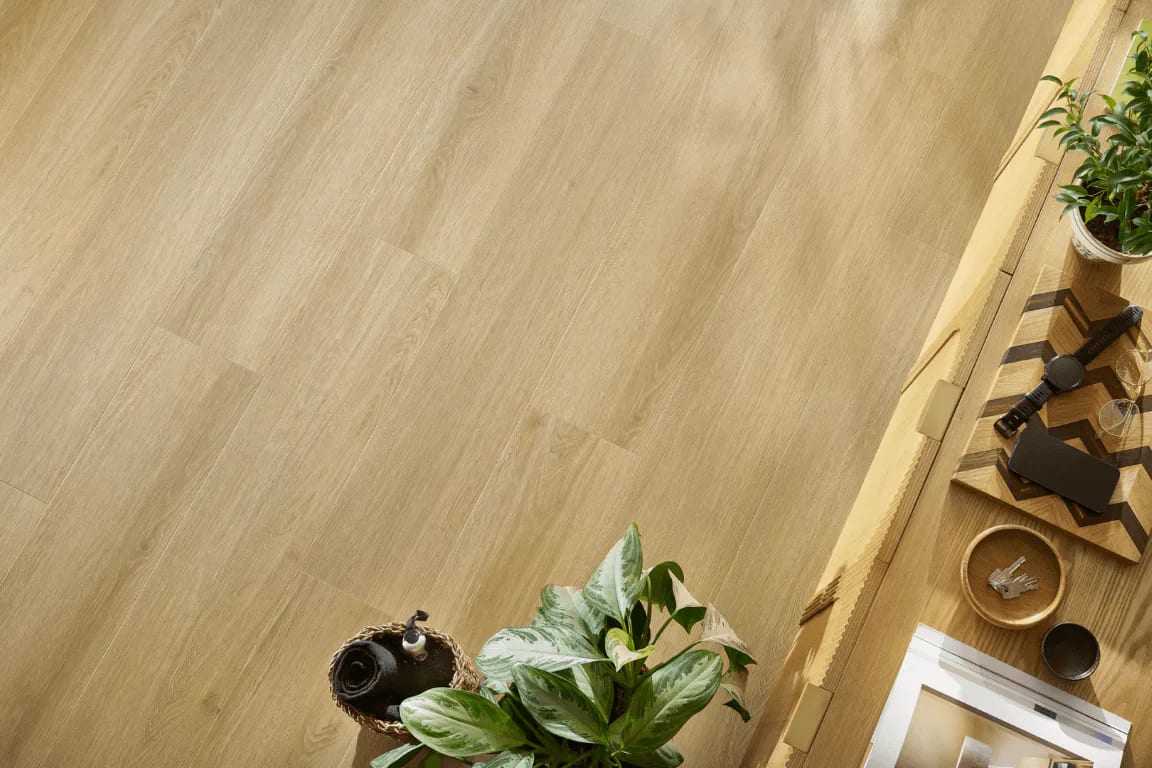
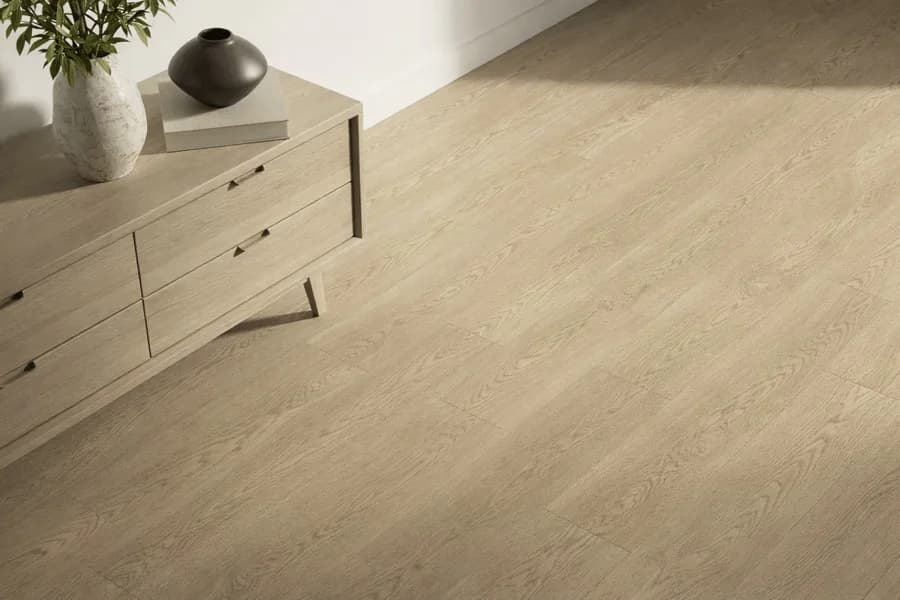
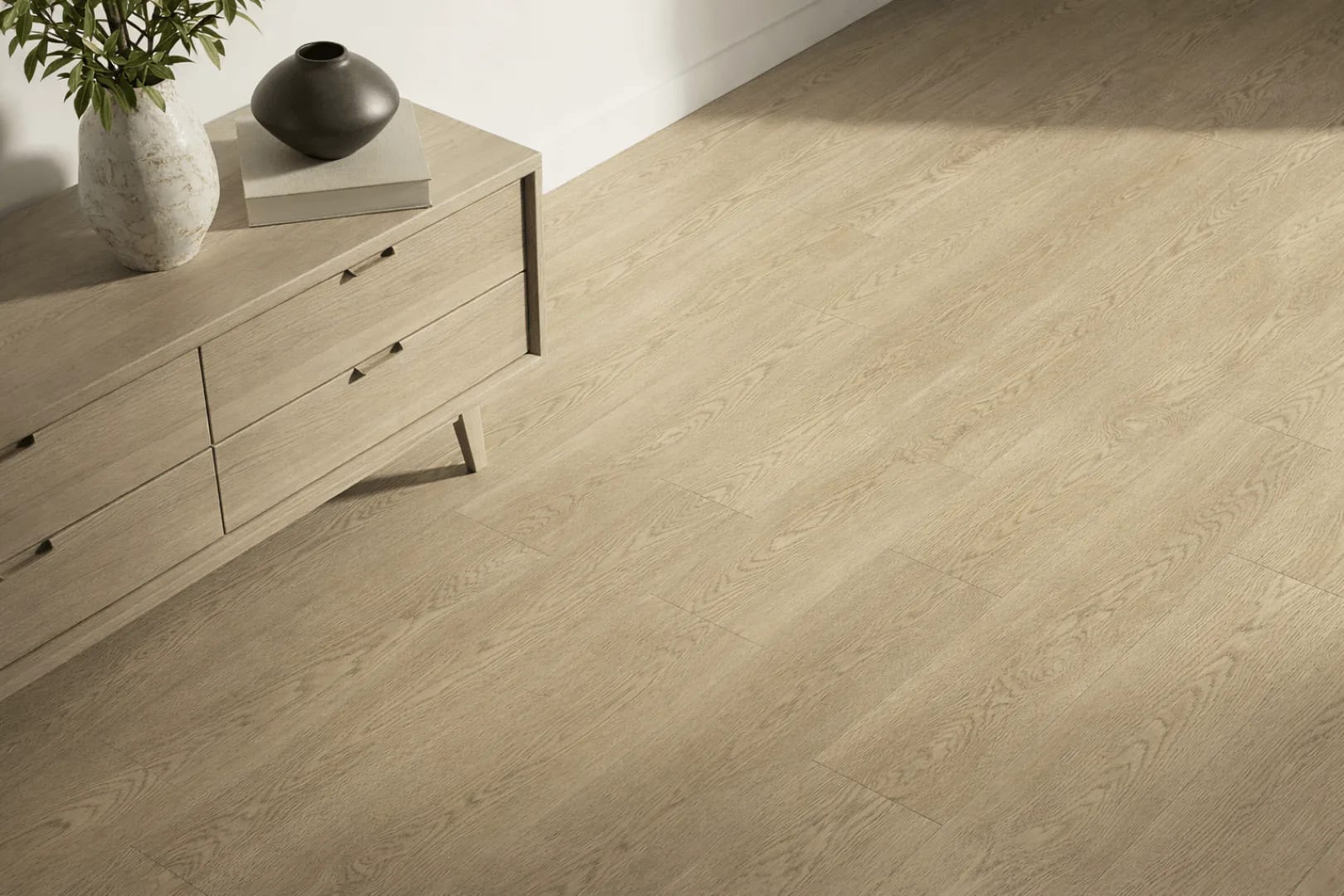
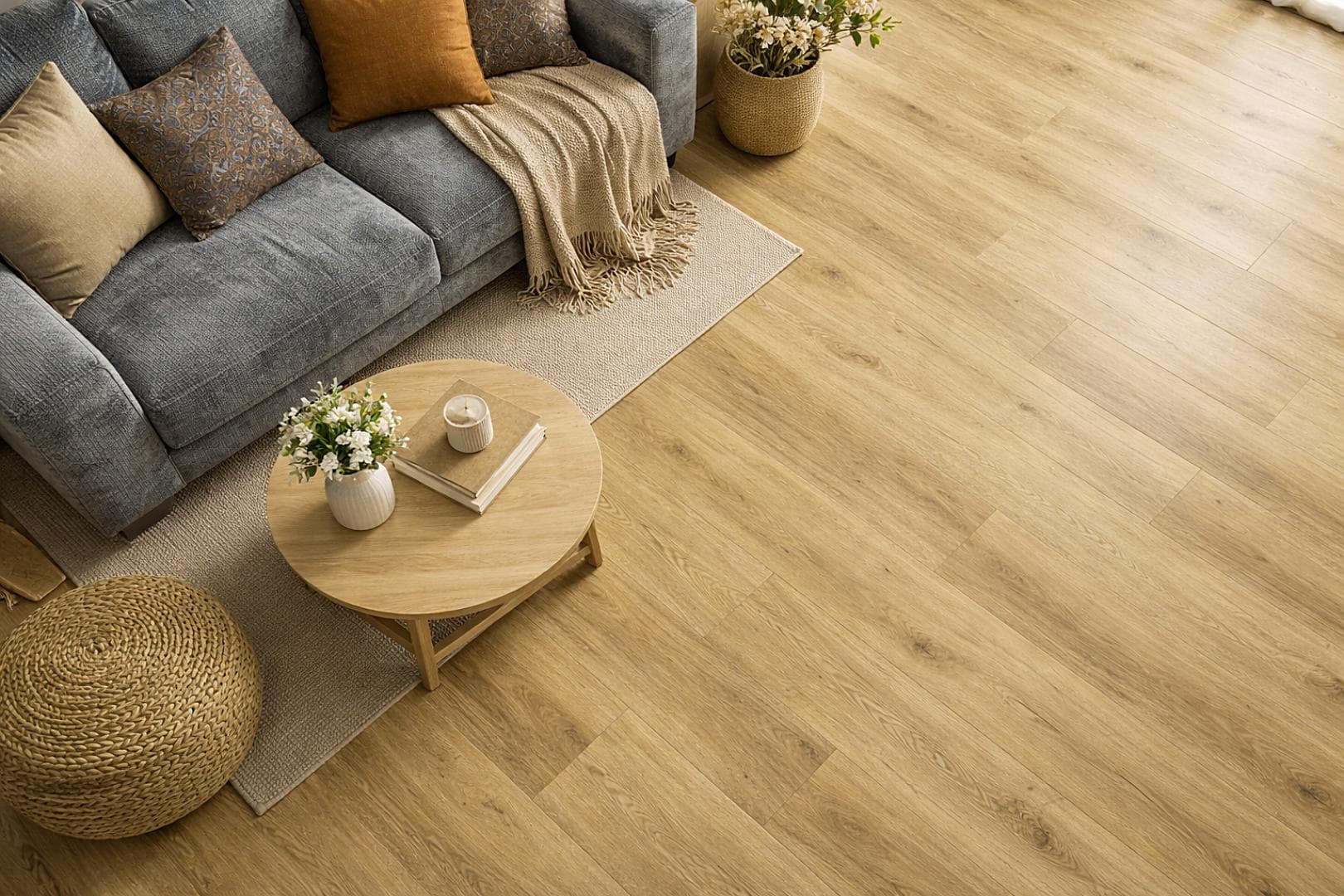
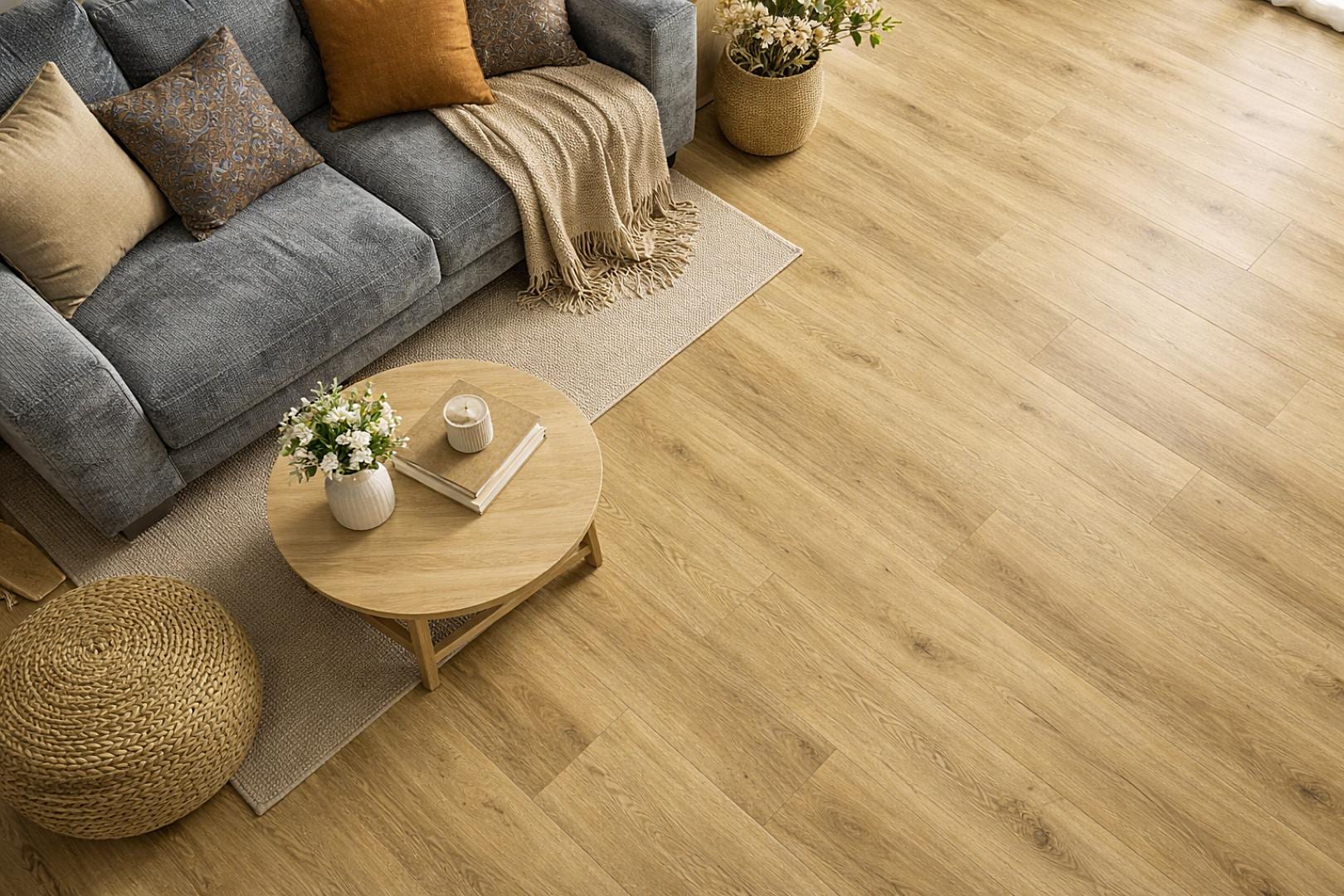

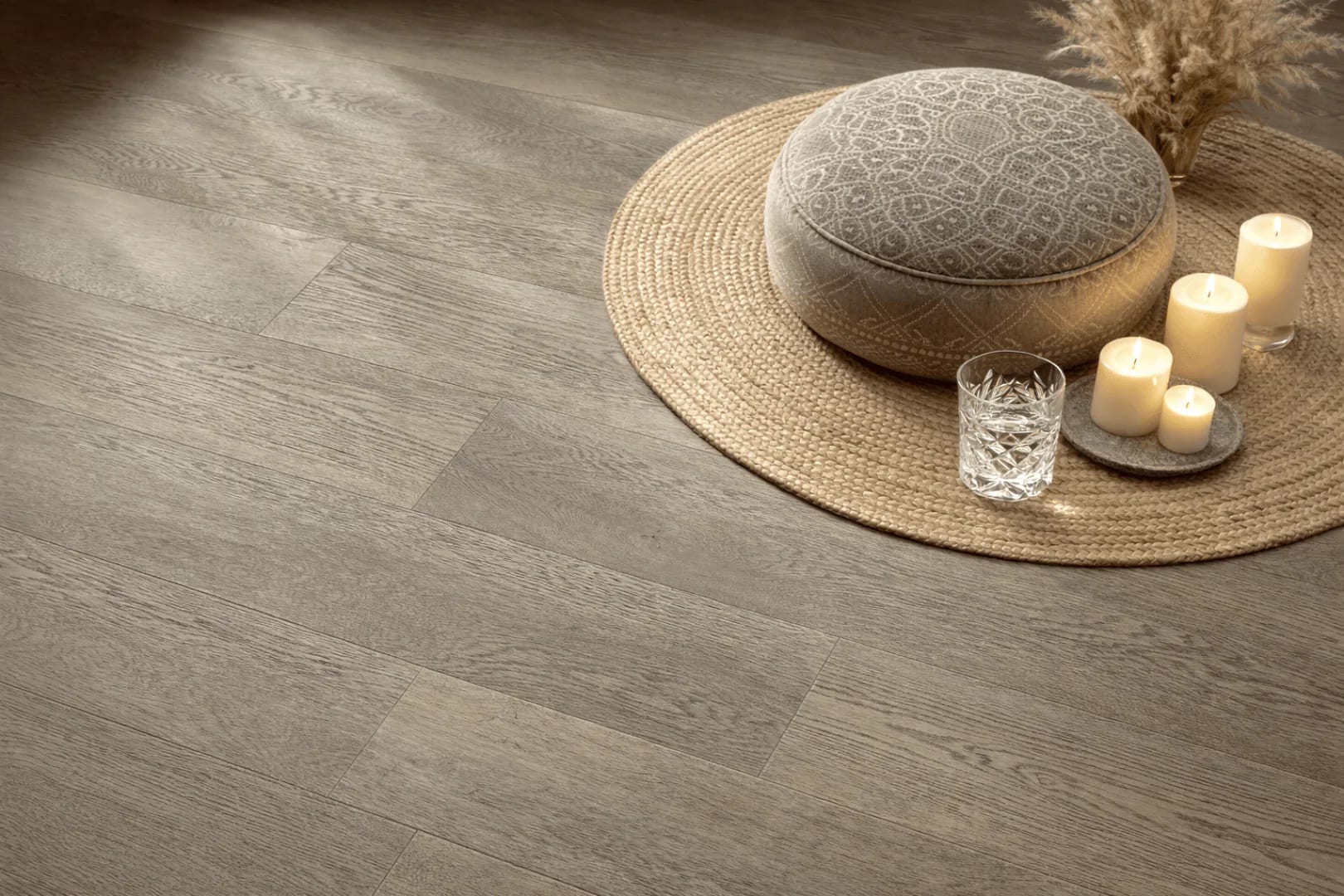

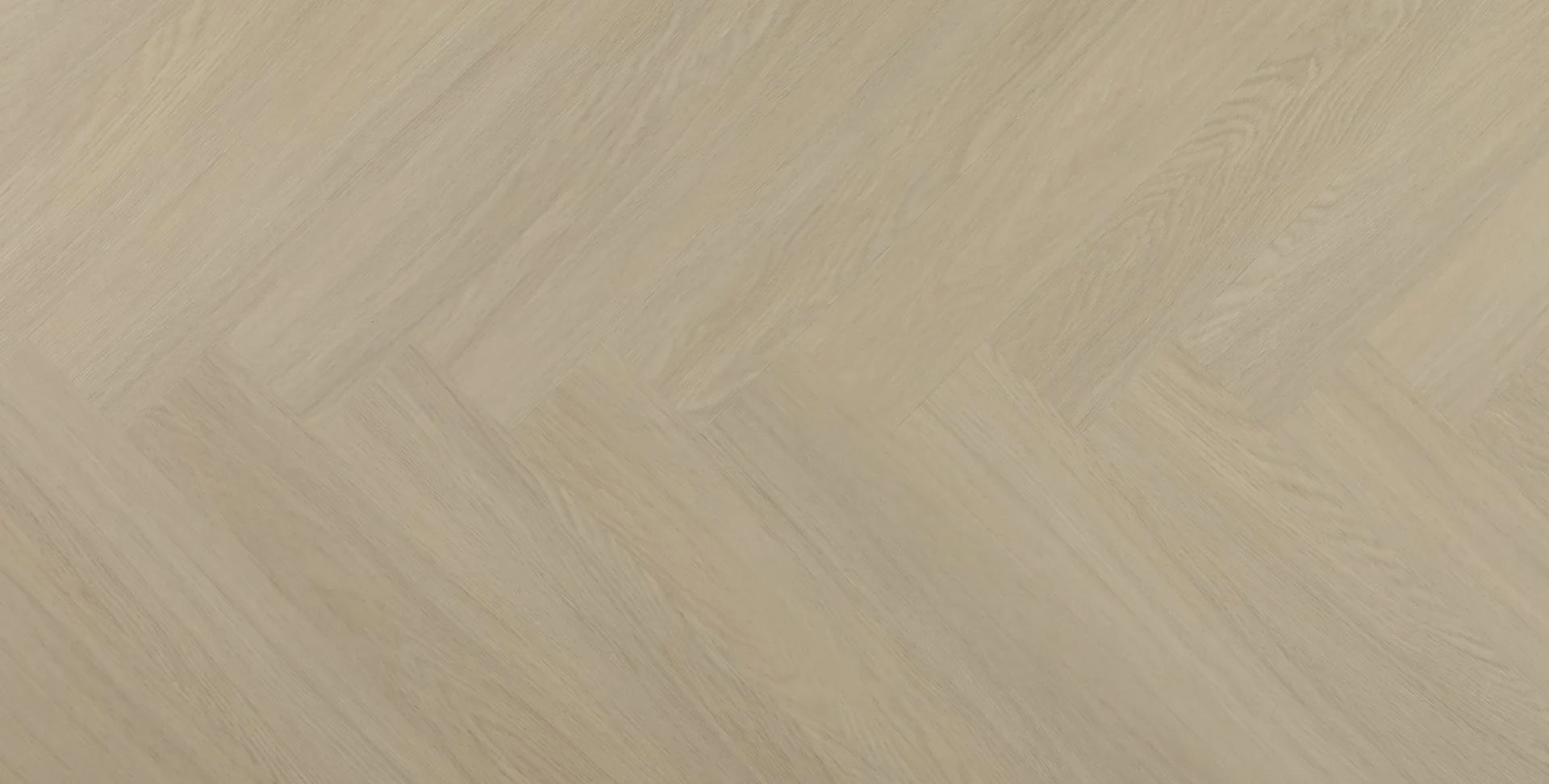
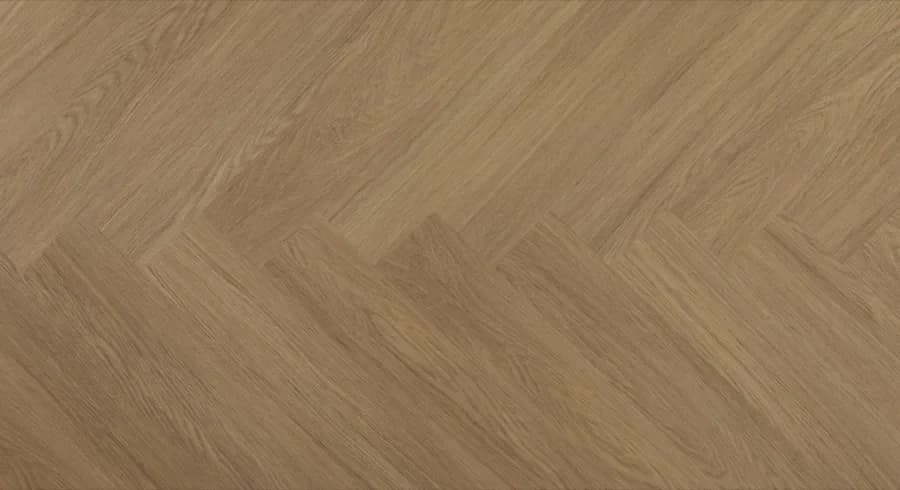
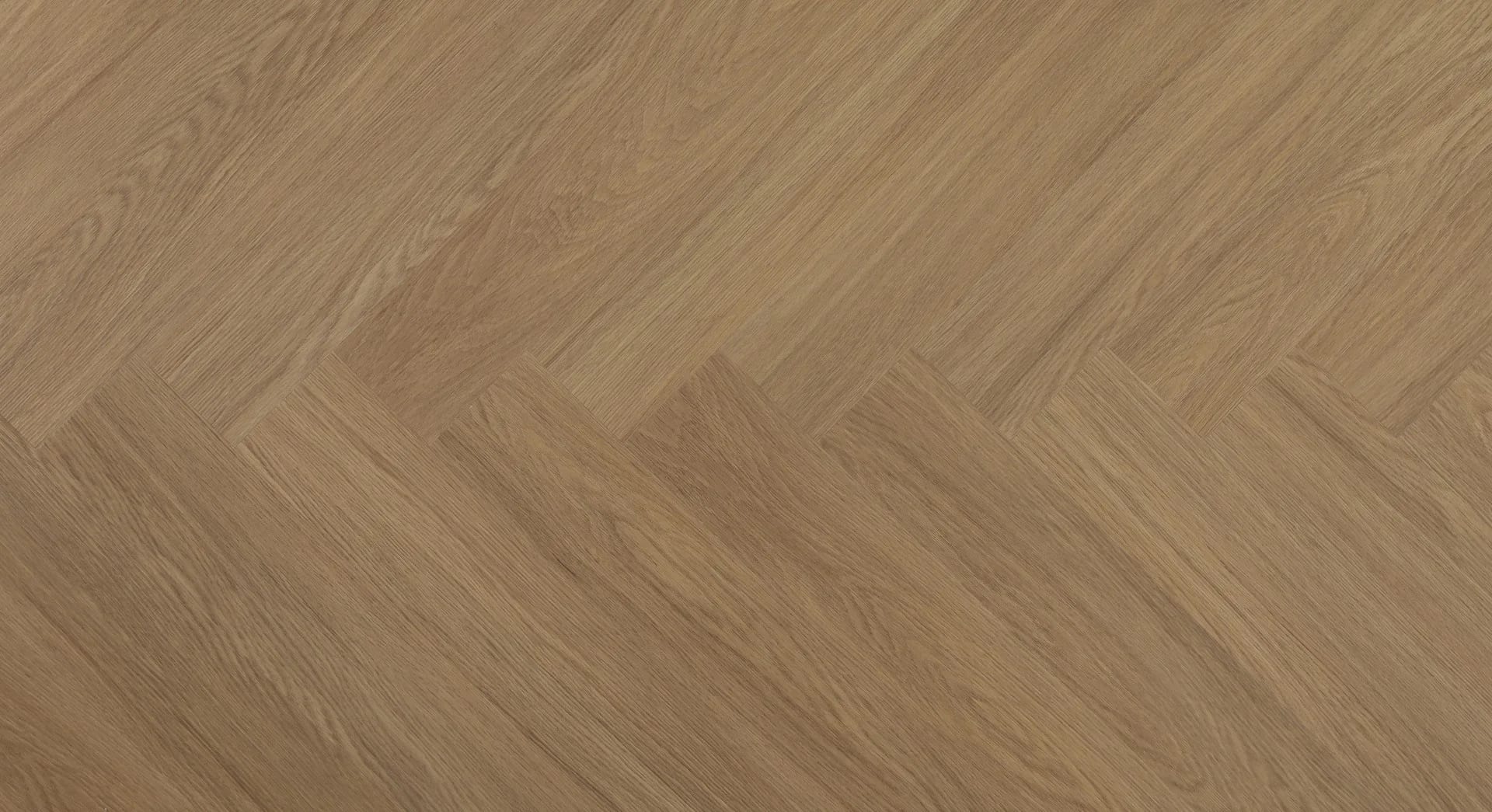
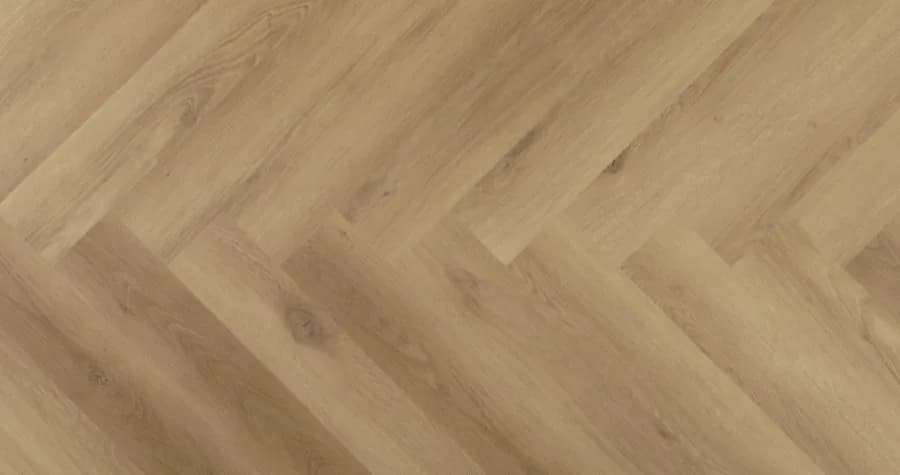
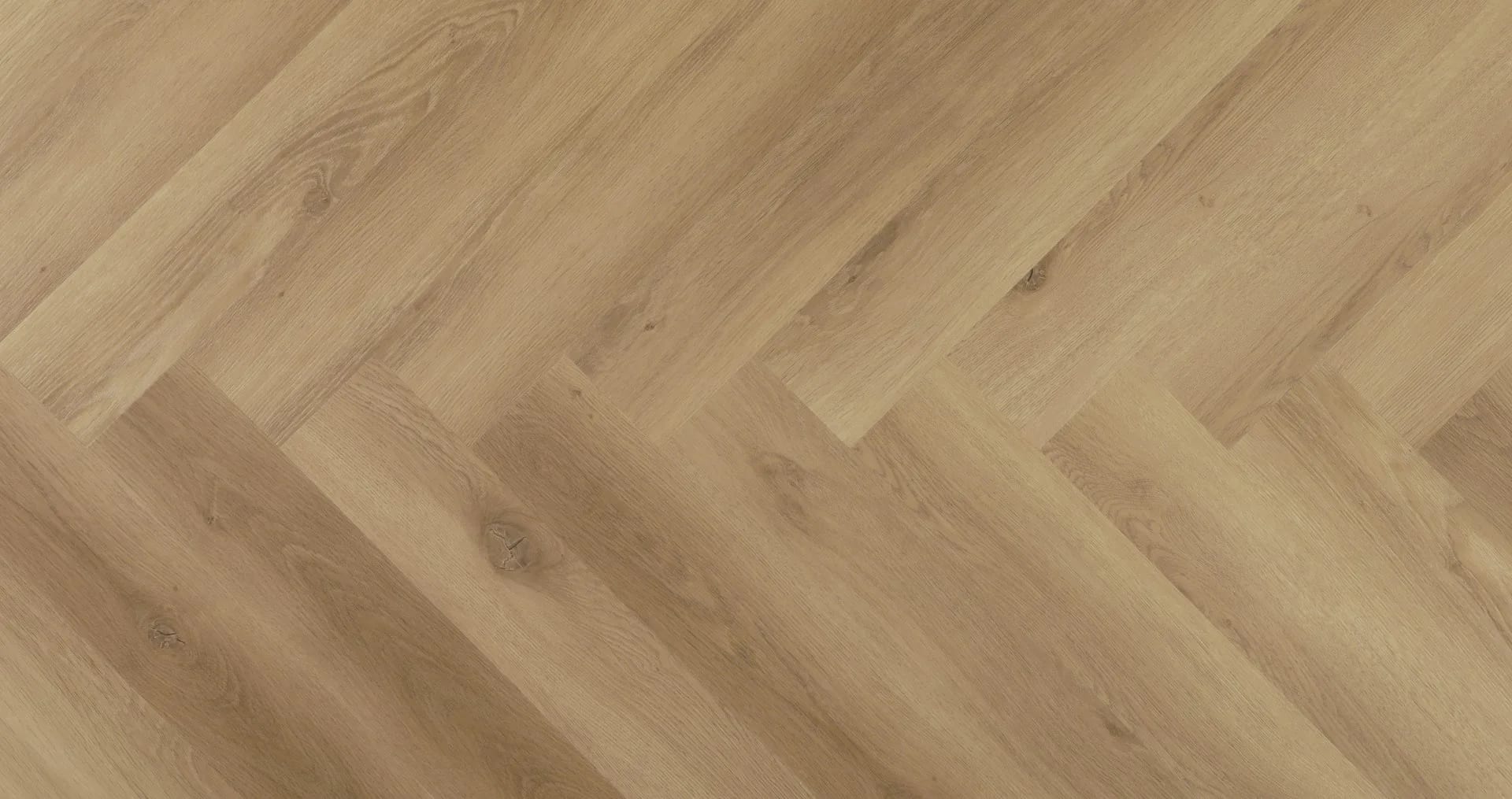
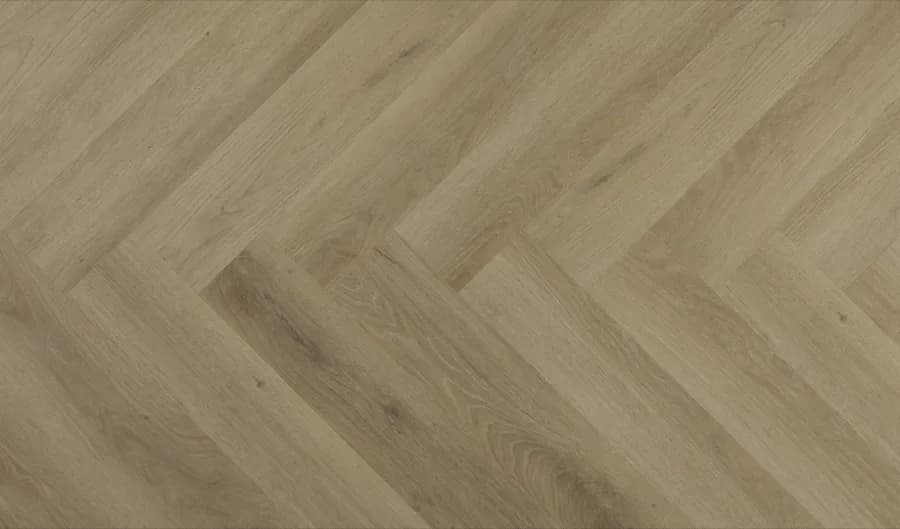
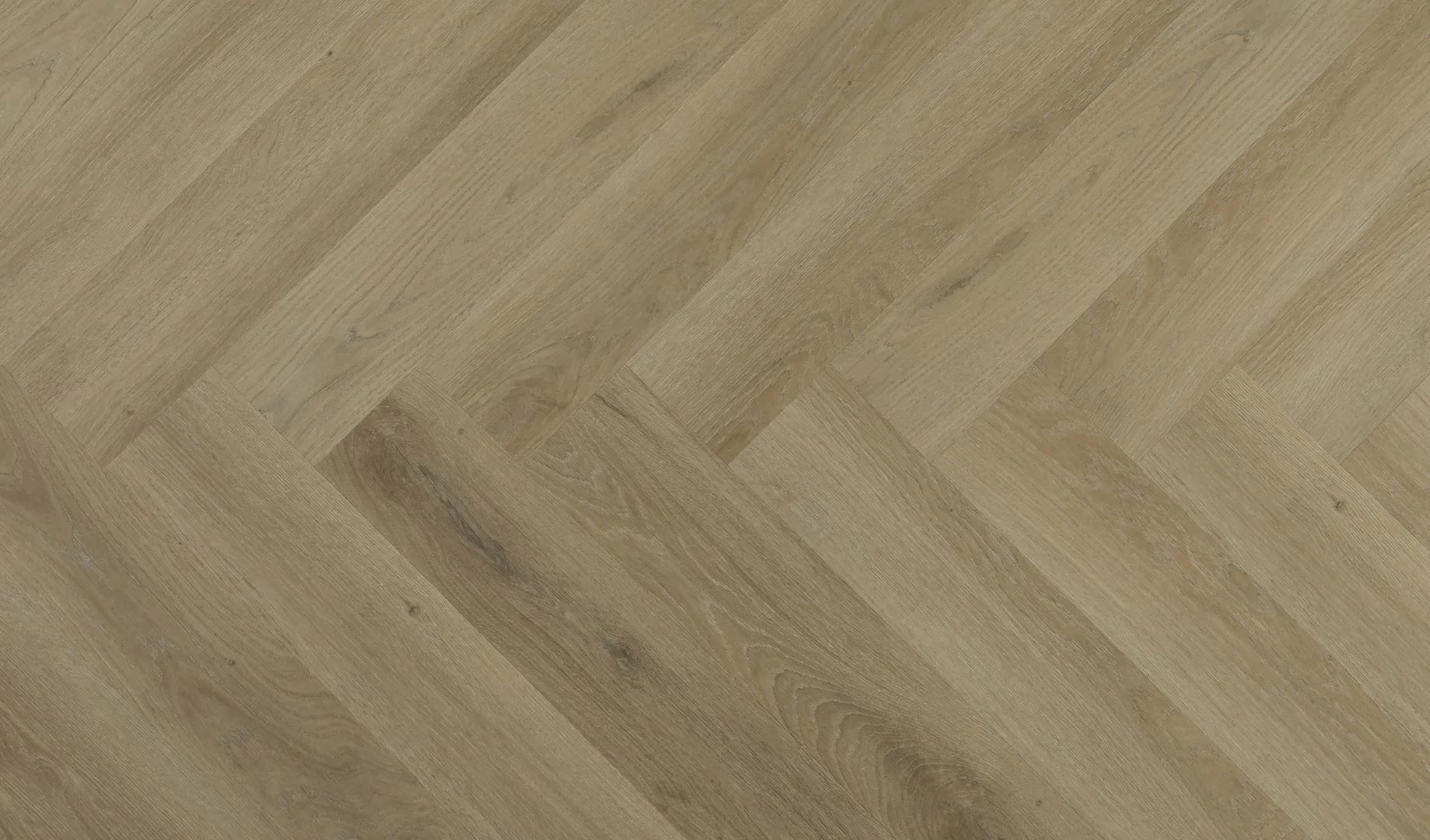
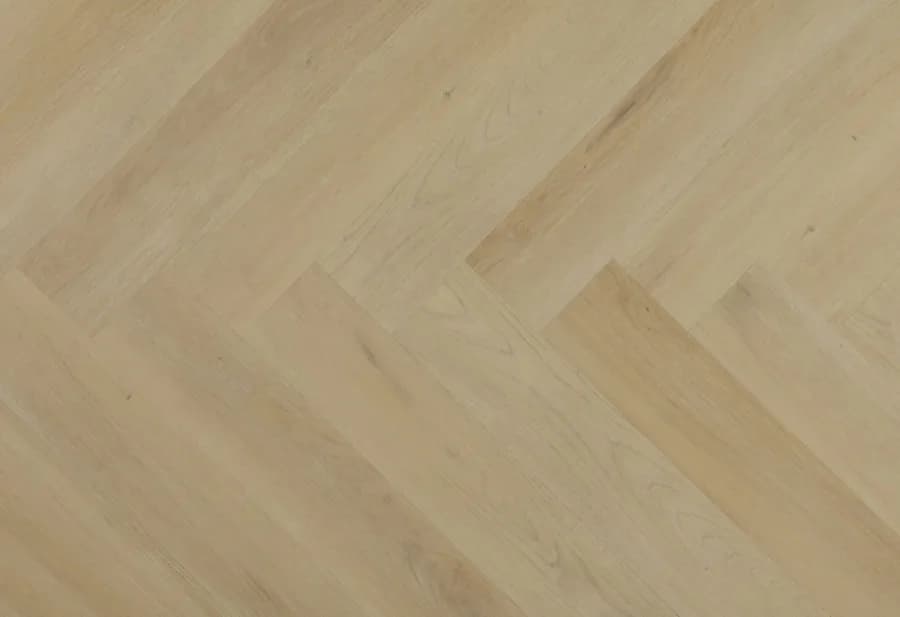
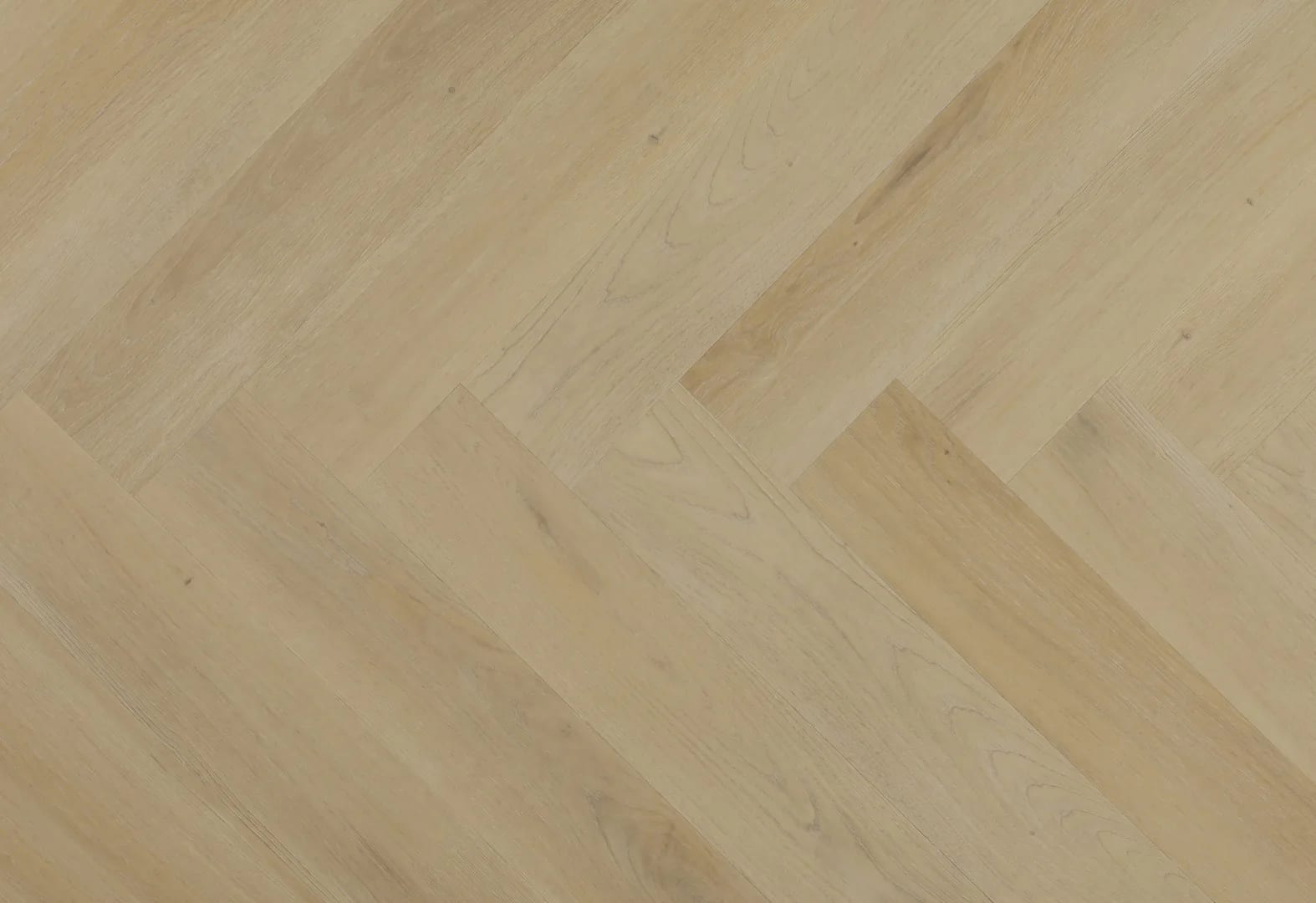
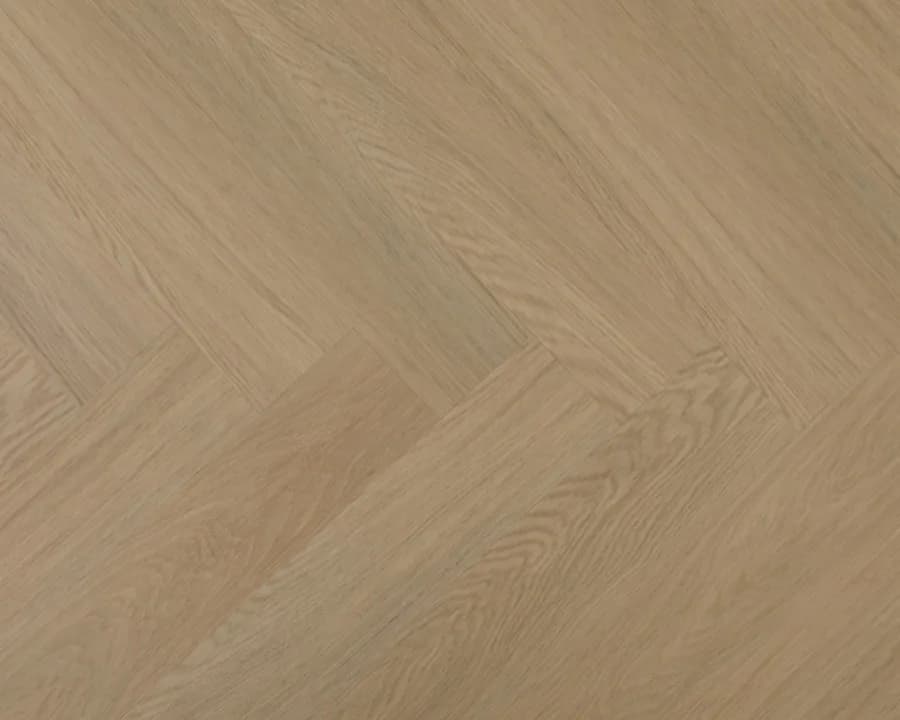
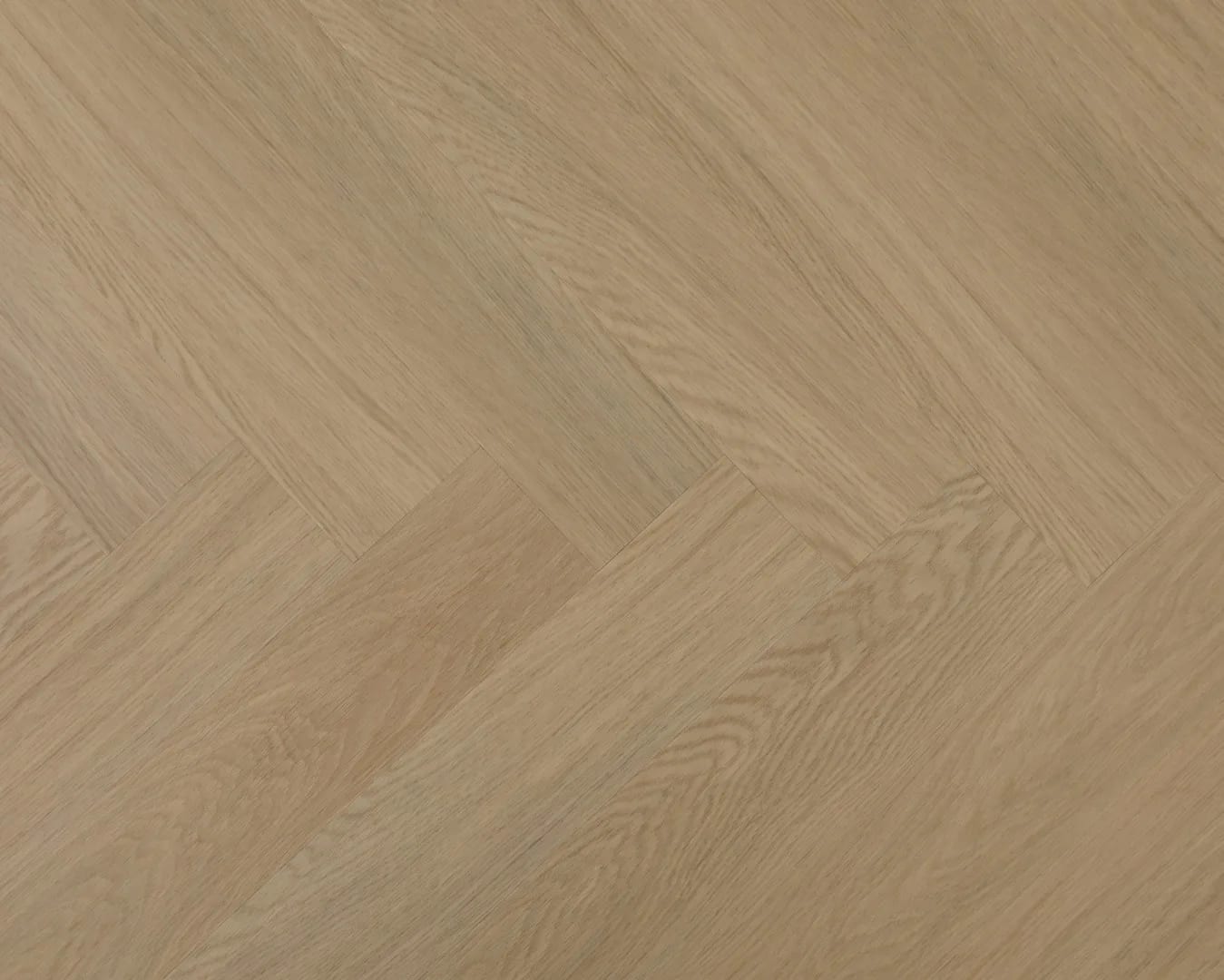
The Kitchen flooring category is mainly based on vinyl and laminate flooring, with a smaller share of wood floors. In this area, everyday spills, grit brought in from hallways and frequent mopping all matter. When comparing decors on this page, the starting point is vinyl and laminate, and water resistance is read from the technical sheet for the specific model. The listings include, among others, COFFEE THERMO OLEJ KACZKAN, Oak Rock Live Natural Boen, Oak Foam Rustic Lareco and CASHMERE OAK Arbiton.
The heaviest wear falls on the area by the sink, dishwasher and worktop. Here, people usually compare how the floor reacts to water according to the product sheet, how easy it is to clean off dirt, and how the surface holds up under heavy use. In this category, the group name alone doesn’t tell you the specs: alongside vinyls there are laminates with declared splash resistance for the period stated by the manufacturer, and with oiled wood the sink area needs more frequent care.
The board finish also matters. A deeper bevel — in other words, a more pronounced cut edge — and a stronger texture make the individual boards stand out more, but flour, grease and fine dirt from cooking stay in the grooves for longer. A smoother surface is quicker to clean, while a textured one hides everyday dust more easily.
It’s also worth looking separately at the area around the table, bar stools and chairs that get moved several times a day. Signs of wear usually appear there faster than along the main work area. Felt pads under furniture legs help reduce scratches and small scuffs.
Spilt water should be wiped up straight away, whatever type of floor you have. On some models, the technical sheet states that the floor is 100% waterproof, but this applies to the specific product and the stated installation conditions, not to all vinyls or laminates as a group. With laminate flooring, the key point is the length of water exposure given by the manufacturer, and with click-installed floors, water can get through the joints to the subfloor.
With floating installation — that is, when the floor isn’t permanently fixed to the subfloor — it isn’t laid under fixed kitchen units. The installation usually ends before the plinth, or the units are placed directly on the subfloor. This setup limits movement in the locking system and reduces the risk of deformation under furniture load.
In the kitchen, what matters is quick water removal, regular vacuuming of grit and a cleaner suited to the type of surface. Tiny particles brought in from hallways work a bit like sandpaper, so dulling usually shows up first in walkways and under chairs. If the floor starts to creak or move at the joints after cleaning, that usually points to moisture in the joints or an issue with the subfloor, not the decor itself.
With modular models, replacing a single piece is sometimes considered. With wood floors, the repair method depends on the board construction and the finish, so before buying it’s also worth comparing care instructions and any possible surface touch-ups.